
Breaking · Climate & Environment
Nepal's Prime Minister Just Told the United Nations the World Owes His Country for a Flood That Killed Over 1,300 People
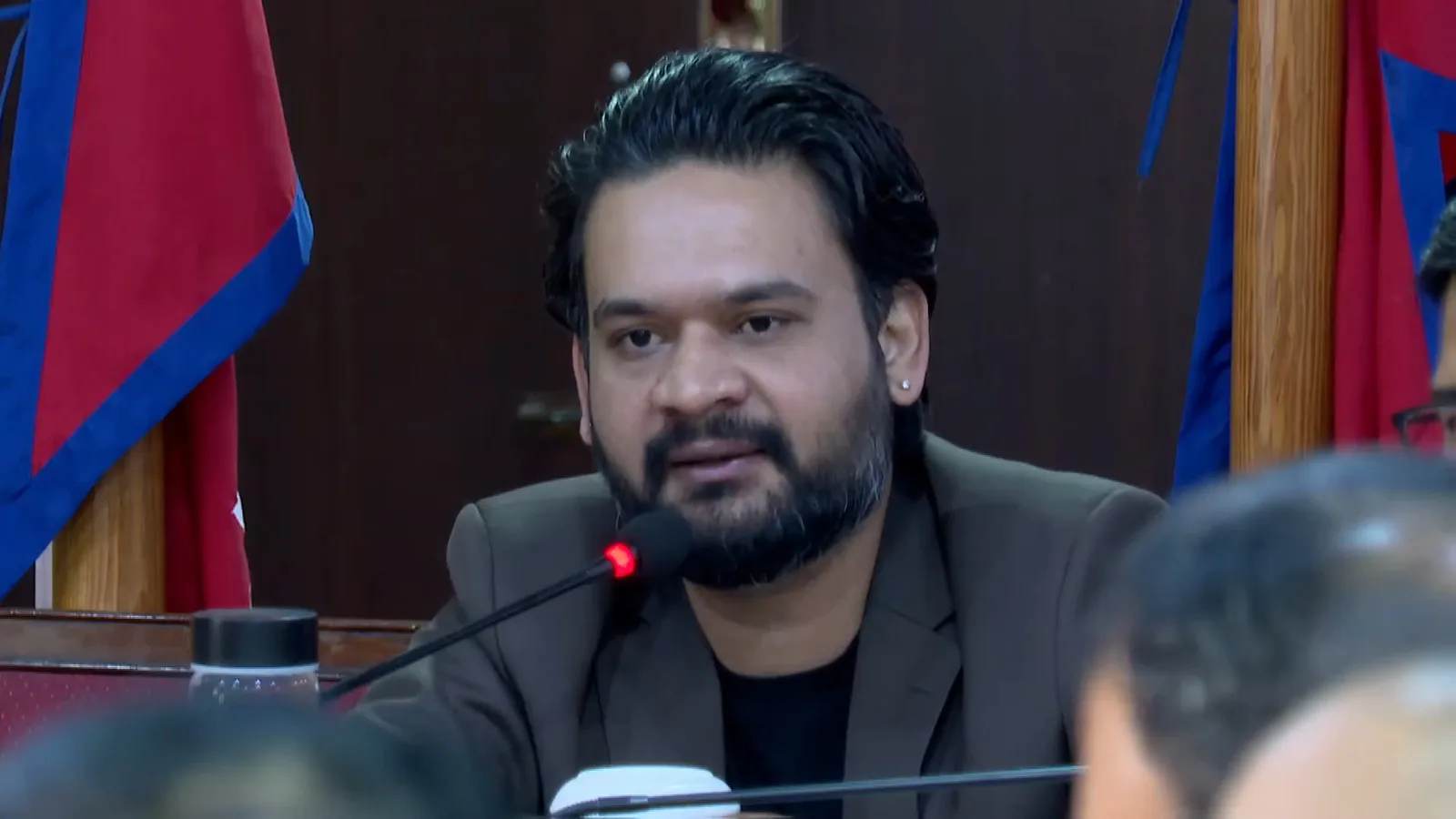
Balen Shah told the UN General Assembly on 24 September that Nepal needs $4.78 billion to rebuild after a flood that killed over 1,300 people.
At a glance
- Published
- TopicClimate & Environment
- Verified againstThe Kathmandu Post
- Treks coveredAnnapurna Base Camp Trek — 9 Days, Everest Base Camp Trek — 12 Days
Nepal's prime minister told the United Nations General Assembly on 24 September that the countries most responsible for global carbon emissions should help pay to rebuild his country after a flood that has killed more than 1,300 people and left thousands more missing.
Key facts
- Prime Minister Balen Shah (Balendra Shah), 36, addressed the 81st UN General Assembly in New York on 24 September — his first foreign trip since taking office on 27 March 2026
- Nepal's Ministry of Foreign Affairs put the reconstruction bill at USD 4.78 billion
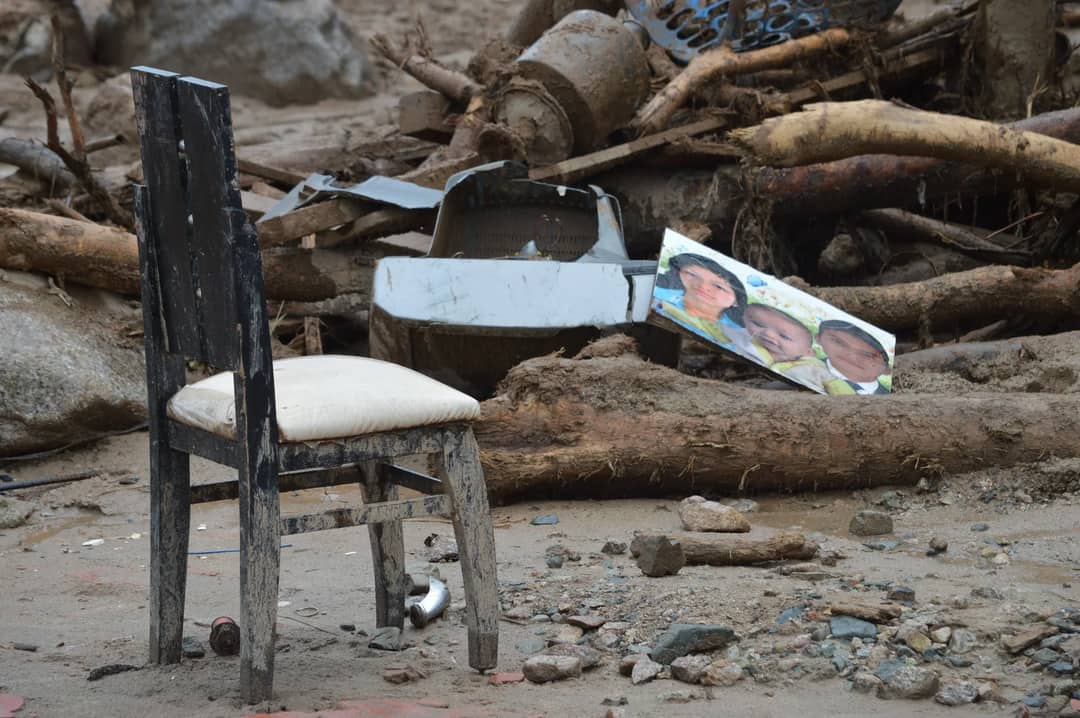
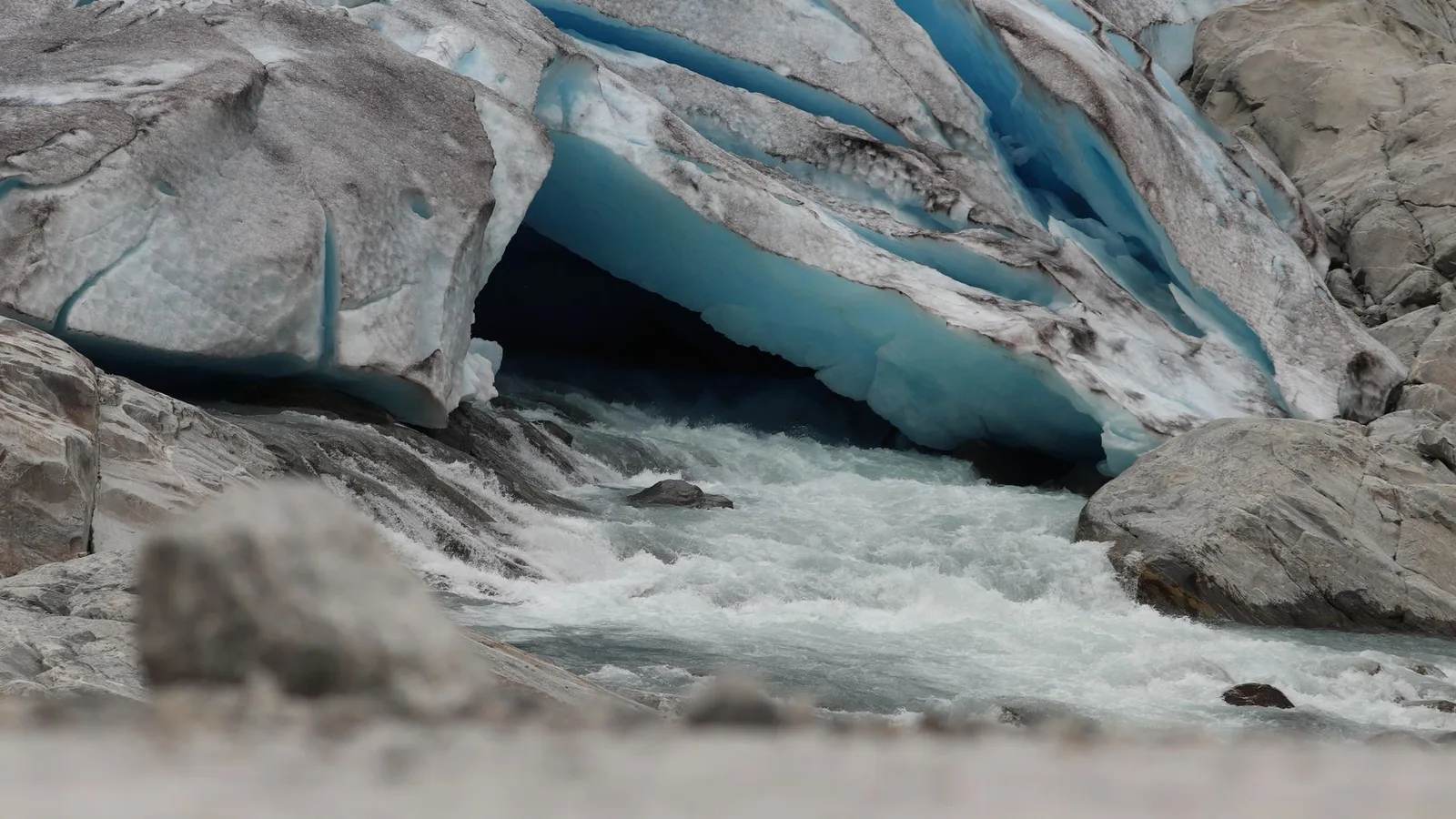
- The disaster was triggered by an ice-rock avalanche and glacier collapse near Langtang Lirung on 26 August 2026
- Nepal argues it emits a negligible share of global emissions yet bears an outsized share of the damage
What Balen Shah actually told the UN
Shah used the address to press wealthier, higher-emitting nations for financial support toward Nepal's recovery, arguing that a country contributing almost nothing to global greenhouse gas emissions is absorbing some of the worst consequences of a warming Himalaya. It was his first appearance on the world stage since a Gen Z-led movement brought his government to power at the end of March, and it came four weeks after the 26 August disaster that Nepal's government says triggered flash floods and debris flows along the Trishuli and Bhote Koshi river basins, wiping out villages and at least a dozen hydropower projects. He was also scheduled to hold a separate meeting with UN Secretary-General Antonio Guterres the same day.
Why Nepal is asking rich countries to pay
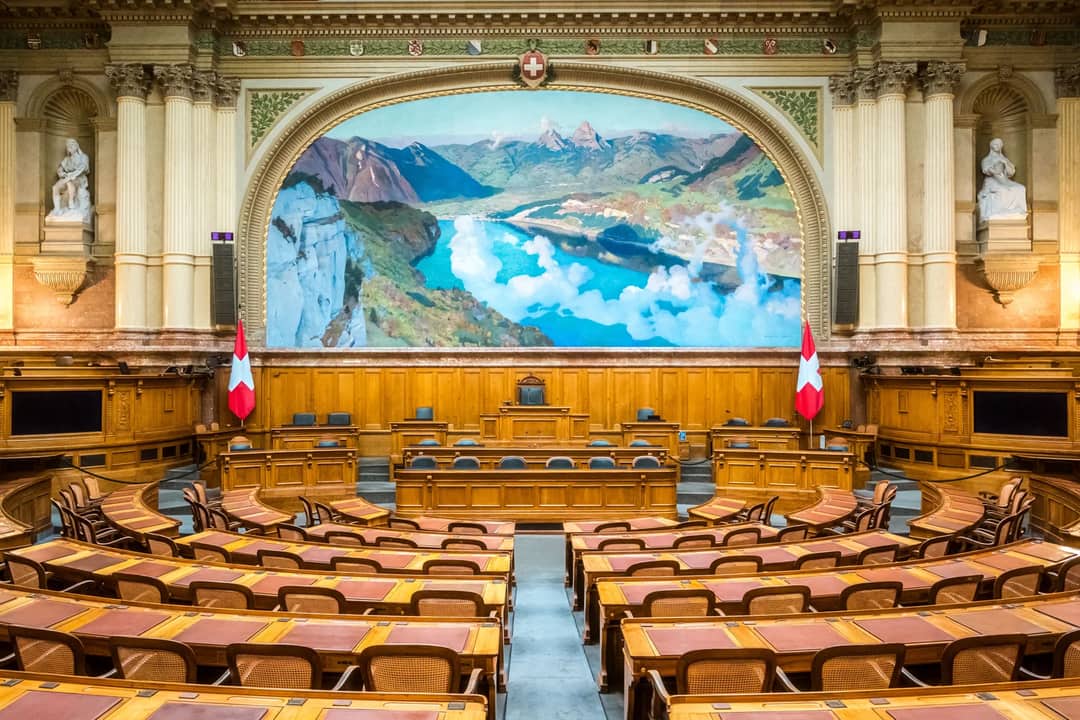
The case rests on a straightforward climate-justice argument: Nepal's Ministry of Foreign Affairs has put the cost of reconstruction at USD 4.78 billion — a sum the finance ministry has said could run to nearly a tenth of the country's economy — against a nation that produces a tiny fraction of the emissions warming the glaciers above it. Scientists examining the 26 August event have pointed to a climate-linked glacial collapse as the trigger, which is the same argument Nepal is now making formally to the UN: that mountain nations are paying the bill for a crisis largely created elsewhere. Members of the Nepali diaspora and climate activists, some of whom lost family or homes in the flood, rallied outside UN headquarters this week to back the government's case, and Swedish activist Greta Thunberg has separately voiced support.
What this means for your trek this autumn
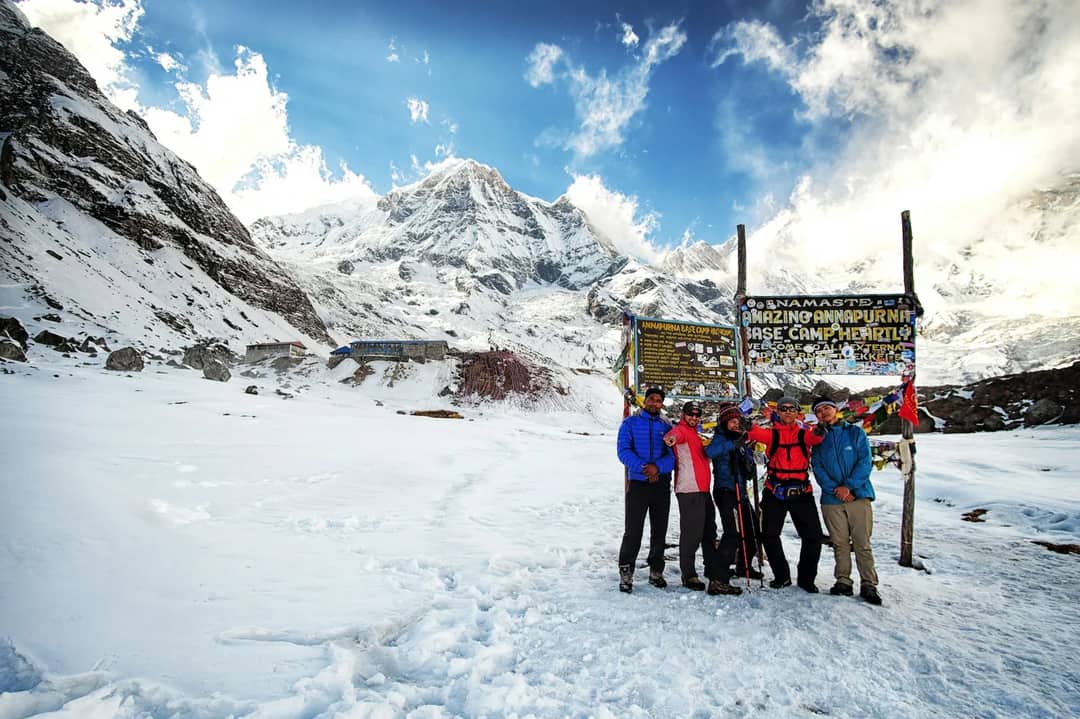
Outside the Langtang and Rasuwa districts, where the flood struck directly, Nepal's autumn trekking season is running on its normal schedule. Everest Base Camp, the Annapurna routes, Manaslu and the far-western treks are unaffected by the flood itself, though every route deserves a status check before you fly, since road and trail conditions can still shift as the monsoon tapers off.
| Region | Status this autumn |
|---|---|
| Langtang & Rasuwa (Bhote Koshi/Trishuli basin) | Directly affected — check current access before booking |
| Everest / Khumbu | Unaffected, running to normal autumn schedule |
| Annapurna region | Unaffected, running to normal autumn schedule |
| Manaslu & far-west | Unaffected, running to normal autumn schedule |
What this means for you
A UN speech doesn't change what's on the ground: Everest and Annapurna are trekking normally this autumn, and the disaster is concentrated in one river basin, not the whole country. If you're weighing whether to still book Nepal this year, the honest answer is that the regions almost every trekker visits are open, and the tourism income from a normal autumn season is itself part of how affected communities recover.
Did climate change actually cause the 26 August flood?
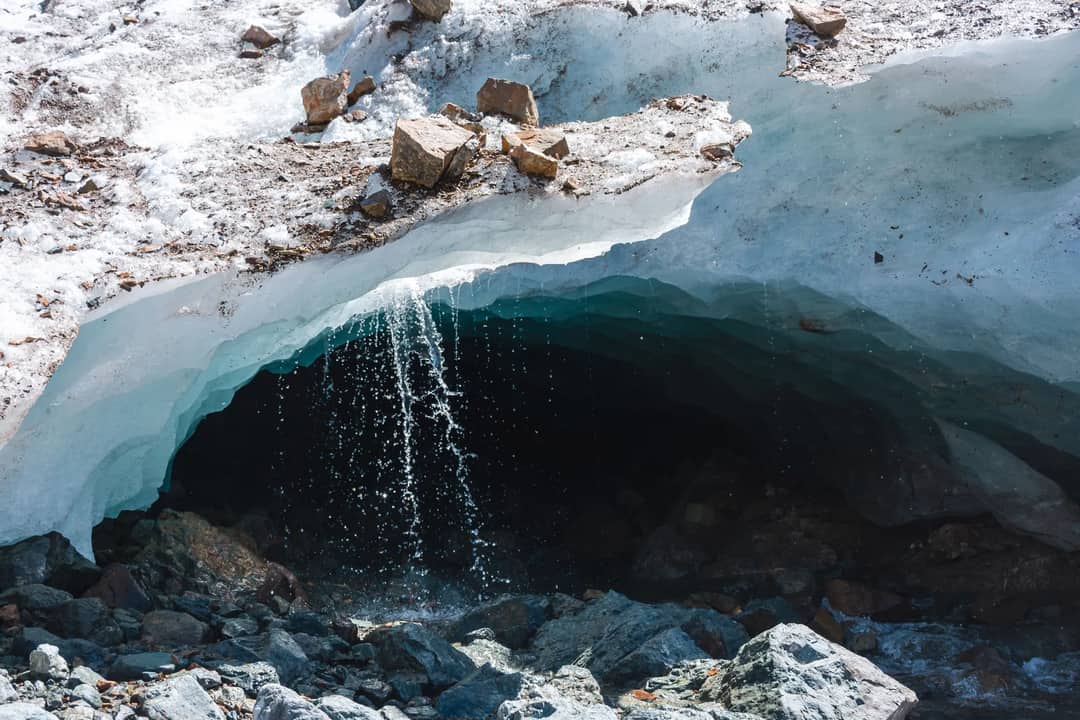
Scientists have linked the glacial collapse near Langtang Lirung to a warming Himalaya, though a single disaster is rarely attributed to climate change alone by international convention. Nepal's argument to the UN is about pattern and vulnerability — that a warming climate is making this kind of event more likely in a country that did little to cause the warming.
Is it still safe to trek in Nepal this autumn?
Yes, in every region outside Langtang and Rasuwa. Confirm your specific route's status with your operator before departure, since conditions in the affected districts are still being assessed.
Cover photo: Metro News via Wikimedia Commons (CC BY 3.0). Section photos: Franklin Peña Gutierrez via Pexels (Pexels licence); Christian Wasserfallen via Pexels (Pexels licence); Ivan Stecko via Pexels (Pexels licence); Redmaz Pham via Unsplash (Unsplash licence).
Still running this season
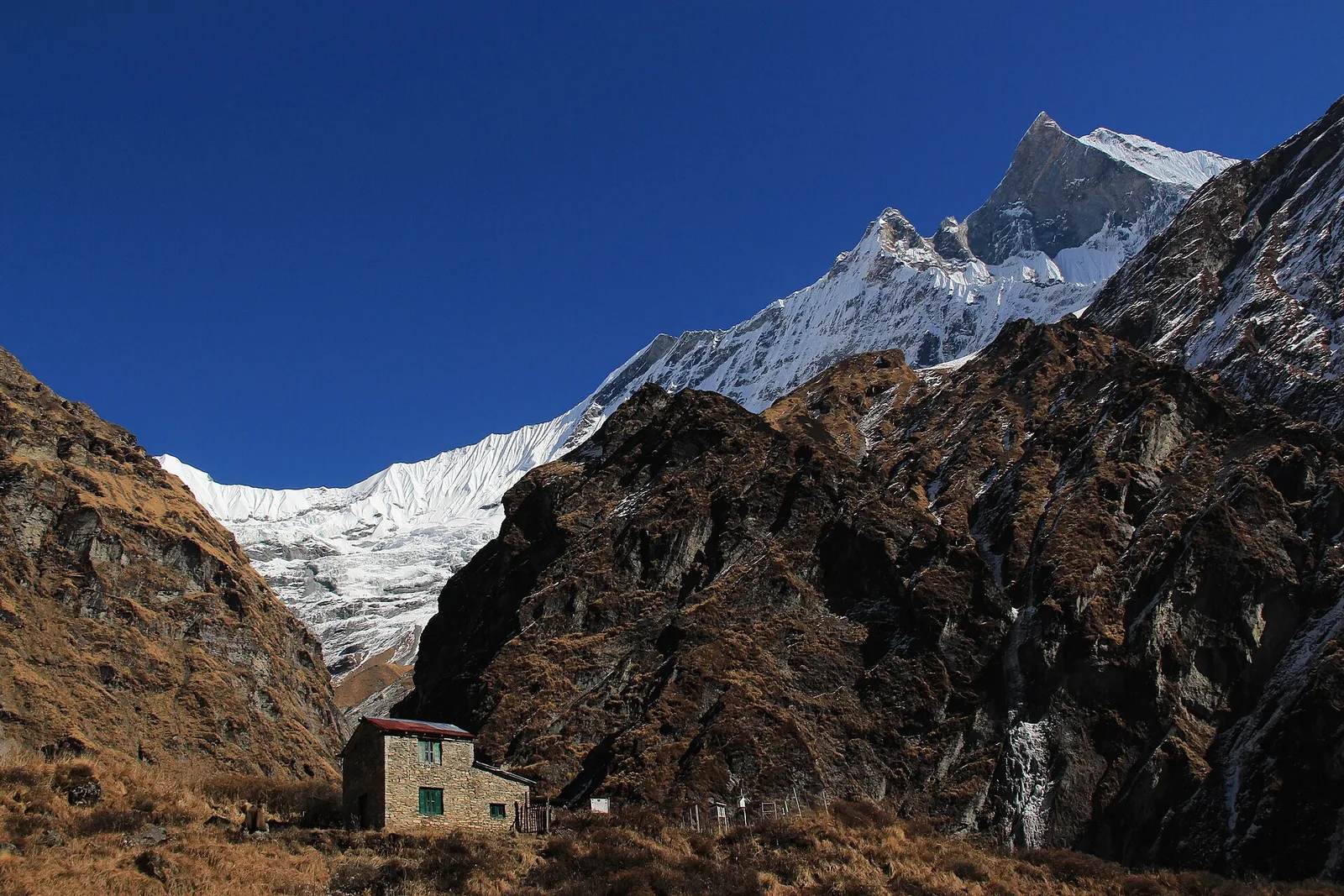
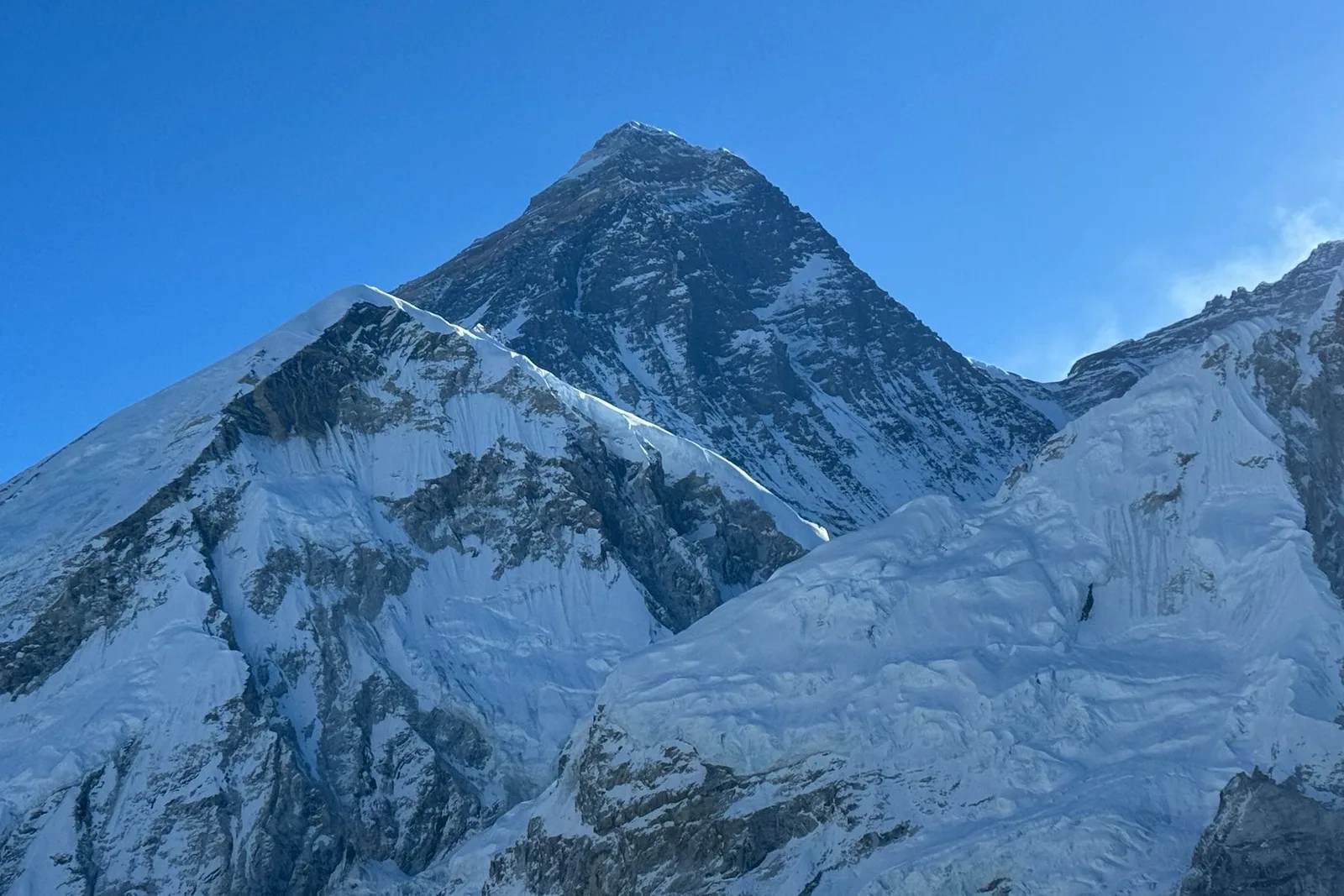
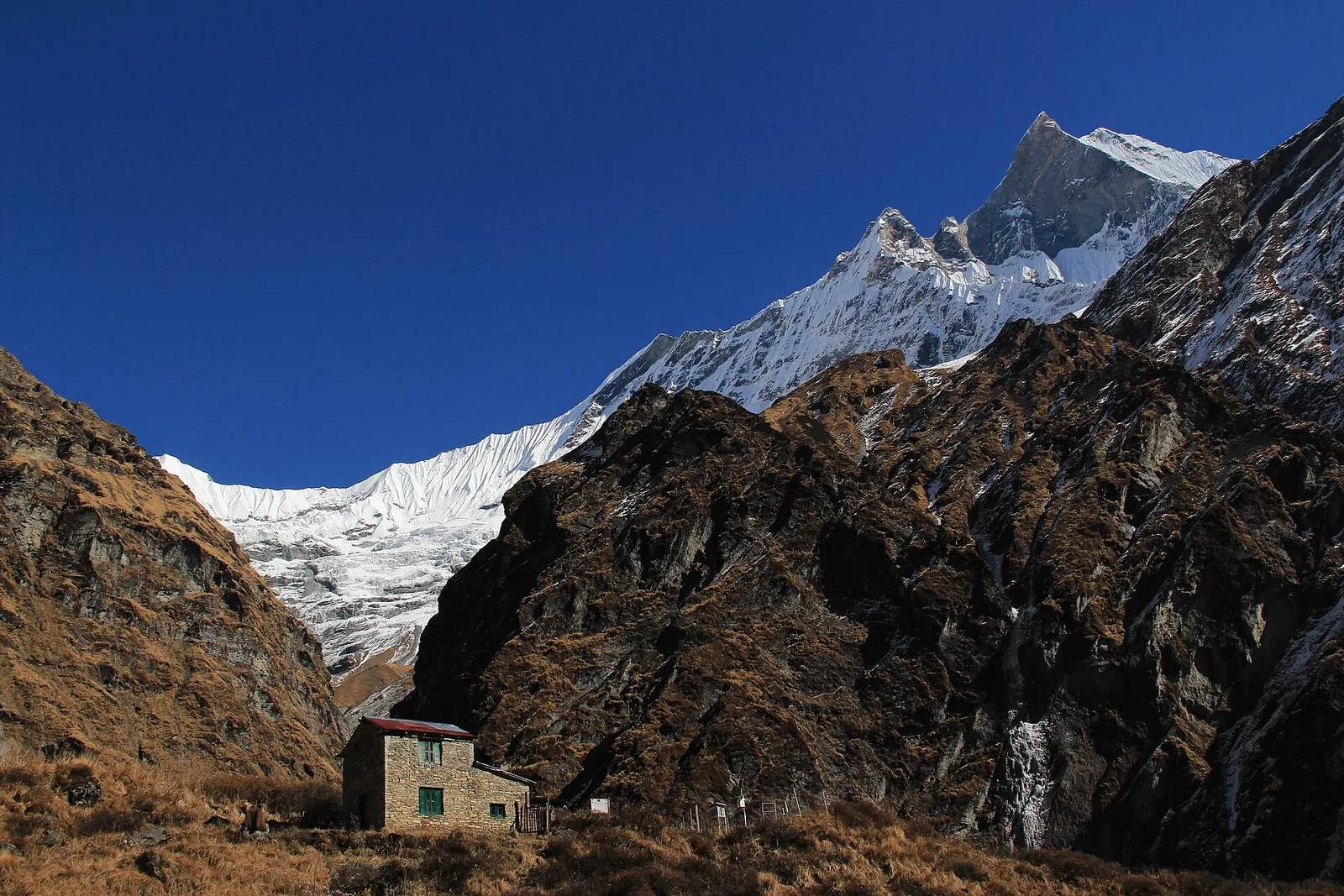
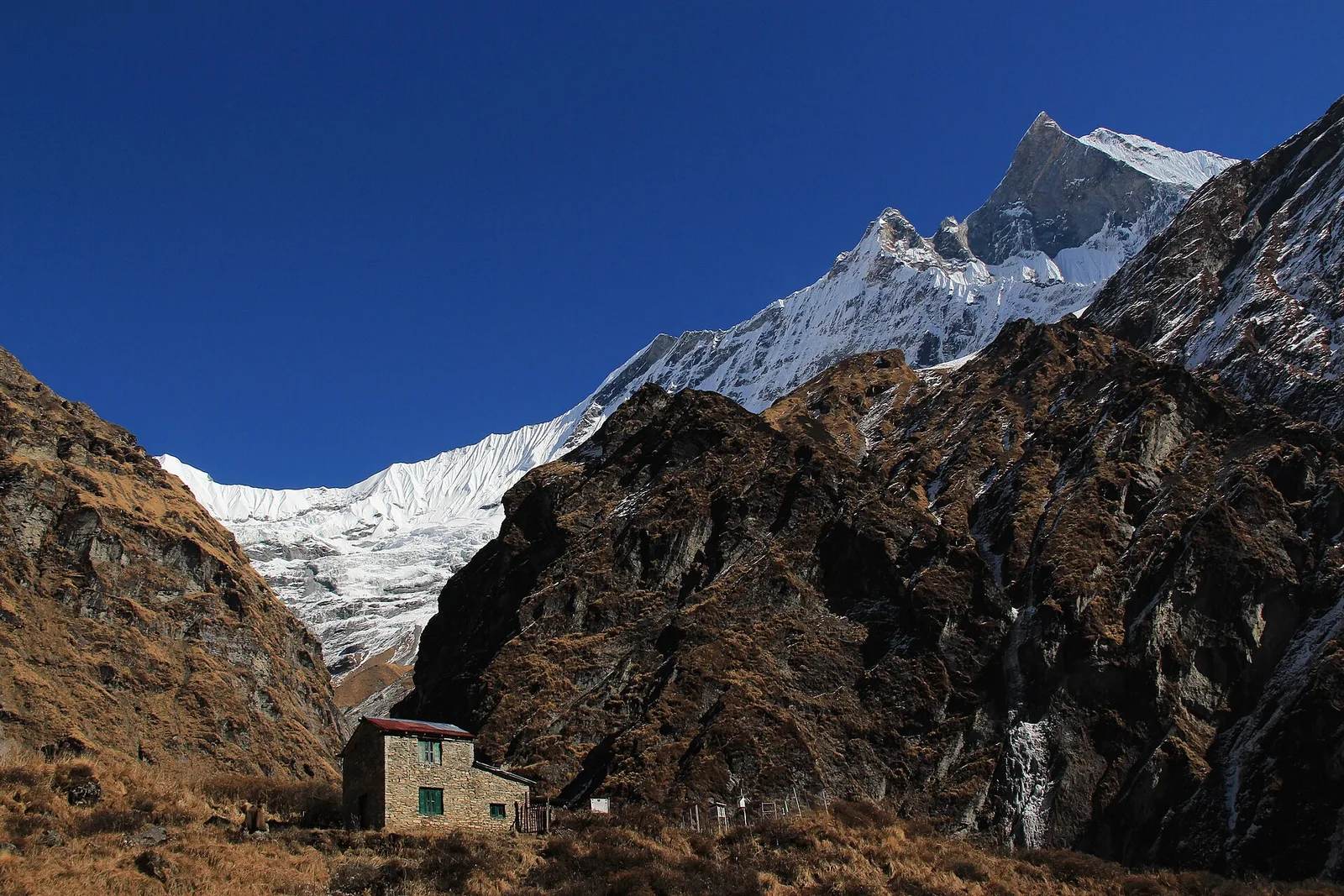
Everest Base Camp Trek — 12 Days is running normally
NMA-certified local guides, transparent pricing, 5,000+ treks since 1998. Message us your dates and we'll sort the permits, lodges and logistics — reply within 24 hours, no obligation.
Popular Nepal treks
All treks →
Related coverage
Breaking Safety & Advisories
Nearly 2 Billion People Depend on Himalayan Meltwater, and a New Report Says It's About to Peak
A September 2026 study of the Hindu Kush Himalaya's roughly 40,000 glaciers, only 21 of which are monitored on the ground, warns the rivers trekkers cross every day are approaching the point where they stop rising and start shrinking for good.
Industry & Tourism
Nepal Just Put a Mountain Guide on Its Tourism Board, and a 2026 Flood Recovery Fund Just Opened
Five new members joined Nepal's national tourism authority this month, including a Himalayan expedition operator speaking from Manaslu Base Camp, while the PATA Foundation opened a fund to rebuild what the 26 August flood destroyed.
World Destinations
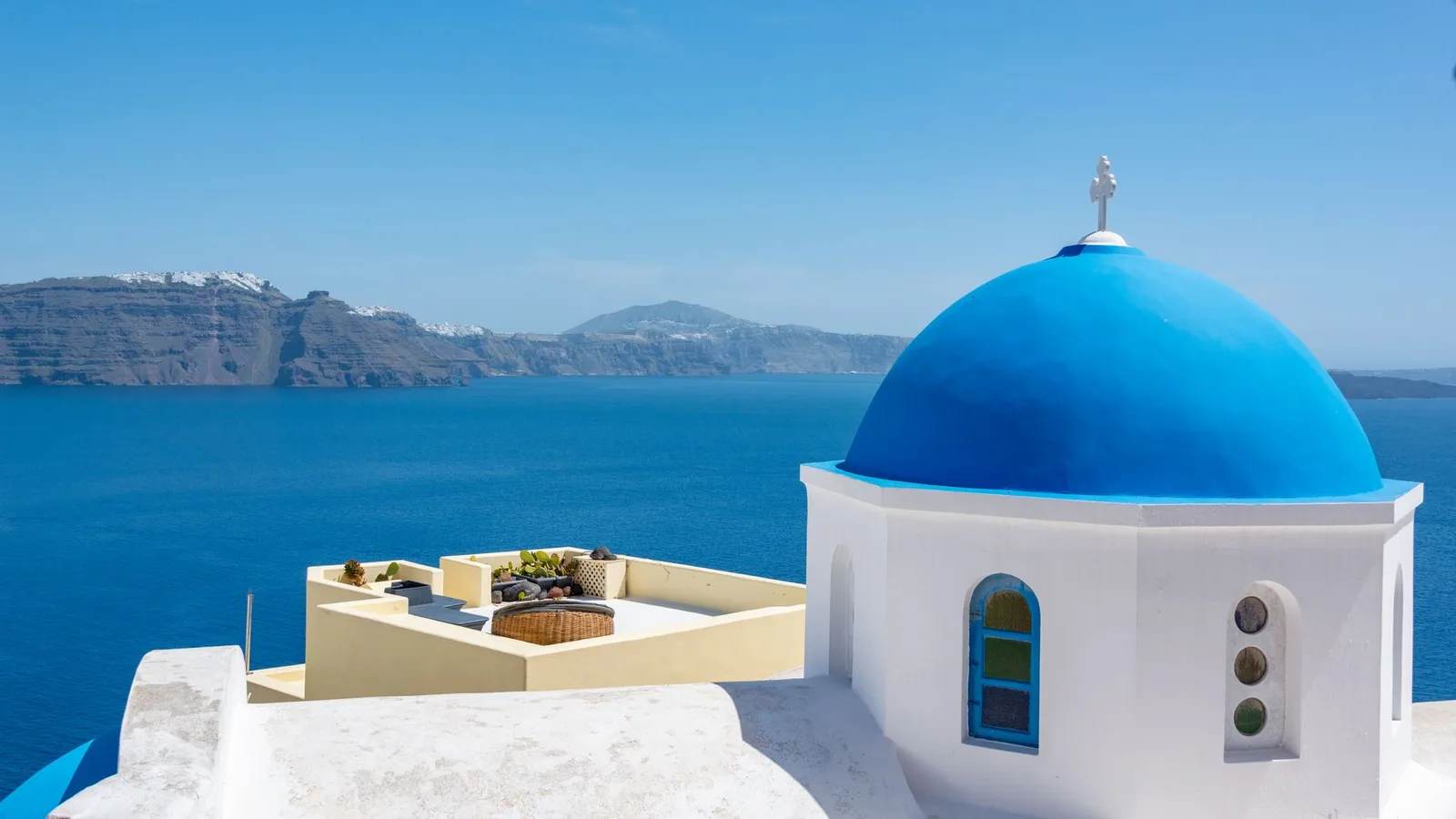
What the Santorini and Mykonos cruise fee costs you this autumn, and when it drops
€20 a person per stop until 30 September, then €12 in October and €4 from November. Other Greek ports charge €5, €3 and €1.

Safety & Advisories
US measles cases have passed last year’s total, and what to check before you fly abroad
3,471 cases by 17 September, against 2,289 in all of 2025. The CDC wants every traveller aged six months and up vaccinated two weeks before leaving.
Latest from the desk
Safety & Advisories
A UK Airport Owner Just Died in a Swiss Alps Plane Crash, and Mountain Flying Keeps Failing the Same Way
Tony Hall, 42, died when his plane crashed near Leukerbad on 15 September, and the crash fits a well-documented mountain-flying pattern.
Money & Insurance
US Airlines Now Owe You Less for a Delay Starting October 19, Here’s What Changed
A DOT rule effective October 19 removes 10 delay causes from airline control, so hotels and meals are no longer guaranteed for them.
Breaking Safety & Advisories
A Lake District Walker Was Rescued for Free After Nearly 13 Hours on the Fell, Here’s What the Same Call-Out Costs You in Nepal
Mountain rescue saved a Lake District walker for free after nearly 13 hours. In Nepal the same call-out can cost $3,000-$10,000 without insurance.