
Breaking · Flights & Access
Two US Airports Lost Their Systems Within a Day of Each Other, Here's What Actually Helped Stranded Travelers
A severed cable grounded flights into Philadelphia and Newark, then an IT failure froze check-in at San Diego a day later. Here's what actually got people moving.
At a glance
- Published
- TopicFlights & Access
- Verified against6abc Philadelphia
- Treks coveredEverest Base Camp Trek — 12 Days
Two of the busiest travel corridors in the United States lost their computer systems within about a day of each other this week, and neither failure had anything to do with weather. On 21 September a construction crew sliced through a fiber-optic cable outside Philadelphia, silencing the radar facility that guides traffic into Philadelphia International and Newark Liberty. On the morning of 22 September, an unrelated IT outage froze the ticketing systems at San Diego International Airport. Neither incident lasted more than a business day, but both left thousands of travelers standing in lines with no idea when they would move.
Key facts
- A construction crew severed a fiber-optic cable near New Brunswick, New Jersey on 21 September, knocking out the Philadelphia TRACON that controls traffic into Philadelphia and Newark
- More than 1,000 US flights were cancelled and over 6,000 delayed that day, with average delays at Philadelphia reaching about 3.5 hours
- An unrelated IT failure froze airline ticketing systems at San Diego International Airport around 5:30am the next morning, forcing staff to check travelers in by hand with iPads and paper tickets
- Both outages were resolved within hours, but neither airport gave passengers any warning before the lines started
What actually happened at Philadelphia and San Diego this week
The two outages were unrelated: one was a physical cable cut that silenced an air traffic control facility, the other was a software failure inside an airport's own ticketing network. At Philadelphia, the severed line disabled a facility that helps direct aircraft into both Philadelphia and Newark, and the ground stop that followed spread disruption to Boston, New York and Washington DC before the afternoon was over. At San Diego, a ticketing-system outage that began around 5:30am hit Terminal 1 and Terminal 2 during the morning rush, and gate agents spent close to three and a half hours processing passengers manually before automated check-in came back.
| Airport | Cause | Started | Duration |
|---|---|---|---|
| Philadelphia / Newark (PHL / EWR) | Fiber-optic cable severed by a construction crew near New Brunswick, NJ | 21 Sept, about 9:45am | ~7 hours |
| San Diego (SAN) | IT outage in airline ticketing systems | 22 Sept, about 5:30am | ~3.5 hours |
Why airport technology keeps failing like this
Both outages trace back to the same underlying weakness: a small number of physical connections and software systems that enormous numbers of flights depend on, with very little built-in redundancy. A single severed cable outside a construction site was enough to take down a facility controlling two major airports' airspace at once, and a single ticketing platform going down was enough to strip an entire airport of automated check-in. Neither cause required a storm, a strike or a cyberattack, just one point of failure in a system built with too few backups.
What actually helps when your airport's system goes down
The travelers who got through fastest at both airports were the ones who already had a boarding pass saved on their phone and their confirmation number memorized, because gate staff were working entirely off paper and memory once the screens went dark. A downloaded, offline boarding pass survives an outage that a live app screen does not, and a printed or photographed confirmation code saves an agent from having to look you up manually in a slow-moving line.
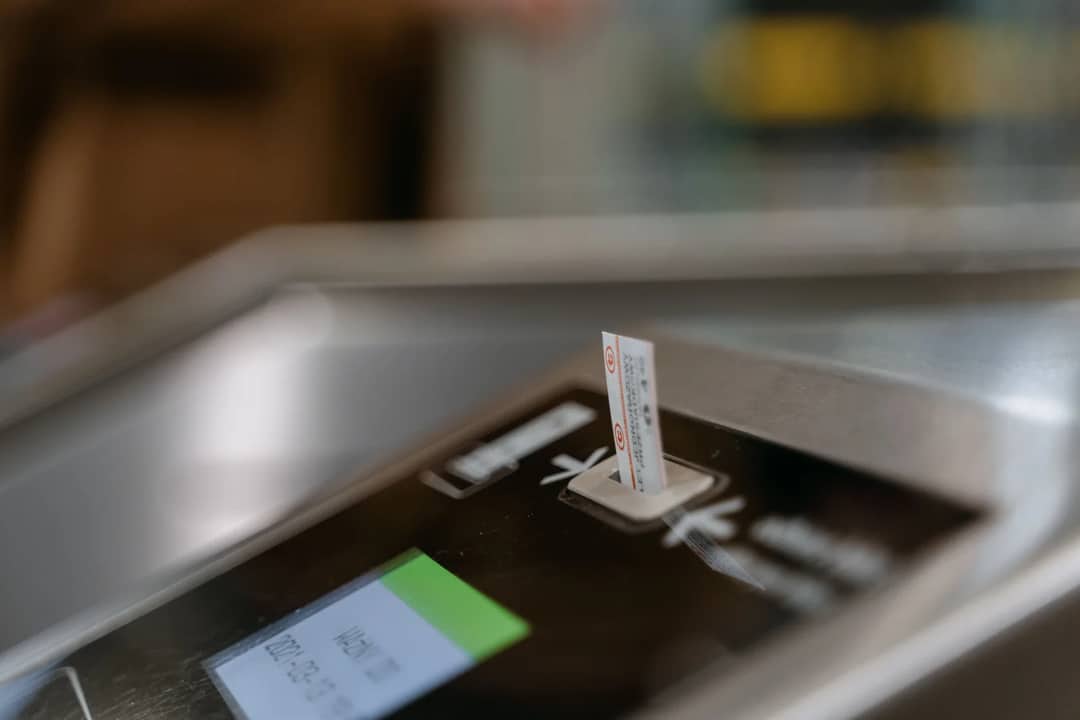
Beyond that, arrive with more slack than the airline's own recommendation. Airlines and airports typically ask for two hours domestically and three internationally, and that estimate assumes every system is working. Add at least an hour on top of whatever you'd normally allow if you're flying through a major hub this month, and check the FAA's own airspace status page before you leave the house rather than trusting an app that may be reading the same broken feed everyone else is.
What this means if you're flying to Nepal through one of these hubs
Neither outage touches a Kathmandu-bound itinerary directly, since almost nobody routes through Philadelphia or San Diego on the way to Nepal, but a missed connection out of either one can still cost a travel day if your onward long-haul flight to Doha, Dubai, Delhi or Bangkok leaves before a ground stop clears. If a trek departure date is riding on a tight connection this autumn, the outage pattern this week is a reminder that the risk sits at the US gateway, not on the trail.
What this means for you
If you're flying through a major US hub this month, download your boarding pass and save your confirmation number before you leave for the airport, because when these systems fail the agents working the line are relying on exactly that. Build in real slack, at least an extra hour domestically and closer to a full day before an international connection, since the same cable or server that grounds your first flight can just as easily eat your layover. If a Nepal departure depends on that connection, treat missed-connection cover as necessary, not optional.
Cover photo: Kenneth Surillo via Pexels (Pexels License). Section photos: Angelyn Sanjorjo via Pexels (Pexels licence); K via Pexels (Pexels licence); Ramaz Bluashvili via Pexels (Pexels licence); MART PRODUCTION via Pexels (Pexels licence); Stefan Stefancik via Pexels (Pexels licence).
Still running this season
Everest Base Camp Trek — 12 Days is running normally
NMA-certified local guides, transparent pricing, 5,000+ treks since 1998. Message us your dates and we'll sort the permits, lodges and logistics — reply within 24 hours, no obligation.

Popular Nepal treks
All treks →








Related coverage
Breaking Flights & Access
Britain's Flight Control System Just Failed Twice in 13 Days, Here's What That Actually Means If You're Flying This Autumn
A Prestwick network fault cut UK airspace capacity 60% on 21 September, thirteen days after a software defect grounded 2,000+ flights nationwide.

Flights & Access
What airlines actually owe you when air traffic control fails, in the US, UK and EU
Usually no cash payout, because ATC failures count as extraordinary. But UK and EU airlines still owe meals and hotels, and US refund rules still apply.
Flights & Access
The Northeast flight meltdown snarled thousands of flights, and here is what your airline really owes you
Air traffic control failures are rarely something airlines pay for. Here is what US and UK rules give you after Monday’s ground stops.
Flights & Access
Which days are quietest at US airport security, by TSA's own daily count
TSA screened 642 million people so far in 2026. Tuesdays ran 519,000 lighter than Thursdays, and Saturday came out as the second-quietest day of the week.
Latest from the desk

World Destinations
What the Santorini and Mykonos cruise fee costs you this autumn, and when it drops
€20 a person per stop until 30 September, then €12 in October and €4 from November. Other Greek ports charge €5, €3 and €1.
Breaking Flights & Access
Virgin Australia Cancelled 30 Flights Because Its Own Cabin Crew Said No to Extra Shifts, Here's What That Means If You're Flying This Week
Virgin Australia scrapped about 30 flights over one weekend after cabin crew refused rostered days-off requests, and says more disruption could follow while contract talks continue.

Safety & Advisories
US measles cases have passed last year’s total, and what to check before you fly abroad
3,471 cases by 17 September, against 2,289 in all of 2025. The CDC wants every traveller aged six months and up vaccinated two weeks before leaving.