
Mount Fuji will now bill you for your own rescue helicopter, here’s how much and when it starts
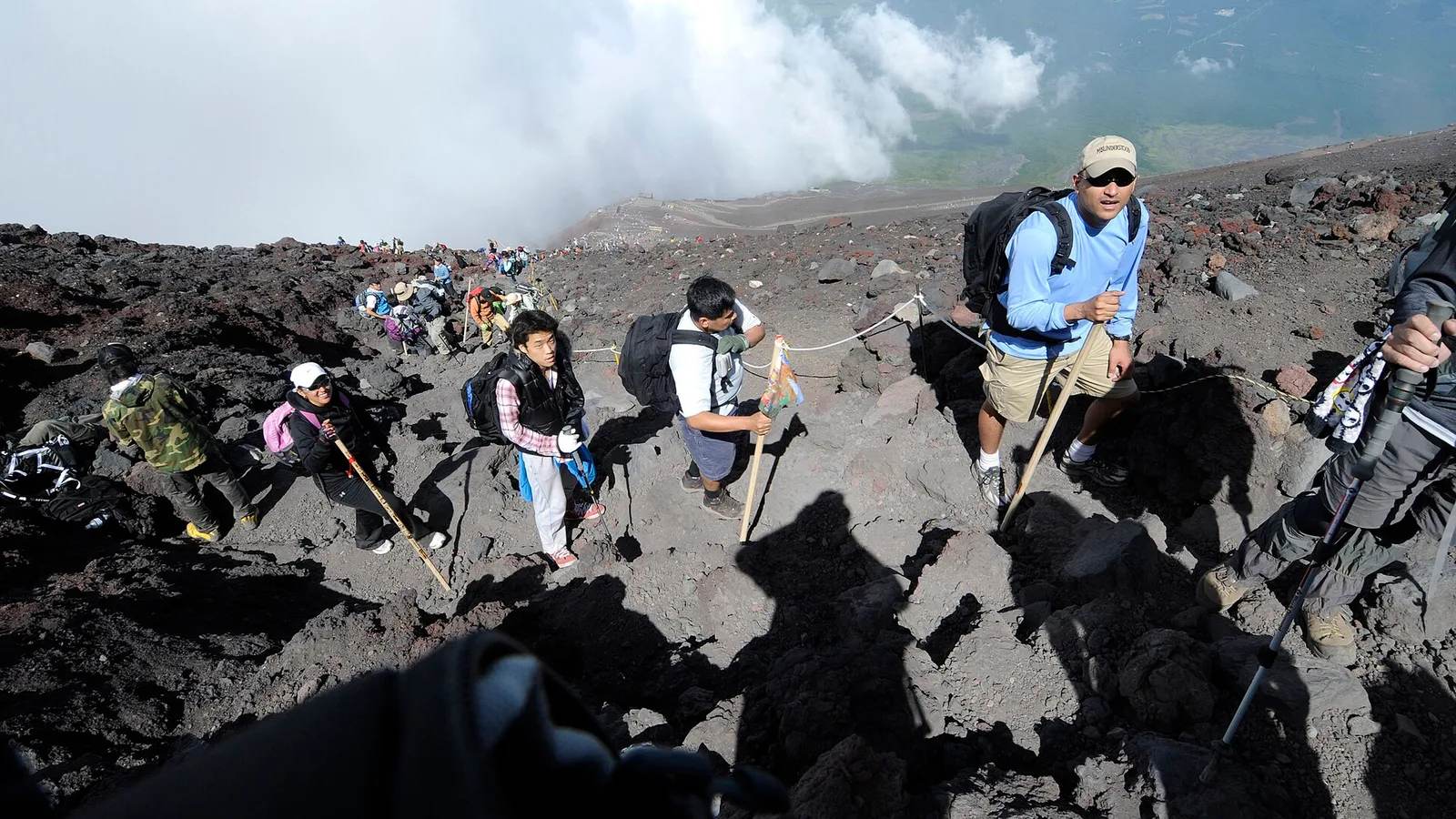
Yamanashi will bill climbers about 8,000 yen per five minutes of helicopter time from 2027 if they skip the required climbing plan on Mount Fuji.
At a glance
- Published
- TopicMoney & Insurance
- Verified againstThe Japan Times
- Treks coveredEverest Base Camp Trek — 12 Days, Island Peak Climbing — 14 Days
Climb Mount Fuji outside its ten-week climbing season and need a helicopter rescue, and starting around September 2027 you could be billed directly for it. Yamanashi Prefecture, which governs the mountain’s busiest Yoshida Trail, plans to charge roughly ¥8,000 (about US$54) for every five minutes the rescue helicopter is in the air — unless you filed a climbing plan before you set out.
Key facts
- Fee: about ¥8,000 (≈US$54) per five minutes of helicopter flight time
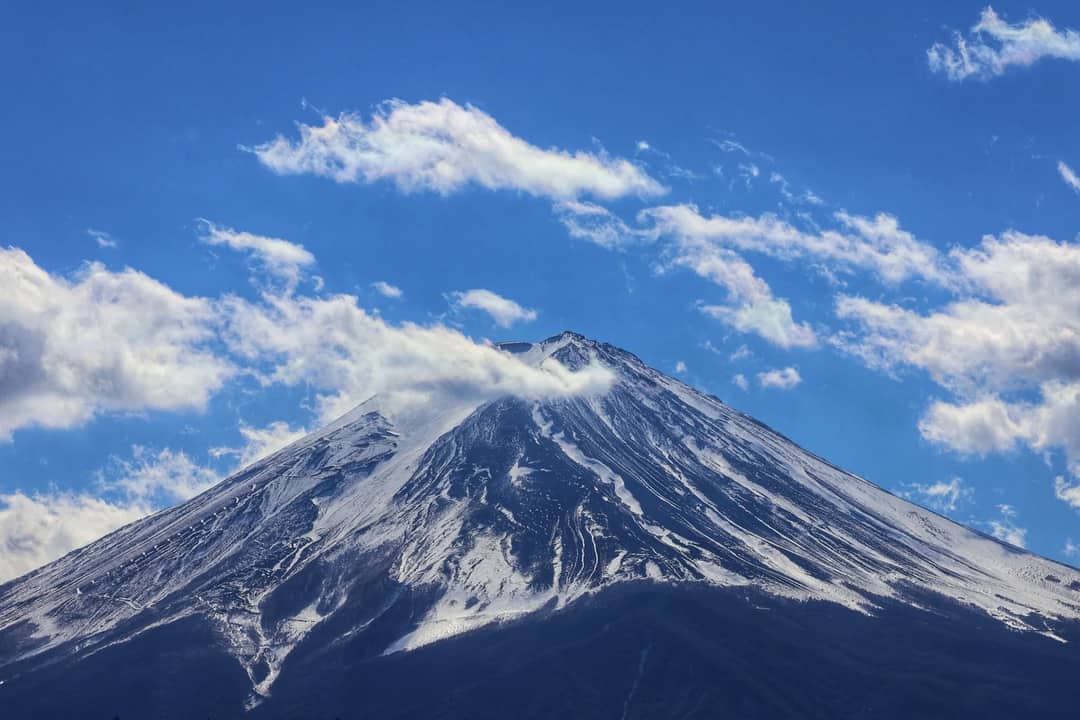
- Applies above the 5th Station outside the official season, roughly 1 July to 10 September
- Climbers who filed a climbing plan in advance and followed it stay exempt, even if they still need rescuing
- Planned start: around September 2027, once Yamanashi finalises the ordinance
How much would an actual rescue cost you
A short rescue is not pocket change, and a long one is real money. At ¥8,000 per five minutes, a 20-minute flight from a mid-mountain hut down to a hospital helipad works out to roughly ¥32,000 (about US$215); a longer search-and-locate operation of an hour runs to about ¥96,000 (around US$650). Yamanashi has not published a fee cap, so a complicated rescue in bad weather could cost considerably more than either example.
Who actually gets charged and who is exempt
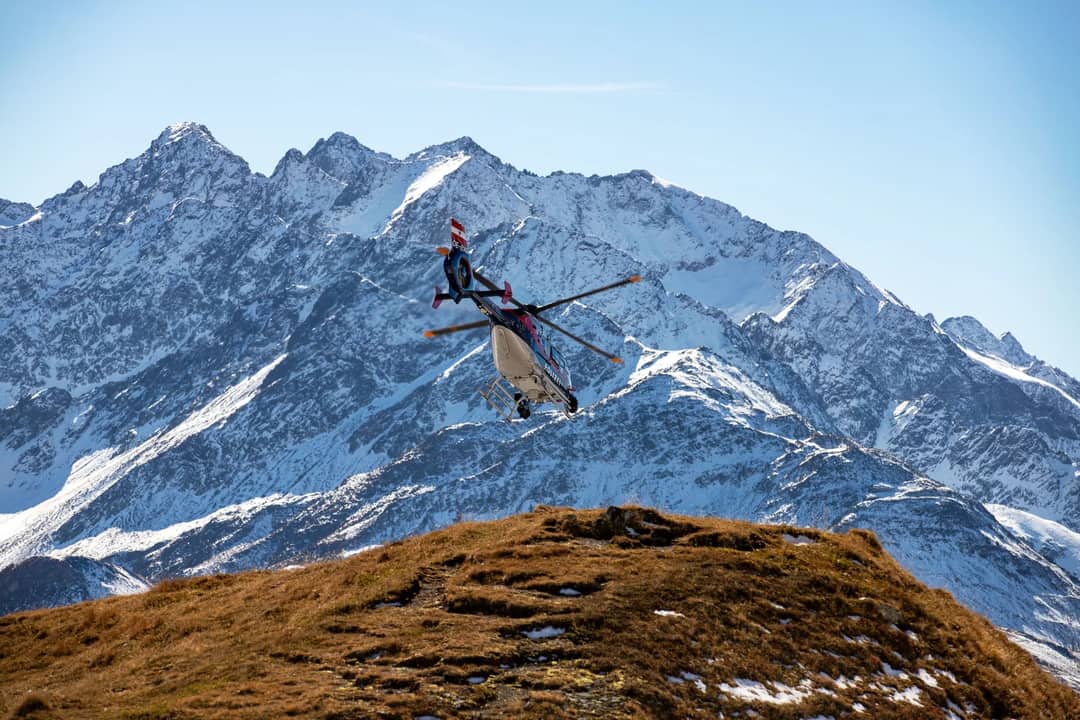
The fee is not a blanket climbing tax, it is a penalty for skipping the paperwork. Climbers who submit a climbing plan to Yamanashi in advance and broadly follow the prefecture’s recommendations are exempt, even if something still goes wrong and they need a helicopter out. Climbers who never filed a plan are charged automatically. Climbers who did file one but ignored a recommendation to turn back, or whose equipment or route choice is later judged reckless by prefectural experts, can also be billed after the fact.
Is this really aimed at foreign climbers
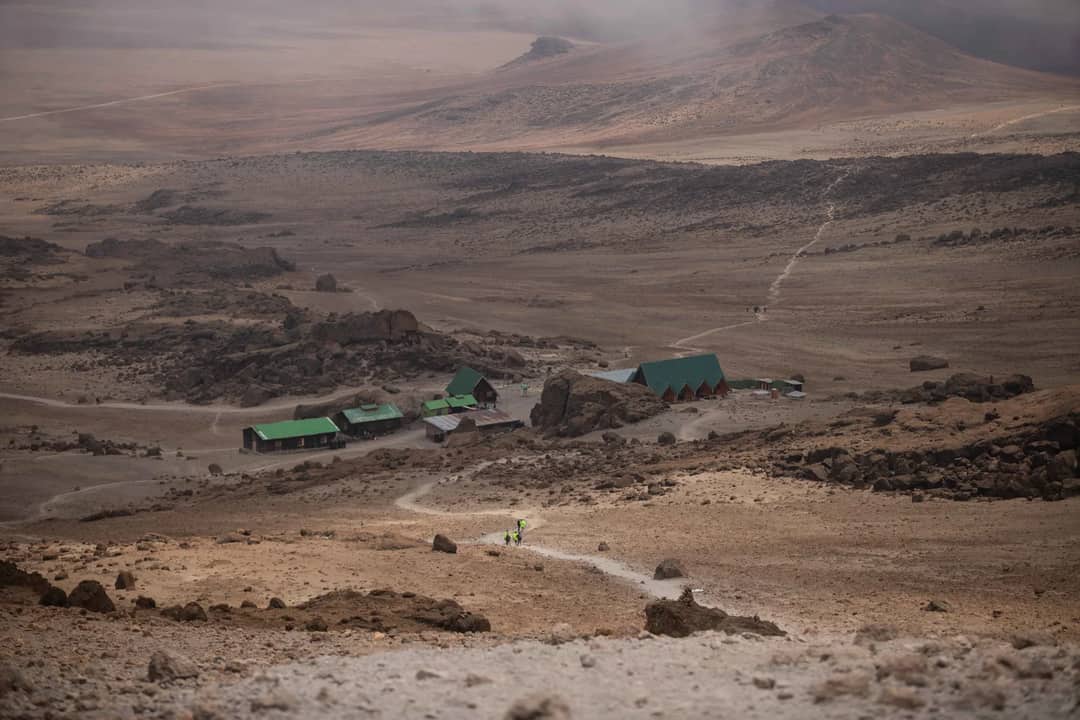
No, the rule applies to anyone climbing above the 5th Station outside the season, Japanese residents included. But Yamanashi officials have been explicit that unplanned, ill-equipped off-season attempts, a category that includes a disproportionate number of overseas visitors climbing on a whim outside the short official window, are exactly what the charge is designed to deter. During the official season Yamanashi already charges a mandatory ¥4,000 entry fee across all four trails and caps the Yoshida Trail at 4,000 climbers a day, a system introduced at ¥2,000 in 2024 and doubled for 2026. The new off-season rescue fee extends that same please-plan-ahead logic to the seven-plus months a year when the summit huts, rangers and toilets are all closed.
How the Fuji fee compares with what Nepal already requires
Japan is billing climbers after the fact, for the minutes a helicopter is airborne. Nepal takes the opposite approach: every trekking permit we arrange requires proof of travel insurance with helicopter evacuation cover before a client ever leaves Kathmandu, so the cost of a rescue is settled with an insurer, not invoiced to the climber on the mountain afterwards.
| Destination | Who pays | When it is arranged |
|---|---|---|
| Mount Fuji (from 2027) | Climber, per 5 minutes of flight time, if no plan was filed | After the rescue, billed by the prefecture |
| Nepal treks and climbing peaks | Insurer, via mandatory heli-evacuation cover | Before departure, required for the permit |
What this means for your trip
What this means for you
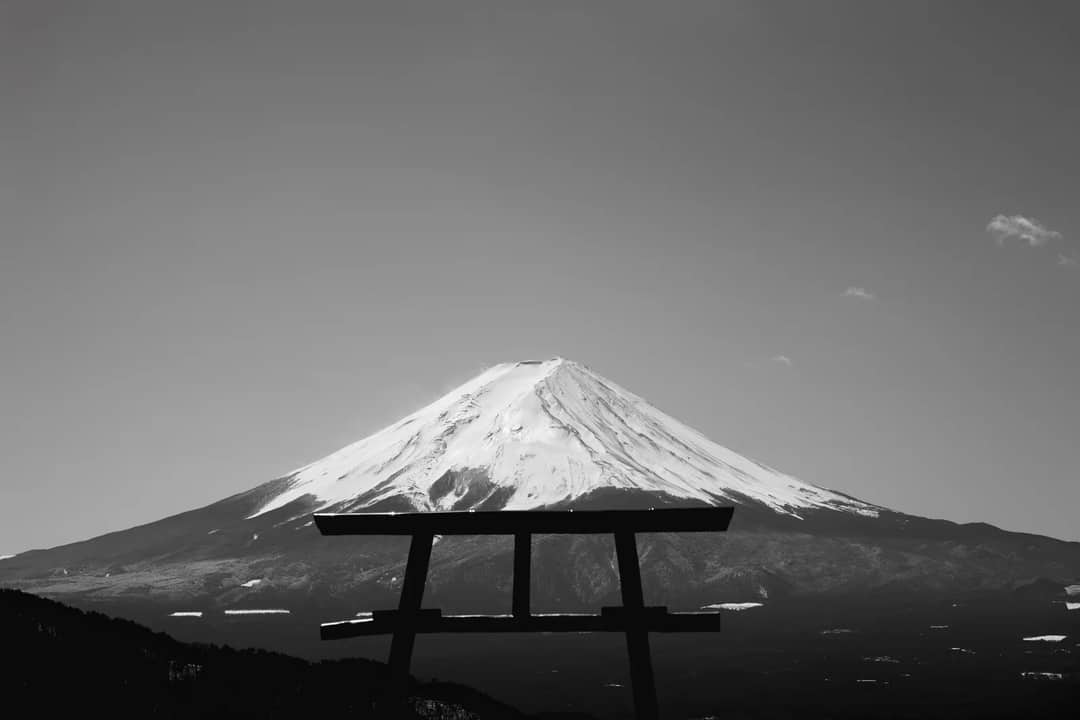
Whichever mountain you are on, the fix is the same: buy travel insurance with helicopter evacuation cover before you go, not after. If you are climbing Fuji outside 1 July–10 September, file the free climbing plan with Yamanashi Prefecture first, it is the only thing standing between you and an invoice measured in five-minute increments. And if a Himalayan trek is next on the list, confirm your policy actually covers the altitude you are going to, not just a generic worldwide plan; Everest Base Camp and Nepal’s trekking peaks sit well above what most standard travel insurance quietly excludes.
Cover photo: U.S. Navy photo by Mass Communication Specialist 1st Class Richard Doolin via Wikimedia Commons (Public domain). Section photos: Zaaran S via Pexels (Pexels licence); Alan Kabeš via Pexels (Pexels licence); Penfran Tanzania via Pexels (Pexels licence); Julieta Camila Tosto via Pexels (Pexels licence); Andrea De Santis via Pexels (Pexels licence).
Still running this season
Everest Base Camp Trek — 12 Days is running normally
NMA-certified local guides, transparent pricing, 5,000+ treks since 1998. Message us your dates and we'll sort the permits, lodges and logistics — reply within 24 hours, no obligation.
Popular Nepal treks
All treks →
Related coverage
Breaking Permits & Rules
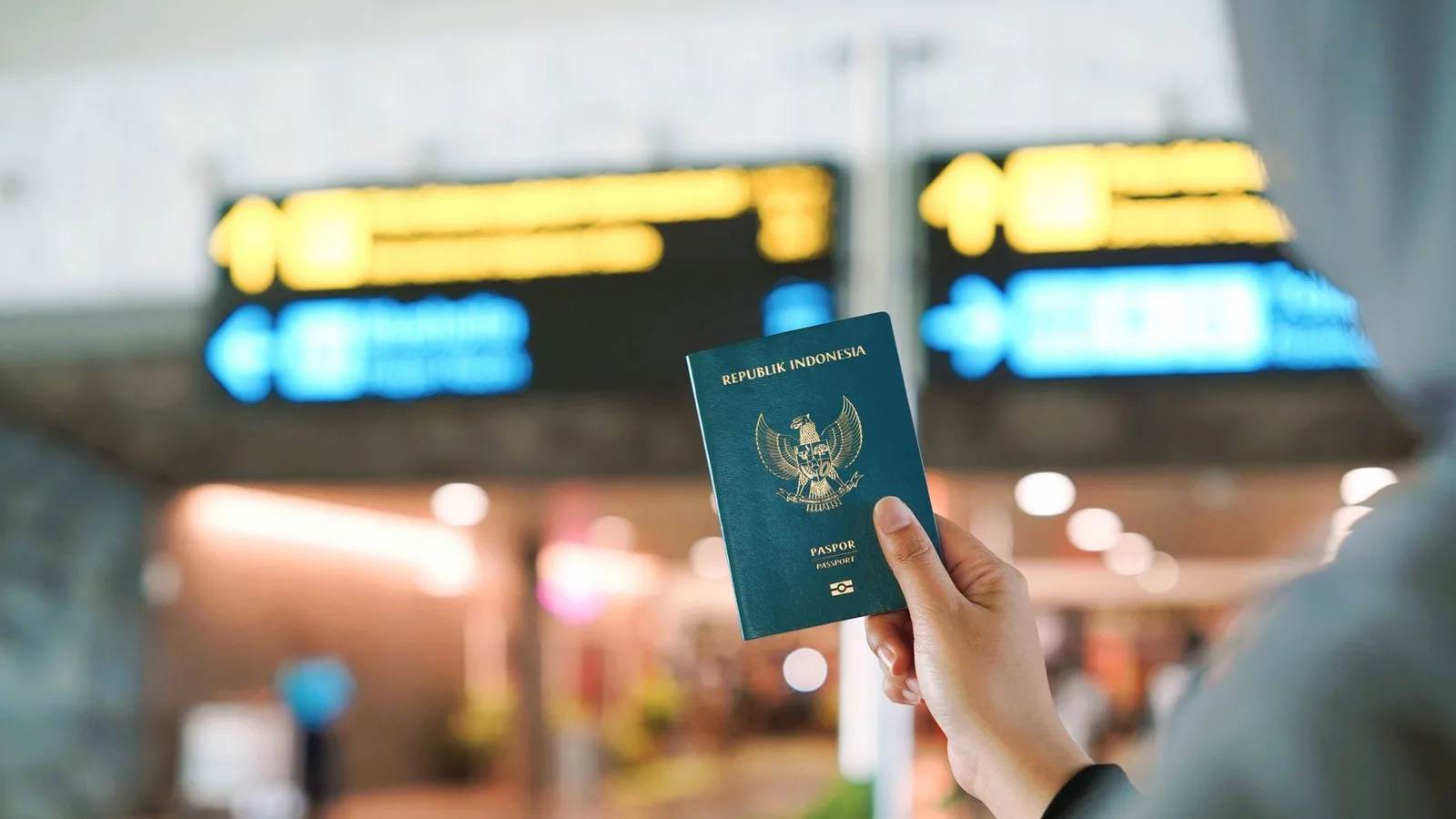
Nepal Just Proposed a Way for Tourists to Travel Without Ever Carrying a Passport
A new Department of Immigration plan would let visitors register once on a mobile app and skip the physical passport for domestic flights, money changers and trekking agencies — but for now, the paper one still needs to stay in your daypack.
Industry & Tourism
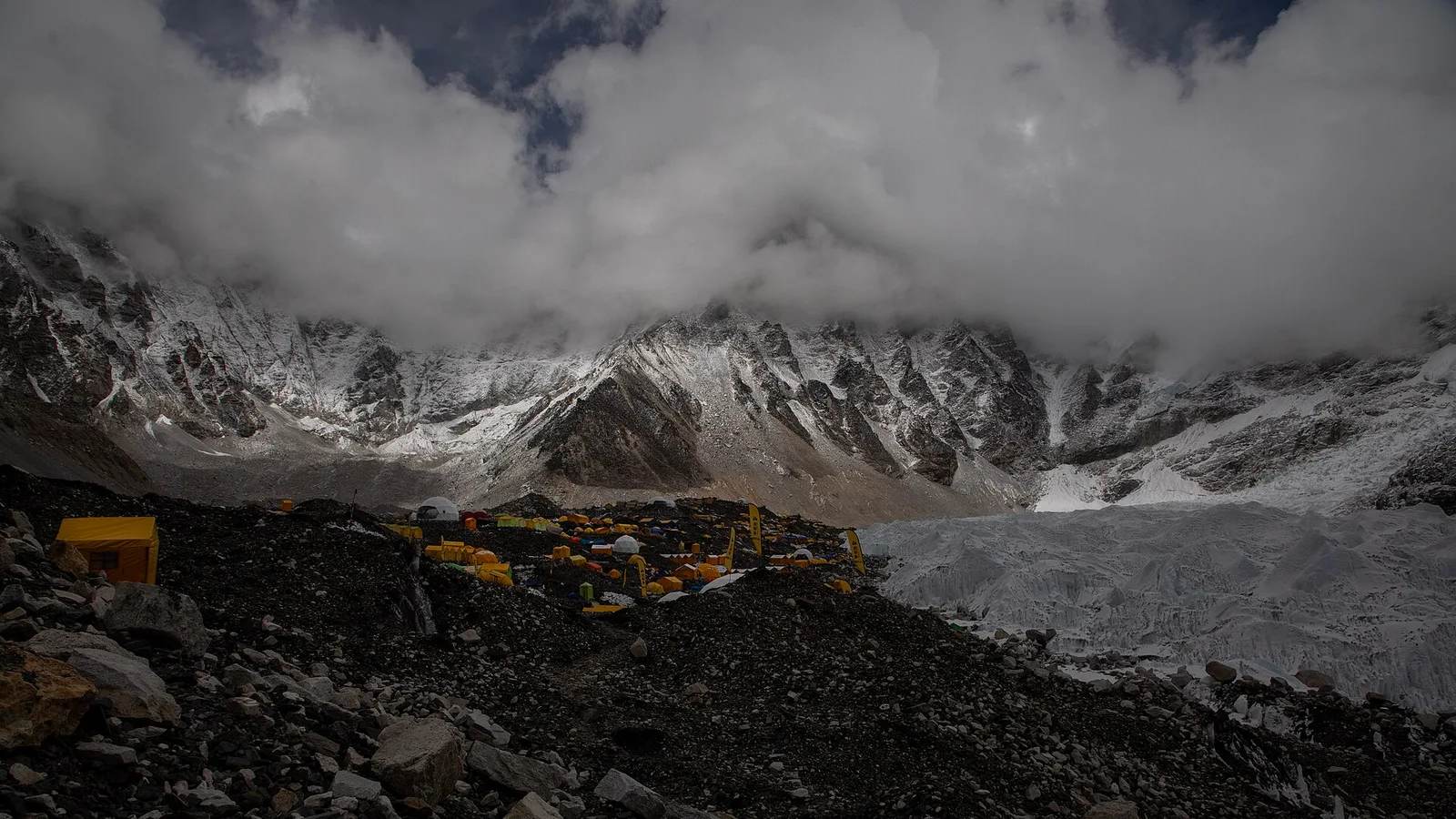
Everest Just Had Its Busiest Climbing Season Ever. Climbers Also Left Behind 90,000 Kilograms of Trash.
A record 701 climbers pushed for the summit this spring, and the mountain's cleanup crews hauled down a record amount of waste right behind them.

Money & Insurance
How much Americans actually spend on a trip to Spain, against everyone else
€2,297 a head in 2025, the most of any country Spain’s statistics office reports and 65% above the average visitor. The British still spend more in total.
Industry & Tourism
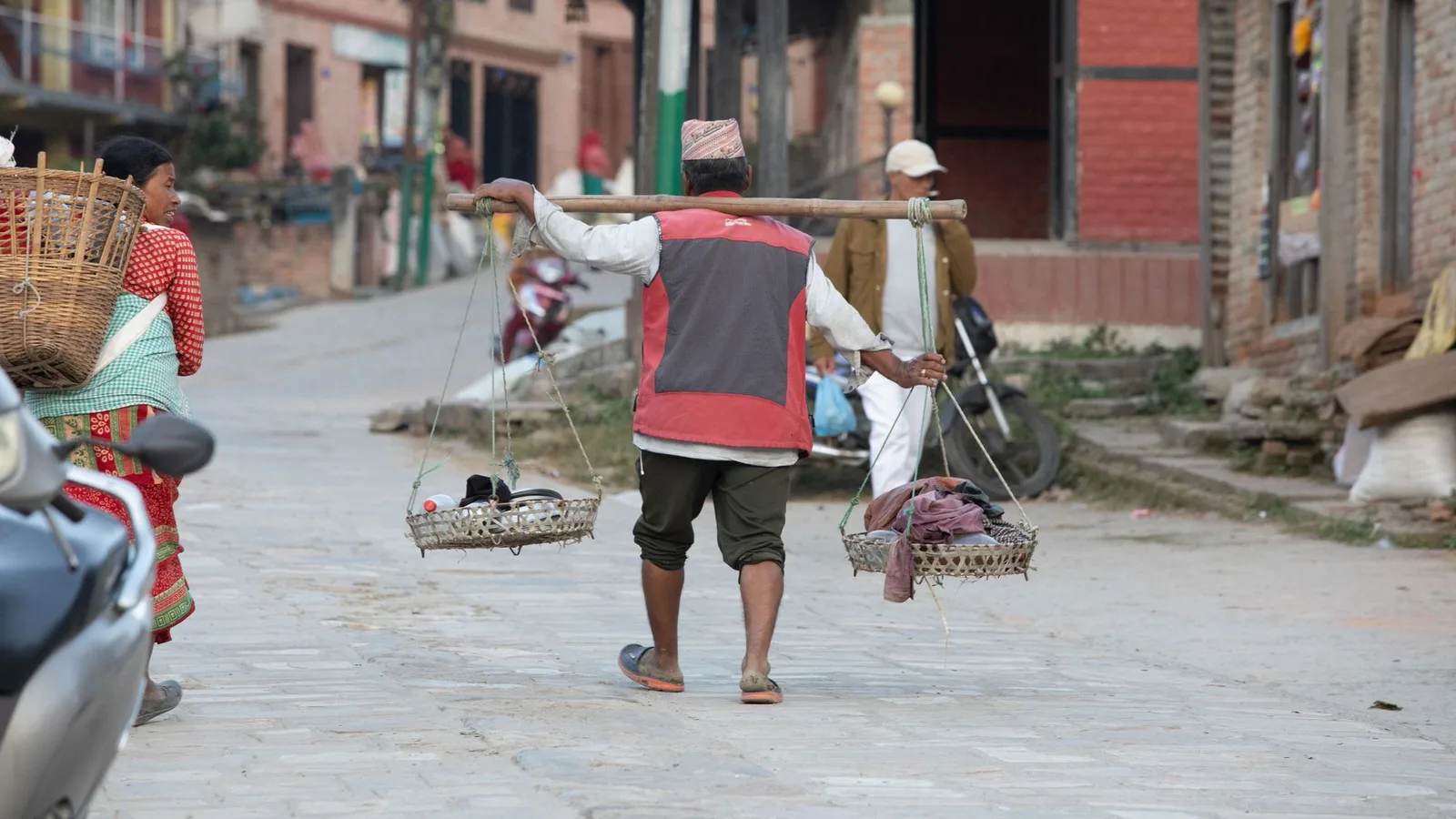
Do you actually need a porter on a Nepal trek, or is a daypack enough?
No porter is required, but a 15 kg Lukla baggage limit and a TAAN wage floor of NPR 2,400 a day settle most of the decision. Here is when to hire one.
Latest from the desk
Breaking Safety & Advisories
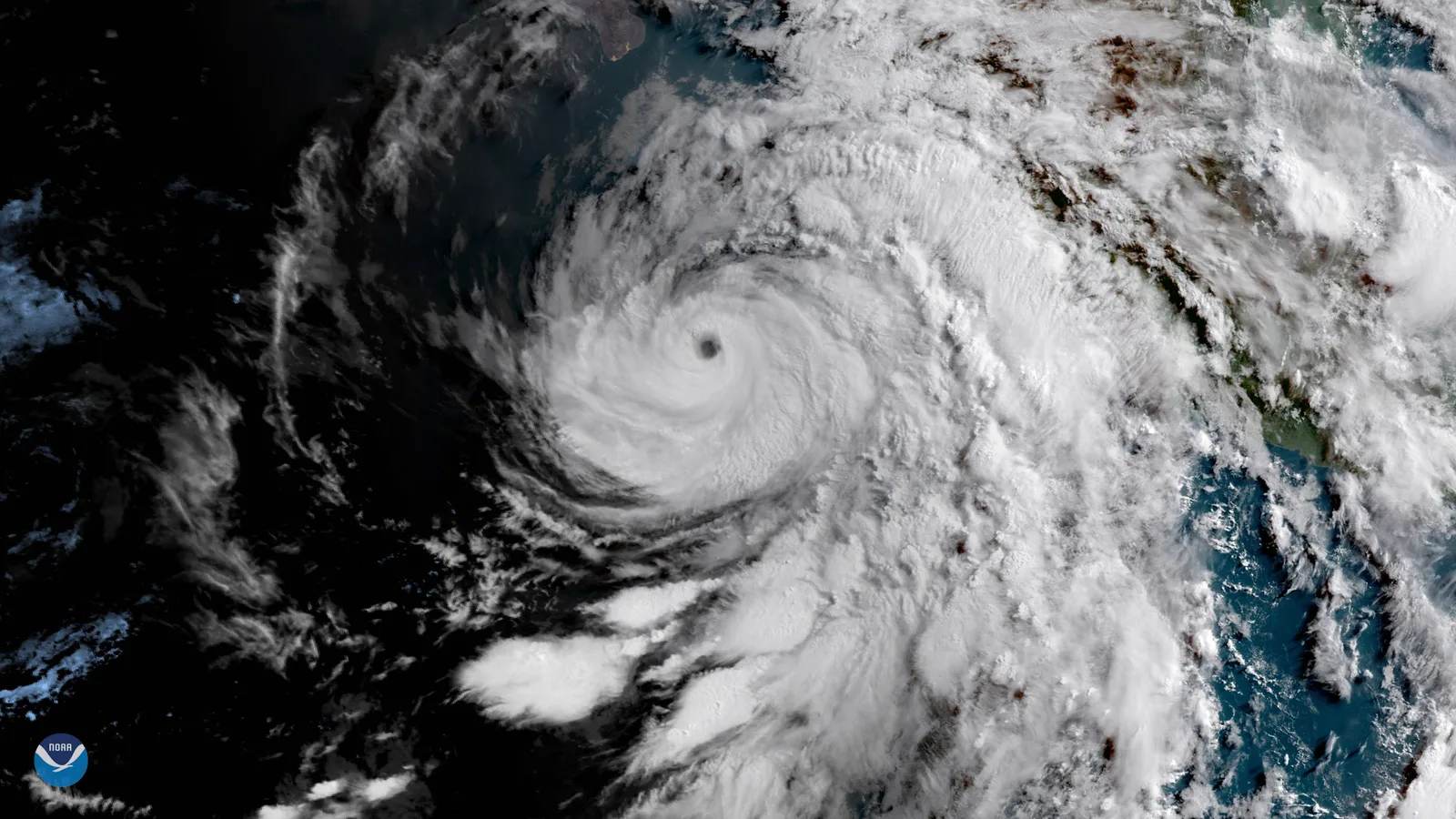
Hurricane Polo just became one of the strongest storms ever recorded, here's what it means for your Mexico trip
Polo reached Category 5 with winds near 180 mph off Mexico's Pacific coast. Here's what the NHC, US Embassy and FCDO are telling travellers about Cabo.
Breaking Flights & Access
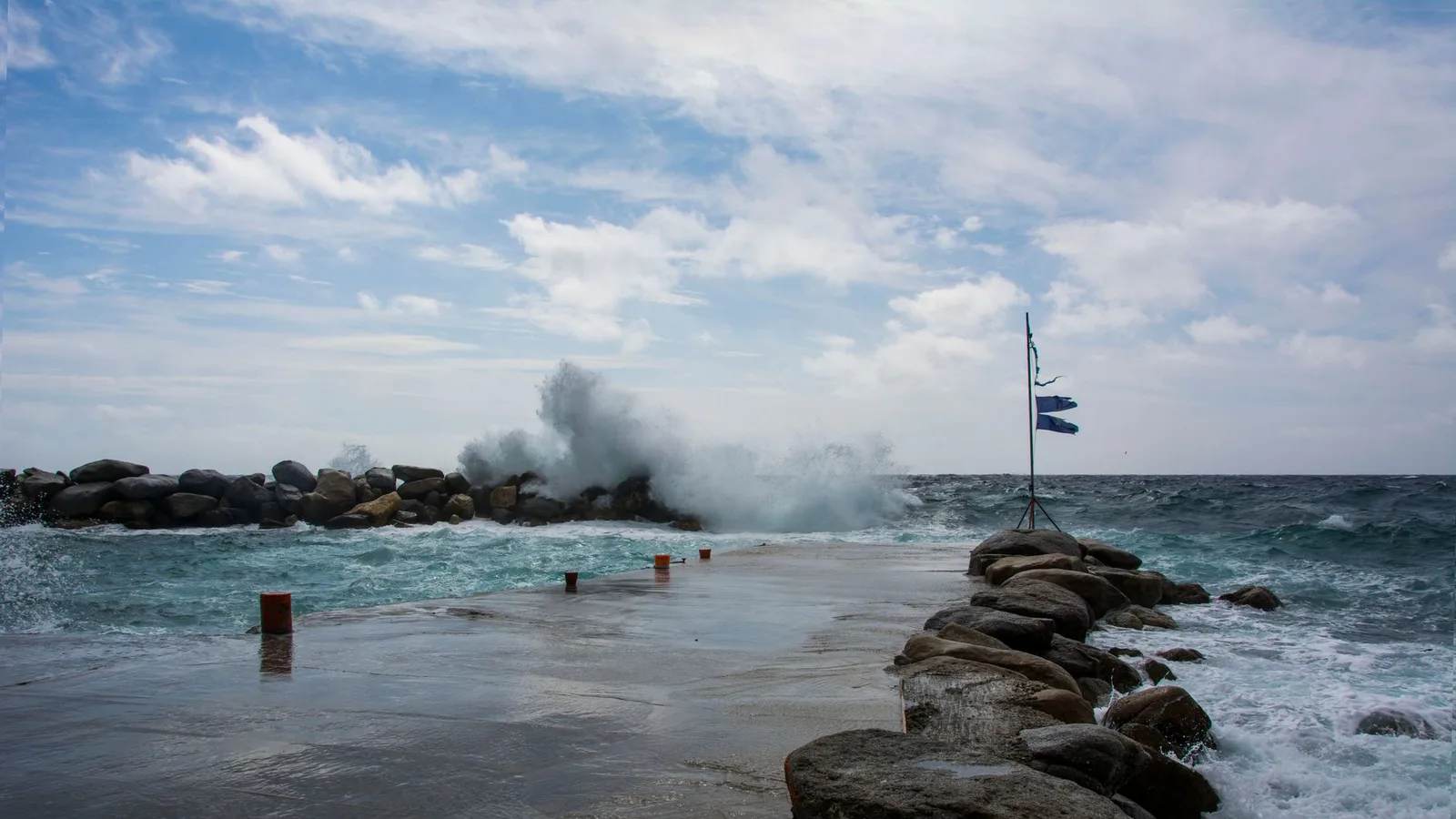
A rare September nor'easter is bearing down on the East Coast, here's what airlines actually owe you if it cancels your flight
A rare out-of-season nor'easter brings coastal flooding and 50 mph gusts from Virginia to New England this week. Here's the refund rule most flyers miss.
Breaking Visas & Entry
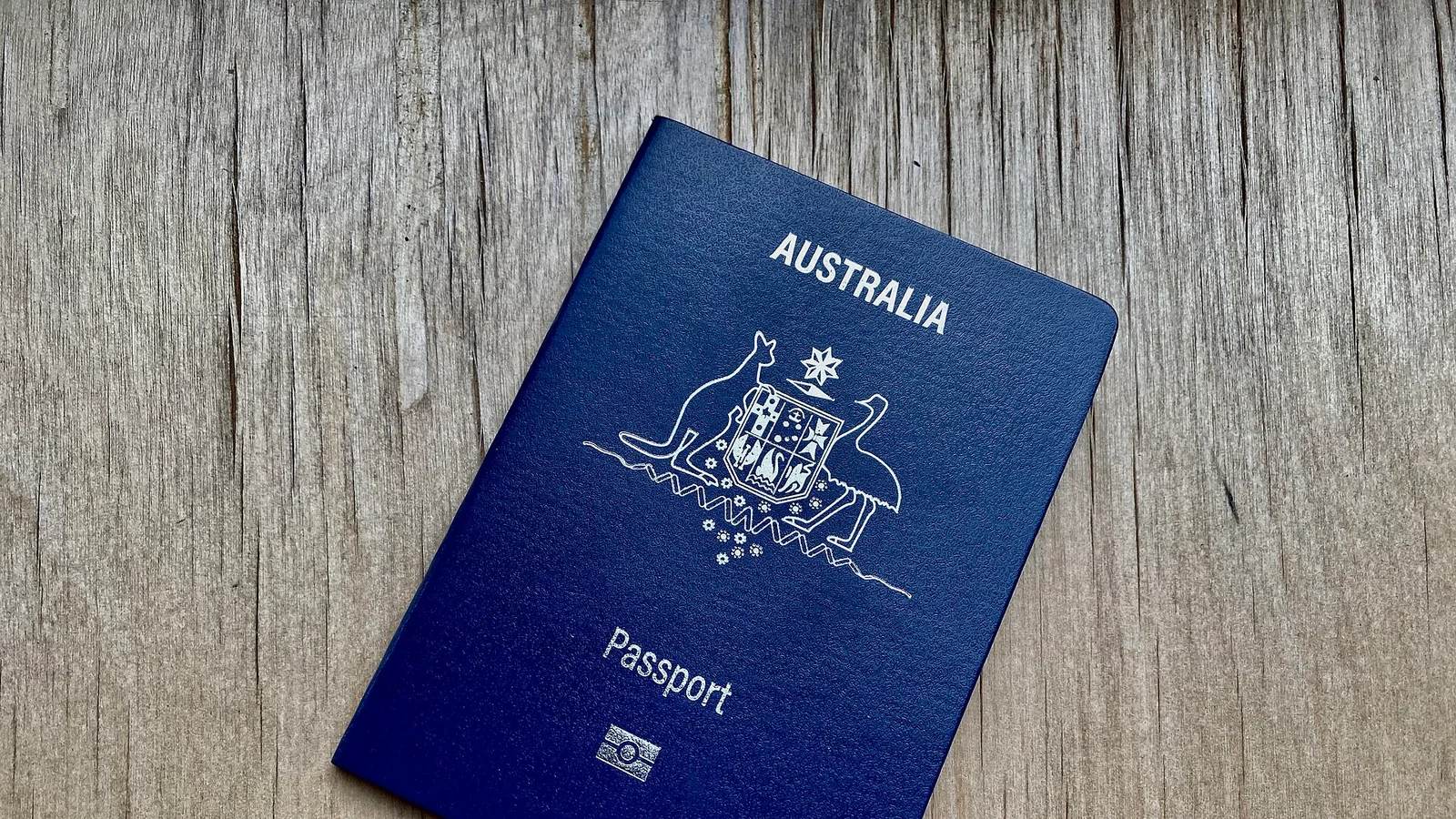
Nearly 2 million Quest Apartment guests are being told to replace their passport, here’s what actually happened
A breach at Quest Apartment Hotels exposed passport, licence and card data for 1.99 million guests; some passport numbers should be reissued.