
Breaking · Visas & Entry
Farmers Just Got Australia to Fast-Track Backpacker Visas, Here’s Who Actually Qualifies
Australia will rush working holiday visa approvals for backpackers who already have a farm job lined up, after new ballot limits threatened this harvest.
At a glance
- Published
- TopicVisas & Entry
- Verified againstABC News Australia
- Treks coveredAnnapurna Base Camp Trek — 9 Days
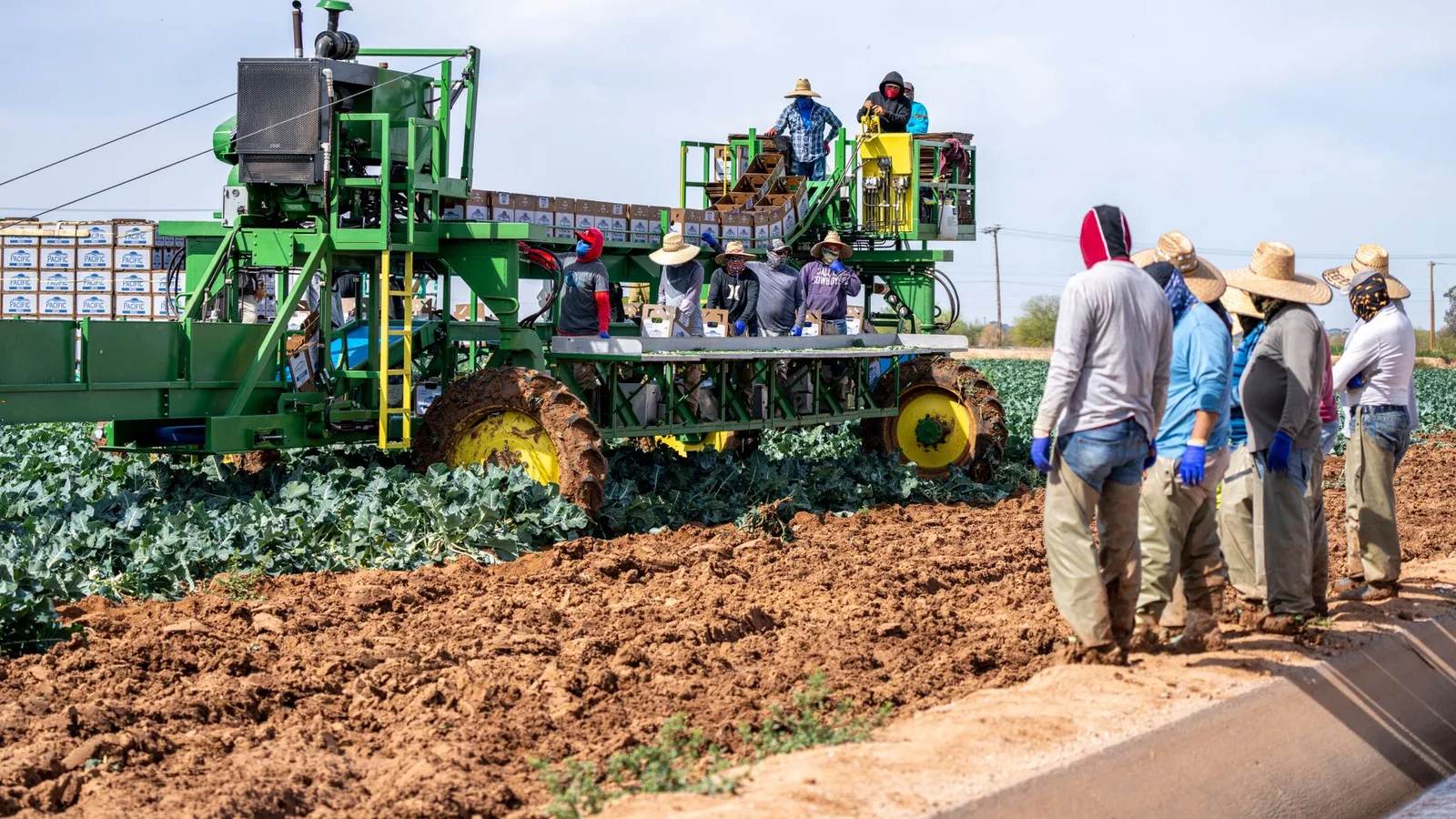
Farmers with a backpacker already lined up for harvest work can now get that visa fast-tracked, after the National Farmers Federation reached a deal with the Australian government on 24 September 2026. Home Affairs will prioritise applications submitted through state farming groups for near-instant processing — but only for workers who already have a contracted job and are needed within three months.
Key facts
- The fast-track deal was announced 24 September 2026, a week after new visa limits were unveiled
- It applies only to applicants who already have a Working Holiday Maker visa application in and a confirmed farm employer
- Second-year visa places drop from 57,000 to a 45,000-place ballot; third-year places fall from 31,000 to 5,000
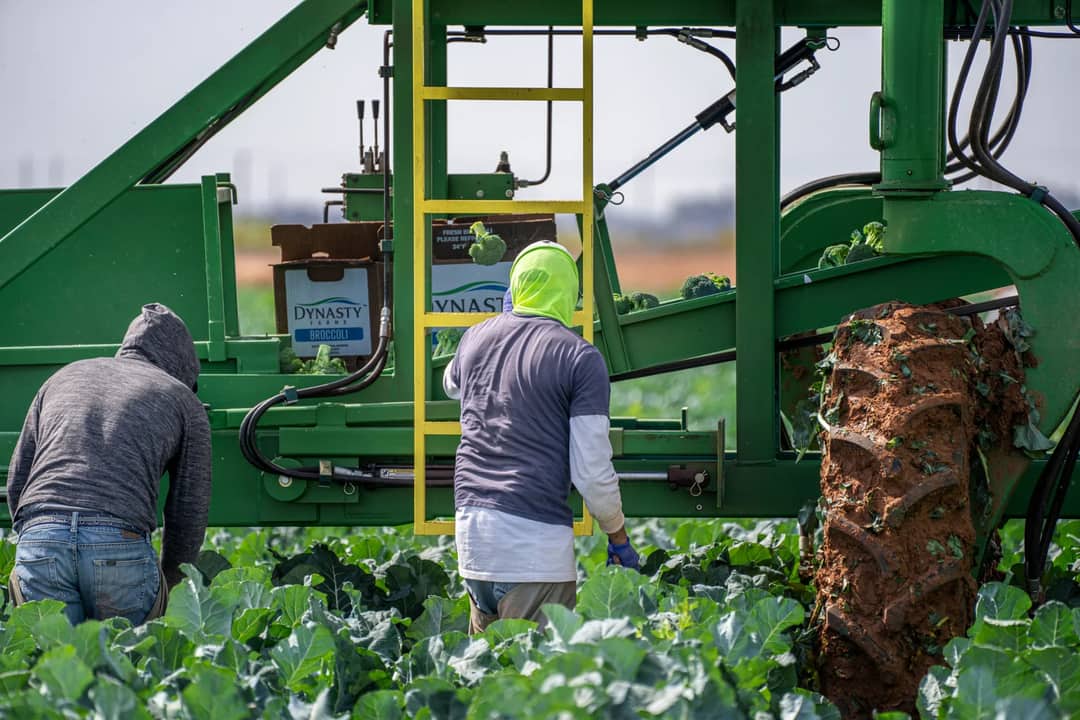
- Working holiday makers fill roughly one in seven farm jobs nationally, rising to 31% of the grains workforce in peak season
What the fast-track deal actually changes
It moves urgent farm-labour visas to the front of the queue. State farming organisations and commodity groups now submit their most time-critical applications directly, and Home Affairs processes them — in the words of National Farmers Federation chief executive Michael Guerin — with none of the usual checks and balances applied to routine cases. The NFF expects some approvals within days rather than the standard three-month processing window. It is explicitly a stopgap: applicants must already have applied, have a contracted agricultural employer, and be needed on the farm within three months. Approval is still subject to Home Affairs’ own assessment, so nothing is guaranteed.
Why Australia cut backpacker visa numbers in the first place
Because the government is capping how many working holiday makers can stay beyond their first year. From the changes announced on 17 September 2026, a second-year visa now requires entering a ballot for just 45,000 places, down from the 57,000 backpackers who qualified last year, and third-year places fall from 31,000 to only 5,000. The regional work thresholds stay the same — 88 days for a second year, six months for a third — but far fewer people who complete that work will actually get through. Farm and tourism groups warned within days that the cut would hit harvest labour hardest, since working holiday makers fill about one in seven farm jobs nationally.

| Visa stage | Places, last year | Places now |
|---|---|---|
| Second year (via ballot) | 57,000 | 45,000 |
| Third year (via ballot) | 31,000 | 5,000 |
Does the fast-track help if you do not already have a farm job lined up
No, not directly. The deal only speeds up applications that farms submit on behalf of a worker they have already contracted — it does not add extra places to the ballot, and it does nothing for a backpacker still job-hunting. If you are planning a working holiday and want a realistic shot at a second or third year, the practical move is to line up a genuine regional farm job before you rely on the ballot, since a confirmed employer is now the only route that gets any priority at all. Applying without an employer already in place still means competing for one of the reduced ballot spots with no fast lane available.

What this means for your trip
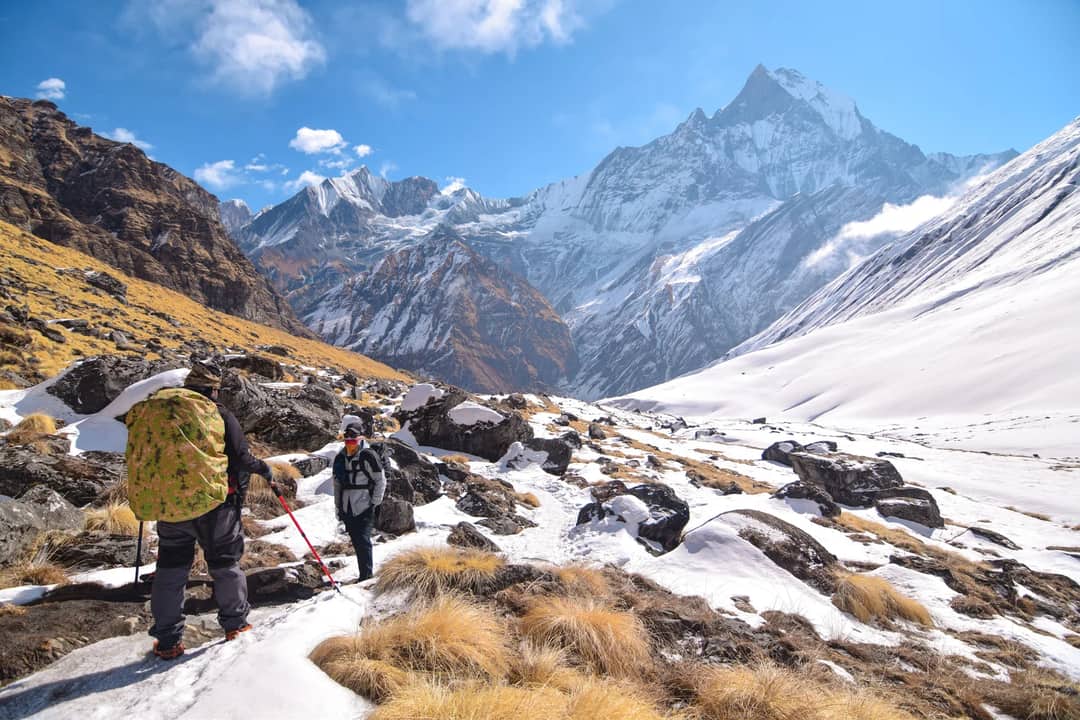
If you already have a farm contract, apply through your employer now — this is the fastest your visa has moved all year. If you do not, budget for the ballot timeline and the lower odds, and treat any second or third year as a bonus rather than a plan to build a trip around. Either way, working holiday visas are for Australia only; if your route to or from Australia passes through Asia, adding a shorter Nepal trek at the start or end of the trip is a straightforward way to see the Himalaya without extending the whole journey.
What this means for you
This deal rescues farms with a worker already under contract, not backpackers still looking for one. Do not delay a visa application hoping the fast-track will cover you later — it only applies once an employer has already filed on your behalf.
Who qualifies for the fast-tracked visa processing?
Only applicants who already have a Working Holiday Maker visa application lodged, a contracted agricultural employer, and a genuine need to start work within three months. It is submitted through the farm’s state farming organisation, not by the backpacker directly.
Does this change the total number of second and third year visas available?
No. The ballot sizes are unchanged by this deal — 45,000 second-year and 5,000 third-year places. The fast-track only affects how quickly a subset of already-eligible applications gets processed.
Is this a permanent change to Australia’s visa system?
No, both sides have described it as a short-term, good-faith arrangement to get this harvest staffed while the new ballot system beds in, not a rewrite of the visa rules themselves.
Routing through Asia on your way to or from an Australian working holiday? A shorter Nepal add-on like the Annapurna Base Camp trek fits into a break between contracts — message us on WhatsApp (+977 9856023917) for dates that work around your farm season.
Cover photo: Mark Stebnicki via Pexels (Pexels License). Section photos: Mark Stebnicki via Pexels (Pexels licence); Gonzalo Acuña via Pexels (Pexels licence); Joolsmagools ®️ via Pexels (Pexels licence); Ketut Subiyanto via Pexels (Pexels licence); Namal Siriwardana via Pexels (Pexels licence).
Still running this season
Annapurna Base Camp Trek — 9 Days is running normally
NMA-certified local guides, transparent pricing, 5,000+ treks since 1998. Message us your dates and we'll sort the permits, lodges and logistics — reply within 24 hours, no obligation.
Popular Nepal treks
All treks →
Related coverage
Visas & Entry
Australia Just Turned Your Second Working Holiday Year Into a Lottery, Here's How the Ballot Actually Works
A ballot for 45,000 second-year and 5,000 third-year places replaces automatic approval, announced by Australia's Home Affairs Minister on 17 September 2026.

Visas & Entry
Working holiday visas in 2026, and how under-30s can live abroad for a year
The youth-mobility schemes that let young travellers live and work abroad for a year or two — the usual 18–30/35 age cap, which nationalities qualify for which country, and why the quota-capped ones run out.

Visas & Entry
Thailand visa-free stays just changed, and what it means for American travellers
Since 15 September, Americans get 30 days visa-free instead of 60, and every visitor must file a free digital arrival card in the three days before landing.

Visas & Entry
What Americans actually need to enter Spain now, and what changed at the border
No visa under 90 days, but Europe now takes your fingerprints on arrival and ETIAS starts at the end of 2026. Here is the current checklist.
Latest from the desk
Safety & Advisories
If You Think a Satellite Beacon Keeps You Safe on a Trek, Here’s What It Actually Can’t Do
A rescue beacon gets you help faster once something goes wrong. It has never stopped anyone getting lost, hurt, or caught by a storm in the first place.
Breaking Safety & Advisories
Shots Were Fired at Miami International Airport, Here's What Actually Happened and Whether Your Flight Is at Risk
A shooting briefly shut part of Miami airport's departure level Wednesday. Here's the timeline, and what to do if you're flying through MIA this week.
Breaking Flights & Access
Berlin's Airport Got Grounded by a Drone Again Wednesday, Here's Whether You Should Worry About Your Flight Through Germany
A drone shut Berlin Brandenburg's runway for 45 minutes, the airport's seventh such disruption this year. Here's what it means for your Germany connection.