
Australia Just Turned Your Second Working Holiday Year Into a Lottery, Here's How the Ballot Actually Works
A ballot for 45,000 second-year and 5,000 third-year places replaces automatic approval, announced by Australia's Home Affairs Minister on 17 September 2026.
At a glance
- Published
- TopicVisas & Entry
- Verified againstAustralian Government Department of Home Affairs
- Treks coveredAnnapurna Base Camp Trek — 9 Days
Australia's Home Affairs Minister Tony Burke announced on 17 September 2026 that second- and third-year Working Holiday Maker visas will move to a ballot, capping second-year places at 45,000 and cutting third-year places from around 31,000 to just 5,000. It is not law yet, nothing changes for an application filed today, and no locked-in start date has been published — but if you're planning a second or third year on a 417 or 462 visa, here is exactly what was announced and what it means for you.

Key facts
- 45,000 second-year ballot places; 5,000 third-year ballot places, down from roughly 31,000
- The 88-day regional work requirement (second year) and 179-day requirement (third year) are unchanged — they now qualify you to enter the ballot, not to get the visa automatically
- Announced 17 September 2026 by Minister Tony Burke; industry has flagged November 2026 for changes to begin, but the reform still needs legislation
- UK passport holders, Pacific nation citizens and PhD candidates are exempt; first-time working holiday visas are not affected at all
What actually changed for working holiday visas
Completing the specified regional work used to be enough on its own to move from a first-year Working Holiday Maker visa into a second or third year. Under the announced reform, finishing that work only earns you an entry into a ballot — there is no longer a guarantee at the end of it. The change applies solely to people renewing into a second or third year; anyone applying for their first 417 or 462 visa is completely unaffected.
How the ballot actually works
The numbers are the story here. Second-year places are capped at 45,000. Third-year places, previously around 31,000, are cut to just 5,000 — roughly an 84% reduction. The Australian Tourism Industry Council estimates the caps could cut regional backpacker numbers by 43%, putting an estimated AU$560 million in visitor spending and 3,800 tourism jobs at risk, according to Travel Weekly Australia.
| Stage | Before | After (announced, not yet law) |
|---|---|---|
| Second year (417/462) | Automatic on completing 88 days of regional work | 45,000-place ballot after completing 88 days |
| Third year (417/462) | ~31,000 places available | 5,000-place ballot after completing 179 days |
Who is exempt, and who isn't
UK passport holders, citizens of Pacific nations, and applicants completing a PhD are exempt from the ballot entirely. Everyone else applying to move into a second or third year is subject to it. First-time applicants for a working holiday visa — the vast majority of people reading this before their first trip — are not affected in any way; this reform only touches renewals.
When does this actually start
Nothing has changed yet. The reform needs legislation Home Affairs has not finalised, and the department has not published a firm start date. Industry reporting has pointed to November 2026 as the point changes begin taking effect, but that is ahead of the formal legislative process, not a confirmed commencement date. If you're mid-way through your 88 or 179 days right now, keep going — nothing about an application submitted today is affected by an announcement that isn't law.
What this means if you're planning a working holiday in Australia
What this means for you

Do the regional work regardless — it's still the only way into the ballot, and skipping it guarantees you're not eligible for either the second or third year. Apply for your extension the moment you're eligible rather than waiting, since ballot mechanics (how often it draws, whether unsuccessful entrants roll over) haven't been published yet. And don't treat the third year as dead: 5,000 places still exist, they're simply no longer close to a formality.
Does this affect my first working holiday visa?
No. The ballot only applies to renewals into a second or third year. First-time 417 and 462 applications are unaffected.
Do I still need to complete 88 days of regional work?
Yes. The work requirement itself hasn't changed — completing it now qualifies you to enter the ballot rather than guaranteeing the visa outright.
Is this law yet?
No. It was announced at the National Press Club on 17 September 2026 and still requires legislation; the government has not set a locked-in start date.
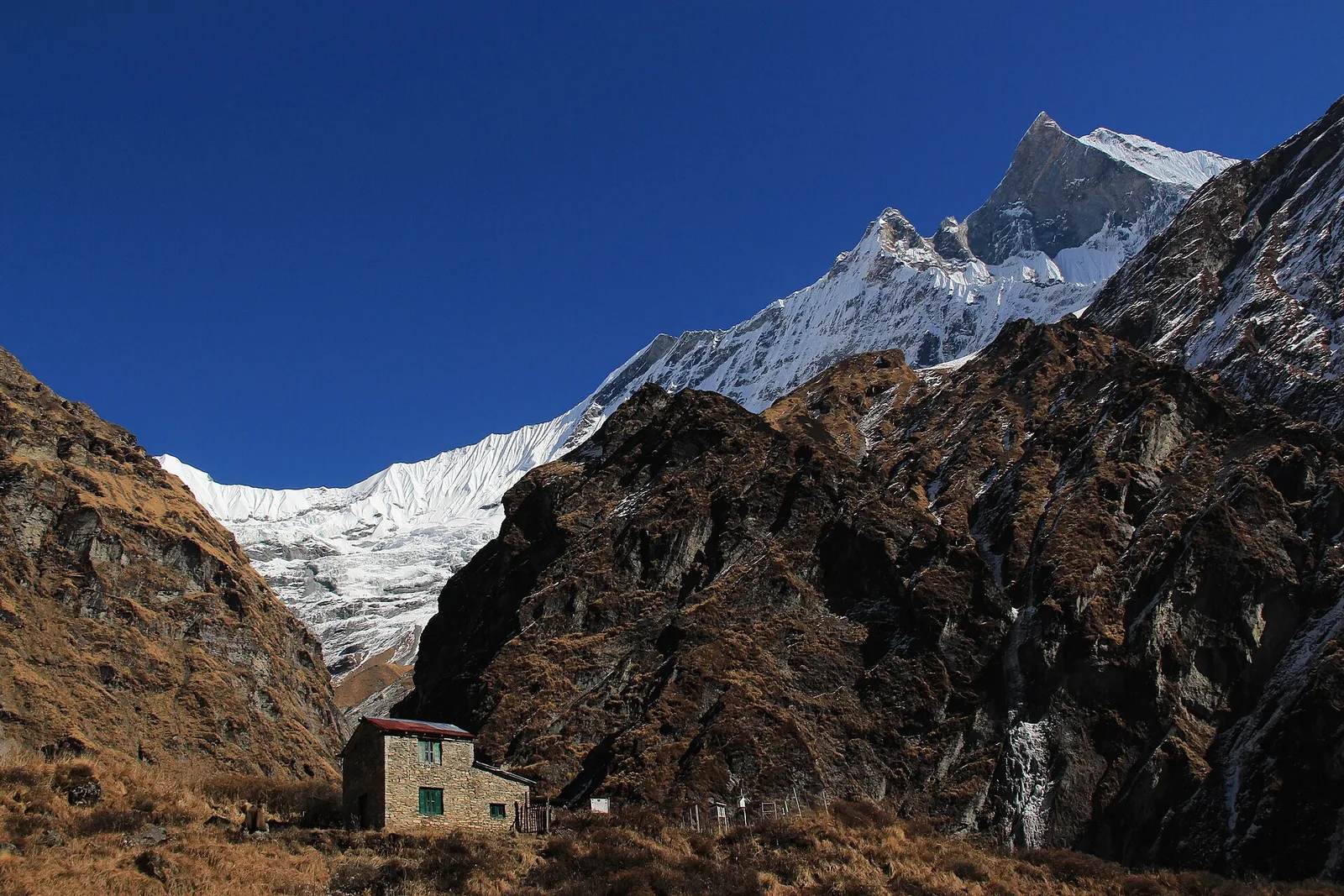
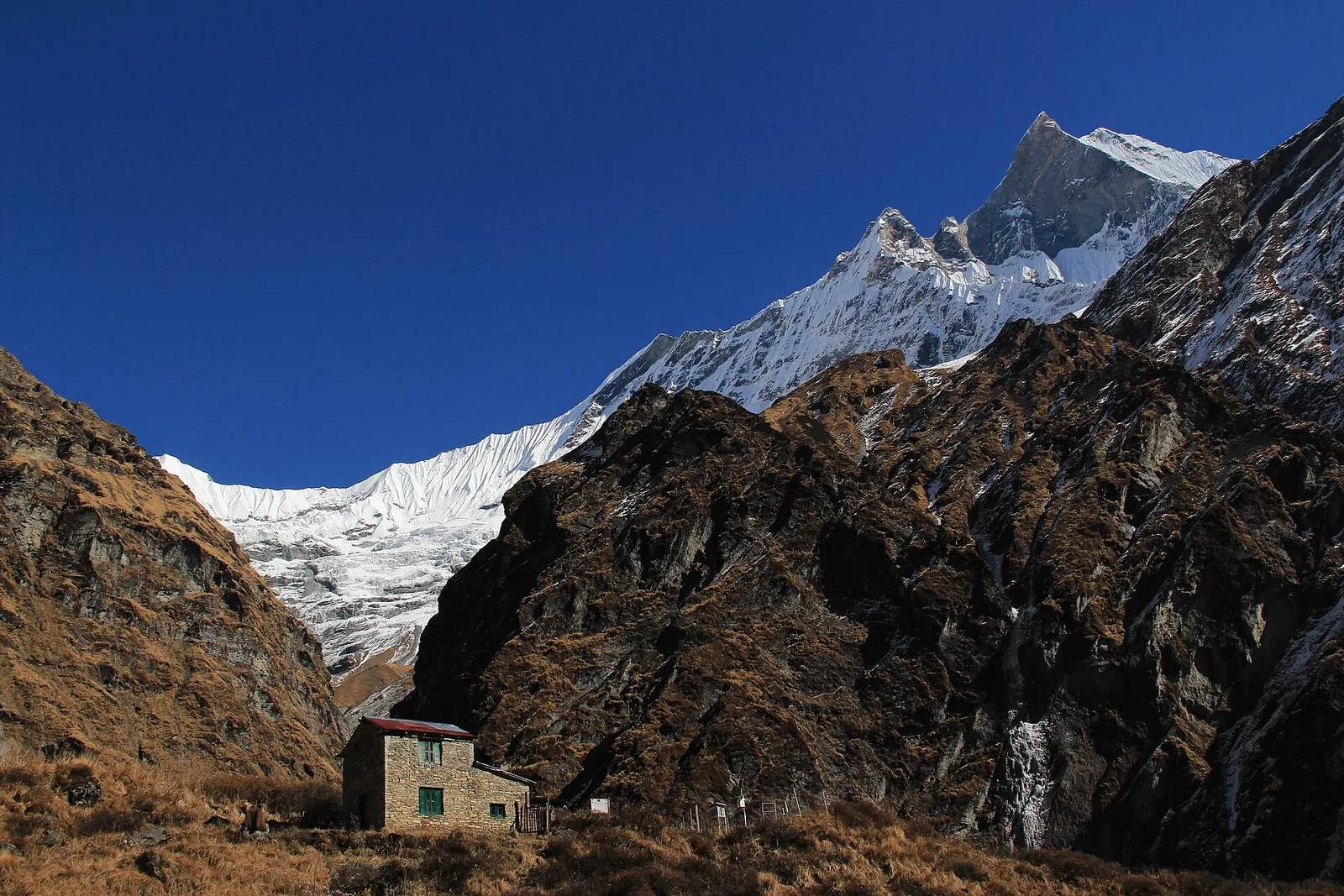
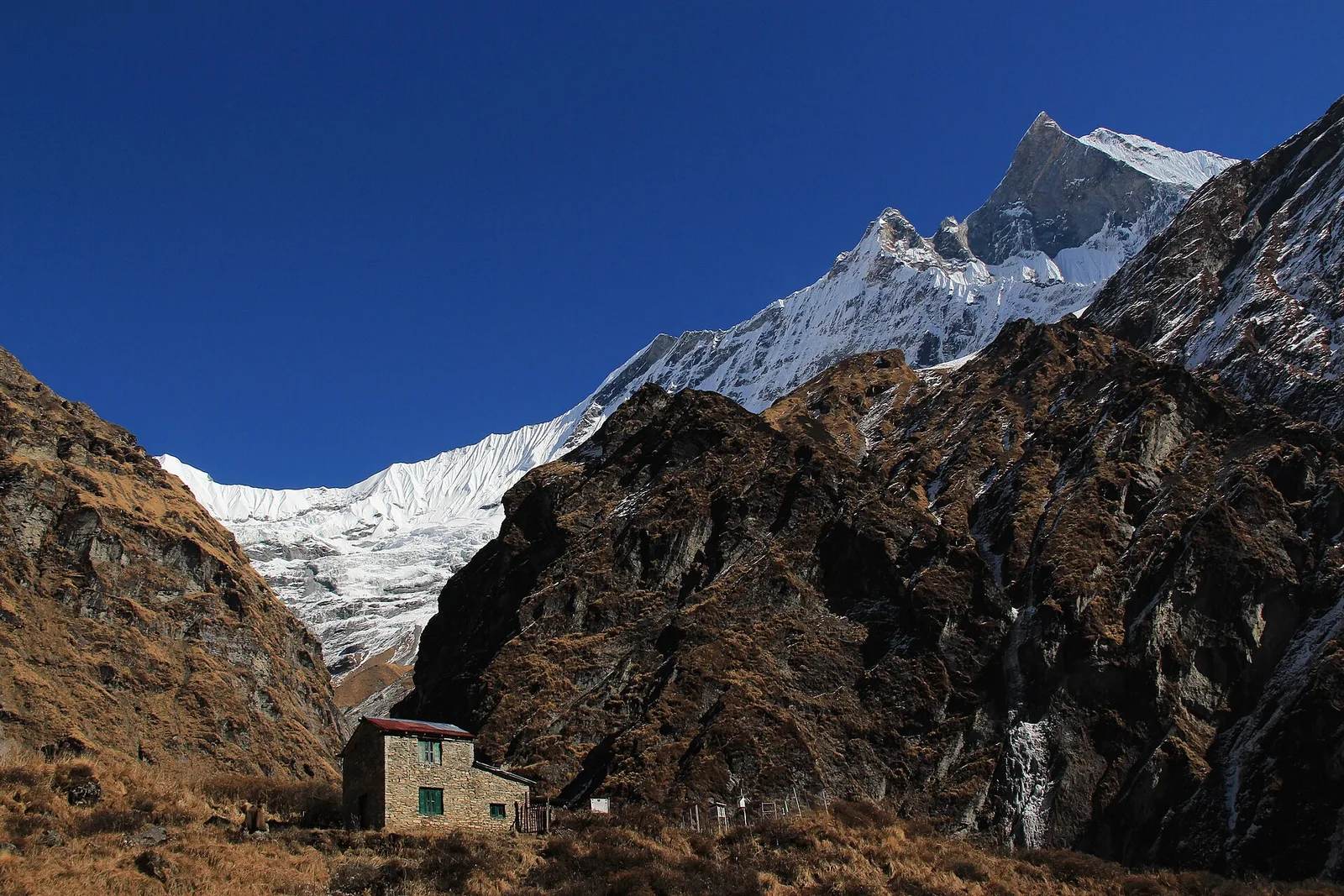
A ballot on the Australia leg is one more reason many of the backpackers we meet build a Nepal stop into the same round-the-world trip while they wait on a visa outcome — a nine-day Annapurna Base Camp trek needs no ballot and no minimum work commitment.
Cover photo: Mark Thomas via Pexels (Pexels License). Section photos: Ketut Subiyanto via Pexels (Pexels licence); Mark Stebnicki via Pexels (Pexels licence); Petra Nesti via Pexels (Pexels licence); Khoi Pham via Pexels (Pexels licence); ArtHouse Studio via Pexels (Pexels licence).
Still running this season
Annapurna Base Camp Trek — 9 Days is running normally
NMA-certified local guides, transparent pricing, 5,000+ treks since 1998. Message us your dates and we'll sort the permits, lodges and logistics — reply within 24 hours, no obligation.
Popular Nepal treks
All treks →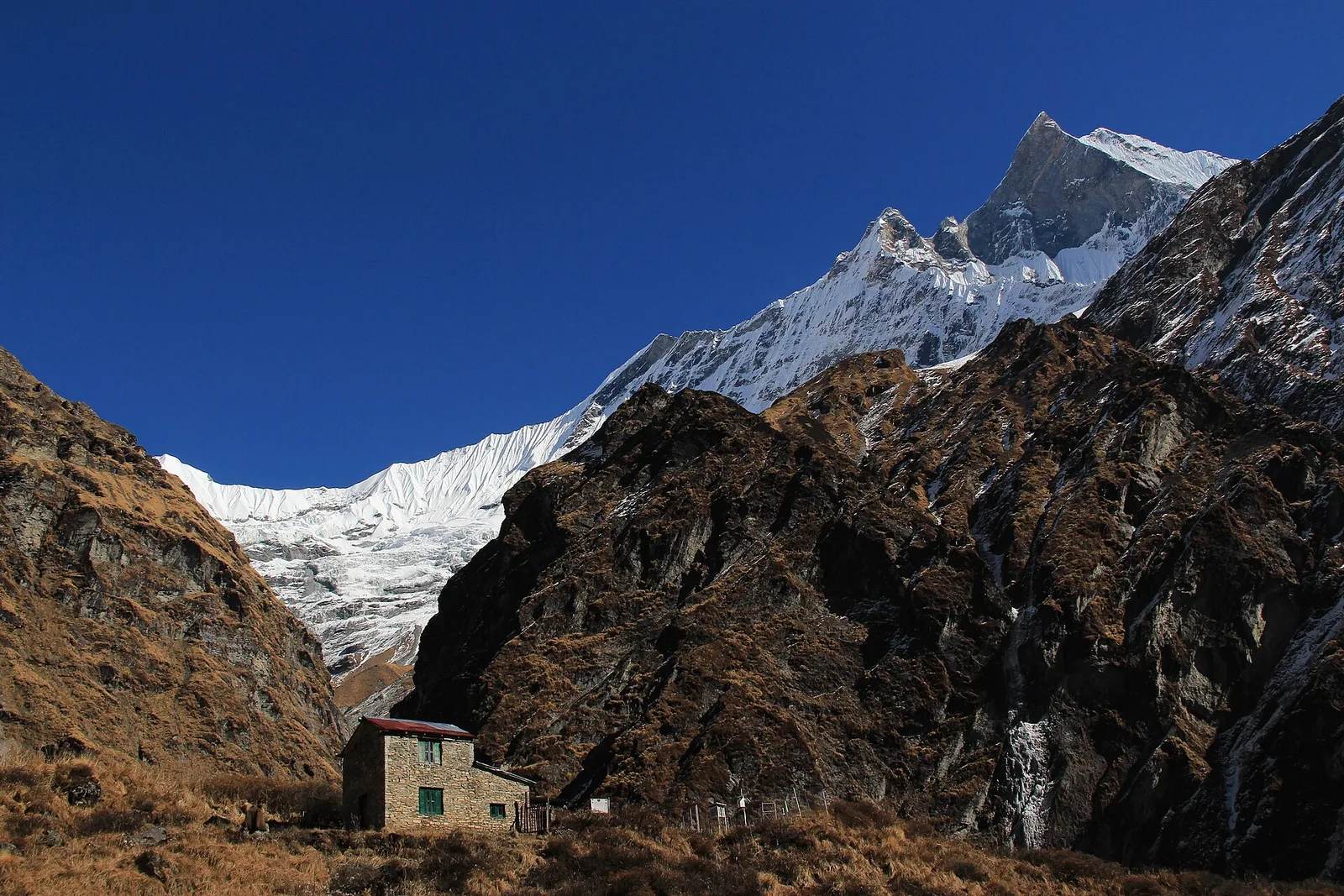
Related coverage

Visas & Entry
Working holiday visas in 2026, and how under-30s can live abroad for a year
The youth-mobility schemes that let young travellers live and work abroad for a year or two — the usual 18–30/35 age cap, which nationalities qualify for which country, and why the quota-capped ones run out.

Visas & Entry
Thailand visa-free stays just changed, and what it means for American travellers
Since 15 September, Americans get 30 days visa-free instead of 60, and every visitor must file a free digital arrival card in the three days before landing.
Safety & Advisories
Manaslu climbers are racing a storm to the summit, and the forecast is against them
A record 493 permits, two deaths on Sunday, and heavy rain forecast from 24 September. Some teams are climbing, some are waiting, and one has gone home.
World Destinations
How many Americans actually visit Iceland, and why this year looks strange
661,929 Americans visited Iceland in 2025, nearly three in ten visitors. This year is flat overall, hiding swings of more than 20% from month to month.
Latest from the desk

Money & Insurance
How much Americans actually spend on a trip to Spain, against everyone else
€2,297 a head in 2025, the most of any country Spain’s statistics office reports and 65% above the average visitor. The British still spend more in total.
Breaking Safety & Advisories
Typhoon Dujuan Just Grounded 275 Flights Near Tokyo, Here's Whether You Should Still Fly to Japan This Week
Four dead, six missing and 275 flights cancelled as Typhoon Dujuan hit Tokyo, here's what the US, UK and Australia are actually telling travellers.

Breaking Flights & Access
Britain's Flight Control System Just Failed Twice in 13 Days, Here's What That Actually Means If You're Flying This Autumn
A Prestwick network fault cut UK airspace capacity 60% on 21 September, thirteen days after a software defect grounded 2,000+ flights nationwide.