
Breaking · Safety & Advisories
Typhoon Dujuan Just Grounded 275 Flights Near Tokyo, Here's Whether You Should Still Fly to Japan This Week
Four dead, six missing and 275 flights cancelled as Typhoon Dujuan hit Tokyo, here's what the US, UK and Australia are actually telling travellers.
At a glance
- Published
- TopicSafety & Advisories
- Verified againstAl Jazeera
- Treks coveredNepal Classic Tour — 7 Days
Typhoon Dujuan has killed at least four people, left six missing and forced Japan Airlines and All Nippon Airways to cancel 275 flights since the storm lashed Tokyo's Pacific coast on 21 September 2026. If you have a flight or a trip to Japan this week, the direct answer is: the damage is concentrated on Tokyo, Chiba and the coast east of the capital, the storm is now moving away from Japan, and none of the US, UK or Australian governments has raised its travel advisory because of it.
Key facts
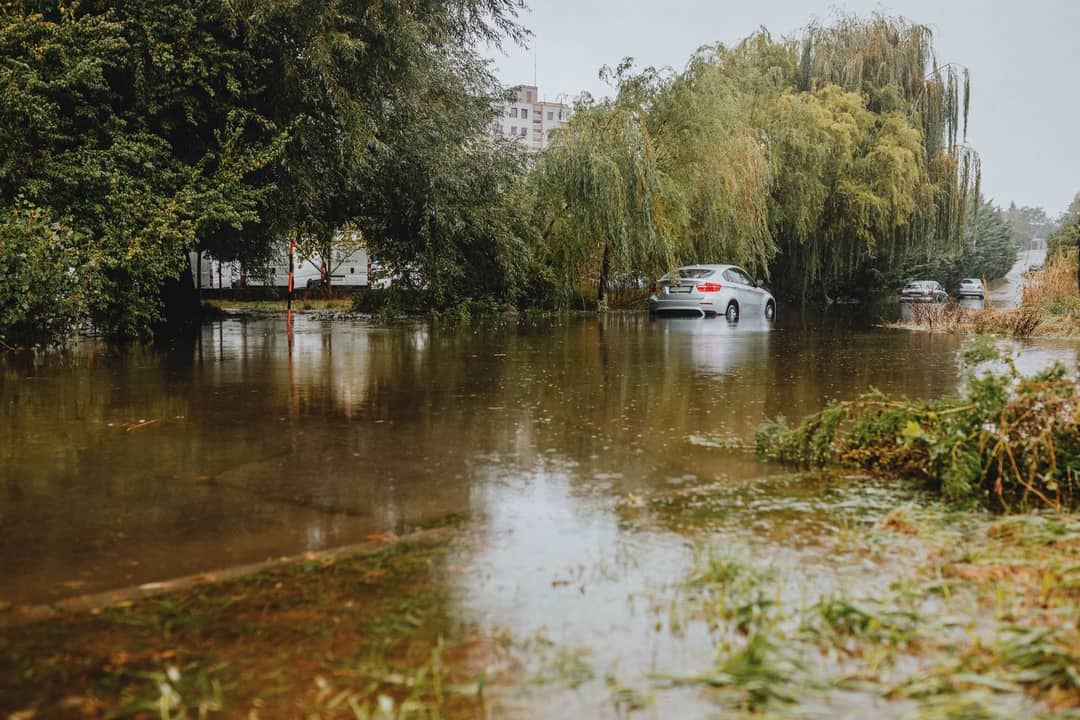
- At least 4 dead and 6 missing after landslides from torrential rain, with about 45,000 homes losing power
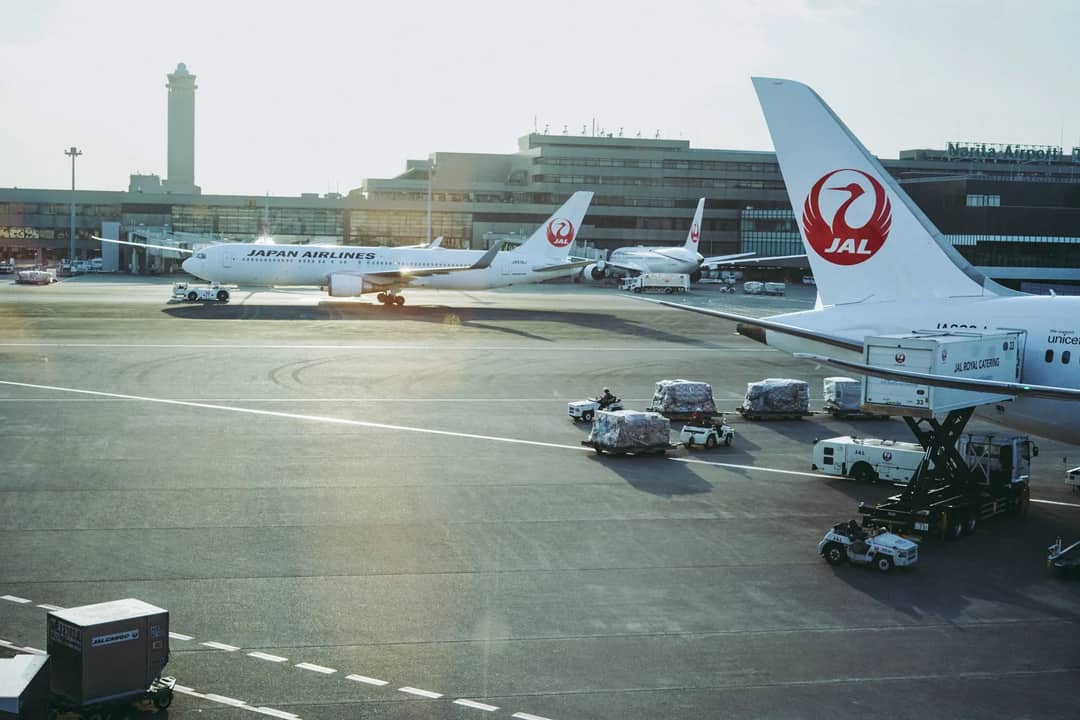
- 275 flights cancelled on 21 September — 135 by Japan Airlines, 140 by All Nippon Airways
- Bullet trains between Tokyo and Osaka were partially suspended; the Tokyo Game Show closed early on its final day
- Flooding hit Kamakura and Ichikawa; Kamakura's mayor warned residents against driving through the city
Is it safe to fly to Japan right now
Yes, for almost anywhere outside Tokyo's Pacific-facing coast the trip is going ahead as normal. A typhoon hits a region, not the whole archipelago — Dujuan's damage sits on the Boso Peninsula, Chiba and parts of Tokyo and Kanagawa, while Kyoto, Osaka, Hokkaido and the Japan Sea coast have reported no comparable disruption. The storm made its closest approach to the capital on 21 September with gusts reported up to 180 km/h before turning northeast, away from Japan, toward the open Pacific.
What actually happened with Typhoon Dujuan
Torrential rain triggered landslides that killed at least four people and left six missing, according to Al Jazeera's reporting on 22 September. Around 45,000 homes lost electricity. Japan Airlines cancelled 135 flights and All Nippon Airways cancelled 140 on 21 September, stranding passengers at Haneda and Narita. Japan Railways partially suspended bullet train services between Tokyo and Osaka, and organisers closed the Tokyo Game Show early on what was meant to be its final day. Video posted by Kamakura's mayor showed flooded streets around Kamakura Station, a popular sightseeing stop, and floodwater also reached Ichikawa, east of the capital.
Which parts of Japan are affected, and which aren't
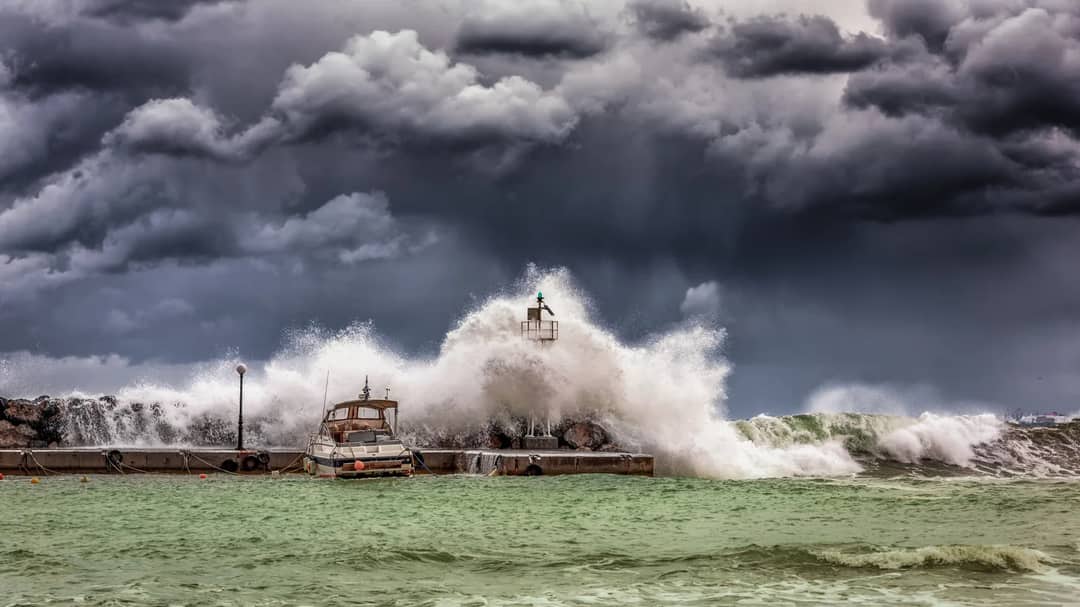
The disruption is real but narrow: Tokyo, Chiba and Kanagawa took the brunt of the flooding and landslides, while inland Honshu and the whole of western and northern Japan carried on as normal. If your itinerary runs through Kyoto, Osaka, Hiroshima or Hokkaido this week, nothing about Dujuan changes your plans. If it runs through Tokyo, Kamakura or the Chiba coast, expect a day or two of cleanup — standing water on some roads, reduced train frequency, and airlines still working through the backlog from Monday's cancellations.
What the US, UK and Australian governments are telling travellers
None of the three governments most likely to be reading this has changed its Japan advisory because of Dujuan.
| Government | Current advice | Typhoon-specific change |
|---|---|---|
| US State Department | Level 1 – Exercise normal precautions | None |
| UK FCDO | Standard travel advice for Japan | None issued |
| Australia Smartraveller | Green – Exercise normal safety precautions | None |
That doesn't mean ignore the storm — it means the governments are treating this as a short, regional weather event rather than a reason to cancel a trip. All three still tell travellers to check an airline or rail operator's own status page before heading to the airport or station, rather than assuming a confirmed booking will run on schedule.
What this means if you have a flight or trip to Japan this week
What this means for you
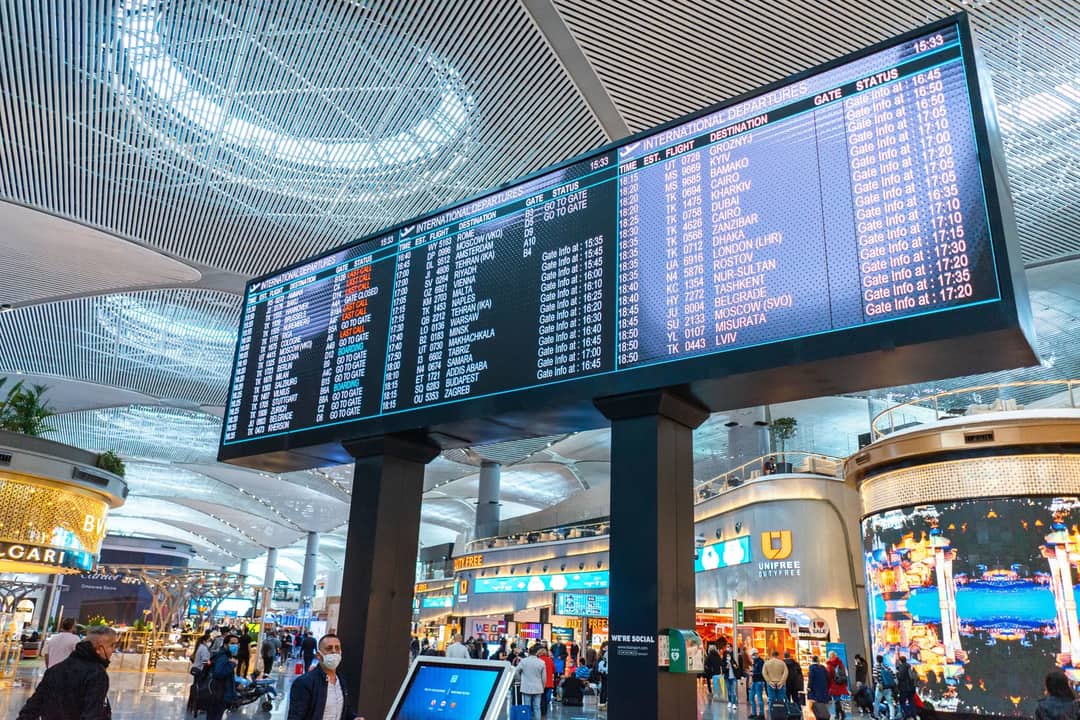
If you're flying into Haneda or Narita in the next day or two, check your airline's app before you leave for the airport — JAL and ANA cancelled 275 flights between them on Monday and the backlog takes longer to clear than the storm itself. If your trip is anywhere off the Pacific coast of Honshu — Kyoto, Osaka, Hiroshima, Hokkaido — book and travel as planned; Dujuan never reaches you. Nobody official is telling you to cancel, and that advice hasn't moved.
Will my flight to Japan be cancelled this week?
Only if it departs or lands at Haneda or Narita during the storm's closest approach and its immediate aftermath. Check your airline's own status page directly rather than relying on a booking confirmation.
Should I cancel a trip to Tokyo because of the typhoon?
No government is recommending cancellation. Dujuan is moving away from Japan and the advisory levels from the US, UK and Australia are unchanged, though a day or two of reduced train frequency and flight backlog around Tokyo is still likely.
Is the rest of Japan, like Kyoto or Hokkaido, affected?
No. The flooding, landslides and flight cancellations are concentrated on Tokyo's Pacific coast, Chiba and Kanagawa. Western and northern Japan have seen none of it.
Travellers rerouting around a storm this week aren't so different from anyone planning a Himalayan season — watching the forecast closely before committing to a route is exactly what our guides do for every departure on our Nepal Classic Tour.
Cover photo: Osumi Akari via Wikimedia Commons (CC BY-SA 4.0). Section photos: Helena Jankovičová Kováčová via Pexels (Pexels licence); Afif Ramdhasuma via Pexels (Pexels licence); GEORGE DESIPRIS via Pexels (Pexels licence); Dmitry Romanoff via Pexels (Pexels licence); Atlantic Ambience via Pexels (Pexels licence).
Still running this season
Nepal Classic Tour — 7 Days is running normally
NMA-certified local guides, transparent pricing, 5,000+ treks since 1998. Message us your dates and we'll sort the permits, lodges and logistics — reply within 24 hours, no obligation.
Popular Nepal treks
All treks →


Related coverage
Safety & Advisories
Dubai and Abu Dhabi flights are still landing normally, but the US and UK are giving very different advice about going there right now
The US rates the UAE a Level 3 risk while the UK just says 'stay alert' — what each government is actually telling you before you fly.

Breaking Flights & Access
Britain's Flight Control System Just Failed Twice in 13 Days, Here's What That Actually Means If You're Flying This Autumn
A Prestwick network fault cut UK airspace capacity 60% on 21 September, thirteen days after a software defect grounded 2,000+ flights nationwide.
Safety & Advisories
592 foreign nationals are still missing in the Nepal flood, here is who your family should actually call
Nepal's disaster authority counts 592 foreign nationals among the missing after the 26 August flood. Here is the official route for families abroad.
Safety & Advisories
The Bhote Koshi flood took Timure in about seven minutes, here's how four people got out
Four named survivors describe running uphill as the market disappeared behind them, and a CCTV timestamp shows how little warning anyone downstream actually had.
Latest from the desk

Money & Insurance
How much Americans actually spend on a trip to Spain, against everyone else
€2,297 a head in 2025, the most of any country Spain’s statistics office reports and 65% above the average visitor. The British still spend more in total.

Visas & Entry
Australia Just Turned Your Second Working Holiday Year Into a Lottery, Here's How the Ballot Actually Works
A ballot for 45,000 second-year and 5,000 third-year places replaces automatic approval, announced by Australia's Home Affairs Minister on 17 September 2026.
Visas & Entry
Thailand visa-free stays just changed, and what it means for American travellers
Since 15 September, Americans get 30 days visa-free instead of 60, and every visitor must file a free digital arrival card in the three days before landing.