
One in Seven Australians Fly Overseas With Zero Travel Insurance, and Vietnam’s Storm Season Just Made This the Worst Week to Try It
One in seven Australians flew overseas with zero cover last trip, and Vietnam’s storm season just gave that gamble its worst possible timing.
At a glance
- Published
- TopicMoney & Insurance
- Verified againstInsurance Business Australia
- Treks coveredEverest Base Camp Trek — 12 Days
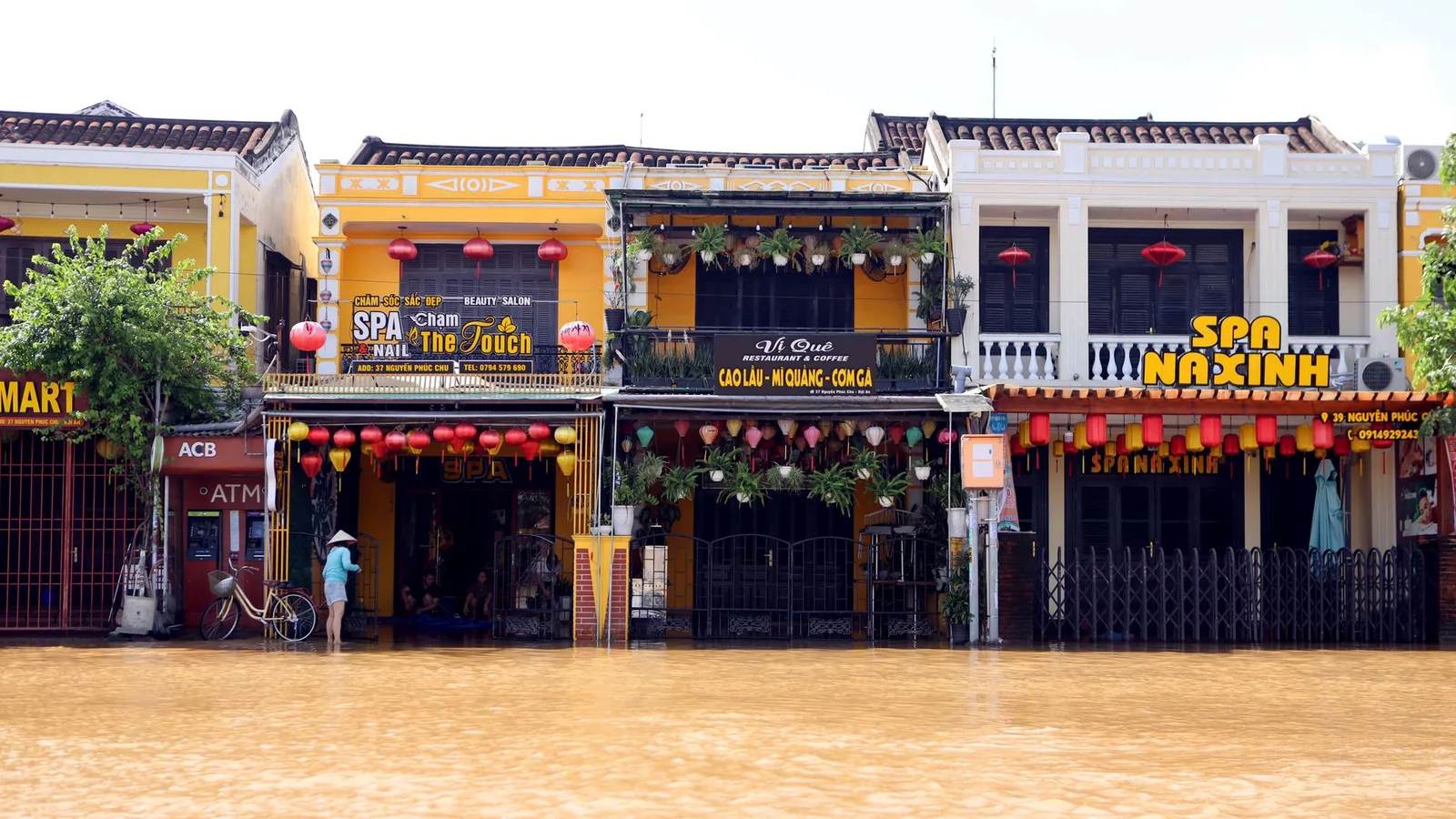
One in seven Australians — 14 percent — took their most recent overseas trip with no travel insurance at all, according to a joint survey by the Insurance Council of Australia (ICA) and Smartraveller, conducted by Quantum Market Research and published 21 October 2025. That figure lands at an awkward moment: Vietnam, now one of the fastest-growing destinations for Australian travellers, has entered the highest-risk stretch of its storm season, which Smartraveller's advisory confirms runs June to November.
Key facts
- 14 percent of Australian travellers went on their last overseas trip with zero travel insurance
- Among travellers under 30, that rises to 23 percent
- Of those who did buy cover, 93 percent were unaware of at least one common policy exclusion
- Vietnam's storm season runs June to November; almost 520,000 Australians visited Vietnam in 2025, up 19 percent on 2024
How many Australians actually skip travel insurance
The joint ICA and Smartraveller survey of 1,001 travellers found 14 percent went on their last overseas trip with absolutely no cover — a figure that climbs to 23 percent among travellers under 30. Most were not simply careless: 65 percent said they had actually given it some thought before deciding against a policy, and the single biggest reason, cited by 31 percent, was a belief that their destination was safe enough not to need one. Separately, 45 percent said they were willing to take on risk in pursuit of a memorable trip.

What is happening in Vietnam right now that makes this the wrong week to gamble
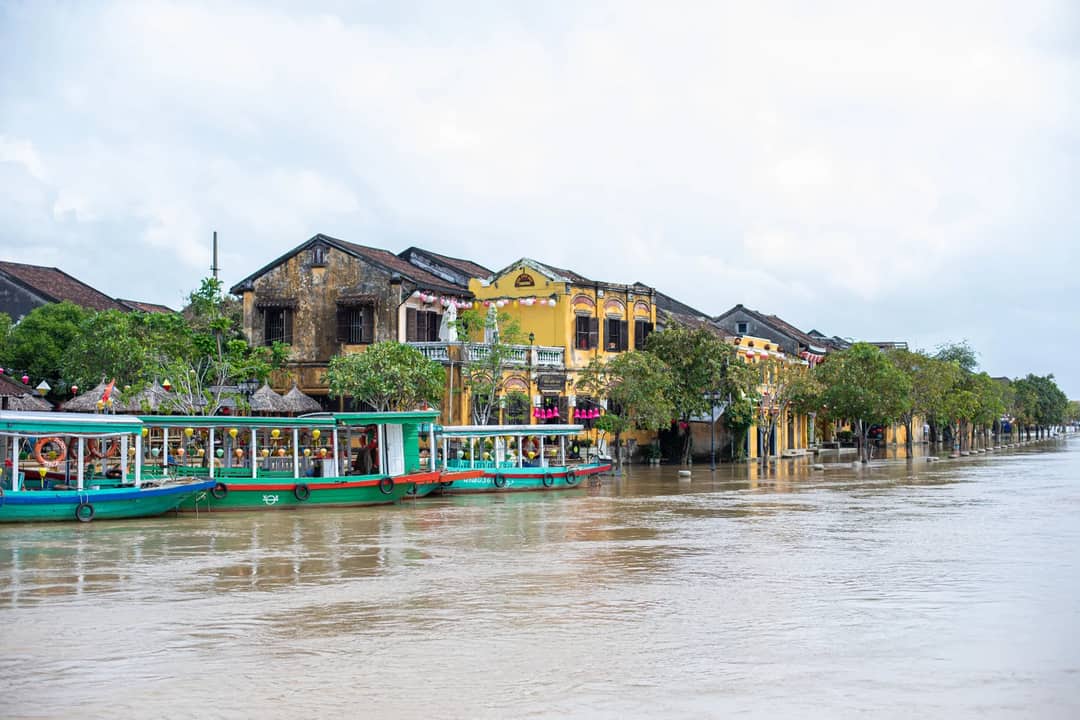
Vietnam is now one of Australia's fastest-growing outbound destinations: almost 520,000 Australians visited in 2025, up 19 percent on the year before, with arrivals through the first seven months of 2026 running 22.5 percent higher again. Smartraveller's standing advisory confirms Vietnam's storm season runs from June through November, warning of heavy rain, floods, landslides and typhoons that can disrupt flights, roads, power, transport and phone services — with September to November carrying the heaviest combined risk of typhoons and high-tide flooding in low-lying and riverside areas, exactly the period Australian travellers are booking into right now. Smartraveller's advice is to check weather updates, follow local authorities, confirm flight and tour status before travelling, and make sure any policy bought actually covers severe weather.
The exclusions catching people out
The awareness gap is not only about whether people buy a policy — it is about what the policy they buy actually covers. Ninety-three percent of insured travellers in the same survey did not know about at least one common exclusion in their own policy. A few show up repeatedly:

| What travellers assume | What often actually happens |
|---|---|
| Alcohol-related incidents are covered like any other accident | Only 43 percent knew policies can vary significantly on alcohol coverage; 39 percent of drinkers were uncovered or unsure |
| Buying a policy once a storm or strike is in the news still counts | A 'known event' exclusion can void a claim for a risk that was already public when the policy was bought |
| Any policy covers any activity | High-altitude trekking and technical climbing typically need a separate rider above a stated altitude cap |
That middle row is not theoretical for anyone booking around live weather. If a storm bearing down on Vietnam is already public knowledge when a traveller buys their policy, insurers can — and do — treat it as a known event rather than a covered surprise.
What this means if you are planning a Nepal trek instead
What this means for you
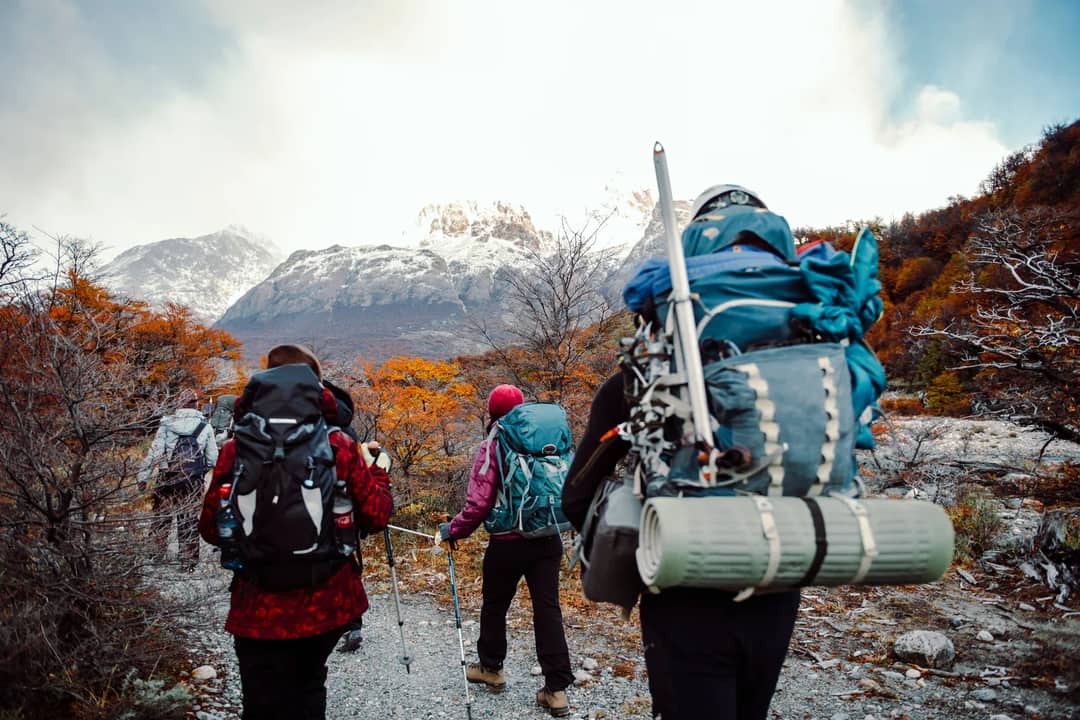
Buy travel insurance before you need it, not after a storm or a headline makes the risk obvious — that is the exact moment insurers stop treating it as an accident. And read the altitude line on your policy: a standard travel policy bought for a beach holiday will often cap emergency medical and evacuation cover at an altitude far below what a trek to Everest Base Camp or the Annapurna region actually reaches. Ask your insurer, in writing, what altitude your policy stops covering before you fly — do not assume a policy that covers Vietnam automatically covers the Khumbu.
Does travel insurance cover storms and flooding in Vietnam?
Usually, if the policy was bought before the storm was named or widely reported. Once a specific storm is public knowledge, a known-event exclusion can apply — buy cover before you book, not after the forecast turns bad.
What is a known-event exclusion?
It is a clause that lets an insurer decline a claim for a risk — a strike, a storm, an outbreak — that was already publicly known when the policy was purchased. It rewards buying insurance early.
Does standard travel insurance cover trekking in Nepal?
Not always above a certain altitude. Many standard policies cap medical and evacuation cover at a specific altitude and require a separate high-altitude or adventure-activity rider for treks that go higher, including most Everest and Annapurna routes.
Cover photo: Lâm Trần via Pexels (Pexels License). Section photos: Josh Withers via Pexels (Pexels licence); Ketut Subiyanto via Pexels (Pexels licence); Sachith Ravishka Kodikara via Pexels (Pexels licence); SHVETS production via Pexels (Pexels licence); Julieta Camila Tosto via Pexels (Pexels licence).
Still running this season
Everest Base Camp Trek — 12 Days is running normally
NMA-certified local guides, transparent pricing, 5,000+ treks since 1998. Message us your dates and we'll sort the permits, lodges and logistics — reply within 24 hours, no obligation.
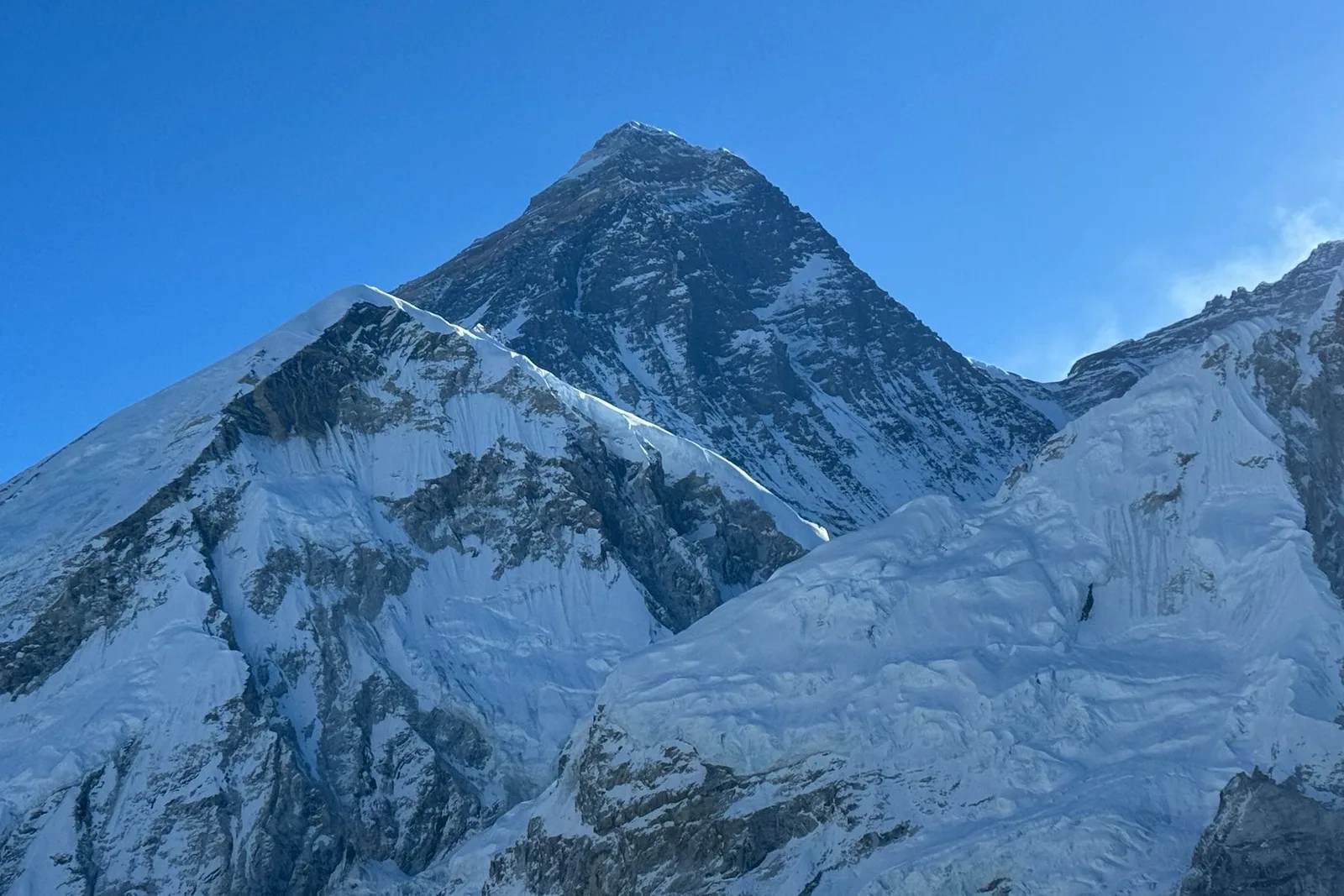
Popular Nepal treks
All treks →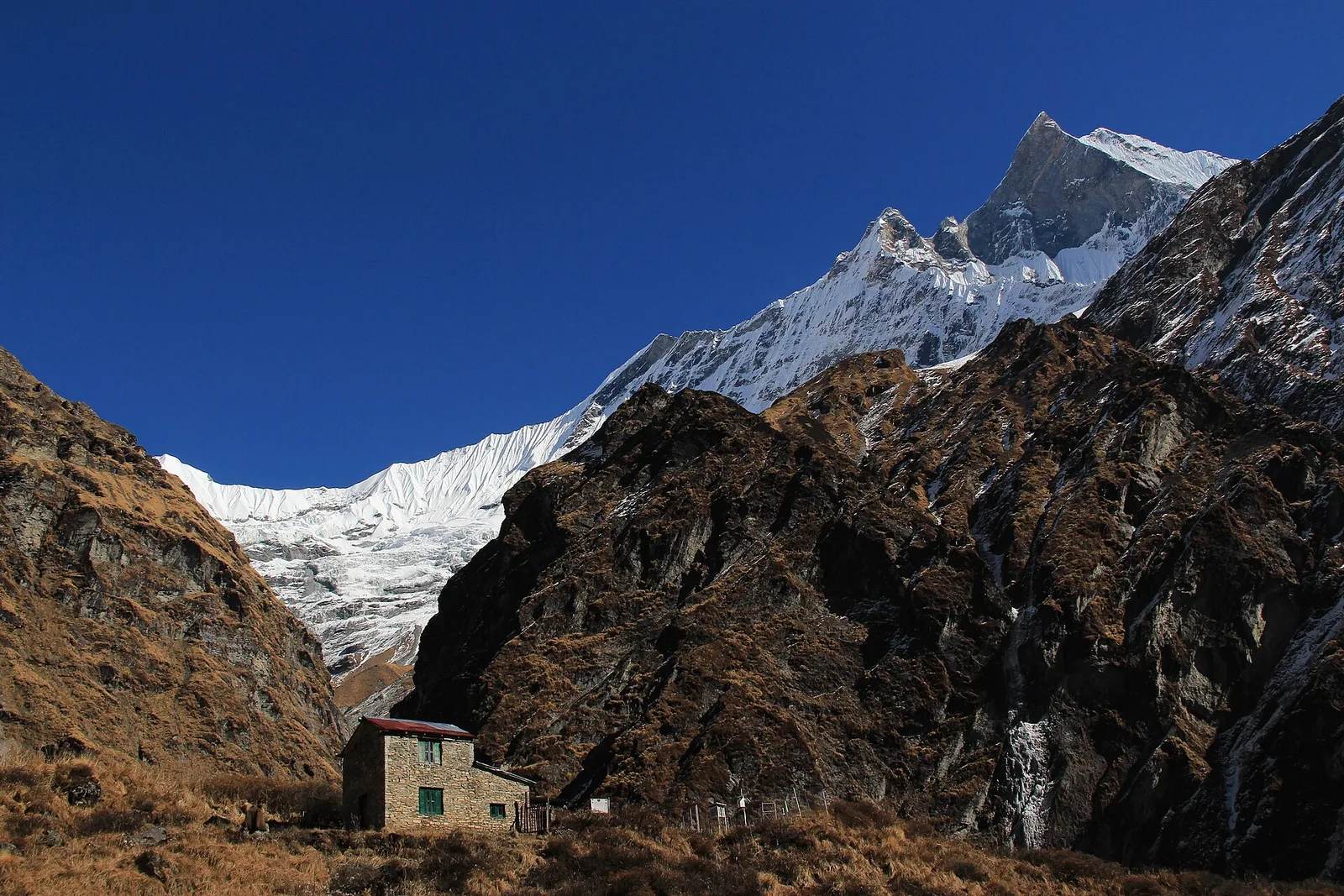
Related coverage
Money & Insurance
If You Buy Travel Insurance After a Strike Hits the News, It’s Already Too Late to Claim
Once a strike, flood or eruption is public news, Australian travel insurers won't cover it, and buying a policy the day it hits headlines is too late.

Money & Insurance
How Much Travel Insurance Cover Do You Actually Need in 2026? Sizing Every Limit
Medical and repatriation is the limit that can bankrupt you, cancellation should match your non-refundable spend, and a headline "£10m medical" is worthless if an exclusion applies. Here is how to right-size cover to your trip.
Safety & Advisories
No Atlantic hurricane yet this year, and what it means for an autumn Caribbean trip
Six named storms, zero hurricanes, the latest start of the satellite era. NOAA still says one storm is enough, and the peak runs into October.
Money & Insurance
Honeymoon & Destination-Wedding Travel Insurance in 2026: The Extras Couples Overlook
Booking a destination wedding or honeymoon in 2026? Standard cover misses the extras that matter — a bigger single-item limit for rings, dresses and gifts, the wedding event itself, both names on one policy, supplier failure, and the activity and altitude cover an adventure honeymoon needs.
Latest from the desk
Breaking World Destinations
A British Climber Died 20 Metres From the Top of Spain’s Highest Peak in the Picos de Europa, and the Route Doesn’t Even Need Ropes
He fell about 60 metres descending Torrecerredo on Thursday, on ground climbers don’t rope up for — proof an ‘easy’ mountain can still kill you.
Deals & Routes
Dallas Just Got Its Third Airport, and It’s Flying Nonstop to Vegas by November
McKinney National Airport got its FAA certificate September 24, and Avelo starts flying five nonstop routes from it on November 11.
Breaking Safety & Advisories
Banff National Park Just Hit Its Seventh Hiking Death of the Year, and the Victim Was a Professional Guide Hiking Alone
Banff National Park logged seven hiking deaths in 2026, the latest an off-duty guide who died solo on Recondite Peak this September.