
If You Buy Travel Insurance After a Strike Hits the News, It’s Already Too Late to Claim
Once a strike, flood or eruption is public news, Australian travel insurers won't cover it, and buying a policy the day it hits headlines is too late.
At a glance
- Published
- TopicMoney & Insurance
- Verified againstInsurance Business Australia
- Treks coveredEverest Base Camp Trek — 12 Days
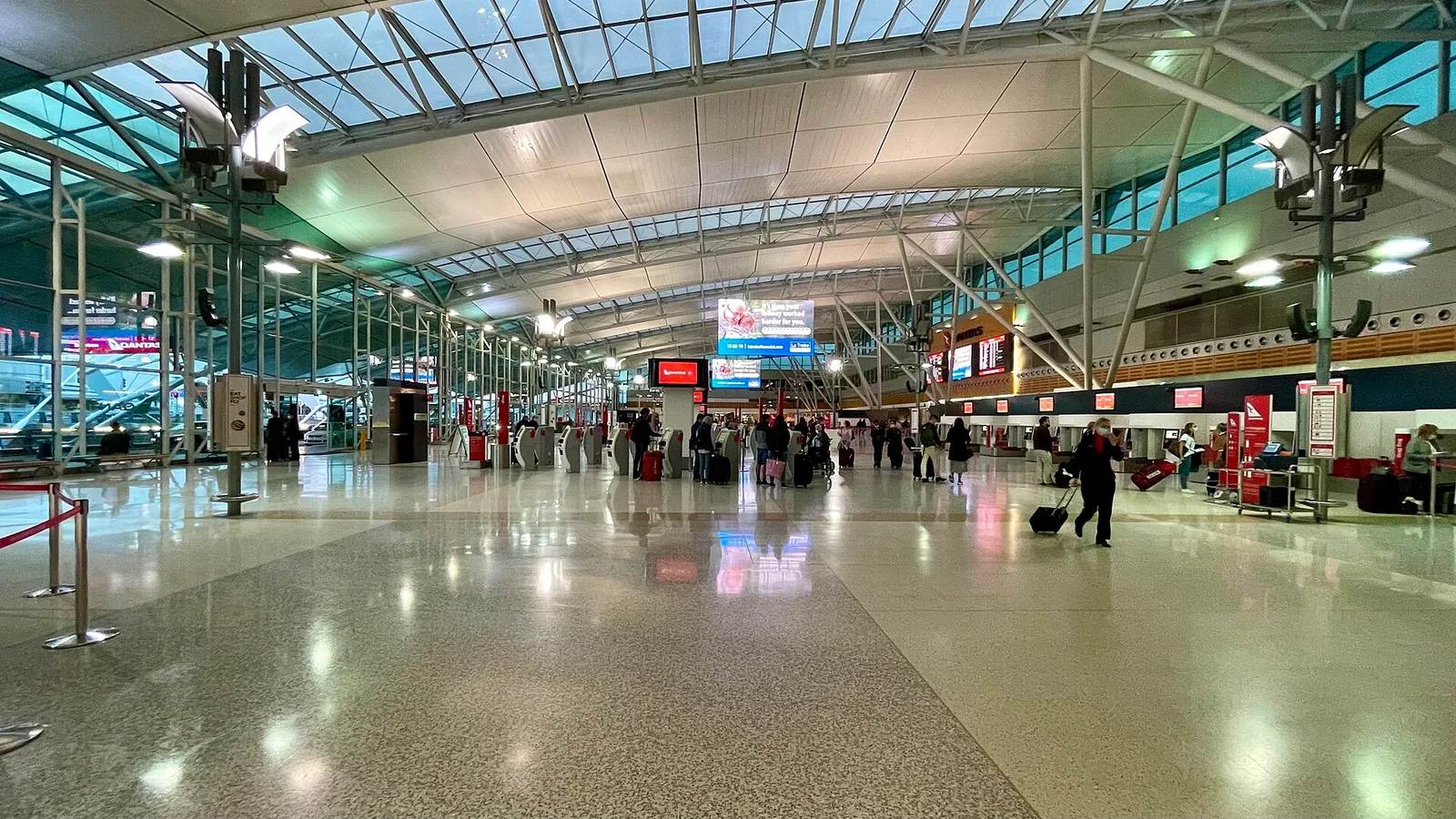
If you buy travel insurance the same week a strike makes headlines, you have almost certainly bought it too late to claim on that strike. That is the known-event exclusion buried in most Australian travel insurance policies, and this month’s stoppages at Sydney Airport are the live example forcing insurance brokers to explain a clause most travelers have never read.
Key facts
- Australian insurers apply a ‘known event’ exclusion: a disruption already public before you bought your policy is not covered
- 14% of Australians took their most recent overseas trip with no travel insurance at all; among under-30s it was 23%
- Of those who went uninsured, 65% made a conscious choice to skip it
- Sydney Airport had fresh stoppages on September 24, with more strike action scheduled for September 28-29
What is a known-event exclusion, and how does it decide your claim
A known-event exclusion means an insurer won’t pay a claim for a disruption that was already public knowledge before you bought the policy. “It’s essential to purchase travel insurance as soon as you start making payments towards your trip,” says Natalie Smith of Comparetravelinsurance.com.au, because the trigger is the purchase date, not how big or how unfair the disruption turns out to be. Buy your policy before a strike is announced, and a comprehensive product can cover the extra transport, accommodation and meal costs, missed connections and some prepaid bookings it causes. Buy it after, even by a single day, and that same strike is specifically excluded from what you just bought.
Did the Sydney Airport strikes actually trigger this exclusion this month
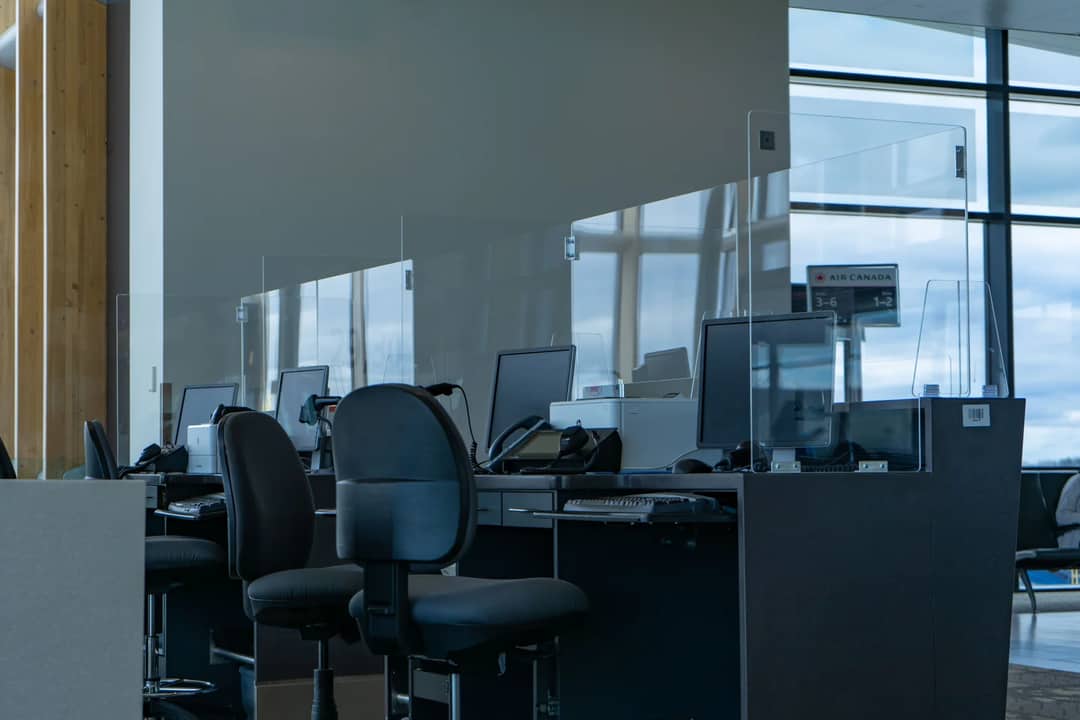
Yes, twice over. On September 24, roughly 400 Certis security screening staff walked out for two separate two-hour stoppages, 7:30–9:30am and 6–8pm, while Qantas Ground Services staff at two freight subsidiaries stopped work for a full 24 hours. A further three-hour Certis stoppage is scheduled for September 28, plus a separate Work Health and Safety walkout from 10pm that Monday to 1am on September 29. Every one of those dates is now public. A policy bought today can still cover a disruption nobody has announced yet; it cannot cover the September 28-29 action, because that strike is already known.
| Date | Action | Who |
|---|---|---|
| Sept 24, 7:30–9:30am & 6–8pm | Two 2-hour stoppages | ~400 Certis security staff |
| Sept 24, 24 hours | Full-day walkout | Qantas Ground Services staff |
| Sept 28 | 3-hour stoppage | Certis security staff |
| Sept 28 10pm–Sept 29 1am | WHS stoppage | Certis security staff |
How many Australians are already flying with zero cover
About 14% of Australians took their most recent overseas trip with no travel insurance at all, and among under-30 travelers that rises to 23%. Of the people who went uninsured, 65% say it was a deliberate choice — 31% judged their destination safe enough to skip it, and 27% called insurance poor value for money. Complaints haven’t slowed either: the Australian Financial Complaints Authority logged 34,231 general insurance complaints in 2024-25, up 17% on the year before, with travel policies a regular contributor.
What this means if you already have a flight booked this month
What this means for you
Check the date on your policy schedule against the date each strike was first reported, not the date it actually happens — that comparison is what decides your claim. If you haven’t bought cover yet and nothing is currently in the news about your route, buy it today rather than waiting for departure week; the next disruption, once it’s announced, is instantly excluded from anything you purchase afterwards. The same logic reaches well past Australian airports: trekkers who waited to buy Nepal insurance until after the Rasuwa flood made headlines in August found the identical clause working against them. Our own bookings require proof of a policy covering high-altitude helicopter evacuation before departure, precisely so a client is never caught relying on cover they bought too late.
Common questions about travel insurance and strikes
Does travel insurance ever cover strikes?
Yes, but only a strike that wasn’t already public when you bought the policy. A comprehensive product bought early enough can cover extra accommodation, meals, alternative transport, missed connections and some prepaid costs the strike causes.
What if I bought my policy weeks before the strike was even threatened?
That is exactly the scenario the exclusion is designed to still pay out on. The test is whether the disruption was public knowledge on your purchase date, not whether you personally knew about it.
Does the same rule apply to trekking insurance in Nepal?
Yes. A named-peril or known-event clause works the same way regardless of country: a flood, a strike or a border closure that has already made news before you buy is excluded from that policy. Buy trekking insurance when you book your trip, not the week before you fly.
Cover photo: Chris Olszewski via Wikimedia Commons (CC BY-SA 4.0). Section photos: Yender Fonseca via Pexels (Pexels licence); Braeson Holland via Pexels (Pexels licence); Anna Shvets via Pexels (Pexels licence); Jake Ryan via Pexels (Pexels licence); MART PRODUCTION via Pexels (Pexels licence).
Still running this season
Everest Base Camp Trek — 12 Days is running normally
NMA-certified local guides, transparent pricing, 5,000+ treks since 1998. Message us your dates and we'll sort the permits, lodges and logistics — reply within 24 hours, no obligation.
Popular Nepal treks
All treks →
Related coverage

Money & Insurance
What Travel Insurance Does NOT Cover in 2026: The Exclusions That Void a Claim
The claim is not paid because you bought a policy — it is paid because nothing in the exclusions applies. Here are the standard exclusions that catch travellers out, and how to read them before you buy.
Money & Insurance
One in Seven Australians Fly Overseas With Zero Travel Insurance, and Vietnam’s Storm Season Just Made This the Worst Week to Try It
One in seven Australians flew overseas with zero cover last trip, and Vietnam’s storm season just gave that gamble its worst possible timing.
Money & Insurance
Honeymoon & Destination-Wedding Travel Insurance in 2026: The Extras Couples Overlook
Booking a destination wedding or honeymoon in 2026? Standard cover misses the extras that matter — a bigger single-item limit for rings, dresses and gifts, the wedding event itself, both names on one policy, supplier failure, and the activity and altitude cover an adventure honeymoon needs.

Money & Insurance
How Much Travel Insurance Cover Do You Actually Need in 2026? Sizing Every Limit
Medical and repatriation is the limit that can bankrupt you, cancellation should match your non-refundable spend, and a headline "£10m medical" is worthless if an exclusion applies. Here is how to right-size cover to your trip.
Latest from the desk
Breaking World Destinations
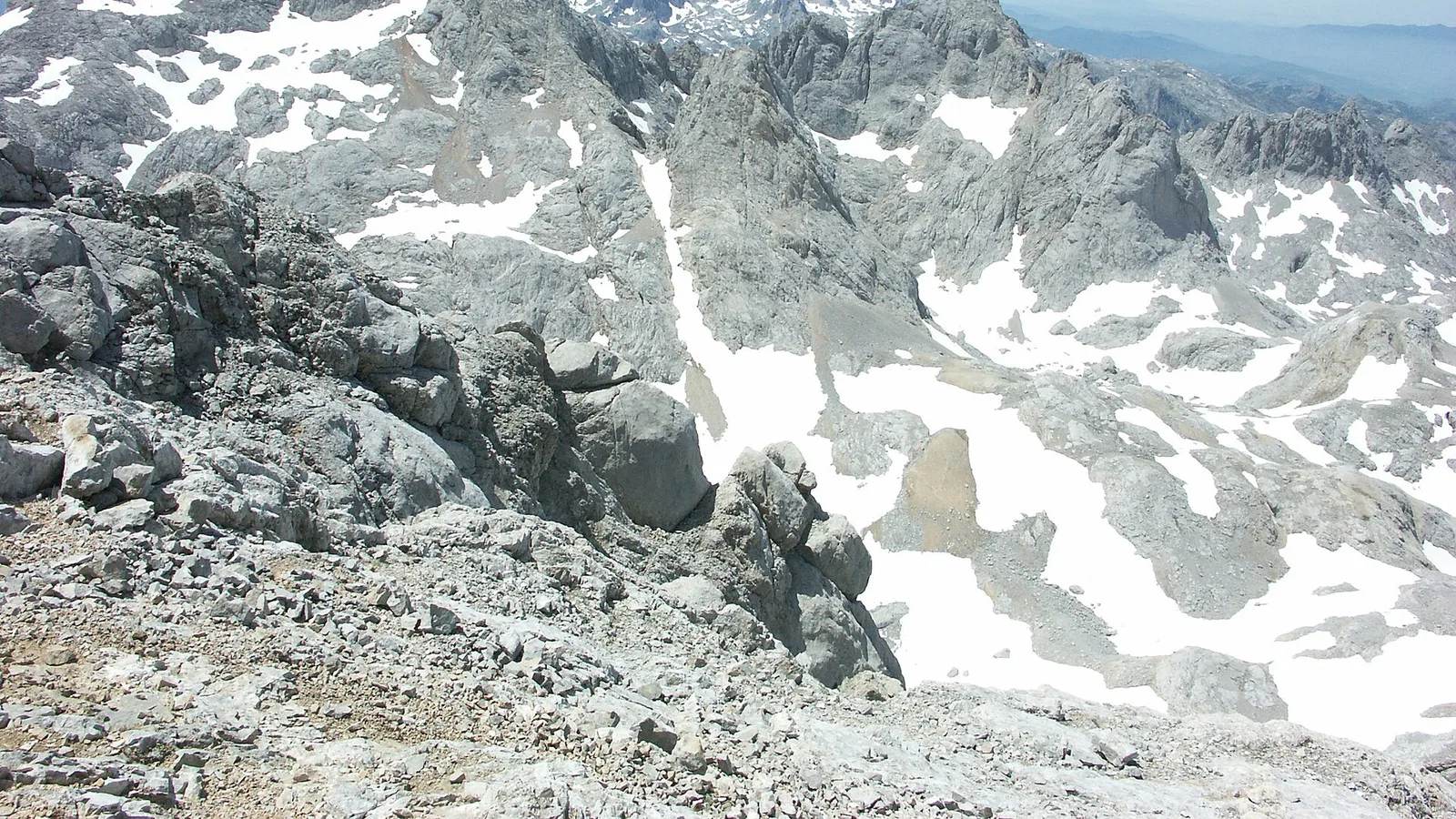
A British Climber Died 20 Metres From the Top of Spain’s Highest Peak in the Picos de Europa, and the Route Doesn’t Even Need Ropes
He fell about 60 metres descending Torrecerredo on Thursday, on ground climbers don’t rope up for — proof an ‘easy’ mountain can still kill you.
Deals & Routes
Dallas Just Got Its Third Airport, and It’s Flying Nonstop to Vegas by November
McKinney National Airport got its FAA certificate September 24, and Avelo starts flying five nonstop routes from it on November 11.
Breaking Safety & Advisories
Banff National Park Just Hit Its Seventh Hiking Death of the Year, and the Victim Was a Professional Guide Hiking Alone
Banff National Park logged seven hiking deaths in 2026, the latest an off-duty guide who died solo on Recondite Peak this September.