Two Climbers Got Within 45 Metres of the Summit in 1957. Nepal Has Banned Anyone From Finishing It Ever Since.
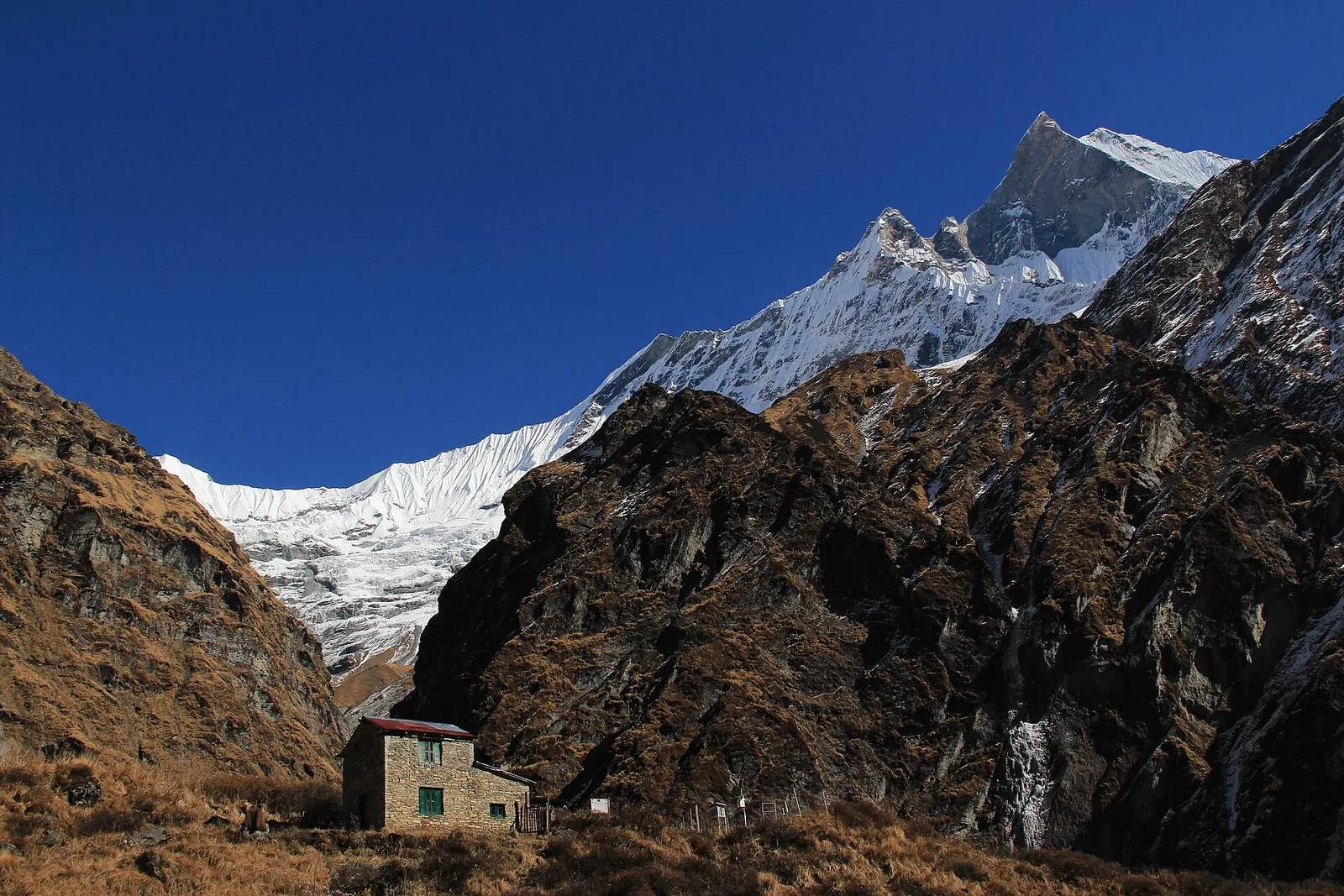
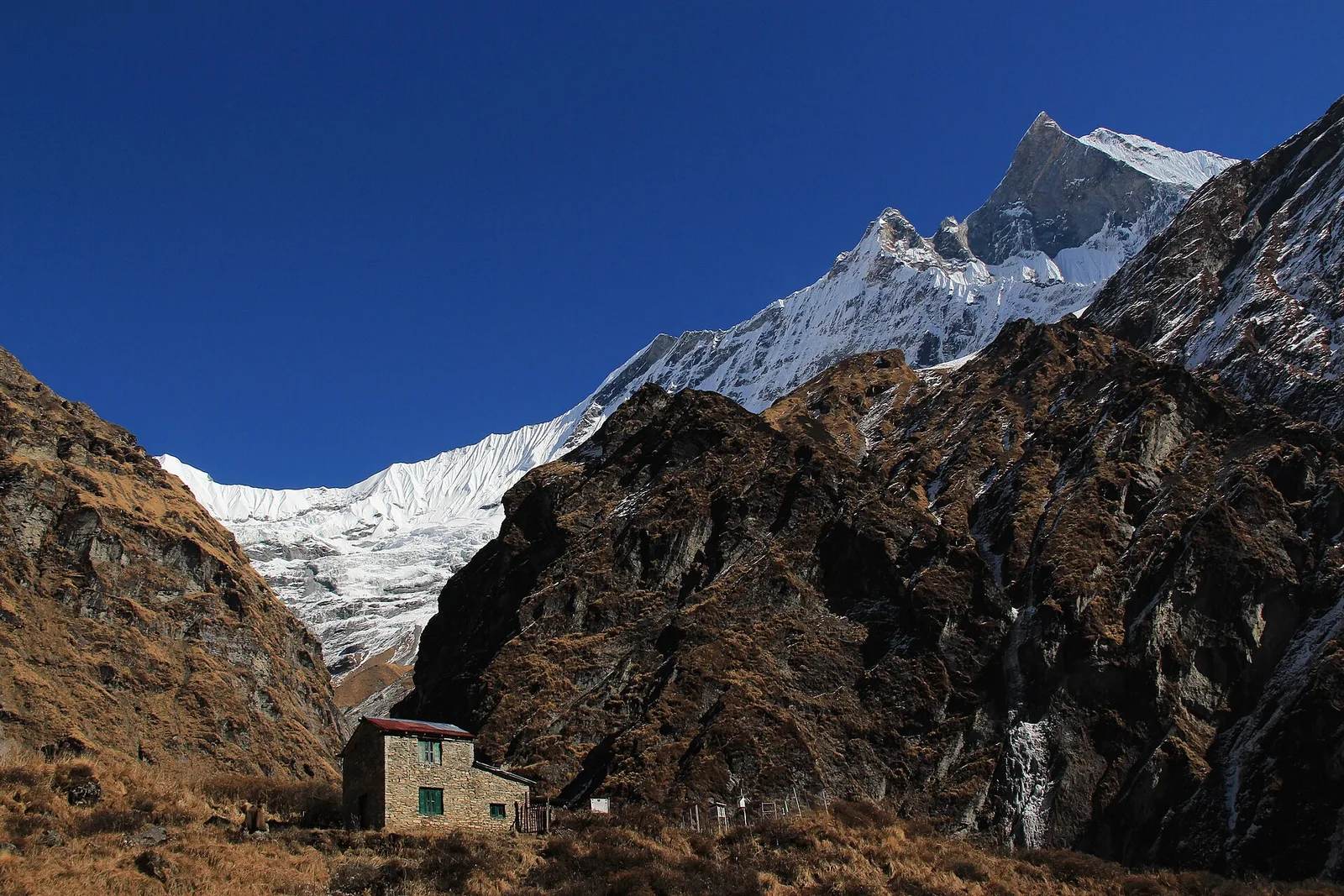
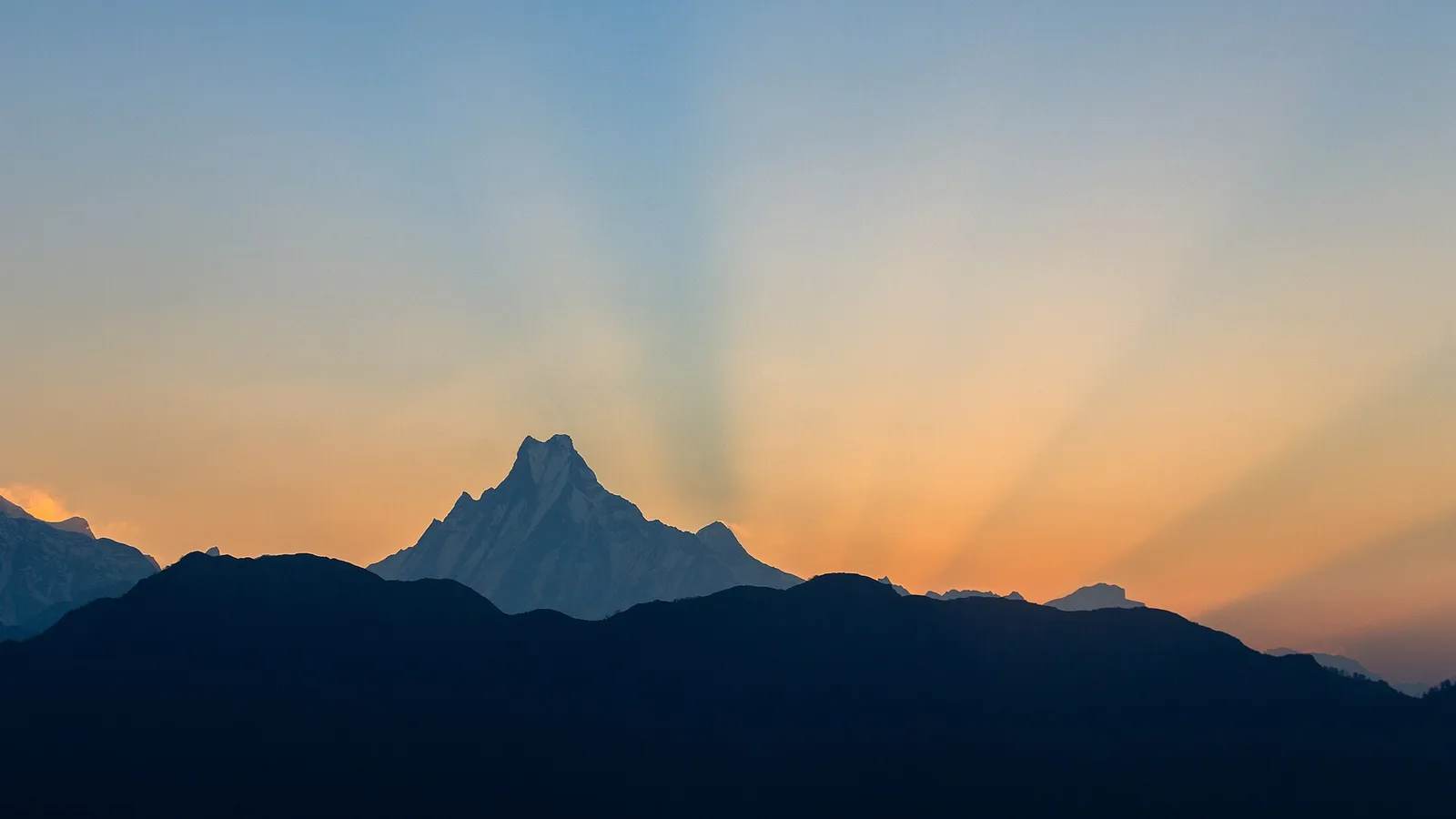
Machapuchare towers over Pokhara and watches over half our treks in the Annapurna region — and by law, nobody is allowed to stand on top of it.

At a glance
- Published
- TopicRecords & People
- Verified againstAmerican Alpine Club Publications
- Treks coveredGhandruk Village Trek — 3 Days, Mardi Himal Trek — 7 Days, Annapurna Base Camp Trek — 9 Days
In 1957, two British climbers got closer to the true summit of Machapuchare than anyone officially has since — by their own account, somewhere between 30 and 46 metres short. Then they stopped, turned around, and went home. Nepal has made sure nobody has finished the last few steps in the 69 years since.
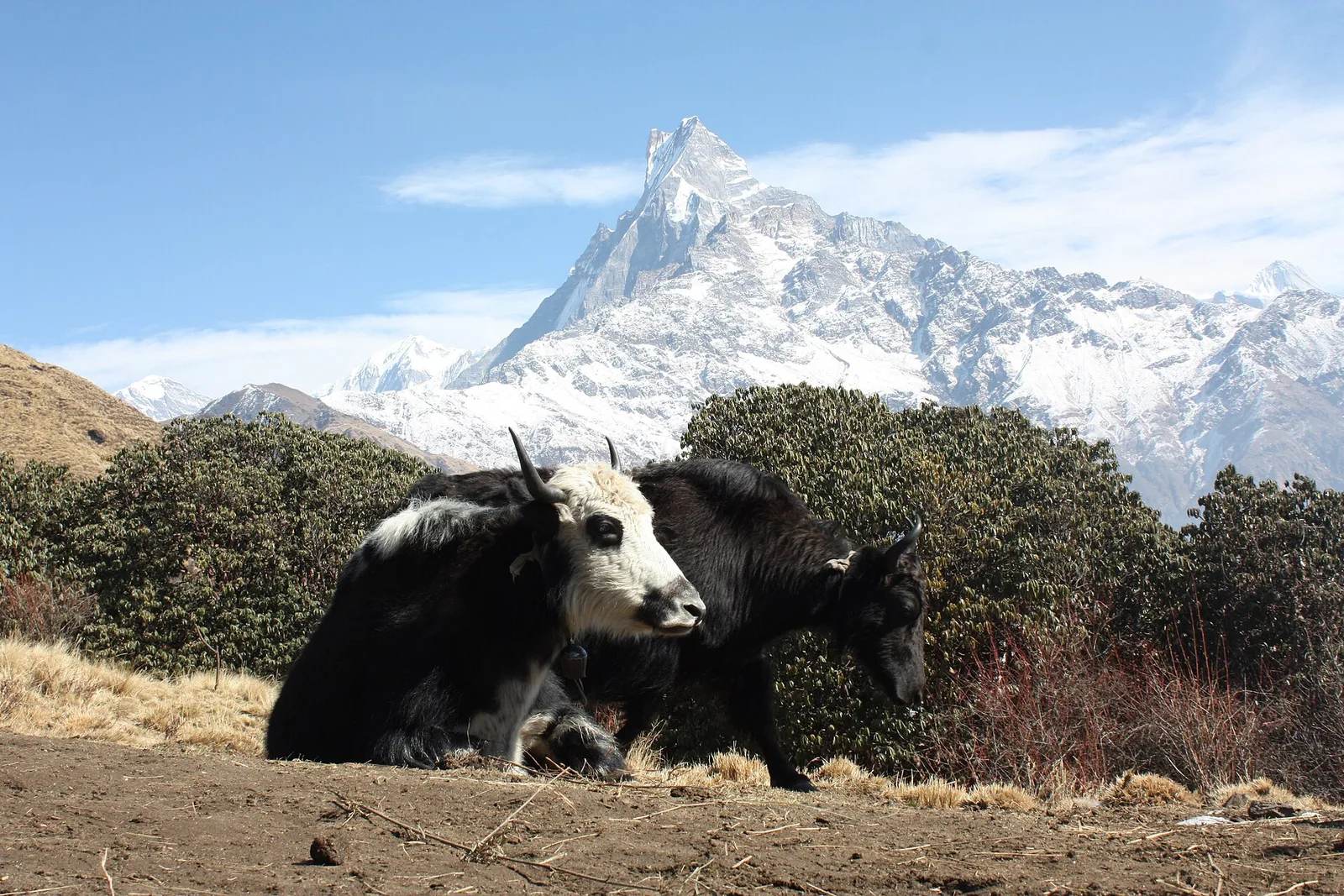
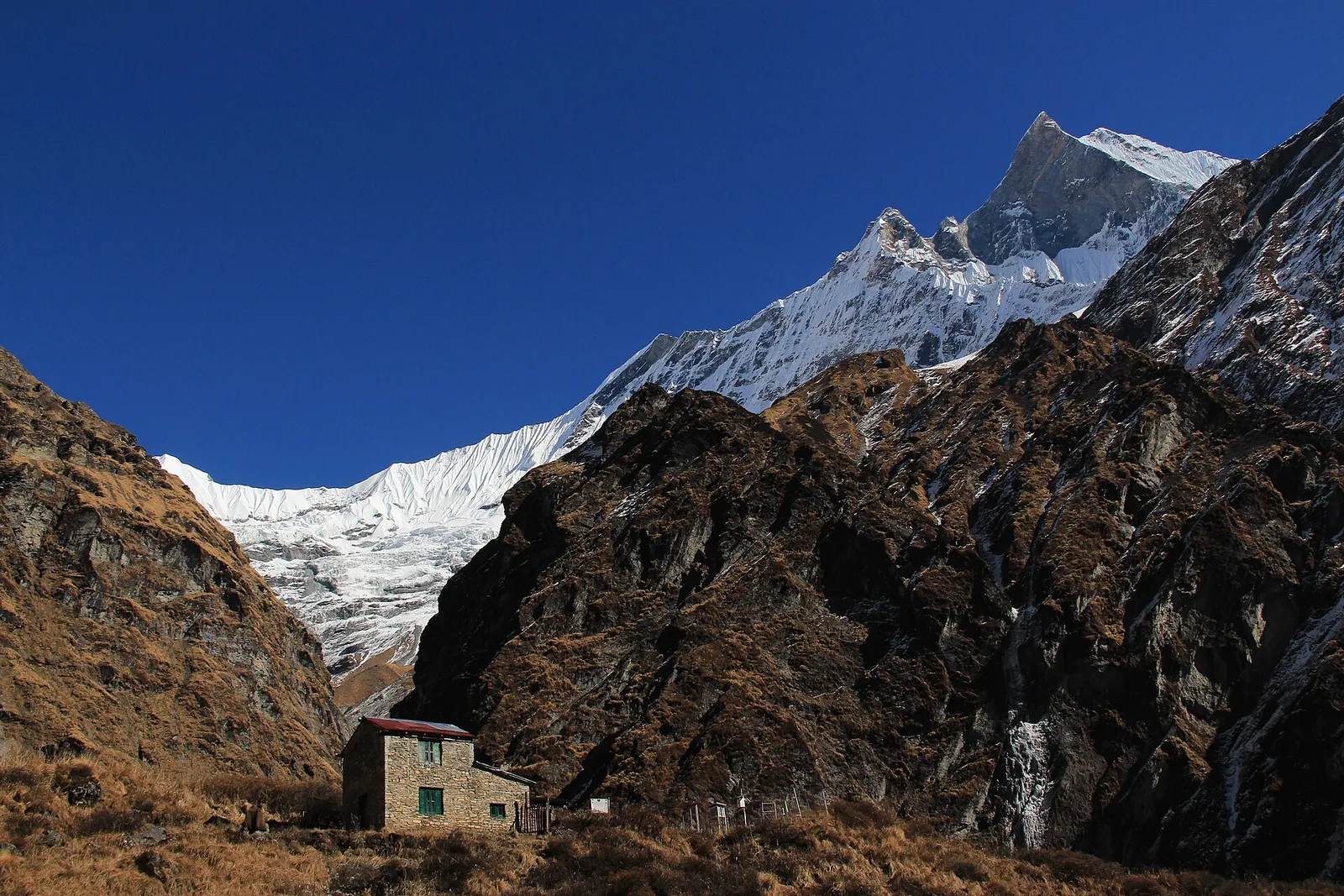
The mountain is Machapuchare — Fishtail Peak — the double-summited spire that stands directly behind Pokhara and shows up in the background of half the photographs anyone takes from the lake. At 6,993 metres it isn't even among Nepal's ten highest peaks. It's famous for the opposite reason: it may be the most photographed mountain on Earth that nobody is allowed to stand on top of.
The only sanctioned attempt was led by Lieutenant Colonel Jimmy Roberts in 1957, with climbers Wilfrid Noyce and David Cox making the final push. Villagers at Ghandruk reportedly tried to stop the expedition before it even started, worried about angering the gods who live on the mountain. Noyce's own account of the final hours describes rounding a rock rib to find the team just 100 to 150 feet — roughly 30 to 46 metres — below the top, blocked by hard, polished ice and closing weather. 'The gods must have drawn their line here,' he wrote, and the team down-climbed through heavy snow. Other retellings add a second reason: that Nepal's King Mahendra had granted permission to climb the mountain only on condition that no one actually set foot on the summit itself, out of respect for its sacred status, and the climbers kept that promise. Whichever explanation carried more weight that afternoon, the outcome was the same — and no permit for Machapuchare has been issued since.
Jimmy Roberts leads a British-led team; Noyce and Cox stop roughly 30-46 metres below the summit and turn back.
New Zealand climber Bill Denz is rumoured to have soloed the summit without a permit. Nepali authorities never verified or recognised the claim.
No climbing permit has been issued for Machapuchare since 1957 — it remains off-limits to every expedition that has since asked.
What this means for trekkers
What this means for trekkers
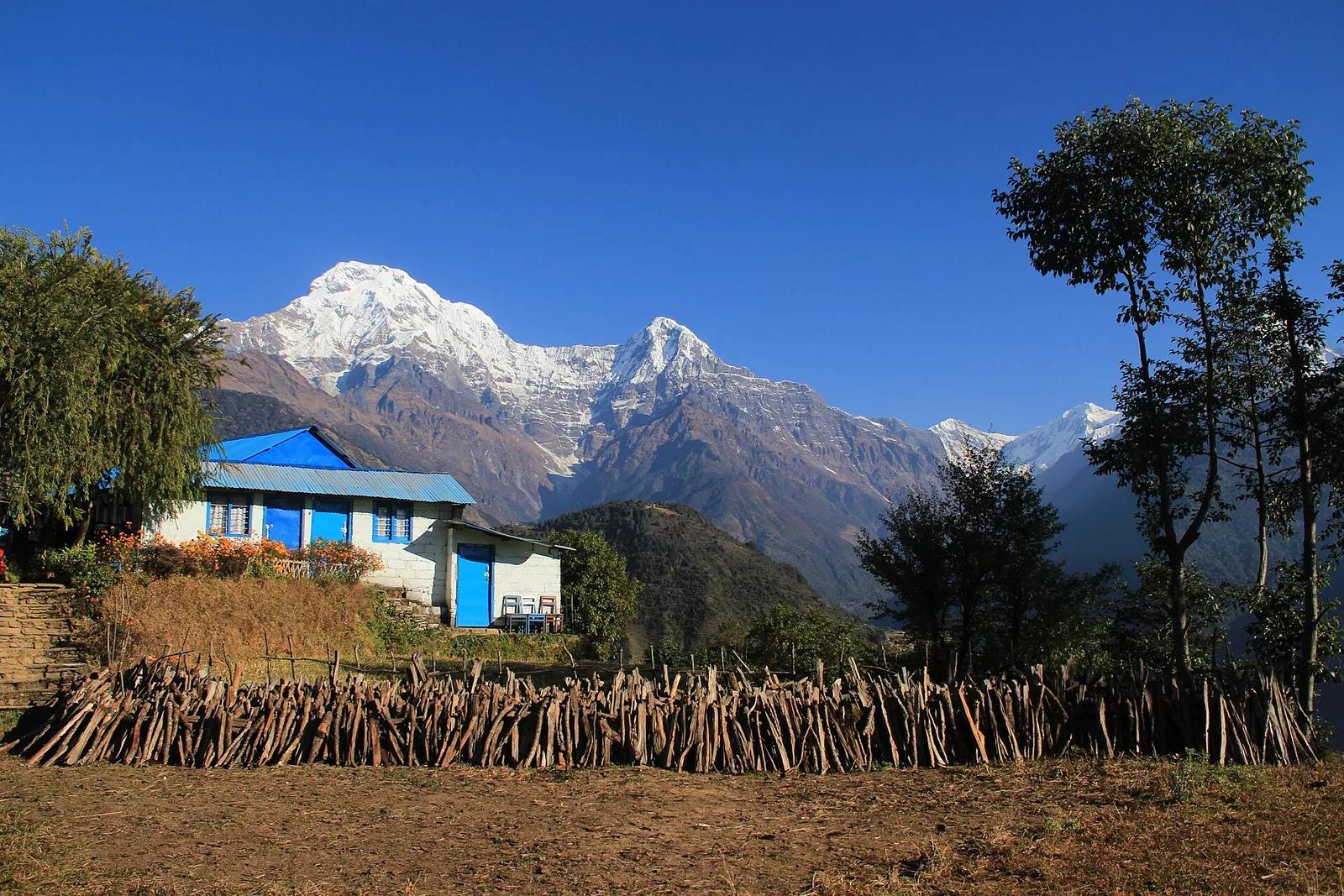
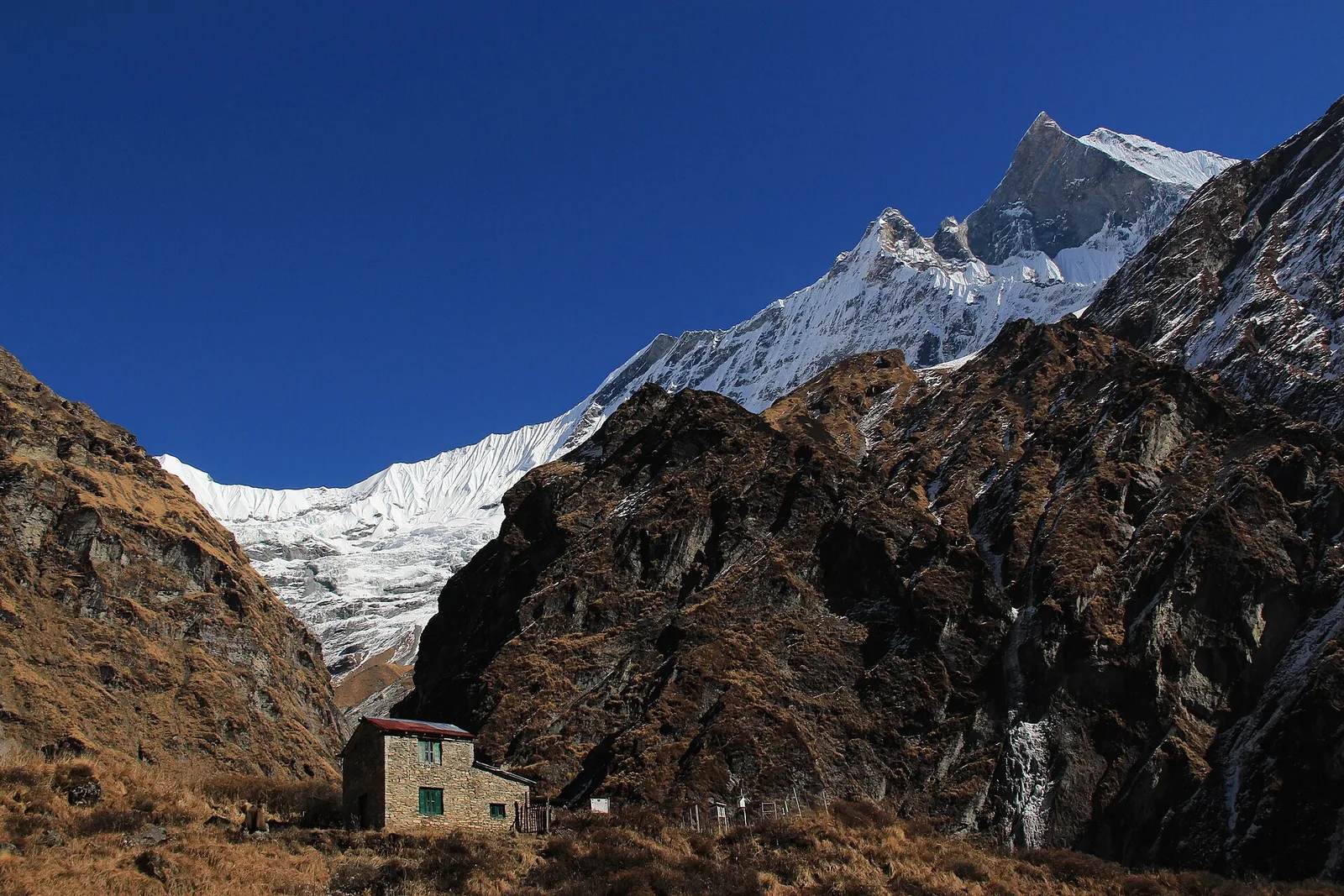
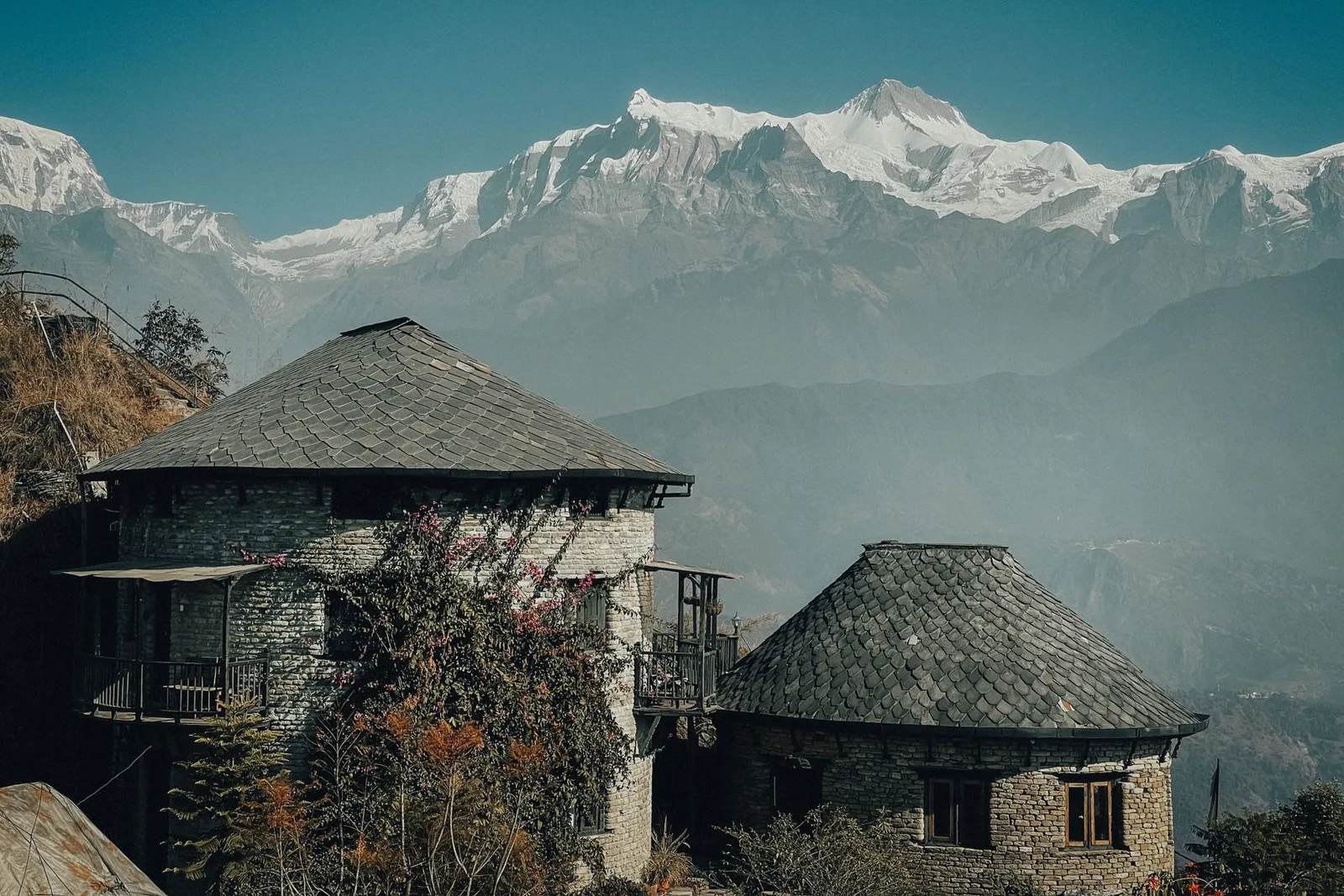
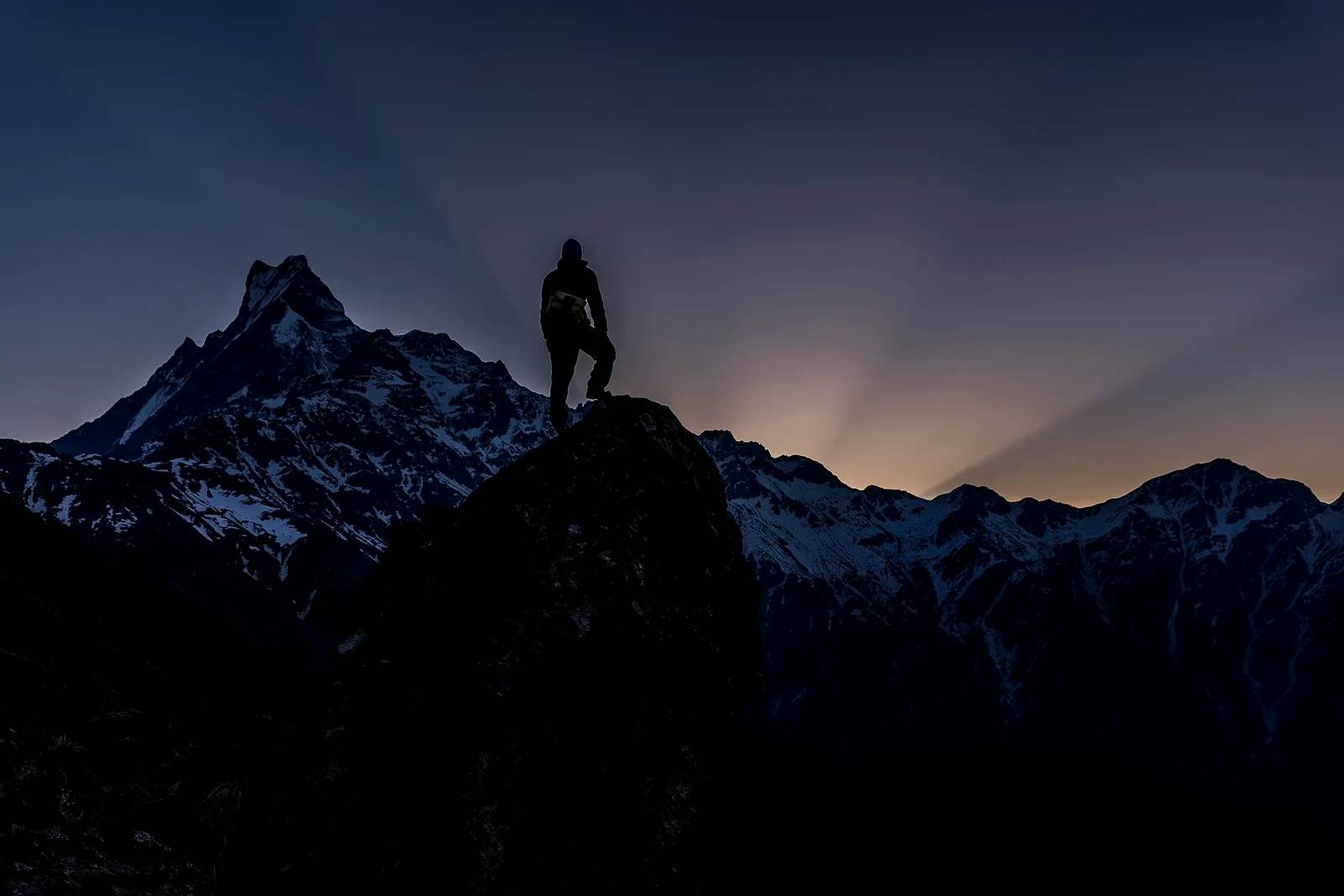
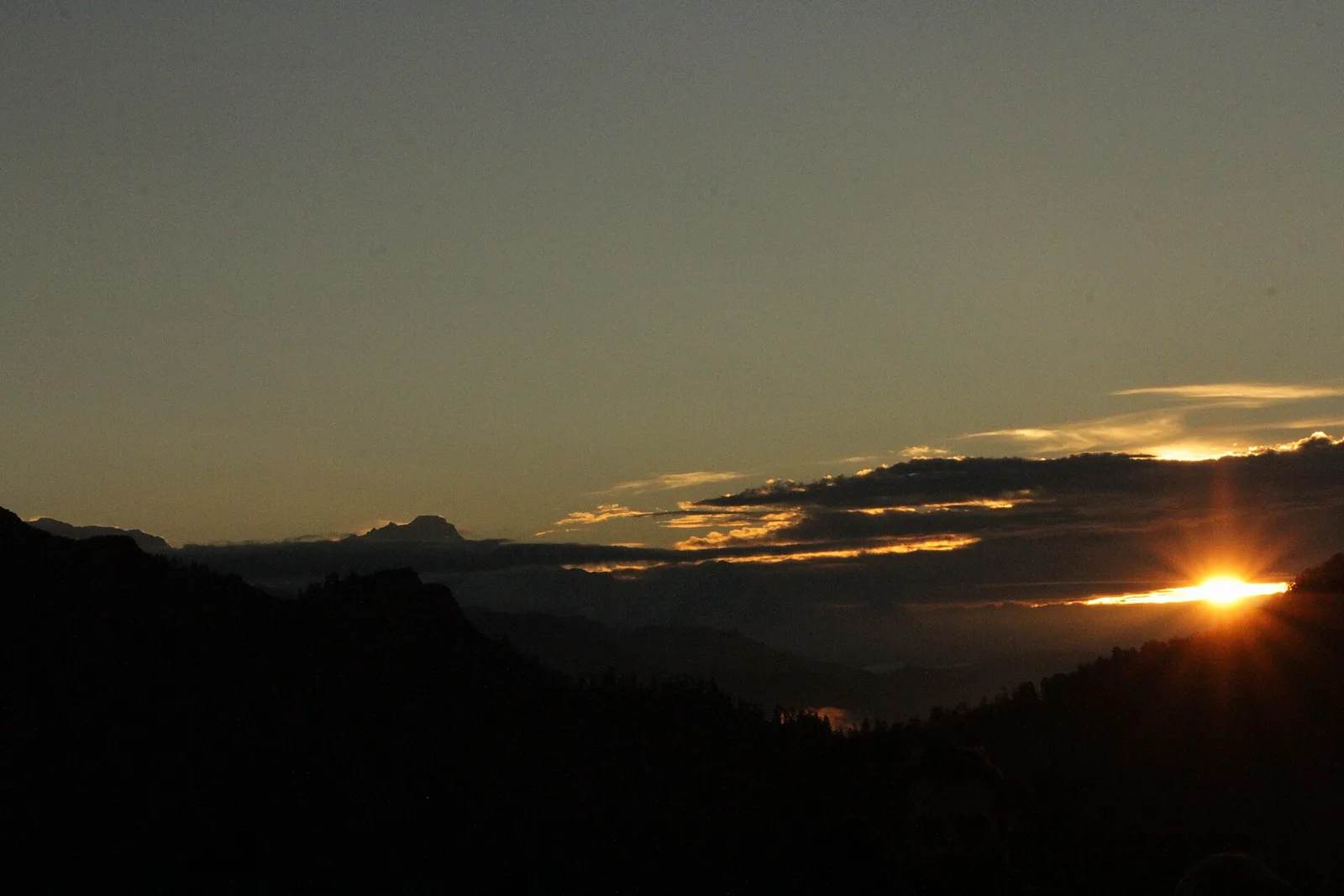
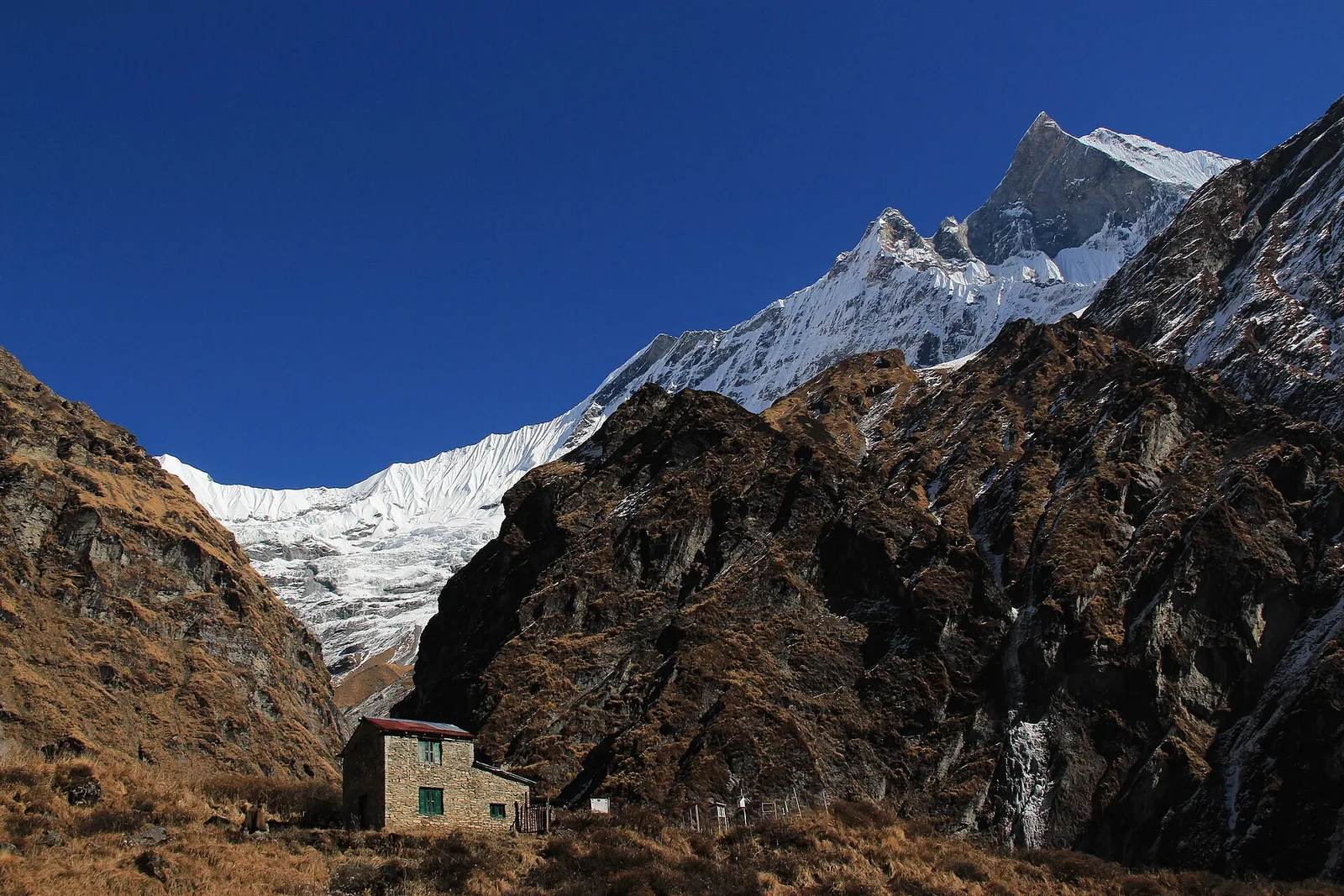
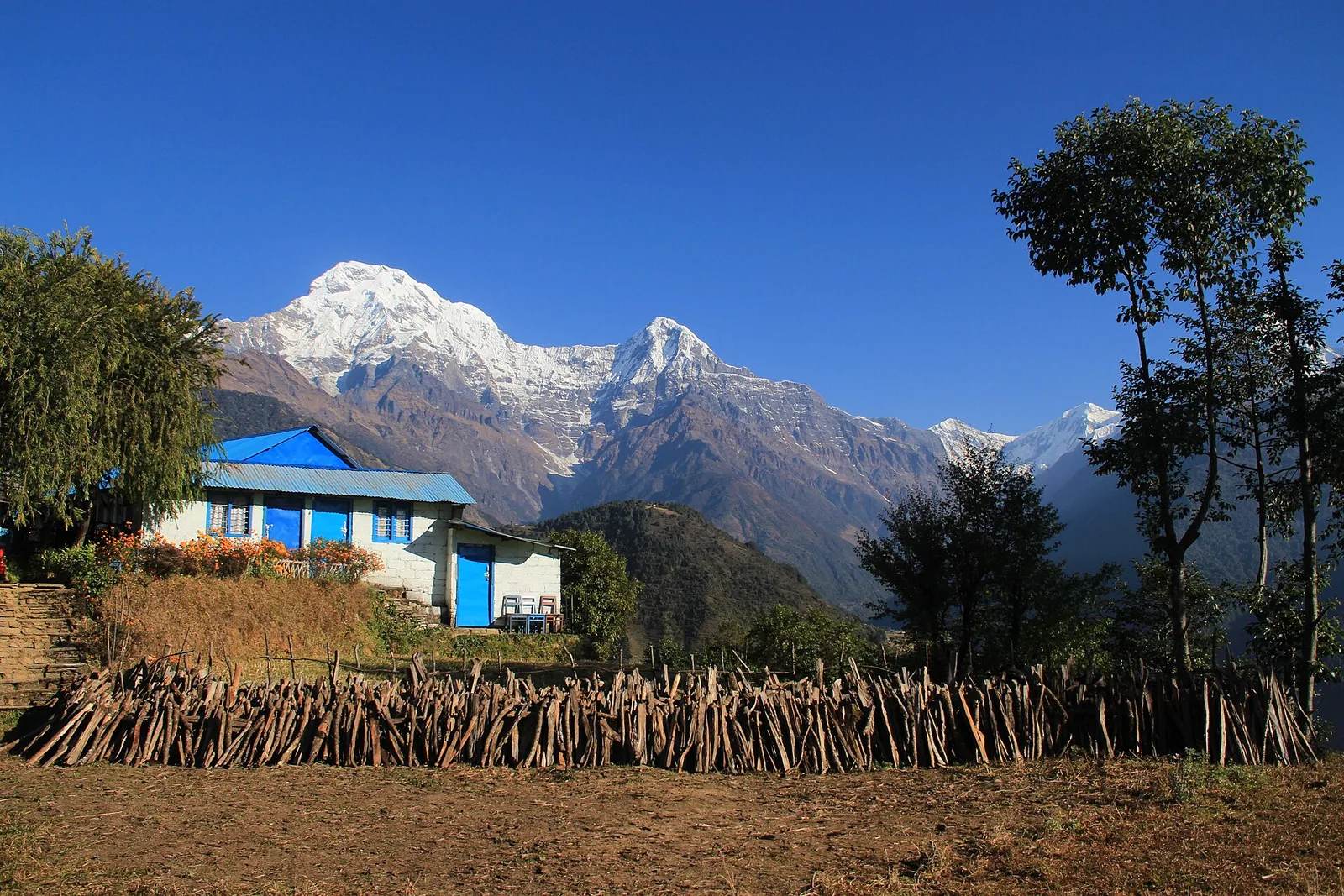
You will never need a Machapuchare climbing permit, because Nepal doesn't issue one — but you don't need one to get closer to this mountain than most climbers ever will. The Mardi Himal trek runs up the ridge directly beneath its south face, closer to Machapuchare than almost any other trail in Nepal. The Annapurna Base Camp trek walks straight into the sanctuary it guards, and sunrise from Ghandruk — the same village whose residents once tried to turn Roberts' team back in 1957 — still frames Machapuchare turning gold before any other peak on the skyline catches the light.
Gurung communities in the Annapurna foothills still hold the mountain as the seat of Lord Shiva, and that reverence is precisely why it has stayed unclimbed longer than almost any peak of comparable size in the Himalaya. Everest has now been stood on more than a thousand times in a single season — a record 1,008 summits this spring — while its quieter neighbour above Pokhara has been stood on zero times, officially, since Eisenhower's first term. That contrast is what makes Machapuchare worth a long look on the way to any other trek in the region: not the hardest mountain in Nepal to reach, but the only major one you're guaranteed never to see a summit photo from.
Source: American Alpine Club Publications, 1958 expedition report by Wilfrid Noyce.
Cover photo: Bijay Chaurasia via Wikimedia Commons (CC BY-SA 4.0).
Still running this season
Ghandruk Village Trek — 3 Days is running normally
NMA-certified local guides, transparent pricing, 5,000+ treks since 1998. Message us your dates and we'll sort the permits, lodges and logistics — reply within 24 hours, no obligation.
Popular Nepal treks
All treks →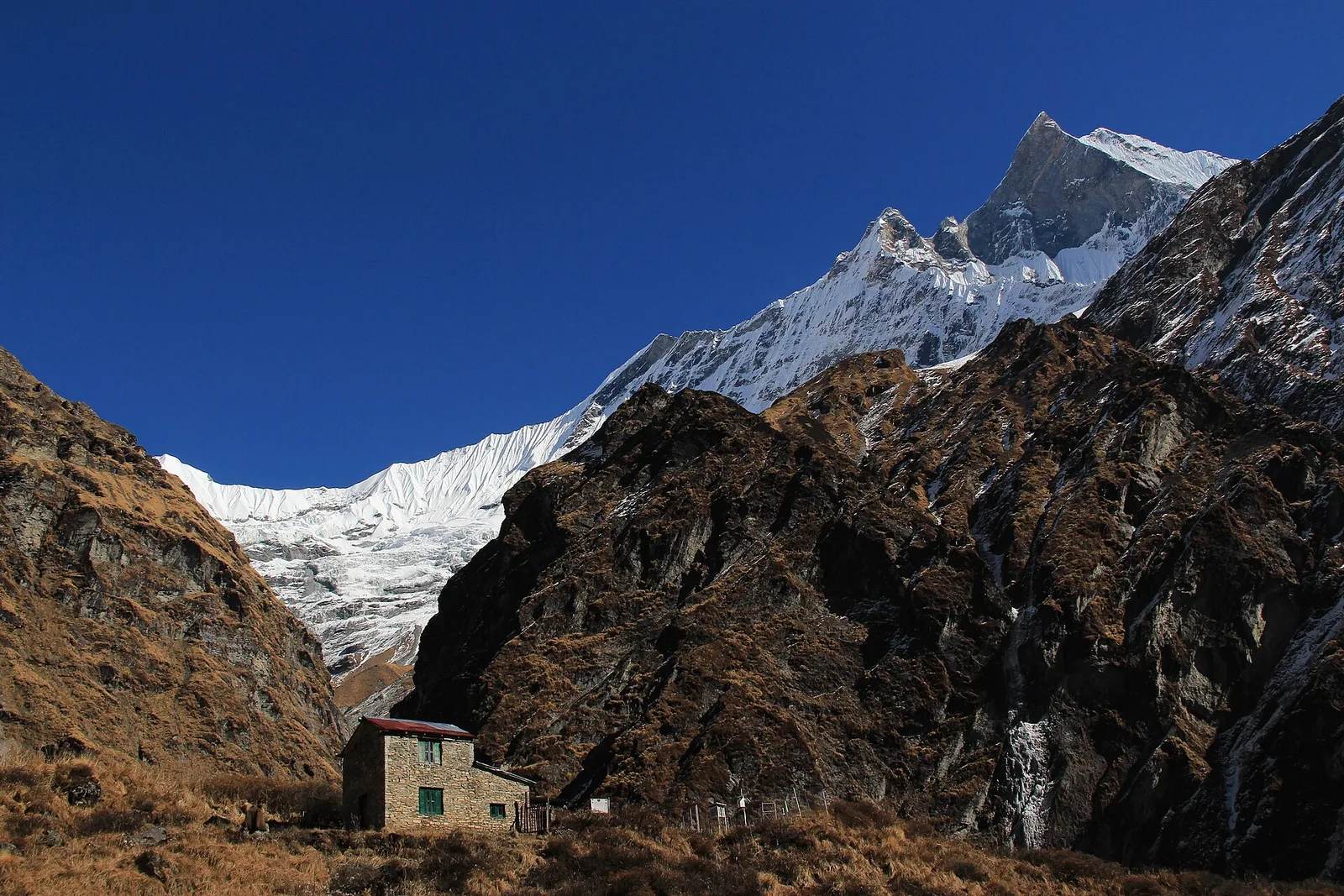
Related coverage
Records & People
Machapuchare Is the Nepal Mountain Nobody Has Ever Been Allowed to Summit (2026)
At 22,943 feet, Machapuchare towers over the Annapurna Sanctuary, and by Nepal's own law, no one has legally set foot on its true summit since a British team turned back 150 feet short of it in 1957.
Records & People
The Himalayan Peak So Sacred Nepal Has Never Once Let Anyone Legally Climb It
Machapuchare's twin summit rises 6,993 metres above Pokhara — and for more than sixty years, Nepal has refused every application to stand on top of it.
Records & People
The 22,943-Foot Himalayan Peak No One Has Ever Officially Stood On
In 1957 a British team stopped 150 feet short of Machapuchare's summit and kept their word never to finish it — Nepal has banned every climber from trying since.
Safety & Advisories
Is the Ghandruk Village Trek Affected by the 2026 Nepal Floods?
No — Ghandruk is a Gurung village in the Annapurna foothills, a short drive from Pokhara on the far side of Nepal from the Rasuwa flood, and it is running normally. Here is the honest status, plus the one late-monsoon road note.
Latest from the desk
Gear & Tech
Trail shoes or hiking boots, and what the ankle-support research actually found
Most teahouse trekkers wear more boot than the walk needs, and the ankle-support argument holding that up is thinner than the shops suggest.
Gear & Tech
Merino or synthetic base layers, and what a lab found when it measured the smell
Merino wins the week-long wear, synthetic wins the overnight dry, and the lab reason merino stays fresh is not the bacteria story you have been told.
Safety & Advisories
If someone you know is missing in the Nepal flood, you don't have to fly to Kathmandu
Nepal Police have identified 95 of more than 1,200 bodies recovered. Families abroad can be DNA-profiled at home and send the result in. Here is how it works.