
Dal Bhat, Momo and Everything Between: What You'll Actually Eat in Nepal in 2026
Dal bhat, momo and Nepal’s real food culture
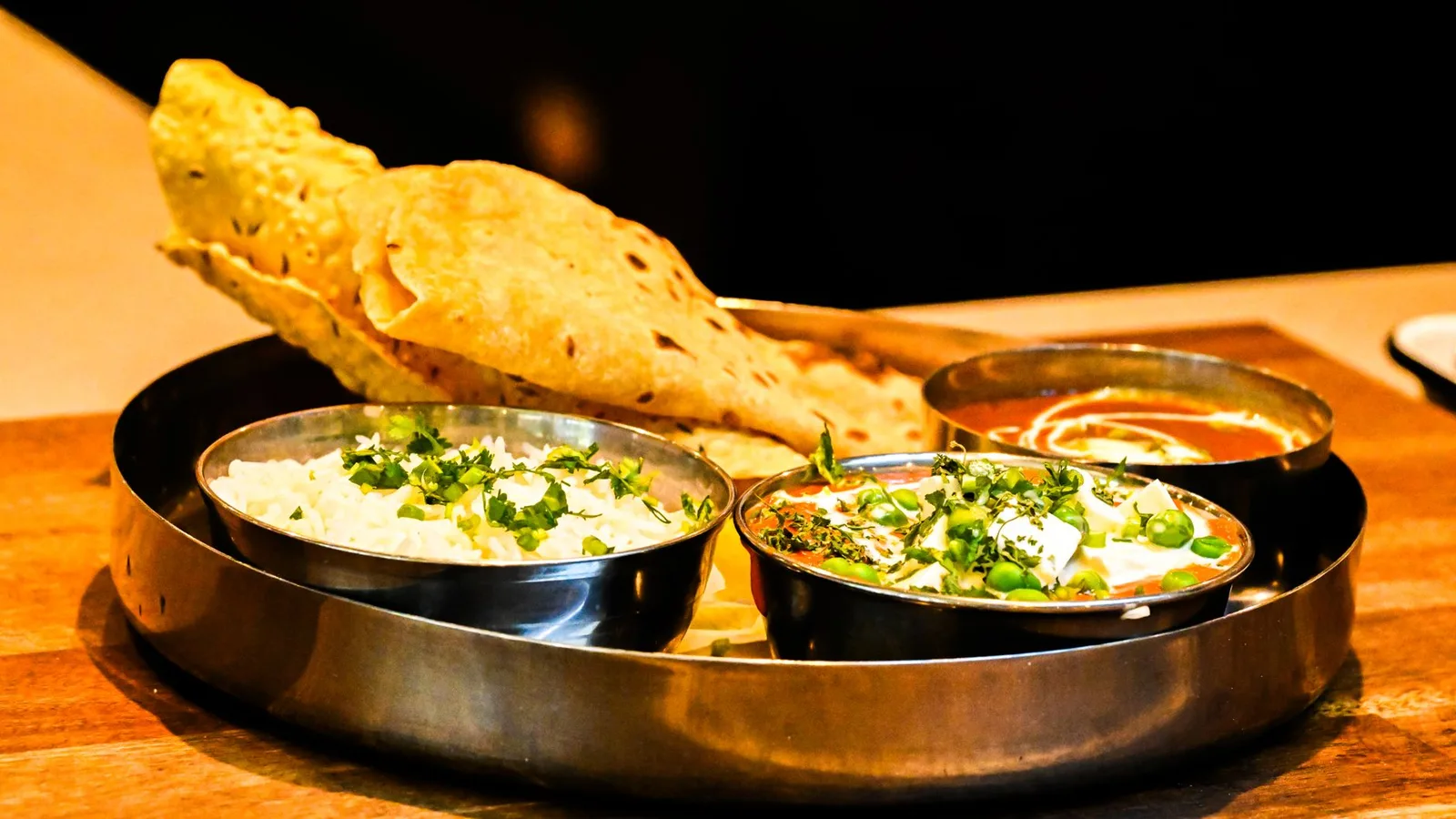
Ask a trekker in Nepal what kept them going over the pass and, as often as not, the answer is not a peak but a plate: rice, a bowl of lentil soup, a spoon of vegetable curry and a fierce little smear of pickle. Nepali food is not one cuisine but many, stacked up the hillsides — a lowland staple eaten twice a day, a street snack the whole country loves, ceremonial platters from the Kathmandu Valley, and warming grain foods from the high country where rice will not grow. Here is what you will actually eat, and how to eat it well.
Nepali food at a glance
- The national staple: dal bhat tarkari — lentil soup, rice and a vegetable curry, eaten across Nepal
- The trekker’s fuel: dal bhat again — freshly cooked, refillable and built on protein plus carbohydrate
- The must-try snack: momo, the beloved Himalayan dumpling, steamed or fried and dipped in achar
Dal bhat: the meal that runs the country
Dal bhat is two things in one name: dal, a thick soup of lentils simmered with onion, garlic, ginger, chilli, tomato and spices such as cumin and turmeric; and bhat, plain boiled or steamed rice. Around them come the sides that make it a full meal — tarkari (a seasonal vegetable curry), achar (pickle), sometimes greens, a crisp papad, a spoon of yoghurt or a meat curry if you want one. The combination is prized because it delivers both protein and carbohydrate in a single balanced, filling plate.
It is also endlessly variable. The lentils change, the vegetables follow the season, the pickle swings from mild to blistering, and every household and region cooks it differently. On the trail you will meet the phrase that has become a trekker’s mantra — “dal bhat power, 24 hour” — and the reason it stuck is practical: in most teahouses the dal bhat is cooked fresh, and a polite request usually earns a free refill of rice, dal and vegetables until you have had enough.
Momo: the snack the whole country loves
If dal bhat is home, momo is the treat. These Himalayan dumplings wrap a simple flour-and-water dough around a filling — classically minced meat (water buffalo is traditional, along with chicken, pork or goat) with onion, garlic, ginger and coriander, or a vegetarian mix of cabbage, carrot and potato, or soft paneer. They are most often steamed, but you will also find them pan-fried (kothey), deep-fried, or swimming in a spiced broth as jhol momo. They arrive with achar — a dip built on tomato, sesame, peanut or soy; order the fiery C-momo, tossed in chilli sauce, if you want to feel it.
| Dish | What it is | Where you’ll find it |
|---|---|---|
| Dal bhat tarkari | Lentil soup, rice and vegetable curry with pickle and sides | Everywhere — homes, city kitchens and every teahouse on trek |
| Momo | Steamed or fried dumplings with a meat, vegetable or paneer filling | Street stalls and cafes nationwide, especially Kathmandu |
| Thukpa | Warming noodle soup, a favourite in cold high country | High-altitude lodges and the Himalayan north |
| Samay baji | Newari ceremonial platter of beaten rice with meat, soybean and ginger | Kathmandu Valley, at festivals and Newari eateries |
| Sel roti | Sweet, ring-shaped rice bread | Festival tables and morning markets |
Newari specialities from the Kathmandu Valley
The Newar people of the Kathmandu Valley keep one of Nepal’s richest food traditions. The centrepiece is samay baji, a ceremonial platter of beaten rice served with roasted meat, vegetables, soybean, cowpea and ginger. Around it sit dishes worth hunting down: bara (also called wo), a fried lentil cake with a hole like a doughnut; choila (chhwela), buffalo meat boiled or smoked, then sliced and marinated, or roasted, diced and spiced; and chatamari, a thin rice-flour crepe. At festival time comes yomari, a sweet dumpling of chaku and flour steamed like a momo.
Grain, noodles and tea in the high country
Rice needs warmth, so historically the highlands leaned on other grains. Dhindo — a thick porridge of millet or buckwheat flour, often eaten with gundruk (fermented, dried leafy greens) — is a mountain staple, and by some accounts a national dish in its own right. In the cold north people prefer warm foods: thukpa, a nourishing noodle soup, and butter tea, made by churning butter or ghyu and salt into a strong brew, sometimes with roasted-grain tsampa flour. Down in the valleys, milk tea — chiya, spiced and sweet — punctuates every day, and sel roti, a sweet ring-shaped rice bread, appears whenever there is something to celebrate.
How to eat: the right hand and jutho
Food in Nepal is traditionally eaten with the right hand, and one idea shapes the table more than any other: jutho. Anything touched by your mouth — or by a spoon, cup or plate that has been in your mouth — is considered impure and is not shared. In practice that means you do not take food from someone else’s plate, dip your own spoon into a communal pot, or offer a bite of what you are eating; you serve onto a clean plate first. The rule softens within close family, but as a guest the safe habit is simple: keep your portion yours, and never let shared serving spoons touch your lips. Getting this right is a quiet courtesy your hosts will notice.
Eating well — and safely — on trek
On the trail, dal bhat is not just tradition, it is your engine: cooked fresh to order, refillable, and its rice-and-lentil base a safe, reliable bet at altitude. Two habits keep the rest of your trip happy. First, be cautious with meat high in the mountains — it may have travelled far without reliable refrigeration, so on remote, high days many trekkers simply eat vegetarian and feel better for it. Second, mind your water and hygiene as carefully as your food; for the full playbook see our guide to travellers’ diarrhoea and food & water safety. Eat hot, freshly cooked food, choose the busy kitchen over the empty one, and let dal bhat do the heavy lifting.
One country, many kitchens
What makes eating in Nepal so rewarding is that the food changes with the people and the land. A single trek can carry you from a Newari town in the valley to Sherpa villages in the high Khumbu, each with its own dishes, and past hillsides where communities such as the Gurung keep traditions all their own — including the astonishing world of Nepal’s cliff honey hunters. You do not need to seek out the exotic to eat well here; you need only sit down, accept the refill, and pay attention.
Come hungry. On a Travel Himalaya trek your guide knows which teahouse cooks the best dal bhat and which stall fries the momo worth stopping for — tell us where you want to walk and eat, and we will build the trip around it.
Cover photo: Eyes2Soul Eyes2Soul via Pexels (Pexels License).
This story is part of Travel Himalaya Nepal’s guide to Nepal's culture and living heritage.
来源: Wikipedia (Nepali cuisine; Dal bhat; Momo; Newa cuisine)
计划徒步?
我们负责许可证、后勤与向导
NMA 认证的本地向导,价格透明,自 1998 年以来 5,000+ 次徒步。告诉我们你的日期,其余的交给我们。


更多「Culture & Heritage」
Culture & Heritage
Kathmandu Valley UNESCO Site: 7 Monument Zones, One Inscription (2026)
Seven monument zones, inscribed together in 1979 as one World Heritage Site, are the cultural gateway every Nepal trek passes through.
Culture & Heritage
The Sherpa: A Tibetan-Origin People, Not a Job Title (2026)
An ethnic group, not an occupation — the Sherpa of the Khumbu have their own language, Nyingma Buddhist faith and a homeland below Everest, far beyond the mountaineering fame that made their name a household word.
Culture & Heritage
Nepal's Kumari, the Living Goddess of Kathmandu: Tradition, Selection and the Modern Debate in 2026
A young girl is venerated as a living goddess in Kathmandu — how the Kumari is chosen, how she lives, and the debate around it.