
Sherpas Carry a Gene Variant No Other Human Should Have — It Came From an Extinct Species
Scientists studying why Sherpa guides thrive above 8,000 metres without extra oxygen found the answer partly written by Denisovans, an extinct human relative, and partly in mitochondria that simply burn fuel better.
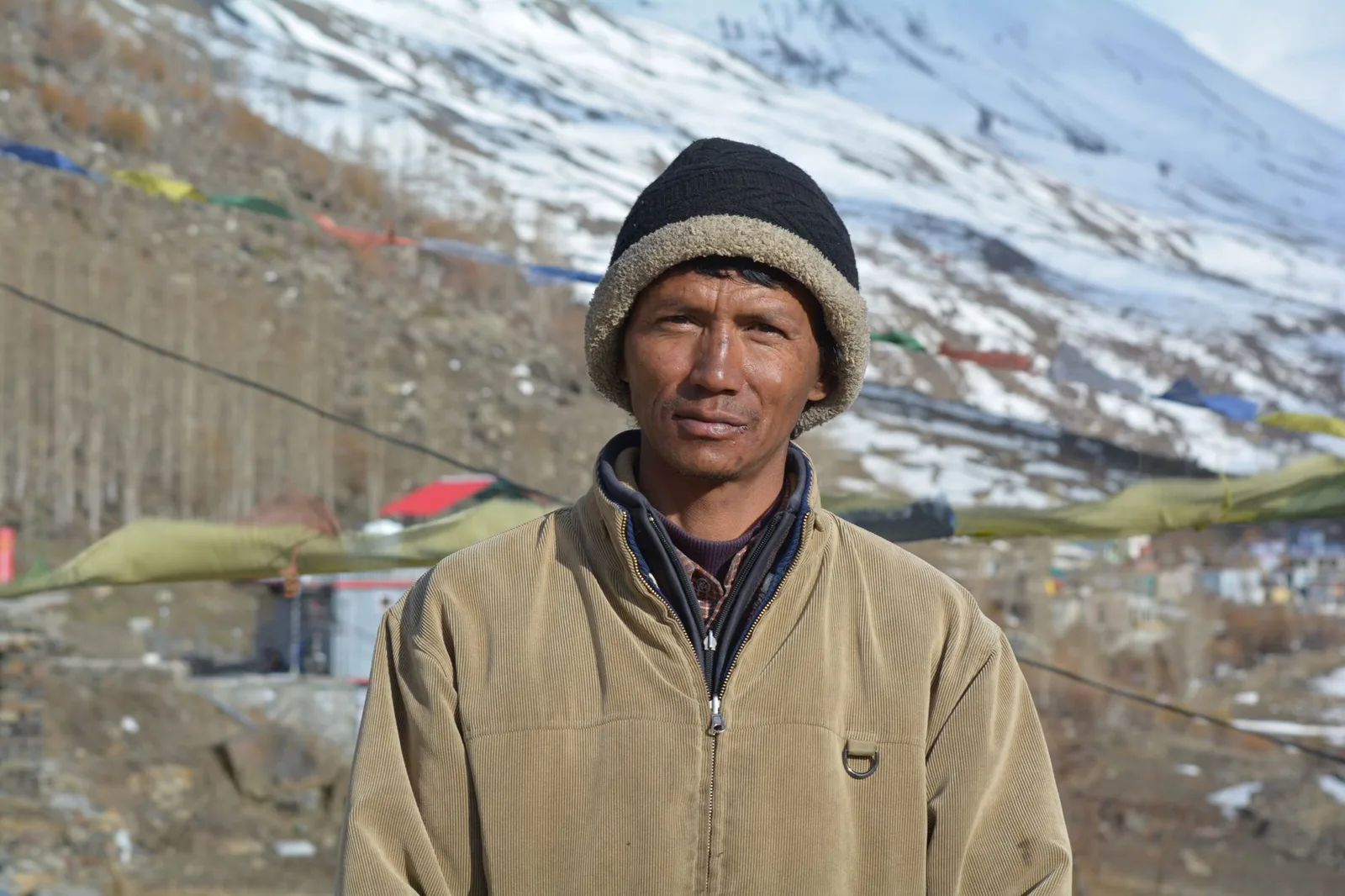
At Everest Base Camp, 5,300 metres up, most human bodies are quietly struggling — hemoglobin thickening dangerously, muscles burning fuel wastefully, energy stores draining fast. Sherpa guides working the same slope, carrying the same loads, are not. Two lines of hard genetic and physiological research now explain why — and part of the answer is a gene inherited from a human species that went extinct roughly 40,000 years ago.
Key facts
- A 2014 study in Nature found Tibetans — the ancestral population of Nepal's Sherpas — carry a variant of the gene EPAS1 inherited from Denisovans, an extinct human relative.
- That variant keeps blood from over-thickening at altitude, avoiding the dangerous red-blood-cell overproduction seen in most lowlanders who relocate above 4,000m.
- A 2012 study confirmed the same EPAS1 signature specifically in Sherpas, not just Tibetans generally.
- A 2017 Cambridge/UCL study on the Xtreme Everest 2 expedition found Sherpa muscle mitochondria are measurably more efficient at turning oxygen into energy — even at sea level, before any climb begins.
The Denisovan connection is the stranger of the two findings. Denisovans were a species of archaic human, cousins of Neanderthals, known mostly from a handful of bone fragments found in a Siberian cave. By sequencing the DNA around EPAS1 in 40 Tibetans and 40 Han Chinese, researchers found a haplotype — a block of genetic code inherited as a unit — that barely exists anywhere in modern humans except in Tibetans and in the Denisovan genome itself. At some point tens of thousands of years ago, an ancestor of today's Tibetan and Sherpa populations interbred with a Denisovan-related group and kept the gene, because on the Tibetan Plateau it was worth keeping. Most people who move to high altitude compensate by producing more red blood cells — useful in small doses, dangerous in large ones, since thicker blood is harder for the heart to pump and raises the risk of clots and chronic mountain sickness. The Denisovan-derived EPAS1 variant blunts that response, nudging hemoglobin up only slightly, closer to how Sherpas and Tibetans actually perform: comfortable at altitudes that would send a lowlander's blood into overdrive.
The second finding is more recent and came from harder, wetter fieldwork. In 2017, a Cambridge- and UCL-led team on the Xtreme Everest 2 expedition took blood and muscle biopsies from 15 Sherpas and 10 lowland researchers — at sea level in London, on arrival at Everest Base Camp, and again after two months living there. Published in the Proceedings of the National Academy of Sciences, the results showed Sherpa muscle mitochondria were already more efficient at converting oxygen into usable energy before anyone left London, a difference linked to a variant of a second gene, PPARA, enriched in the Sherpa group. At altitude, the gap widened: lowlanders' phosphocreatine — a fast-access energy store in muscle — collapsed, while Sherpas' actually rose. Markers of oxidative stress, the cellular damage altitude inflicts on unadapted bodies, stayed low in Sherpas and climbed in the lowlanders.
| Measure | Sherpas | Lowlanders |
|---|---|---|
| Muscle mitochondrial oxygen efficiency | Higher, even at sea level | Lower baseline |
| Phosphocreatine (energy store) at altitude | Rose | Crashed |
| Oxidative stress markers | Stayed low | Rose |
| Hemoglobin rise at altitude (EPAS1 effect) | Slight | Sharp, typical acclimatisation |
As Cambridge's Dr Andrew Murray, senior author of the 2017 study, put it: Sherpas have spent thousands of years living at high altitudes, so it should be unsurprising that they have adapted to become more efficient at using oxygen and generating energy. What is notable is how many separate biological levers moved to get there — ancient DNA borrowed from another human species, a metabolic gene tuned by generations at altitude, and a cellular energy system that behaves almost backwards compared with everyone else's.
What this means for trekkers
Genetics is not a training plan
None of this shortens the acclimatisation a foreign trekker needs. It does explain why your Sherpa guide can hold a conversation while you are catching your breath on the same hill — and why every one of our itineraries is built around NMA-certified Sherpa and Nepali guides who know exactly how a body without that genetic head start needs to move uphill. See our honest EBC training timeline for how long that actually takes.
It is also one more reason the classic acclimatisation routes exist the way they do. Our 14-day Everest Base Camp trek and the Gokyo Ri trek both build in rest days at altitude for exactly the physiology described above — or, for a lower-effort look at the same mountains, our Everest View trek stays well below the altitudes where the gap between Sherpa and lowland bodies really opens up.
Source: University of Cambridge research news, “Himalayan powerhouses: how Sherpas have evolved superhuman energy efficiency” (2017); Huerta-Sánchez et al., Nature (2014).
Cover photo: Ravi Mittal via Pexels (Pexels License).
计划徒步?
我们负责许可证、后勤与向导
NMA 认证的本地向导,价格透明,自 1998 年以来 5,000+ 次徒步。告诉我们你的日期,其余的交给我们。


更多「Records & People」
Records & People
She Climbed Everest Three Times in 13 Days. No Woman Had Ever Done It Twice.
Nepali photojournalist Purnima Shrestha set a world first on Everest in 2024 — and this May she went back up for a sixth summit altogether.
Records & People
A Former Cross-Country Skier Just Became the First Woman to Climb Everest, Lhotse and Nuptse in the Same 10 Days
Kristin Harila, who summited all 14 of the world's 8,000m peaks in a record 92 days, has now completed Everest's brutal Triple Crown — mostly without bottled oxygen.
Records & People
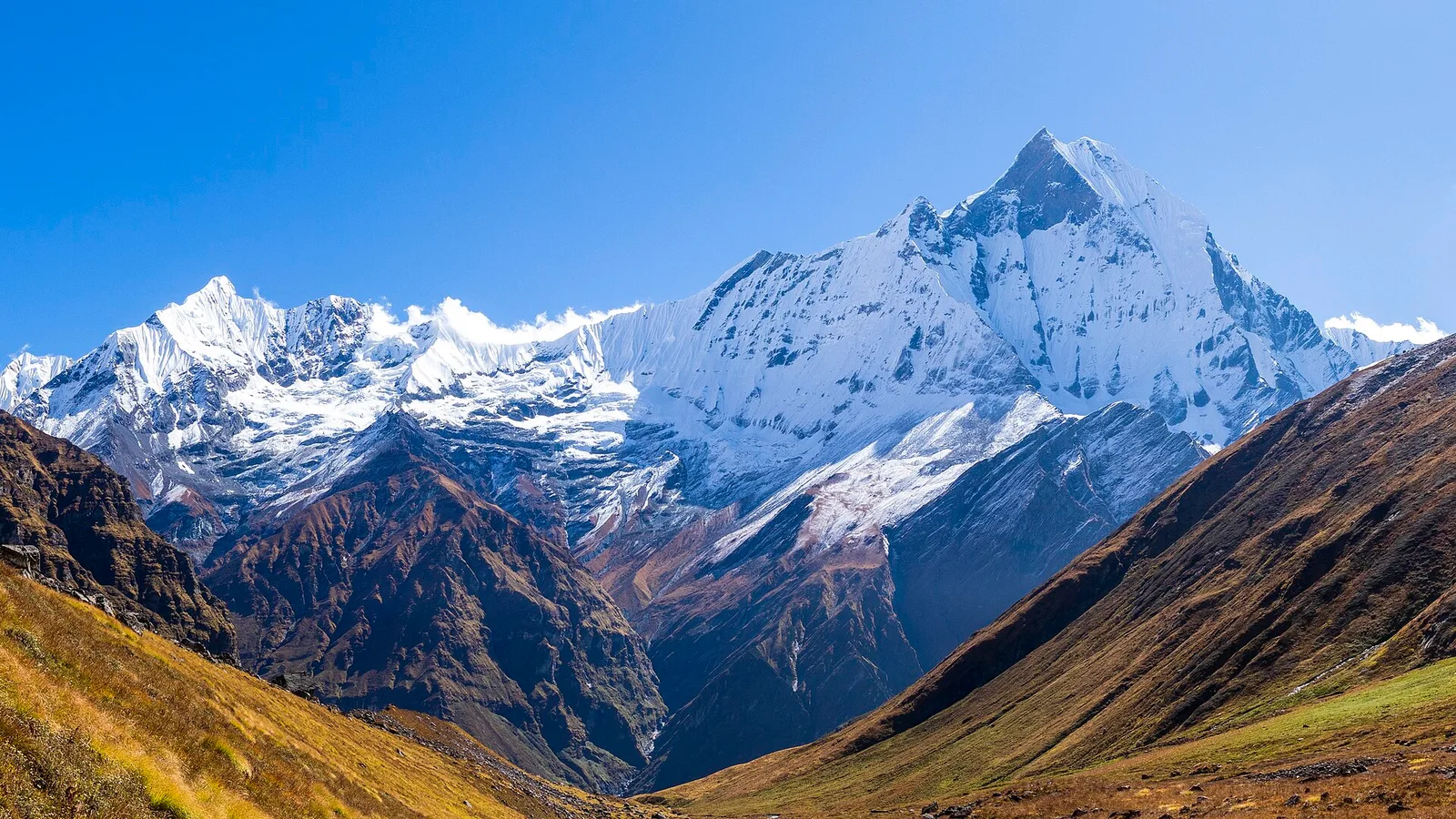
Two Climbers Got Within 45 Metres of the Summit in 1957. Nepal Has Banned Anyone From Finishing It Ever Since.
Machapuchare towers over Pokhara and watches over half our treks in the Annapurna region — and by law, nobody is allowed to stand on top of it.