
How Long Should You Train for Everest Base Camp? The Honest 2026 Prep Timeline
Three months is enough if you already hike regularly. Six months if you're starting from zero — and a peer-reviewed trekker study suggests the itinerary you pick matters almost as much as the training block.

At a glance
- Published · updated
- TopicSafety & Advisories
- Verified againstInternational Journal of Environmental Research and Public Health (MDPI)
- Treks coveredEverest Base Camp Trek — 15 Days, Everest Base Camp Trek — 14 Days, Everest Base Camp Trek — 12 Days
If you already hike or exercise regularly, three months of focused training is enough to prepare for Everest Base Camp. If you're starting from a sedentary baseline, give yourself the full six. That's the real answer — not a marketing minimum, but the range that matches what the trek actually demands: 5 to 8 hours of walking a day, for up to two weeks, much of it above 3,000m.
Key facts
- Realistic training window: 3–6 months, depending on your starting fitness
- Daily trekking load: 5–8 hours of walking, most days, for 10–14 days
- A 2022 peer-reviewed study of 366 EBC trekkers found 40.5% experienced at least one medical incident on the trail
- Almost half of those incidents involved acute mountain sickness (AMS) symptoms
- The route climbs from Lukla (2,860m) to Kala Patthar (5,545m) — a gain of nearly 2,700m on foot
The physical prep itself isn't complicated. Build a weekly routine around brisk walking (45–60 minutes, 3–4 times a week, at a pace where you can still talk), add stair climbing or hill repeats for cardio and downhill-ready knees, and do at least a few long, weighted walks in the exact boots you'll wear on the trail — broken-in boots matter more than almost any other single piece of gear. None of that is Everest-specific; it's the same base fitness that prepares you for any multi-day trek over 3,000m.
What's less talked about is how much your itinerary length affects your odds of a good trip — and here the data is genuinely useful. A December 2022 study in the International Journal of Environmental Research and Public Health, which surveyed 366 trekkers on the Everest Base Camp route in the Solo Khumbu region, found that 40.5% experienced at least one medical incident during their trip, and nearly half of all incidents involved AMS symptoms. Only 11.9% of independent trekkers in the study needed to see a doctor — but the AMS split by trekking style is the number worth paying attention to.
That's a counterintuitive finding: trekkers on commercially organized trips reported a higher AMS symptom rate than independent trekkers. The likely explanation isn't the guide's skill — it's the itinerary. Fixed-departure group trips are sometimes built around the shortest, cheapest schedule to keep prices competitive, which compresses acclimatization days. An independent trekker setting their own pace can simply stop a day early in Namche or Dingboche if they're not feeling right. The lesson isn't 'skip the guide' — a licensed guide is what gets you evacuated safely if something does go wrong. The lesson is that the number of built-in acclimatization days matters more than whether you're in a group.
Classic Everest Base Camp route — day-by-day altitude
What this means for choosing your itinerary
What this means for you
Train for 3–6 months depending on your starting point — that part is standard advice for good reason. But before you book, ask any agency exactly how many acclimatization days are built into the schedule. A compressed 8–10 day itinerary and a properly paced 12–14 day itinerary cover the same ground, but not the same risk. More days at altitude to let your body adjust is the single biggest lever you control, and it matters more than which operator's logo is on the itinerary.
We run the classic route across several paced lengths — a 12-day itinerary, our standard 14-day EBC trek with a full extra acclimatization day at Dingboche, and a 15-day version for trekkers who want the largest safety margin. For the permit and paperwork side of planning, our Everest Base Camp permit guide covers TIMS, Sagarmatha National Park and Khumbu Rural Municipality fees in full.
Source: Strickland & Kanaan et al., 'Companion Rescue and Risk Management of Trekkers on the Everest Trek, Solo Khumbu Region, Nepal,' International Journal of Environmental Research and Public Health, December 2022.
Cover photo: Abdul Kayum via Pexels (Pexels License).
Still running this season
Everest Base Camp Trek — 15 Days is running normally
NMA-certified local guides, transparent pricing, 5,000+ treks since 1998. Message us your dates and we'll sort the permits, lodges and logistics — reply within 24 hours, no obligation.
Popular Nepal treks
All treks →
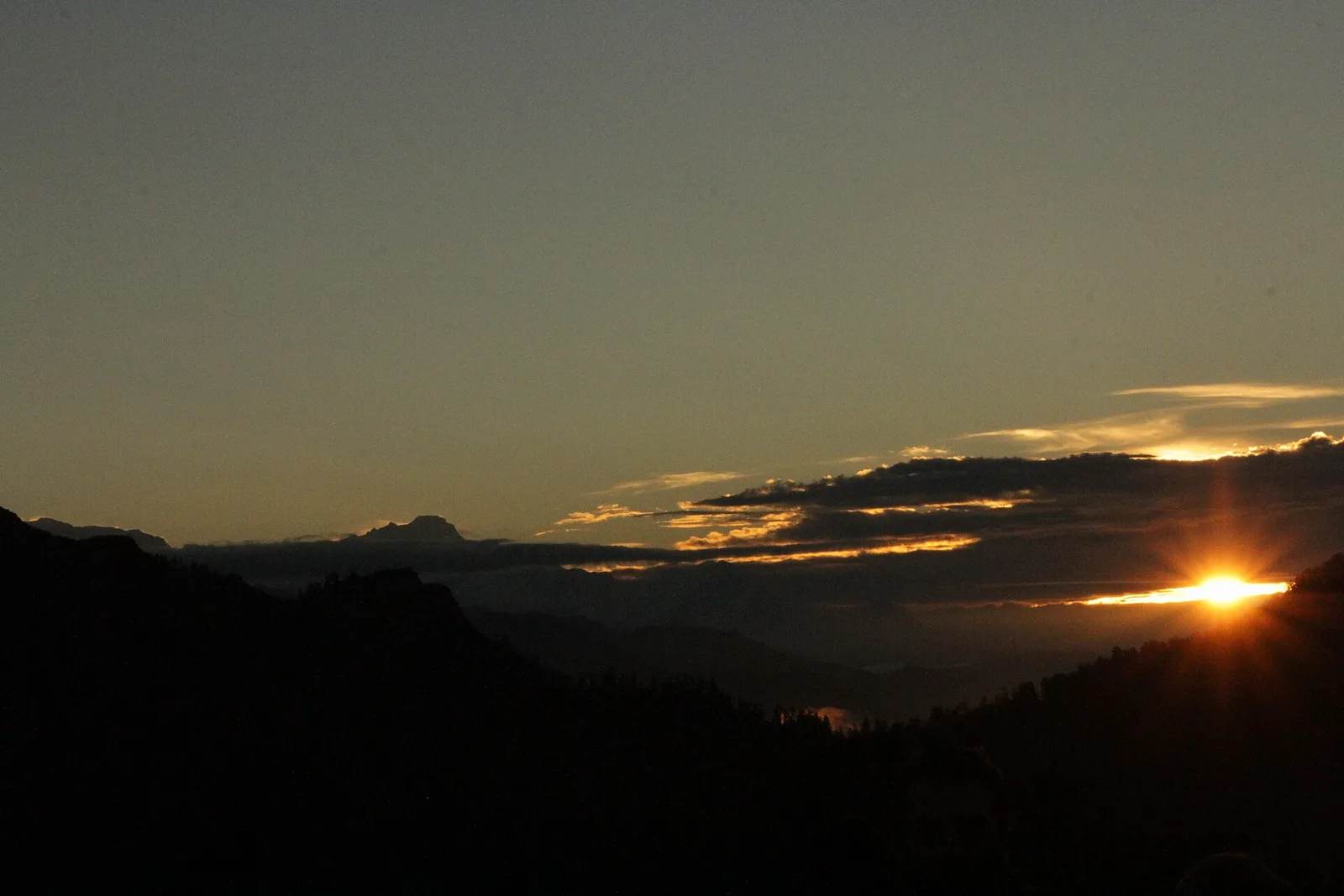
Related coverage
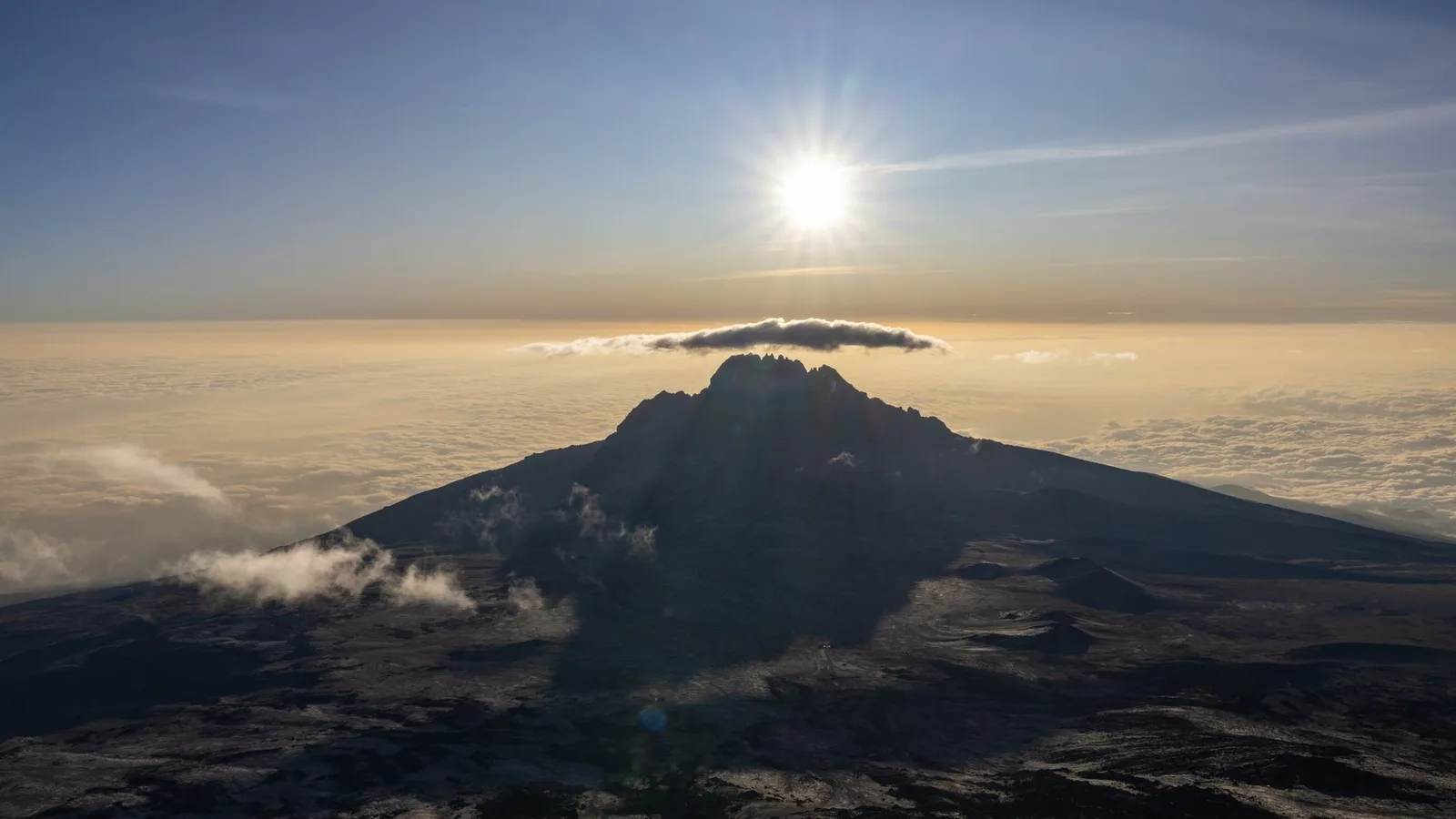
Trail & Weather
Everest Base Camp or Kilimanjaro: Which Trek Should You Actually Do in 2026?
One is a five-day sprint to 5,895 metres, the other a fourteen-day walk to 5,364 — the honest trade-off between them comes down to acclimatization, not fitness.
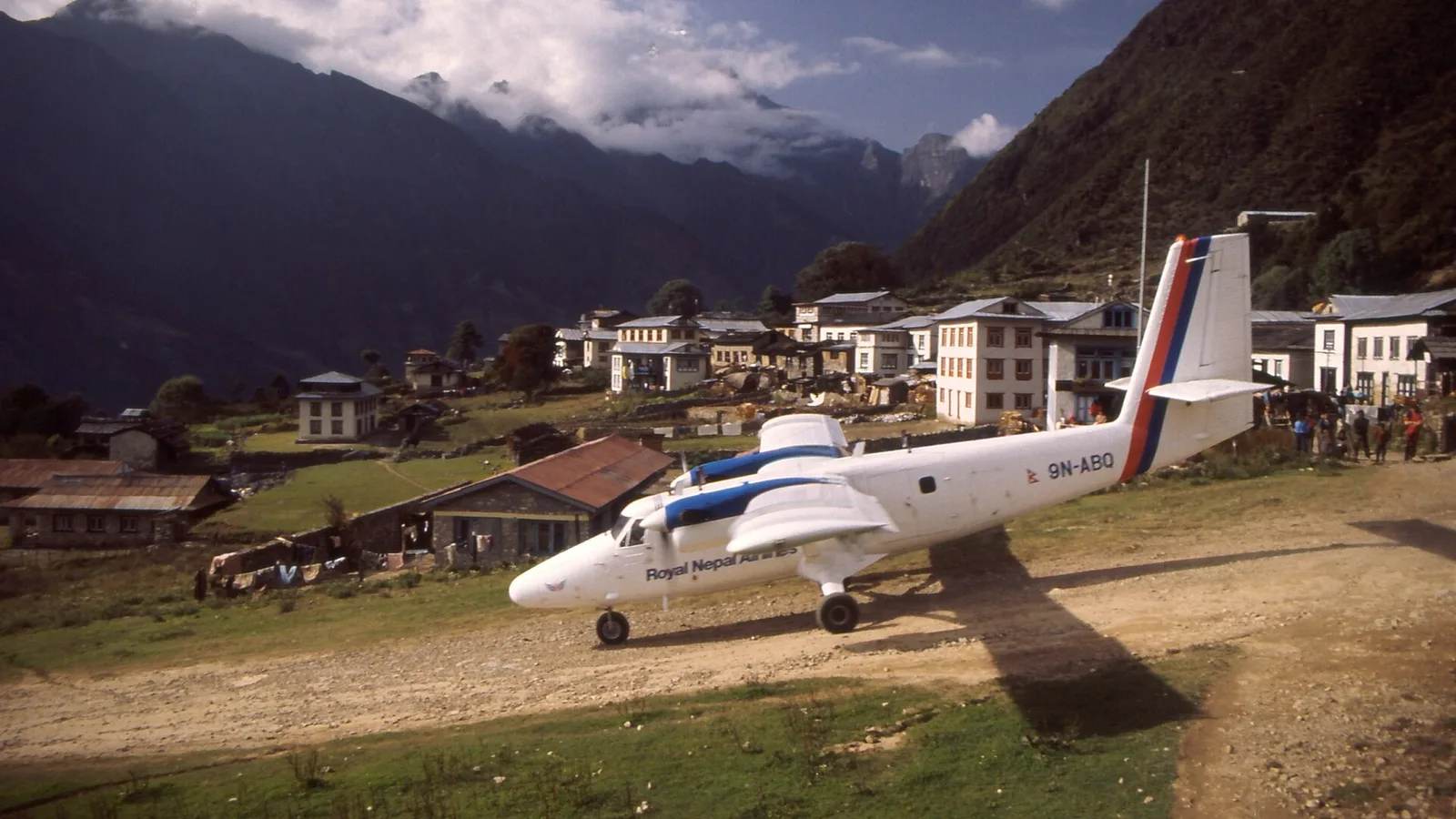
Flights & Access
How Many Days Do You Actually Need for Everest Base Camp in 2026? Every Itinerary Length Compared
Ten days is possible, fourteen is what most operators actually recommend, and the flight into Lukla is why you should budget more time than either number, not less.
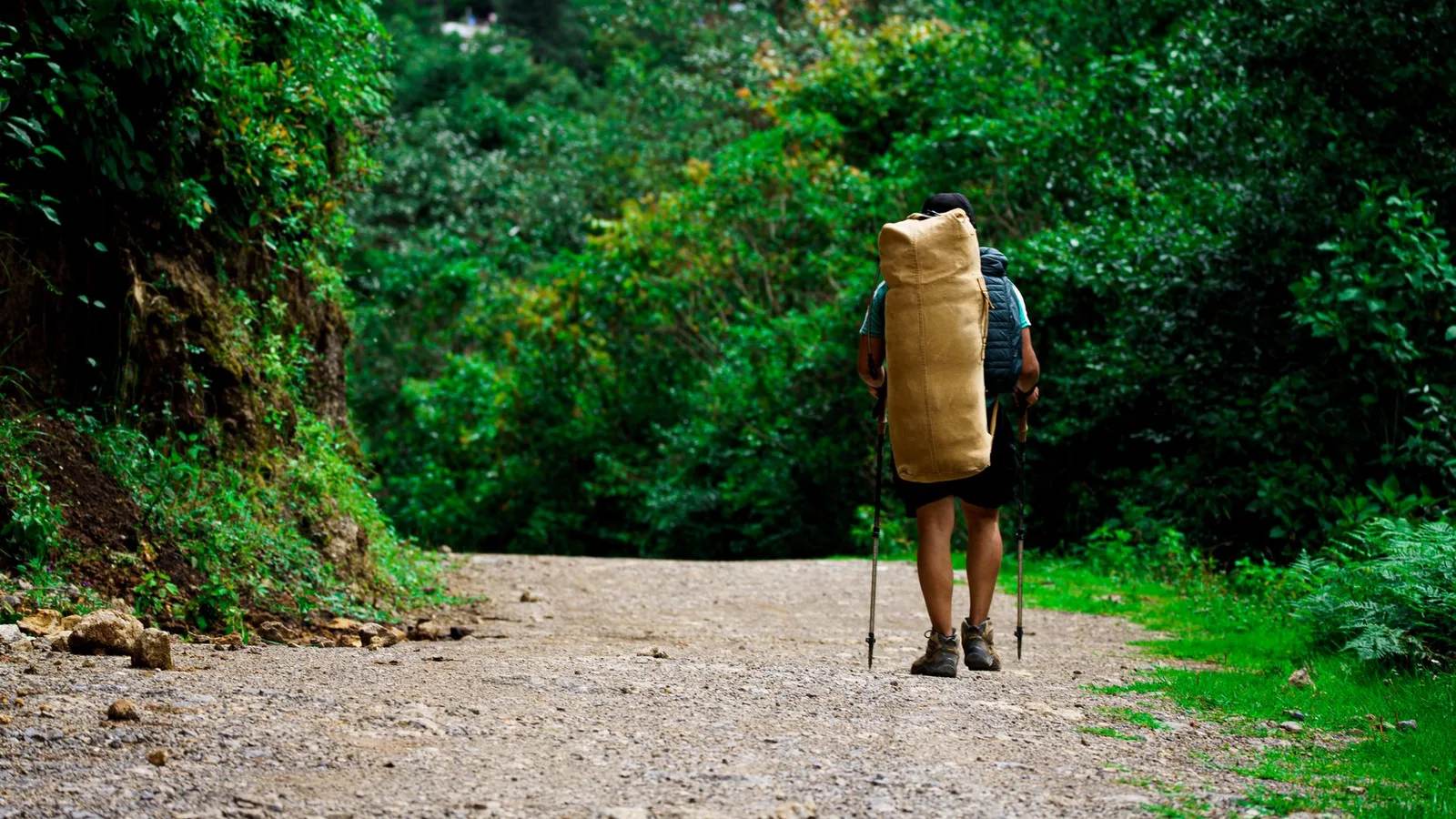
Safety & Advisories
Can You Trek to Everest Base Camp at 82? What the Record and the Research Actually Say
There is no legal or medical age cutoff on the trail to Everest Base Camp, and the current record holder just proved it at 82.
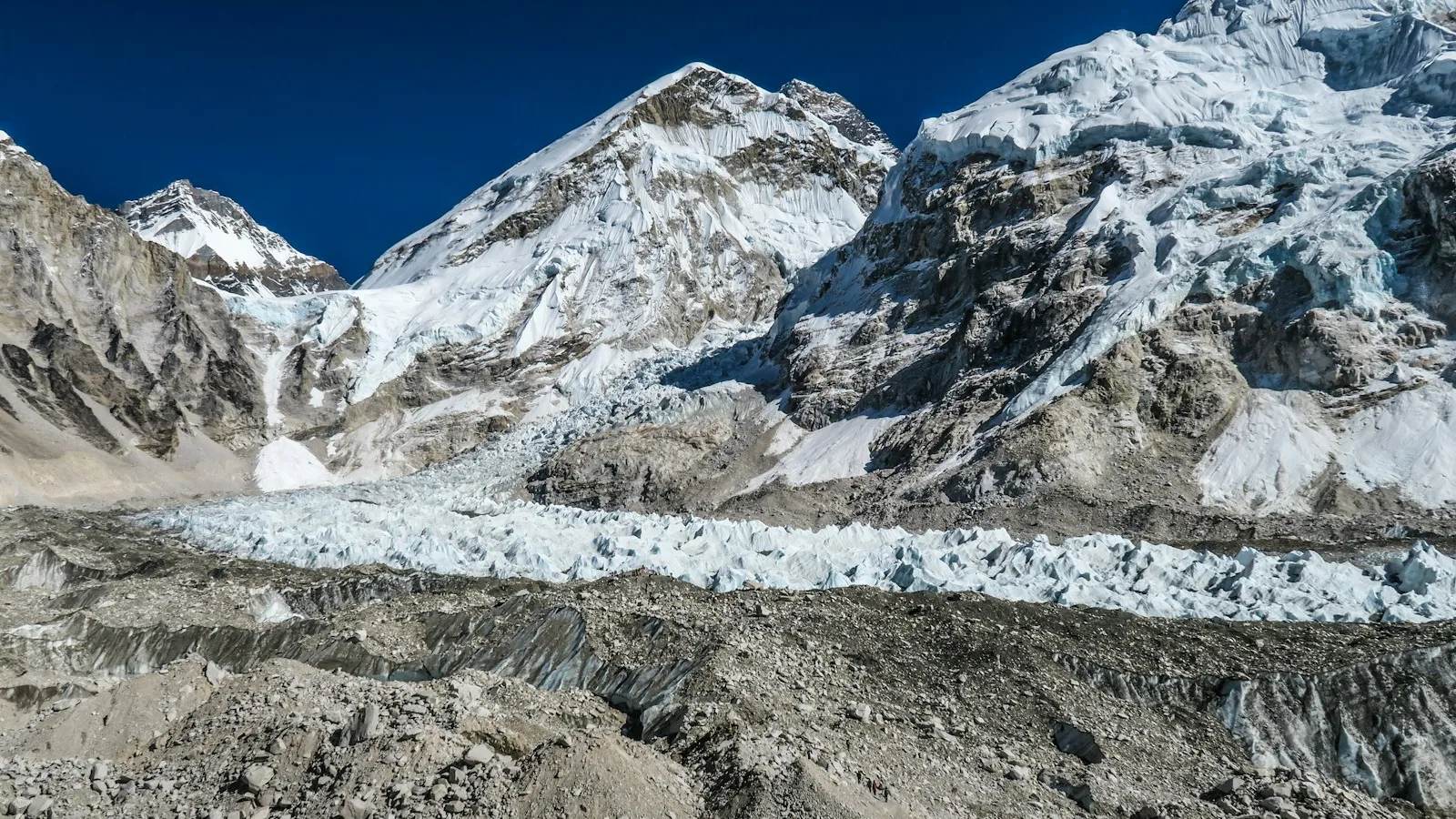
Safety & Advisories
Is the Everest Base Camp Trek Affected by the 2026 Nepal Floods?
No — the Everest region is running normally. The 26 August flood hit Rasuwa in the north, not the Khumbu. Here is why Lukla flights and the EBC trail are unaffected, leg by leg.
Latest from the desk
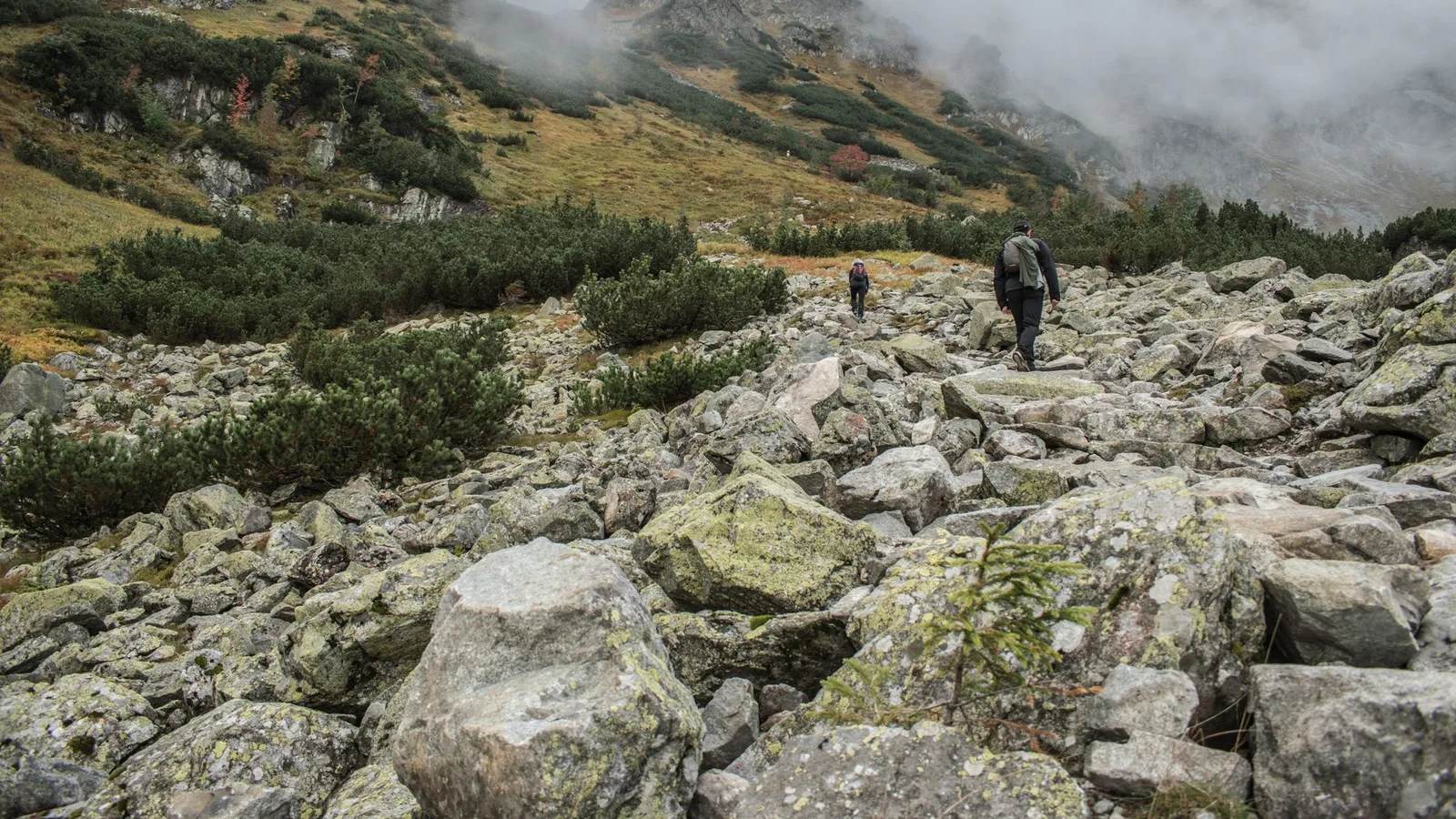
Gear & Tech
Trail shoes or hiking boots, and what the ankle-support research actually found
Most teahouse trekkers wear more boot than the walk needs, and the ankle-support argument holding that up is thinner than the shops suggest.
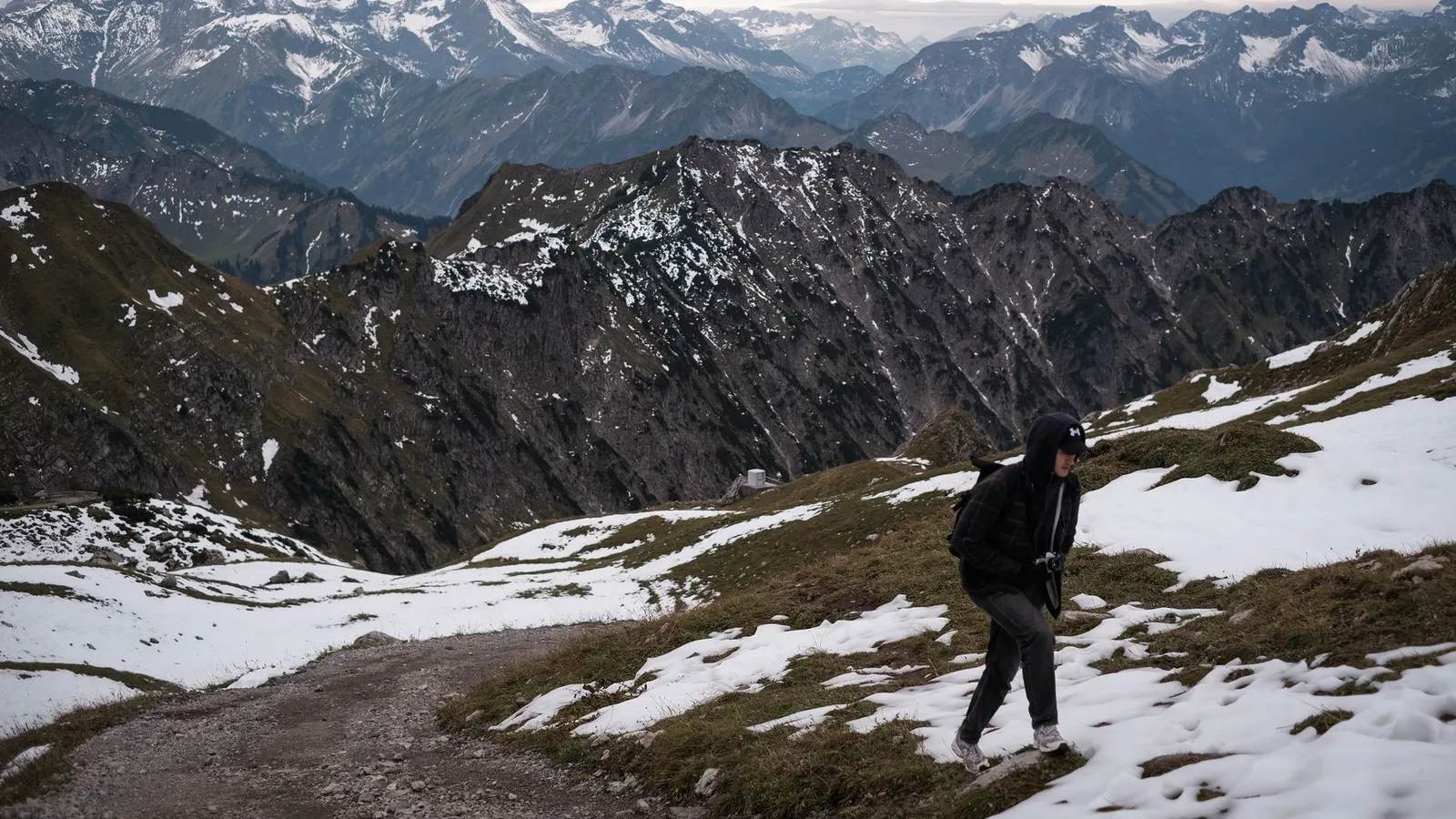
Gear & Tech
Merino or synthetic base layers, and what a lab found when it measured the smell
Merino wins the week-long wear, synthetic wins the overnight dry, and the lab reason merino stays fresh is not the bacteria story you have been told.
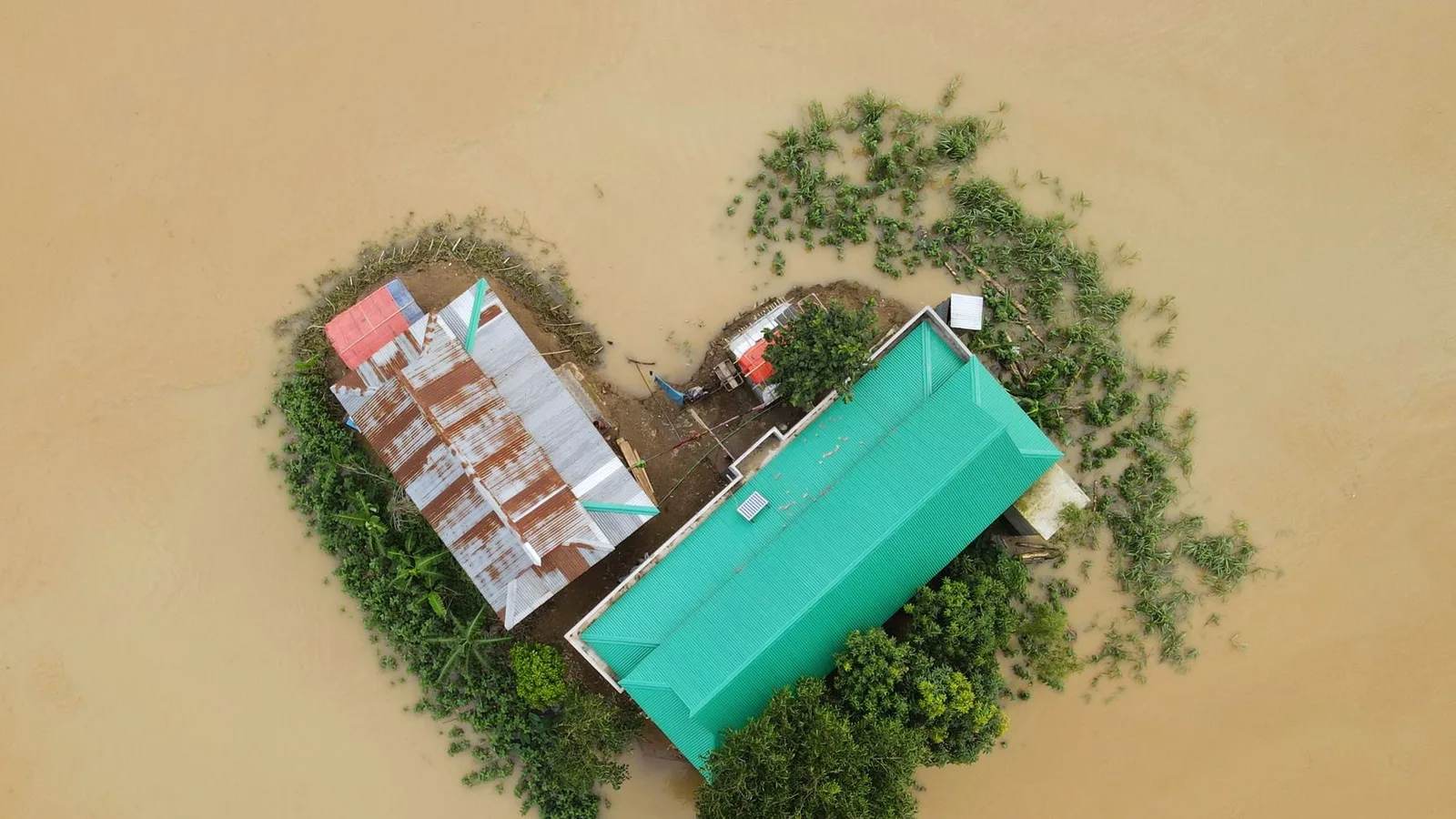
Safety & Advisories
If someone you know is missing in the Nepal flood, you don't have to fly to Kathmandu
Nepal Police have identified 95 of more than 1,200 bodies recovered. Families abroad can be DNA-profiled at home and send the result in. Here is how it works.