
Why a Bottle of Water Costs Four Times More at Everest Base Camp Than in Kathmandu
Every hour of altitude on the Everest trail adds a real cost to water, noodles and Wi-Fi — and it has nothing to do with tourists being an easy mark.
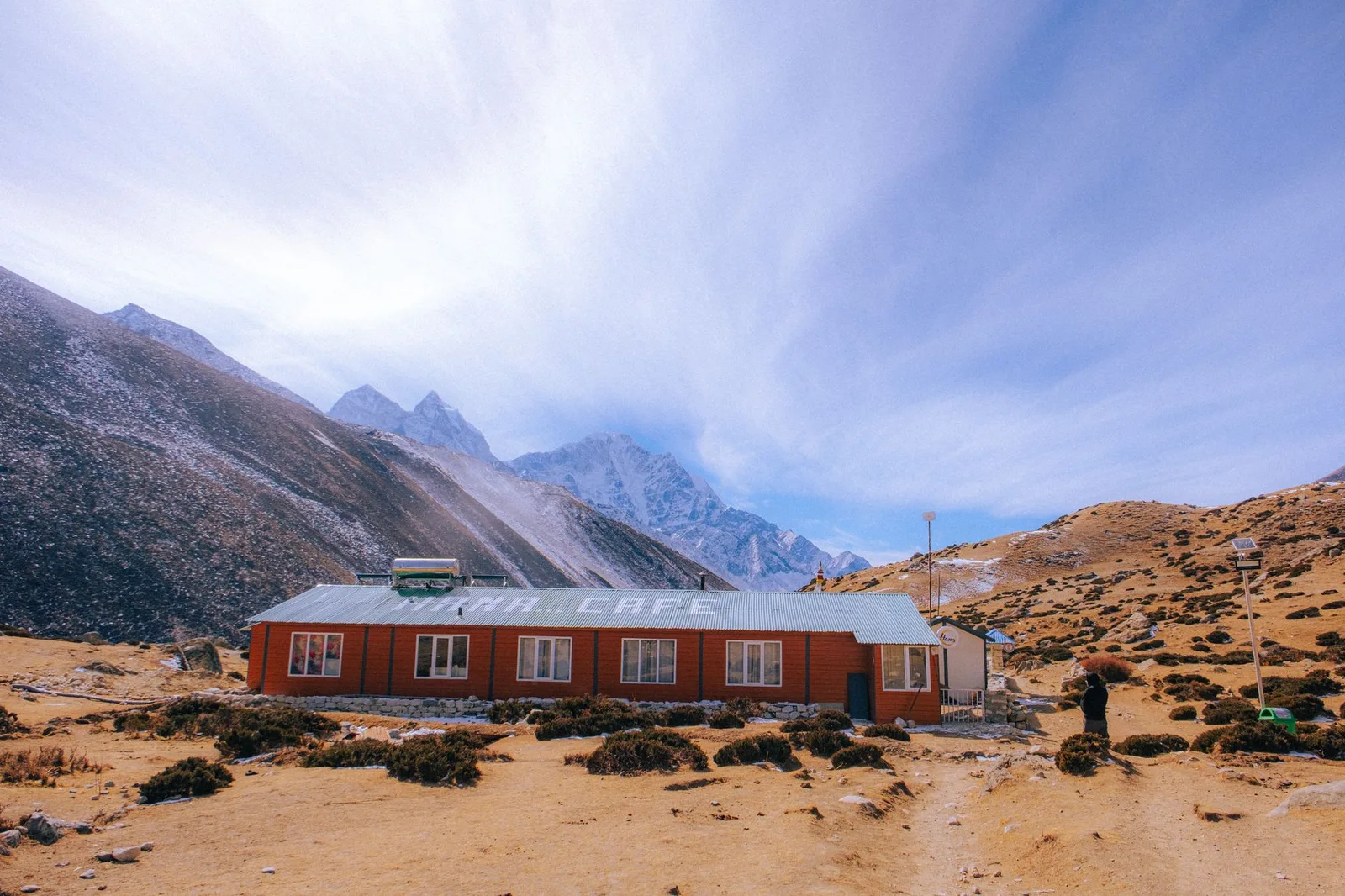
A 1.5-litre bottle of water costs about 20 US cents in Kathmandu. By the time you reach Gorak Shep, the last teahouse stop before Everest Base Camp, the same bottle costs $3 to $4 — up to fifteen or twenty times more. It isn't a tourist markup. It's the real cost of moving anything above the point where the wheel stops working.
Key facts
- Bottled water rises from roughly $0.50–1 in the lower Khumbu to $3–4 at Gorak Shep (5,164m)
- A plate of dal bhat costs $3–5 near Lukla and $10–12 at Gorak Shep or Lobuche
- Wi-Fi runs $3–5 an hour in Namche Bazaar and up to $8–12 an hour near base camp
- No road reaches above Lukla (2,860m) — everything past that point moves by porter, yak or, in season, helicopter
Every trekker on the Everest Base Camp trail notices it within the first two days: the same candy bar, the same charging socket, the same bowl of noodle soup costs a little more each time you climb another few hundred metres. It's one of the most photographed complaints on the whole trail, and also one of the most misunderstood. Teahouse owners aren't marking up prices because they can — they're passing on a supply chain that gets more physically punishing with every kilometre.
| Stop | Altitude | Water (1.5L) | Dal bhat |
|---|---|---|---|
| Phakding / Monjo | 2,600m | $0.50–1 | $3–4 |
| Namche Bazaar | 3,440m | $1–1.50 | $4–6 |
| Dingboche / Lobuche | 4,410–4,940m | $2–3 | $7–10 |
| Gorak Shep | 5,164m | $3–4 | $10–12 |
Lukla's dirt airstrip is the last place on the route a wheeled vehicle can reach. Past it, every sack of rice, gas cylinder, solar panel and crate of Coke moves on a porter's back or a yak's flank — and above roughly 4,000m, where the air is too thin for yaks to work safely, porters carry it the rest of the way themselves, often 25–30kg at a time, for several days on foot. In the busiest pre- and post-monsoon windows, some lodges pay for a helicopter resupply run to Gorak Shep or Lobuche, which is faster but adds its own cost per kilo. Kerosene and gas for cooking and heating make the same journey, which is also why hot showers, which need fuel to heat the water, get pricier and scarcer the higher you go. Wi-Fi and charging follow the same logic in reverse: lodges run them off solar panels and small generators with limited capacity in cold, overcast weather, so a full charge or an hour online becomes a scarcer resource the higher you climb.
What this means for trekkers
What this means for you
Budget for it rather than fight it. On a 12–14 day Everest Base Camp itinerary, snacks, bottled drinks, hot showers, Wi-Fi and charging typically add $150–250 beyond a full-board package — more if you drink bottled water the whole way instead of refilling with boiled or filtered water, which every teahouse sells for a fraction of the bottled price. A guided trek booked with meals included avoids most of the daily sticker shock; carrying a refillable bottle and a few purification tablets or a filter cuts your water bill to almost nothing and keeps plastic off a trail that has no way to recycle it.
It's also worth tipping generously where you can — the people making that climb with 30kg on their backs are the reason a hot meal and a warm room exist at 5,000m at all; see our guide to tipping guides and porters in Nepal for real 2026 figures. Our own 14-day Everest Base Camp trek and shorter Everest View trek both run full-board, so the altitude tax is built into the price you see at booking, not sprung on you at 5,000m.
Source: cost breakdowns cross-checked against independent trekker accounts, including Stingy Nomads' Everest Base Camp food cost guide and Follow Alice's Everest Base Camp accommodation reporting.
Cover photo: 8Percent Media via Pexels (Pexels License).
来源: Stingy Nomads
计划徒步?
我们负责许可证、后勤与向导
NMA 认证的本地向导,价格透明,自 1998 年以来 5,000+ 次徒步。告诉我们你的日期,其余的交给我们。


更多「Industry & Tourism」
Industry & Tourism
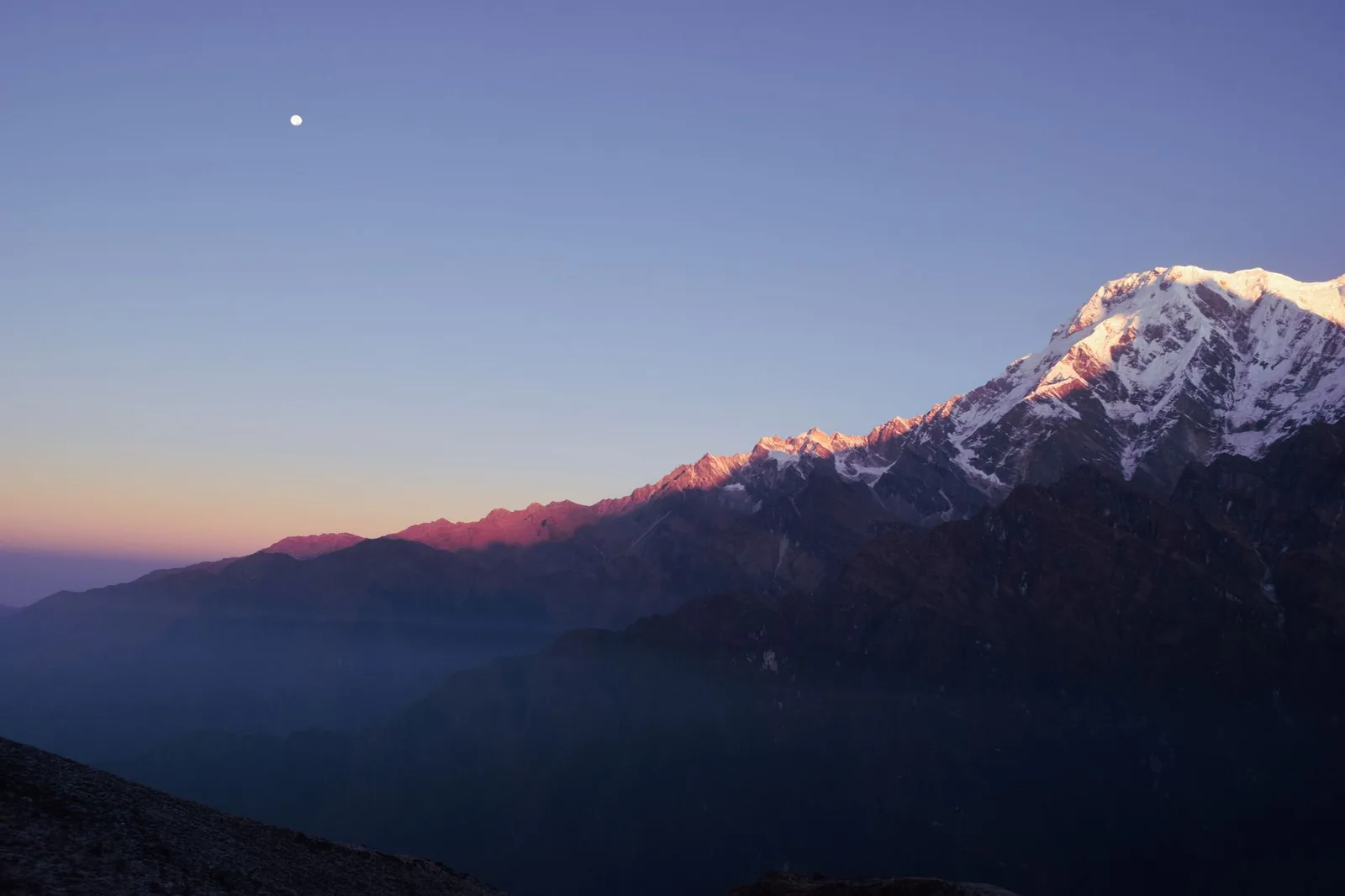
Which Nepal Trek Should You Actually Do If You Want to Avoid the Crowds? The Honest 2026 Matcher
Everest Base Camp and the Annapurna Circuit are seeing record numbers. Here's the verified visitor data on how crowded each region actually is, and four proven alternatives that deliver the same mountains with a fraction of the traffic.
Industry & Tourism
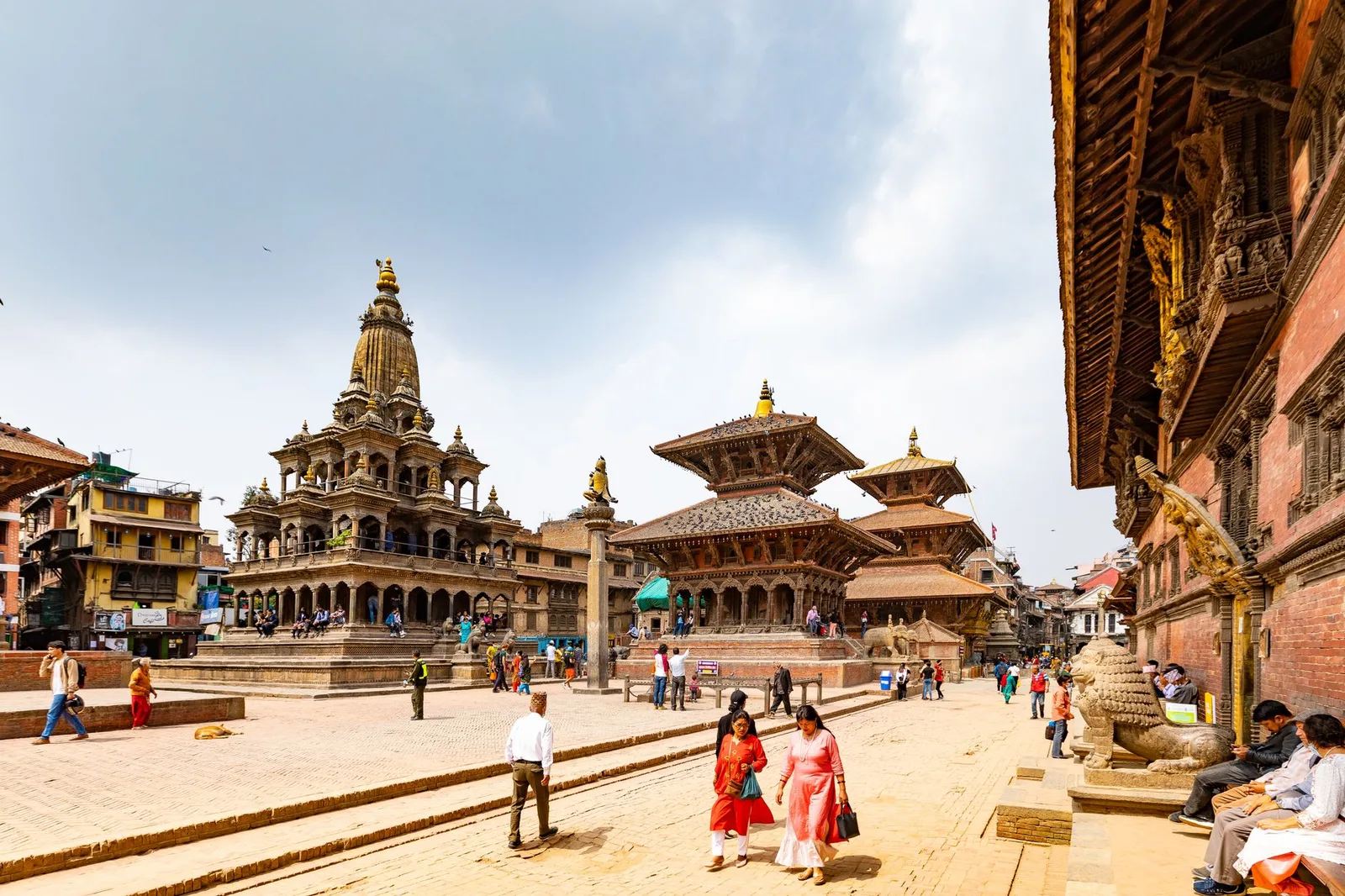
Chinese Tourist Arrivals to Nepal Just Passed Pre-Pandemic Levels, Jumping 61% in a Single Month
July 2026 arrivals from China beat July 2019 for the first time, even as Nepal's overall foreign arrivals grew by just 2.3%.
Industry & Tourism
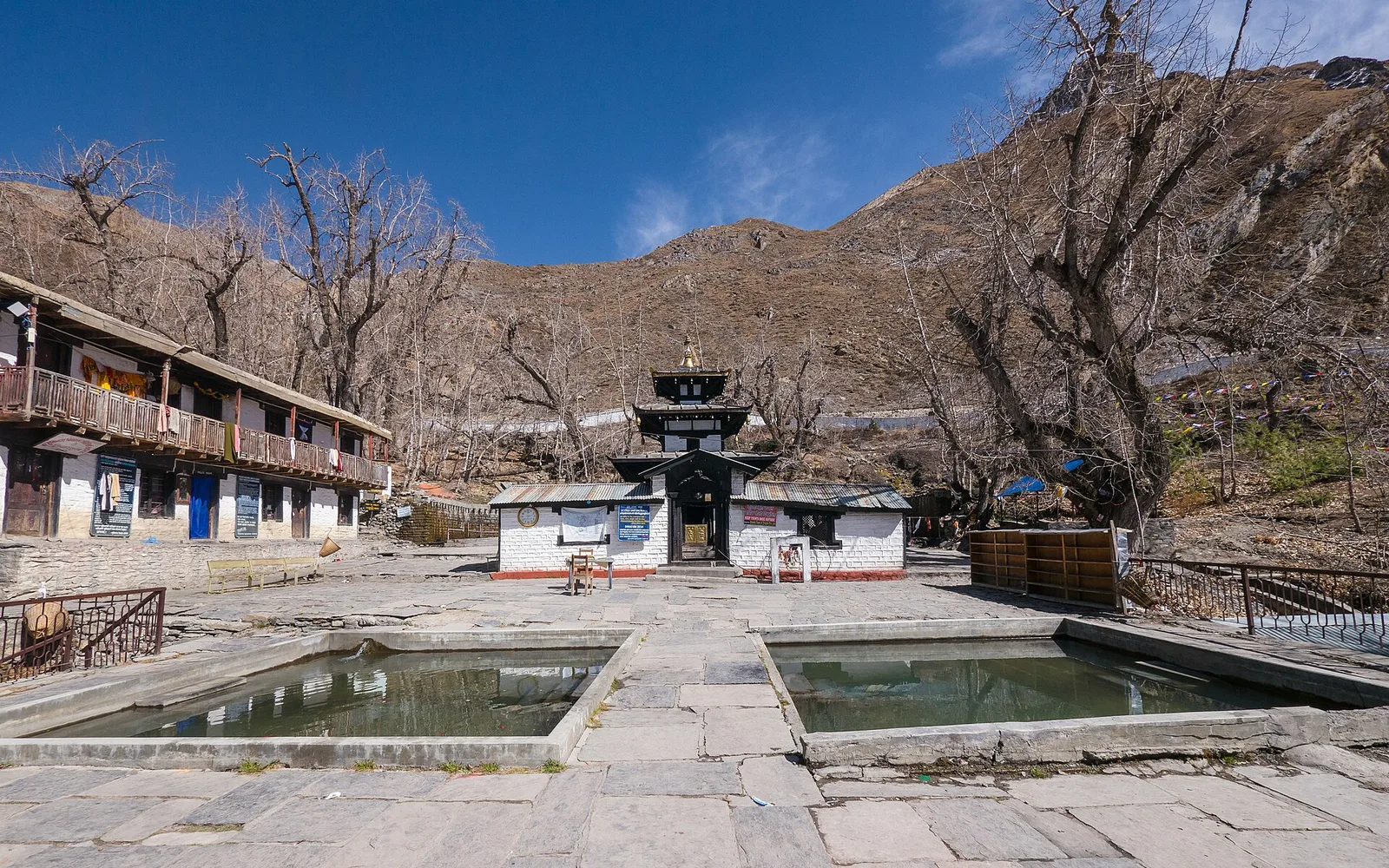
The Temple Where Fire Burns on Water: Inside Nepal's Strangest Sacred Site at 12,343 Feet
At Muktinath, a natural-gas flame flickers directly above a cold mountain spring — a geological quirk that Hindus and Buddhists have both worshipped for generations, and that modern trekkers walk right past.