
How Many Days Do You Actually Need for Everest Base Camp? 10 vs 12 vs 14 vs 15-Day Itineraries
The honest answer, checked against Nepal's own altitude-medicine numbers — not against which itinerary sells fastest.
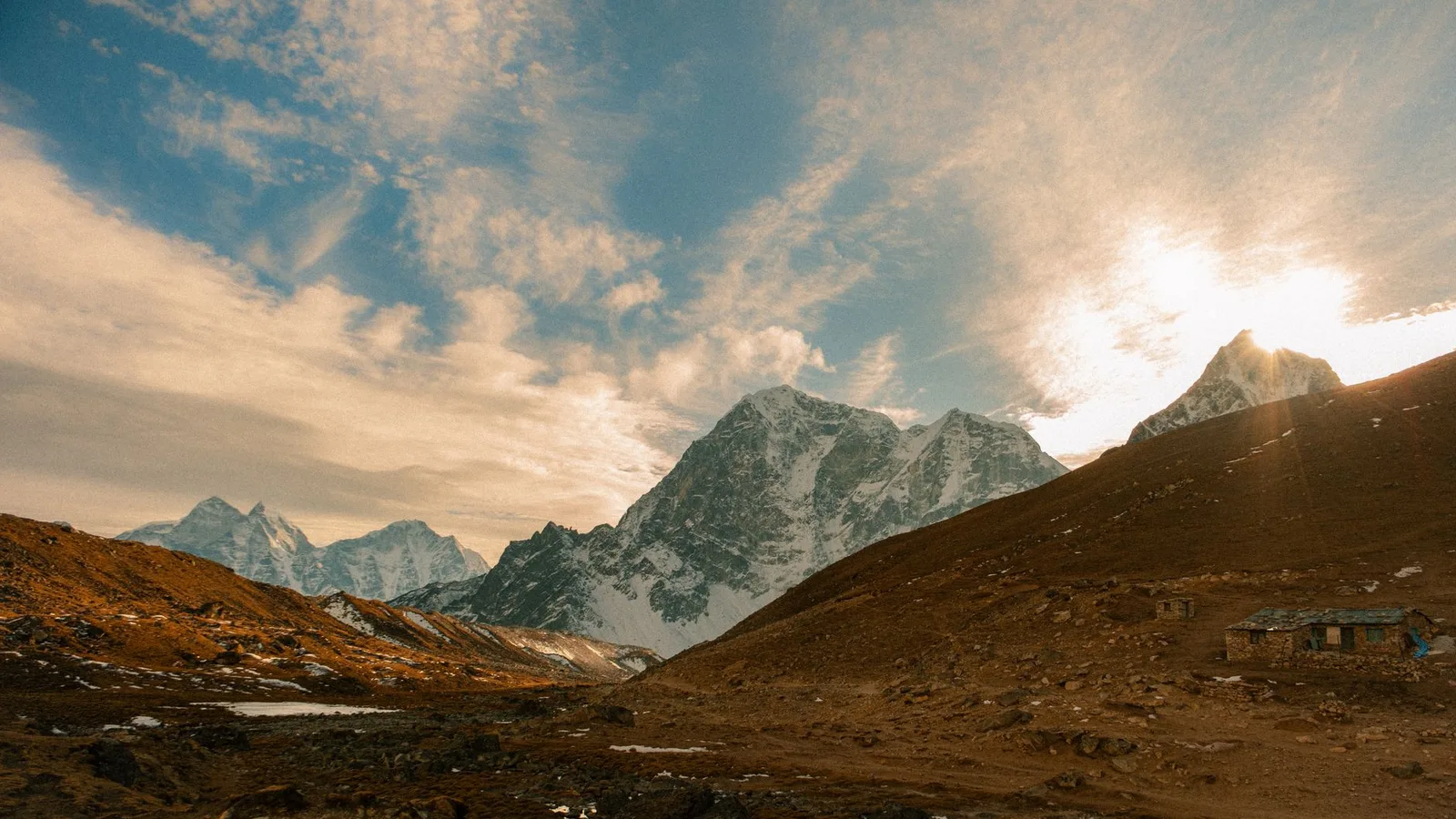
Search 'how many days for Everest Base Camp' and you'll find itineraries ranging from a 9-day sprint to a 15-day trek with two full rest days. The honest, data-backed answer: 12 days is the minimum a sound trekking itinerary should give you on foot, and 14 is what most experienced Nepali operators build as standard — because that's what the altitude-medicine numbers require, not because a longer trip sells better.
Key facts
- The trail climbs from Lukla (2,860m) to Kala Patthar (5,545m) — a net gain of 2,685m above an airstrip already higher than most Alpine summits.
- The Wilderness Medical Society's 2024 altitude-illness guidelines say sleeping elevation should rise no more than 500m a day above 3,000m, with one extra acclimatization day added for every additional 1,000m gained.
- Sagarmatha National Park entry (NPR 3,000) plus the Khumbu Pasang Lhamu Rural Municipality permit (NPR 3,000) apply regardless of how many days you trek — the Khumbu hasn't required a separate TIMS card since it introduced its own municipal permit.
The math is the whole story. From Namche (3,440m) to Kala Patthar (5,545m) is a 2,105m climb through the highest, thinnest-air stretch of the route — under the WMS ascent-rate rule that alone justifies at least two extra nights spent not gaining altitude. That's exactly where the acclimatization days at Namche and Dingboche come from in every credible itinerary; they aren't padding, they're the only thing standing between your itinerary and acute mountain sickness at 5,000m.
A 14-day Everest Base Camp itinerary — day-by-day sleeping altitude
So what actually changes between the common lengths on sale? Mostly, how many of those buffer nights you're given — and whether the itinerary was built around the medicine or around a marketing number.
| Length | Acclimatization days | Meets WMS ascent-rate guidance? | Best for |
|---|---|---|---|
| 9–10 days, on foot | 0–1 | No — exceeds 500m/day above 3,000m on multiple stages | Not recommended at any fitness level |
| 10-day, helicopter return | n/a — flies out from Gorak Shep instead of walking back down | Ascent still gradual; skips the descent, not the acclimatization | Time-limited trekkers who still want the full walk-in |
| 12 days | 1 (Namche only) | Borderline — workable only for very fit, fast-acclimatizing trekkers | Experienced high-altitude trekkers on a tight schedule |
| 14 days | 2 (Namche + Dingboche) | Yes | Most first-timers — our default recommendation |
| 15 days | 2 + 1 weather/flight buffer | Yes, with margin | Older trekkers, anyone unacclimatized, or shoulder-season bookings |
What this means for your trek
What this means for trekkers
If an operator is quoting a 9- or 10-day EBC trek entirely on foot, that itinerary is compressing the acclimatization days the WMS guidelines say you need — it's the single most common reason trekkers get turned back above Dingboche, or evacuated by helicopter from Lobuche or Gorak Shep. A 14-day itinerary costs two extra teahouse nights. It does not cost you the summit day at Kala Patthar — it's usually the difference between reaching it and not.
Lukla's flight schedule is a second reason not to shave days off. Shoulder-season and monsoon-season cancellations regularly bunch flights over two or three days, and a 12-day itinerary has zero spare days to absorb that before an international flight home. The 15-day version exists for exactly this — one buffer day, used or not.
Permit costs don't change with itinerary length; budget the same roughly $50–55 in Sagarmatha National Park and Khumbu Pasang Lhamu Rural Municipality fees whether you walk 10 days or 15. What changes is your risk of altitude illness turning a paid trip into a medevac. We run the EBC trek at 12, 14 and 15 days with NMA-certified guides who adjust the pace on the trail, not just on paper — the full permit and route breakdown is on our Everest Base Camp permit guide.
Source: Nepal Tourism Board, Sagarmatha National Park entry fees; Wilderness Medical Society, Clinical Practice Guidelines for the Prevention, Diagnosis, and Treatment of Acute Altitude Illness: 2024 Update.
Cover photo: 8Percent Media via Pexels (Pexels License).
计划徒步?
我们负责许可证、后勤与向导
NMA 认证的本地向导,价格透明,自 1998 年以来 5,000+ 次徒步。告诉我们你的日期,其余的交给我们。


更多「Safety & Advisories」
Safety & Advisories
How to Avoid Pickpockets and Theft Abroad in 2026: The Common Tricks, and How to Beat Them
Distraction teams, the bump, moped snatches and ATM skimming rely on the same few weaknesses. Here is where theft really happens, what actually protects you, and what to do if it happens — including in Kathmandu.
Safety & Advisories
How to Choose a Trekking Company in Nepal in 2026: The Real Vetting Checklist
After a $19.7 million fake-rescue fraud case rattled Nepal's trekking industry, here is exactly how to verify a licensed, honest operator before you hand over a deposit.
Safety & Advisories
Is Trekking in Nepal Safe in 2026? What the Real Death and Rescue Data Say
Altitude sickness, not crime, is what kills trekkers in Nepal — a fresh ACAP toll and a Kathmandu safety panel show exactly where, and how to avoid becoming a statistic.