
Is the Everest Base Camp Trek Actually Dangerous? What the Medical Data Says
No ropes, no crevasses on the standard route — but four in ten trekkers report a medical incident. Here is what a peer-reviewed study of Everest trekkers actually found.
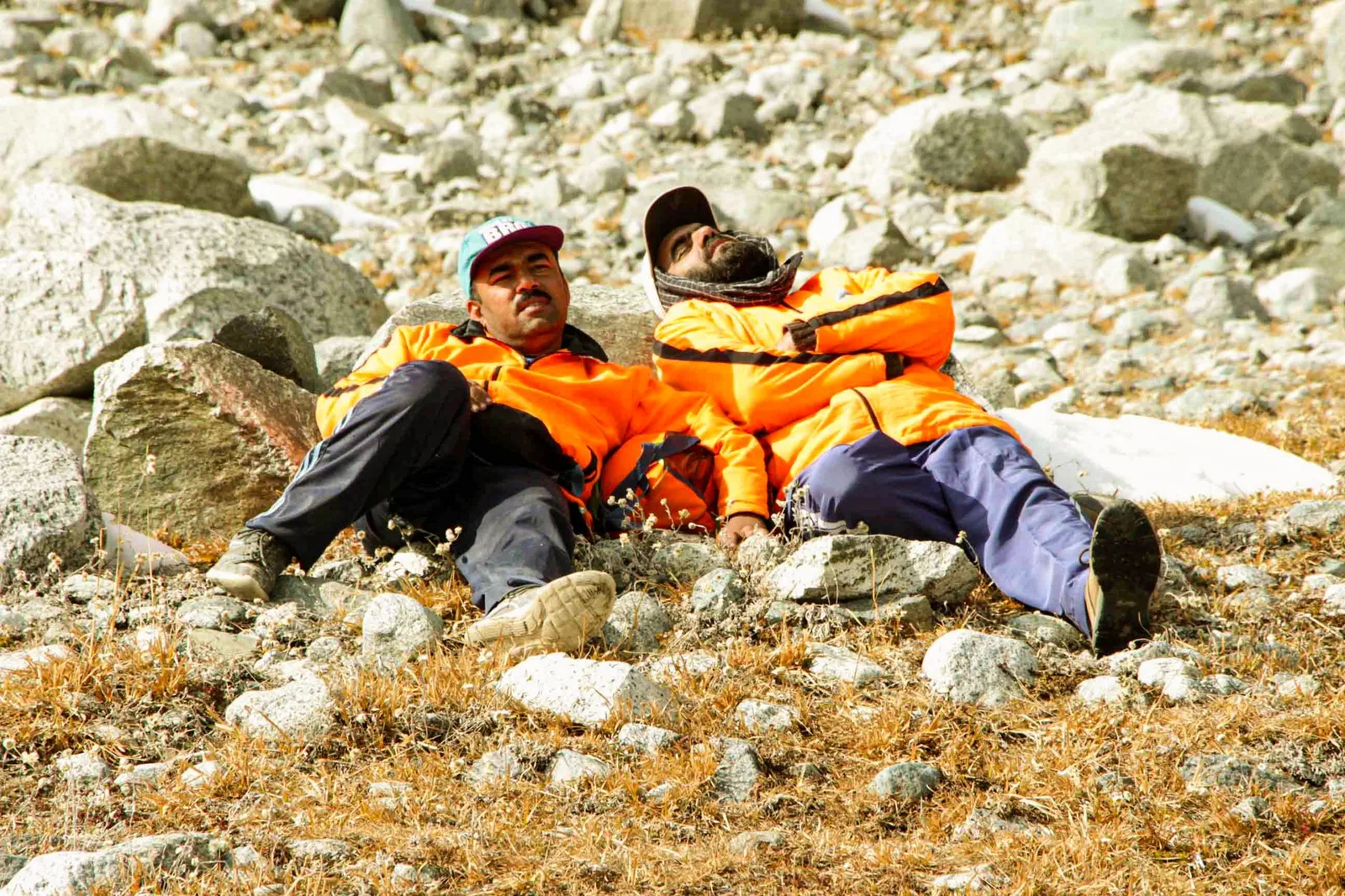
No, not in the way most people fear. The standard Everest Base Camp trail has no ropes, no ladders, no crevasse crossings and no technical climbing — it is a long, high-altitude walk on a maintained trekking route, not a mountaineering ascent. But that does not mean it is risk-free. A peer-reviewed study of trekkers on this exact trail found that four in ten had at least one medical incident during their trip, and altitude, not terrain, was the cause in roughly half of those cases.
Key facts
- 40.5% of Everest trekkers reported at least one medical incident during their trip, per a 2022 peer-reviewed study of the Solu Khumbu route.
- Almost 50% of those incidents were acute mountain sickness (AMS).
- Only 18% of trekkers surveyed correctly knew that a slow ascent rate is what prevents AMS.
- 53% said no medical care was available to them during the trip.
The real hazard is altitude, not the trail
The route from Lukla to Everest Base Camp climbs from about 2,860m to 5,364m over roughly eight days of walking. Nothing on that route requires ropes or technical skill. The danger is physiological: above roughly 3,000m, the body has to adjust to falling oxygen levels, and climbing too fast gives it no time to do so. That is acute mountain sickness, and in its severe forms, high-altitude cerebral or pulmonary oedema — both of which can be fatal if a trekker keeps ascending instead of descending.
| Trekker type | Any medical incident | Incident was AMS |
|---|---|---|
| Solo / independent trekkers | 55.9% | 39.6% |
| Organised group trekkers | 34.1% | 54.8% |
The honest reading of that table: solo trekkers reported more medical incidents overall, but when an organised group did have an incident, it was more often specifically AMS — a sign that even guided groups get caught out by ascent pace, usually because a fixed itinerary is followed too rigidly. A good guide's real job is not carrying your bag; it is watching for the early symptoms — headache, nausea, loss of appetite, disturbed sleep — and having the authority to stop or turn a client around before symptoms progress.
Who should think twice about this trek
The honest answer for some travellers is not this trek, or not on a compressed schedule. That includes anyone with severe heart or lung disease, anyone planning to reach Base Camp in under seven trekking days without acclimatisation stops, and anyone travelling without evacuation-inclusive travel insurance. Most standard travel policies exclude altitudes above 4,000m entirely — well below Base Camp's 5,364m — so a policy has to be checked specifically for high-altitude and helicopter-evacuation cover before you fly, not assumed.
What this means for trekkers
Book an itinerary with at least two dedicated acclimatisation days (we cover exactly how many in this guide), travel with a licensed guide trained to recognise AMS early, and buy insurance that explicitly covers evacuation from altitude — a helicopter evacuation from Base Camp typically runs $4,000 to $6,000 if you are not covered.
What actually keeps trekkers safe on the trail
The Himalayan Rescue Association has run volunteer-staffed aid posts on Nepal's two busiest trekking routes for decades — at Pheriche on the Everest trail and Manang on the Annapurna Circuit — plus a seasonal Everest ER clinic at Base Camp itself, all focused specifically on recognising and treating altitude illness before it becomes an evacuation. Their presence is a large part of why AMS on this trail is usually a delay, not a tragedy, when it is caught early. The study above found that only 18% of trekkers actually understood the one rule that prevents most AMS cases — ascend slowly, sleep low, hydrate — which is exactly the gap a competent guide, and a realistic itinerary, is there to close.
Our own 14-day Everest Base Camp itinerary is built around that gap: extra nights at Namche and Dingboche rather than the compressed 10 or 12-day versions some agencies sell, precisely because the data above shows where trekkers actually get into trouble. For travellers who want the views with less time spent above 4,000m, our helicopter-return itinerary cuts that exposure substantially.
Cover photo: Amjad ali via Pexels (Pexels License).
来源: International Journal of Environmental Research and Public Health (MDPI)
计划徒步?
我们负责许可证、后勤与向导
NMA 认证的本地向导,价格透明,自 1998 年以来 5,000+ 次徒步。告诉我们你的日期,其余的交给我们。


更多「Safety & Advisories」
Safety & Advisories
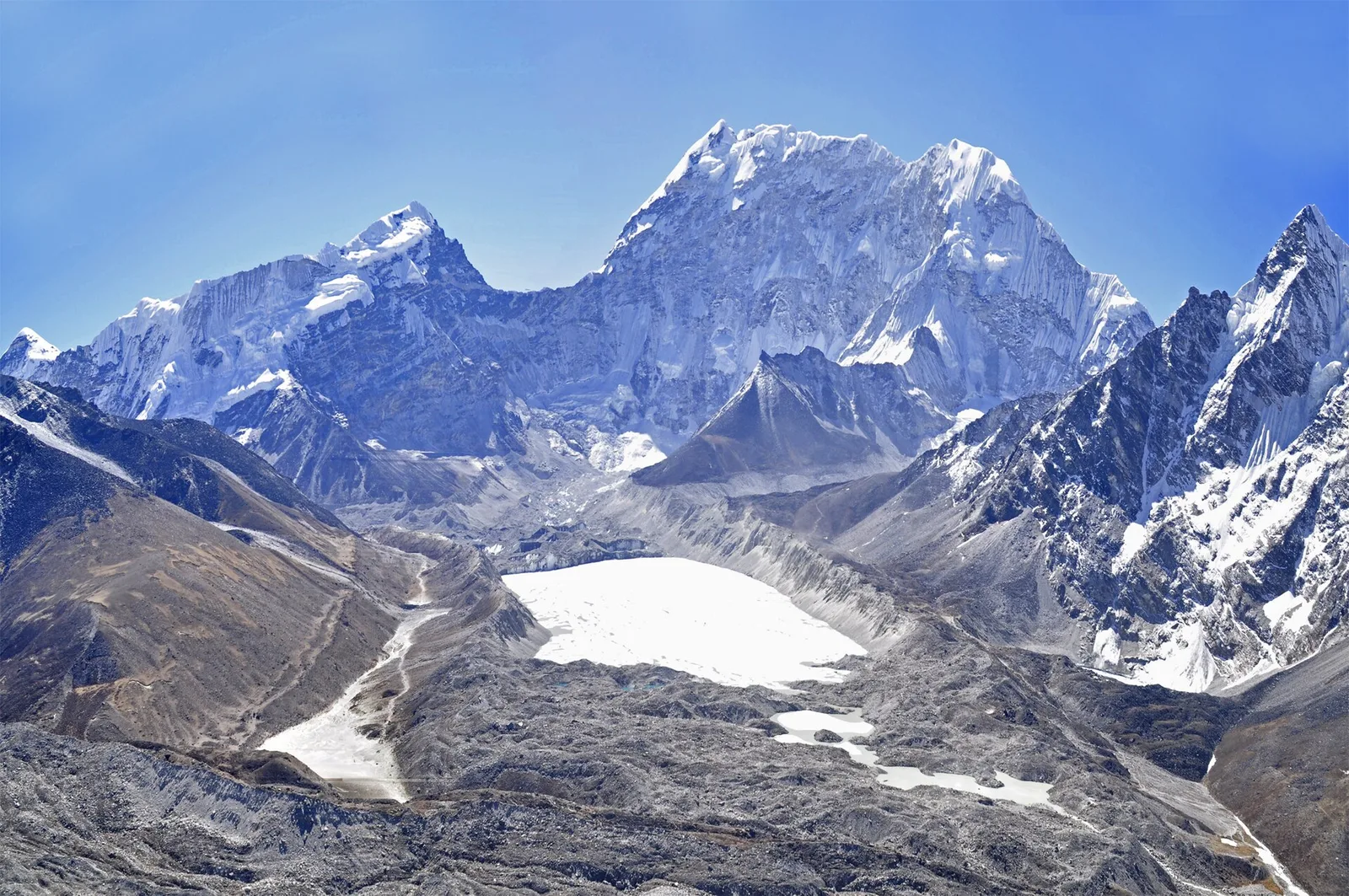
The Everest Village That Vanished in 22 Minutes — and the Famous 'Doomsday Lake' Had Nothing to Do With It
For a decade, the Nepal Army raced to defuse Imja Tsho before it could flood the Khumbu. In August 2024, the real disaster came from two lakes with no names on any map.
Safety & Advisories
How Many Acclimatization Days Do You Actually Need for Everest Base Camp? The Real Answer
A 1976 study found altitude sickness in 53% of unacclimatized trekkers near Everest. A 2022 study found it in 55% of trekkers on fixed-schedule group tours. Here's what the research and current medical guidelines actually recommend for your itinerary.
Safety & Advisories
What is the hardest day on the Everest Base Camp trek? An honest answer
Nine in ten returning trekkers name the same one: Lobuche to Gorak Shep to base camp and back — roughly 15 km and 7–9 hours at the trek's highest altitude. Here is why, and the dawn climb that arguably tops it.