
How Many Acclimatization Days Do You Actually Need for Everest Base Camp? The Real Answer
A 1976 study found altitude sickness in 53% of unacclimatized trekkers near Everest. A 2022 study found it in 55% of trekkers on fixed-schedule group tours. Here's what the research and current medical guidelines actually recommend for your itinerary.
At a glance
The direct answer: at least two full rest days above 3,000 metres, and a third if your itinerary reaches Everest Base Camp in under twelve days. That is not a marketing number — it is what two altitude-medicine studies, 46 years apart, both point to independently. Here is the research, and how it maps onto the itinerary you are actually choosing between.
Key facts
- A landmark 1976 study of 278 unacclimatized trekkers at Pheriche (4,243m) found 53% developed acute mountain sickness, worse in those who flew straight to altitude and climbed fast
- A 2022 study of 366 Everest Base Camp trekkers found AMS in 54.8% of trekkers on fixed-schedule organized tours, versus 39.6% of independent trekkers who could adjust their own pace
- Only 18% of trekkers in that 2022 study knew that a slow ascent is the single most effective way to prevent AMS
- Current Wilderness Medical Society guidance: above 3,000m, avoid increasing your sleeping altitude by more than roughly 500m a night
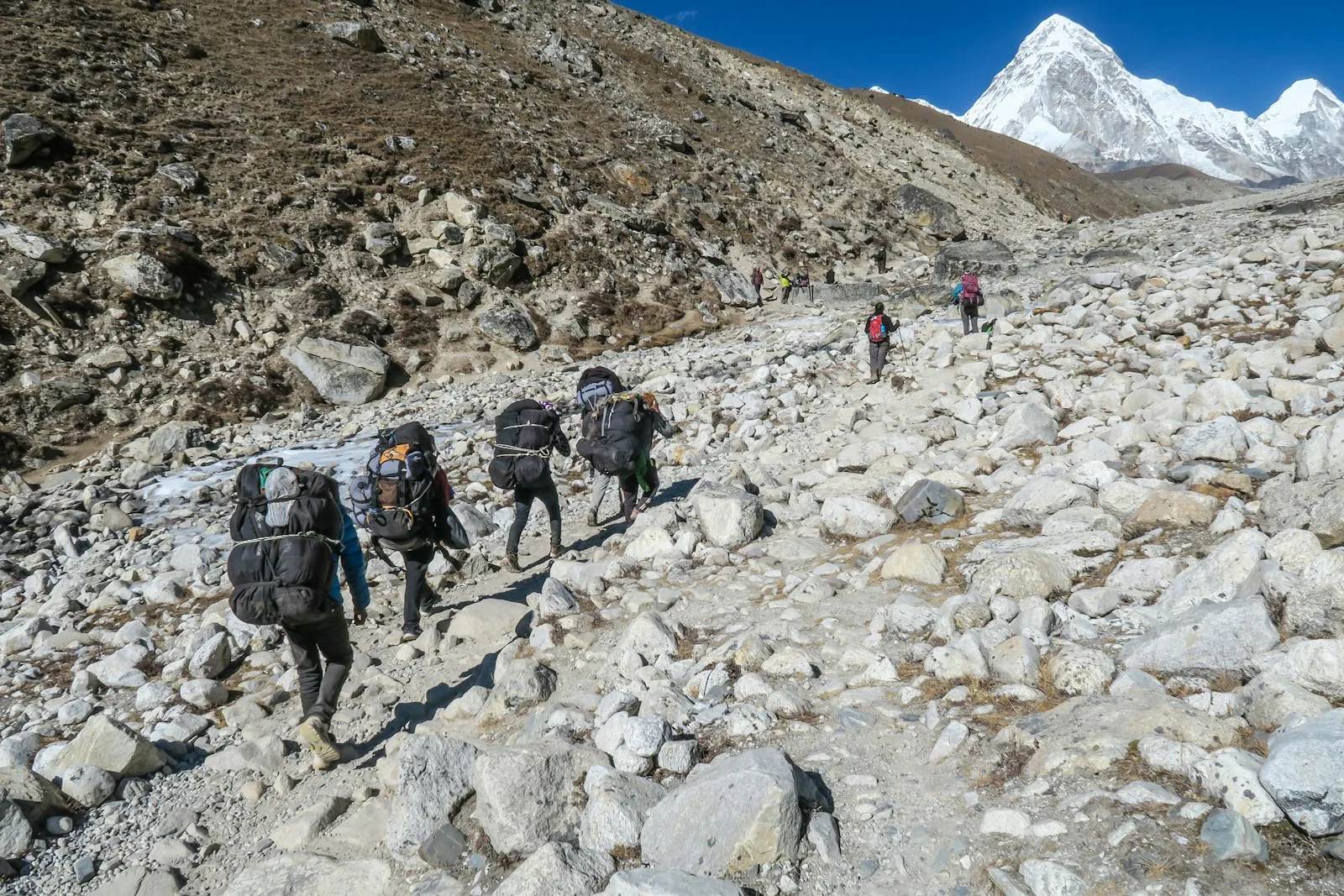
Lukla, where every Everest Base Camp trek begins, already sits at 2,860m — flying straight there is itself one of the risk factors the 1976 study flagged. That is exactly why the standard route builds in rest days before you go higher, and why how many days you give the trek matters more than almost any other single choice you will make before you fly to Everest Base Camp.
The standard Everest Base Camp route: altitude by stop, Lukla to Kala Patthar
| Itinerary length | Rest days above 3,000m | Avg. gain per day | Against the 500m/night guideline |
|---|---|---|---|
| 8 to 9 days, budget pace | 1 | ~430m | Exceeds it on at least two days |
| 12 days, most booked | 2 | ~345m | Within it on most days, tight on one |
| 14 to 15 days | 3 | ~260m | Comfortably within it every day |
What this means for trekkers
What this means for you
The 8 to 9 day express itineraries some budget operators advertise are close to the version of this trek both studies were describing when they measured AMS in more than half their subjects: fixed schedules, fast ascent, no slack for a bad day. A 12-day itinerary with the standard Namche and Dingboche rest days is the accepted floor, not a luxury add-on. If you are over 50, have had AMS before, or are travelling with anyone who has, add the third rest day and book 14 days instead of 12 — it costs a few extra lodge nights, not a different trek.
None of this is about fitness. The 2022 study's authors were blunt: independent trekkers who could change their own pace developed AMS at nearly half the rate of people locked into someone else's fixed schedule. A slower itinerary is the one intervention with real evidence behind it, ahead of medication, ahead of training, ahead of how many times you have been to altitude before. We build every EBC itinerary — 10-day, 12-day and 14-day — around exactly that rest-day math, and our guides carry a pulse oximeter and know when an acclimatization day means an actual rest, not an optional side hike.
For what the coldest nights on this same route actually feel like once you are above those rest days, see our night-temperature breakdown by altitude, and for the single toughest day on the trail, our honest answer on that too.
Cover photo: Sebastian Pena Lambarri via Unsplash (Unsplash License).
Still running this season
Everest Base Camp Trek — 12 Days is running normally
NMA-certified local guides, transparent pricing, 5,000+ treks since 1998. Message us your dates and we'll sort the permits, lodges and logistics — reply within 24 hours, no obligation.
Popular Nepal treks
All treks →
Related coverage
Safety & Advisories
Can You Trek to Everest Base Camp at 82? What the Record and the Research Actually Say
There is no legal or medical age cutoff on the trail to Everest Base Camp, and the current record holder just proved it at 82.
Safety & Advisories
Can a Beginner Do the Everest Base Camp Trek? The Honest Difficulty Answer (2026)
No mountaineering skills required — but altitude, not fitness, is what actually turns beginners back. Here is the real difficulty, by the numbers.
Trail & Weather
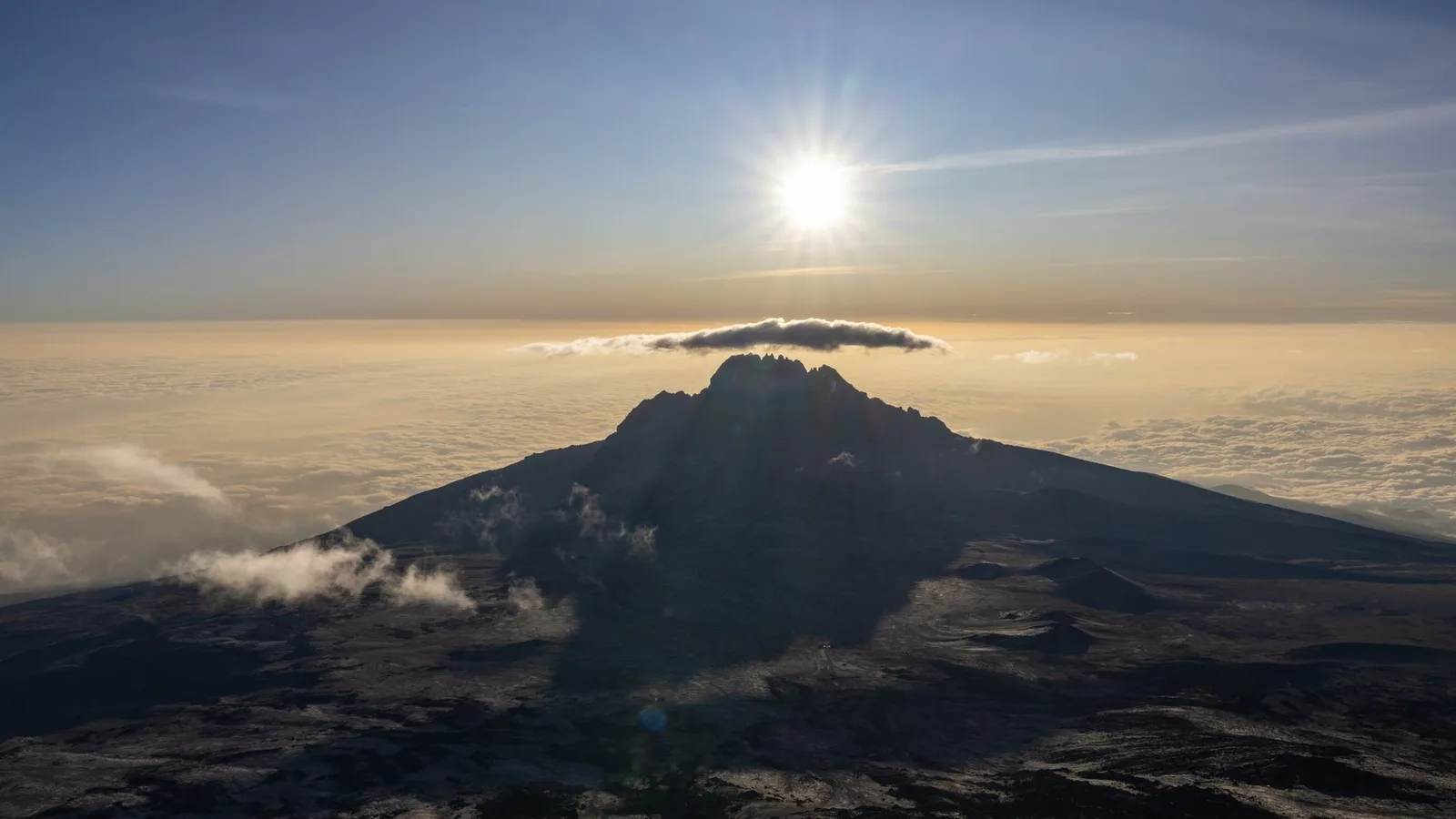
Everest Base Camp or Kilimanjaro: Which Trek Should You Actually Do in 2026?
One is a five-day sprint to 5,895 metres, the other a fourteen-day walk to 5,364 — the honest trade-off between them comes down to acclimatization, not fitness.
World Destinations
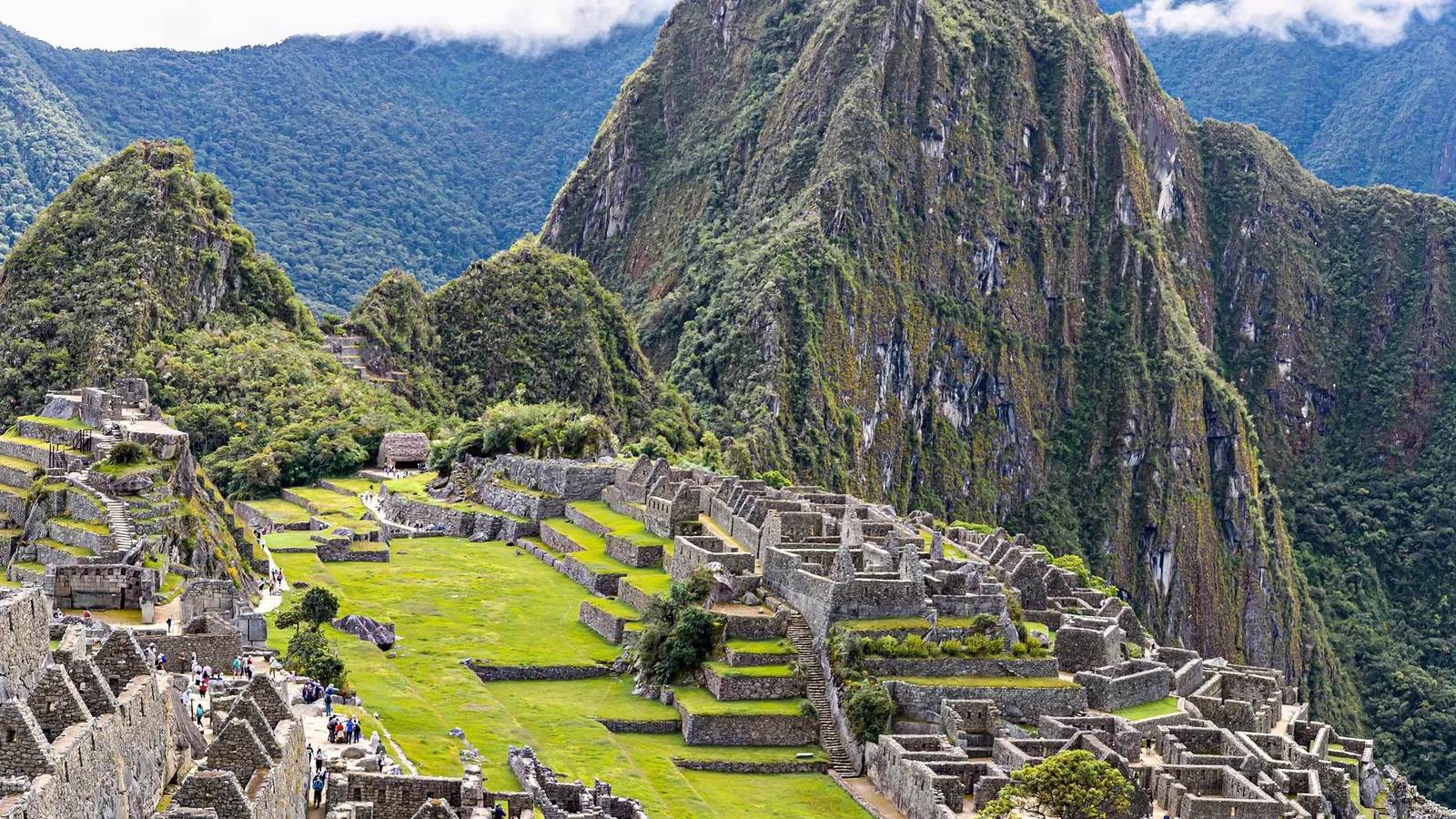
Altitude sickness doesn't need a mountain, just a flight to Cusco
Altitude illness starts around 2,450 m, and Cusco, La Paz and Lhasa all sit above it. Flying straight in is harder on you than walking to Everest Base Camp.
Latest from the desk
Trail & Weather
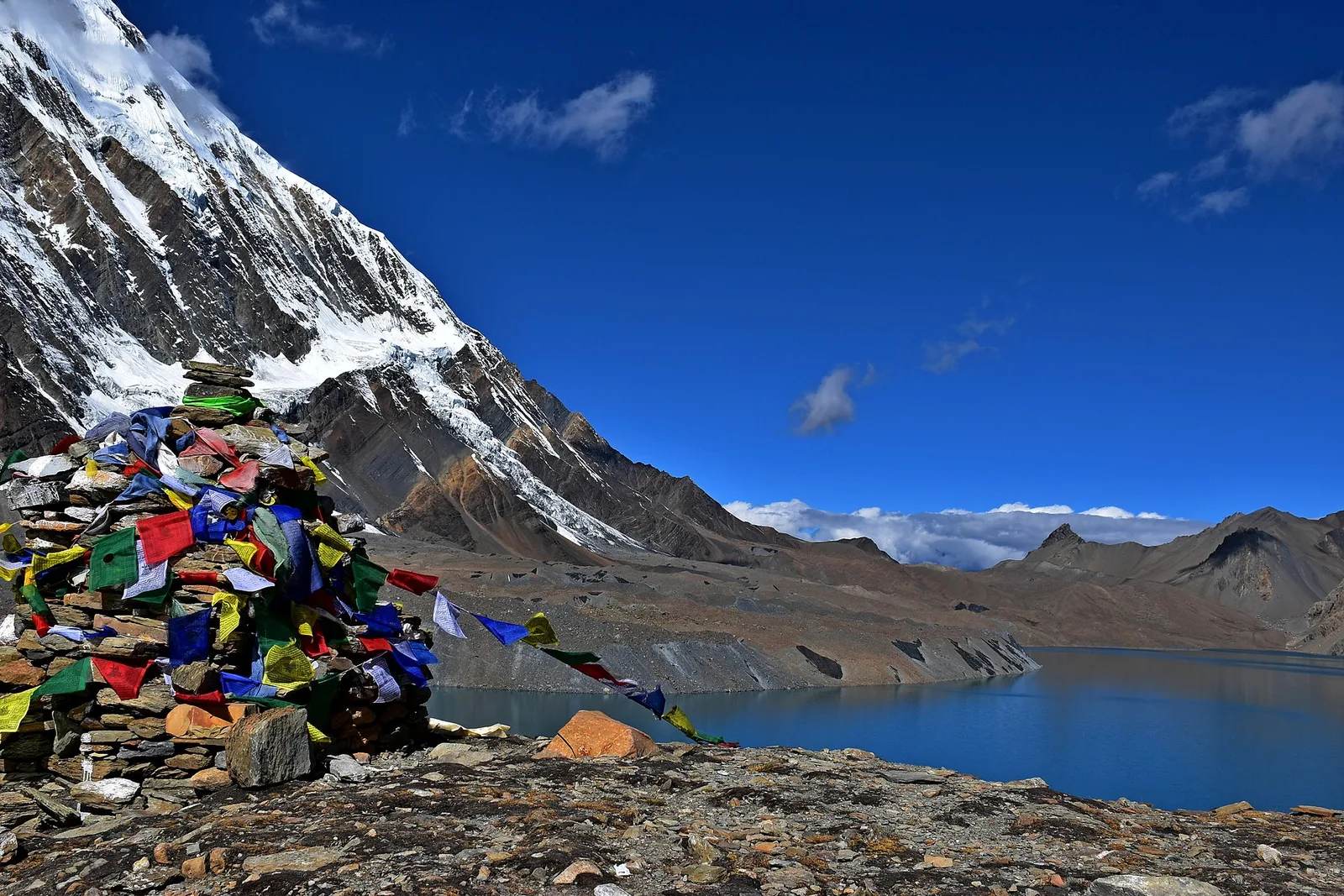
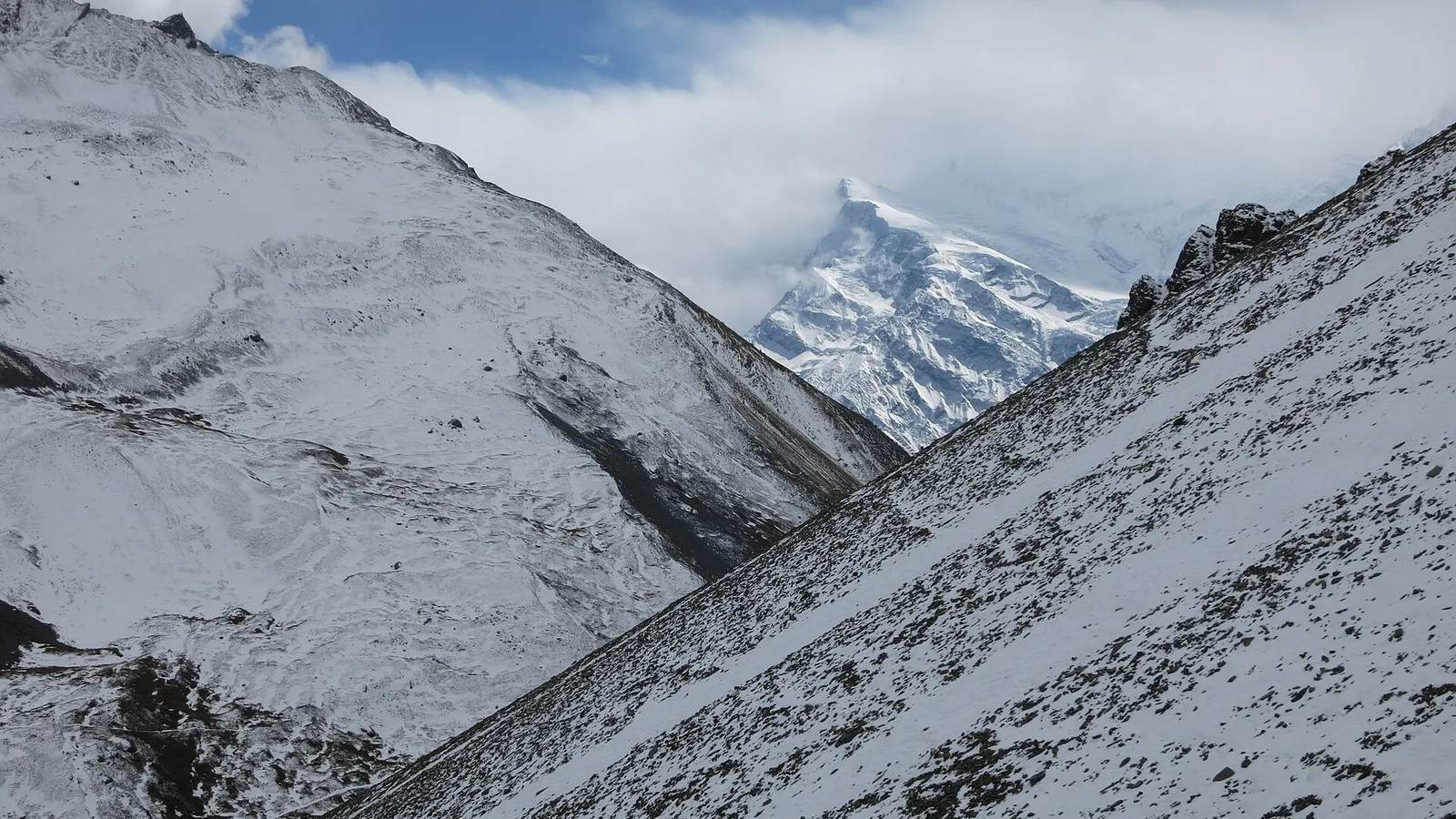
Thorong La is sold as the world's highest pass, but Everest has one 119 metres higher
At 5,416 metres it tops the Annapurna Circuit, yet Kongma La on the Everest Three Passes route stands 5,535 metres tall.

World Destinations
Why Japan has fewer tourists this year even as more Americans than ever go
Arrivals fell 9.6% in August while US visits ran at a record pace, up 6.1% for the year. One market explains almost the entire drop.
World Destinations
Which US national parks are actually the busiest, by the Park Service’s own count
323 million visits in 2025, down on the year before. The busiest place in the system is not a national park at all, and Zion now outdraws Yellowstone.