How cold does the Everest Base Camp trek actually get? Real night temperatures by altitude and month
The honest numbers: about −10°C to −15°C on a normal autumn or spring night at the highest camp, and below −20°C in mid-winter — plus exactly what to pack for it.
At a glance
- Published
- TopicTrail & Weather
- ReportingOriginal, by our guides in Pokhara
- Treks coveredEverest Base Camp Trek — 12 Days, Everest Base Camp Trek — 14 Days, Everest Base Camp Trek — 15 Days
The short answer
- On a normal autumn or spring night, the coldest camp — Gorak Shep (5,164m) — drops to roughly −10°C to −15°C.
- Down at Namche Bazaar (3,440m) those same nights are far milder: around −2°C to −6°C.
- In December and January the high camps can fall below −20°C after dark.
- Daytime, in sun and out of the wind, can feel almost warm — the cold is a night-and-shade problem, not an all-day one.
Everyone asks it before they book: how cold does the Everest Base Camp trek actually get? Here is the honest answer. On a typical night in the main trekking seasons you are looking at about −10°C to −15°C at the highest sleeping altitude, Gorak Shep (5,164m), and something far gentler — a couple of degrees either side of freezing — lower down at Namche Bazaar (3,440m). Trek in the depths of winter and the top camps can drop below −20°C. That is cold, but it is a predictable, packable cold, not a survival ordeal — as we cover on every Everest Base Camp trek we run.
Why the number changes so much
Two things drive the temperature on this trek: altitude and time of day. As a rule of thumb air cools by roughly 6.5°C for every 1,000m you climb, so the 1,700m between Namche and Gorak Shep is worth about 11°C on its own. The best hard data we have comes from the Nepal Climate Observatory–Pyramid, a scientific station at 5,079m near Lobuche — almost exactly the altitude of the top of the trek. Its long-run annual mean temperature is −3.0°C, and that average hides bitter, radiative-cooling nights once the sun drops behind the ridge.
The flip side is that daytime, in still air and direct sun, is often pleasant — you will trek in a base layer more days than you expect. The cold that catches people out is the shade: step behind a ridge or lose the sun at 3pm and the temperature falls off a cliff. Trek in the quiet winter season and that swing is at its most extreme.
| Camp (altitude) | Oct–Nov | Mar–May | Dec–Feb |
|---|---|---|---|
| Namche Bazaar (3,440m) | −2 to −6 | −2 to −6 | −8 to −15 |
| Dingboche (4,410m) | −6 to −12 | −5 to −10 | −15 to −20 |
| Gorak Shep (5,164m) | −10 to −15 | −8 to −14 | below −20 |
These are night-time lows in the shoulder of the day; midday in the sun is far warmer everywhere. October and November are the driest and clearest; March to May warms steadily; December through February is the cold, quiet, crystal-clear season for people who do not mind a proper freeze.
What to actually pack for it
The cold is beaten with layers and a serious sleeping bag, not brute-force down. Teahouse dining rooms are heated (usually by a yak-dung stove) in the evening, but bedrooms are not — the temperatures in the table above are effectively your bedroom temperature. A sleeping bag rated to at least −15°C (−20°C for winter), a good insulated jacket, a hat and gloves you can sleep in, and a hot-water bottle from the lodge kitchen are what get you through the night comfortably. Our full Everest Base Camp packing list breaks down exactly what earns its place in the bag.
What this means for you
Don’t let “−20°C” scare you off — it is a night-time, high-camp, mid-winter figure, and it is entirely manageable with a proper sleeping bag and layers. If you’d rather skip the hardest cold altogether, trek in October–November or April–May, when high-camp nights sit around −10°C to −15°C and the days are often shirt-sleeve warm in the sun.
Every Everest Base Camp trek we run gives you a specific sleeping-bag rating and layering list before you fly, and our guides carry the kit knowledge to keep you warm at Gorak Shep — 25+ years, 5,000+ treks, zero fatalities. Our classic 14-day itinerary starts at $1,850 per person for a solo trekker and drops to $1,500pp in a group of four to seven; the leaner 12-day version starts at $1,700 solo.
Sources: Nepal Climate Observatory–Pyramid annual mean temperature, Bonasoni et al., Atmospheric Chemistry & Physics (2010); Namche Bazaar climate normals, Weather Atlas; elevations per Wikipedia (Namche Bazaar, Gorak Shep). Night-low ranges are field figures consistent with these records.
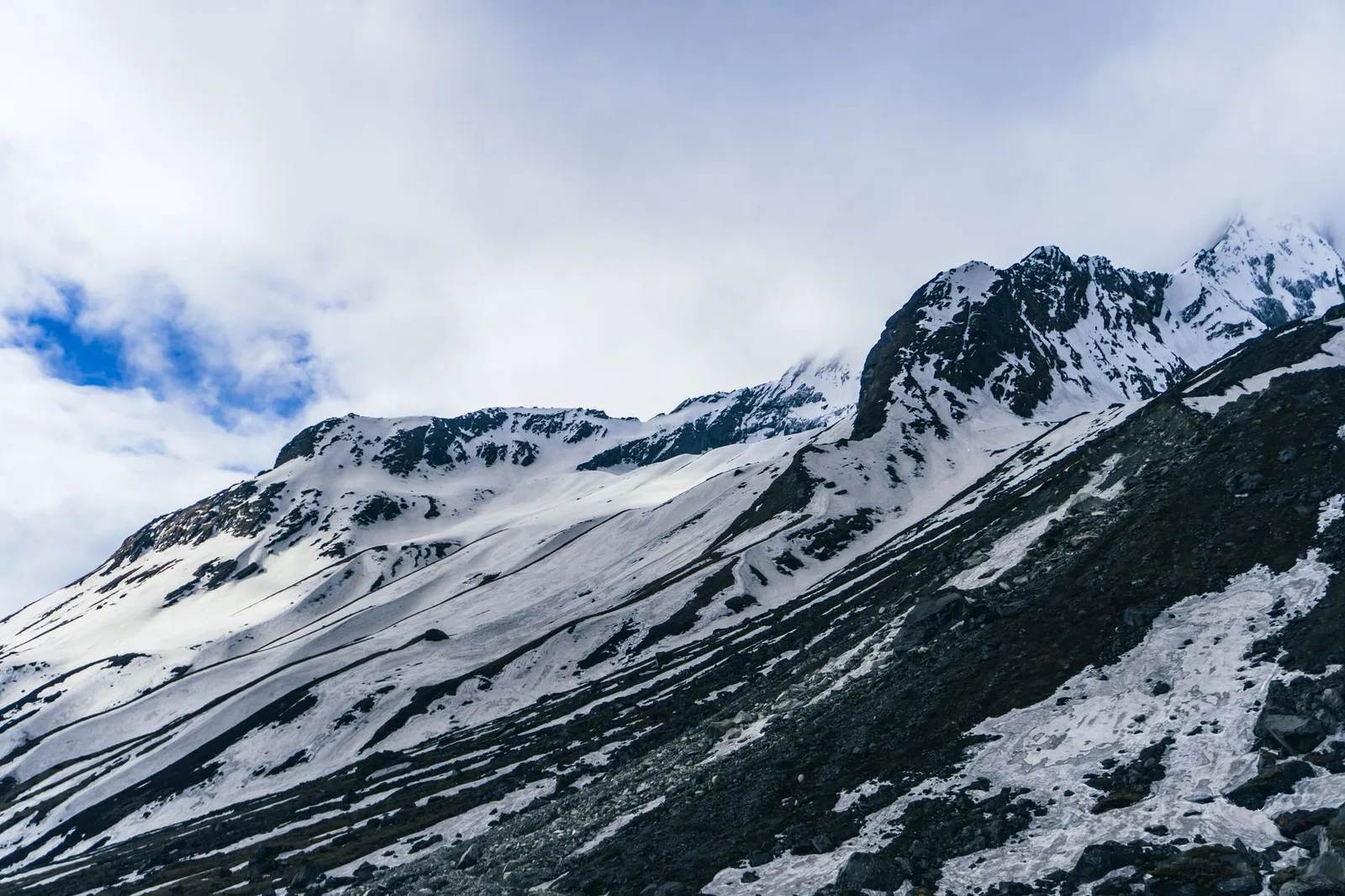
Cover photo: Abdul Kayum via Pexels (Pexels License).
As an Amazon Associate we earn from qualifying purchases, at no extra cost to you.
Still running this season
Everest Base Camp Trek — 12 Days is running normally
NMA-certified local guides, transparent pricing, 5,000+ treks since 1998. Message us your dates and we'll sort the permits, lodges and logistics — reply within 24 hours, no obligation.
Popular Nepal treks
All treks →
Related coverage
Safety & Advisories
Can a Beginner Do the Everest Base Camp Trek? The Honest Difficulty Answer (2026)
No mountaineering skills required — but altitude, not fitness, is what actually turns beginners back. Here is the real difficulty, by the numbers.
Trail & Weather
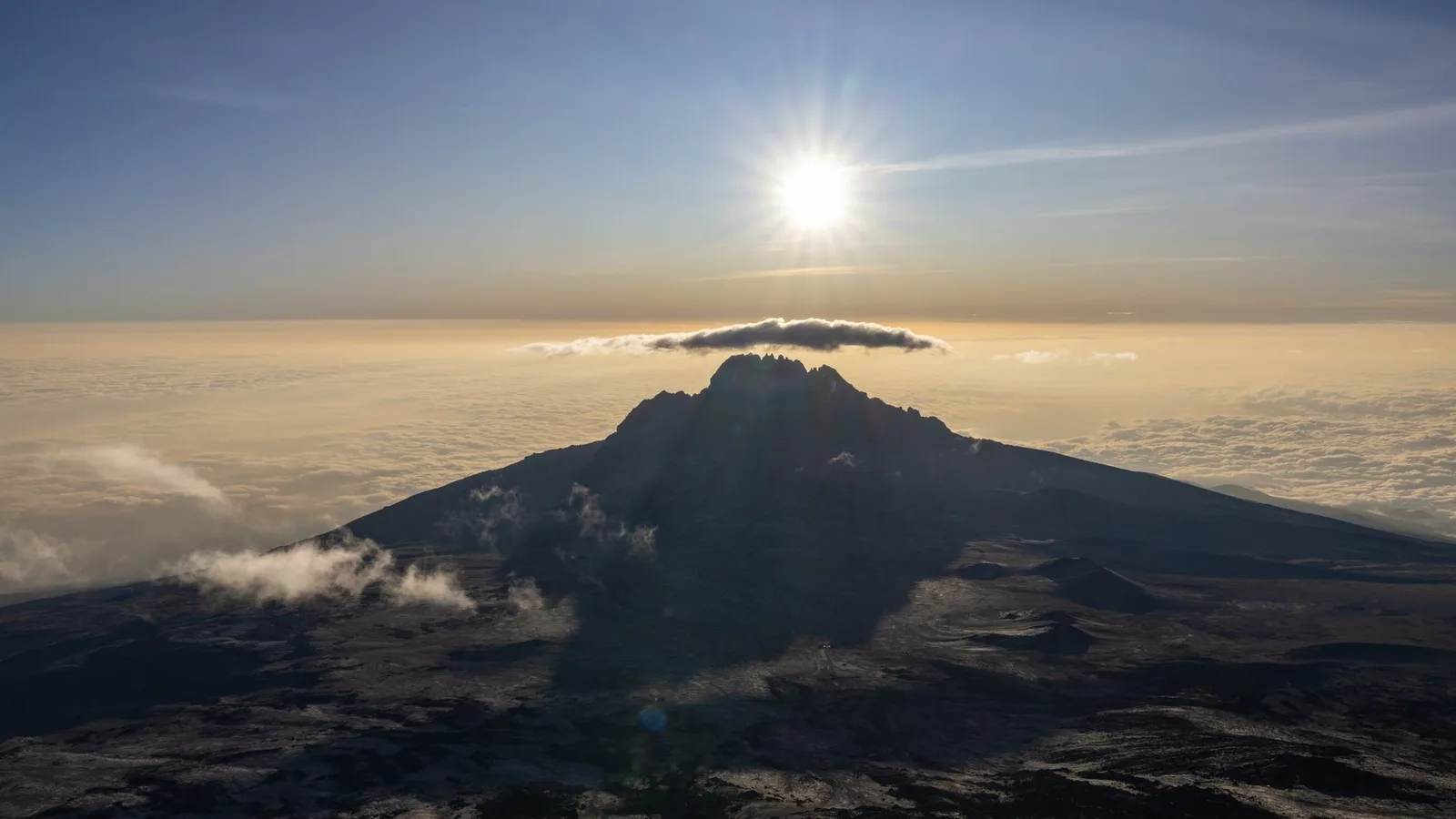
Everest Base Camp or Kilimanjaro: Which Trek Should You Actually Do in 2026?
One is a five-day sprint to 5,895 metres, the other a fourteen-day walk to 5,364 — the honest trade-off between them comes down to acclimatization, not fitness.
Trail & Weather
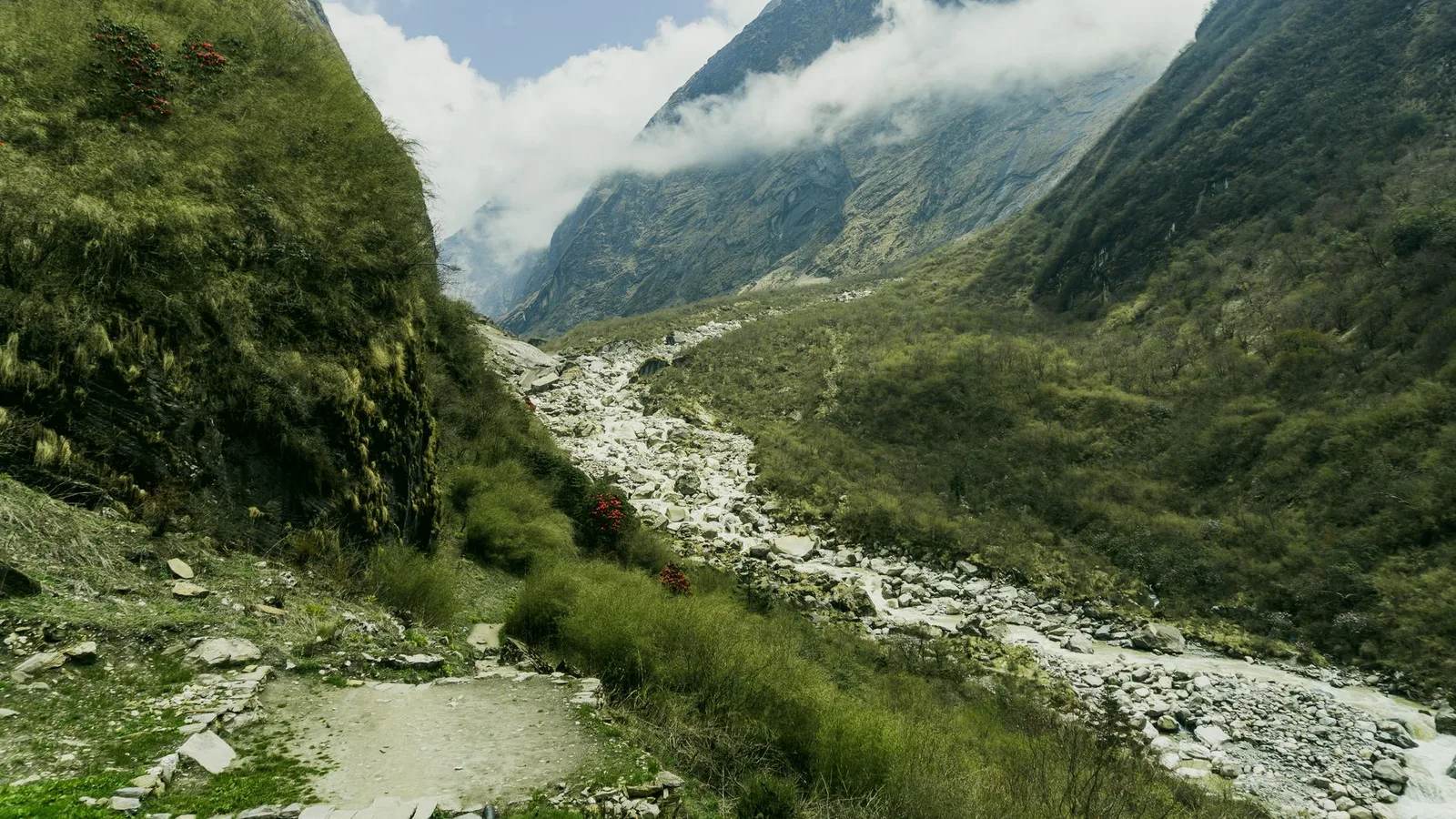
Spring or Autumn? The Data-Backed Answer to When You Should Trek Nepal in 2026
Real temperature, rainfall and crowding numbers for the Everest and Annapurna regions — not opinion — settle which season actually suits your trek.
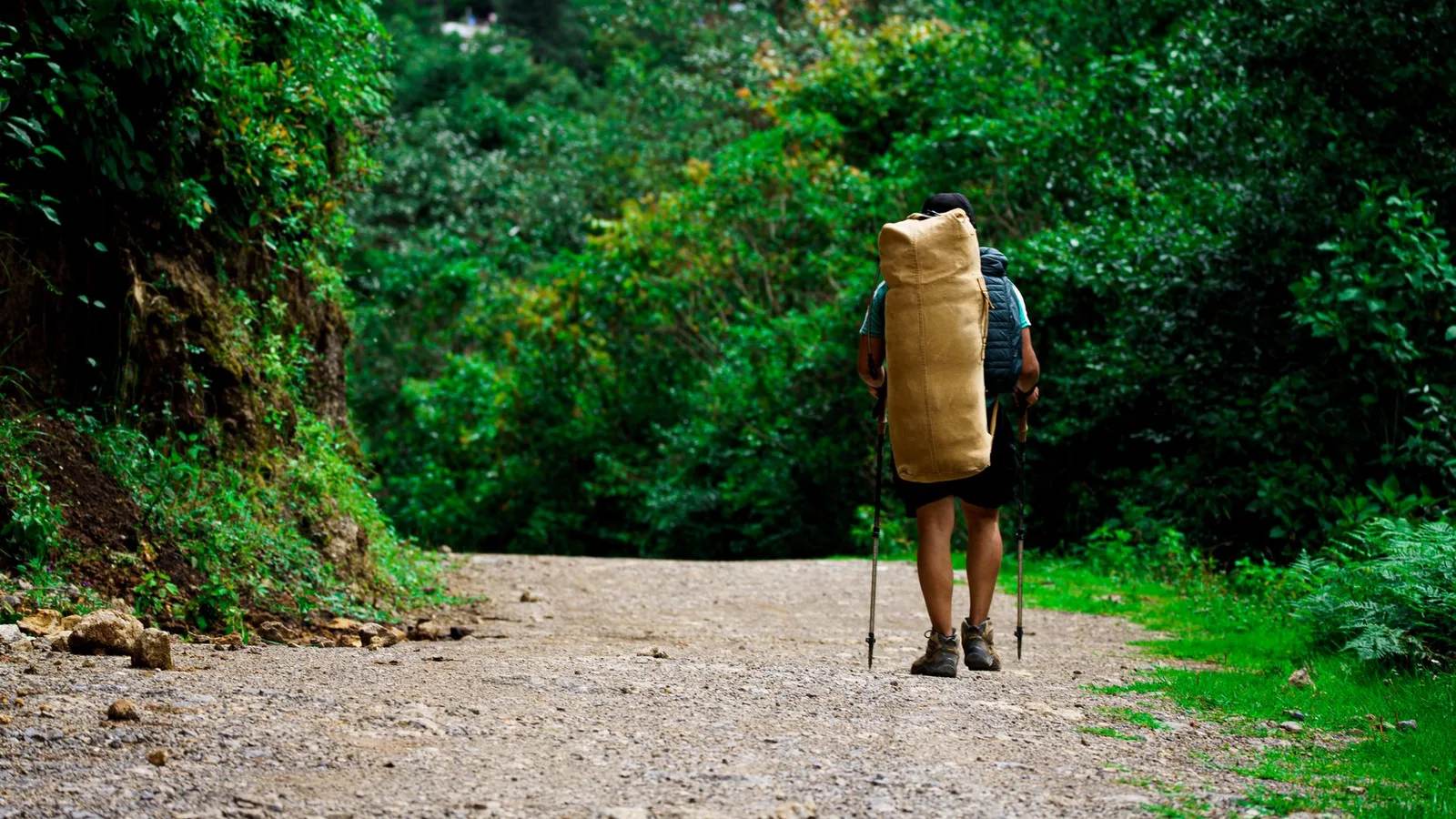
Safety & Advisories
Can You Trek to Everest Base Camp at 82? What the Record and the Research Actually Say
There is no legal or medical age cutoff on the trail to Everest Base Camp, and the current record holder just proved it at 82.
Latest from the desk
Industry & Tourism
Everyone Says Island Peak Costs More Than Mera Peak in 2026 — the NMA Fee Says They're Identical
Nepal's two most-climbed trekking peaks carry the exact same government permit fee this year, so the real decision between Mera Peak and Island Peak comes down to technical grade, not price.
Breaking Permits & Rules
Nepal Just Proposed a Way for Tourists to Travel Without Ever Carrying a Passport
A new Department of Immigration plan would let visitors register once on a mobile app and skip the physical passport for domestic flights, money changers and trekking agencies — but for now, the paper one still needs to stay in your daypack.
Breaking Trail & Weather
Manaslu's Trekking Trail Washed Out This September, So Climbers Are Flying to Base Camp Instead
A flash flood destroyed two bridges on the Manaslu Circuit in early September 2026, and outfitters are now helicoptering climbing teams past the damage while trekkers wait for repairs.