
Everyone Says Island Peak Costs More Than Mera Peak in 2026 — the NMA Fee Says They're Identical
Nepal's two most-climbed trekking peaks carry the exact same government permit fee this year, so the real decision between Mera Peak and Island Peak comes down to technical grade, not price.
At a glance
- Published
- TopicIndustry & Tourism
- Verified againstThe Everest Holiday
- Treks coveredIsland Peak Climbing — 18 Days, Mera Peak Climbing — 15 Days, Island Peak Climbing — 14 Days
If you are choosing between Mera Peak and Island Peak as your first climb above 6,000 metres, start with the number everyone gets wrong. Several trekking-company blogs claim one peak's Nepal Mountaineering Association permit costs more than the other's. It does not. For 2026, both Mera Peak (6,476m) and Island Peak (6,189m) sit in the NMA's identical standard fee band: USD 350 in spring, and USD 175 in autumn, winter and summer. If a quote you have received prices the permits differently, that is a markup, not a government fee.
Once you take price off the table, the decision comes down to what your body and your nerves can actually handle, and that is where the two peaks genuinely diverge.
Key facts
- Mera Peak: 6,476m, Nepal's highest trekking peak, alpine grade PD-/WS- (non-technical glacier walk)
- Island Peak (Imja Tse): 6,189m, alpine grade PD+, with a fixed-rope headwall to roughly 50 degrees
- NMA permit fee is identical for both: $350 spring, $175 autumn/winter/summer
- Mera's summit day is altitude and stamina; Island Peak's is a technical headwall on crampons and jumar
- Island Peak is the standard practice climb for Everest and 8,000m aspirants
| Factor | Mera Peak | Island Peak |
|---|---|---|
| Height | 6,476m | 6,189m |
| Alpine grade | PD- / WS- | PD+ |
| NMA permit, spring | $350 | $350 |
| NMA permit, autumn | $175 | $175 |
| Fixed-rope climbing | Minimal | Yes, to ~50° |
| Main challenge | Altitude, cold | Technical headwall |
Mera's difficulty is almost entirely altitude. The route is a long, non-technical snow slog, and the biggest thing standing between you and the summit is how well you acclimatise over the approach through the Hinku valley, not your rope skills. Guides put you in crampons and clip you to a fixed line for safety near the top, but there is no real climbing move on the standard route. That makes it the honest choice for someone with solid trekking fitness, no prior mountaineering, and no interest in learning to use an ice axe on a steep face.
Island Peak asks for more nerve. The final few hundred metres climb a genuinely steep, exposed headwall on fixed rope, using a jumar and front-pointing in crampons, with real consequences if you are not comfortable on your feet in that position. It is lower than Mera in absolute altitude, but harder in the way that actually matters on summit morning. This is precisely why guiding companies use it to test Everest and other 8,000m hopefuls: the headwall is a reasonable stand-in for the exposure and rope discipline those bigger mountains demand.
What this means for climbers
What this means for you
Do not let a permit-price comparison decide this for you, because there isn't one. Decide instead on what scares you more: hours of cold, thin air with no technical relief, or one exposed rope pitch that is over in under an hour. If you have never worn crampons in anger, Mera is the fairer introduction. If you already trek at altitude comfortably and want a real taste of roped climbing before committing to an 8,000er, Island Peak is the better rehearsal, and it is why so many Everest-bound climbers do it first.
Both peaks are climbed from the Everest region on a similar overall timeframe, so the practical trade-off is smaller than the marketing suggests. We run Mera Peak Climbing (15 days) for climbers who want altitude without technical risk, and Island Peak Climbing (18 days) for those training toward a bigger mountain. Whichever you choose, book both permit and guide through a licensed agency; the NMA fee is fixed, but a good guide is the actual variable that decides whether your summit morning goes well.
Sources: The Everest Holiday, Nepal Peak Climbing Permit Fees 2026 — NMA Rates (theeverestholiday.com/blog/nepal-peak-climbing-permit-fees-2026-nma-rates); Wikipedia, Island Peak and Mera Peak; Himalayan Adventure Treks, Island Peak climbing route notes.
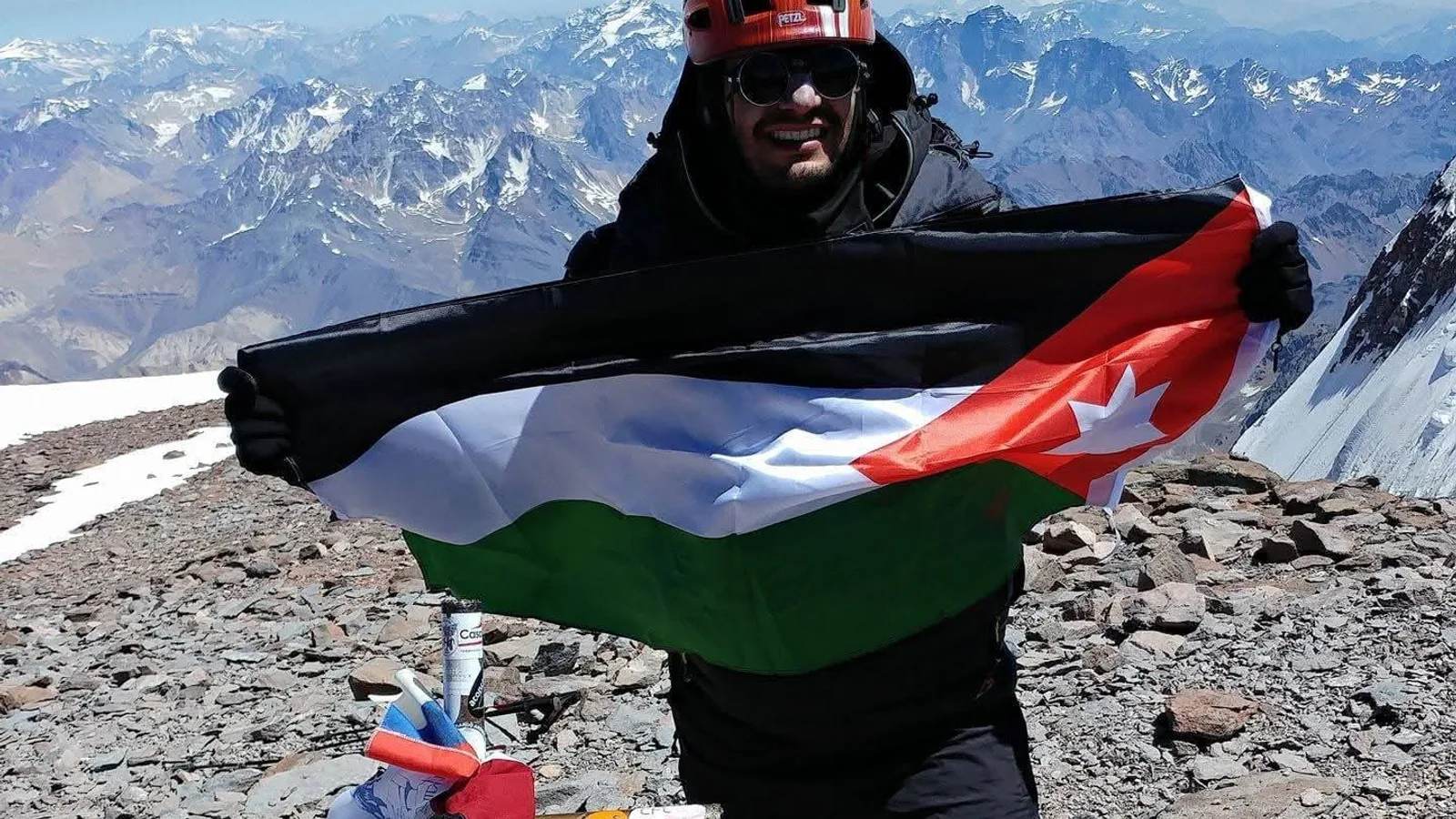
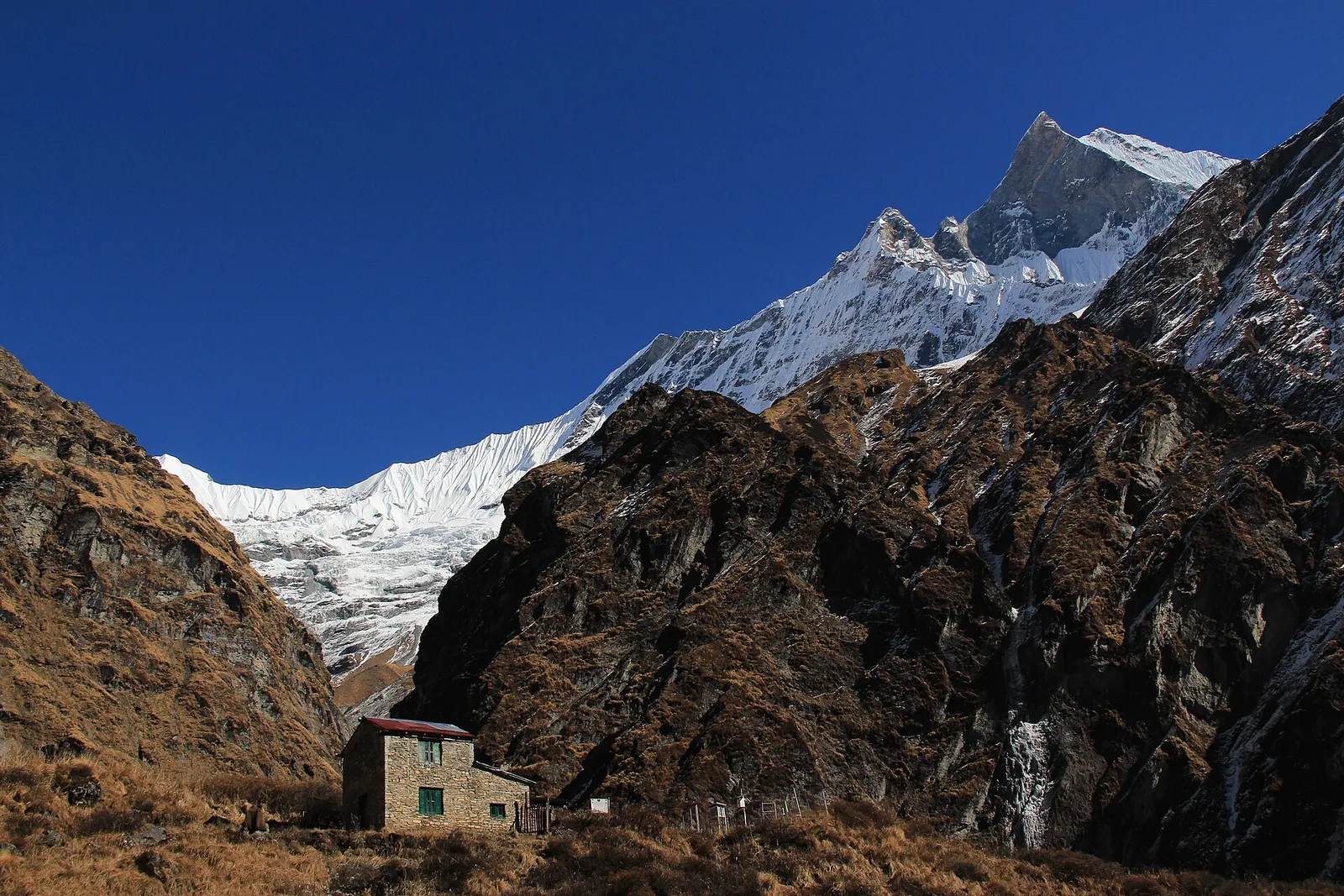
Cover photo: MustafaAldahabi via Wikimedia Commons (CC BY-SA 4.0).
Still running this season
Island Peak Climbing — 18 Days is running normally
NMA-certified local guides, transparent pricing, 5,000+ treks since 1998. Message us your dates and we'll sort the permits, lodges and logistics — reply within 24 hours, no obligation.
Popular Nepal treks
All treks →
Related coverage
Safety & Advisories
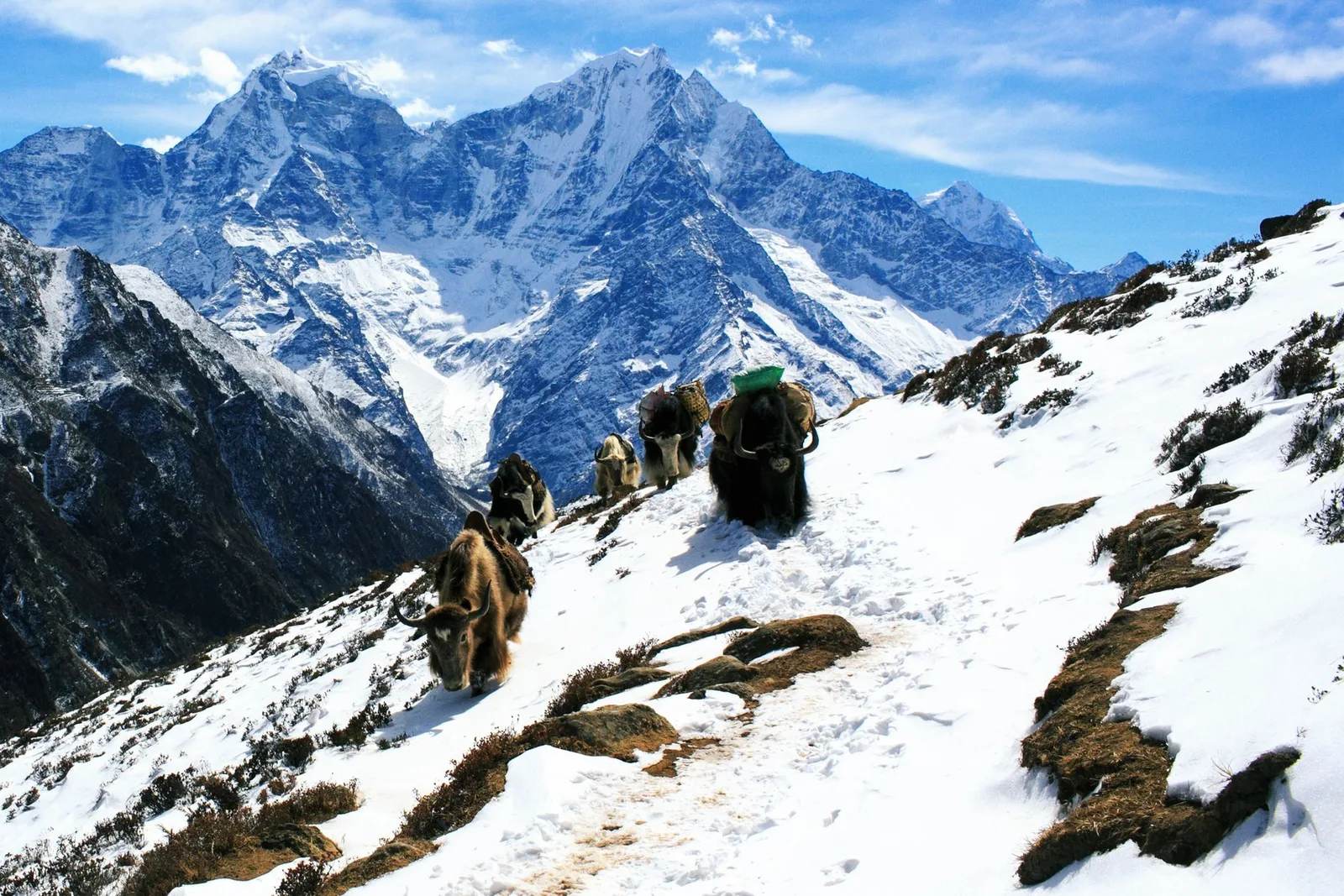
Is the Mera Peak Climb Affected by the 2026 Nepal Floods?
No — Mera Peak is in the Hinku valley of the Everest region and the climb is running normally. The 26 August flood hit Rasuwa in the north. What decides your summit is Lukla flights, acclimatisation, the weather window and your NMA permit — not the flood.
Safety & Advisories
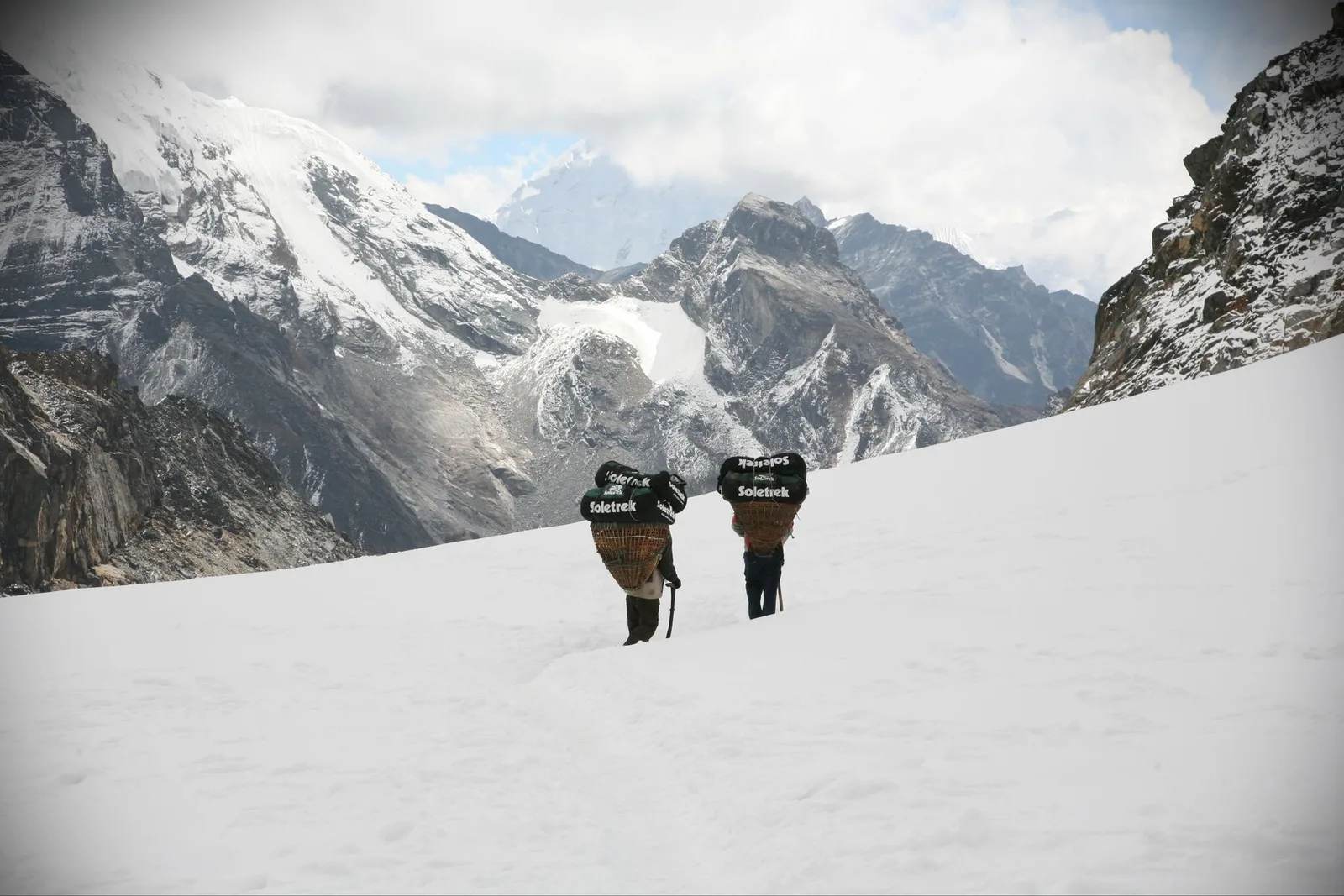
Is the Island Peak Climb Affected by the 2026 Nepal Floods?
No — Island Peak (Imja Tse) is in the Khumbu, Everest region, and the climb is running normally. The 26 August flood hit Rasuwa in the north. What decides your summit is Lukla flights, acclimatisation, the weather window and your NMA permit — not the flood.
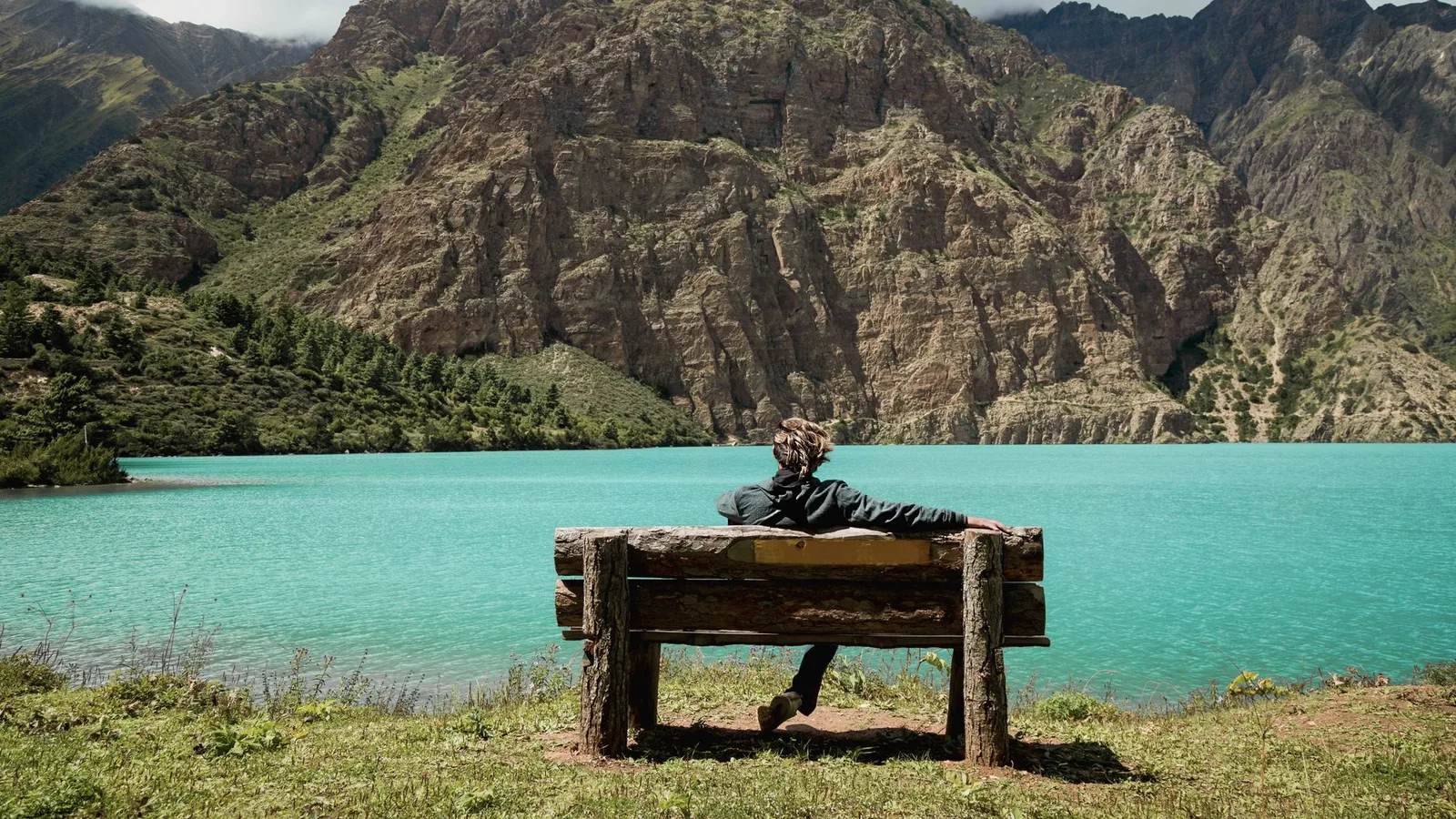
Records & People
Everyone Calls This Nepal's Deepest Lake. A Government Survey Says It Isn't.
Phoksundo's turquoise water and no-fishing custom are real, but Nepal's own hydrology surveys put the actual depth record on a different lake entirely.
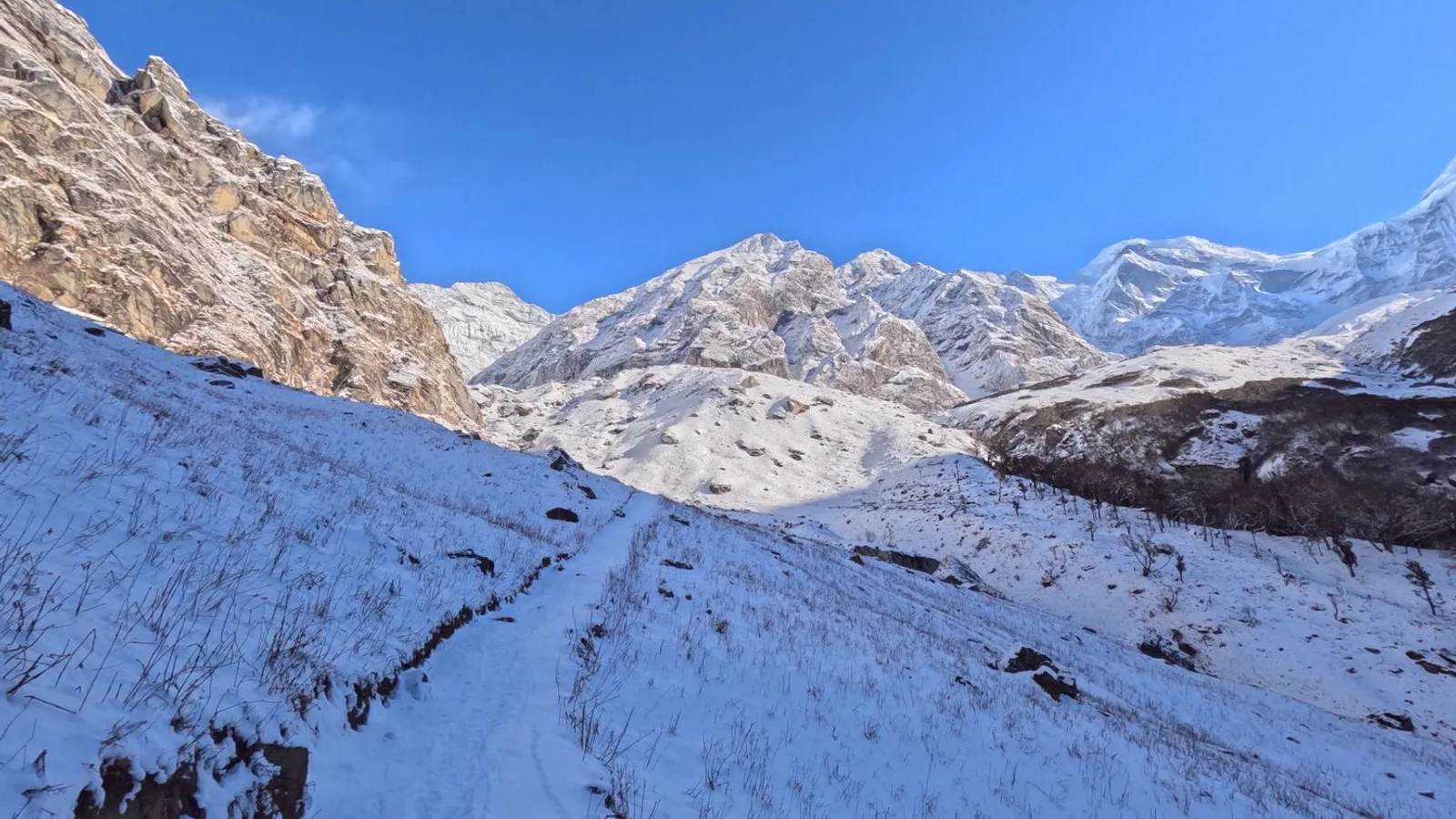
Permits & Rules
Nepal Trekking Costs by Route in 2026: What EBC, Poon Hill and Manaslu Actually Cost
Permits alone run from $38 to over $200 depending which trail you pick — a real, route-by-route budget breakdown, not one average number for the whole country.
Latest from the desk
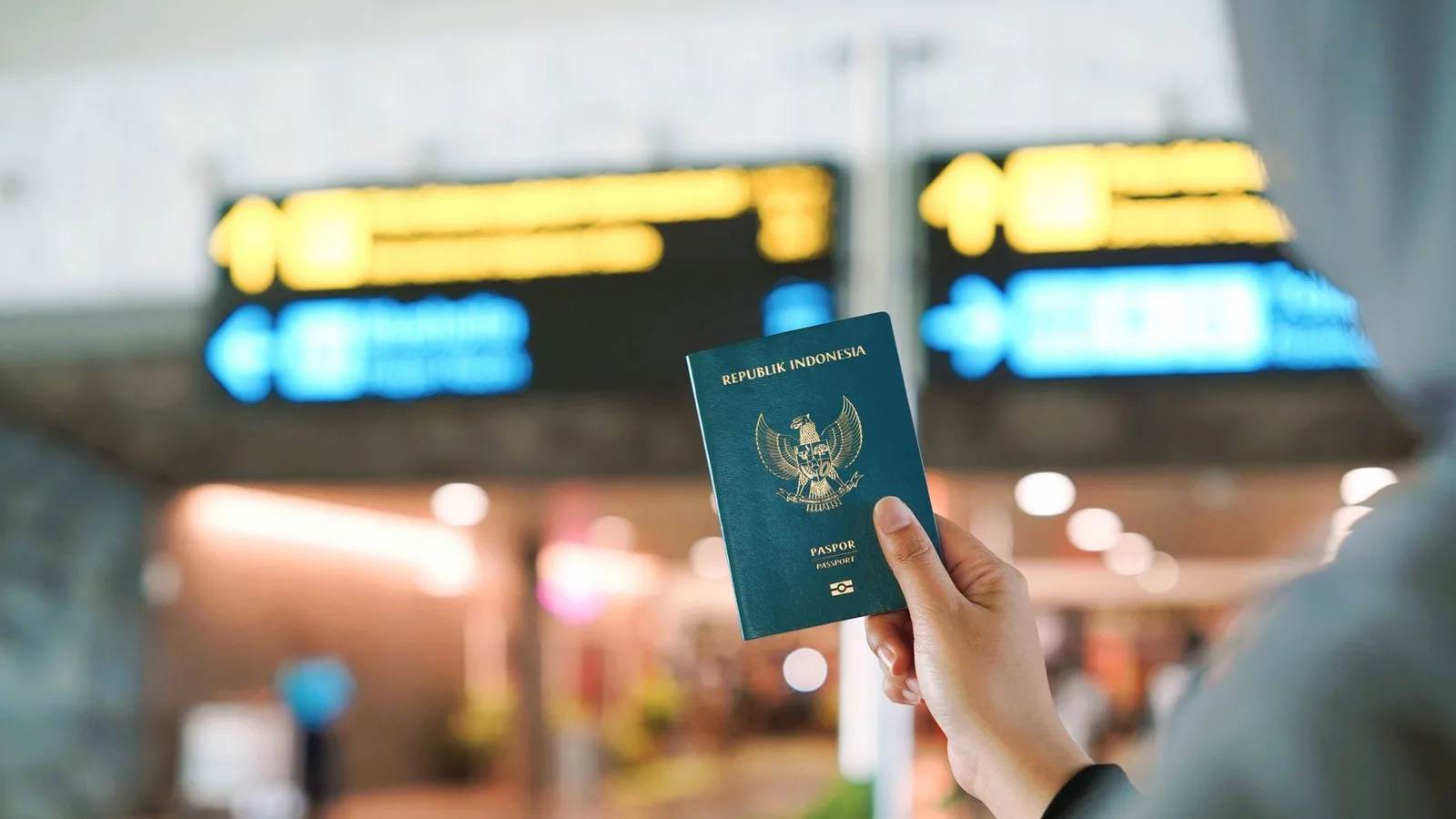
Breaking Permits & Rules
Nepal Just Proposed a Way for Tourists to Travel Without Ever Carrying a Passport
A new Department of Immigration plan would let visitors register once on a mobile app and skip the physical passport for domestic flights, money changers and trekking agencies — but for now, the paper one still needs to stay in your daypack.
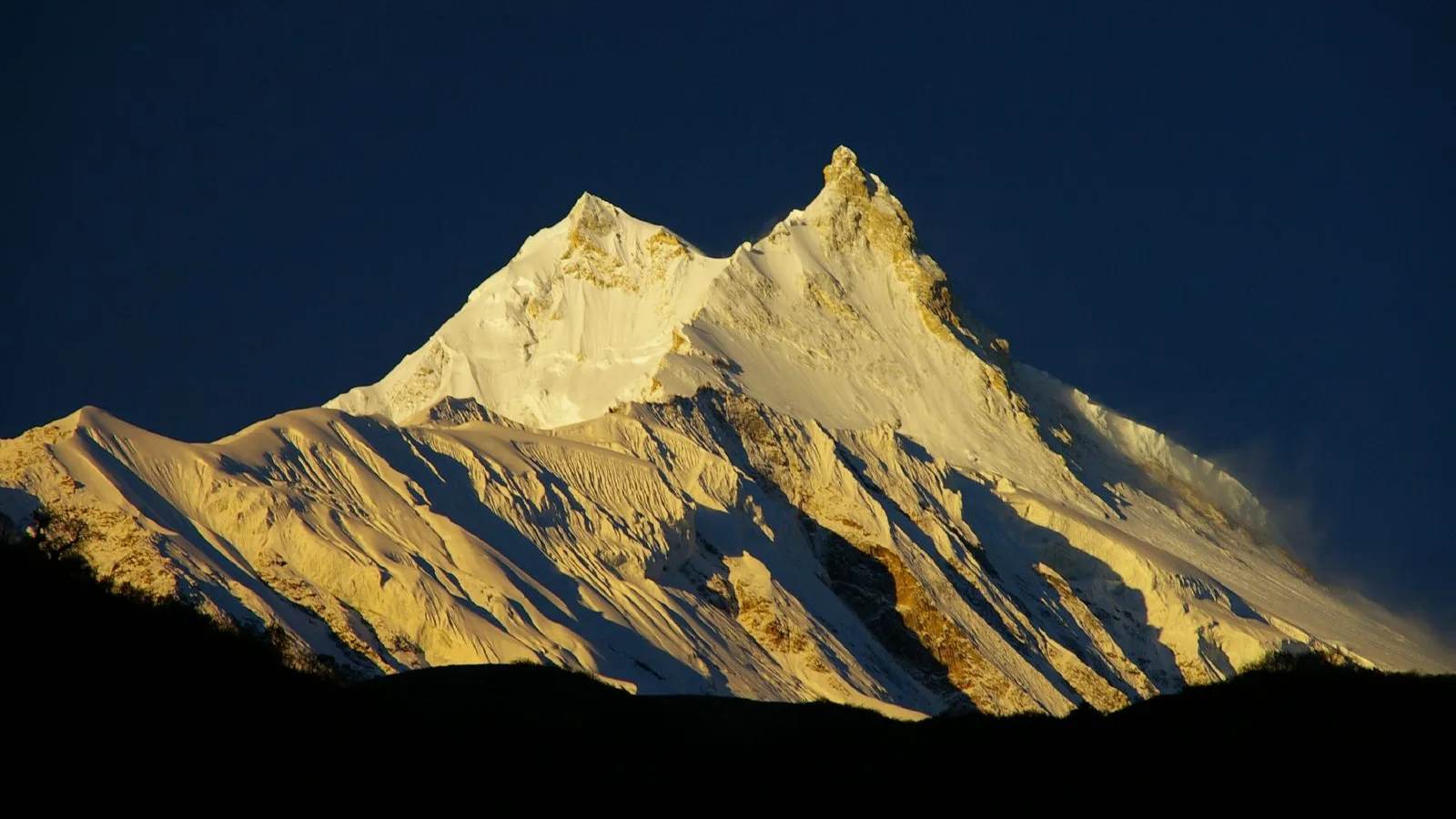
Breaking Trail & Weather
Manaslu's Trekking Trail Washed Out This September, So Climbers Are Flying to Base Camp Instead
A flash flood destroyed two bridges on the Manaslu Circuit in early September 2026, and outfitters are now helicoptering climbing teams past the damage while trekkers wait for repairs.
Breaking Safety & Advisories
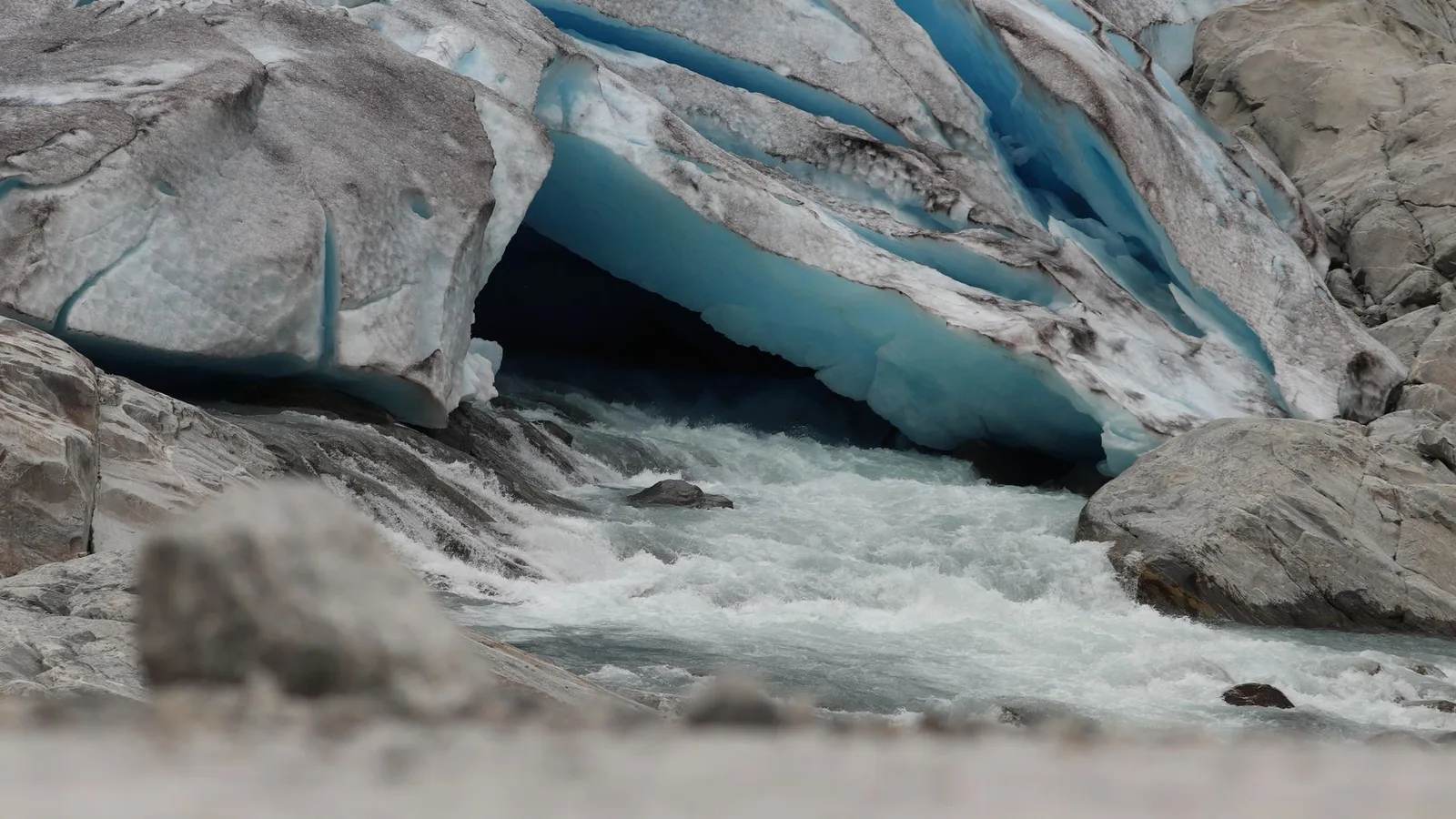
Nearly 2 Billion People Depend on Himalayan Meltwater, and a New Report Says It's About to Peak
A September 2026 study of the Hindu Kush Himalaya's roughly 40,000 glaciers, only 21 of which are monitored on the ground, warns the rivers trekkers cross every day are approaching the point where they stop rising and start shrinking for good.