
Everyone Calls This Nepal's Deepest Lake. A Government Survey Says It Isn't.
Phoksundo's turquoise water and no-fishing custom are real, but Nepal's own hydrology surveys put the actual depth record on a different lake entirely.
At a glance
- Published
- TopicRecords & People
- Verified againstWikipedia (Dept. of Hydrology and Meteorology survey data)
- Treks coveredLower Dolpo Trek, Rara Lake Trek — 12 Days, Upper Dolpo Trek — 22 Days
Open almost any guidebook to Nepal's far west and you'll read the same line: Phoksundo, the impossibly turquoise lake inside Shey Phoksundo National Park, is Nepal's deepest lake. It gets repeated on trekking sites, in blog posts, in park brochures. It isn't true — and Nepal's own government has the numbers to prove it.
Key facts
- Phoksundo Lake sits at 3,611m in Shey Phoksundo National Park, Dolpa district
- A 2004 survey by Nepal's Department of Hydrology and Meteorology (DHM) measured its depth at 145m
- A more detailed 2019 DHM bathymetric resurvey found only 136.2m
- Rara Lake, in Mugu district, has a measured maximum depth of 167m — deeper under both Phoksundo surveys
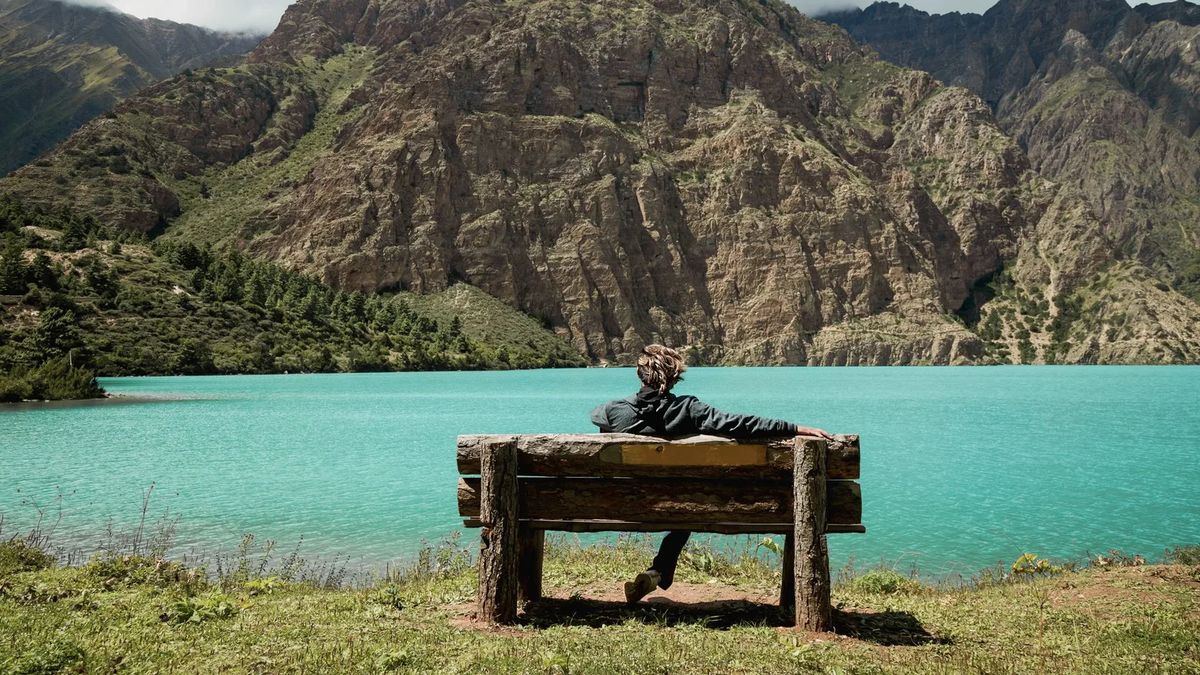
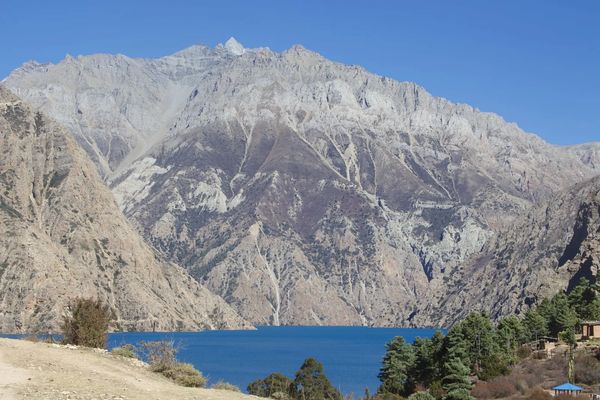
The mix-up is easy to understand once you've seen both lakes. Phoksundo is the one everyone photographs: a sheet of glass-clear turquoise pinned between cliffs at 3,611m, inside Nepal's largest and only trans-Himalayan national park. The colour comes from glacial flour — fine rock powder ground out by ice upstream and suspended in the water — and it peaks in autumn, once the monsoon melt has pushed the mineral concentration to its most intense and the water itself has gone still. A lake that looks that bottomless gets called the deepest one almost by instinct.
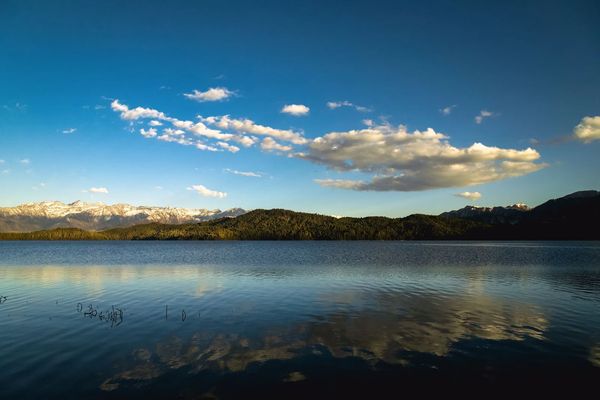
Rara, 3,611m becomes 2,990m and turquoise becomes a deep alpine blue, doesn't photograph with quite the same shock value, even though it wins on paper twice over. It holds Nepal's actual depth record at 167m, and it is also Nepal's largest lake by surface area — its own separate superlative, and the one it's usually credited for.
| Lake | Max depth | Elevation | District |
|---|---|---|---|
| Rara Lake | 167m | 2,990m | Mugu |
| Phoksundo Lake | 136–145m | 3,611m | Dolpa |
None of this makes Phoksundo less remarkable. Local Buddhist and Bon communities treat it as sacred ground, and guides who work the region consistently report the same detail: no one fishes the lake, and hasn't for generations — a custom held by belief, not by any park regulation. More than twenty stupas and a monastery ring its shores, and the water's colour genuinely does shift week to week as glacial flour settles and stirs, which is part of why the deepest-lake claim has proven so sticky. A lake behaving that strangely feels like it should hold a record.
What this means for trekkers
What this means for you
Both lakes sit in Nepal's remote far west, days from a road, and that is the actual draw. Phoksundo is reached on the Lower Dolpo trek or the longer, restricted-area Upper Dolpo trek, walking in through Shey Phoksundo National Park itself. Rara sits on its own route, the Rara Lake trek, through a national park with far fewer visitors than Everest or Annapurna see in a single week. Neither trail requires you to care which lake is technically deeper — but if a guide tells you Phoksundo holds the record, you'll now know why they're wrong, and why almost everyone else is too.
Sources: Wikipedia, citing Nepal's Department of Hydrology and Meteorology bathymetric surveys of Phoksundo Lake (2004, 2019); Wikipedia entries for Rara Lake and Shey Phoksundo National Park.
Cover photo: Ashok J Kshetri via Pexels (Pexels License).
Still running this season
Lower Dolpo Trek is running normally
NMA-certified local guides, transparent pricing, 5,000+ treks since 1998. Message us your dates and we'll sort the permits, lodges and logistics — reply within 24 hours, no obligation.
Popular Nepal treks
All treks →
Related coverage
Safety & Advisories
Is the Dolpo & Phoksundo Trek Affected by the 2026 Nepal Floods?
No — Dolpo and Shey Phoksundo sit in Nepal's remote far-western Karnali rain-shadow, hundreds of kilometres from the flood zone, and completely unaffected. Here's why — and the real planning points: the Juphal flight, restricted-area permits and a licensed guide.
Records & People
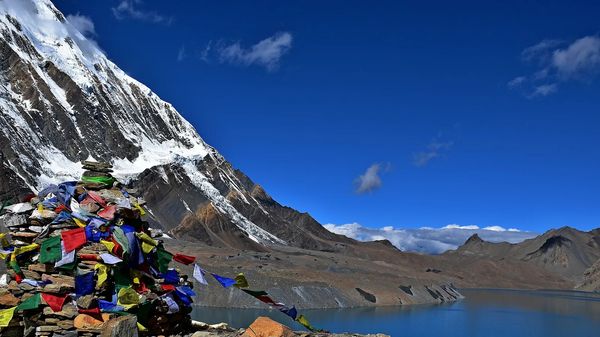
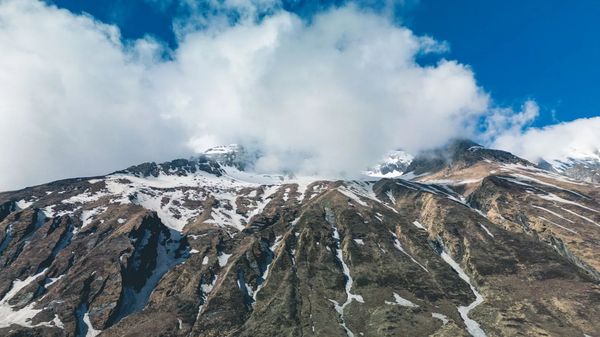
Tilicho Lake Is Called 'The World's Highest Lake.' It Isn't Even Nepal's Highest Anymore
Every trekking brochure calls Tilicho the world's highest lake. At 4,919m it's spectacular — but a Nepali lake discovered in 2019 already beats it, and the real global record sits over 1,400m higher, inside a volcano.
Industry & Tourism
Yarsagumba, the Himalayan Fungus Worth More Than Gold, Is Running Out in Nepal (2026)
Nepal's Rs 2.7-million-a-kilogram caterpillar fungus season just closed in Dolpa, and four collectors didn't come back down.
Safety & Advisories
Is the Rara Lake Trek Affected by the 2026 Nepal Floods?
No — Rara Lake is in Mugu, in Nepal's far-western Karnali basin, hundreds of kilometres from the flood-hit Rasuwa corridor, and completely unaffected. Here's why — and the one real thing to plan for: the weather-dependent flight to Talcha.
Latest from the desk
Flights & Access
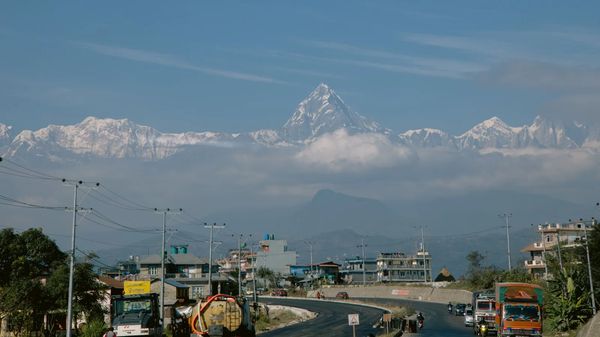
Pokhara Just Got Its First Real International Flight, Three Years After the Airport Opened
flydubai starts daily Dubai–Pokhara flights on 23 September 2026, the first scheduled international airline to serve Nepal's trekking capital since its $216 million airport opened in 2023.
Festivals & Events
Dashain 2027 tika is Saturday 9 October, twelve days earlier than this year
Dashain 2027 runs 30 September to 14 October, tika on Saturday the 9th. Bhai Tika is 31 October. Why the early date matters for an autumn trek.
World Destinations
The World’s Best National Parks to Visit in 2026: A Continent-Hopping Bucket List
From Torres del Paine to the Serengeti to Nepal’s own Everest and Chitwan — nine UNESCO-grade parks worth planning a whole trip around, and the season each is best.