
Yarsagumba, the Himalayan Fungus Worth More Than Gold, Is Running Out in Nepal (2026)
Nepal's Rs 2.7-million-a-kilogram caterpillar fungus season just closed in Dolpa, and four collectors didn't come back down.
At a glance
- Published
- TopicIndustry & Tourism
- Verified againstThe Kathmandu Post
- Treks coveredLower Dolpo Trek, Rara Lake Trek — 12 Days, Upper Dolpo Trek — 22 Days
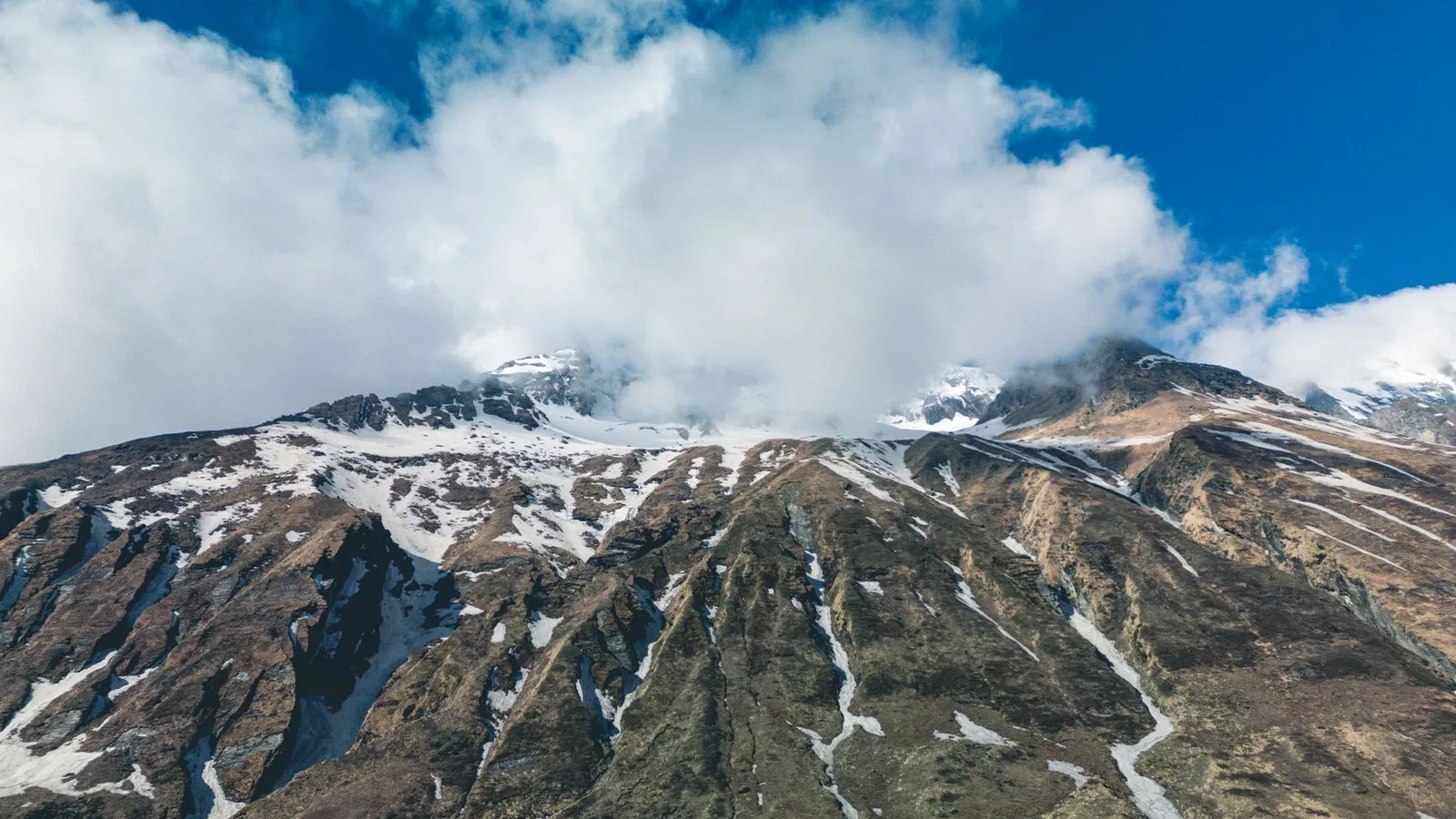
High in Nepal's Karnali region, above 3,500 metres, there's a harvest that pays better than almost anything else a rural family can do, and it isn't a crop. It's a fungus that eats a moth from the inside out, and for six weeks every spring, whole villages in Dolpa and Mugu close their schools and climb into the alpine meadows to dig it up by hand.
It's called yarsagumba, or Ophiocordyceps sinensis, and the way it grows is genuinely strange: a fungal spore infects a ghost-moth caterpillar burrowed in the soil, kills it, mummifies it, and then sends a single dark stalk up through the caterpillar's head to break the surface. Harvesters spend all day on their hands and knees scanning short grass for that one thin stalk. Dried, it looks like a shrivelled twig with a caterpillar's body still attached. In Chinese and Tibetan traditional medicine it has been prized for centuries as a tonic, and its reputation as an aphrodisiac earned it the nickname "Himalayan Viagra."
Key facts
- Grows only in alpine meadows between roughly 3,500 and 5,000 metres
- Dolpa's 2026 collection opened 24 May for one month, entry permits Rs 500–3,000
- Sold locally for around Rs 2.7 million (about $19,600) per kilogram in late 2025, up from Rs 2.4 million a year earlier
- Roughly 70% of usual collectors stayed away from the 2026 season as yields kept shrinking
- At least 4 collectors died of altitude sickness in Dolpa and Mugu during the 2026 harvest; nearly 50 more needed rescue
A season that keeps getting harder, not easier
For many families in Dolpa, Mugu and neighbouring districts, this single harvest supplies more than half of their entire year's cash income, more than farming, more than day labour, more than anything else available at that altitude. That is exactly why entire communities still make the climb even as the fungus itself becomes harder to find: overharvesting and a warming climate have been thinning out the alpine meadows where it grows, and the Kathmandu Post reported in July 2026 that around 70 percent of the usual collectors didn't bother going up at all this year, judging the poor yields not worth the risk.
The risk is real. Nepal's Karnali Province police recorded four deaths from altitude sickness during the 2026 season, two collectors in Dolpa and two in Mugu, including 34-year-old Bhim Bahadur Bohara of Jumla, who died descending from Jagadulla pasture. Close to 50 others were rescued suffering from altitude-related illness. Camps sit at heights where AMS risk is already serious for acclimatised trekkers moving slowly with guides, let alone for families sprinting up from village elevation to dig for a month straight.
Prices keep climbing even as harvests shrink, because scarcity in international markets, chiefly China, keeps demand well ahead of supply; some top-grade pieces reportedly fetch tens of thousands of dollars per kilogram once they leave Nepal. That gap, a fungus worth more per gram than gold in Beijing but harvested by families earning a few hundred dollars for a season's climbing, is the whole story of who actually profits from it.
What this means for trekkers
What this means for you
If your Nepal trip runs through Dolpa or the Karnali region, and it does on our Upper Dolpo trek and Lower Dolpo trek, you're walking through the same high pastures this harvest depends on. May and June camps you might otherwise pass through empty can be full of tents and families instead; villages you'd expect to find quiet may have their schools closed for the season. It's worth asking your guide what the harvest looked like that year before you assume a lodge or porter will be available on the usual schedule, since a bad yarsagumba year can push families toward trekking-season work instead, and a good one can pull the opposite way.
It's also a reminder of how thin the margin is for the villages a trek like this passes through. Yarsagumba income is what buys school fees and rice through winter in some of Nepal's most remote districts, and it's declining at the same time the risk of collecting it is rising. Tourism income from trekking is one of the few things that doesn't depend on a fungus deciding to fruit in a good year.
Sources: The Kathmandu Post, "The Himalayas are running out of their prized harvest" (13 July 2026) and "Yarsagumba collection to open in Dolpa from May 24 for one month" (6 May 2026); Kathmandu Post, "Yarsagumba collectors face mounting dangers and dwindling income."
Cover photo: Abdul Kayum via Pexels (Pexels License).
Still running this season
Lower Dolpo Trek is running normally
NMA-certified local guides, transparent pricing, 5,000+ treks since 1998. Message us your dates and we'll sort the permits, lodges and logistics — reply within 24 hours, no obligation.


Popular Nepal treks
All treks →


Related coverage
Safety & Advisories
Is the Dolpo & Phoksundo Trek Affected by the 2026 Nepal Floods?
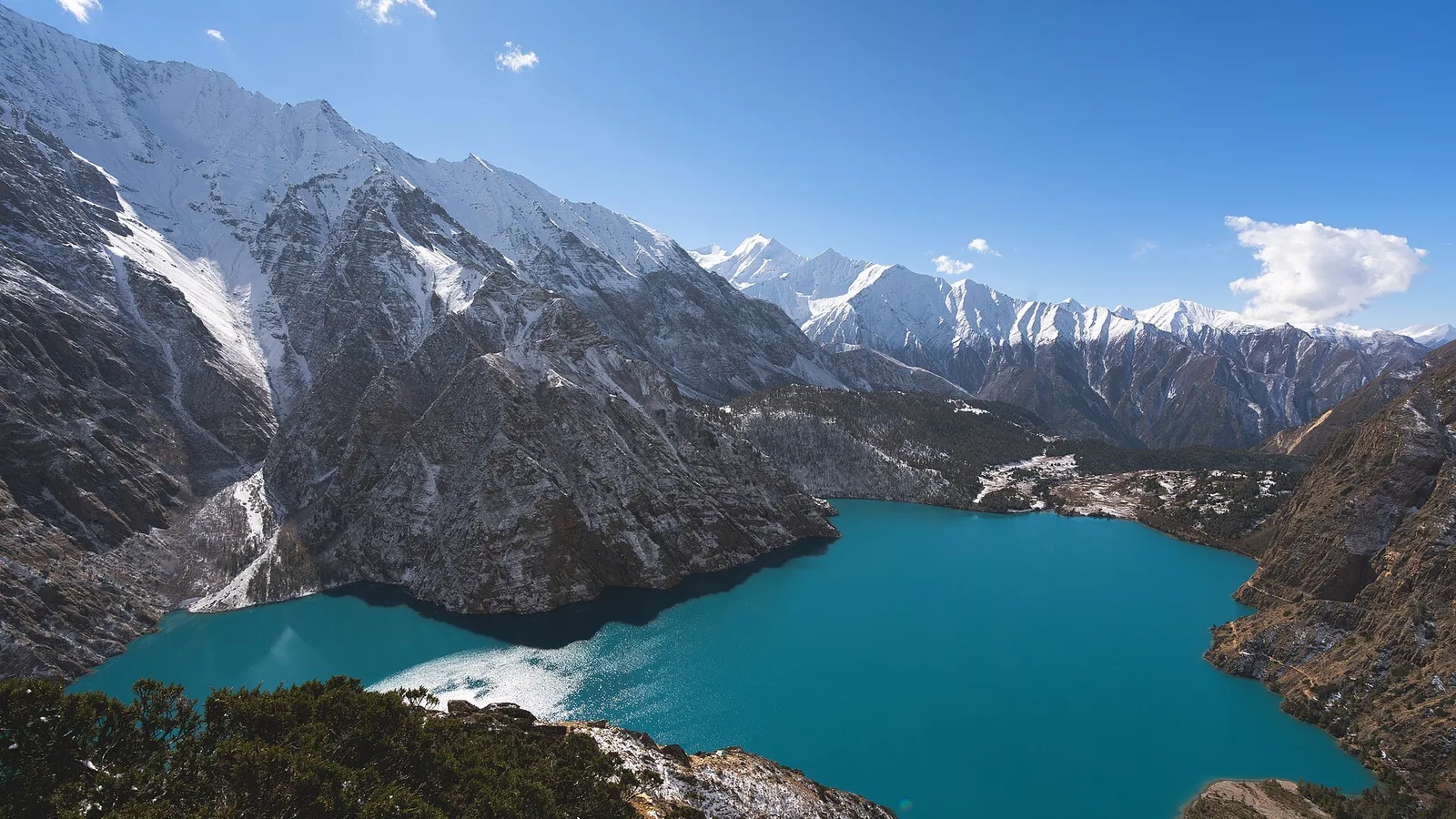
No — Dolpo and Shey Phoksundo sit in Nepal's remote far-western Karnali rain-shadow, hundreds of kilometres from the flood zone, and completely unaffected. Here's why — and the real planning points: the Juphal flight, restricted-area permits and a licensed guide.
Industry & Tourism
The Flood Just Knocked Out 430 MW — Are Nepal's Winter Blackouts Coming Back?
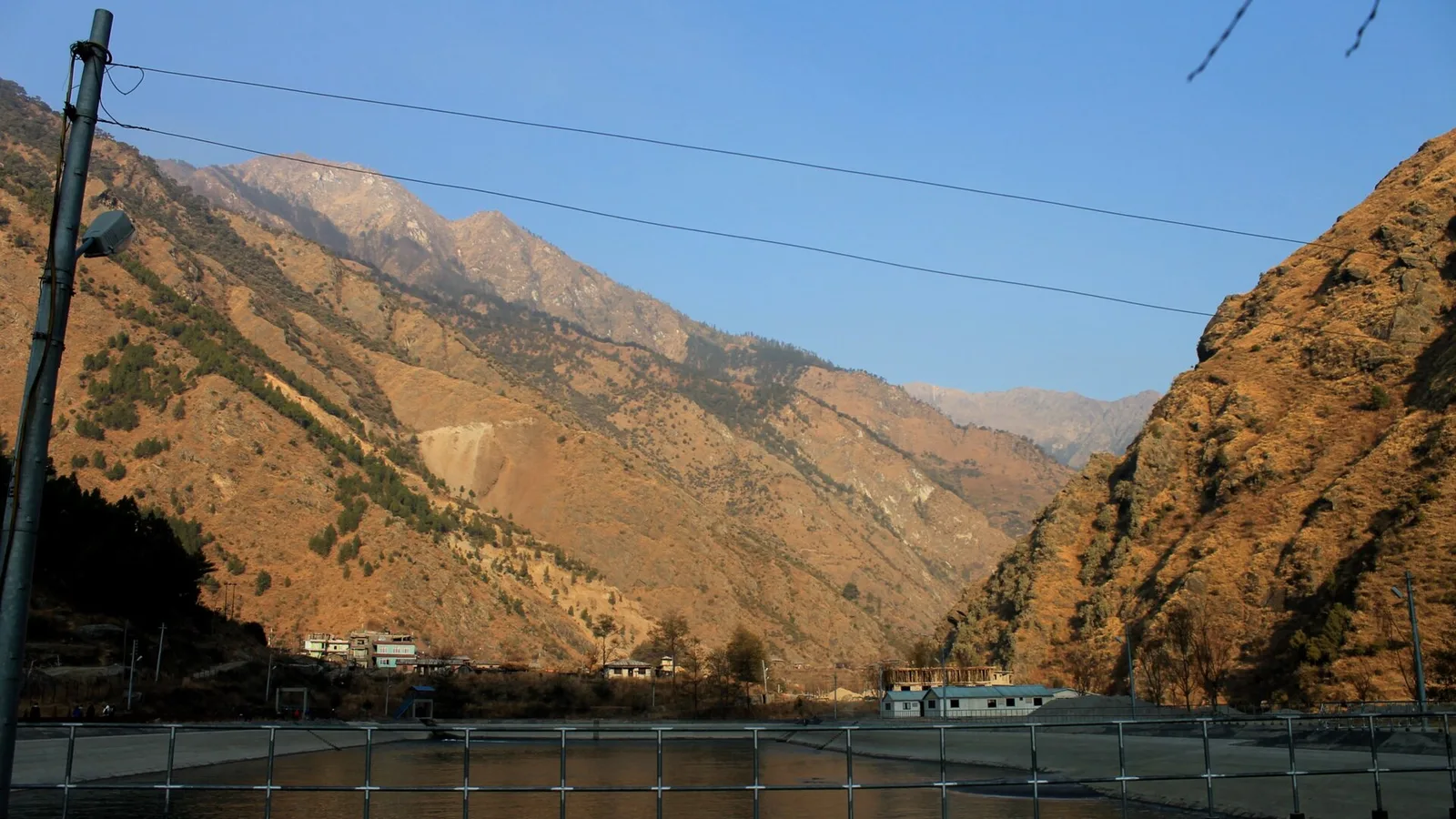
Around 430 MW of capacity was damaged when the 26 August flood tore through the Bhote Koshi–Trishuli corridor. But Nepal already imports power from India every dry season, and these run-of-river plants produce least in winter — so the institutional data points to a wider, costlier import gap this year, not a return of the up-to-18-hour load-shedding that ended in 2018. Here are the NEA numbers.
Industry & Tourism
Everest Just Had Its Busiest Climbing Season Ever. Climbers Also Left Behind 90,000 Kilograms of Trash.
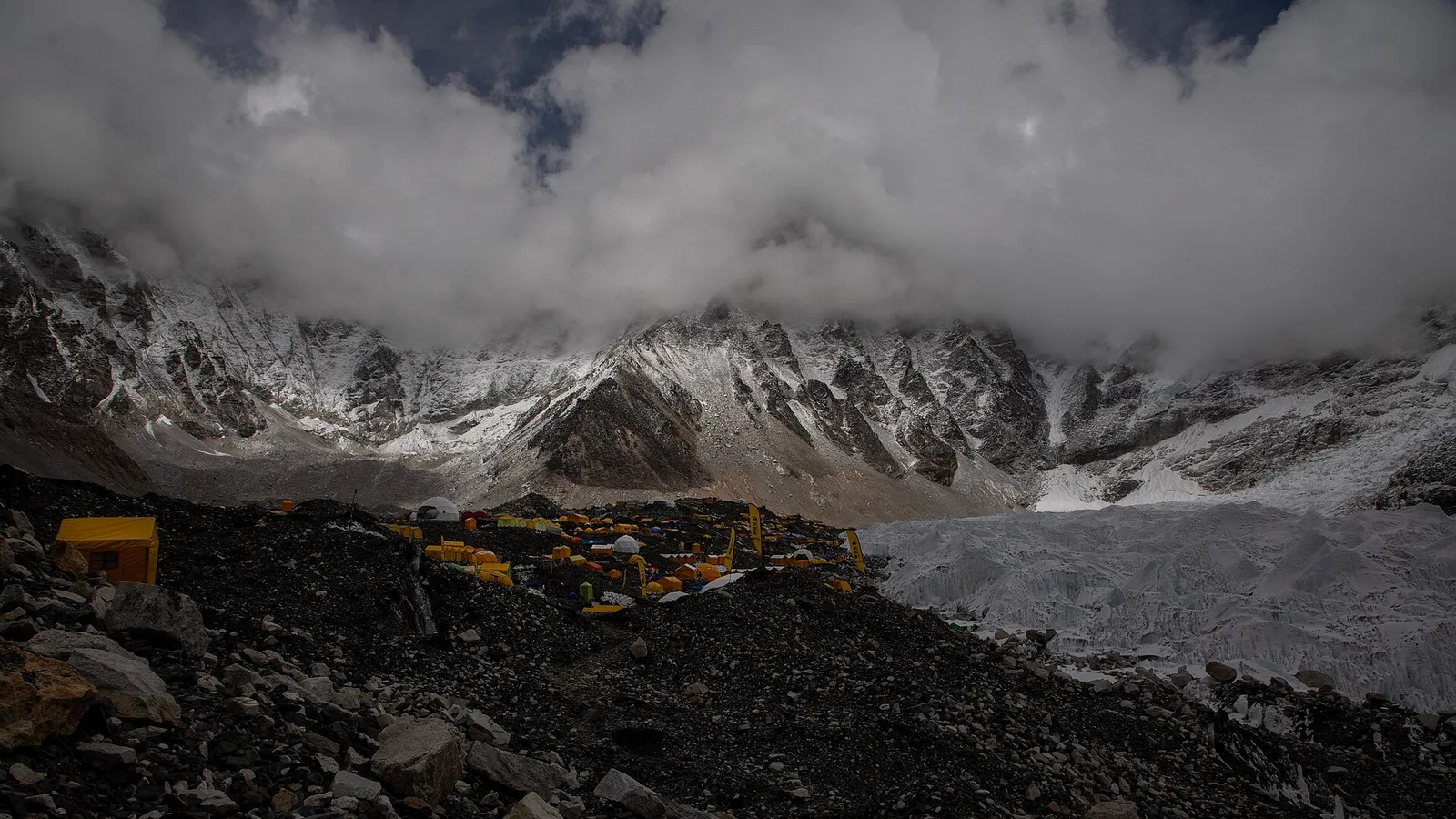
A record 701 climbers pushed for the summit this spring, and the mountain's cleanup crews hauled down a record amount of waste right behind them.
Safety & Advisories
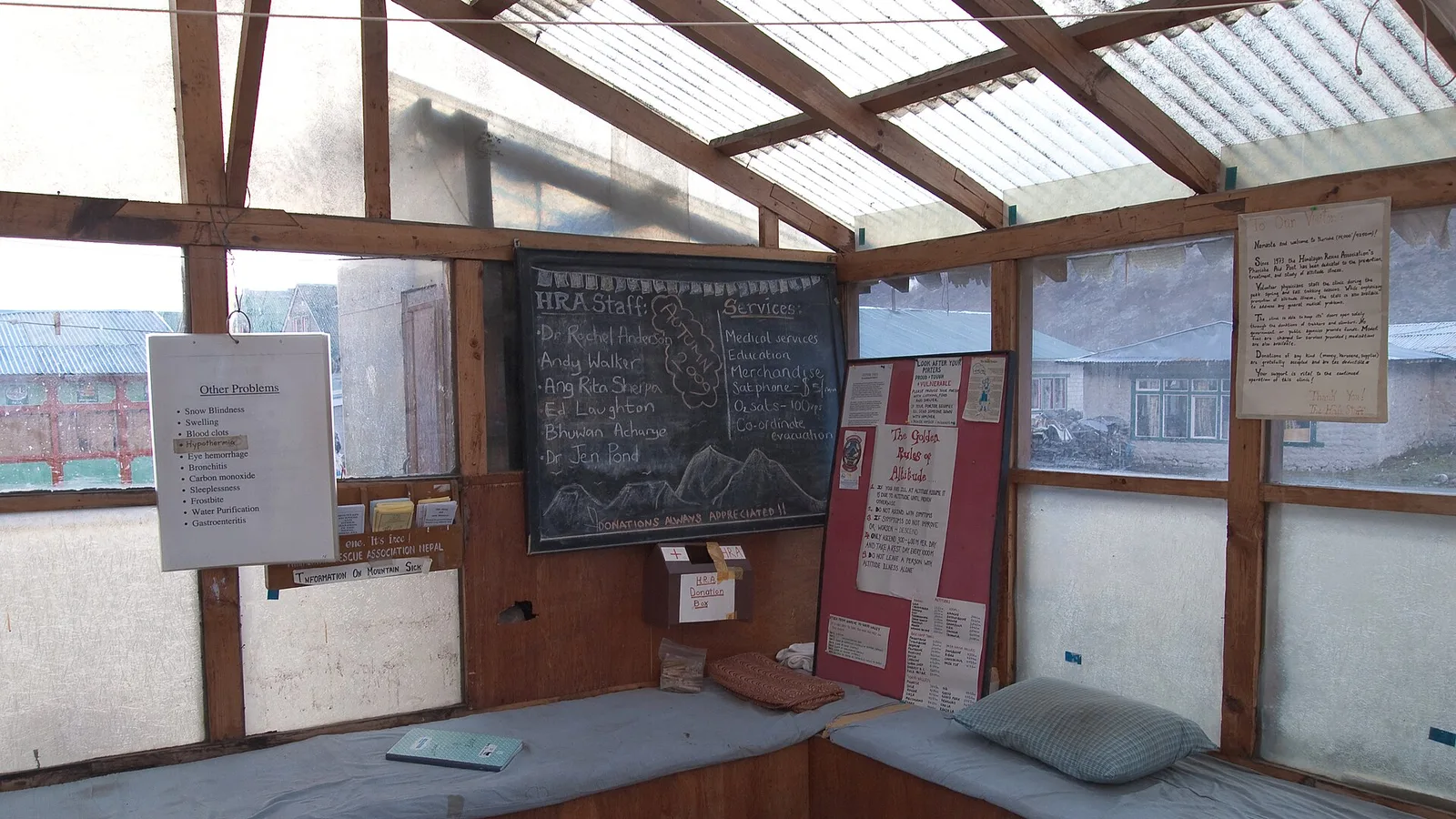
Your Nepal Trekking Guide Just Spent the Week Learning to Keep You Alive Above 4,000m
Days before Nepal's autumn trekking season opens, two of the country's oldest mountain-safety institutions ran back-to-back wilderness first-aid courses for working guides, drilling CPR, patient evacuation and the earliest signs of altitude sickness.
Latest from the desk

World Destinations
Best Budget European City Breaks in 2026: Great-Value Cities Where a Weekend Costs a Fraction of London or Paris
From Kraków and Budapest to Porto, Sofia and Tirana — the European cities where an old-town weekend costs a fraction of London, Paris or Zurich, why each is cheap, what to see, and the best season to go.

Deals & Routes
Round-the-World Tickets in 2026: How Alliance RTW Fares Work, and When to Build Your Own
Alliance round-the-world fares are priced by mileage or continents, flown one direction on a single upfront-booked ticket with a fixed validity. Here is how they work, how they compare with a DIY string of point-to-point flights, and when each one wins.
Safety & Advisories
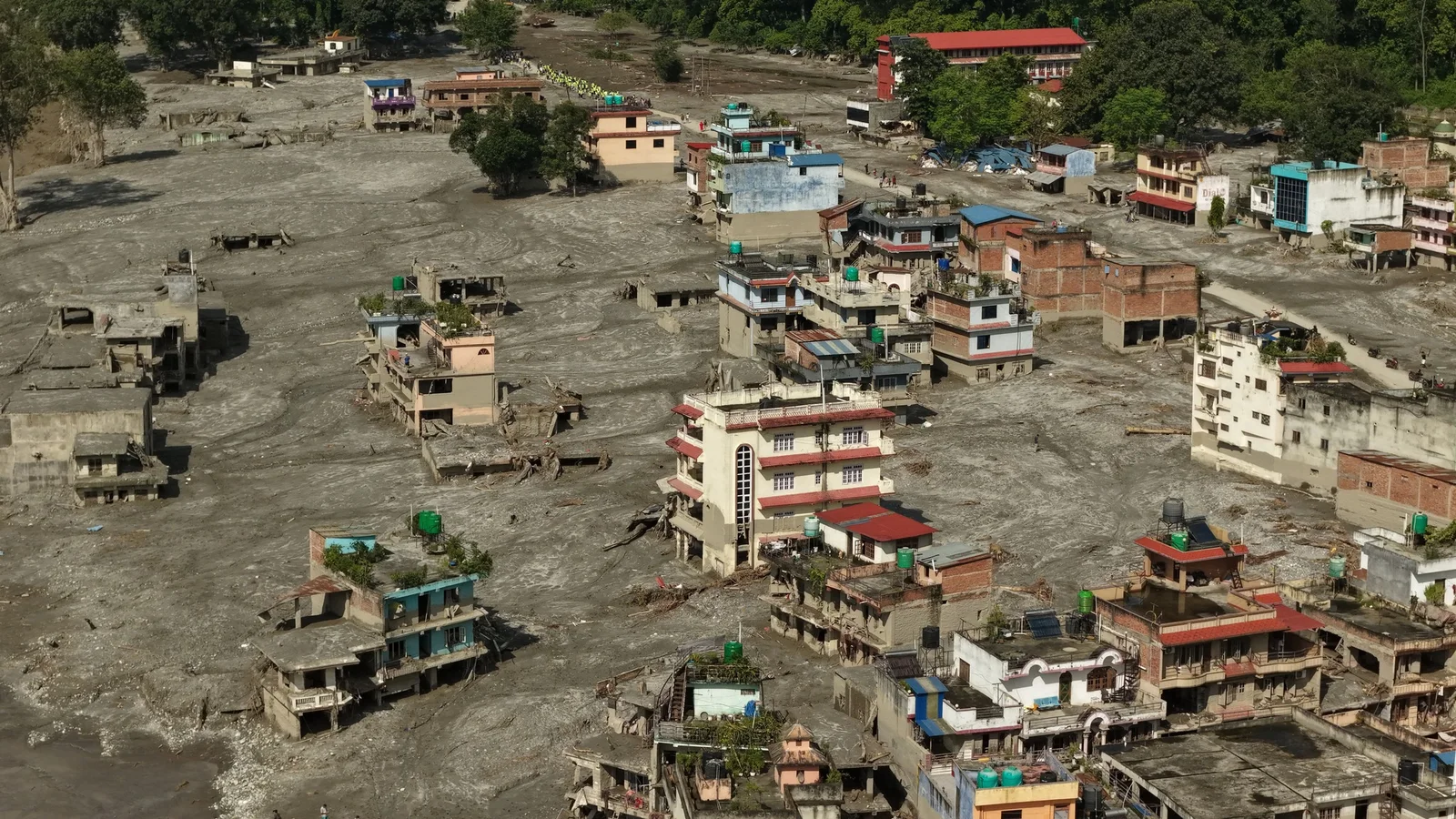
What the Bhote Koshi flood actually did to Rasuwa and Nuwakot, in seven photographs
Drone and ground pictures from Devighat, Trishuli and the Rasuwagadhi tunnels show a valley filled to the second storey with grey silt rather than washed away.