
Round-the-World Tickets in 2026: How Alliance RTW Fares Work, and When to Build Your Own
Alliance round-the-world fares are priced by mileage or continents, flown one direction on a single upfront-booked ticket with a fixed validity. Here is how they work, how they compare with a DIY string of point-to-point flights, and when each one wins.

At a glance
- Published
- TopicDeals & Routes
- Verified againstWikipedia
- Treks coveredAnnapurna Circuit Trek — 13 Days, Annapurna Circuit Trek — 10 Days, Everest Base Camp Trek — 14 Days
You want to see three continents in one long trip, ending a world away from where you started. The instinct is to book flights as you go — but a string of separate point-to-point tickets can quietly balloon in cost and leave every connection unprotected. This is exactly the gap that a round-the-world (RTW) ticket was built to fill: one fare, sold by an airline alliance, that carries you around the globe in a single continuous loop. Here is how they actually work in 2026, and how to judge whether one beats building your own route.
How an RTW ticket works
- Priced by mileage or continents. Alliance RTW fares are set by total distance flown (typically banded, often in the 30,000–60,000 km range) or by the number of continents you touch — plus your cabin class. More miles or more continents means a higher band.
- One continuous direction. You travel a single global loop, always eastbound or always westbound, crossing each of the Atlantic and Pacific once. Doubling back between continents is limited or disallowed.
- Book all segments upfront. The whole itinerary is ticketed at once. Dates can often be changed en route at an alliance office, but the routing and stopover cities are largely fixed when you book.
- A fixed validity. The ticket is valid for a set window — commonly up to one year — and every flight must be flown inside it.
- Stops are capped. Fares allow a set number of stopovers and segments (broadly in the region of 5–16 stops), so you plan around a stop budget rather than adding cities freely.
Alliance RTW fares vs building your own
There are two honest ways to circle the planet. The first is a packaged RTW fare from one of the three big alliances — Star Alliance, oneworld or SkyTeam — which pools dozens of member airlines into one ticket over their combined network. If you are weighing which alliance suits your route and loyalty programme, our explainer on airline alliances in 2026 is the place to start. The second way is do-it-yourself: a chain of separate point-to-point tickets, mixing full-service and low-cost carriers, that you assemble city by city. Both get you around the world. They differ sharply on cost, flexibility and who carries the risk when a flight goes wrong.
| Alliance RTW ticket | DIY point-to-point | |
|---|---|---|
| Cost | One banded fare; often better value the longer the trip and the higher the cabin, since premium cabins are bundled in. | Can be cheaper on short or two-continent trips, especially where budget carriers dominate; adds up fast over many long-haul legs. |
| Flexibility | Dates changeable en route, often for a fee; routing and cities largely locked at booking, one-direction only. | Total freedom to change plans, add cities, or reroute — you simply book the next ticket whenever you like. |
| Rules | One direction, one Atlantic and one Pacific crossing, capped stops and segments, a fixed validity window. | No global rules to obey — but no linked itinerary either; each ticket stands alone. |
| Protection | Legs sit on one ticket, so a missed connection is the alliance's to rebook. | Separate tickets mean a delayed first flight does not rebook the second — the risk is yours. |
| Best for | Long multi-continent trips, premium cabins, travellers who want one protected itinerary. | Shorter or regional loops, tight budgets, and travellers who value spontaneity over a fixed plan. |
When an RTW ticket is worth it
Worth it — or not
An RTW fare tends to win when the trip is genuinely global and long: three or more continents, a premium cabin, and weeks or months on the road, where the bundled long-haul legs and single protected itinerary outweigh the loss of spontaneity. It tends to lose when your trip really only spans one or two regions, when budget carriers cover most of your hops, or when you want to change your mind about cities as you go. If you mostly want to break one long-haul into two destinations rather than circle the world, a free stopover programme or an open-jaw or multi-city ticket usually does the job for far less commitment.
Planning the route
Because you commit the whole loop upfront, the planning is front-loaded. Sketch your continents in one direction, count your stops against the fare's cap, and pin the long-haul crossings first — the Atlantic and Pacific hops are the backbone everything else hangs off. Leave yourself buffer days around big connections; even on one protected ticket, a tight transfer after a delayed ocean crossing is a bad place to be. Decide your cabin early too, since it moves you between price bands as much as distance does. And remember dates can usually flex later even when the cities cannot — so lock the shape of the trip, then fine-tune the timing.
Where Nepal fits
Here is the part most RTW planners miss: Kathmandu slots neatly into a round-the-world loop. It is a natural stopover between East and Southeast Asia and the onward hop to the Gulf or Europe, which is exactly the seam where an eastbound or westbound RTW itinerary threads through. If the Himalaya is on your list, build it in as one of your RTW stops rather than a separate trip — then plan the trek around your ticket's dates and validity window, not the other way round. A two-week window on the ground is enough for the classic Everest Base Camp trek or the Annapurna Circuit; if your stop is tighter, the shorter 10-day Annapurna Circuit fits a leaner slice of the loop. Tell us your RTW dates and we will size a trek to them — the mountains are far easier to schedule around a fixed ticket when you plan them in from the start.
An RTW ticket is not automatically cheaper or better — it is a tool for a specific job. For a long, multi-continent, one-direction journey in a comfortable cabin, it buys simplicity and protection that a pile of separate tickets cannot. For a shorter or nimbler trip, DIY still wins. Price both against your real route before you commit, and let the trip decide the ticket.
Cover photo: Tima Miroshnichenko via Pexels (Pexels License).
Still running this season
Annapurna Circuit Trek — 13 Days is running normally
NMA-certified local guides, transparent pricing, 5,000+ treks since 1998. Message us your dates and we'll sort the permits, lodges and logistics — reply within 24 hours, no obligation.


Popular Nepal treks
All treks →


Related coverage

Deals & Routes
Open-Jaw and Multi-City Flights in 2026: Fly Into One City, Out of Another
Fly into one city and home from another (open-jaw), or stitch several stops into one multi-city ticket, and skip the backtrack for little more than a round trip. How to book it from the multi-city tab, and the one catch that decides whether a missed leg is the airline’s problem or yours.

Money & Insurance
Travel Money in 2026: Cash vs Debit vs Credit vs Prepaid Cards — What to Carry and How to Spend It
No single method wins abroad. Here is how cash, debit, credit and prepaid multi-currency cards really compare on fees — plus the dynamic-currency-conversion trap to dodge, how much cash to carry, and why Nepal’s trail runs on rupees.
Deals & Routes
Airline Alliances Explained in 2026: Star Alliance, oneworld and SkyTeam, and How to Pick Your Program
The three global airline alliances, what they really get you — miles, status, lounges and smoother connections — where the perks stop, and how to concentrate your miles in the right frequent-flyer program for Nepal-bound routings.
Deals & Routes
How to Get a Flight Upgrade in 2026: What Actually Works (and the Myths to Drop)
Free upgrades are rare and the "dress smart and ask nicely" trick mostly does not work. Here are the real levers in 2026 — elite status, points, paid bids, oversold-flight volunteering and booking an upgrade-eligible fare.
Latest from the desk

Safety & Advisories
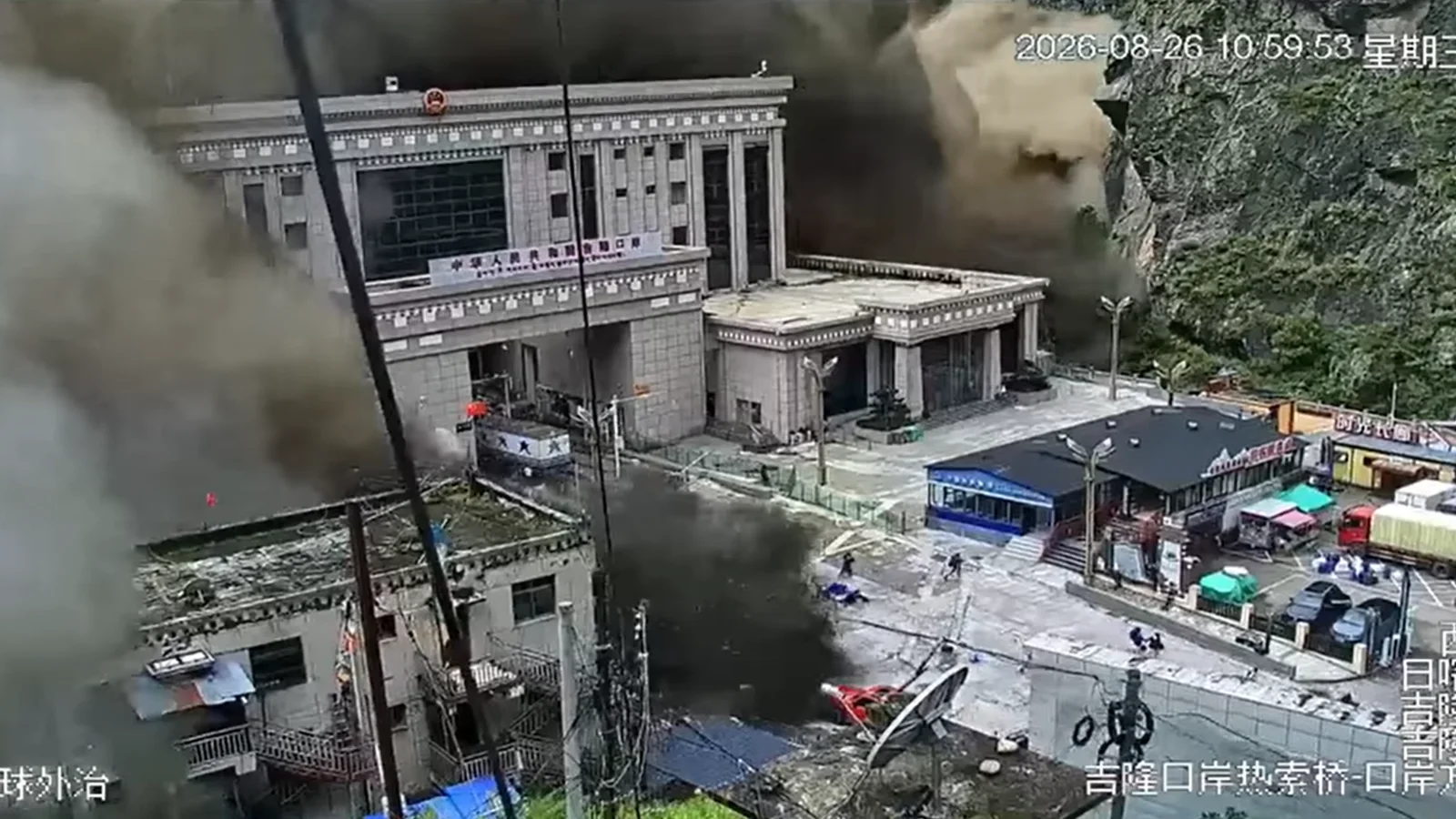
What the Bhote Koshi flood actually did to Rasuwa and Nuwakot, in seven photographs
Drone and ground pictures from Devighat, Trishuli and the Rasuwagadhi tunnels show a valley filled to the second storey with grey silt rather than washed away.
Safety & Advisories
The Bhote Koshi flood took Timure in about seven minutes, here's how four people got out
Four named survivors describe running uphill as the market disappeared behind them, and a CCTV timestamp shows how little warning anyone downstream actually had.
Trail & Weather
Nepal trekking news that actually changes your trip, updated for autumn 2026
The permit rules, fines, airfares, flight routes and road closures that changed for Nepal trekkers in 2026 — what to act on for an autumn booking, and what to ignore.