
The Everest Base Camp packing list that actually works (2026)
Pack too much and your porter suffers; pack too little and the cold finds you. Here's the field-tested Everest Base Camp packing list, layer by layer.
At a glance
- Published · updated
- TopicSafety & Advisories
- ReportingOriginal, by our guides in Pokhara
- Treks coveredEverest Base Camp Trek — 12 Days, Everest Base Camp Trek — 14 Days, Everest View Trek — 7 Days
Most Everest Base Camp packing problems come down to two mistakes: bringing far too much, or skimping on the few things that actually matter at altitude. After thousands of treks, the list below is what we tell our own clients to carry — built around a layering system, a warm enough sleeping bag, and broken-in boots. Get those three right and the rest is detail.
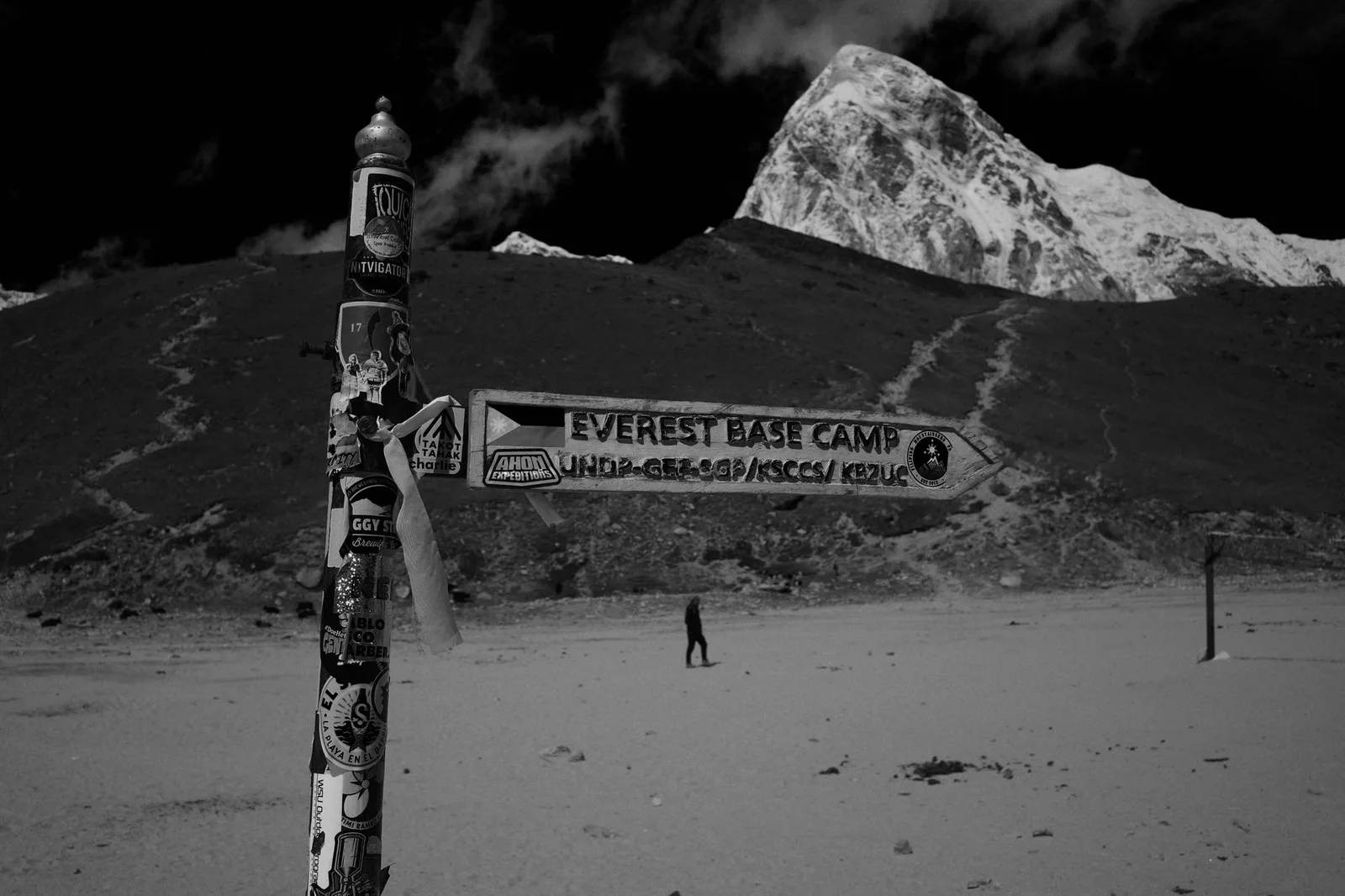
From the trail · Everest


The three things that matter most
- A proper layering system — base, insulating and waterproof shell
- A down jacket and a sleeping bag rated to around -15°C
- Broken-in waterproof trekking boots — never new on the trail
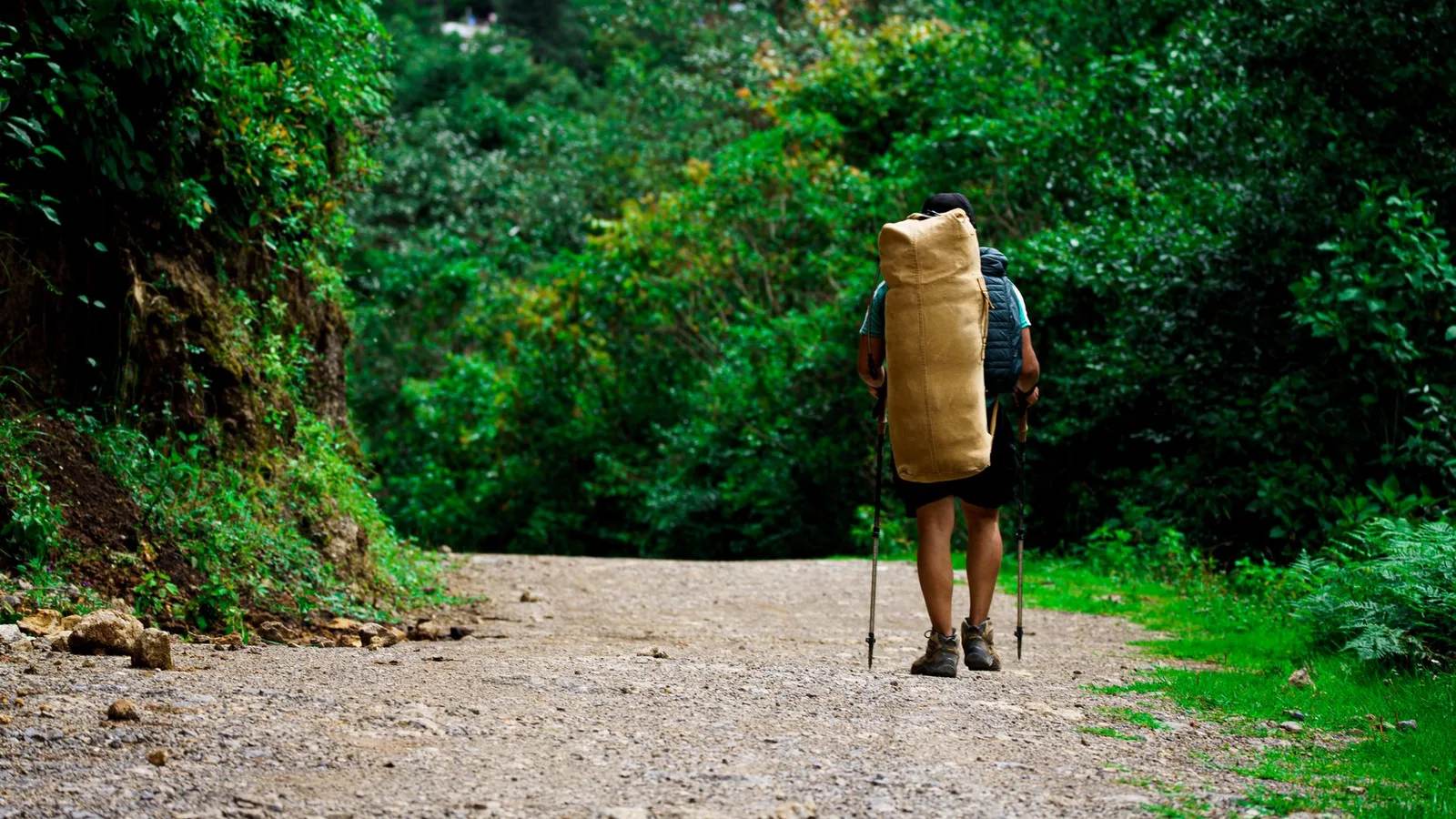
- Keep your duffel within the porter weight limit (around 15 kg)
Every item below is one we have watched work or fail at 5,000 m, and the ones worth buying rather than renting are written up in full in our gear catalogue.
Layer by layer
The Khumbu can swing from warm sun to bitter wind in an hour, and from t-shirt warmth at Lukla to deep cold at Gorak Shep. Layering, not bulk, is how you handle it: wick sweat away with a base layer, trap heat with a fleece or light down mid-layer, and block wind and snow with a waterproof shell. Add a heavy down jacket for mornings and evenings up high.
| Category | Bring |
|---|---|
| Layers | Base layers, fleece/mid layer, down jacket, waterproof shell |
| Legs | Trekking trousers, thermal bottoms, waterproof over-trousers |
| Feet | Broken-in boots, wool socks, camp shoes, gaiters |
| Sleep | Sleeping bag (~-15°C), liner |
| Head & hands | Warm hat, sun hat, buff, gloves + liner gloves |
| Health | Sunscreen, lip balm, personal meds, water purification |
What people over-pack (and forget)
You do not need a fresh outfit for every day — teahouses are not fashion shows, and your porter carries what you pack. Two or three sets you can rotate is plenty. The things people forget, though, hurt: a good headlamp for the pre-dawn Kala Patthar climb, sunglasses with proper UV protection (snow glare at altitude is fierce), lip balm and sunscreen, a reusable water bottle plus purification, and enough cash for the trail, where there are no ATMs higher up.
What this means for you
Pack light, pack warm, and break in your boots at home — those three habits prevent most trail misery. Much of the heavy gear (down jacket, sleeping bag) can be rented in Kathmandu rather than bought, which saves money and luggage. When you book with us, we send a full printable checklist and help you sort rentals before you fly.
Source: Travel Himalaya Nepal trek operations.
Cover photo: laichun via Pexels (Pexels License).
As an Amazon Associate we earn from qualifying purchases, at no extra cost to you.
Still running this season
Everest Base Camp Trek — 12 Days is running normally
NMA-certified local guides, transparent pricing, 5,000+ treks since 1998. Message us your dates and we'll sort the permits, lodges and logistics — reply within 24 hours, no obligation.
Popular Nepal treks
All treks →
Related coverage
Safety & Advisories
Can You Trek to Everest Base Camp at 82? What the Record and the Research Actually Say
There is no legal or medical age cutoff on the trail to Everest Base Camp, and the current record holder just proved it at 82.
Safety & Advisories
Can a Beginner Do the Everest Base Camp Trek? The Honest Difficulty Answer (2026)
No mountaineering skills required — but altitude, not fitness, is what actually turns beginners back. Here is the real difficulty, by the numbers.
Trail & Weather
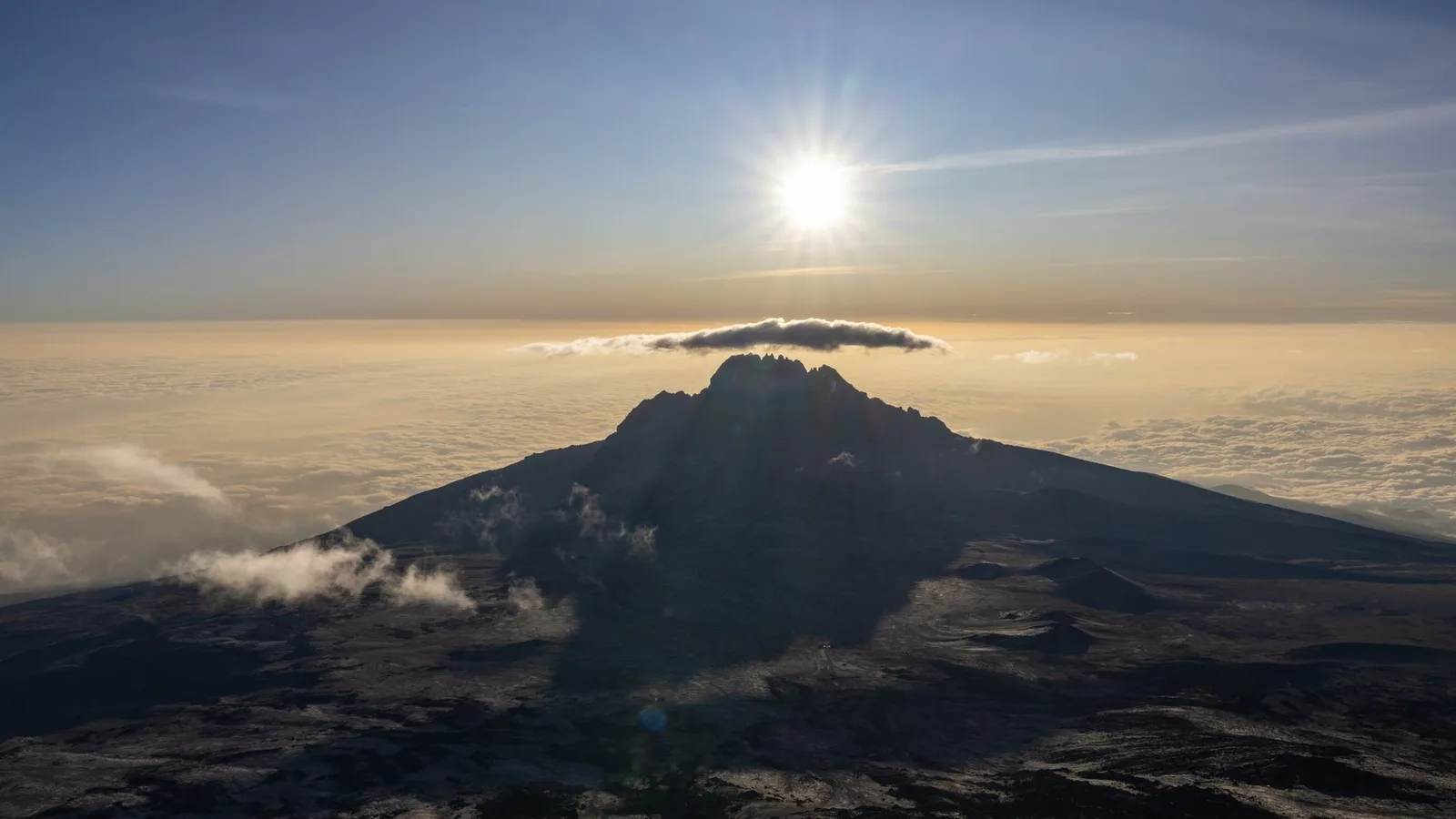
Everest Base Camp or Kilimanjaro: Which Trek Should You Actually Do in 2026?
One is a five-day sprint to 5,895 metres, the other a fourteen-day walk to 5,364 — the honest trade-off between them comes down to acclimatization, not fitness.
Flights & Access
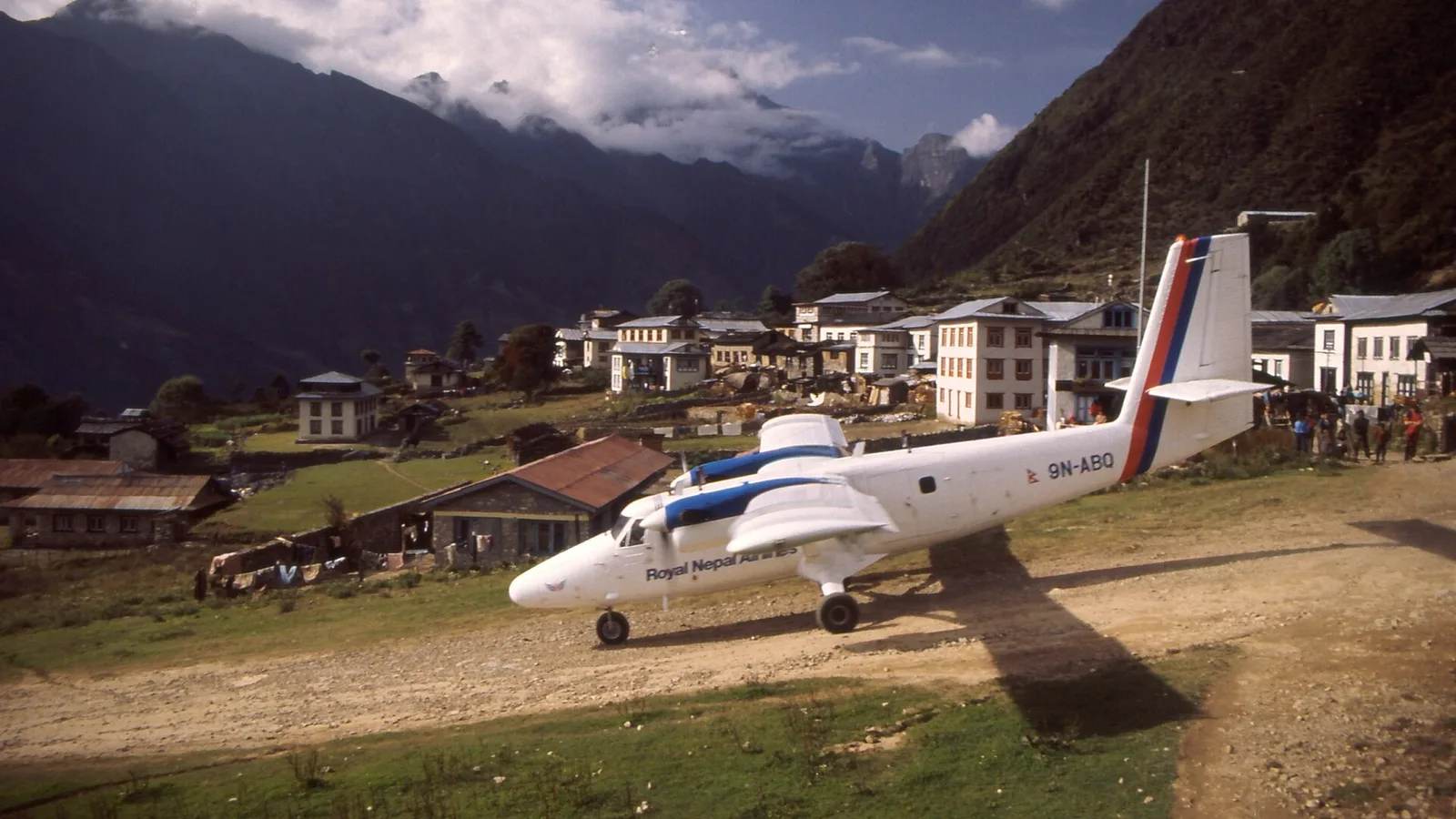
How Many Days Do You Actually Need for Everest Base Camp in 2026? Every Itinerary Length Compared
Ten days is possible, fourteen is what most operators actually recommend, and the flight into Lukla is why you should budget more time than either number, not less.
Latest from the desk
Gear & Tech
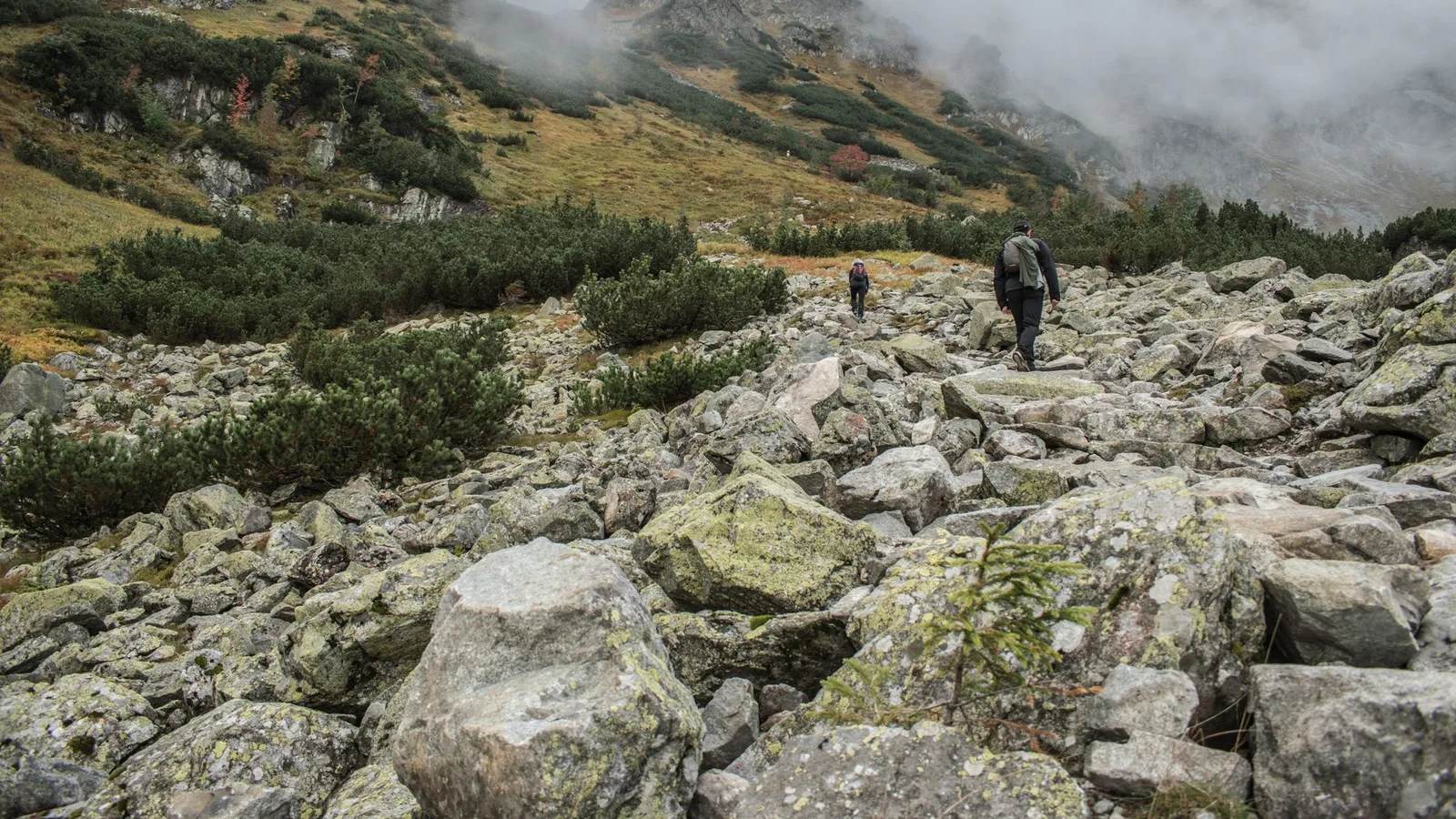
Trail shoes or hiking boots, and what the ankle-support research actually found
Most teahouse trekkers wear more boot than the walk needs, and the ankle-support argument holding that up is thinner than the shops suggest.
Gear & Tech
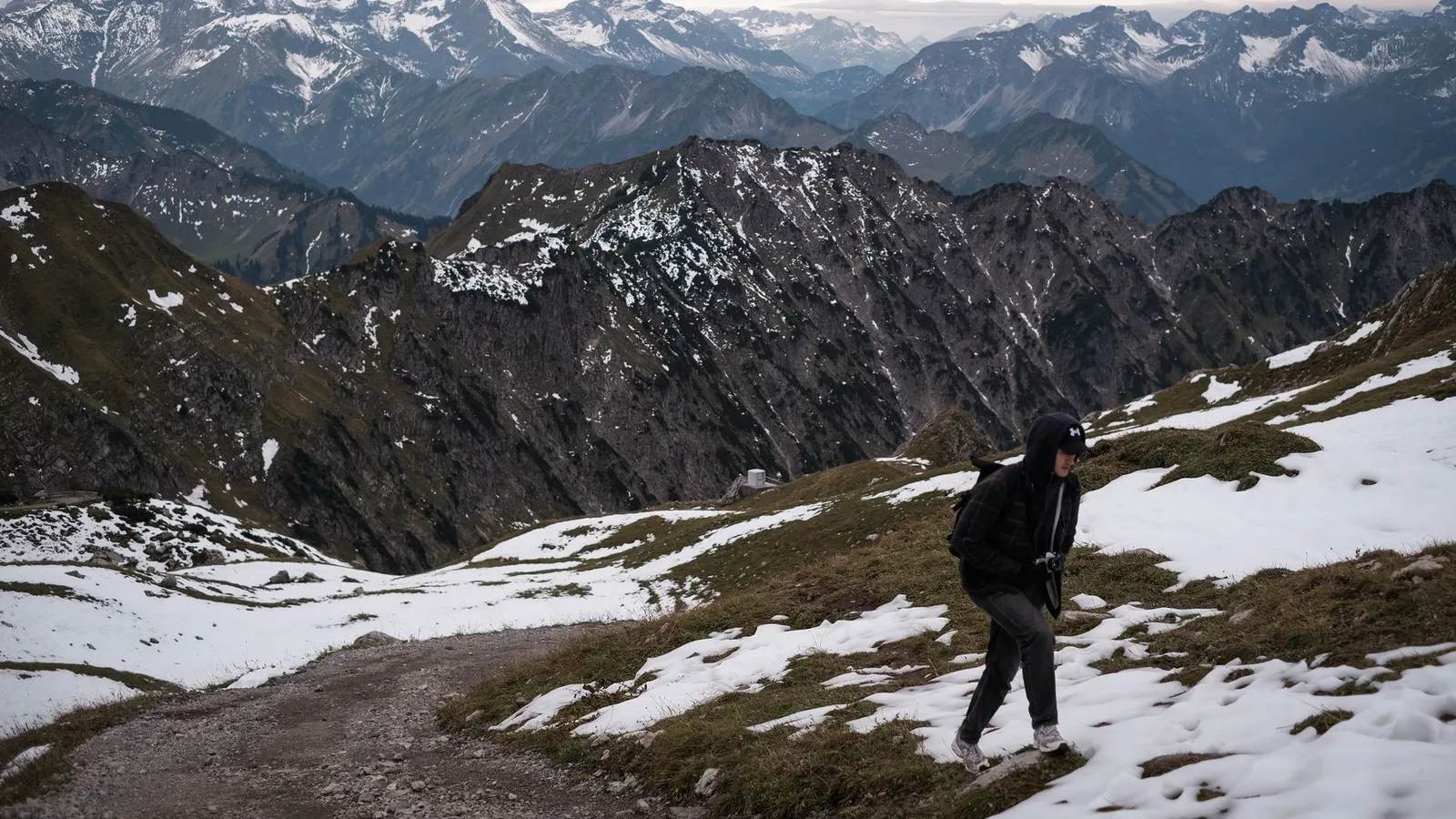
Merino or synthetic base layers, and what a lab found when it measured the smell
Merino wins the week-long wear, synthetic wins the overnight dry, and the lab reason merino stays fresh is not the bacteria story you have been told.
Safety & Advisories
If someone you know is missing in the Nepal flood, you don't have to fly to Kathmandu
Nepal Police have identified 95 of more than 1,200 bodies recovered. Families abroad can be DNA-profiled at home and send the result in. Here is how it works.