
Nepal Has 915 Bird Species — Nearly a Tenth of the World's (2026)
One of Asia's great birding countries hides above and below the treks.
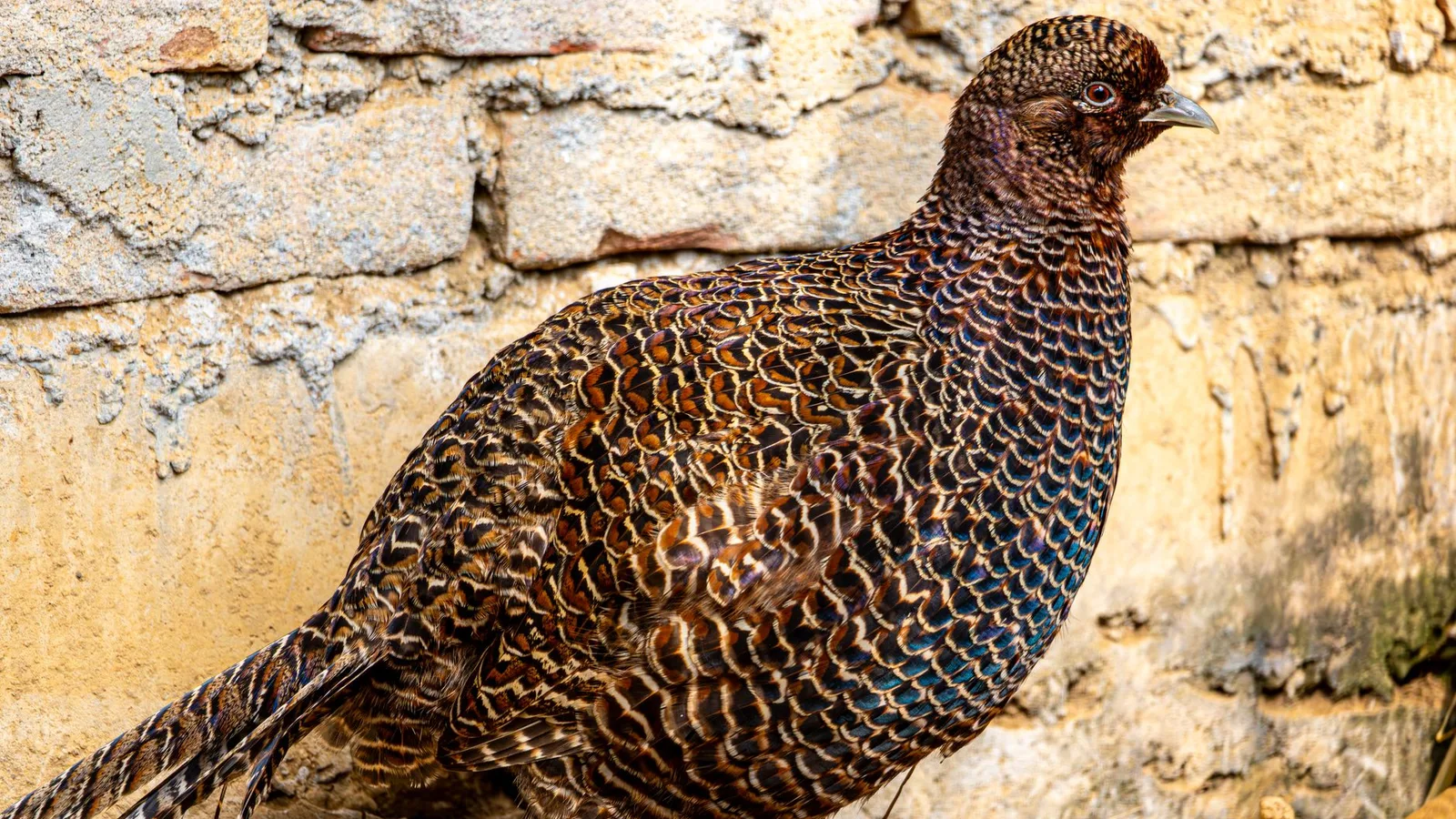
Nepal is known the world over for its mountains, but look down from the ridgelines and you find something almost as staggering: one of the richest bird lists on Earth crammed into a country the size of a single mid-sized nation. From steamy lowland jungle at barely 60 metres to the wind-scoured passes above 5,000, Nepal stacks nearly every habitat in Asia on top of one another over a horizontal distance you can drive in a day. The result is a birding country that punches far above its size — and one you can experience on the same trip that takes you trekking.
Nepal birdwatching at a glance
- Species — 915 bird species recorded in Nepal, of which 42 are globally threatened and one is endemic — close to a tenth of all the world's birds (source: Wikipedia, "List of birds of Nepal")
- National bird — the Danphe, or Himalayan monal (Lophophorus impejanus), an iridescent pheasant of forests and meadows between roughly 2,100 and 4,500 m
- Flagship hotspots — Koshi Tappu (waterbirds), Chitwan and the Terai jungle, the Kathmandu Valley rim, and the Annapurna foothills
- Best season — October to April for residents and wintering migrants; the spring passage brings breeding colour and migrating raptors
Why such a small country holds so many birds
The answer is altitude. Nepal spans a vertical range of more than 8,000 metres, and each band of elevation carries its own community of birds. The tropical Terai in the south shares species with the plains of India; the middle hills hold subtropical and temperate forest birds; the high country adds Tibetan and alpine specialists found almost nowhere else. Add Nepal's position on the great Central Asian migratory flyway — a corridor for birds funnelling between their Central Asian breeding grounds and wintering areas to the south — and you have a landscape that concentrates both resident and passage birds. Of the 915 species on the national list, 42 are globally threatened, which makes Nepal not just a numbers game but a place that matters for conservation.
The Danphe: a national bird you can actually meet
Few countries have a national bird as spectacular as Nepal's. The Danphe, or Himalayan monal, is a pheasant the size of a small turkey, and the male is almost implausibly coloured — a metallic green crest, coppery neck feathers, and a white rump that flashes in flight. It lives in oak-and-conifer forest and open alpine slopes between about 2,100 and 4,500 metres, digging through snow for roots and grubs in winter. Trekkers on the Annapurna and Everest routes regularly flush one from a hillside at dawn; the bird's whistling call carries a long way across a misty slope. Seeing a wild Danphe is one of the quiet privileges of a Himalayan trek.
Where and when to go
Nepal's birding hotspots are spread the length of the country, and each rewards a different season. The single greatest wetland site is Koshi Tappu Wildlife Reserve in the far south-east — a Ramsar-listed floodplain of the Sapta Koshi river and an Important Bird Area where 485 bird species have been recorded, from storks and fish eagles to the endangered Bengal florican on spring passage. The lowland jungle of Chitwan adds hornbills, kingfishers and jungle fowl to a safari otherwise built around rhino and tiger. Closer to the capital, the forested hill of Phulchowki on the Kathmandu Valley rim is one of the most species-rich accessible sites near any Asian city. And the Annapurna foothills — the rhododendron forests around Ghorepani and Poon Hill — are superb for laughingthrushes, sunbirds and, higher up, the monal and the snow-loving Himalayan snowcock.
| Hotspot | What you'll see | Best months |
|---|---|---|
| Koshi Tappu (Terai wetland) | Waterbirds, storks, fish eagles, wintering ducks, Bengal florican on passage | Nov–Mar |
| Chitwan & Terai jungle | Hornbills, kingfishers, jungle fowl, raptors alongside rhino and tiger | Oct–Mar |
| Phulchowki / Kathmandu Valley rim | Forest babblers, laughingthrushes, sunbirds, cuckoos | Feb–May |
| Annapurna foothills (Ghorepani–Poon Hill) | Rhododendron-forest birds, sunbirds, Danphe, snowcock higher up | Mar–May, Oct–Nov |
| High passes (Annapurna, Everest) | Migrating raptors, snowcock, alpine finches and choughs | Oct–Nov (raptor passage) |
The trek-plus-birding combination
Here is the part most visitors miss: you do not need a specialist birding tour to enjoy Nepal's birds. A gentle foothill trek is itself a birding trip. Walk the Ghorepani Poon Hill route in spring and the rhododendron forest is loud with birdsong before the peaks even turn pink. Spend a few days in the Terai on a Chitwan jungle safari and the birdlist alone can top a hundred species while you are looking for one-horned rhino. Head into the quieter Langtang valley and you are in prime monal country. The same landscapes that shelter Nepal's wild tigers and its high-altitude snow leopards hold this extraordinary avifauna — birding is simply the wildlife you are guaranteed to see.
How to bird Nepal well
Go in the cool, clear months — October to April for wintering birds and resident species, February to May for breeding colour and song. Start at dawn, when birds are most active and the light is best. Carry binoculars rather than relying on a phone, and travel with a licensed local guide who knows the calls; a good guide will find you ten birds you would have walked straight past. Pair a lowland site such as Koshi Tappu or Chitwan with a foothill trek to sample both the tropical and the temperate lists in one trip. And treat the rarest species — the florican, the wild Danphe — as a gift rather than a guarantee.
Plan a birding-and-trekking trip
Nepal is one of the few places on Earth where you can watch tropical kingfishers in the morning and be among Himalayan pheasants within the same week. If you would like to build a trip that pairs a foothill trek with a lowland wildlife stay — or simply want a guide who can name what you are hearing on the trail — our team can tailor the route and the season to the birds you most want to see. Get in touch and tell us what is on your list.
Cover photo: Regan Dsouza via Pexels (Pexels License).
This story is part of Travel Himalaya Nepal’s complete guide to Nepal's wildlife and where to see it.
来源: Wikipedia
计划徒步?
我们负责许可证、后勤与向导
NMA 认证的本地向导,价格透明,自 1998 年以来 5,000+ 次徒步。告诉我们你的日期,其余的交给我们。


更多「Wildlife & Nature」
Wildlife & Nature
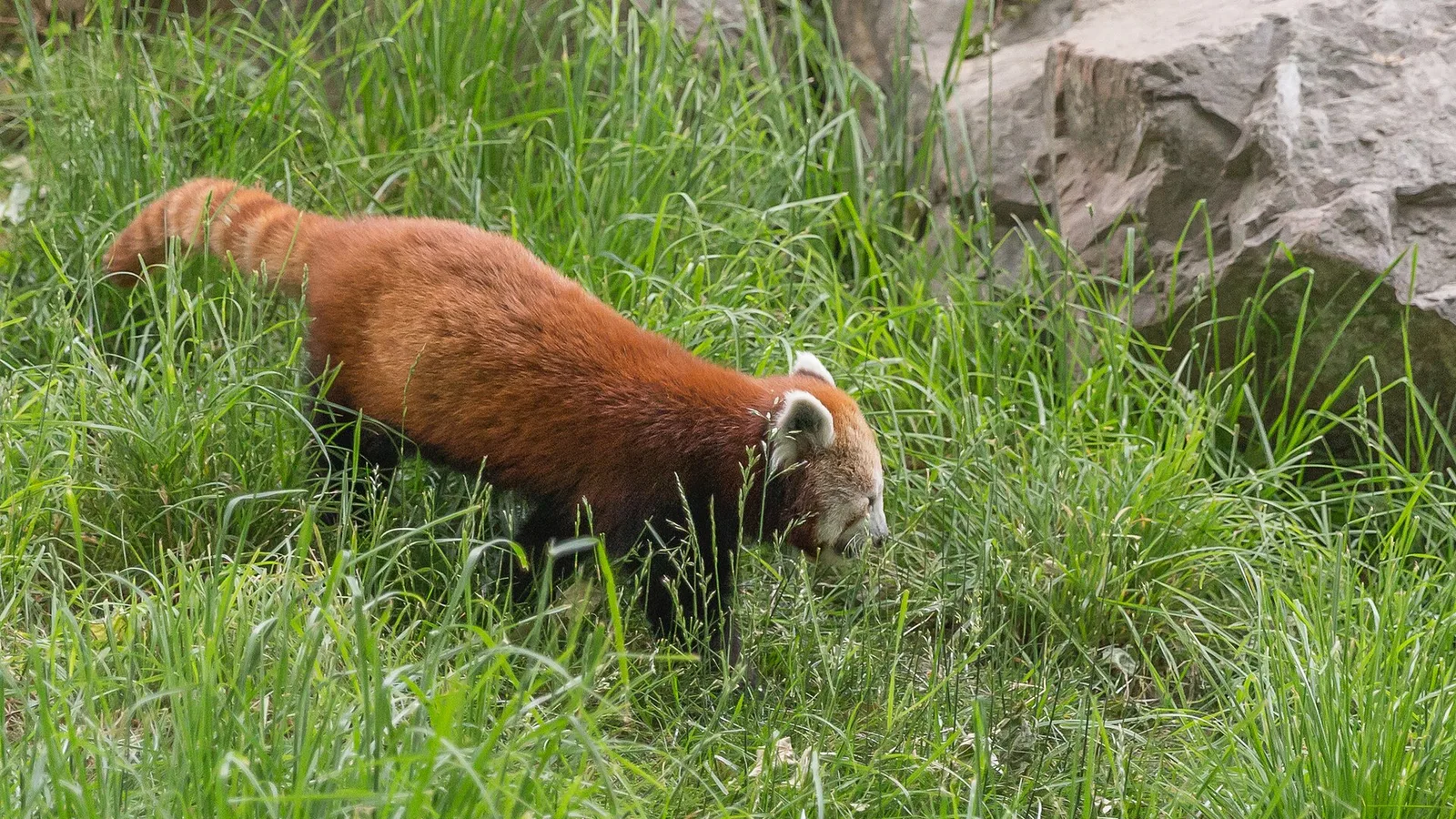
Red Panda: Nepal's Endangered 'Fire Fox' of the Eastern Himalaya (2026)
Fewer than trekkers realise cling on in eastern Nepal's cloud forests — the bamboo-eating fire fox is Endangered, and the fight to save it runs on local forest guardians.
Wildlife & Nature
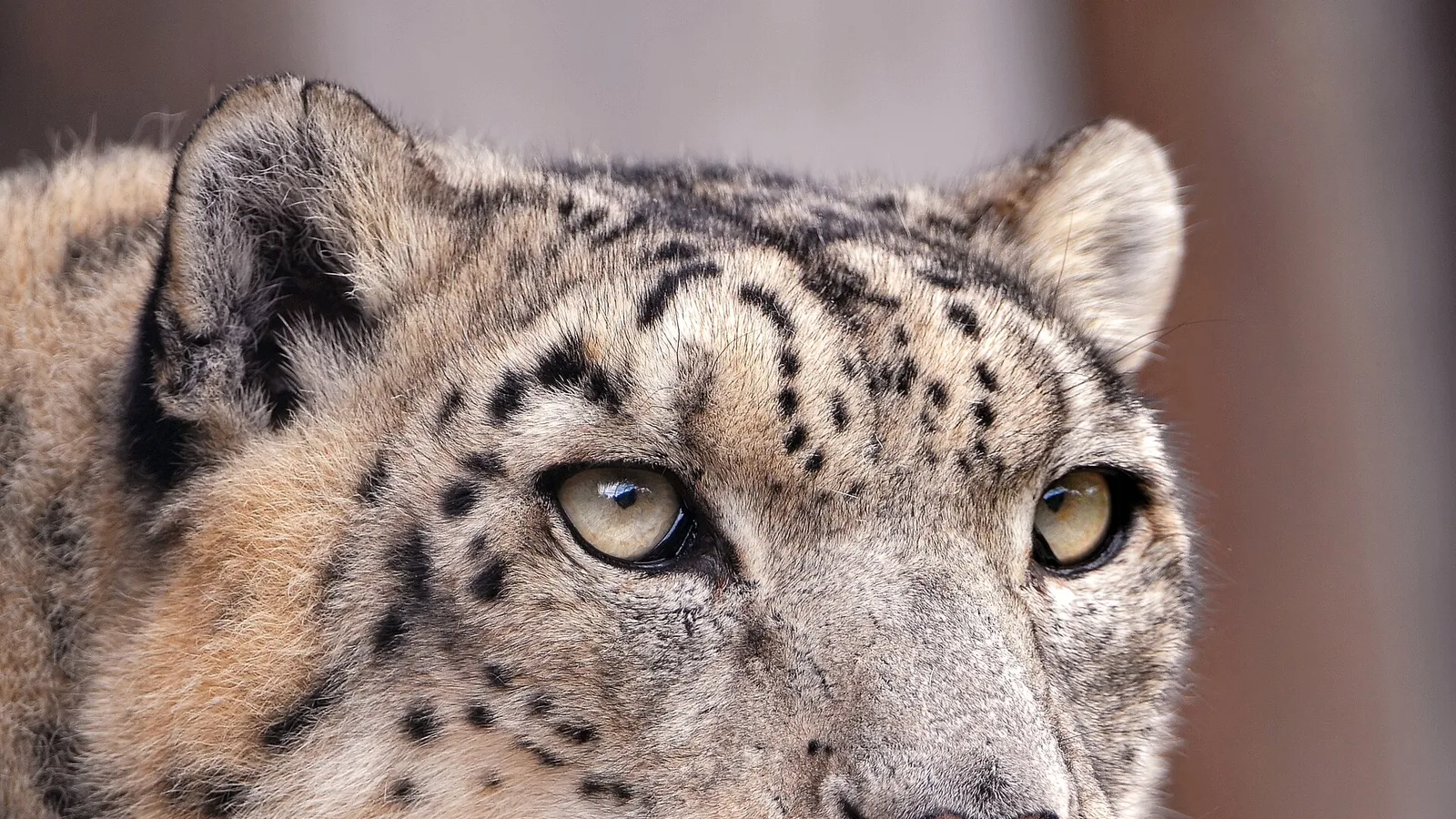
Nepal's Snow Leopard in 2026: Tracking the Himalaya's 'Ghost of the Mountains'
The elusive high-altitude cat haunts Dolpo, Mustang and Manaslu above 3,000m. Here's where it lives, why almost nobody sees one, and how Nepal is counting and protecting it.
Wildlife & Nature
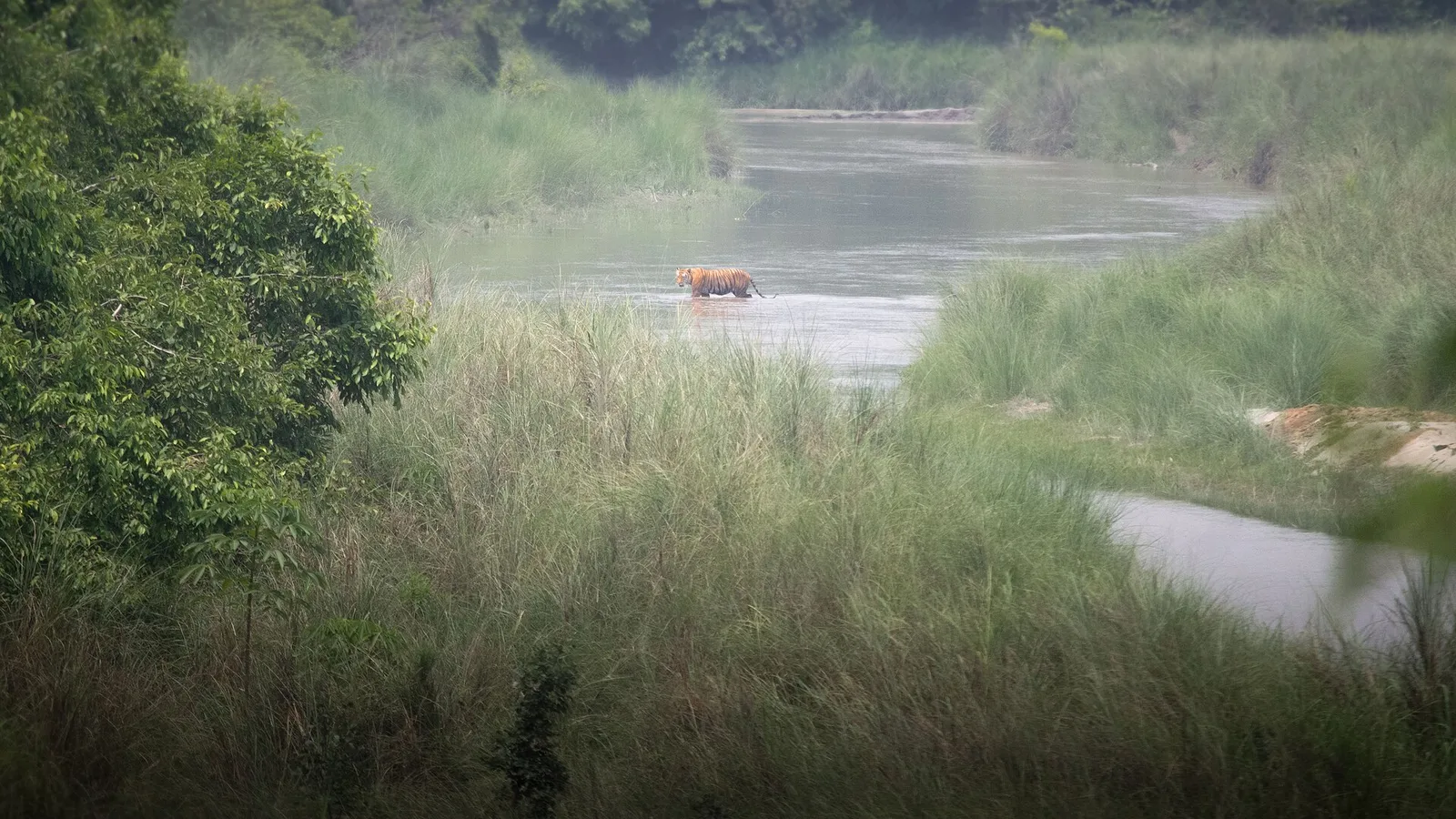
Bardia Is Now Nepal's Best Place to See a Wild Tiger (2026)
Nepal's wild tigers have more than tripled since 2009, and far-western Bardia National Park - wild and little-visited on the Karnali river - is now the country's best place to see one. Here is the honest guide to the comeback and your real sighting odds.