
Your Nepal Trekking Guide Just Spent the Week Learning to Keep You Alive Above 4,000m
Days before Nepal's autumn trekking season opens, two of the country's oldest mountain-safety institutions ran back-to-back wilderness first-aid courses for working guides, drilling CPR, patient evacuation and the earliest signs of altitude sickness.
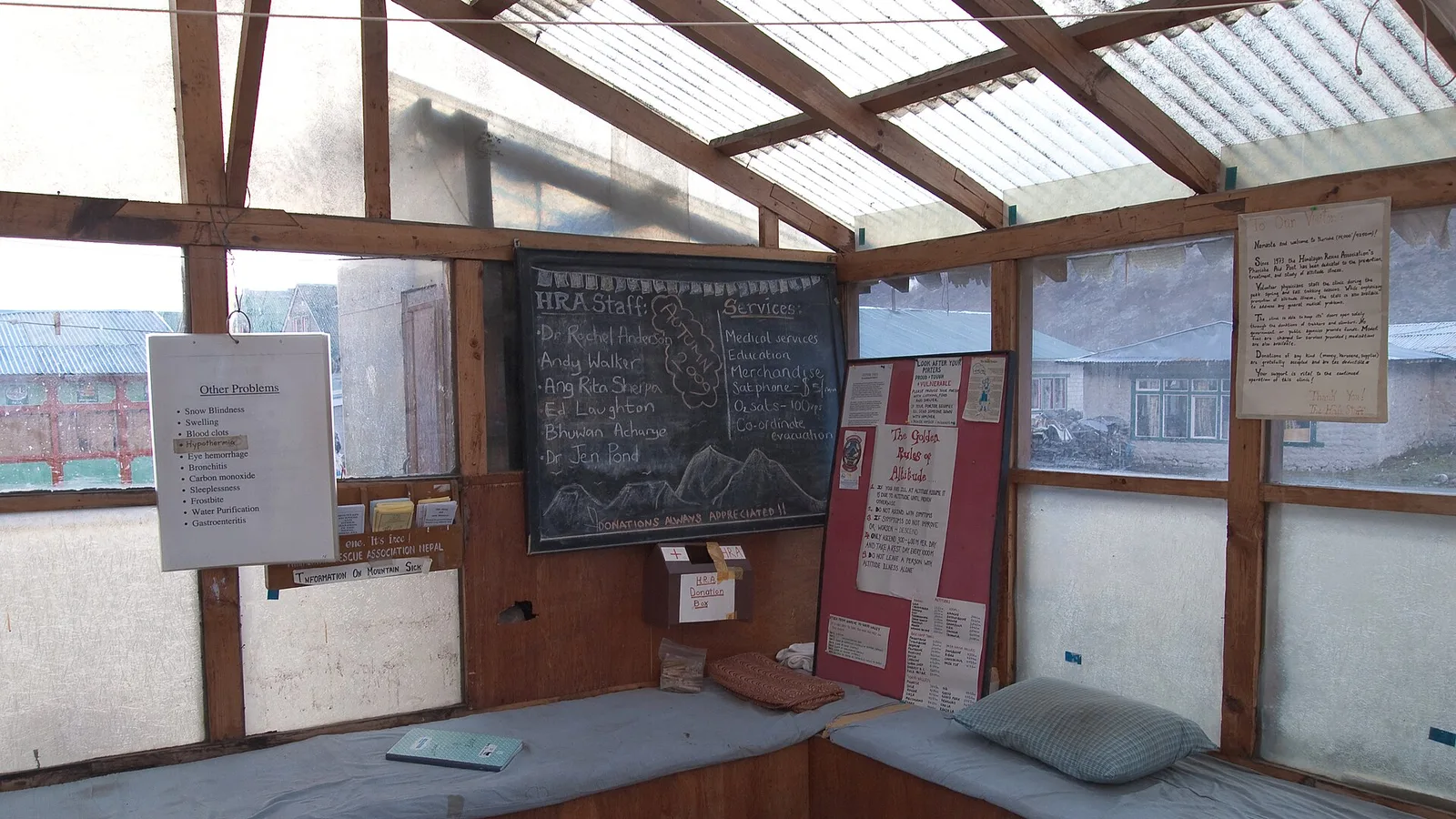
In the last full week of August 2026, with Nepal's autumn trekking season only days away, the country's oldest mountain-rescue body took a class of working trekking guides back to school. The Himalayan Rescue Association (HRA) ran a two-day Advanced Wilderness First Aid course for guides on 22–23 August, and the Kathmandu Environmental Education Project (KEEP) followed immediately with its own guide first-aid training on 24–26 August — back-to-back refreshers aimed squarely at the people who will be first on the scene when something goes wrong high on the trail.
Key facts
- HRA ran a two-day Advanced Wilderness First Aid course for trekking guides on 22–23 August 2026
- KEEP ran a guide first-aid training on 24–26 August 2026
- Both landed in the final week before the September–November trekking peak
- Focus: assessing a casualty, managing common injuries, CPR, moving patients, and spotting altitude sickness early
None of this is glamorous, and that is exactly the point. On a Nepal trek, the person most likely to save your life is not a doctor or a helicopter pilot — it is the guide standing next to you, hours or days from the nearest road.
What the guides actually drilled
KEEP described its course as practical, hands-on training in the skills that matter most on a high-altitude trek: how to assess a trekker's condition, manage common injuries, perform CPR, safely lift and move an injured person, and — the one that saves the most lives on Nepal's trails — recognise the early signs of altitude sickness before they escalate into something that kills. HRA's advanced course covers the same ground at a higher level for guides who already work the high routes.
| Organiser | Dates | Length | Focus |
|---|---|---|---|
| Himalayan Rescue Association (HRA) | 22–23 Aug | 2 days | Advanced wilderness first aid |
| Kathmandu Environmental Education Project (KEEP) | 24–26 Aug | 3 days | Casualty care, CPR, evacuation, altitude sickness |
Why this matters more than it sounds
On most of Nepal's classic treks, the nearest hospital is days of walking away and the nearest road often is too. When a trekker develops high-altitude pulmonary or cerebral oedema above 4,000m, the difference between a good outcome and a tragedy is frequently a guide who spots the symptoms early, gets the client descending, and keeps them stable until a helicopter can reach them. That is not a hypothetical — altitude illness is the single most common serious medical emergency on Nepal's trails.
The HRA has been fighting exactly that battle since 1973, when it was founded as a voluntary non-profit with one blunt goal: reduce casualties in the Nepal Himalaya, and above all deaths from acute mountain sickness. Each trekking season it staffs seasonal aid posts on the country's two busiest trails, run by volunteer doctors, so that a sick trekker has somewhere to reach before — and while — the helicopter is on its way.
What this means for trekkers
What this means for you
A licensed guide is now mandatory for most trekking regions in Nepal, so the quality of that guide's training is not a detail — it is your safety net. Before you book, it is entirely fair to ask whether your guide holds a current wilderness first-aid certificate, and whether the operator carries a well-stocked medical kit and a pulse oximeter. If you are on the Annapurna Circuit or the Everest Base Camp trail, note where the HRA aid posts sit on your itinerary — Manang and Pheriche are both classic acclimatisation stops for a reason. And read up on the warning signs of altitude sickness yourself; the best guides expect their clients to know them too.
Trek with guides who train for the worst day
Every guided trek we run is led by a licensed guide, on the classic high routes where this training matters most:
- Everest Base Camp — 14 days · from US$1,850 per person (past the Pheriche aid post)
- Manaslu Circuit — 14 days · from US$2,100 per person
Want to know exactly how we handle safety and altitude on your route? Message us on WhatsApp or use the contact form — ask us anything about first-aid cover and evacuation before you book.
Sources: The Tourism Times; Himalayan Rescue Association.
Cover photo: Vyacheslav Argenberg via Wikimedia Commons (CC BY 4.0).
计划徒步?
我们负责许可证、后勤与向导
NMA 认证的本地向导,价格透明,自 1998 年以来 5,000+ 次徒步。告诉我们你的日期,其余的交给我们。


更多「Safety & Advisories」
Safety & Advisories
Altitude Sickness Explained: AMS vs HACE vs HAPE, and the Rules That Prevent Them (2026)
Altitude sickness is not one illness but three — AMS, HACE and HAPE. Here is how to tell them apart, the symptoms that signal an emergency, and the four golden rules that prevent all three.
Safety & Advisories
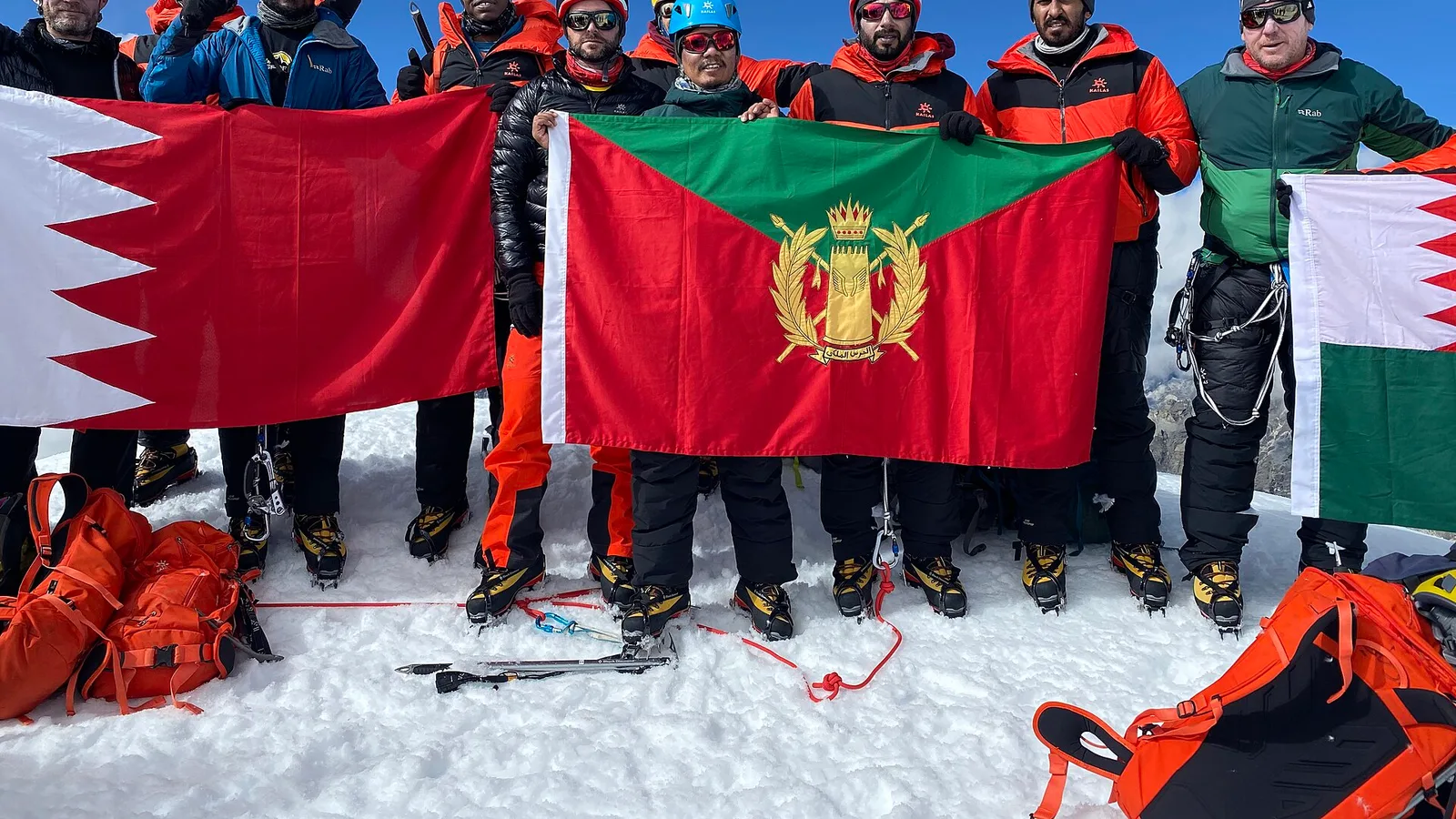
Is the Lobuche Peak Climb Affected by the 2026 Nepal Floods?
Short answer: no. Lobuche Peak (6,119 m) is an NMA climbing peak in the Everest region, reached via Lukla on the Dudh Koshi — a separate watershed from the Rasuwa flood. The route is unaffected; the only real variable is monsoon-season Lukla flights.
Safety & Advisories
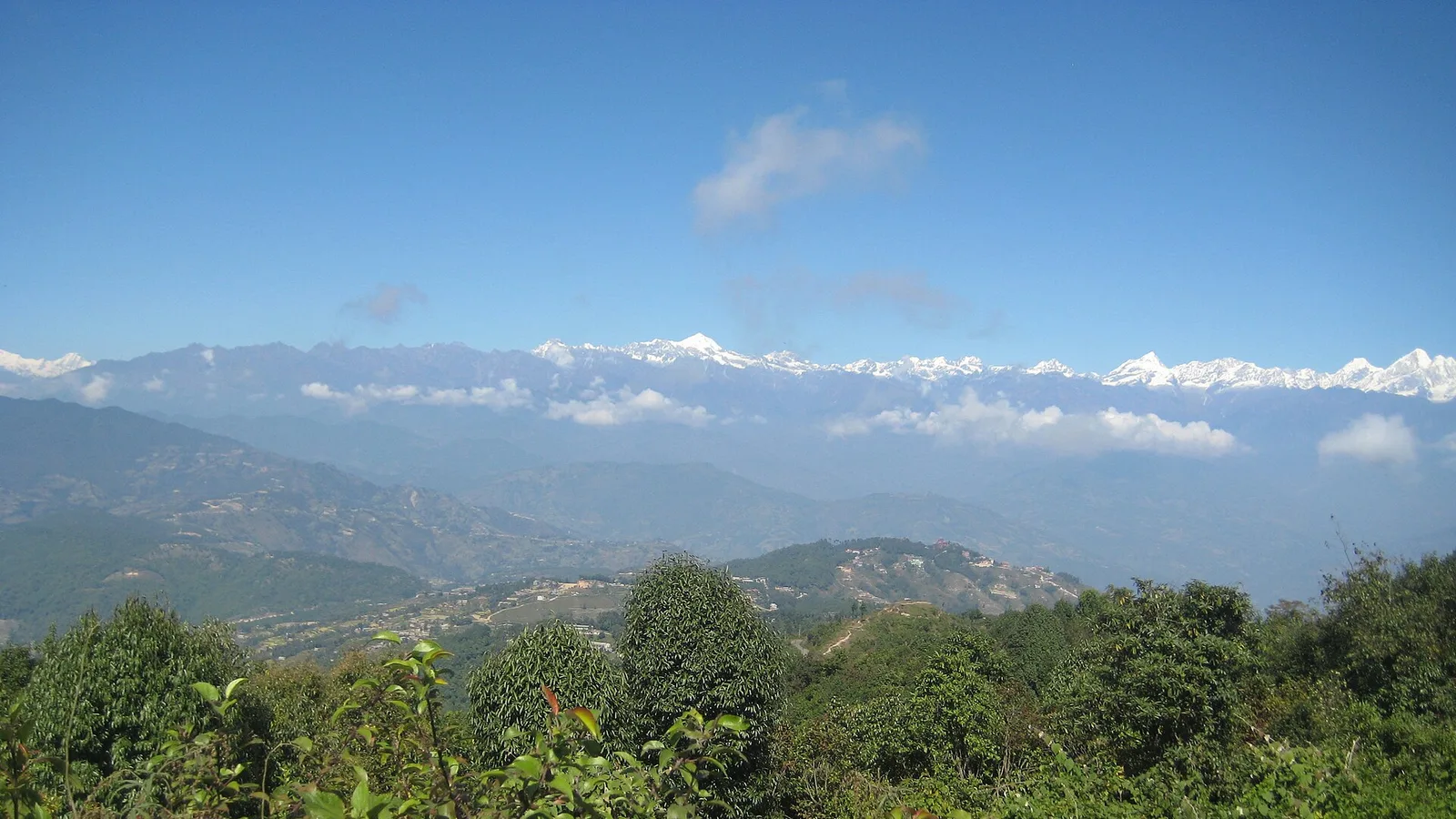
Is the Chisapani–Nagarkot Trek Affected by the 2026 Nepal Floods?
Short answer: no. This short cultural trek runs the forested rim of the Kathmandu Valley through Shivapuri National Park — the Bagmati watershed, well south of the Rasuwa flood. The valley and its trails are open and normal.