
How to Make a Travel Insurance Claim in 2026 (and Actually Get Paid)
Report incidents on the day, keep every receipt, claim inside the deadline, and know who pays first — plus how to escalate to the ombudsman if you're unfairly refused.
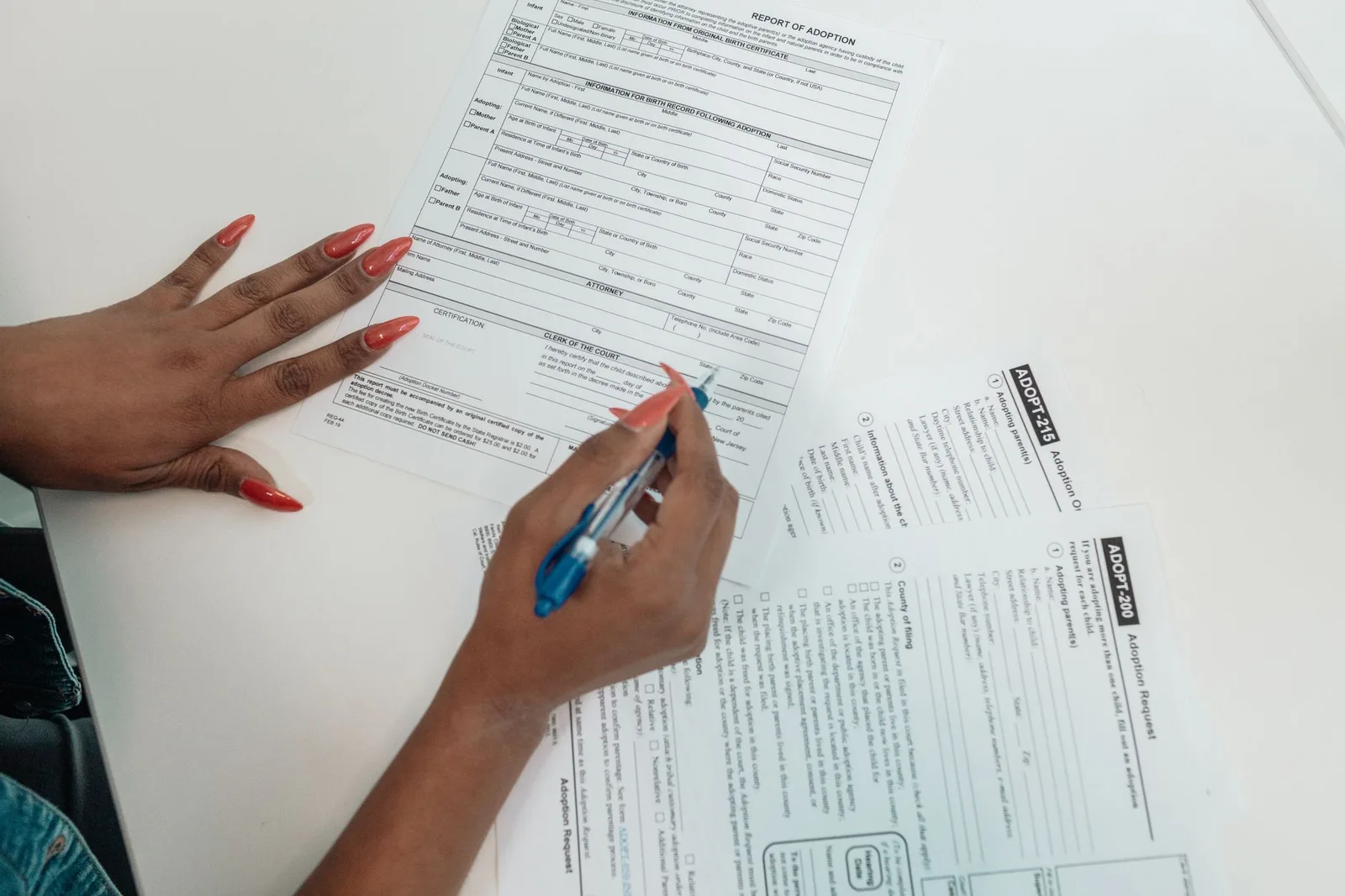
A travel insurance claim is not paid because you had a policy — it is paid because you can prove what happened, you reported it at the time, and nothing you did broke the rules. Most people only meet their insurer at the worst possible moment: a hospital corridor, a police station, a baggage desk. By then the claim is already being won or lost, and the difference is almost never the price of the policy. It is the paperwork. Here is how to make a claim in 2026 that actually pays out — the steps most travellers get wrong, and what to do if you are refused unfairly.
The five things that get a claim paid
- Report it at the time — a doctor's note for anything medical, a police report or airline PIR for theft, loss or damage.
- Call the insurer's emergency line first for any hospital admission or evacuation; gov.uk says to carry that number and your policy details with you.
- Keep every receipt and every reference number — the claim is built from evidence, not from your account of events.
- Claim inside the deadline — every policy has a claim window; miss it and a valid loss can still be declined.
- Claim in the right order — the airline or provider that caused the loss usually pays first; your insurer covers the shortfall.
Report the incident on the day it happens
The single biggest reason honest claims fail is that nobody created a record when the loss occurred. Insurers need contemporaneous proof — evidence made at the time, by someone other than you.
Medical. See a doctor and get a written note or discharge summary stating what was wrong and when. For any hospital admission, surgery or evacuation, phone the insurer's 24-hour emergency assistance line before you commit to major costs where you can — this is also how they authorise repatriation. The UK government advises travellers to carry the policy number and the insurer's emergency phone number, and to share them with the people they are travelling with.
Theft, loss or damage. Report theft to the local police and get a written report or crime reference — a claim with no police report is very hard to win. If baggage is lost, delayed or damaged by an airline, file a Property Irregularity Report (PIR) at the airport baggage desk before you leave the arrivals hall. That reference number is the spine of the whole claim.
Keep everything
Assume you will have to prove every line of your claim. Keep receipts for anything you buy because of the incident — emergency toiletries and clothes while a bag is delayed, a replacement medication, a new flight home. Photograph damage. Save boarding passes, booking confirmations, cancellation emails and medical invoices. A claim supported by a folder of dated evidence is settled quickly; a claim supported by memory is disputed.
| Claim type | Evidence you need | Common reason it's rejected |
|---|---|---|
| Medical | Doctor's note / discharge summary, itemised invoices, the emergency-line reference | Undeclared pre-existing condition, or an excluded activity caused it |
| Theft / baggage | Police report or airline PIR, proof of ownership, photos, receipts | No report filed at the time, or belongings left unattended |
| Cancellation | Proof of the reason (medical certificate, death certificate), unused bookings, cancellation invoices | Reason not a covered peril, or a "known event" you booked around |
| Delay / missed connection | Carrier's delay confirmation, times, receipts for essentials | Delay under the policy's minimum trigger, or no proof of spend |
Understand who pays first
Travel insurance usually sits behind the party that actually caused the loss. For baggage, that party is the airline. Under the Montreal Convention a carrier is liable for lost, damaged or delayed baggage up to about 1,519 Special Drawing Rights per passenger — roughly £1,500–£1,800 — and must reimburse the essential items you have to buy while a bag is delayed. Baggage still undelivered after 21 days is treated as lost. You claim from the airline first; your travel insurer then covers the shortfall or the excess. Try to skip the airline step and the insurer will simply send you back to do it.
Why claims get rejected
Beyond missing proof and missed deadlines, two failures dominate. The first is non-disclosure: gov.uk warns plainly that "failing to declare something may invalidate your travel insurance," and undeclared pre-existing conditions are the classic example. The second is an excluded activity — high trekking, winter sports, diving or riding a moped without the right add-on. If you are unsure what your policy quietly leaves out, our guide to the exclusions that void a claim walks through the small print line by line.
If your claim is unfairly refused
A "no" from the claims team is not the end. Ask for the decision in writing and put in a formal complaint to the insurer. In the UK the business then has up to eight weeks to give you a final response. If it still refuses and you believe it is wrong, you can take the case to the Financial Ombudsman Service — a free, independent body whose decision is binding on the insurer if you accept it. Around nine in ten disputes settle without a formal ruling. There is a time limit to refer after the insurer's final response, so check the deadline on that letter and don't sit on it.
The Nepal case: a helicopter evacuation claim
Nothing tests these rules like a mountain rescue. A helicopter evacuation from the Everest or Annapurna trails can run past US$5,000, and the claim only pays if three things line up. Your policy must cover trekking to the altitude you actually reached — declared before you left home, not assumed. You need a doctor's note confirming the medical reason for the evacuation. And you need the operator's paperwork — the flight invoice and rescue documentation — because the insurer settles against real bills, not a story. We tell every client the same thing: declare your altitude cover, report at the time, and keep every receipt. If in doubt about whether your policy reaches base-camp height, read whether your insurance actually pays for a Nepal helicopter rescue before you fly.
Trekking with us, your guide handles the rescue coordination and the operator paperwork on the ground so your claim has the evidence it needs. See our Everest Base Camp and Annapurna Base Camp itineraries, and sort your altitude cover before departure — not at 5,000 metres.
Cover photo: Kindel Media via Pexels (Pexels License).
Trekking in Nepal specifically?
Altitude is where most Nepal claims fail — the tier called “Trek” usually stops at 5,000m, below Kala Patthar and the Thorong La. We checked every provider’s published ceiling in our Nepal trekking insurance guide, with route-by-route detail for Everest Base Camp, Annapurna and the trekking peaks.
来源: GOV.UK, Financial Ombudsman Service, Montreal Convention
计划徒步?
我们负责许可证、后勤与向导
NMA 认证的本地向导,价格透明,自 1998 年以来 5,000+ 次徒步。告诉我们你的日期,其余的交给我们。


更多「Money & Insurance」
Money & Insurance
What Travel Insurance Does NOT Cover in 2026: The Exclusions That Void a Claim
The claim is not paid because you bought a policy — it is paid because nothing in the exclusions applies. Here are the standard exclusions that catch travellers out, and how to read them before you buy.
Money & Insurance
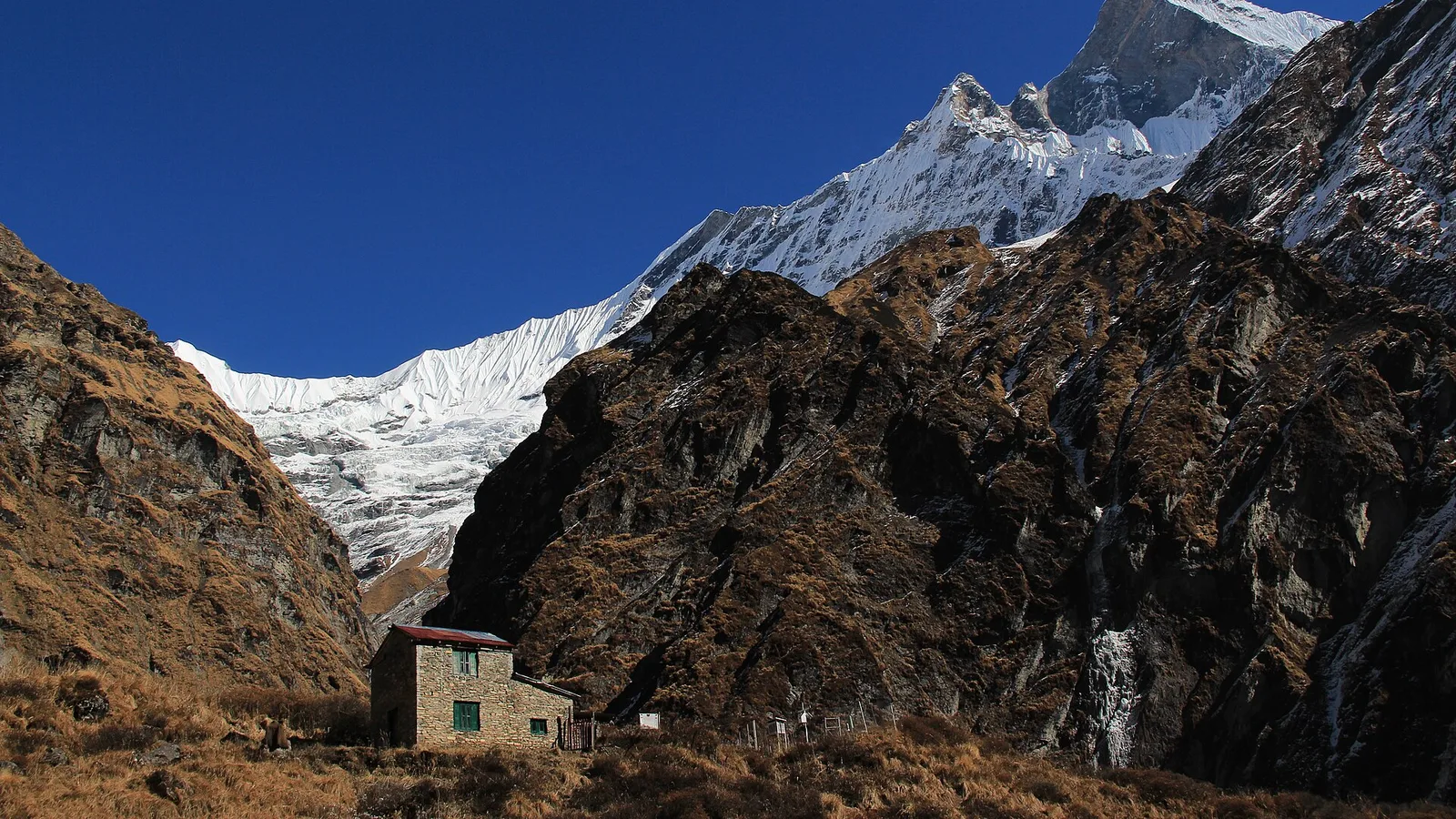
Nobody tells you what the Annapurna Base Camp trek really costs in 2026 - here's the honest number
A guided Annapurna Base Camp trek runs about US$700 to US$1,300 per person in 2026, permits and guide included. The permits themselves are only about US$33 - here's where the rest of the money actually goes.

Money & Insurance
Here's what a Manaslu Circuit trek really costs in 2026 now that solo trekkers can finally get the permit
A guided Manaslu Circuit runs about US$1,550 to US$2,100 per person in autumn 2026 - and since 22 March the old two-person permit rule is gone, so lone walkers no longer pay for a phantom second permit. Here's the honest, line-by-line breakdown.