
What Travel Insurance Does NOT Cover in 2026: The Exclusions That Void a Claim
The claim is not paid because you bought a policy — it is paid because nothing in the exclusions applies. Here are the standard exclusions that catch travellers out, and how to read them before you buy.
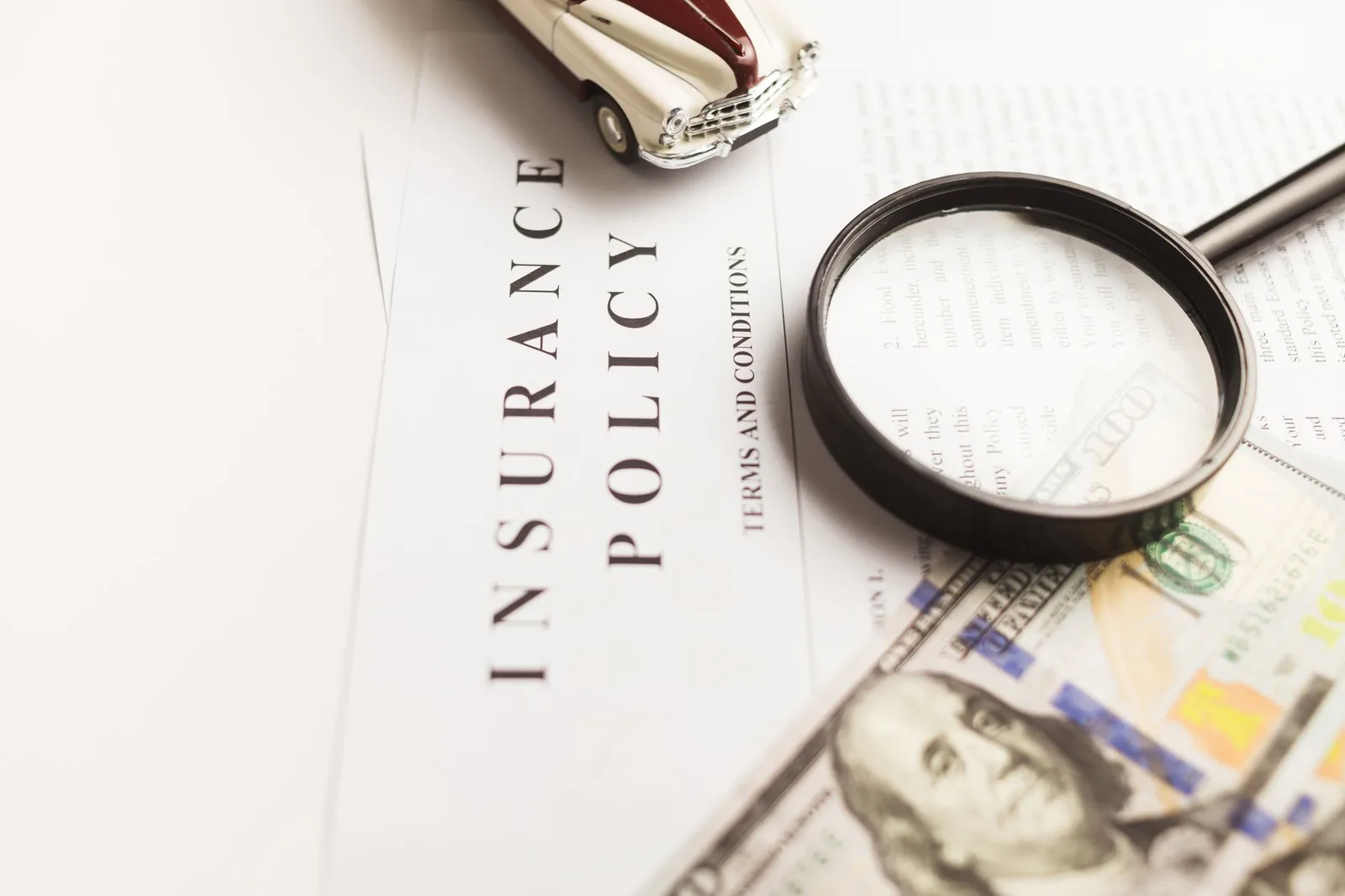
An insurance claim is not paid because you bought a policy — it is paid because nothing in the exclusions applies. Every travel policy is written in two halves: a short list of what it covers, and a much longer list of what it does not. The second half is where claims quietly die. People rarely read it, because it is dull, dense and written last. But almost every declined claim we have seen traces back to a single line in the exclusions that the traveller never opened. Here is what a standard travel policy does not cover in 2026, why those exclusions exist, and how to read them before you pay.
The exclusions that void claims
- Undeclared pre-existing conditions — the single most common reason a medical claim is refused.
- Alcohol and drugs — most policies exclude anything that happens after excessive drinking, per the UK government's own guidance.
- Undeclared high-risk activities — from skydiving to trekking above a stated altitude.
- Travelling against government advice — an "advise against all travel" warning can invalidate the whole policy.
- Known events, unattended belongings, war and civil unrest — plus a "reasonable care" clause that quietly underpins them all.
Insurance exists to cover the unexpected. As Wikipedia's summary of the industry puts it, exclusions "reflect the insurance industry's focus on unexpected, unforeseeable losses rather than predictable or self-inflicted circumstances." Read every exclusion through that lens and it starts to make sense: the insurer will not pay for a loss you caused, hid, or already saw coming.
The exclusions that catch people out
Undeclared pre-existing conditions. If you have an existing medical condition or pending treatment and do not declare it, the UK government warns plainly that "failing to declare something may invalidate your travel insurance." That includes mental health conditions. Declaring may raise your premium — but it is the difference between a paid claim and a five-figure hospital bill you owe personally.
Alcohol and drugs. Most policies "do not cover events that happen after you have drunk excessive alcohol," and recreational drug use is excluded outright. A twisted ankle leaving a bar can be enough for an insurer to walk away.
Undeclared high-risk activities. Standard cover assumes a beach-and-city holiday. Bungee jumping, jet skiing, skydiving, winter sports, quad bikes and mopeds are commonly excluded unless you add them. For trekkers this matters most as an altitude limit — more on that below.
Travelling against government advice. If your foreign ministry "advises against all travel" or "all but essential travel" to a region and you go anyway, your insurance may be invalidated entirely — not just for that region, but often for the whole trip.
Known events. Insurers "exclude coverage for ongoing known events." Once a storm is named and forecast, an epidemic is declared, or a volcano is rumbling, cover for that specific event usually stops for new policies. You cannot insure a fire that has already started.
Unattended belongings and "reasonable care." Leaving a bag on a café chair, a phone on a beach towel, or valuables visible in a car typically voids a theft claim. Behind this sits a broad "reasonable care" or "duty of care" clause: you must act as if you were uninsured.
War, civil unrest and pandemics. Acts of war and terrorism are standard exclusions, natural disasters and civil unrest often carry only limited cover, and pandemic scenarios vary enormously between policies. None of these are safe to assume.
| Exclusion | Why claims get denied | How to avoid it |
|---|---|---|
| Undeclared pre-existing condition | Insurer finds an undisclosed condition linked to the claim and voids the policy | Declare every condition and pending treatment when you buy |
| Alcohol or drugs | Incident happened after excessive drinking or drug use | Know that "one too many" before an accident can end the claim |
| High-risk activity / altitude | Activity or trekking altitude sits outside the policy's stated limits | Add an adventure pack and confirm the covered altitude in writing |
| Against government advice | You travelled to an "advise against all travel" area | Check the official advisory for every region before you go |
| Known event | Named storm, epidemic or hazard was already public when you bought | Buy cover early, before an event becomes foreseeable |
| Unattended belongings | Item left unsupervised or in view in a vehicle | Keep valuables on you; never leave bags unattended |
How to read the exclusions before you buy
The exclusions live in the policy wording — the long PDF, not the marketing page. Open it and search for the words "General Exclusions," "What is not covered," and "Conditions." Read those three sections first, before the glossy list of benefits. Then check three things specific to your trip: the maximum trip length, every activity you might do, and every place you will visit, "even if only in transit," as the UK guidance stresses. If any answer is unclear, the exclusion is the default — ambiguity favours the insurer.
This is a companion to our overview of what travel insurance actually covers in 2026: the two lists are the same document read from opposite ends. If you have a health history to declare, read our note on what declaring a pre-existing condition really means before you buy.
Read the exclusions before you buy. The declined-claim stories almost never involve a hidden trick — the reason was written in the policy all along. Ten minutes in the "What is not covered" section is the cheapest insurance you will ever buy.
The Nepal detail that voids trekking claims
Two exclusions decide most Himalaya claims. The first is altitude. Many policies cover "trekking" only to a stated ceiling — often 3,000 to 4,000 metres. Everest Base Camp sits at 5,364m and Kala Patthar higher still; a standard policy simply does not cover you up there, and neither will it pay for the helicopter down. Declare your real maximum altitude and your activities, and confirm the covered figure in writing before you fly.
The second is government advice. If an advisory warns against travel to a particular border area or region and you trek there anyway, the claim can be void regardless of altitude. Check the advisory for each area on your route, not just for "Nepal" as a whole.
We would rather you were honest with your insurer and fully covered than quoted a cheaper premium that pays nothing when it matters. If you are planning an Everest Base Camp trek or any high route with us, tell us your itinerary and we will tell you the exact altitude and permits to declare — so the cover you buy is the cover you can actually claim on.
Cover photo: Vlad Deep via Pexels (Pexels License).
Trekking in Nepal specifically?
Altitude is where most Nepal claims fail — the tier called “Trek” usually stops at 5,000m, below Kala Patthar and the Thorong La. We checked every provider’s published ceiling in our Nepal trekking insurance guide, with route-by-route detail for Everest Base Camp, Annapurna and the trekking peaks.
来源: UK Government (gov.uk) foreign travel insurance guidance; Wikipedia: Travel insurance
计划徒步?
我们负责许可证、后勤与向导
NMA 认证的本地向导,价格透明,自 1998 年以来 5,000+ 次徒步。告诉我们你的日期,其余的交给我们。


更多「Money & Insurance」
Money & Insurance
Nobody tells you what the Annapurna Base Camp trek really costs in 2026 - here's the honest number
A guided Annapurna Base Camp trek runs about US$700 to US$1,300 per person in 2026, permits and guide included. The permits themselves are only about US$33 - here's where the rest of the money actually goes.
Money & Insurance
Here's what a Manaslu Circuit trek really costs in 2026 now that solo trekkers can finally get the permit
A guided Manaslu Circuit runs about US$1,550 to US$2,100 per person in autumn 2026 - and since 22 March the old two-person permit rule is gone, so lone walkers no longer pay for a phantom second permit. Here's the honest, line-by-line breakdown.

Money & Insurance
Travel Insurance Excess Explained (2026): Why the Cheapest Policy Can Cost You the Most
The excess is the first slice of every claim you pay yourself. How a higher voluntary excess cuts your premium, why it bites per claim AND per section, and how a low headline price can leave you worse off than a dearer policy.