
There's a Flame in Nepal That Has Burned on Water for Centuries — and Hindus, Buddhists and Sikhs All Call It Holy
At 3,710 metres in Mustang, a natural-gas flame burns beside a glacial spring that has never run dry — one of the only shrines in the Himalaya shared, uncontested, by two major faiths for centuries.
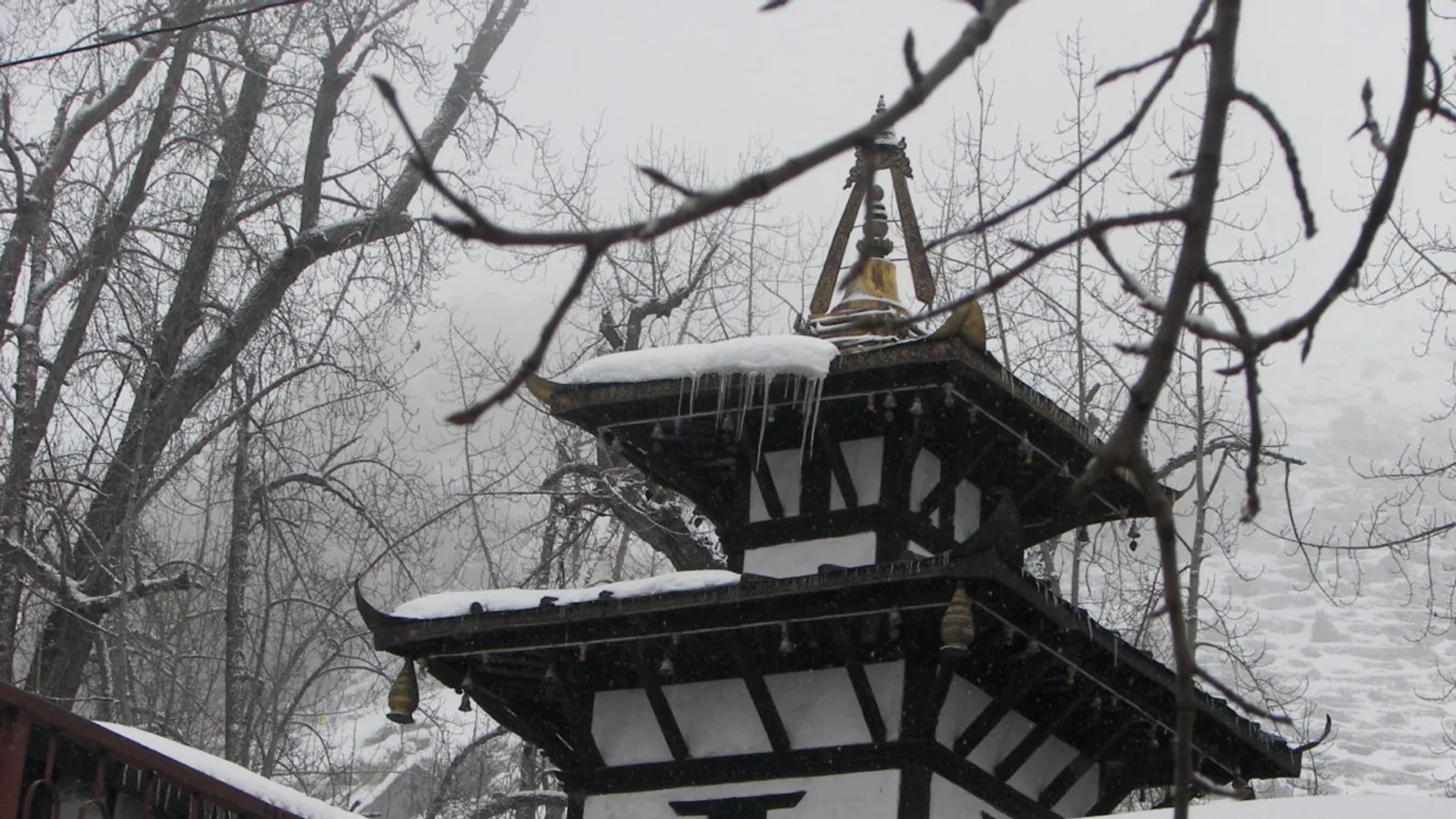
At a glance
- Published
- TopicRecords & People
- Verified againstSacred Sites — World Pilgrimage Guide
- Treks coveredAnnapurna Circuit Trek — 10 Days, Jomsom Muktinath Trek
At 3,710 metres in Nepal's Mustang district, a stone shrine holds something that should not exist: a flame that has burned for generations directly beside a natural spring, fire and water sharing the same small chamber without ever putting each other out.
The shrine is Muktinath, and the flame is genuine — no trick of light, no gimmick for pilgrims. It is fed by natural gas that seeps up through fissures in the rock beneath the temple, ignites at the surface, and burns steadily next to spring water that has never stopped flowing. Hindus worship the fire as Jwala Mai, the goddess of flame. Tibetan Buddhists, who call the whole site Chumig Gyatsa — 'Hundred Waters' — regard it as one of the holiest points in the Himalaya. Sikh tradition, recorded in the janamsakhis that trace Guru Nanak's travels, numbers Muktinath among the places he is said to have walked, and Jain literature also lists it among Nepal's sacred sites.
Key facts
- Muktinath sits at 3,710m (12,172ft) in Nepal's Mustang district, just below the 5,416m Thorong La pass
- Below the main pagoda, the Jwala Mai Temple holds flames that burn continuously on natural gas seeping up through the rock
- 108 stone spouts shaped like cow heads pour glacial meltwater around the temple courtyard, known as Muktidhara
- The Sanskrit name Muktinath means 'Lord of Liberation' — pilgrims believe a visit here grants moksha, release from the cycle of rebirth
What makes Muktinath unusual isn't the flame alone — sacred fires exist elsewhere in the world — it's that this one sits beside a body of water that keeps flowing regardless. Geologists explain it plainly: the Mustang valley sits on a fault-riddled stretch of the Himalaya where methane trapped in shale beds finds its way to the surface through cracks opened by the same tectonic collision that built these mountains. Pilgrims read it differently — as proof that this particular ground holds something rare, where the elements refuse to cancel each other out.
Four traditions, one staircase
Walk the temple steps on any morning during pilgrimage season and you'll see Hindu sadhus and Tibetan Buddhist monks climbing the same stone stairs, bathing under the same 108 spouts, and lighting butter lamps in front of the same flame. It's one of the very few sites in the Himalaya where two major faiths have shared uncontested ownership of a single shrine for centuries, rather than building separate structures nearby.
| Element | What you see |
|---|---|
| Water | 108 glacial spouts (Muktidhara) |
| Fire | Continuously burning gas flames, Jwala Mai temple |
| Earth | Black Shaligram ammonite fossils, found in the nearby Kali Gandaki riverbed |
| Sky | The open Himalayan horizon above Thorong La |
| Wind | The valley's constant afternoon gusts, funnelled up the Kali Gandaki gorge |
What this means for trekkers
What this means for you
Muktinath isn't a detour that needs a separate trip — it sits directly on two of Nepal's classic routes. Trekkers crossing Thorong La on the Annapurna Circuit descend straight into it from the Manang side; trekkers flying into Jomsom reach it in a single day's walk or a short jeep ride. Either way you'll need an Annapurna Conservation Area Permit (ACAP); the shrine itself has no separate entry fee.
The clearest months to see the temple without a monsoon washout or a snowbound pass are March–May and September–November, the same windows that make the wider Annapurna region trekkable. Because the site sits above 3,700m, guides recommend acclimatising in Manang or Jomsom rather than pushing straight through, particularly if you arrive by the short Jomsom flight instead of walking up gradually.
Our Jomsom–Muktinath trek is built specifically around the shrine and the surrounding Mustang desert landscape; trekkers on the longer Annapurna Circuit pass through it naturally on the descent from Thorong La. Full permit requirements for the region are in our ACAP and TIMS guide.
Source: Sacred Sites — World Pilgrimage Guide, Muktinath Temple
Cover photo: Ankitrimal via Wikimedia Commons (CC BY-SA 3.0).
Planning a trek?
Trek this route with us — Jomsom Muktinath Trek
NMA-certified local guides, transparent pricing, 5,000+ treks since 1998. Message us your dates and we'll sort the permits, lodges and logistics — reply within 24 hours, no obligation.


Popular Nepal treks
All treks →


Related coverage
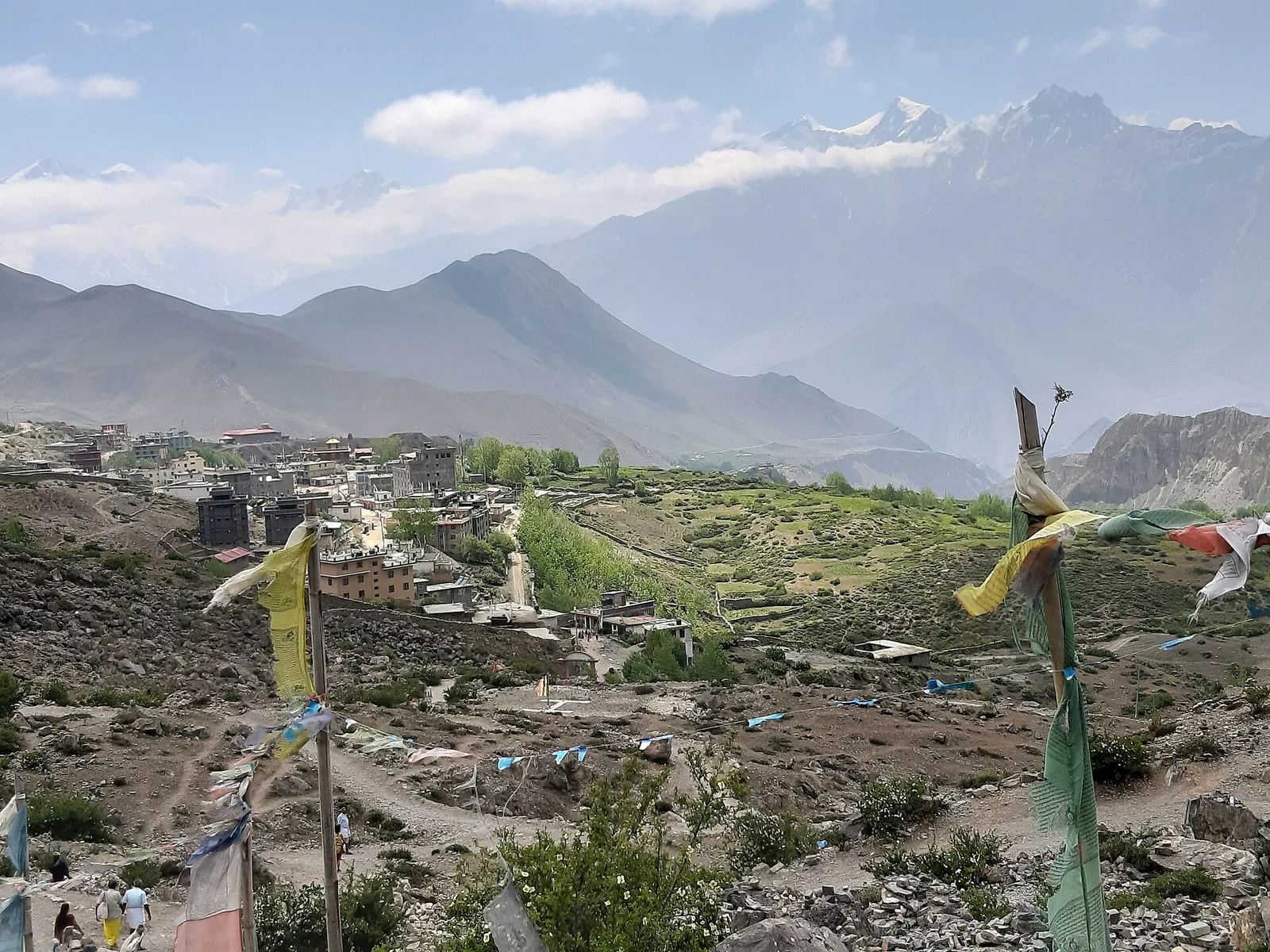
Records & People
The Temple Where Fire Burns on Water — and Two Religions Call It Holy
At 3,762 metres in Nepal's Mustang district, natural gas burns continuously above a spring inside Jwala Mai temple, part of a shrine both Hindus and Buddhists climb the Himalaya to reach.
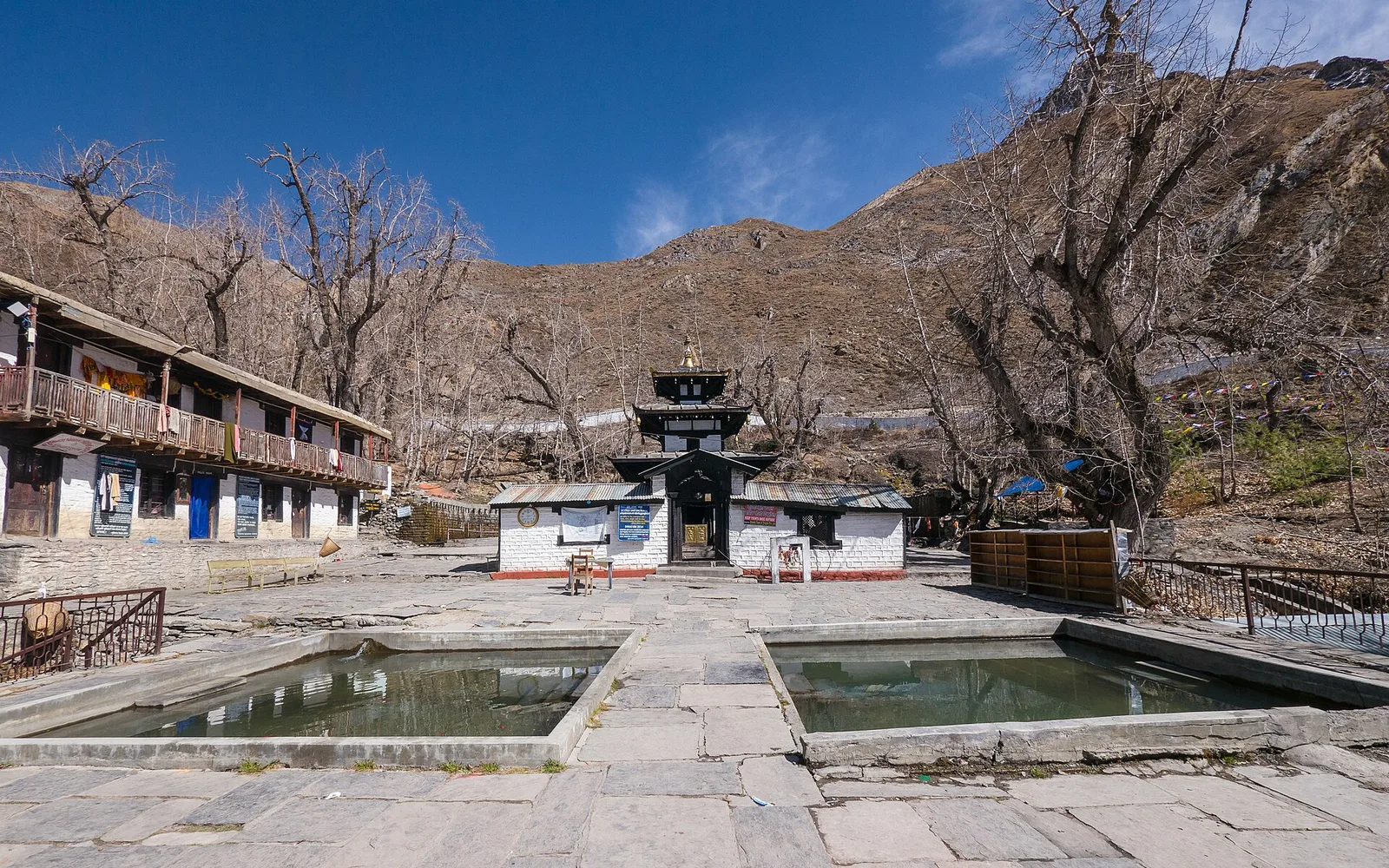
Industry & Tourism
The Temple Where Fire Burns on Water: Inside Nepal's Strangest Sacred Site at 12,343 Feet
At Muktinath, a natural-gas flame flickers directly above a cold mountain spring — a geological quirk that Hindus and Buddhists have both worshipped for generations, and that modern trekkers walk right past.
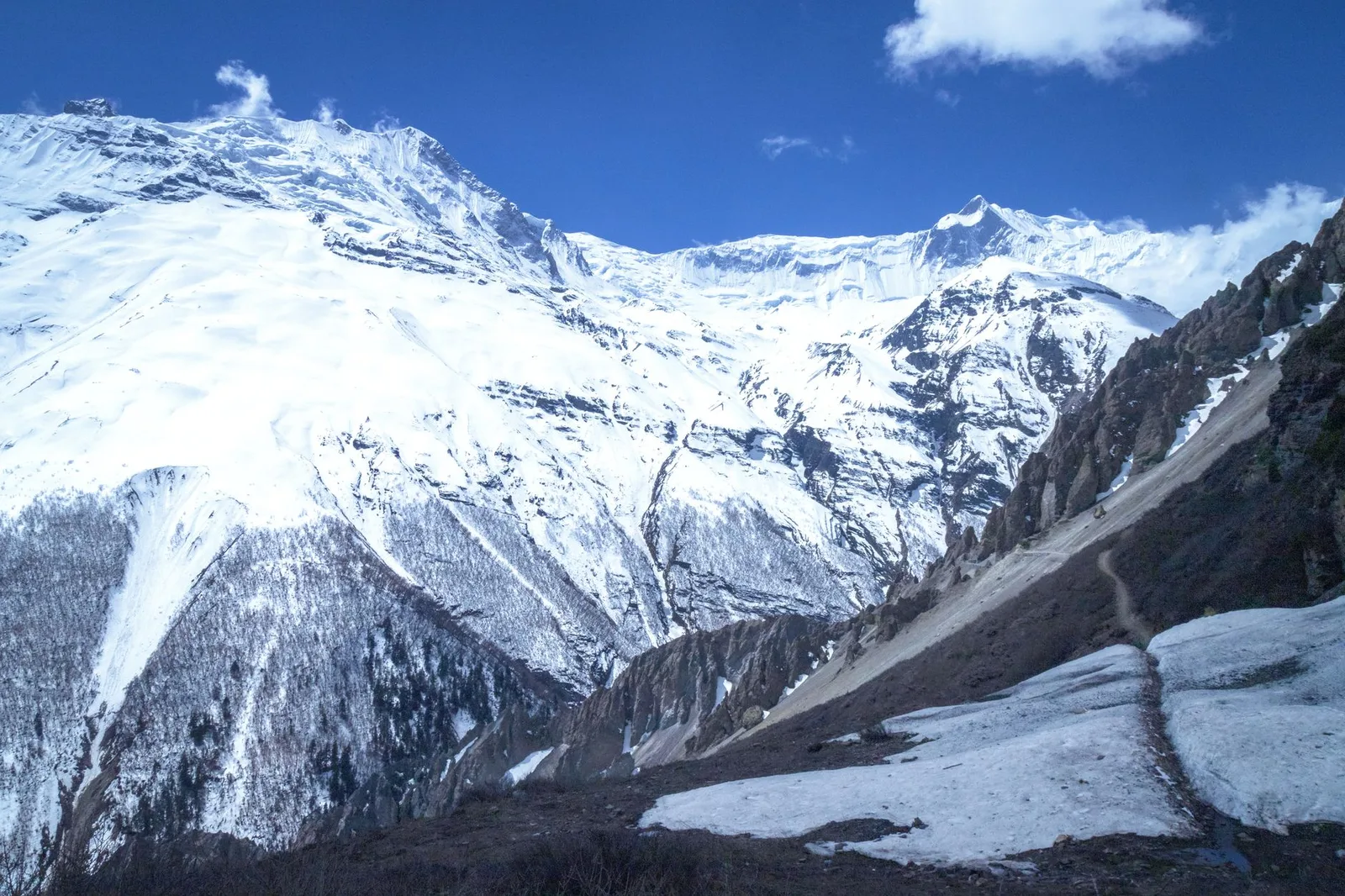
Records & People
The World's Deepest Gorge Splits Two 8,000-Metre Peaks — and a Trail Runs Right Through It
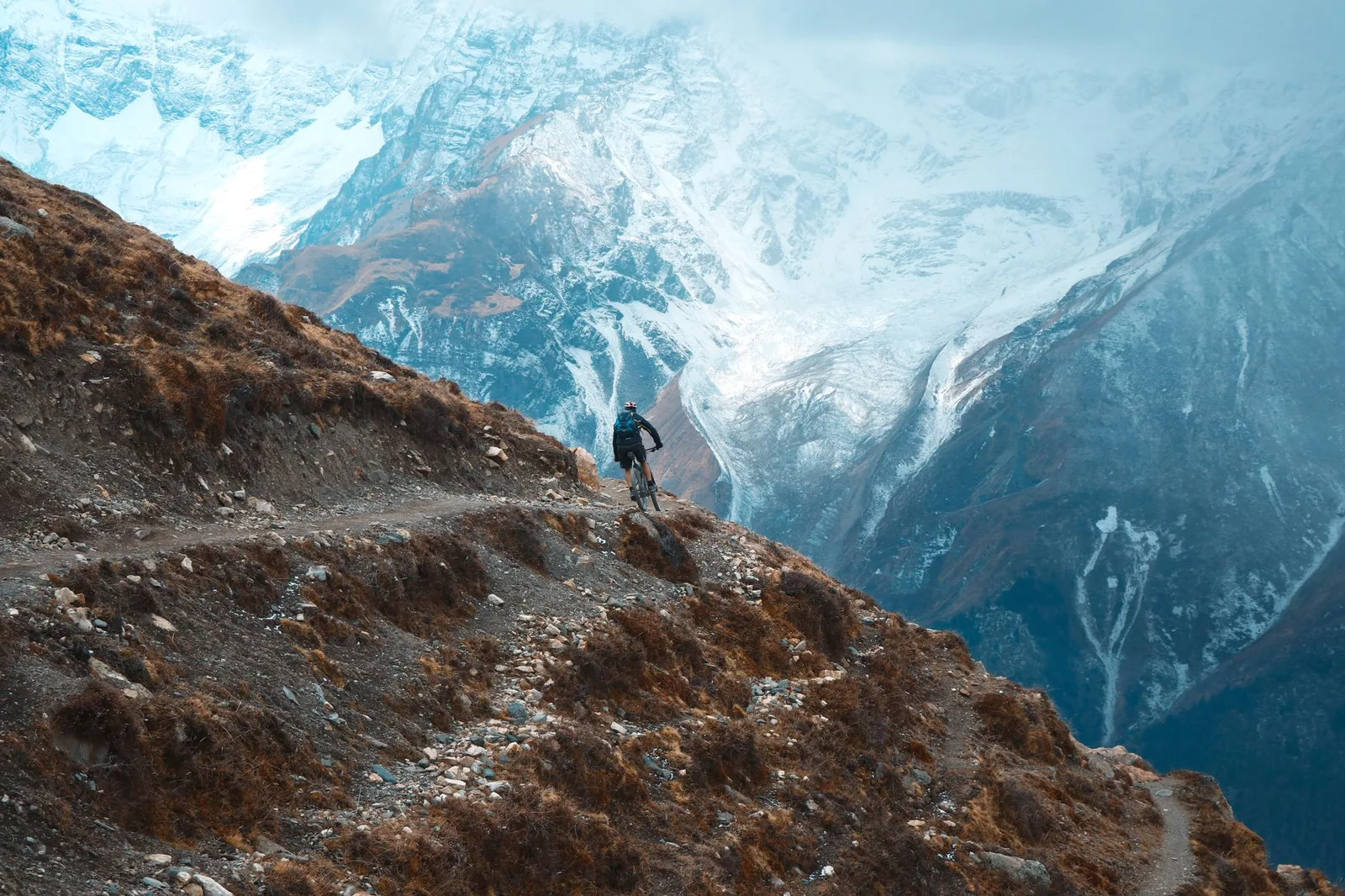
Nepal's Kali Gandaki Gorge drops 5,571 metres between Annapurna and Dhaulagiri, deeper than the Grand Canyon three times over — and the Annapurna Circuit walks straight along its floor.
Safety & Advisories
Is Trekking in Nepal Dangerous? What the Real 2025/26 Death Data From Annapurna Shows
Twenty-five tourists died of altitude sickness in the Annapurna region this fiscal year, the highest total on record. Here's what Nepal's own numbers actually say about the risk, and how almost all of it is preventable.
Latest from the desk
Industry & Tourism
Nepal Picked Up Two PATA Tourism Awards This Month — and Just Named 2027 Its First 'Wellness Year'
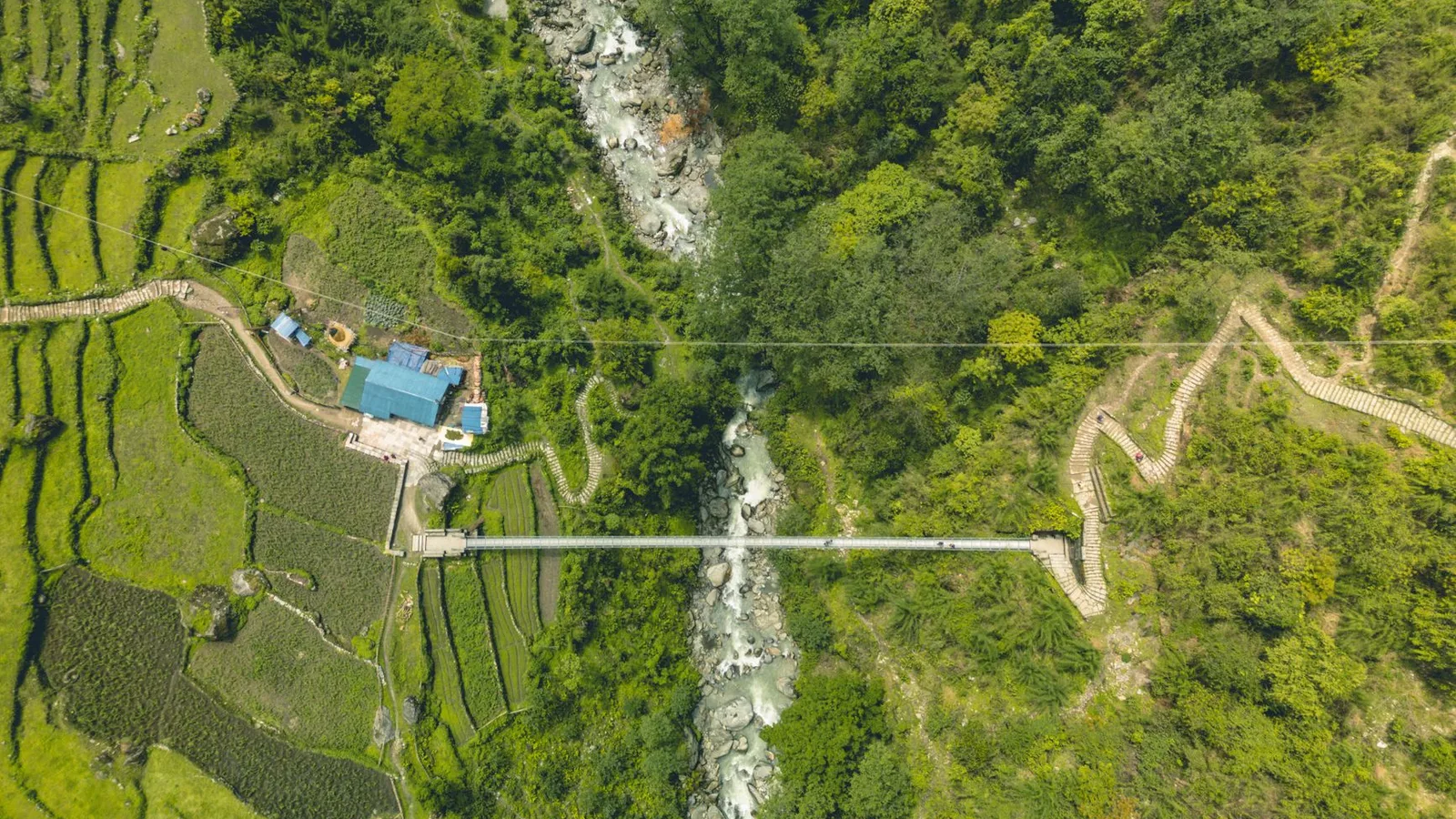
A 60-year membership award, a chapter Award of Excellence, and the world's highest marathon on display in Malaysia — Nepal's late-summer tourism push signals a pivot from trekking-only to trekking-plus-wellness.
Gear & Tech
How to Back Up Your Photos and Data While Traveling in 2026
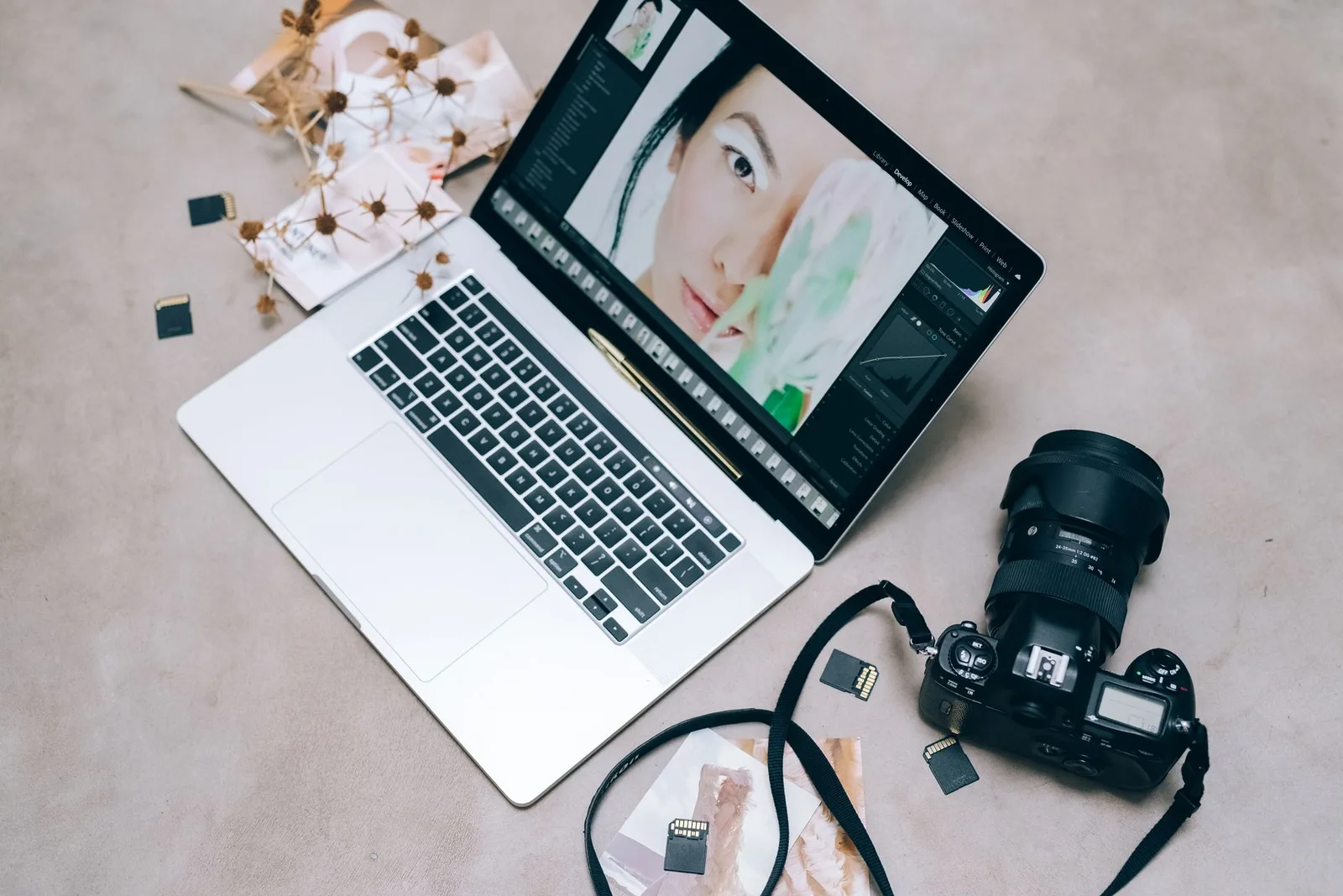
The 3-2-1 backup rule made simple for the road: switch on phone cloud sync, carry a spare SD card or small drive, keep maps and documents offline, and never trust one device — especially where trekking Wi-Fi is slow and mobile data thins out at altitude.

Visas & Entry
Schengen Visa Application 2026: How to Apply, the €90 Fee, Documents and Processing Time
A step-by-step guide to the short-stay Schengen visa in 2026 — which consulate handles you, the appointment and biometrics, the €90 fee, the documents you need, and the refusal reasons to avoid.