
Cruise Travel Insurance in 2026: Why Standard Cover Isn't Enough at Sea
A cruise looks like the safest holiday there is, which is exactly why a standard travel policy can leave you exposed. Here's what a cruise add-on covers that ordinary insurance misses — missed departure, cabin confinement, itinerary changes and the expensive at-sea medical evacuation — and what to check before you buy.
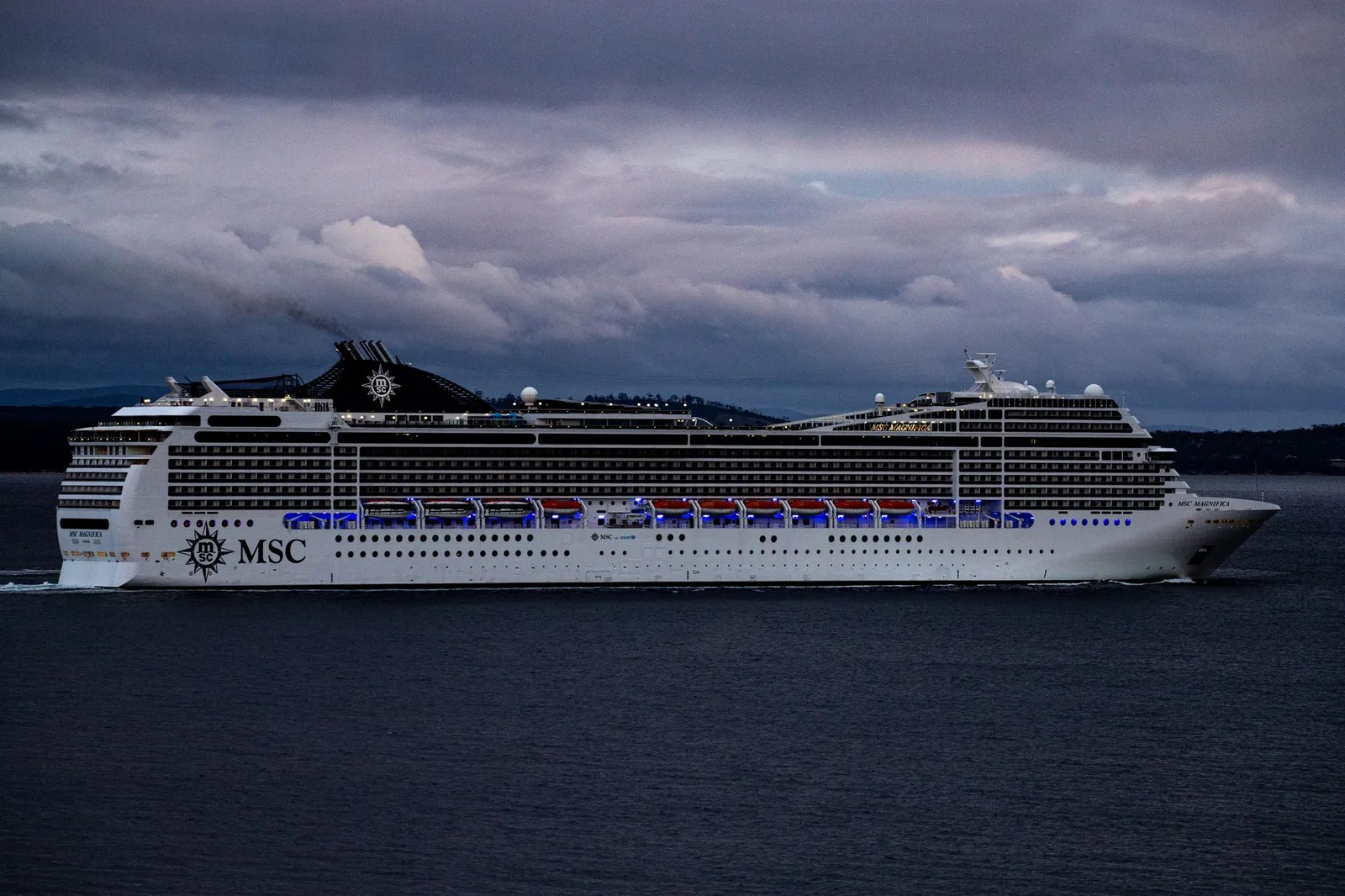
A cruise looks like the most sheltered holiday there is — one hotel that moves, all meals aboard, a fixed itinerary — and that is exactly why a standard travel policy can leave you dangerously exposed. The risks that define a cruise are not the risks a general policy is priced for: a missed sailing that no taxi can fix, a norovirus quarantine in your own cabin, a port dropped from the route, and a medical emergency hundreds of miles from the nearest hospital. Here is why ordinary cover often falls short in 2026, what a cruise add-on or specialist policy actually puts back, and what to check before you pay for it.
The short version
- A cruise generally needs an extra level of cover because, as the UK government puts it, "it is more difficult to get to hospital for treatment" from a ship at sea.
- Cruise cover is usually sold as an add-on or a specialist policy, not a feature of the cheapest base plan.
- The benefits that matter are cruise-shaped: missed departure/embarkation, missed port, cabin confinement, itinerary changes and emergency evacuation from ship to shore.
- At-sea medical care is limited and evacuation can be extraordinarily expensive — the one figure worth over-insuring is your medical and repatriation limit.
- Specific caps and triggers vary enormously by policy — read your own certificate, don't trust the brochure headline.
Why insurers treat a cruise differently
On land, a delayed connection or a hospital visit is an inconvenience with an obvious fix — another train, a nearby clinic, a repatriation flight home. At sea, every one of those fixes is harder and costlier. That is the whole reason cruise cover exists as a separate product. The UK government's foreign-travel-insurance guidance is blunt about it: cruises "generally require an additional level of cover because it is more difficult to get to hospital for treatment." A standard policy is priced and worded for a person who can walk into an emergency room; a cruise passenger, mid-ocean, cannot.
The gaps a standard policy leaves
The problem is rarely that a general policy pays nothing — it is that the cruise-specific events simply are not named in the wording, so there is nothing to claim against. Four situations catch people out.
| Risk unique to cruising | What standard cover usually misses | What a cruise policy adds |
|---|---|---|
| Missed the sailing — flight or transfer ran late and the ship left without you | Delay/missed-connection benefits are written around onward flights, not a departing ship; the payout may not fund catching the ship at its next port | Missed departure / missed embarkation — reasonable cost of travelling to join the cruise at a later port |
| Confined to your cabin by the ship's doctor (e.g. a norovirus outbreak) | No benefit for being quarantined while otherwise on holiday and not hospitalised | Cabin confinement — a set amount per day you are ordered to stay in your cabin |
| A port is cut from the itinerary for weather or operational reasons | Nothing for a changed route; you booked the ship, and it still sailed | Itinerary change / unused excursion cover for missed ports and pre-paid shore trips |
| Serious illness or injury mid-ocean | Medical limits set for a city-break may not stretch to an at-sea evacuation and repatriation | Higher medical limits plus emergency airlift / evacuation from ship to shore |
What a cruise add-on actually puts back
A cruise add-on or specialist cruise policy rewrites those gaps into named, claimable benefits. The headline four are missed departure (funding your travel to catch the ship down the coast when a delay makes you miss embarkation), cabin confinement (a daily sum if the ship's medical team orders you to isolate), missed-port and itinerary-change cover (something back when a scheduled call is cancelled), and unused excursion cover for shore trips you paid for but couldn't take. The exact amounts and the triggers that release them differ by insurer, which is why the certificate matters more than the sales page.
The real reason to buy it: medicine at sea
Everything above is money; this part is safety. A ship's infirmary handles stabilisation, not major treatment. As Wikipedia's summary of travel insurance notes, policies rely on assistance services to "organize transfers between hospitals or medical evacuations back to the insured person's country of origin" — and doing that from a vessel underway means a helicopter winch or a diversion to the nearest capable port, then onward transport and repatriation. That is one of the most expensive events in all of travel, and it is precisely where a thin medical limit fails. Treat your medical and repatriation cover, not the cabin-confinement perk, as the number to get right: buy it high, and confirm it explicitly includes evacuation while at sea.
Before you book cruise cover
Check five things against the policy wording, not the advert: (1) that cruise cover is actually included — many base plans exclude it unless you add it; (2) the medical and repatriation limit, and that it names evacuation at sea; (3) whether missed departure pays enough to fly you to the next port, not just a token sum; (4) the cabin-confinement daily amount and the cap; and (5) any age limits, pre-existing-condition rules and excursion exclusions. If you cruise more than once a year, price an annual multi-trip plan with a cruise upgrade against single-trip cover.
A cruise and a Himalayan trek are opposite trips — same lesson
We run treks, not cruises, so take this as the honest version rather than a sales pitch: the two holidays could not be less alike, but they teach the identical rule. Buy cover matched to the activity, not the average holiday. A cruiser needs at-sea evacuation and cabin-confinement cover a city policy never mentions. Our trekkers need the mirror image — high-altitude cover and helicopter rescue that a standard policy quietly excludes above a certain elevation. In both cases the cheap default plan is the one that pays out least where you actually stand to lose. If you want the trekking side of that equation done properly, our team spells out exactly what your policy must say before you join an Everest Base Camp, Annapurna Base Camp or Manaslu Circuit trek. For the wider picture of what any policy does and doesn't include, see our guide to what travel insurance actually covers in 2026.
Cover photo: Heather Soo via Pexels (Pexels License).
来源: UK Government — Foreign travel insurance guidance
计划徒步?
我们负责许可证、后勤与向导
NMA 认证的本地向导,价格透明,自 1998 年以来 5,000+ 次徒步。告诉我们你的日期,其余的交给我们。


更多「Money & Insurance」
Money & Insurance
Baggage & Lost-Luggage Travel Insurance in 2026: What It Really Pays (and Who Owes You First)
Baggage cover in 2026, decoded: delayed vs lost vs damaged luggage, the per-item and single-article limits nobody reads, why valuables are excluded, and the Montreal Convention rule that makes your airline pay before your insurer.
Money & Insurance
Family Travel Insurance in 2026: Who's Covered, the 'Kids Go Free' Catch, and the Altitude Check
How family and group travel insurance really works in 2026 — whether children are covered under a parent's policy, the "kids go free" catch, single-parent and adult-child rules, and the altitude check every trekking family must make.
Money & Insurance
Trip Delay & Missed-Connection Insurance in 2026: What the Delay Benefit Actually Pays
Travel-delay and missed-connection cover reimburse the meals and hotel bed you're forced to buy when a flight is held up — but only after a trigger, and only with receipts. Here's how it works, and how it differs from the airline's own EU261/UK261 duty of care.