
No insurance, no trek: Nepal's 2026 rule that could save you $10,000
Nepal now wants proof of insurance covering helicopter evacuation to 6,000m before it issues your trek permit — and a high-altitude rescue can cost $10,000. Here's exactly what your policy must include.
At a glance
- Published · updated
- TopicSafety & Advisories
- Verified againstNepal Department of Immigration / The Kathmandu Post
- Treks coveredEverest Base Camp Trek — 12 Days, Manaslu Circuit Trek — 14 Days, Annapurna Base Camp Trek — 9 Days
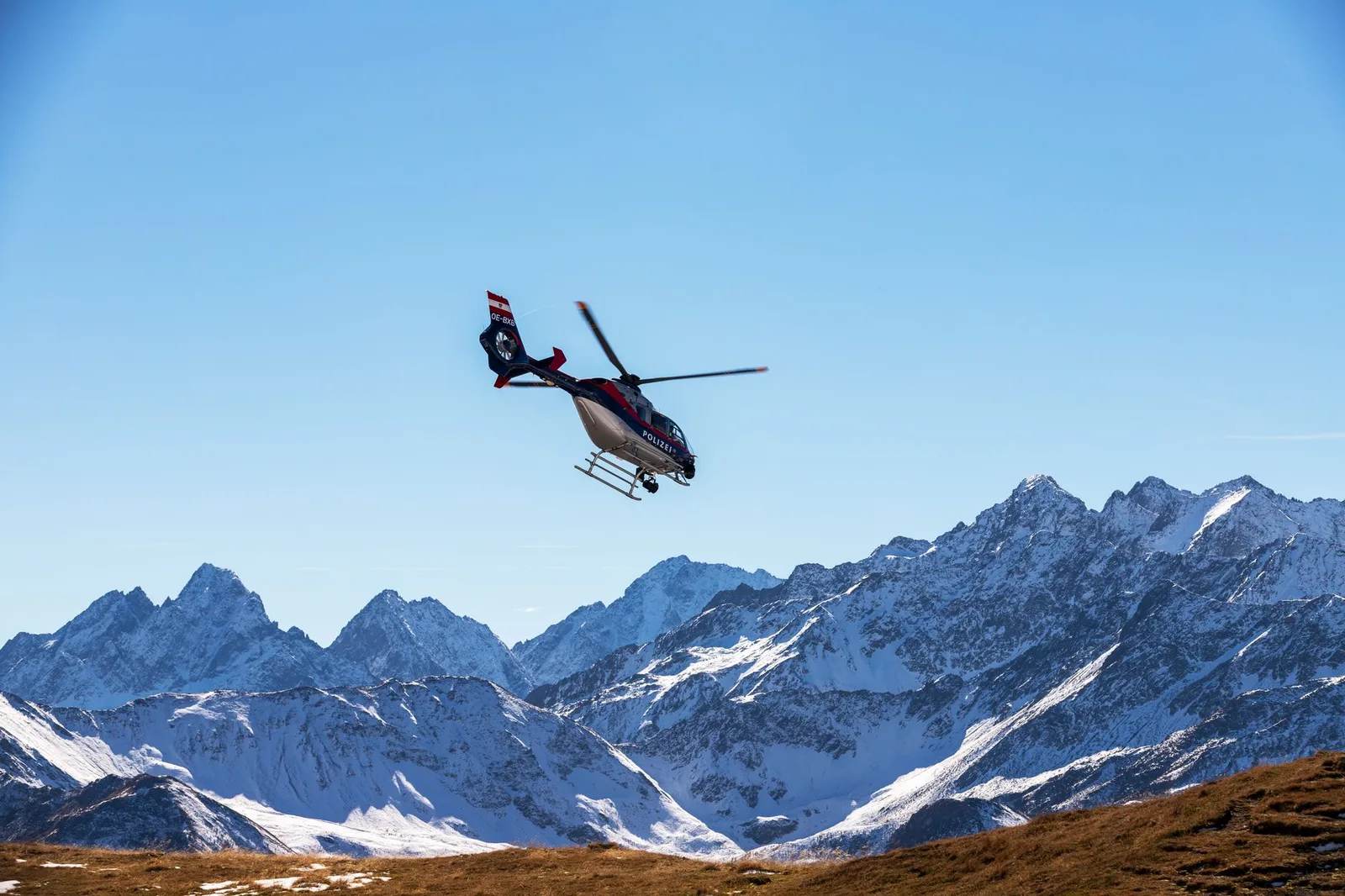
There is a new line on the Nepal trekking checklist for 2026, and it is the one you cannot skip: insurance. Proof that your policy covers helicopter evacuation and medical care at altitude is now firmly required for restricted-area permits (Manaslu, Upper Mustang, Tsum, Nar Phu and the other controlled zones), and every reputable operator will ask to see it before you set foot on the trail. Nepal's Integrated Tourism Bill, passed by the National Assembly in February 2026, would tighten insurance provisions further once it becomes law. It sounds like red tape — but given that a high-altitude rescue can run to ten thousand dollars, it is the rule most likely to save you from financial ruin on the trail.
From the trail · Mustang


Key facts
- Nepal now expects proof of trekking insurance before issuing permits
- Cover must include helicopter evacuation + medical to 6,000m
- Standard travel insurance often caps at 3,000–4,000m or excludes heli
- A high-altitude rescue can cost USD 6,000–10,000+
Why this rule exists
After a decade of rising accidents, stretched rescue budgets and the strain of mass tourism on the high trails, Nepal moved to make sure trekkers carry their own safety net. The principle is blunt: no valid insurance, no permit, no trek. And the altitude figure matters — a policy that only covers you to 4,000m is useless on a trek that crosses 5,000m passes, which describes Everest Base Camp, the Annapurna Circuit, Manaslu and more.
| Rescue from | Typical cost (USD) |
|---|---|
| Namche Bazaar → Kathmandu | 3,000–5,000 |
| Above 5,000m | 6,000–10,000+ |
| Without cover | You pay it yourself |
What your policy must actually cover
Do not assume your normal travel insurance is enough — most of it is not. Read the fine print for three things: emergency helicopter evacuation (many policies exclude it entirely), medical cover at high altitude (look for trekking up to 6,000m, not a generic 3,000–4,000m cap), and that your specific activity (trekking, and peak climbing if relevant) is named. If any of those is missing, you are not actually covered for the thing most likely to go wrong.
What this means for you
Buy a policy that explicitly states helicopter evacuation and medical cover to at least 6,000m, name your trek, and carry the documents with you. And choose your operator as carefully as your insurer — after the 2026 fake-rescue scandal, an honest team that treats evacuation as a medical last resort, not a revenue line, is part of your safety net. We tell every client exactly what cover to get before they fly.
Source: Nepal Department of Immigration; The Kathmandu Post (Integrated Tourism Bill, February 2026).
Cover photo: Alan Kabeš via Pexels (Pexels License).
Trekking in Nepal specifically?
Altitude is where most Nepal claims fail — the tier called “Trek” usually stops at 5,000m, below Kala Patthar and the Thorong La. We checked every provider’s published ceiling in our Nepal trekking insurance guide, with route-by-route detail for Everest Base Camp, Annapurna and the trekking peaks.
Still running this season
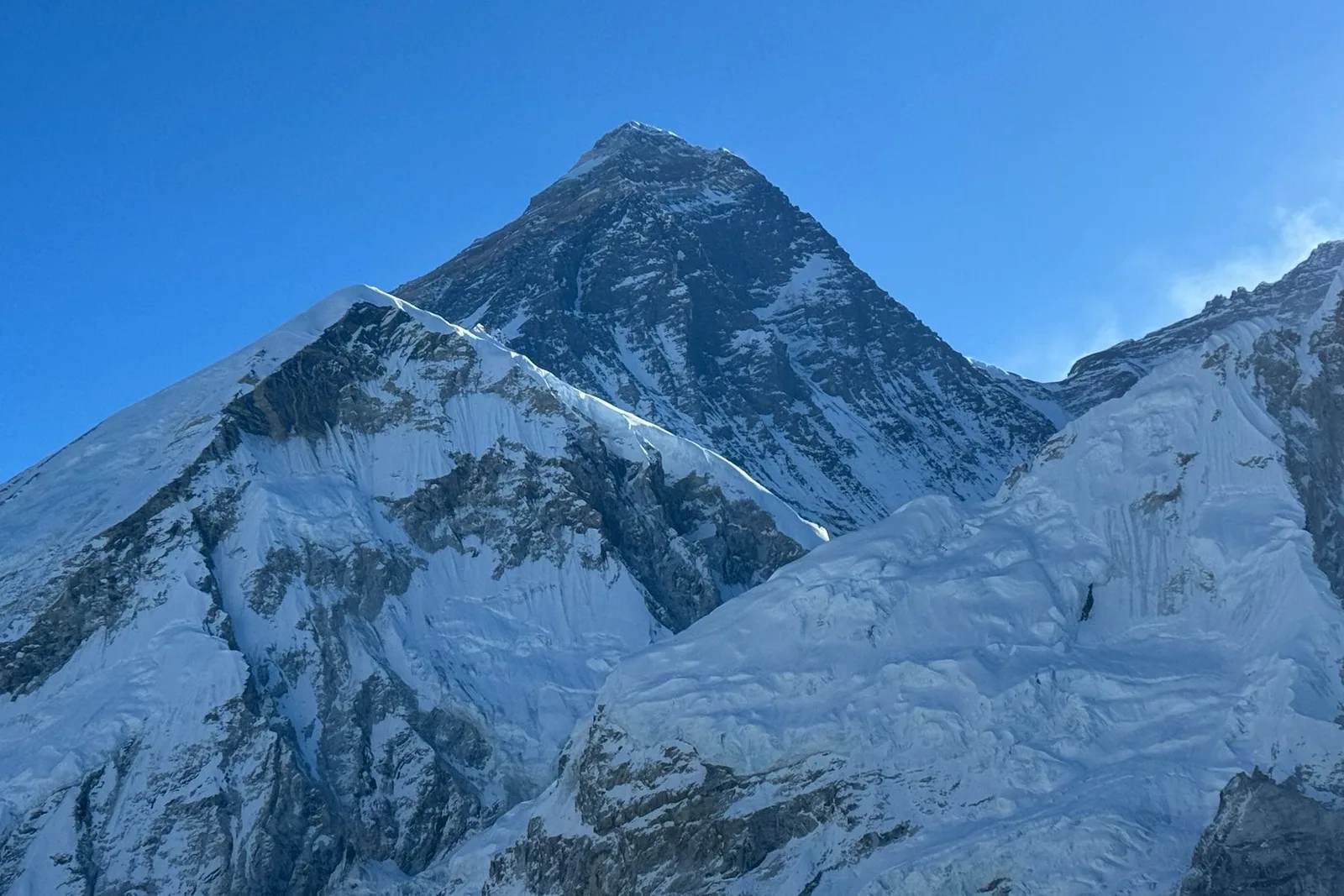
Everest Base Camp Trek — 12 Days is running normally
NMA-certified local guides, transparent pricing, 5,000+ treks since 1998. Message us your dates and we'll sort the permits, lodges and logistics — reply within 24 hours, no obligation.
Popular Nepal treks
All treks →
Related coverage
Safety & Advisories
Your Nepal Trekking Guide Just Spent the Week Learning to Keep You Alive Above 4,000m
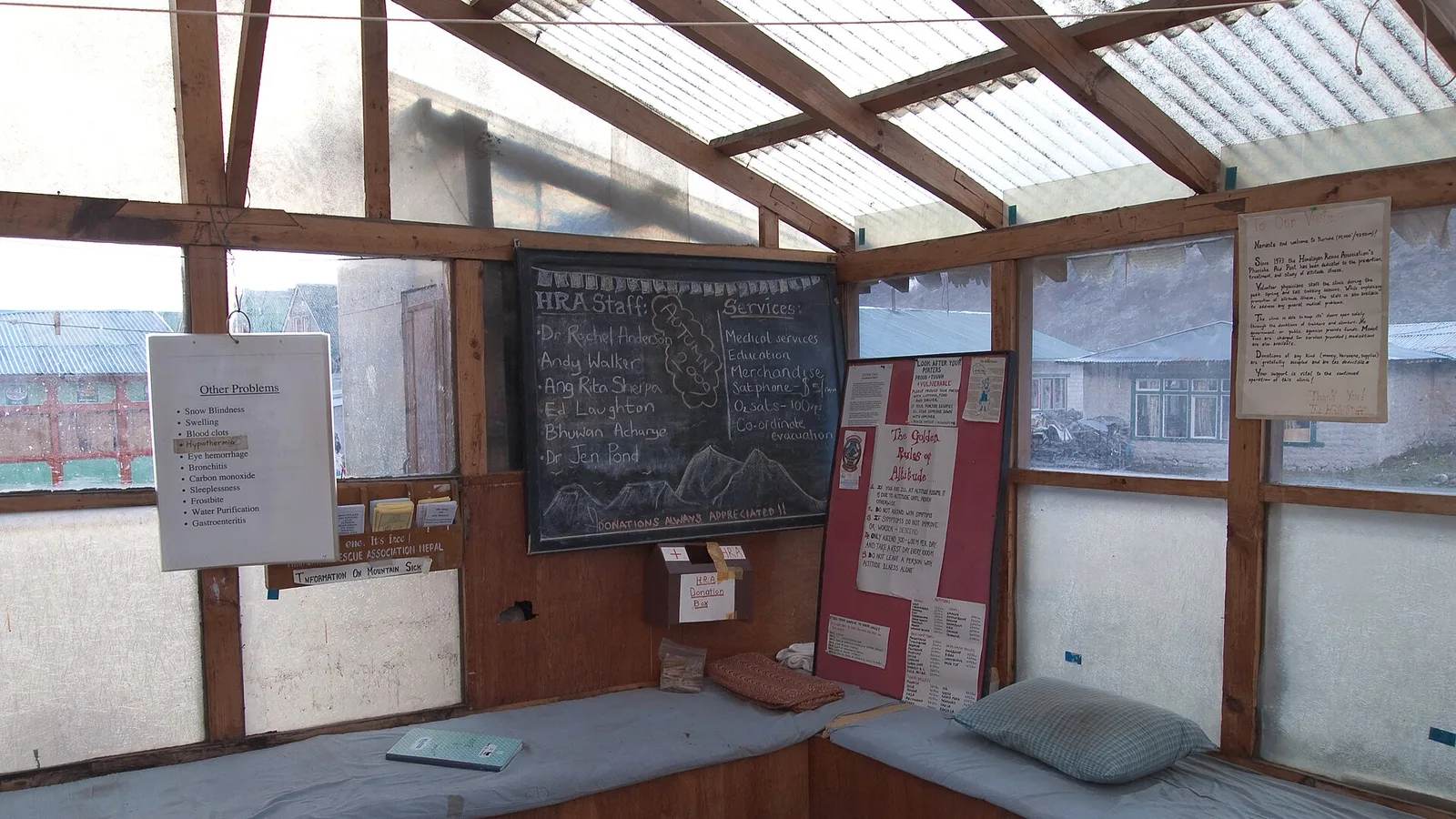
Days before Nepal's autumn trekking season opens, two of the country's oldest mountain-safety institutions ran back-to-back wilderness first-aid courses for working guides, drilling CPR, patient evacuation and the earliest signs of altitude sickness.

Money & Insurance
Travel Insurance Excess Explained (2026): Why the Cheapest Policy Can Cost You the Most
The excess is the first slice of every claim you pay yourself. How a higher voluntary excess cuts your premium, why it bites per claim AND per section, and how a low headline price can leave you worse off than a dearer policy.

Money & Insurance
Does Your Credit Card Include Travel Insurance in 2026? What It Covers — and the Costly Gap
Many premium and travel cards bundle some cover — but it's usually secondary, conditional and capped, and it almost never pays for the emergency medical bill or evacuation that actually bankrupts travellers.
Safety & Advisories
Altitude Sickness on Holiday in 2026: It Hits Tourists in High Cities and Sights, Not Just Trekkers
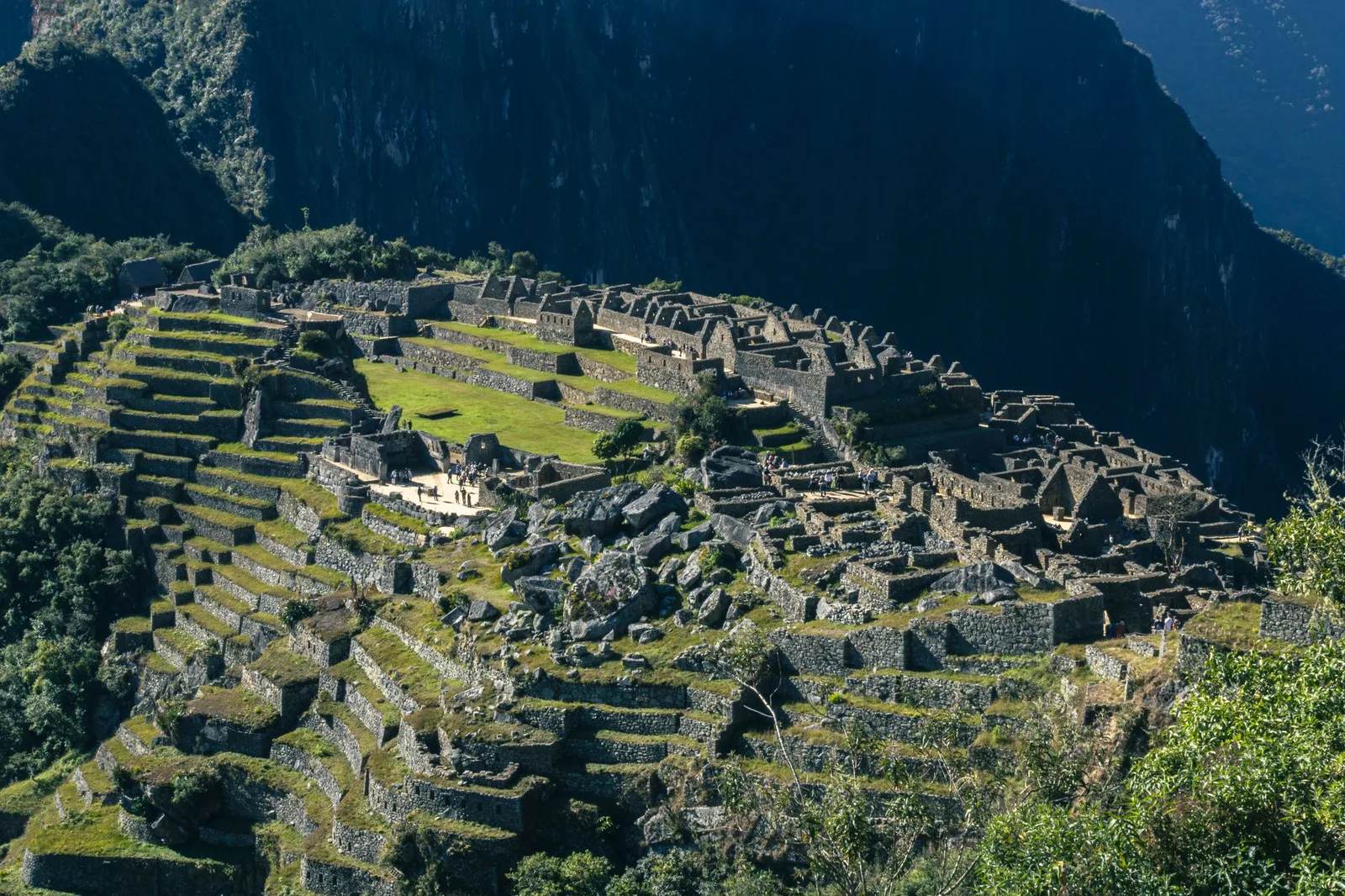
You do not have to climb a mountain to get altitude sickness. Cusco, La Paz, Lhasa and the ski slopes all sit high enough — here is how AMS works, the golden rules, and why fitness and age will not save you.
Latest from the desk
Breaking Trail & Weather
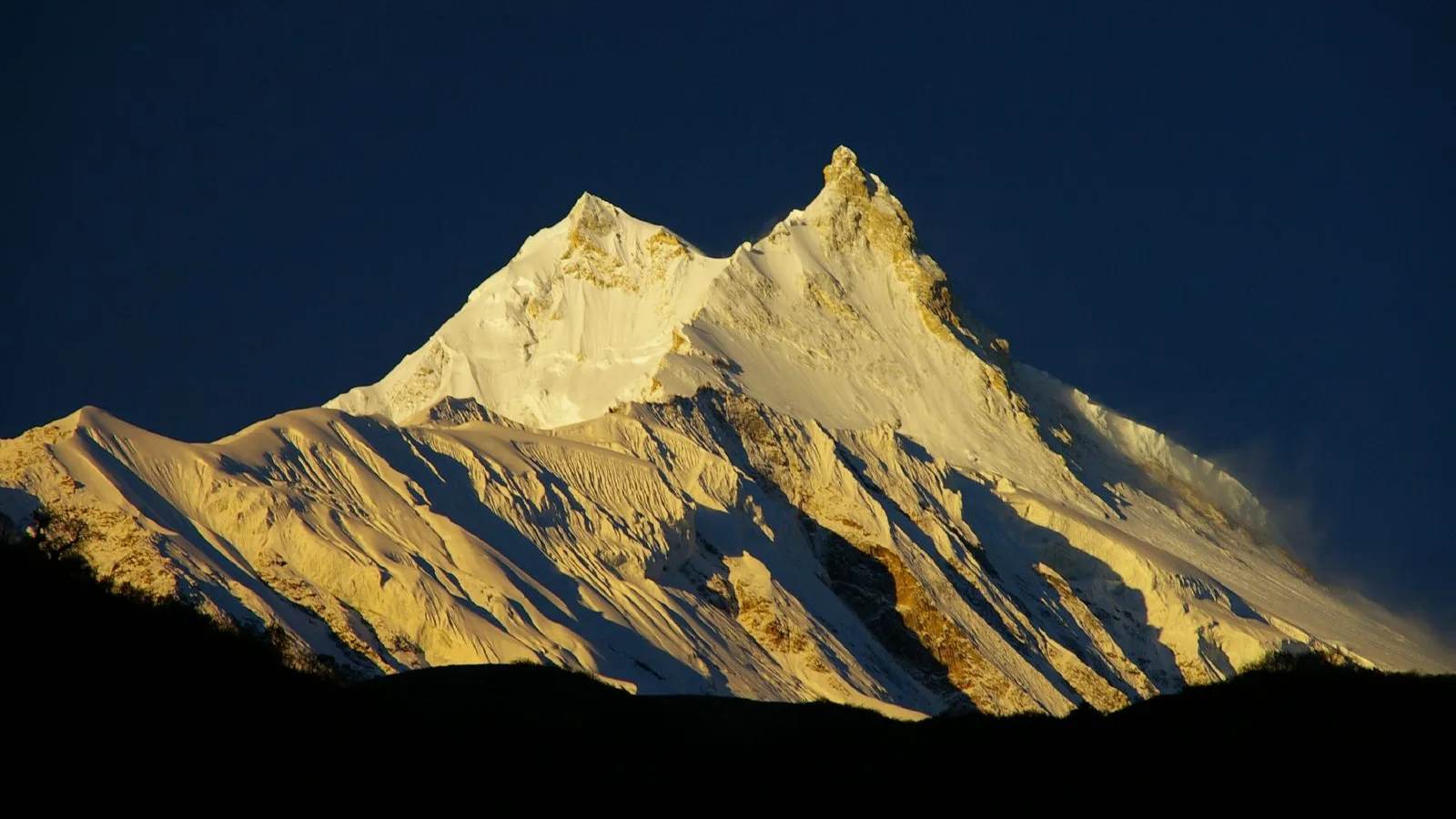
Manaslu's Trekking Trail Washed Out This September, So Climbers Are Flying to Base Camp Instead
A flash flood destroyed two bridges on the Manaslu Circuit in early September 2026, and outfitters are now helicoptering climbing teams past the damage while trekkers wait for repairs.
Breaking Safety & Advisories
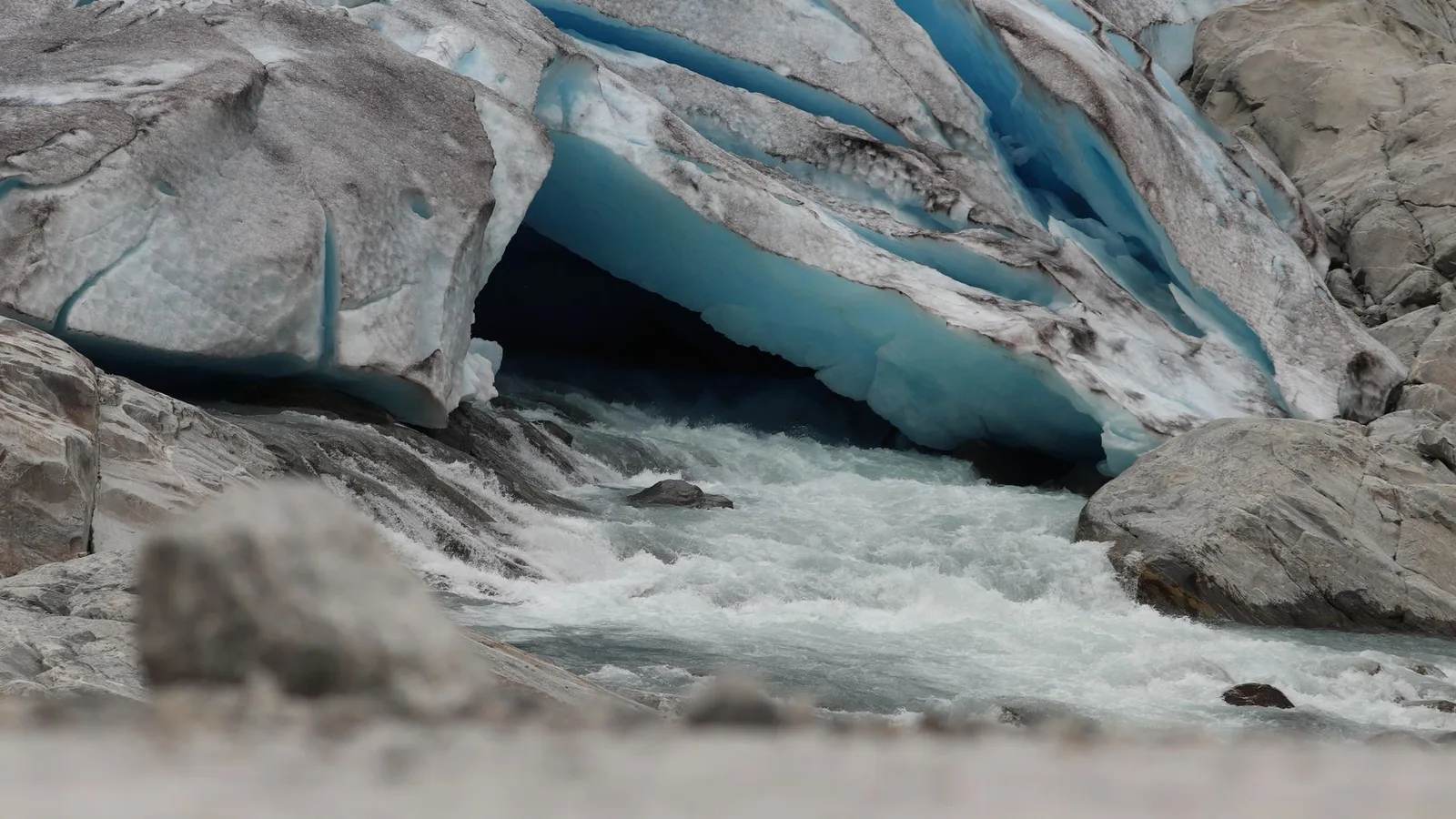
Nearly 2 Billion People Depend on Himalayan Meltwater, and a New Report Says It's About to Peak
A September 2026 study of the Hindu Kush Himalaya's roughly 40,000 glaciers, only 21 of which are monitored on the ground, warns the rivers trekkers cross every day are approaching the point where they stop rising and start shrinking for good.
Industry & Tourism
Nepal Just Put a Mountain Guide on Its Tourism Board, and a 2026 Flood Recovery Fund Just Opened
Five new members joined Nepal's national tourism authority this month, including a Himalayan expedition operator speaking from Manaslu Base Camp, while the PATA Foundation opened a fund to rebuild what the 26 August flood destroyed.