
Everest's Melting Ice Is Uncovering Decades of Waste and Lost Climbers — and Nepal's Army Is Bringing Them Down (2026)
Warming has thinned Everest’s ice, exposing old waste and long-lost climbers — and driving Nepal’s army-led clean-up campaigns.
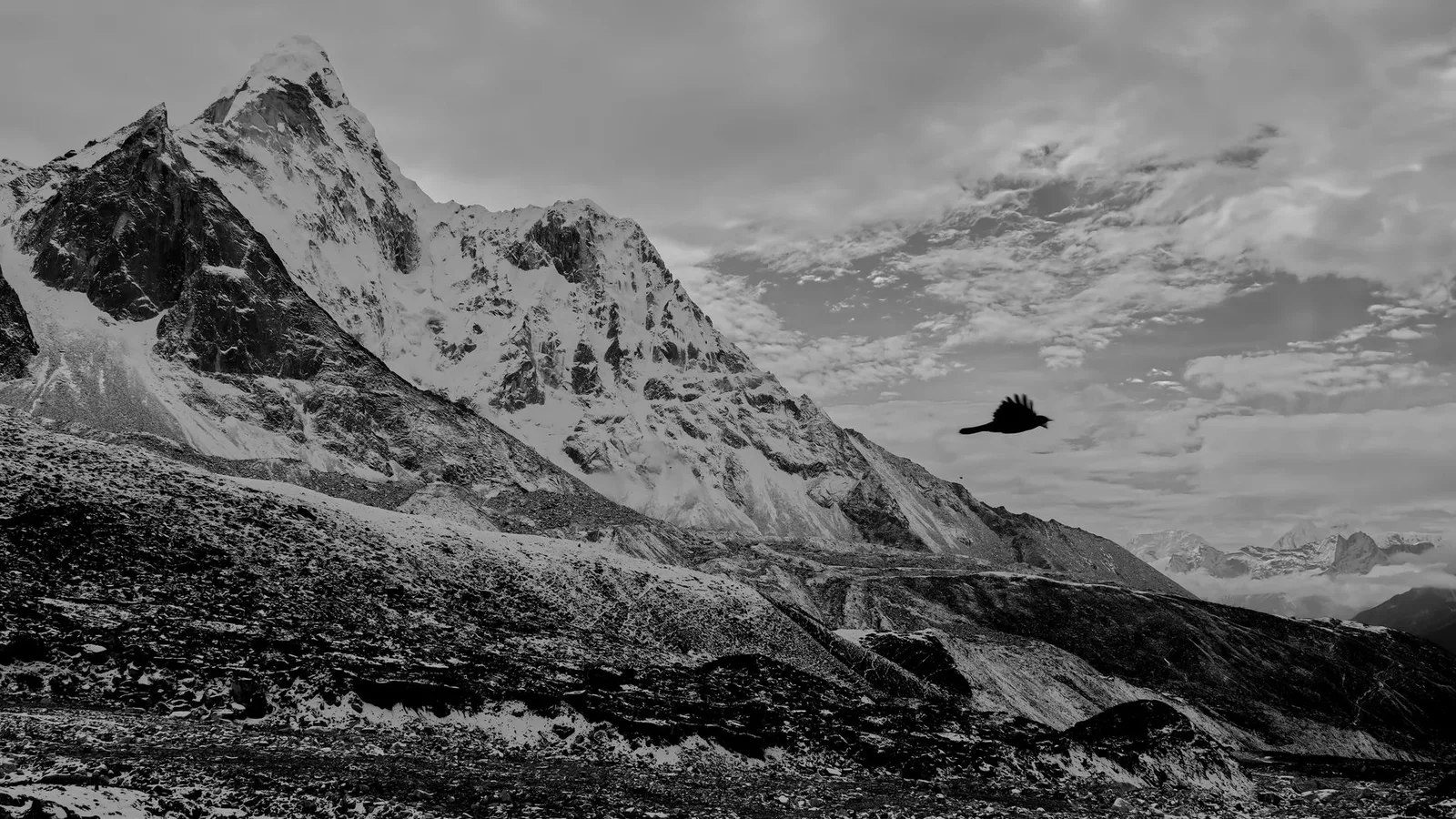
Mount Everest is changing in a way that is slow, measurable and, in the most human sense, unsettling. As the climate warms, the snow that caps the world's highest mountain is thinning and the glaciers that drain its flanks are retreating. And as the ice pulls back, it is giving up what it held for decades: the discarded gear of generations of expeditions, and, on the high slopes, the bodies of climbers who died long ago and were never brought down. Nepal's response has been to send its army up the mountain to carry that legacy back to the valley.
Key facts
- Himalayan glaciers are retreating. On Everest's Nepal side, the Khumbu Glacier pulled back about 18 metres a year between 1976 and 2007.
- Warming and thinning ice are exposing decades of expedition waste — oxygen bottles, tents, cans and human waste — and, higher up, the remains of climbers lost long ago.
- Nepal has mounted army-led clean-up campaigns that carry tonnes of rubbish, and in some seasons human remains, down from the high mountain.
What is actually melting
The retreat is not a forecast; it is a record. Studies of the Everest region cited by Wikipedia found that of 15 glaciers examined between 1976 and 2007, every one had retreated significantly, at an average of about 28 metres a year. On the mountain's Tibetan side the Rongbuk Glacier has been pulling back around 20 metres a year, and the Khumbu Glacier — the river of ice that trekkers walk beside on the way to Everest Base Camp — retreated roughly 18 metres a year over the same period. Across the greater Himalaya, ice mass fell by about 9 per cent between the early 1970s and the early 2000s, with the rate of loss estimated at some ten times faster than during the cooler centuries that preceded it.
| Glacier | Retreat per year |
|---|---|
| Khumbu Glacier (Nepal side) | ~18 m |
| Rongbuk Glacier (Tibet side) | ~20 m |
| 15 Everest-area glaciers (average) | ~28 m |
Thinner snow and shrinking ice do not just rearrange the scenery. They change how the mountain behaves — where crevasses open, how the notorious Khumbu Icefall shifts, and how meltwater pools into glacial lakes that can burst. The flood that struck Thame, the home village of some of Everest's greatest Sherpas, was a reminder that a warming Himalaya is a more volatile one.
Why the ice is giving up its dead
Everest has been climbed for more than seventy years, and it has never been safe. As of May 2024, records compiled on Wikipedia put the death toll on the mountain at around 340 people, and more than 200 bodies are believed to remain on Everest, never recovered because the conditions where they lie are too dangerous to work in. For decades the cold preserved them and the snow covered them. Now, as the ice retreats and the snowpack thins, some of what the mountain hid is emerging.
That is a hard thing to write about, and it should be handled plainly and with respect. These were people, and where their families can be spared detail, they should be. But the pattern is real and well documented: warming ice has begun to surface objects that had been buried for generations. In 2024 a boot with a name stitched inside melted out of the ice, reviving a century-old mystery. And the long, difficult work of bringing home climbers who never came down has become part of the mountain's modern story.
The clean-up
The other thing the ice has been holding is rubbish. Everest has carried a reputation as the world's highest dump for years: hundreds of oxygen cylinders, and tonnes of tents, cans, crampons and human waste have been hauled off the mountain by clean-up teams. The Eco Everest Expeditions began this work in 2008, both to remove waste and to draw attention to the melting Khumbu Icefall. In more recent years Nepal has gone further, deploying army-led clean-up campaigns that spend weeks at altitude and bring tonnes of waste — and, in some seasons, human remains — back down to be sorted, recycled or given a dignified return. (Authorities have reported the specific weights and recoveries campaign by campaign; those figures vary each season.)
The first ascent opens seven decades of climbing — and of gear left behind.
Expeditions begin hauling down waste and flagging the melting Khumbu Icefall.
Nepal deploys clean-up campaigns that carry tonnes of rubbish, and some remains, off the high mountain.
Warming surfaces long-buried objects, including a boot melted from the glacier.
What this means for trekkers
What this means for trekkers
None of this happens where you walk. Trekkers reach Everest Base Camp at about 5,364 metres; the bodies and the death-zone hazards belong to the climbing route far above, in terrain a trekker never enters. What you will see is the changing mountain itself — a thinner, greyer Khumbu Glacier than the one in old photographs, and clean-up crews doing quiet, serious work. It is a reason to go with a responsible operator, pack out what you pack in, and treat the place as what it is.
At Travel Himalaya Nepal we run trekkers safely to Everest Base Camp and through the Gokyo valley every season, and we watch this mountain year after year. The high summit and its long, sad history belong to the mountaineers. But the story of a warming Himalaya belongs to all of us — and the safest, most honest way to understand it is to stand at its foot and see it for yourself, with a team that treats the mountain, and everyone who has ever tried to climb it, with respect.
Sources: Wikipedia, “Mount Everest”; “Retreat of glaciers since 1850”; and “Impacts of tourism.” Figures are as stated in those sources; season-by-season clean-up totals are reported by Nepali authorities and vary each year.
Cover photo: Image Noise via Pexels (Pexels License).
来源: Wikipedia
计划徒步?
我们负责许可证、后勤与向导
NMA 认证的本地向导,价格透明,自 1998 年以来 5,000+ 次徒步。告诉我们你的日期,其余的交给我们。


更多「Climate & Environment」
Climate & Environment
The Everest Village That Vanished in 22 Minutes — and the Famous 'Doomsday Lake' Had Nothing to Do With It
For a decade, the Nepal Army raced to defuse Imja Tsho before it could flood the Khumbu. In August 2024, the real disaster came from two lakes with no names on any map.

Climate & Environment
Everest's Khumbu Glacier Could Lose 70% of Its Ice by 2100: What a New 2026 Study Means for Trekkers
International scientists have modelled the future of the glacier under Everest — and a warmer monsoon is the only thing slowing the melt.