
A Boot Melted Out of Everest's Ice With a Name Stitched Inside. It May Solve a 100-Year Mystery.
In September 2024 a National Geographic team found a boot, a sock and a foot on Everest's Central Rongbuk Glacier — and the label read A.C. IRVINE.
At a glance
- Published
- TopicClimate & Environment
- Verified againstNational Geographic
- Treks coveredGokyo Ri Trek — 11 Days, Everest Base Camp Trek — 10 Days, Everest Base Camp Trek — 14 Days
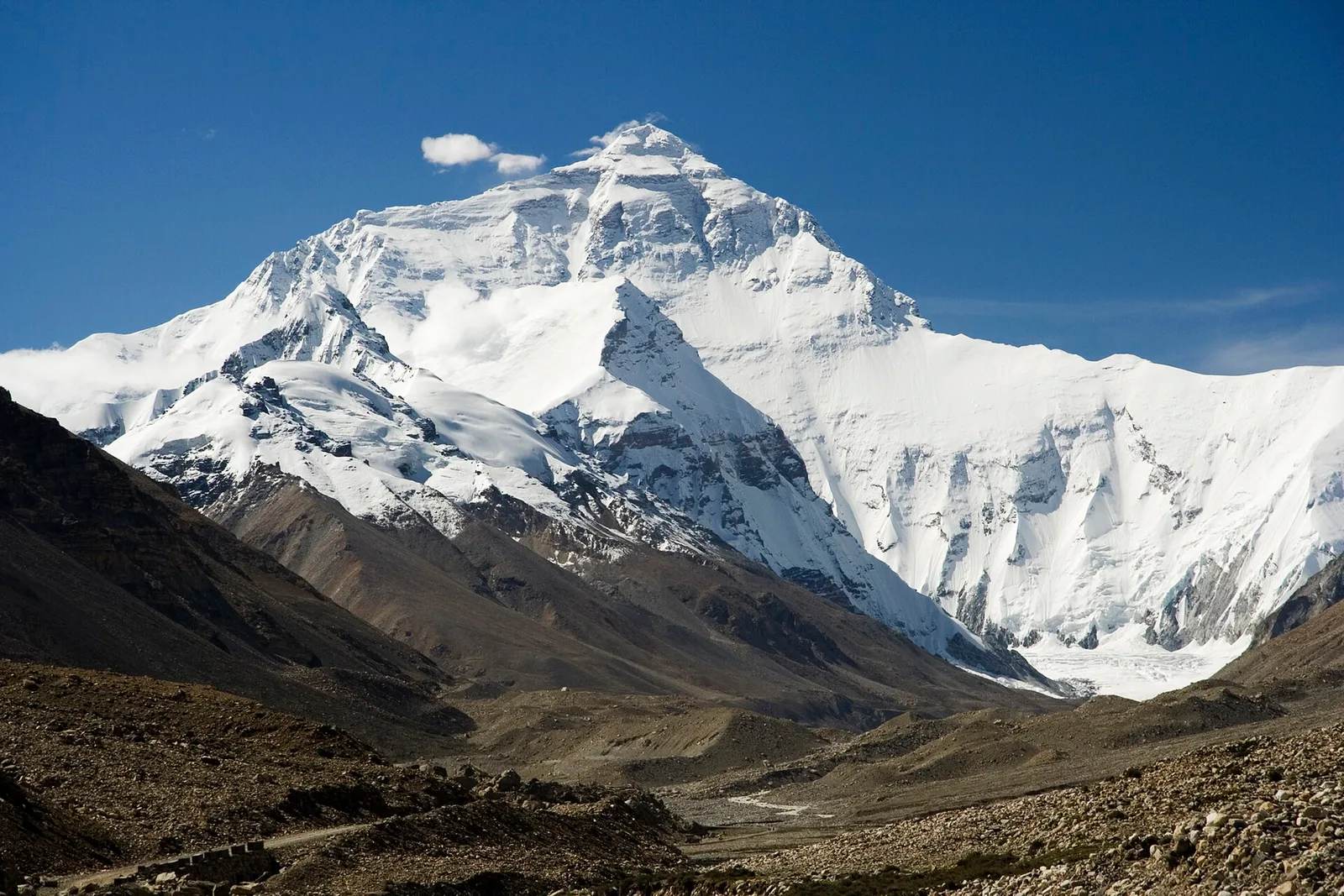
A National Geographic film crew was crossing the Central Rongbuk Glacier below Mount Everest's North Face in September 2024 when someone spotted a boot melting out of the ice. Inside it was a foot, still inside its sock. Stitched into the sock was a small red label: A.C. IRVINE.
That name belongs to Andrew Comyn Irvine, the 22-year-old Oxford student who vanished on Everest on 8 June 1924 with his climbing partner George Mallory, in what is still, a century on, mountaineering's most argued-over disappearance.
Key facts
- Boot, sock and partial foot found September 2024 on the Central Rongbuk Glacier, below Everest's North Face
- Found by a National Geographic documentary team led by filmmaker Jimmy Chin
- The sock's label read A.C. IRVINE, stitched in red
- Mallory's own body was found in 1999 at 8,159m — this new find lay lower on the glacier
- Remains handed to the China-Tibet Mountaineering Association; a DNA sample went to the British Consulate
Mallory and Irvine were last seen alive by teammate Noel Odell, who watched two tiny figures climbing steadily toward the summit ridge through a break in cloud, then disappear. Whether they reached the top 29 years before Edmund Hillary and Tenzing Norgay's confirmed 1953 ascent has never been settled. Mallory's frozen body turned up in 1999, startlingly well preserved, lying face-down at 8,159m — but the camera the pair carried, which might hold summit proof if its film survived, was not with him. Irvine, thought to have been carrying that camera, stayed missing for another 25 years, the last unanswered half of the story our own Everest region guides have followed for decades.
Chin's team was filming for a National Geographic documentary when they found the boot — notably lower on the mountain than where Mallory lay. That gap points to something anyone who has followed recent glacier news will recognise: ice does not sit still. It creeps downhill under its own weight, carrying whatever froze inside it. A body caught in 1924 can resurface a century later, hundreds of metres from where it fell, wherever the glacier's slow current finally thins enough to let go. The same process just closed a 31-year case in the Swiss Alps, and gave a Peruvian mountain back a body it had held for 22 years.
What is speeding that process up on Everest is well documented. The Hindu Kush Himalaya glacier system, which includes Everest, lost ice 65% faster in the 2010s than in the decade before, according to ICIMOD's 2023 HI-WISE assessment, the most detailed study of the region's ice to date.
The same report found the region has lost up to 27 metres of ice thickness since 1975, and that the Eastern Himalaya — Everest's own zone — is on track to lose up to 75% of its remaining ice this century at 3°C of warming, roughly where current policy has the world headed.
Chin carried the boot and foot off the mountain in a cooler and handed them to the China-Tibet Mountaineering Association, which oversees Everest's north side, while a DNA sample went to the British Consulate for comparison against Irvine's living relatives. His great-niece, Julie Summers, has described the find as something close to closure for a family that has waited a hundred years for an answer. A confirmed match would not settle whether Mallory and Irvine reached the summit — the missing camera would still need to surface, and its film would still need to survive developing after a century in the ice — but it would finally fix where, and roughly when, Irvine's climb ended.
What this means for trekkers
On the ground
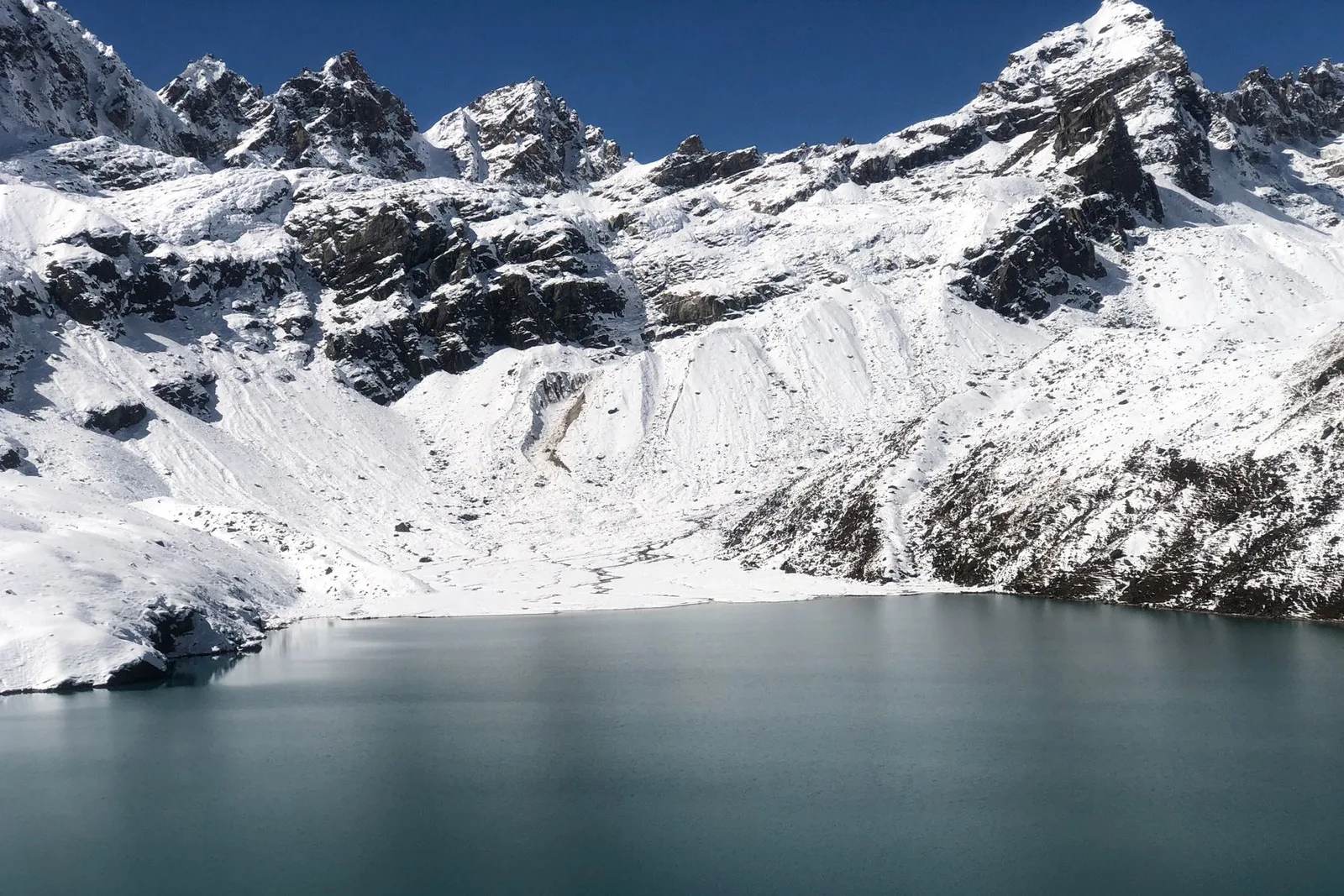
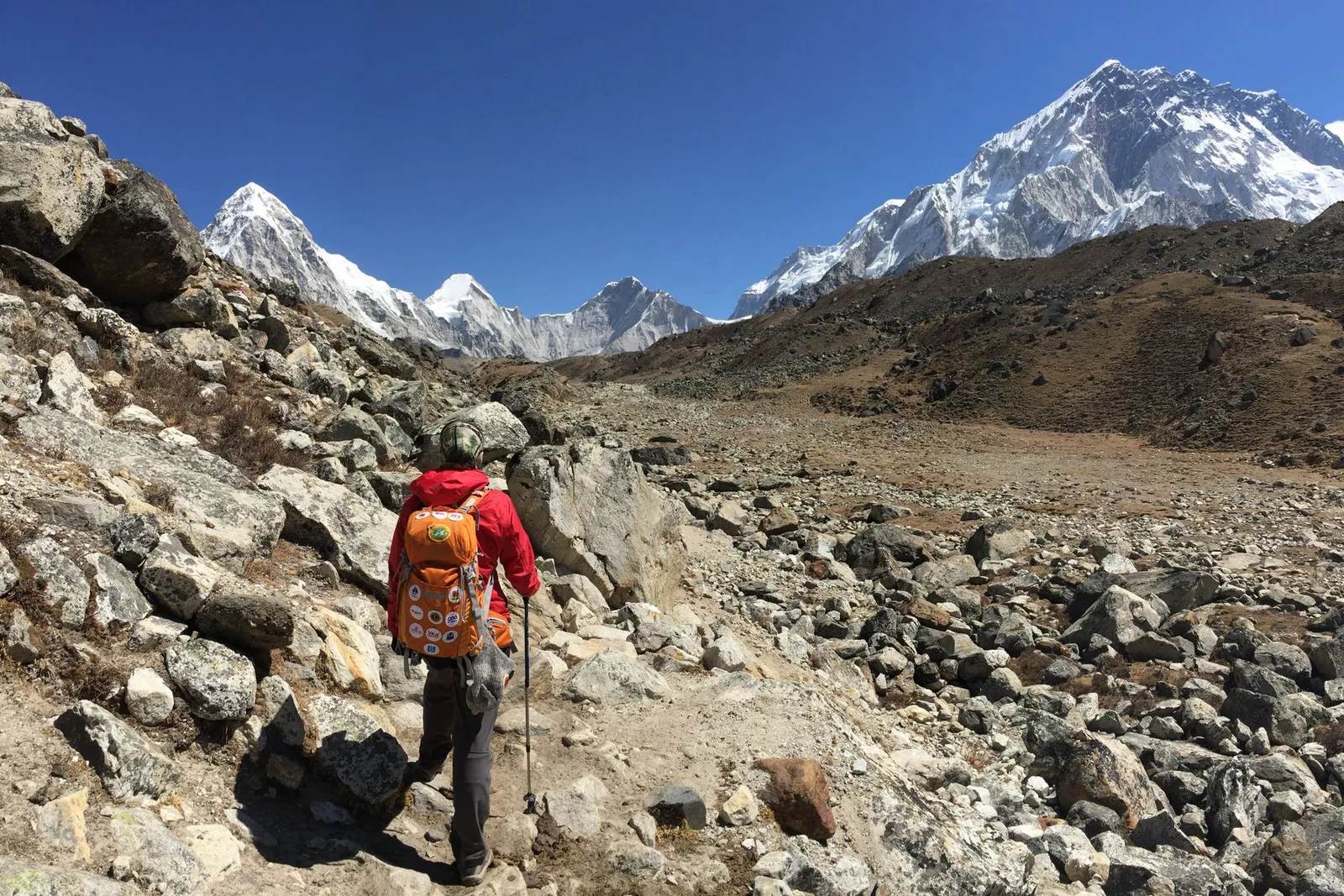
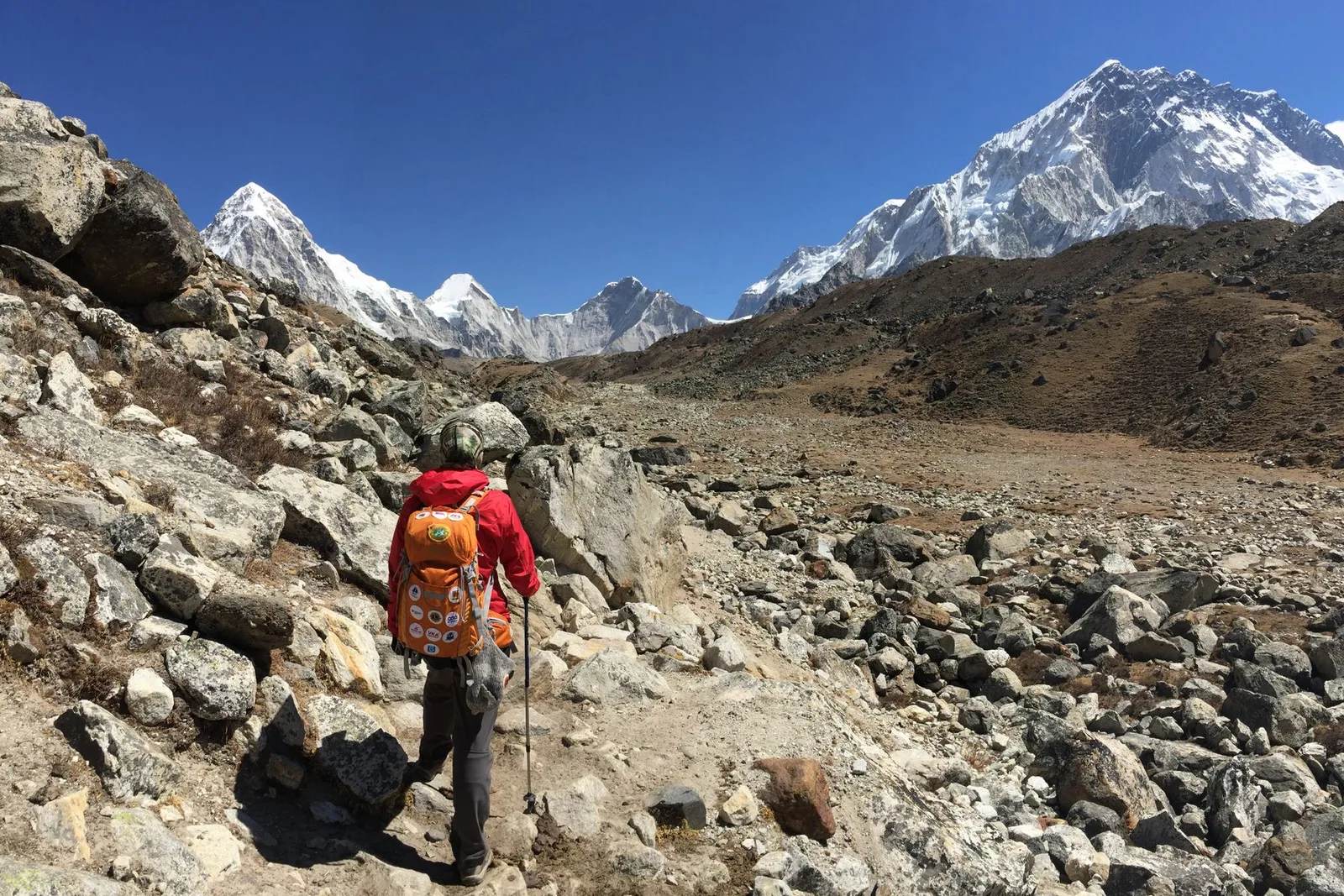
The Rongbuk sits on Everest's Tibet side, but the same warming is thinning the Khumbu Glacier on the Nepal side, which every Everest Base Camp trekker walks beside for two full days. Guides who have worked the trail for twenty years describe visibly less ice around Gorak Shep and the Khumbu Icefall than a decade ago. The glacier you will stand beside on a Base Camp trek is measurably smaller than the one your guide first crossed.
Last seen roughly 800 ft below the summit on 8 June; the pair are never seen alive again.
George Mallory's body is discovered high on the North Face — but Irvine, and the camera that might prove a summit, stays lost.
A National Geographic team spots a boot on the Central Rongbuk Glacier — the sock inside labelled A.C. IRVINE.
Source: National Geographic
Cover photo: Luca Galuzzi (Lucag) via Wikimedia Commons (CC BY-SA 2.5).
This story is part of Travel Himalaya Nepal’s in-depth look at how climate change is reshaping the Himalaya.
Still running this season
Gokyo Ri Trek — 11 Days is running normally
NMA-certified local guides, transparent pricing, 5,000+ treks since 1998. Message us your dates and we'll sort the permits, lodges and logistics — reply within 24 hours, no obligation.
Popular Nepal treks
All treks →
Related coverage
Records & People
Mount Everest Is Still Growing — and a Hijacked River 47 Miles Away Is Pushing It Up
A 2024 study in Nature Geoscience found the world's tallest mountain gains roughly 2mm a year from an ancient river 'piracy' event on top of the tectonic collision that built it in the first place.

Culture & Heritage
The Sherpa: A Tibetan-Origin People, Not a Job Title (2026)
An ethnic group, not an occupation — the Sherpa of the Khumbu have their own language, Nyingma Buddhist faith and a homeland below Everest, far beyond the mountaineering fame that made their name a household word.
Records & People
Mount Everest Was Named After a Man Who Never Saw It and Asked Not to Be
Sir George Everest never set foot near the mountain, never wanted his name on it, and wasn't even the one who proved it was the tallest on Earth.
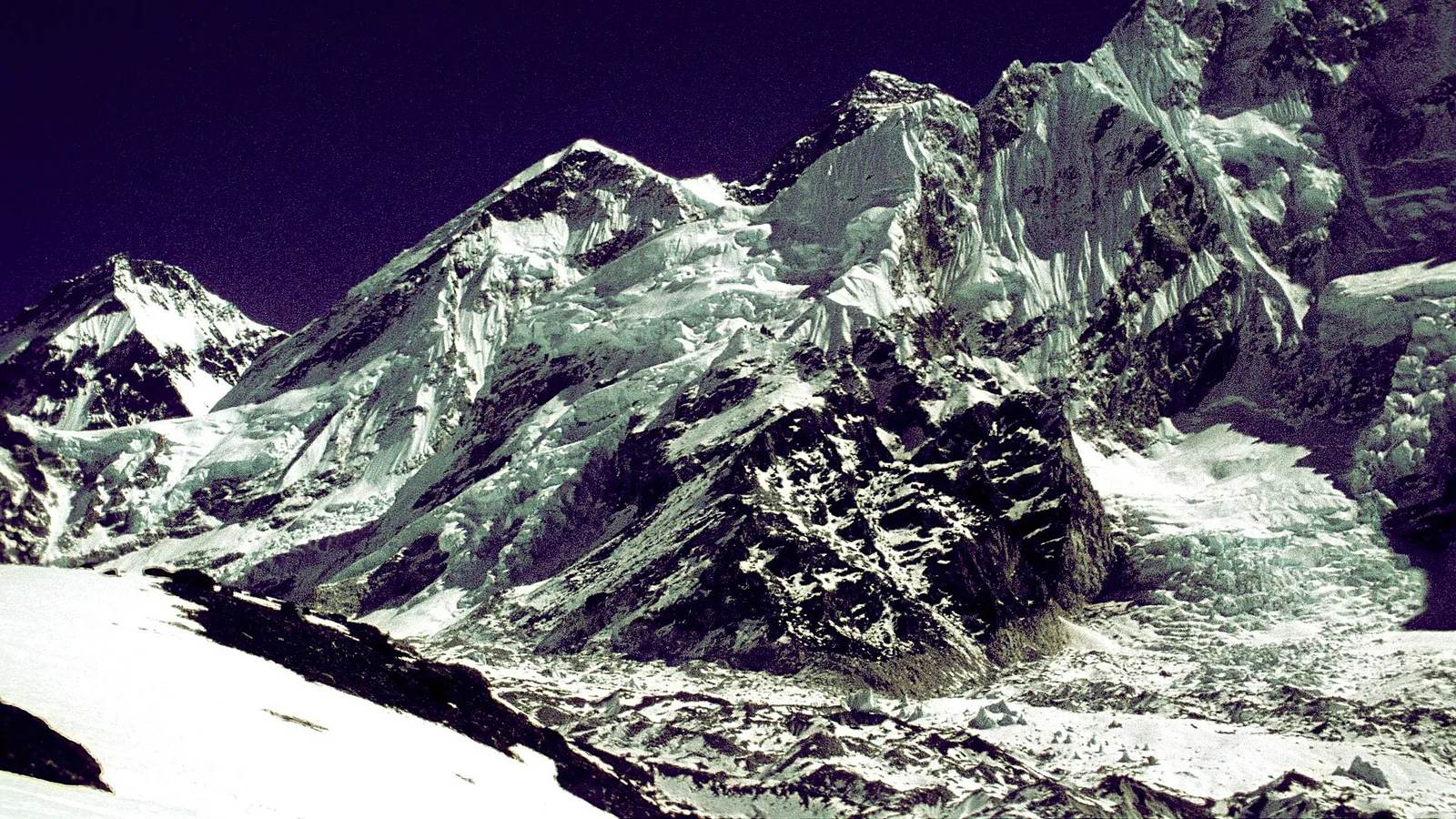
Records & People
Everest Records: The Fastest, Oldest, and Most Summits
Mount Everest's verified record book — who has summited most, who was oldest and youngest on top, and the fastest ascent ever timed, with every name, number and year sourced.
Latest from the desk
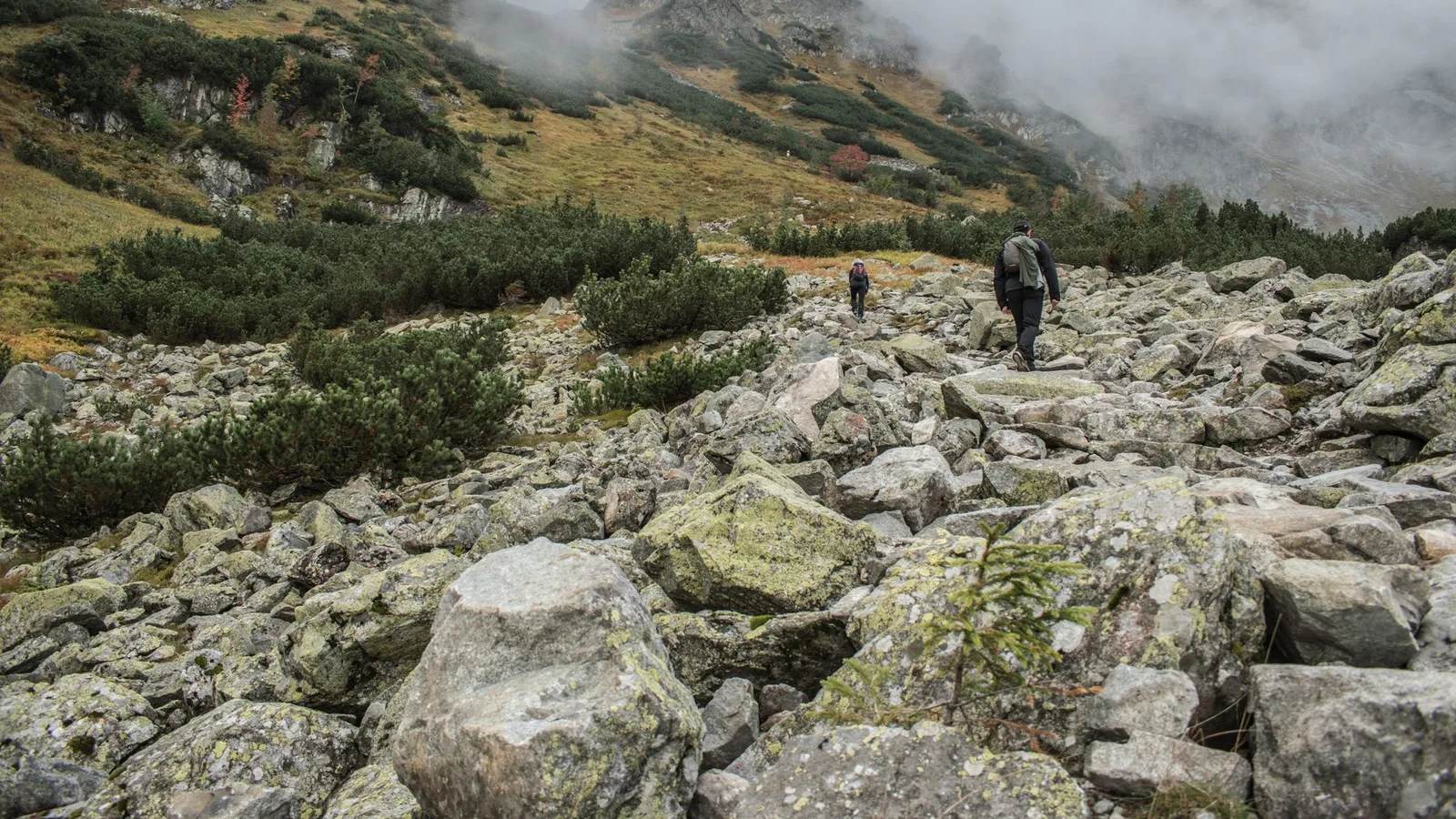
Gear & Tech
Trail shoes or hiking boots, and what the ankle-support research actually found
Most teahouse trekkers wear more boot than the walk needs, and the ankle-support argument holding that up is thinner than the shops suggest.
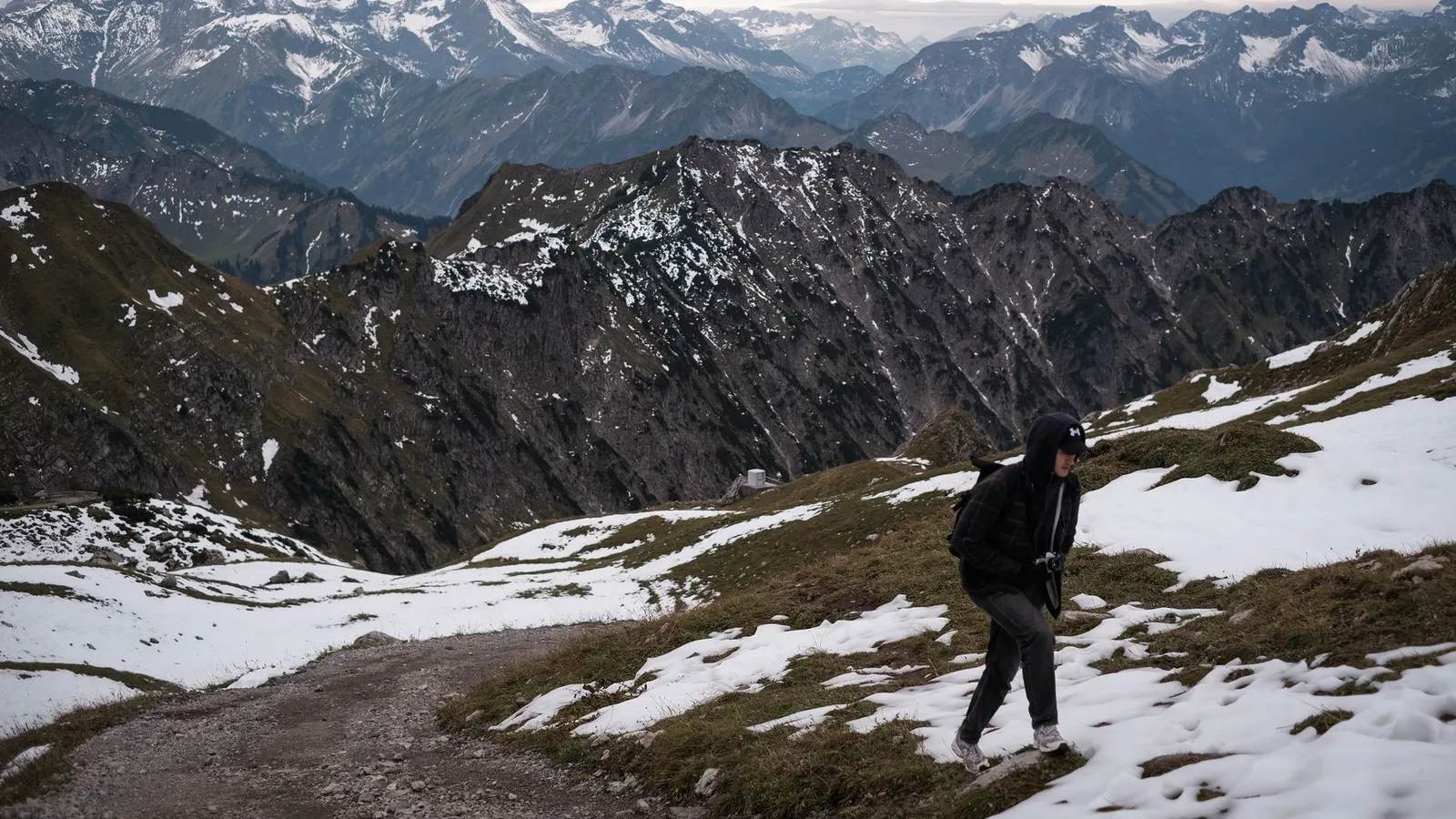
Gear & Tech
Merino or synthetic base layers, and what a lab found when it measured the smell
Merino wins the week-long wear, synthetic wins the overnight dry, and the lab reason merino stays fresh is not the bacteria story you have been told.
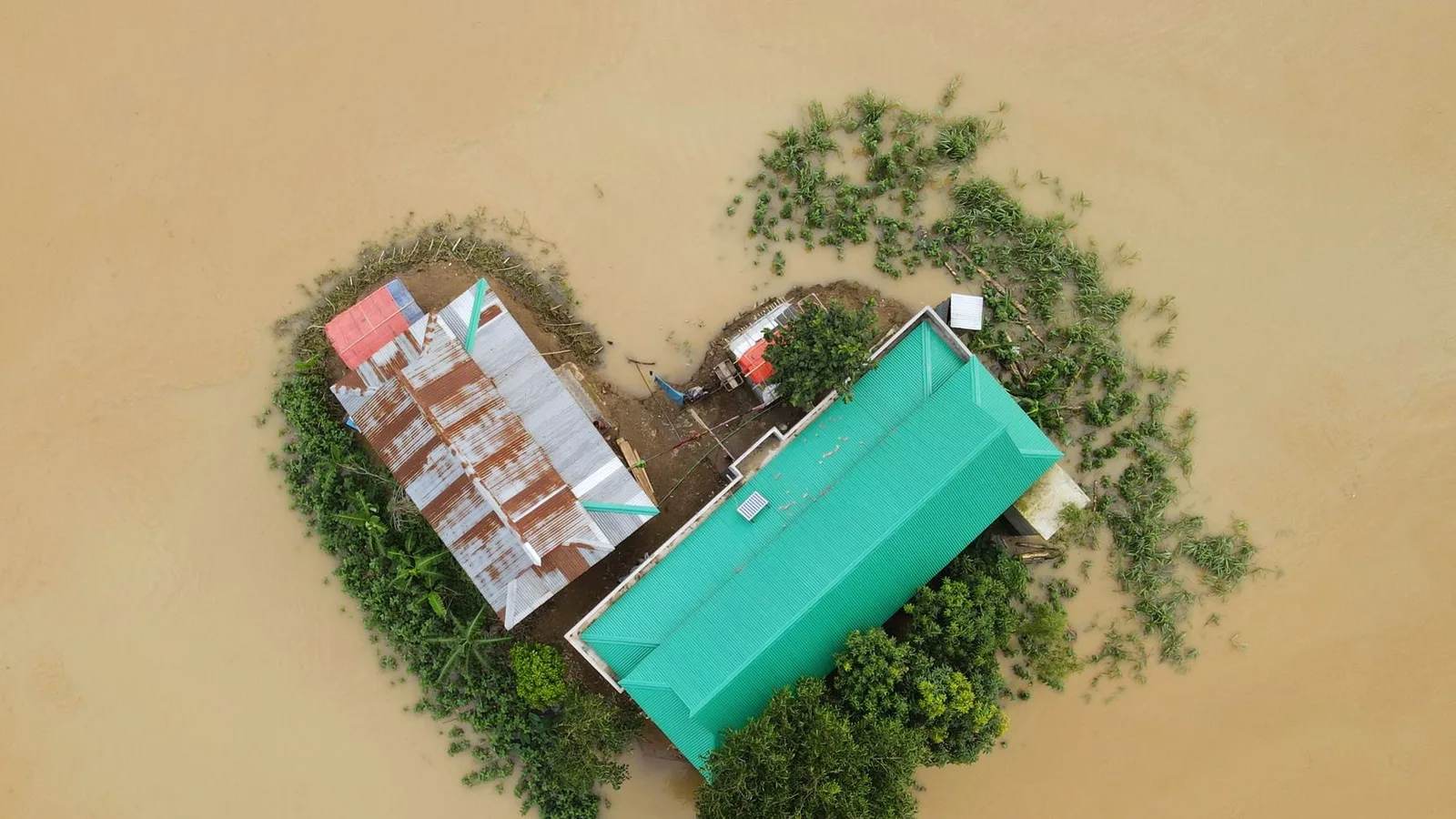
Safety & Advisories
If someone you know is missing in the Nepal flood, you don't have to fly to Kathmandu
Nepal Police have identified 95 of more than 1,200 bodies recovered. Families abroad can be DNA-profiled at home and send the result in. Here is how it works.