
Hand Luggage Size & Fees by Airline in 2026: Cabin-Bag Limits, Free vs Paid, and How to Dodge Gate Fees
Every airline draws the cabin-bag line in a different place. Here are the verified 2026 size and weight limits for Ryanair, easyJet, Wizz Air, BA and US carriers — plus the EU's push for a free cabin bag and the one Nepal flight stricter than them all.
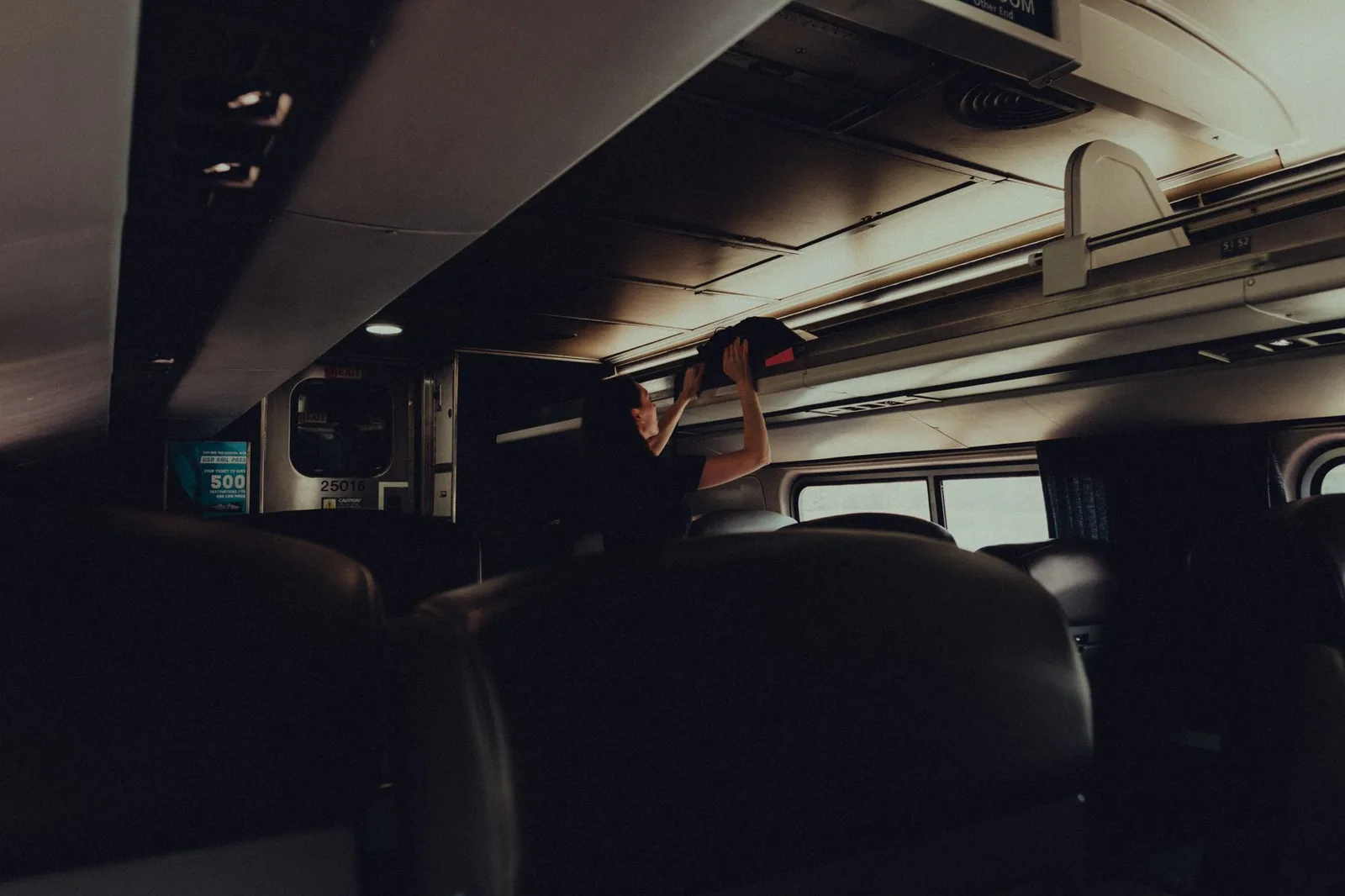
Key facts
- The widely cited IATA cabin-bag guideline is roughly 55 x 40 x 20 cm — but almost no budget airline actually uses it, so a bag that fits one carrier is oversized on the next.
- Most low-cost airlines split hand luggage in two: a free small "personal item" that must slide under the seat, and a larger paid "cabin bag" for the overhead locker.
- Ryanair's free bag is just 40 x 25 x 20 cm; easyJet allows a bigger free under-seat bag at 45 x 36 x 20 cm (up to 15 kg). Full-service and US carriers still include a proper cabin bag plus a personal item.
- Gate fees are the trap: pay to add a cabin bag at the gate and it can cost far more than buying the allowance online in advance.
The headline fare buys you less luggage than it used to. Over the past decade the big budget airlines have quietly carved hand baggage into two tiers — a tiny free bag and a bigger one you pay for — and every carrier draws the line in a different place. A cabin bag that glides into the overhead bin on one flight is a gate-fee waiting to happen on the next. This is not the same problem as our broader look at the hidden airline fees that cost you hundreds in 2026; here we are strictly on cabin-bag dimensions and weight — the numbers that decide whether you board free or hand over your card at the gate.
Personal item vs cabin bag: the split that catches people out
The single most useful thing to understand is the two-bag split. A personal item is the small bag every passenger gets free — a backpack or handbag that must fit under the seat in front of you. A cabin bag (or "trolley bag") is the larger wheelie case that goes in the overhead locker, and on low-cost carriers it is almost always an extra charge, bundled into "priority" boarding. Legacy and US airlines are more generous: they typically include both a full-size cabin bag and a personal item on standard fares. The mistake travellers make is assuming "hand luggage is free" — it is, but only up to the size your specific airline allows for free, which may be much smaller than your case.
The 2026 cabin-bag limits, airline by airline
Below are the current published allowances for a set of carriers, verified against reputable sources. Treat them as a planning guide, not gospel — airlines revise these, so measure your bag and check the airline's own page before you fly.
| Airline | Free personal item | Cabin bag (size / weight) | Note |
|---|---|---|---|
| Ryanair | 40 x 25 x 20 cm, under seat | 55 x 40 x 20 cm, up to 10 kg | Larger bag needs Priority & 2 Cabin Bags (paid) |
| easyJet | 45 x 36 x 20 cm, up to 15 kg, under seat | Larger cabin bag with paid plan / seat | Its free under-seat bag is one of the most generous |
| Wizz Air | 40 x 30 x 20 cm, under seat | Larger trolley bag with WIZZ Priority (paid) | Free bag is small; check current Priority allowance |
| British Airways | 40 x 30 x 15 cm (handbag / laptop bag) | 56 x 45 x 25 cm, up to 23 kg | Both included on most fares |
| US majors (American, Delta, United) | Personal item, under seat | ~56 x 36 x 23 cm (22 x 14 x 9 in) | Carry-on included except some basic-economy fares |
The pattern is clear. The two European giants, Ryanair and Wizz Air, give you the least for free and monetise the overhead locker hardest. easyJet stands out for a genuinely roomy free under-seat bag. British Airways and the big US carriers still treat a proper cabin bag as part of the ticket — though US basic-economy fares increasingly strip the carry-on back to a personal item only.
Avoid the gate-fee trap
Gate fees exist to punish surprises, and they are punishing. If your bag is too big for the free allowance, buy the cabin-bag or priority add-on online, before you get to the airport — it is almost always far cheaper than paying at the gate, where staff can charge a premium and there is no negotiating. Better still: measure your bag against the exact centimetres your airline lists, including wheels and handles, and travel within the free size. A soft bag that squashes into the sizer beats a rigid case that is technically 1 cm over.
The EU's push for a guaranteed free cabin bag
There is movement on the passenger's side. As part of a revision of the EU's air passenger rights rules (procedure 2023/0437), the European Parliament's Transport and Tourism Committee voted on 24 June 2025 and adopted its report in early July, backing the principle that passengers should be entitled to a small personal item and a cabin bag without an extra charge. EU governments (the Council) had separately backed a free under-seat personal item. The two institutions now have to reconcile their positions — including the exact permitted size and weight — before anything becomes law; an indicative plenary vote is not expected until later in the process, so the precise free-bag dimensions are still being negotiated. In other words, a guaranteed free cabin bag is a likely direction of travel in Europe, not yet a rule you can rely on. Until it lands, check your airline's current allowance every time.
The one cabin-bag limit stricter than any budget airline: Lukla
If you think Ryanair is mean with luggage, wait until you fly to the mountains. The Kathmandu–Lukla flight — the gateway to Everest — uses small STOL aircraft with a hard limit of about 5 kg of cabin baggage plus 10 kg in the hold per person, roughly 15 kg total. That is tighter than any low-cost airline in the world, and it is enforced on a scale at check-in: overweight bags get repacked on the spot or left behind for a later flight. The lesson for a Nepal trek is the same lesson as for a budget flight, only sharper — pack light, weigh everything at home, and do not count on buying your way out at the counter. On our teahouse treks a porter carries your main duffel, so you walk with a light daypack and leave surplus gear safely in Kathmandu.
Travelling carry-on only is a skill worth learning for both worlds — see our guides to travelling carry-on only in 2026 and choosing a carry-on travel backpack. Master it, and the gate agent's tape measure stops being a threat.
Planning a Himalayan trip where luggage rules really bite? Our light, porter-supported itineraries — from the classic Everest Base Camp Trek to the gentle Ghorepani Poon Hill Trek — are built around exactly this: travel light, walk far, let us handle the load. Message us and we will help you pack for the plane and the trail.
Cover photo: Connor Scott McManus via Pexels (Pexels License).
来源: European Parliament Legislative Observatory
计划徒步?
我们负责许可证、后勤与向导
NMA 认证的本地向导,价格透明,自 1998 年以来 5,000+ 次徒步。告诉我们你的日期,其余的交给我们。


更多「Deals & Routes」

Deals & Routes
Shoulder-Season Travel in 2026: The Sweet-Spot Months for Value, Fewer Crowds & Good Weather
Shoulder season — the weeks either side of the peak — buys you lower prices, thinner crowds and often great weather. Here is what it is, why it works, and a month-by-month guide for Europe, the Mediterranean, SE Asia and Nepal.
Deals & Routes
Package Holiday vs Booking It Yourself in 2026: The Real Cost, and the Protection Most DIY Travellers Miss
A package can cost more than booking flights and hotels separately — or less. But in the UK the bigger difference is legal: ATOL and the Package Travel Regulations give package buyers a refund-and-flight-home safety net that DIY trips rarely have.
Deals & Routes
How to Find Cheap Flights in 2026: The Search Strategy That Actually Works
Flexible-date search, alternate airports, split tickets, fare alerts and mistake fares — the tools that surface a lower fare, and the one myth you can stop believing.