
How to Get a Flight Upgrade in 2026: What Actually Works (and the Myths to Drop)
Free upgrades are rare and the "dress smart and ask nicely" trick mostly does not work. Here are the real levers in 2026 — elite status, points, paid bids, oversold-flight volunteering and booking an upgrade-eligible fare.
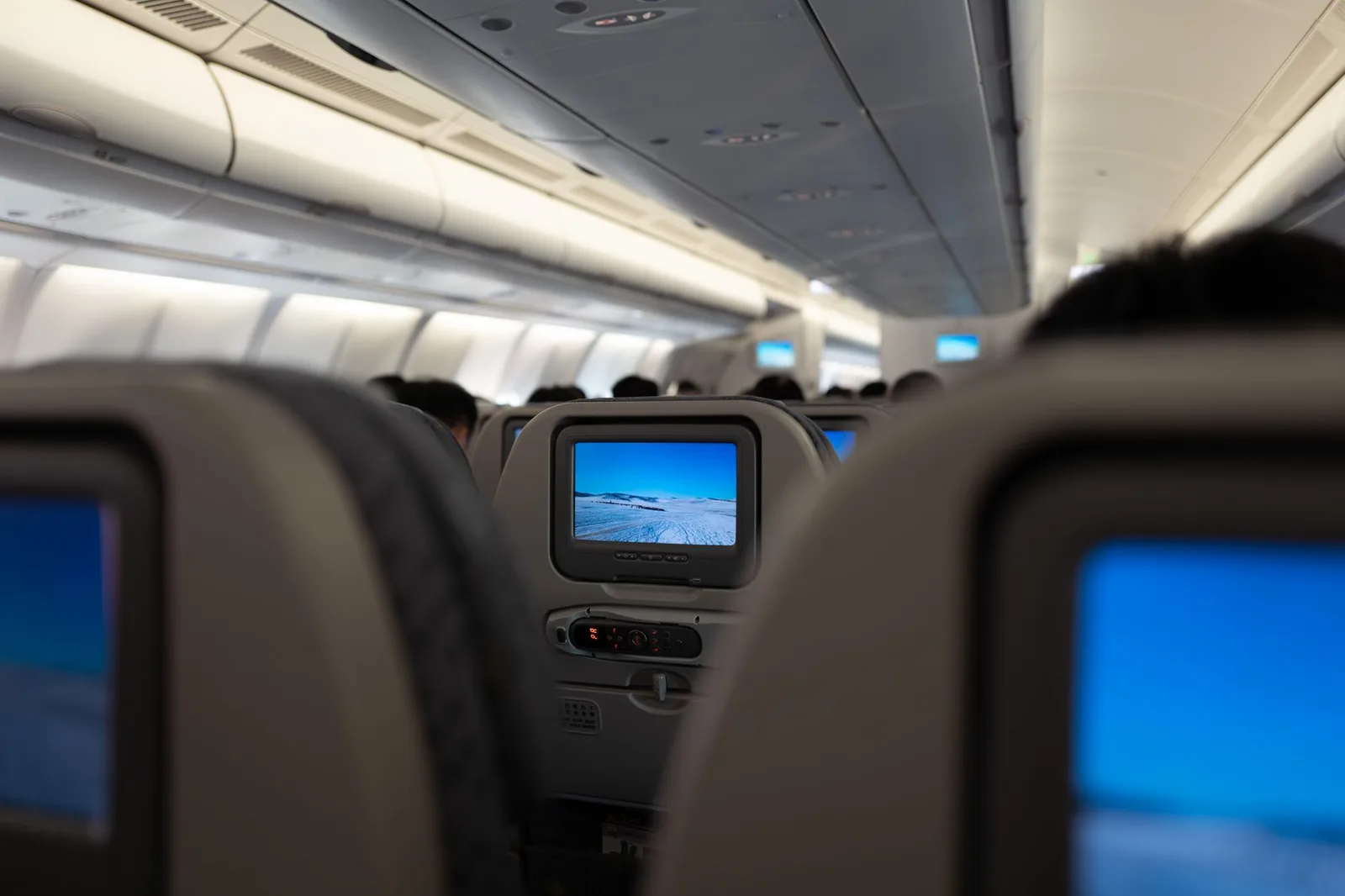
Type “how to get a flight upgrade” into a search bar and you will drown in the same recycled advice: dress smartly, be charming at check-in, mention it is your honeymoon, ask nicely. In 2026 almost none of that works. Airlines fill their premium cabins by revenue and loyalty, not by vibes, and the gate agent handing out free seats to well-dressed strangers is mostly a myth. The good news: real upgrades absolutely happen — there are just a handful of levers that genuinely move the odds, and they have nothing to do with your outfit.
The honest version in one glance
- Free upgrades are rare and almost never handed out for charm, clothing or a polite ask.
- Elite status is the single biggest lever — complimentary upgrades are prioritised by loyalty tier and fare.
- Miles and points can buy an award upgrade to a higher cabin, subject to availability.
- Paid upgrade bids let you offer money at or after check-in for an empty premium seat.
- Volunteering when a flight is oversold can earn compensation, and sometimes a seat in a better cabin.
- Fare class matters: the cheapest tickets are often not even eligible to be upgraded.
Why the “free upgrade” myth refuses to die
Upgrades used to be looser. Decades ago a friendly agent had real discretion, and the folklore hardened into gospel. Today, cabins are managed by revenue systems and loyalty programmes. When a premium seat is empty near departure, the airline works down a ranked list — top elite tiers first, then by fare paid and status — long before a stranger’s smile enters the picture. Airlines would rather sell that seat, bank the loyalty upgrade they already promised a frequent flyer, or leave it empty than gift it at random.
The myth to drop
Dressing smart and asking nicely does not get you upgraded. Gate and cabin crew do not allocate premium seats as favours, and a well-cut jacket carries no weight in a revenue-management system. Being pleasant is worth doing for its own sake — it will not bump you to business. Spend your energy on the levers that actually count below, not on your outfit.
What actually improves your odds
Strip away the folklore and five real mechanisms remain. None is a magic trick; each is a lever you can deliberately pull.
| Method | How it works | Realistic odds |
|---|---|---|
| Elite / loyalty status | Frequent-flyer programmes rank members into tiers earned by flying and spending. Higher tiers get priority for complimentary or discounted upgrades, cleared by a ranked list before departure. | Best lever, but a long game — you must build and hold status first. |
| Points / miles award upgrade | Redeem accumulated miles to move up a cabin on an eligible ticket, when the airline releases upgrade space on that flight. | Reliable if you have the miles and space exists; blocked on full flights. |
| Paid upgrade bid | Many airlines invite you to bid cash for an empty premium seat, typically at or after check-in. You name a price; the airline accepts or declines. | Decent on flights with spare premium seats; nothing on full ones. |
| Oversold-flight volunteer | Airlines deliberately overbook, expecting no-shows. If everyone turns up they ask for volunteers to give up a seat in exchange for compensation — which can include an upgrade on a later flight. | Occasional; depends entirely on the flight being oversold that day. |
| Upgrade-eligible fare class | Tickets are sold in fare classes, and the cheapest ones are frequently barred from upgrades entirely. Booking a slightly higher, upgrade-eligible fare keeps the door open. | Enabling step — it does not upgrade you, it makes the other levers possible. |
How to actually play each lever
Build status where you fly. Loyalty is the one lever fully in your control over time. Concentrate your flying in one airline or alliance, earn a tier, and complimentary upgrades start clearing in your favour. It is slow, but it is the closest thing to a repeatable free upgrade that exists.
Save miles for the cabin, not the seat. Points are usually worth more per mile when you redeem them to jump a cabin on a long flight than on short economy hops. If you are new to this, our beginner’s guide to airline miles and points explains how to earn and redeem without the jargon — an award upgrade is one of the better uses of a stash.
Treat the bid as a discount, not a gift. A paid upgrade offer is real, but only bid what the comfort is genuinely worth to you. On a full flight there is nothing to win; on a half-empty one a modest bid can land. Never bid money you would resent losing to a decline.
Volunteer with your eyes open. Giving up an oversold seat can pay well and occasionally comes with a better cabin on the next flight — but you are trading time for it. Only do it when a later departure genuinely suits you.
Check the fare rules before you book. The rock-bottom fare that looks like a bargain is often the exact one that cannot be upgraded at all. If an upgrade matters to you, confirm the fare class is eligible first — otherwise the other four levers are dead on arrival.
The Nepal angle: don’t gamble the long-haul
Getting to Kathmandu is never a short hop. From Europe, the Americas or Australasia it is a long day or more of flying, usually with a Gulf or Asian connection. That is exactly the journey where lying flat would matter most — and exactly the journey you should not count on an upgrade to fix. Hoping the gate agent takes pity on you is not a plan.
If arriving rested genuinely matters, treat it as a decision, not a lottery: put your miles toward an award upgrade on the long leg, place a sensible paid bid if the airline offers one, or simply book premium economy on purpose. Then land in Kathmandu with something left in the tank for the trail. Once you are here, the flights are behind you — and a well-run Everest Base Camp trek or a slower Annapurna Circuit is where the real journey starts. Our team can help you time the international legs around your trek dates so the connection actually works.
The one-line takeaway for 2026: stop dressing for an upgrade and start booking for one. Status, miles, a smart bid, a willingness to volunteer, and an eligible fare are the levers that move. Charm is free, pleasant, and almost entirely beside the point.
Cover photo: Max Chen via Pexels (Pexels License).
来源: Wikipedia
计划徒步?
我们负责许可证、后勤与向导
NMA 认证的本地向导,价格透明,自 1998 年以来 5,000+ 次徒步。告诉我们你的日期,其余的交给我们。


更多「Deals & Routes」

Deals & Routes
Error Fares and Mistake Fares in 2026: How Airline Pricing Slips Happen, and How to Book One Safely
Airlines occasionally publish a wildly underpriced fare by mistake. Here is how these pricing slips happen, how deal hunters find them, and the honest catch: the airline may honour it, or may cancel it.

Deals & Routes
Open-Jaw and Multi-City Flights in 2026: Fly Into One City, Out of Another
Fly into one city and home from another (open-jaw), or stitch several stops into one multi-city ticket, and skip the backtrack for little more than a round trip. How to book it from the multi-city tab, and the one catch that decides whether a missed leg is the airline’s problem or yours.
Deals & Routes
Is Premium Economy Worth It in 2026? What You Actually Get Over Economy
A wider seat, more legroom, better food and extra baggage — but not a flat bed. Here is what premium economy really gives you over economy, what it typically costs, and when to pay for it.