
The Temple Where Fire Burns on Water — and Two Religions Call It Holy
At 3,762 metres in Nepal's Mustang district, natural gas burns continuously above a spring inside Jwala Mai temple, part of a shrine both Hindus and Buddhists climb the Himalaya to reach.
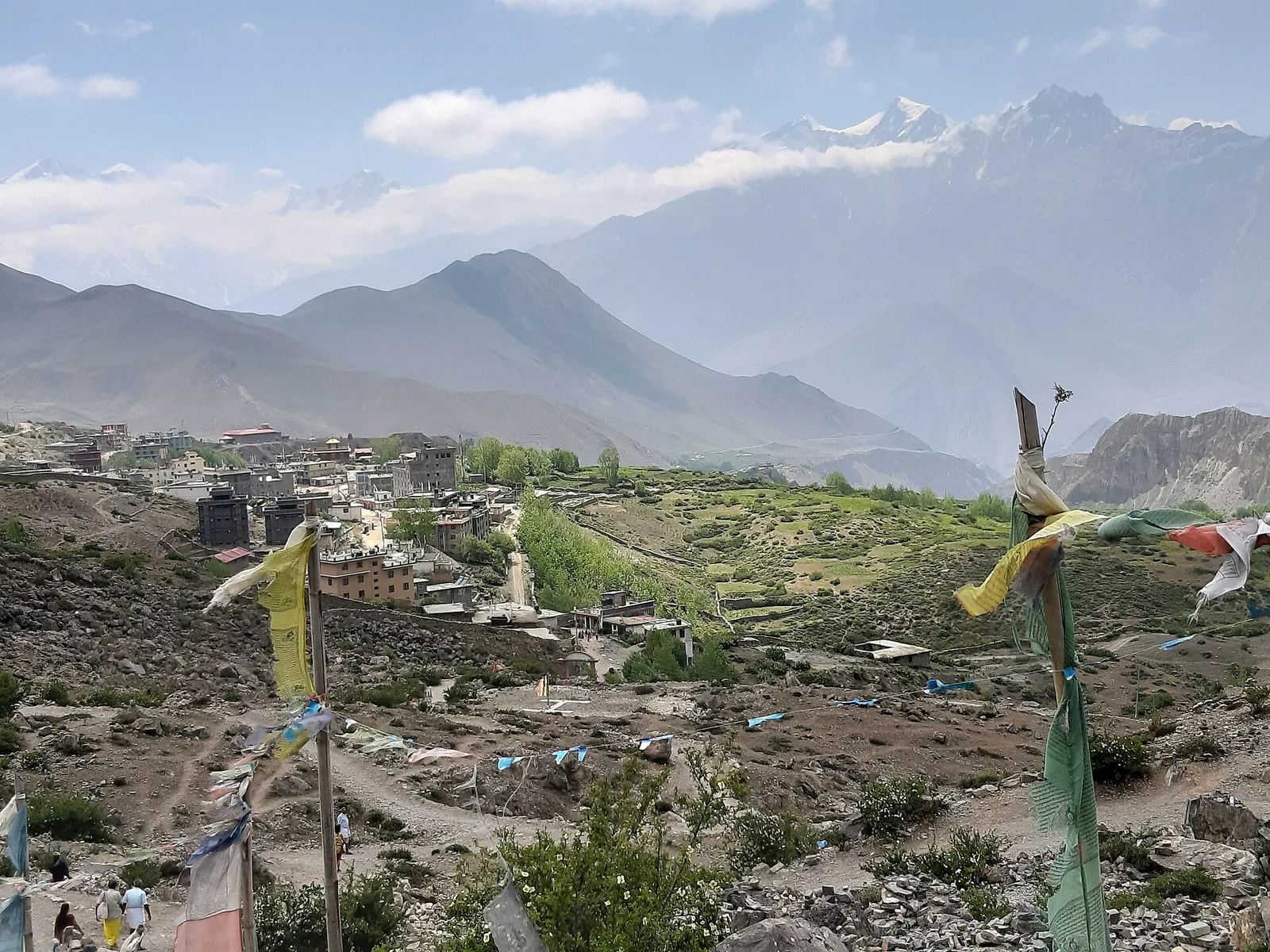
Inside a small stone temple at 3,762 metres, a flame burns on top of water and has done so for as long as anyone can record. It isn't a trick and it isn't lit by hand. Natural gas seeps up through an underground spring inside the Jwala Mai temple at Muktinath, in Nepal's remote Mustang district, and ignites on contact with air, burning steadily above the surface of the water it sits in. It's one of only a handful of places on Earth where fire and water occupy the same spot, and it's part of why a temple in the high Himalaya is sacred to two entirely different religions at once.
Key facts
- Muktinath sits at 3,762 metres (12,343 ft) in Mustang district, one of the highest temple complexes in the world
- The Jwala Mai spring inside the complex burns on natural gas seeping up through water
- The outer courtyard has 108 stone water spouts (Mukti Dhara), where pilgrims take ritual baths
- It sits at the foot of Thorong La (5,416m), the Annapurna Circuit's highest pass
One shrine, two religions, two names
For Hindus, Muktinath is one of the 108 Divya Desams, the holiest shrines of Vishnu, and its name literally means place of liberation, moksha from the cycle of rebirth. For Tibetan Buddhists it's Chumig Gyatsa, meaning Hundred Waters, a site blessed by Guru Rinpoche, Padmasambhava, the 8th-century master credited with carrying Buddhism into the Himalaya, who is said to have meditated here on his journey into Tibet. Both traditions send pilgrims up the same trail, to the same courtyard, for different but overlapping reasons, and both treat the flame as proof of the site's power.
| Tradition | What it's called | Why it's sacred |
|---|---|---|
| Hinduism | Muktinath, a Shakti Peeth and Vishnu shrine | One of 108 Divya Desams; visiting is believed to grant moksha |
| Tibetan Buddhism | Chumig Gyatsa, 'Hundred Waters' | Meditation site of Guru Rinpoche on his journey into Tibet |
Why the water burns
The flame is a genuine geological phenomenon, not a maintained lamp. Natural gas trapped in the rock beneath Mustang finds its way up through a fracture beneath the temple and bubbles through the spring water; once it reaches the surface it ignites and keeps burning as long as the gas keeps flowing. Mustang sits inside one of the most tectonically active corridors on the planet, the same collision zone that built Everest and Annapurna keeps this ground fractured enough for gas to escape year-round. Locals have tended the flame for generations without ever needing to relight it, and pilgrims from both faiths treat its continuity as part of the miracle.
What this means for trekkers
What this means for you
Muktinath isn't a side trip bolted onto a trek, it's the natural high point of the classic route. The Jomsom–Muktinath trek ends here, and the full Annapurna Circuit crosses Thorong La and drops straight into the temple courtyard, often on the same afternoon many trekkers call the hardest and most rewarding day of the whole trip. Pilgrims arrive year-round, but trekkers crossing from Manang usually reach it in the early afternoon after a pre-dawn pass crossing, tired, at altitude, and by most accounts unprepared for how moving the courtyard feels after ten hours of snow and wind. Bring warm layers regardless of season; even in summer, 3,762 metres after a 5,416-metre pass is cold enough for down. Travellers extending north into Upper Mustang often use Muktinath as their turnaround point before the restricted-area permit zone begins.
For a first-time visitor to Nepal weighing temples against mountain views, Muktinath quietly does both at once: it's a working pilgrimage site for two of the world's major religions, a genuine geological rarity, and one of the highest points most travellers will ever stand on foot. Very few places on Earth ask a Hindu priest and a Buddhist lama to tend the same flame.
Source: Wikipedia — Muktinath
Cover photo: Manjul bhattarai via Wikimedia Commons (CC BY-SA 4.0).
来源: Wikipedia
计划徒步?
我们负责许可证、后勤与向导
NMA 认证的本地向导,价格透明,自 1998 年以来 5,000+ 次徒步。告诉我们你的日期,其余的交给我们。


更多「Records & People」
Records & People
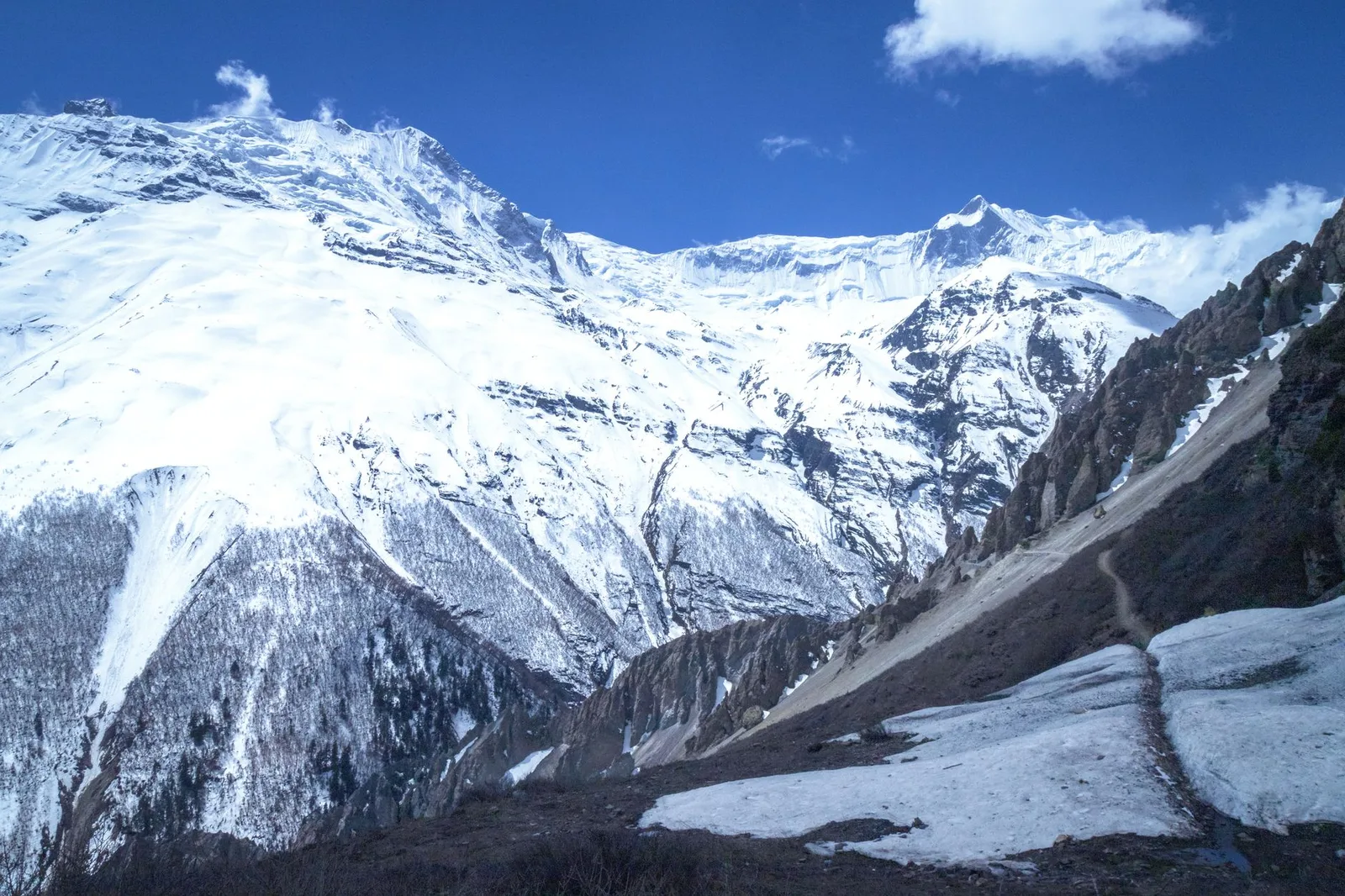
The World's Deepest Gorge Splits Two 8,000-Metre Peaks — and a Trail Runs Right Through It
Nepal's Kali Gandaki Gorge drops 5,571 metres between Annapurna and Dhaulagiri, deeper than the Grand Canyon three times over — and the Annapurna Circuit walks straight along its floor.
Records & People
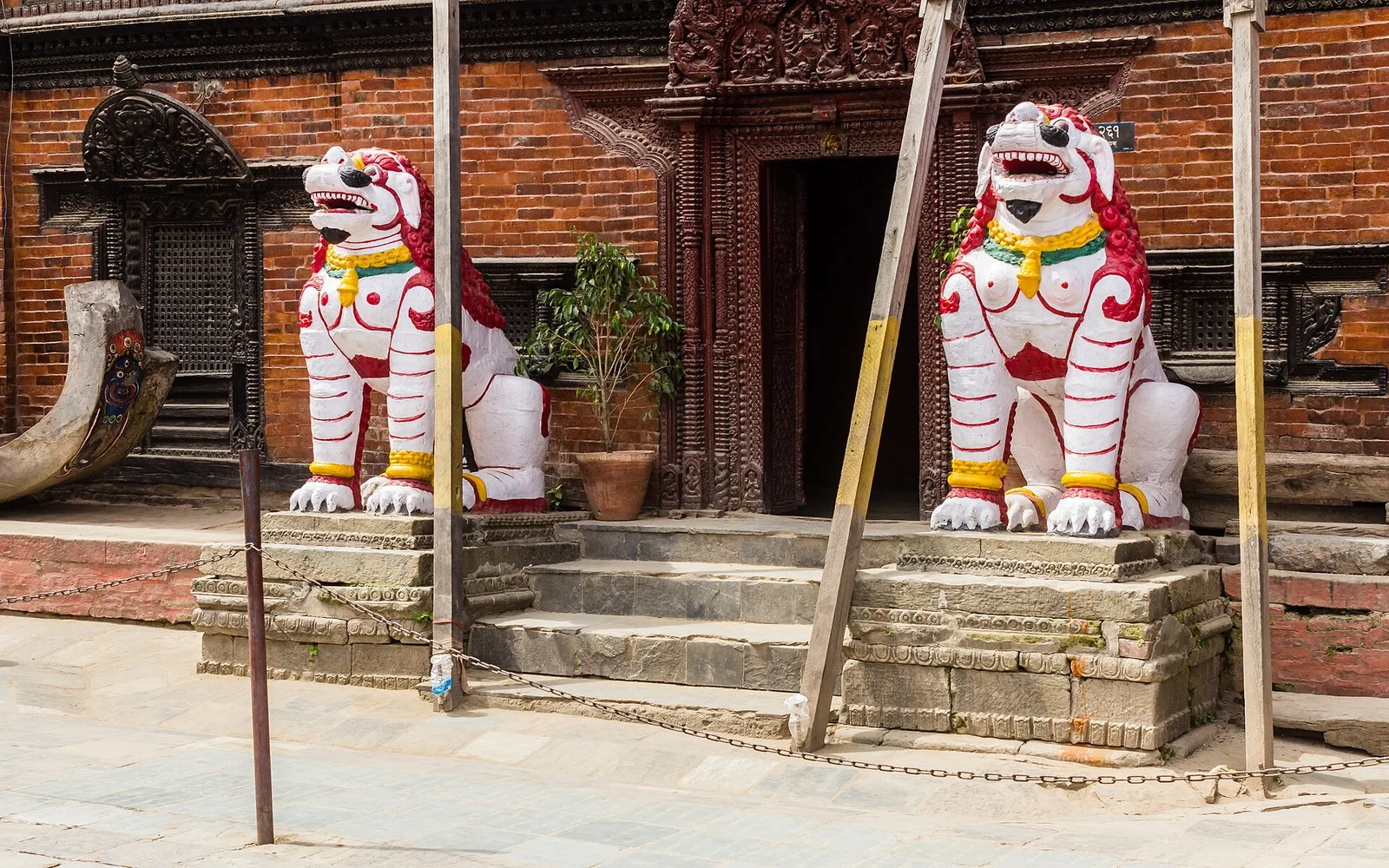
Nepal Just Named a 2-Year-Old a Living Goddess — She Can't Touch the Ground Until She Retires
Aryatara Shakya was enthroned as Kathmandu's Royal Kumari in 2025, the latest in a 17th-century tradition of worshipping a toddler as a living deity.
Records & People
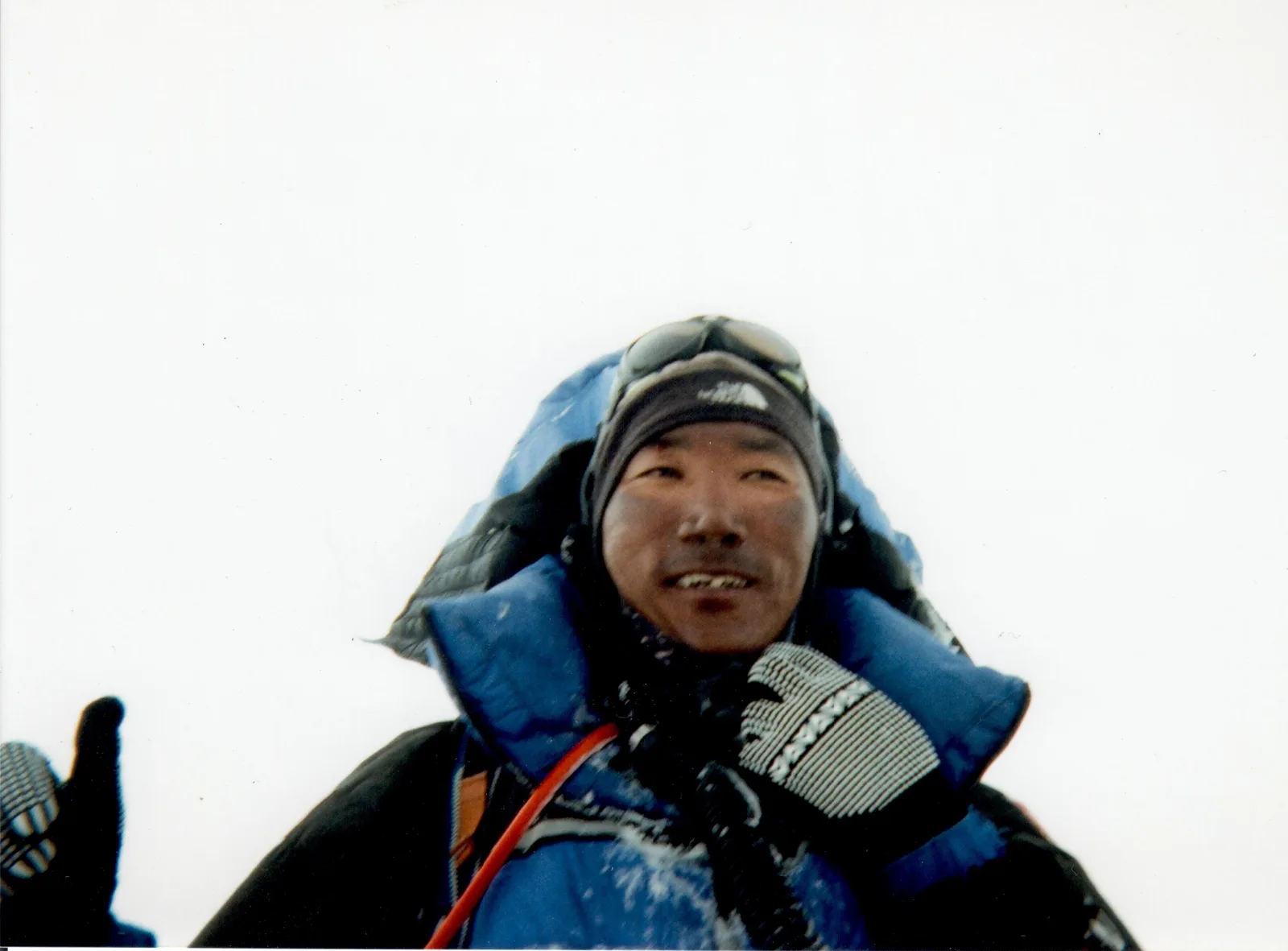
He's Climbed Everest 32 Times — More Than Anyone Alive, and No One Else Is Within Two
Kami Rita Sherpa set the record again on 17 May 2026, extending a world record he has now owned for eight straight years.