
Passport Validity in 2026: The Six-Month Rule That Gets Travellers Refused at the Gate
A passport that has not expired can still be rejected — the six-month rule, the Schengen 10-year catch, blank pages, damage and name mismatches that get people denied boarding even with a valid visa.
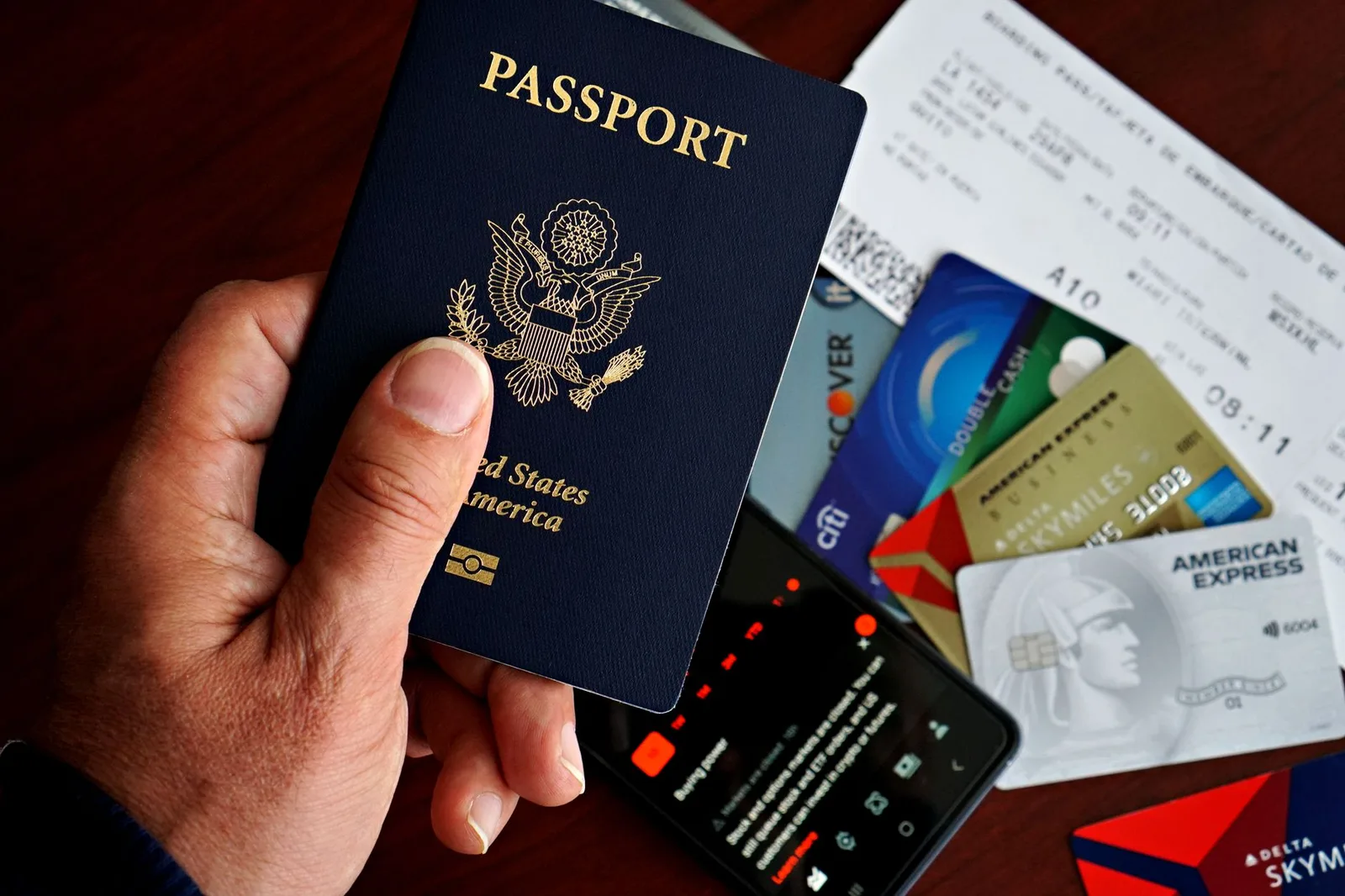
You booked the flights, saved for months, packed the boots — and an airline agent turns you away at check-in because your passport expires in four months. It happens every day, and the traveller always protests the same thing: "but my passport is still valid." In 2026 that is not enough. A passport that has not expired can still be rejected, and understanding why is the difference between boarding your flight and watching it leave without you.
Key facts
- The six-month rule. Many countries require your passport to stay valid for at least six months beyond your date of arrival — not just until you fly home.
- The Schengen rule is different. For most of Europe your passport must be valid for at least three months after the day you plan to leave, and have been issued less than 10 years before you enter.
- Blank pages matter. A lot of countries want two to four blank pages for their entry stamp or visa. A full passport can mean refused entry.
- Check both. Your airline and your destination each set their own rules — and an airline can deny boarding even when the destination would have let you in.
Where the six-month rule comes from
The logic is simple once you see it from the border's side. Immigration authorities do not want a visitor's passport expiring while they are still in the country, so they build in a buffer. The most common buffer is six months of validity counted from the day you arrive. Destinations that apply it include much of Southeast Asia and the Middle East — Thailand, Singapore, Indonesia, Egypt and many others. Because the exact figure varies, the safe habit is to treat "six months from arrival" as your personal minimum and check the destination's rule before you book.
Europe plays by its own numbers
The Schengen Area is the big exception that trips people up, because it is stricter in one way and looser in another. Per the rules for travel to Europe, your passport must be valid for at least three months after your intended departure from the Schengen Area — a shorter buffer than the six-month rule. But it adds a second condition that has nothing to do with expiry: the passport must have been issued within the previous 10 years. That catches travellers whose countries once added extra months onto a renewed passport. A passport can show a valid expiry date and still be refused simply because it was issued more than ten years ago. Heading to Europe? Check both the issue date and the expiry date.
| The issue | The rule | What to do |
|---|---|---|
| Validity beyond your travel dates | Many countries need 6 months' validity from arrival; Schengen needs 3 months beyond departure plus issued within 10 years. | Count the months from your arrival date, not today. Check the destination's specific figure before booking. |
| Not enough blank pages | Many countries require 2–4 blank pages for the entry stamp or visa. | Flip through your passport. If you are nearly full, renew early even if the expiry date is fine. |
| Damaged passport | A torn, water-damaged or badly worn passport can be treated as invalid and refused. | Inspect the cover, binding and photo page. If in doubt, replace it — a "just about readable" passport is a gamble. |
| Name mismatch on the ticket | The name on your ticket should match your passport. Big discrepancies can stop you boarding. | Book in your full passport name. Fix typos with the airline well before travel, not at the gate. |
The blank-page and damage traps
Two problems have nothing to do with the expiry date at all. The first is blank pages: many countries need at least two, and some up to four, clear pages to stamp you in or paste a visa. Frequent travellers run out of space long before their passport runs out of time, and a full book is a valid reason to refuse entry. The second is damage. A passport that is torn, has a detached cover, water-stained pages or a peeling photo can be judged unreadable and therefore invalid — even a day before its expiry. Border officers and airline staff are trained to reject documents they cannot trust, so a passport that has been through the wash is a real risk, not a technicality.
The name on your ticket has to match
Airlines check that the name on your boarding pass matches your passport. A dropped middle name, a maiden-versus-married name, or a booking typo can all cause trouble at check-in. Book in your exact passport name, and fix any mistake with the airline early — never at the gate.
You can be refused even with a valid visa
A visa is permission to seek entry — it is not a guarantee, and it sits inside a passport that has its own separate rules. If your passport fails the validity, blank-page or damage test, the visa in it fails with it. And there is a second gatekeeper before you even reach the border: the airline. Carriers are fined and made to fly you home if they board someone who is refused entry, so they check your documents at check-in and will deny boarding if your passport falls short — regardless of the visa. That is why people with a perfectly good visa still get turned away at the departure gate. The passport is the document that has to pass first.
Renew earlier than you think you need to
The fix for almost all of this is to renew in good time. Passports are usually valid for five to ten years, and it is easy to lose track of how close yours is to expiry. Processing can take weeks, and backlogs at peak times stretch it further, so do not wait until a trip is booked. A good rule: if your passport has less than a year to run, or is nearly out of blank pages, renew before you plan anything. For the step-by-step on timing and fast-track options, see our guide to how to renew your passport fast in 2026, and for the bigger picture of new entry requirements this year — Europe's ETIAS, the UK ETA and the US ESTA — read the 2026 entry-rule changes.
Planning a Nepal trek? Check your passport first
Nepal is a clean example of the six-month rule in action: every visitor must hold a passport valid for at least six months from the date of arrival to get a tourist visa or visa on arrival. So before you commit to dates on a Himalayan trip, open your passport and check the expiry — a trek is a poor thing to lose to a document you could have renewed months earlier. You can read the full entry requirements on our Nepal visa guide. And once your passport is sorted, we will handle the rest: if you are eyeing a route like the Everest Base Camp Trek or the Annapurna Base Camp Trek, message our team and we will map out the timing, permits and connections with you.
Cover photo: DΛVΞ GΛRCIΛ via Pexels (Pexels License).
来源: Wikipedia: Passport validity; gov.uk passport rules for travel to Europe
计划徒步?
我们负责许可证、后勤与向导
NMA 认证的本地向导,价格透明,自 1998 年以来 5,000+ 次徒步。告诉我们你的日期,其余的交给我们。


更多「Visas & Entry」

Visas & Entry
Brazil E-Visa 2026: US, Canadian and Australian Tourists Now Need One Again
Brazil has reintroduced a tourist visa — an online e-visa — for US, Canadian and Australian travellers on a reciprocity basis. Here is who needs it, how the e-visa works, and why many other nationalities still enter visa-free.

Visas & Entry
Taking a Pet Abroad in 2026: The Rules Most Owners Underestimate
Microchip, rabies vaccination and a waiting period, a health certificate or pet passport, tapeworm treatment and even quarantine — a plain-English guide to taking a pet abroad in 2026, and why it has to start months before you fly.

Visas & Entry
Visiting Australia in 2026: The ETA, eVisitor and Visitor Visa Explained
Australia has no visa on arrival — every short-stay visitor needs an authorisation before they fly. Here is the ETA (601), the free eVisitor (651) and the Visitor visa (600), and how to apply officially.