
Everest Summiteers Summit 2026: Kami Rita Honoured as Nepal Charts a Sustainable Himalayan Future
As a record season banked over US$6.9 million in royalties, Nepal's climbing community met in Kathmandu to honour Kami Rita Sherpa and pledge a safer, more sustainable Himalaya.
At a glance
- Published
- TopicRecords & People
- Verified againstThe Himalayan Times
- Treks coveredAma Dablam Base Camp Trek — 10 Days, Everest Base Camp Trek — 12 Days, Everest Three High Passes Trek — 20 Days
Every spring, Nepal's mountains make headlines for who reached the top. This year, for two days in late June, the conversation turned to something harder: how to keep those mountains worth climbing at all. The Everest Summiteers Summit (ESS) 2026 wrapped up in Kathmandu on 24 June, gathering summiteers, policymakers, scientists and conservationists under a single, pointed theme — "Uniting Voices for the Future of the Himalaya."
From the trail · Everest
Key facts
- Two-day Everest Summiteers Summit 2026 concluded in Kathmandu on 24 June, during Everest Week
- Organised by Everest Alliance Nepal, theme "Uniting Voices for the Future of the Himalaya"
- Kami Rita Sherpa received a Lifetime Achievement Award for his contribution to mountain tourism and high-altitude climbing
- China's He Jing was honoured as the first woman to climb all 14 peaks above 8,000 m without supplementary oxygen
- An MoU was signed between Everest Alliance Nepal and gear maker Pelliot on mountain safety and sustainable expeditions
The timing was deliberate. The summit landed at the close of a spring season that broke Nepal's own records — and exposed, once again, how lopsided the country's mountain economy has become.
A record season as the backdrop
Nepal's Department of Tourism issued permits to 944 climbers from 76 countries across 30 peaks this spring, banking more than US$6.9 million (over Rs 1.02 billion) in royalties — the highest on record. But the distribution tells the real story: 410 climbers on Everest alone generated nearly US$6 million, or about 87 percent of the entire season's royalty take.
Of the 410 on Everest, 313 were men and 97 women — among the strongest female turnouts the mountain has seen. The climbers came from across the world, but a handful of markets dominated the rope lines.
| Country | Climbers |
|---|---|
| China | 98 |
| United States | 49 |
| India | 46 |
| United Kingdom | 28 |
| Russia | 18 |
Beyond Everest, Lhotse drew 86 climbers, Ama Dablam 92, Makalu 54 and Kanchenjunga 34 — and Nepali star Nirmal Purja notched his 50th 8,000-metre summit on Dhaulagiri in April.
Honouring the people behind the peaks
The summit's emotional centre was its awards. Kami Rita Sherpa — the Thame-born guide who has stood on Everest's summit more times than any human alive — received the Lifetime Achievement Award. The recognition of He Jing, the first woman to complete all fourteen 8,000ers without bottled oxygen, signalled where the sport is heading: lighter, bolder, and far more international than the Everest-or-nothing image suggests.
The agenda: climate, safety and women on the mountain
Behind the ceremony sat a serious working agenda. Sessions ran on climate change and resilience, sustainable tourism, mountain safety and rescue preparedness, women's participation, and — tellingly — climate-adaptation financing for mountain communities. The guest list read like a who's-who of Himalayan science and conservation: WWF, ICIMOD, IUCN, ZSL and the NTNC, with Nepal's Culture, Tourism and Civil Aviation Minister addressing the gathering on the country's commitment to sustainable mountain tourism. The MoU with outdoor-gear company Pelliot tied the talk to something concrete: safety equipment and sustainable-expedition standards.
What this means for trekkers
You don't need a summit permit for any of this to matter. The same forces the summit debated — crowding, climate stress on the glaciers, and a push for higher standards — are already reshaping the trails ordinary trekkers walk. We've covered the science warning the Khumbu Glacier could lose most of its ice by 2100 and the new ban on plastic bottles above Namche. Expect more rules like these — and a government quietly nudging climbers toward quieter ranges, as it did when it waived royalties on 97 far-western peaks.
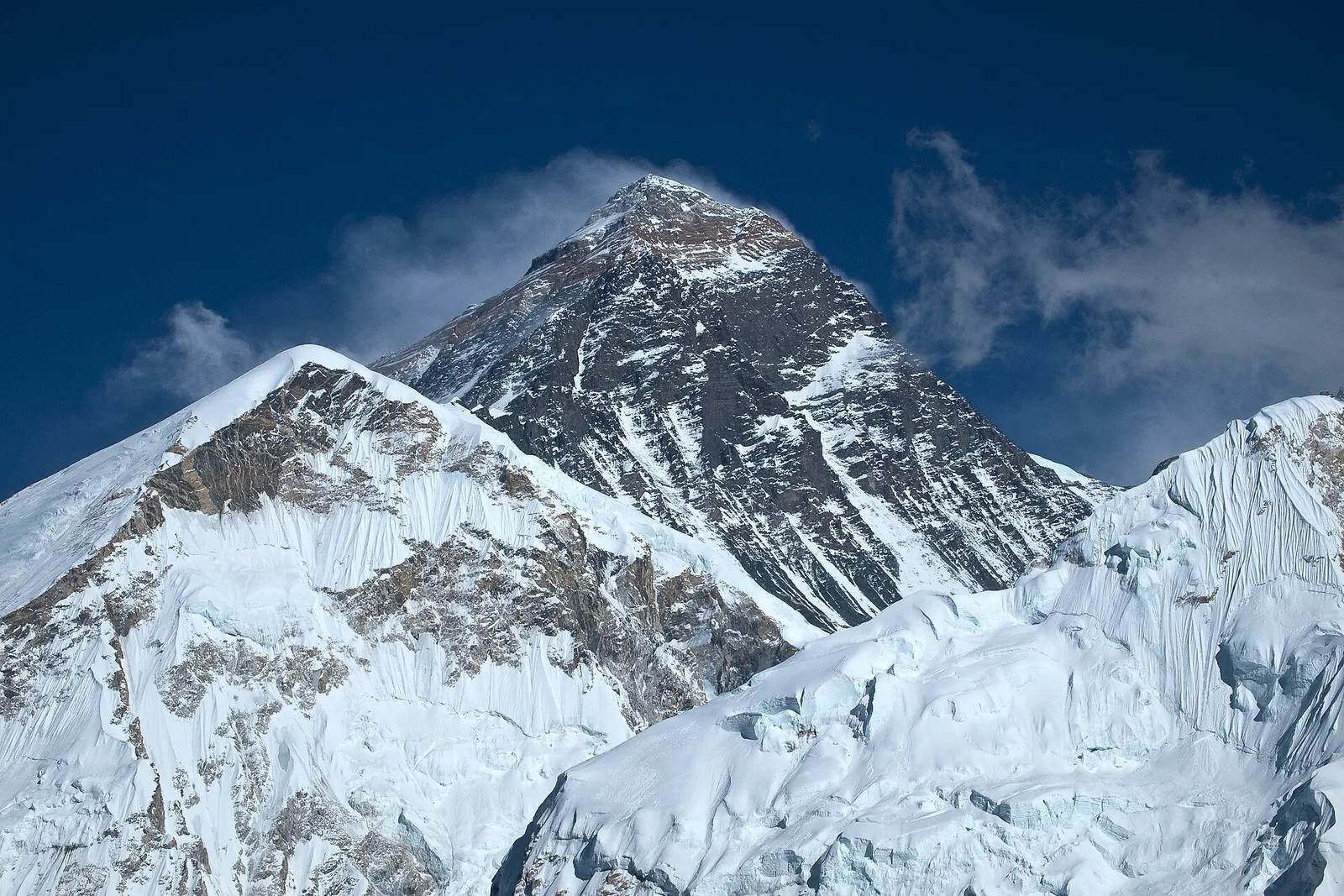
For anyone planning a trip, the takeaway is simple: the Everest region is busier, better regulated and more safety-conscious than ever — which is good news if you go with an operator that takes the new standards seriously. If you want to walk into that amphitheatre yourself, our 12-day Everest Base Camp trek follows the classic Lukla–Namche–Kala Patthar line, while the Three High Passes circuit rewards stronger legs with the region's wildest crossings. Climbers eyeing their first Himalayan summit often start on Ama Dablam's base-camp approach before stepping up.
Source: The Himalayan Times — Everest Summiteers Summit 2026 coverage and Department of Tourism spring-season permit data.
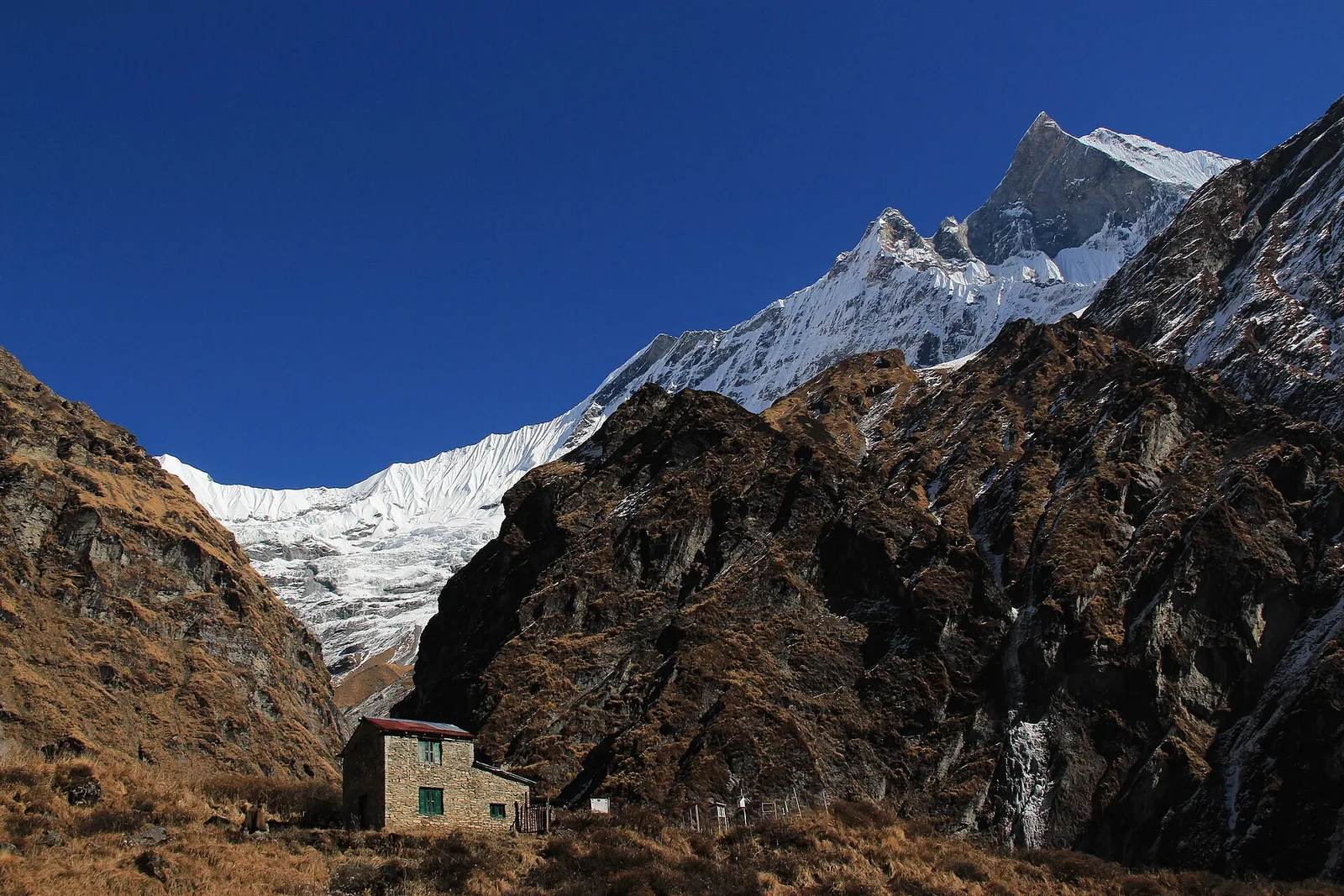
Cover photo: Vyacheslav Argenberg via Wikimedia Commons (CC BY 4.0).
Still running this season
Ama Dablam Base Camp Trek — 10 Days is running normally
NMA-certified local guides, transparent pricing, 5,000+ treks since 1998. Message us your dates and we'll sort the permits, lodges and logistics — reply within 24 hours, no obligation.
Popular Nepal treks
All treks →
Related coverage
Industry & Tourism
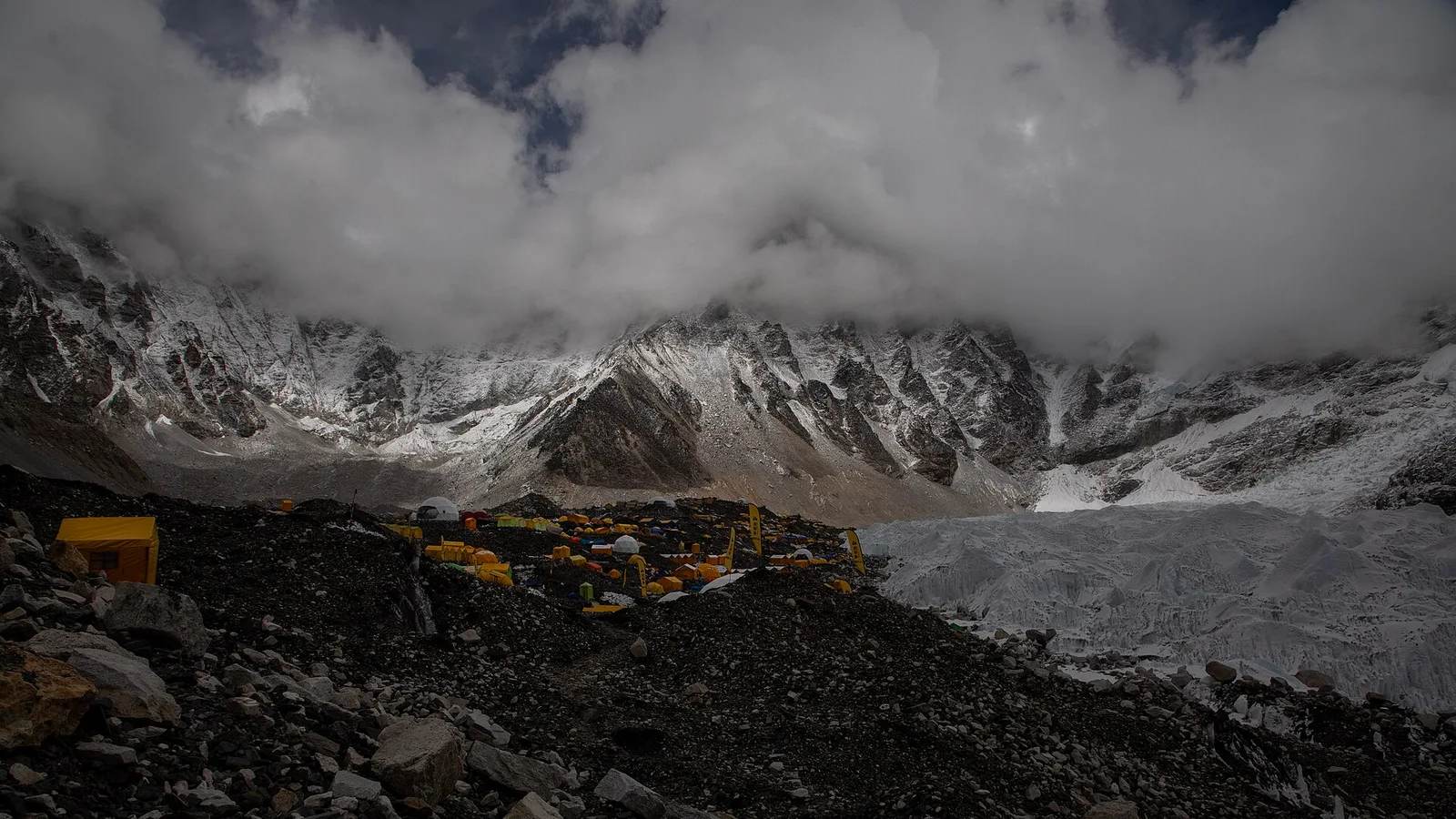
Everest Just Had Its Busiest Climbing Season Ever. Climbers Also Left Behind 90,000 Kilograms of Trash.
A record 701 climbers pushed for the summit this spring, and the mountain's cleanup crews hauled down a record amount of waste right behind them.
Records & People
Nepal Drops From 8,848 Metres to 59 in Under 250 Kilometres, and Its Lowest Point Just Moved
A 2017 survey reportedly found a lower spot than the one Nepal had used for decades, which makes the gap between jungle floor and Everest summit even harder to believe.
Records & People
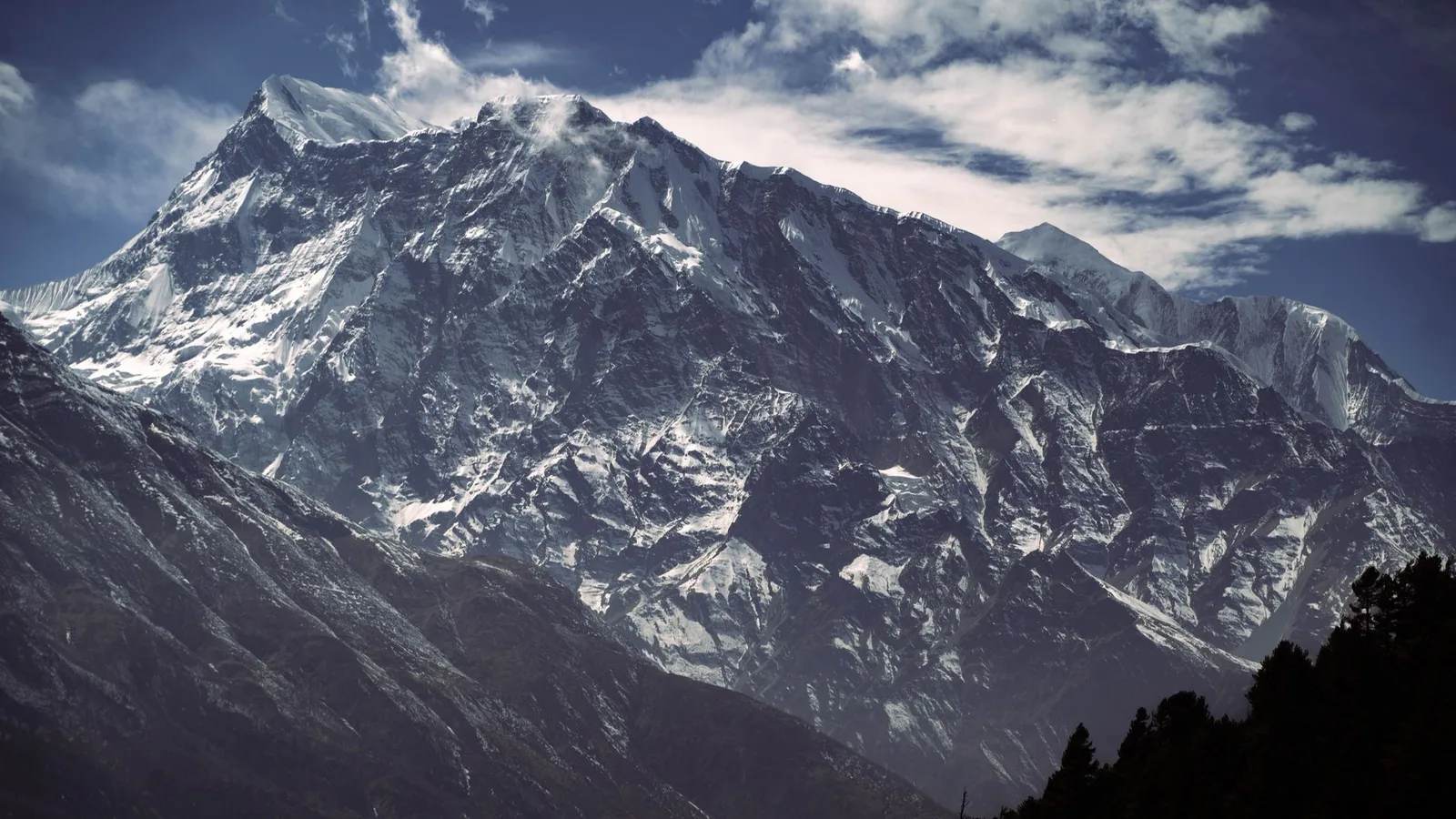
The most dangerous 8,000m peak in the Himalaya, and the fatality rate behind it
By deaths per summit, Guinness ranks Annapurna I the deadliest mountain in the Himalaya. The numbers behind it, next to Dhaulagiri and Everest.
Records & People
The Deadliest Avalanches in the Nepal Himalaya
From the 2014 Khumbu Icefall to the earthquake that swept Everest Base Camp in 2015 — the deadliest avalanches in Nepal's mountains, their causes and tolls, recorded with respect.
Latest from the desk
Breaking Safety & Advisories
Banff National Park Just Hit Its Seventh Hiking Death of the Year, and the Victim Was a Professional Guide Hiking Alone
Banff National Park logged seven hiking deaths in 2026, the latest an off-duty guide who died solo on Recondite Peak this September.
World Destinations
America's Darkest Canyon Gets Just 33 Minutes of Sunlight a Day, and It Isn't the Grand Canyon
Colorado's Black Canyon of the Gunnison is deeper than it is wide, and some stretches get barely 30 minutes of direct sun a day.
Flights & Access
What a Canadian airline owes you when your flight is delayed, in dollars
Up to $1,000 on a large airline, $500 on a small one, and $2,400 if you are bumped. What counts as within the airline's control, and the one-year deadline.