Nepal Opens 97 Himalayan Peaks for Free Climbing: Karnali & Sudurpaschim Royalties Waived to 2027
Nepal has scrapped climbing royalties on 97 far-western peaks, including three 7,000ers, in a two-year bid to pull expeditions away from Everest.
At a glance
- Published
- TopicIndustry & Tourism
- Verified againstThe Himalayan Times
- Treks coveredApi Base Camp Trek — 16 Days, Rara Lake Trek — 12 Days, Upper Dolpo Trek — 22 Days
For decades, Nepal's mountaineering economy has been a one-mountain show. In 2026 the government is trying to rewrite that script — and it has put real money on the table to do it. Under a Cabinet decision taken on 17 July 2025, Nepal waived every climbing royalty on 97 Himalayan peaks across the remote far-western provinces of Karnali and Sudurpaschim, opening them to expeditions free of permit fees through 2027. For international climbers, it is one of the most generous access offers any Himalayan nation has ever made.
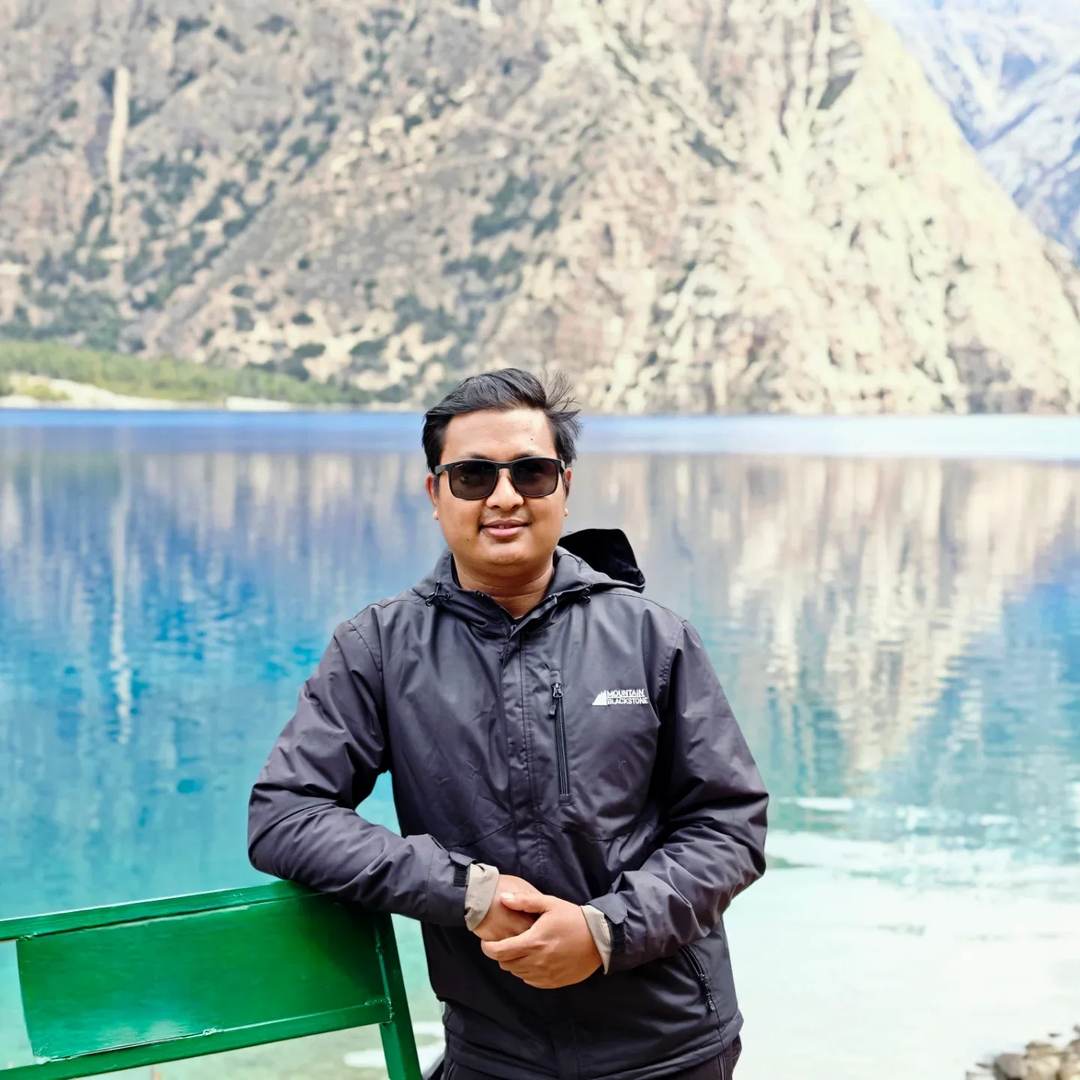
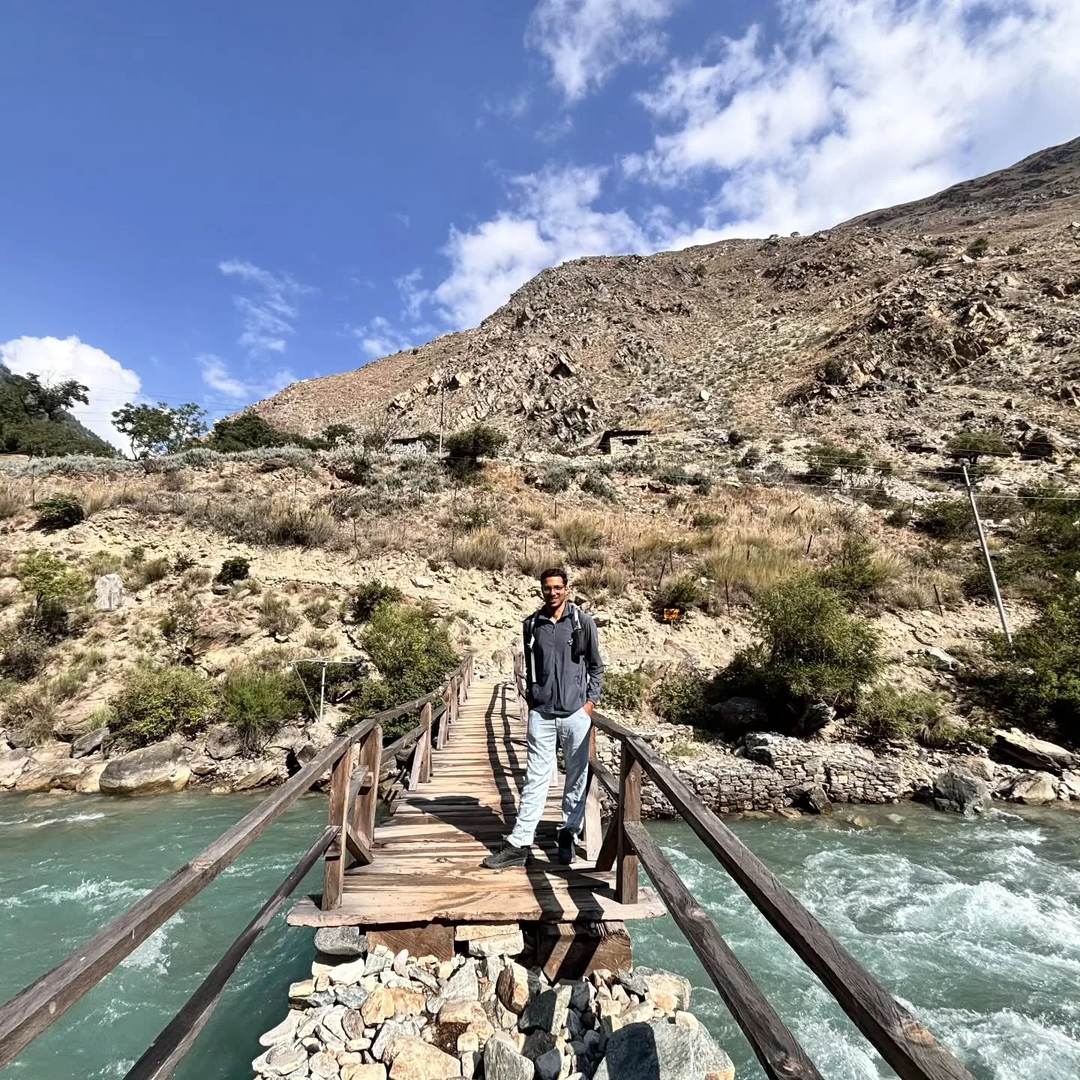
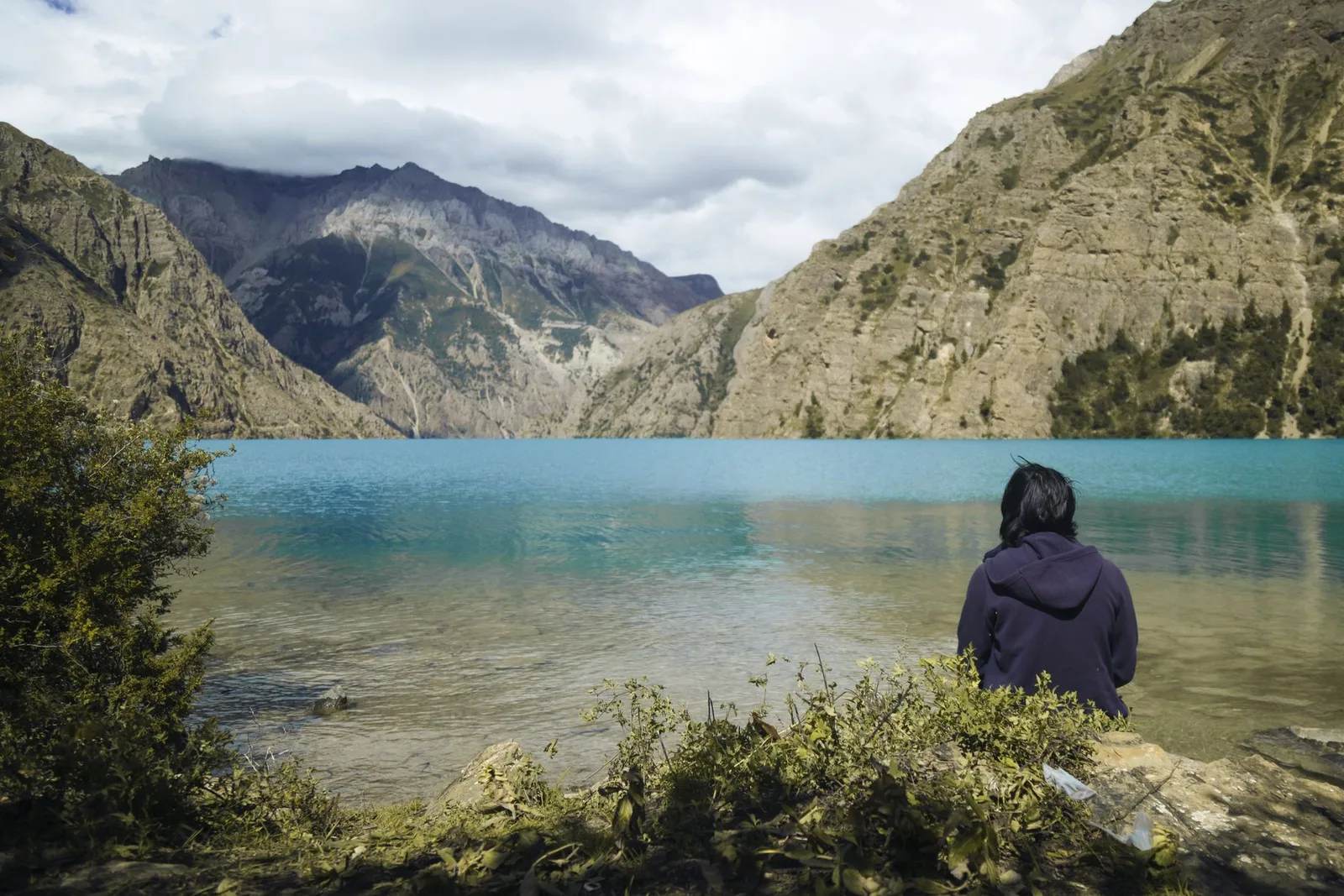
From the trail · Dolpo
Key facts
- 97 peaks opened royalty-free — 77 in Karnali, 20 in Sudurpaschim
- Summits range from 5,870 m to 7,132 m
- Fees waived for two years (2025–2027), by Cabinet decision of 17 July 2025
- Headline peaks: Api (7,132 m), Api West (7,076 m) and Saipal (7,030 m)
- These 97 peaks earned Nepal only about Rs 1.4 million in royalties across 2023–2025
Why Nepal is giving its mountains away
The logic is in the numbers. Nepal collected roughly USD 5.92 million in climbing-permit revenue in 2024 — and about 77 percent of it came from Mount Everest alone. The country has hundreds of peaks open to climbers, yet the overwhelming majority of expeditions, money and global attention pile onto a tiny handful in the Everest and Annapurna regions. The far west, by contrast, is mountaineering's forgotten quarter: rugged, road-poor, and among the poorest parts of the country.
By scrapping royalties on these 97 peaks, the Department of Tourism and the Nepal Mountaineering Association are betting that climbers will follow the discount into Karnali and Sudurpaschim, spending on guides, porters, lodges and jeeps in districts that see almost no expedition traffic. The waiver was championed by NMA Secretariat member Rajendra Bahadur Lama, with backing from Tourism Minister Badri Prasad Pandey and Department of Tourism Director General Dr Narayan Prasad Regmi.
What climbing in Nepal usually costs
The savings are real, if modest on the smaller summits. A standard royalty on a minor Himalayan peak runs around USD 250–350; an Everest permit, after this year's hike, costs between USD 11,000 and 15,000. The far-west peaks have generated so little — about Rs 1.4 million over three years — that Nepal is effectively forgoing pocket change in the hope of seeding an entirely new trekking-and-climbing region.
| Category | Royalty (USD) |
|---|---|
| Smaller expedition peaks | 250–350 |
| Mount Everest permit (2026) | 11,000–15,000 |
| 97 far-west peaks (2025–2027) | 0 |
| Far-west royalties collected, 2023–2025 | ≈ Rs 1.4M |
The bigger play: training grounds for Everest
There is a second motive. Nepal is moving to require that anyone applying for an Everest permit first summit a 7,000-metre peak inside Nepal — a rule aimed at thinning out the inexperienced crowds that clog the upper mountain. Suddenly, three free 7,000ers in the far west — Api, Api West and Saipal — look less like obscure objectives and more like the obvious, affordable proving ground for a future Everest bid. You can read our breakdown of that proposed rule in Everest's new 7,000 m qualification bill.
What this means for trekkers and climbers
If you have ever wanted a genuine first-ascent feel without an eye-watering permit bill, the next two seasons are the window. These are serious, committing, infrastructure-light mountains — you still need a registered Nepali operator, a licensed guide and full logistics — but the royalty, normally a fixed barrier, is simply gone until 2027.
How to actually get there
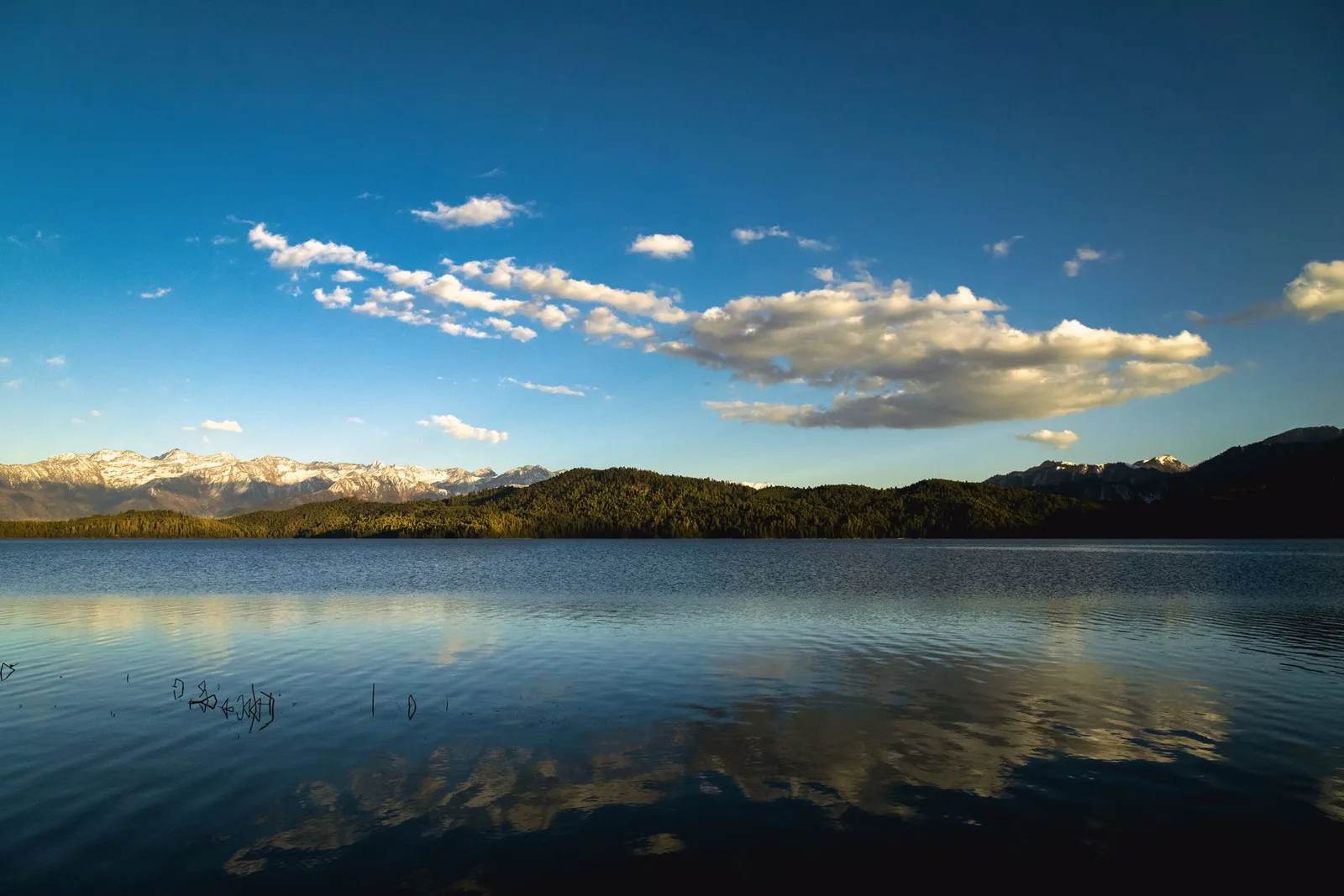
The far west is remote even by Nepali standards: expect long drives from Dhangadhi or Nepalgunj and multi-day approaches. The most accessible way to taste the region before committing to a climb is a trek into the same valleys — our Api Base Camp Trek walks straight beneath the highest of the free peaks, while the Rara Lake Trek opens up Karnali's lake country. For the high-desert culture next door, see our far-western Nepal travel guide.
Source: The Himalayan Times — “Nepal waives permit fees for 97 peaks in remote Karnali and Sudurpaschim.”
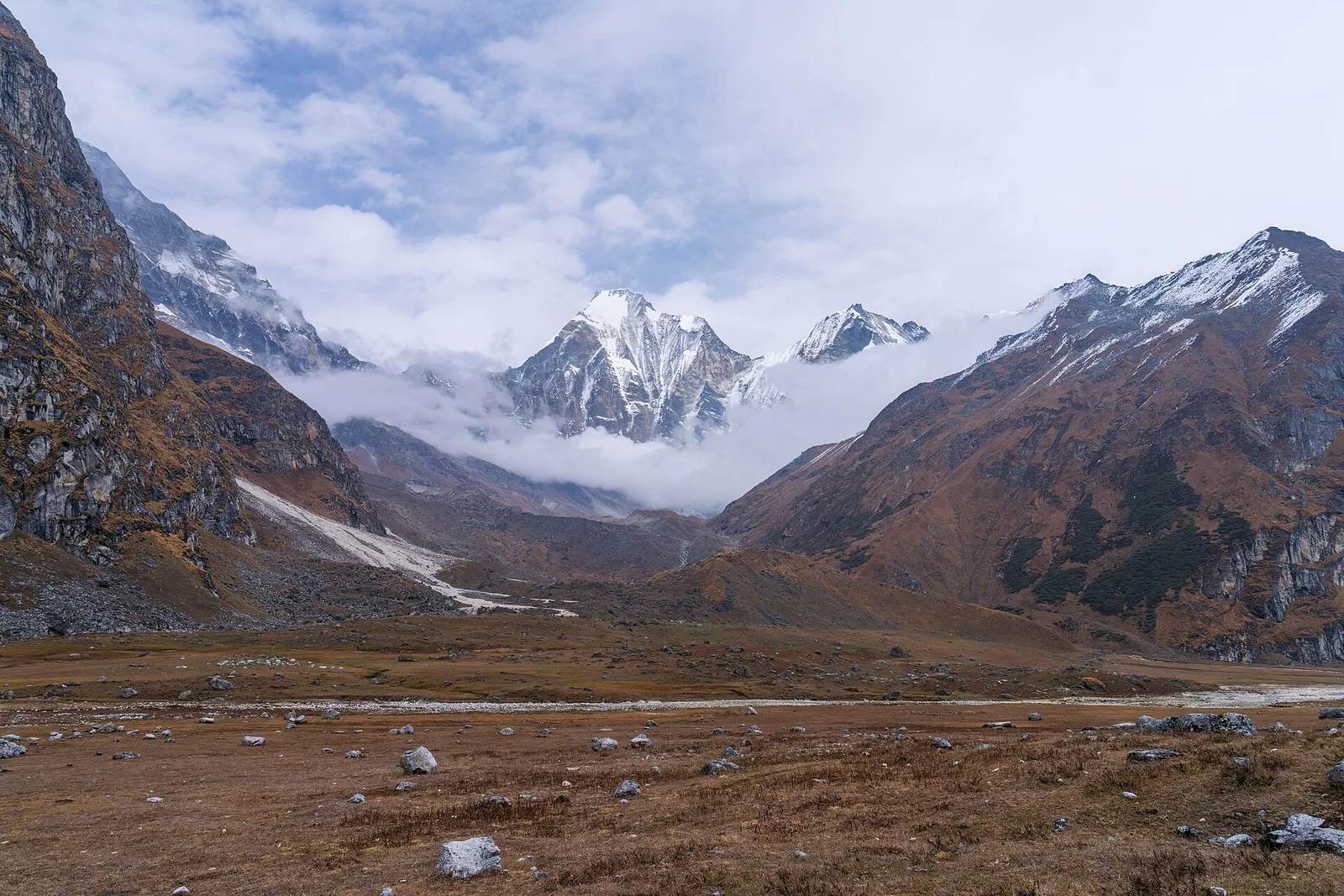
Cover photo: Sunuwargr via Wikimedia Commons (CC BY-SA 4.0).
Still running this season
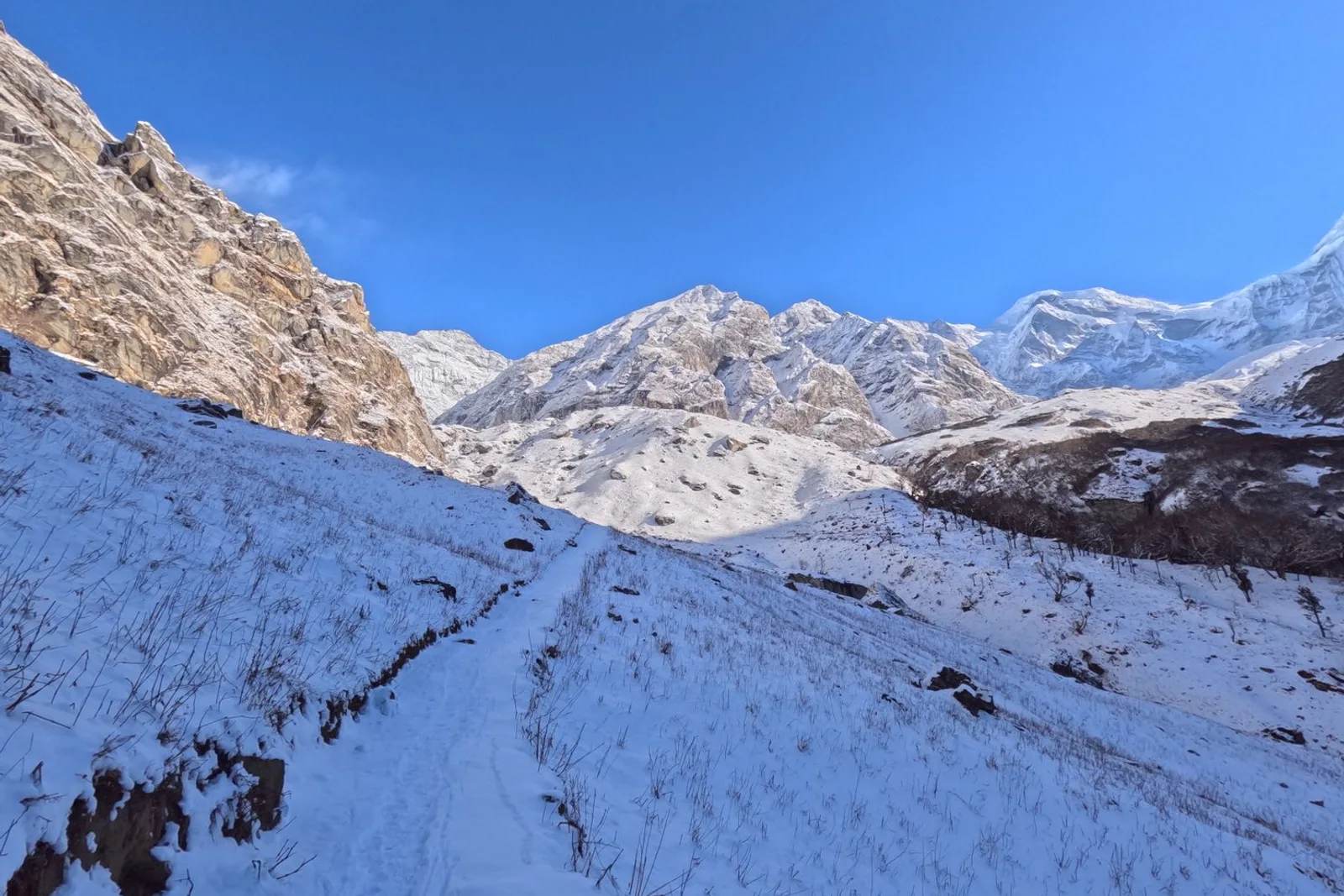
Api Base Camp Trek — 16 Days is running normally
NMA-certified local guides, transparent pricing, 5,000+ treks since 1998. Message us your dates and we'll sort the permits, lodges and logistics — reply within 24 hours, no obligation.
Popular Nepal treks
All treks →
Related coverage
Industry & Tourism
Yarsagumba, the Himalayan Fungus Worth More Than Gold, Is Running Out in Nepal (2026)
Nepal's Rs 2.7-million-a-kilogram caterpillar fungus season just closed in Dolpa, and four collectors didn't come back down.

Flights & Access
Everest Base Camp Trek or Helicopter Tour? The Kala Patthar Reopening Changes the Math in 2026
A shared helicopter can land you on Kala Patthar again after a three-year ban, but it still can't buy you what nine days on the trail does.

Industry & Tourism
Should you still book Nepal this autumn after the flood, and what happens to the guides if you don't
Four Langtang and Rasuwa treks are paused on our own books, while Everest, Annapurna and Manaslu sit in different river systems and are running normally.
Industry & Tourism
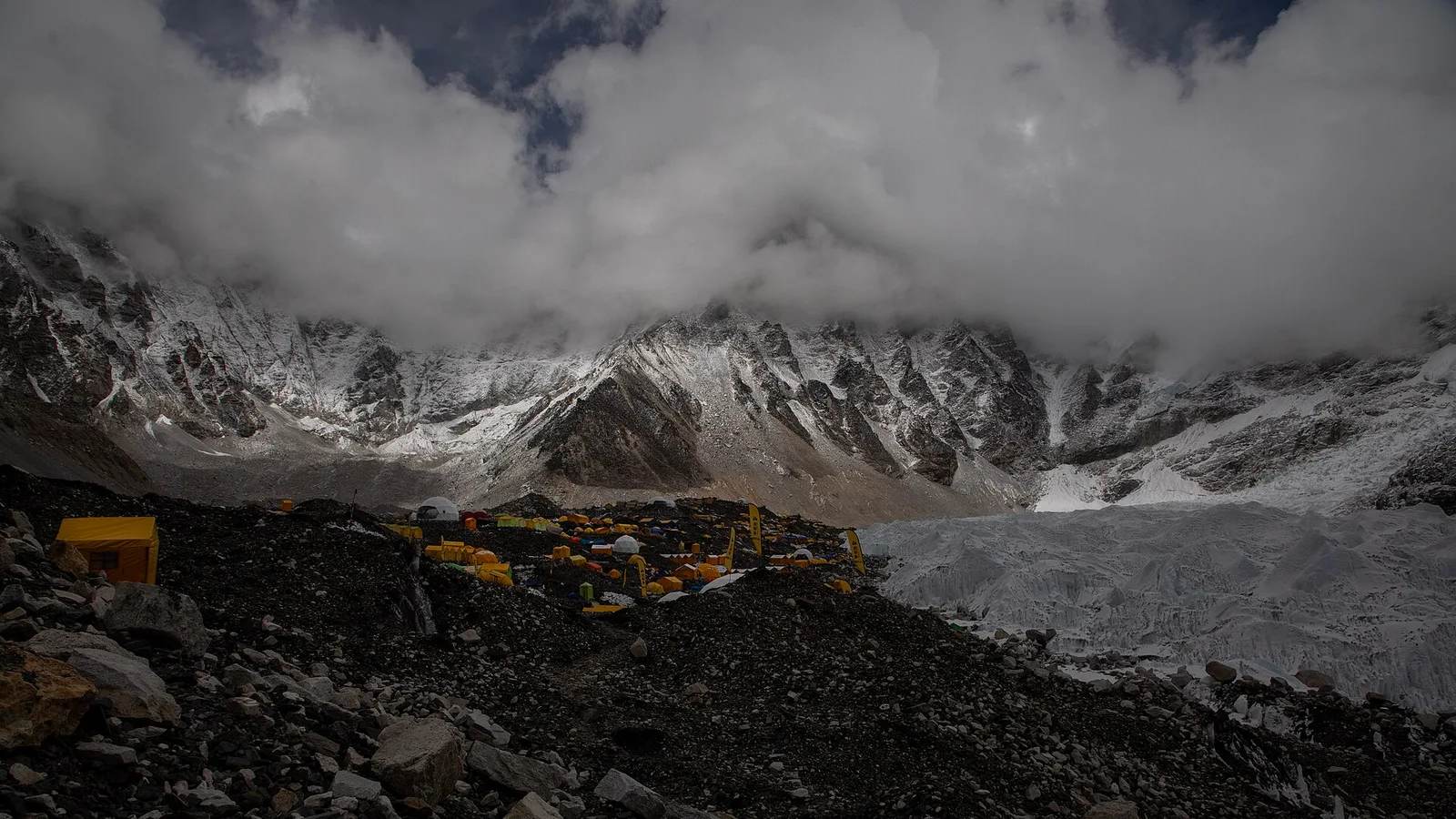
Everest Just Had Its Busiest Climbing Season Ever. Climbers Also Left Behind 90,000 Kilograms of Trash.
A record 701 climbers pushed for the summit this spring, and the mountain's cleanup crews hauled down a record amount of waste right behind them.
Latest from the desk
Flights & Access
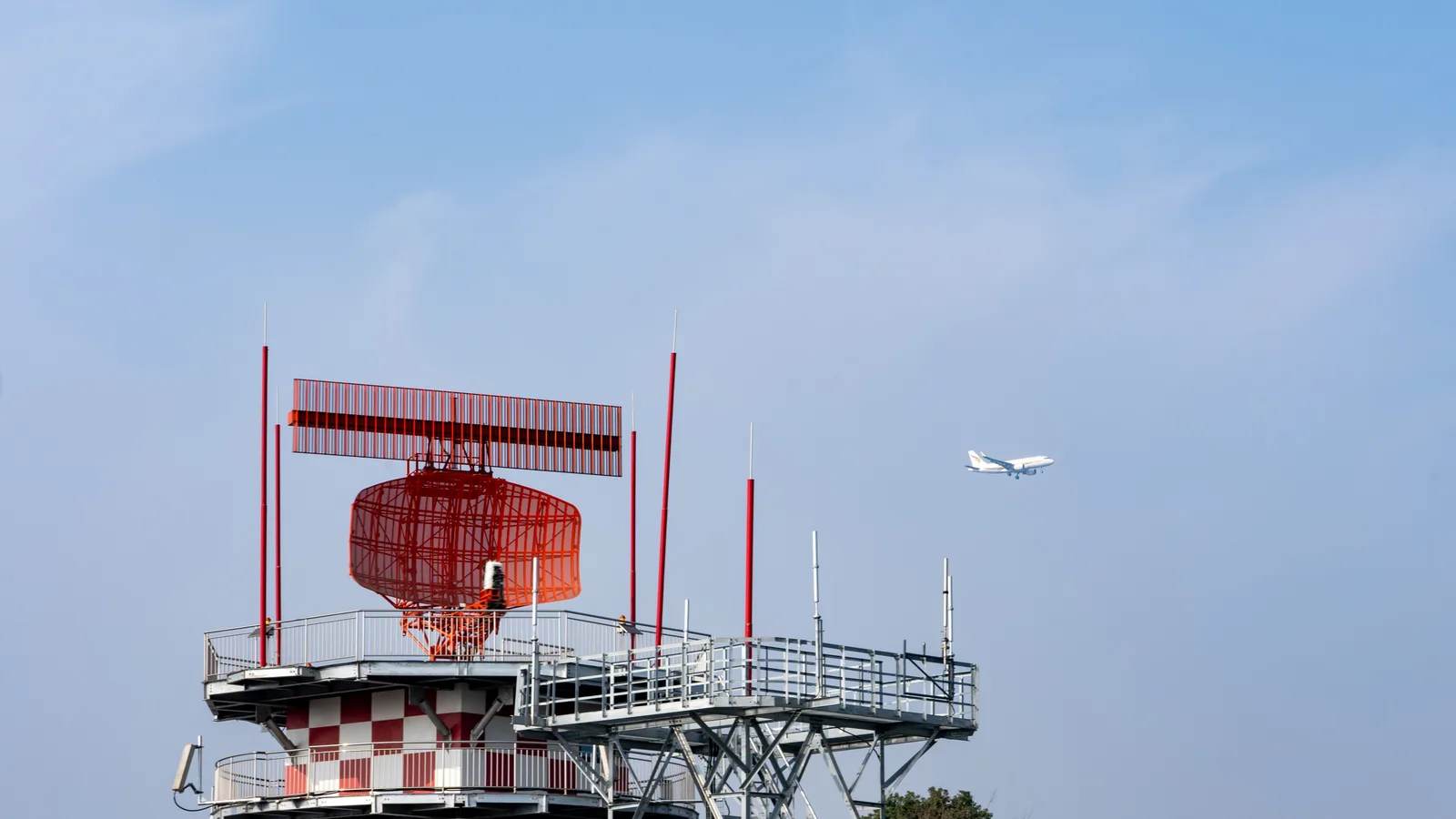
Italy's controllers strike on 30 September and two windows protect your flight
A four-hour national ENAV stoppage from 13:00, plus Linate, Naples, Bologna, Bari and Rome. Which flights are protected, and what the airline owes you.
Safety & Advisories
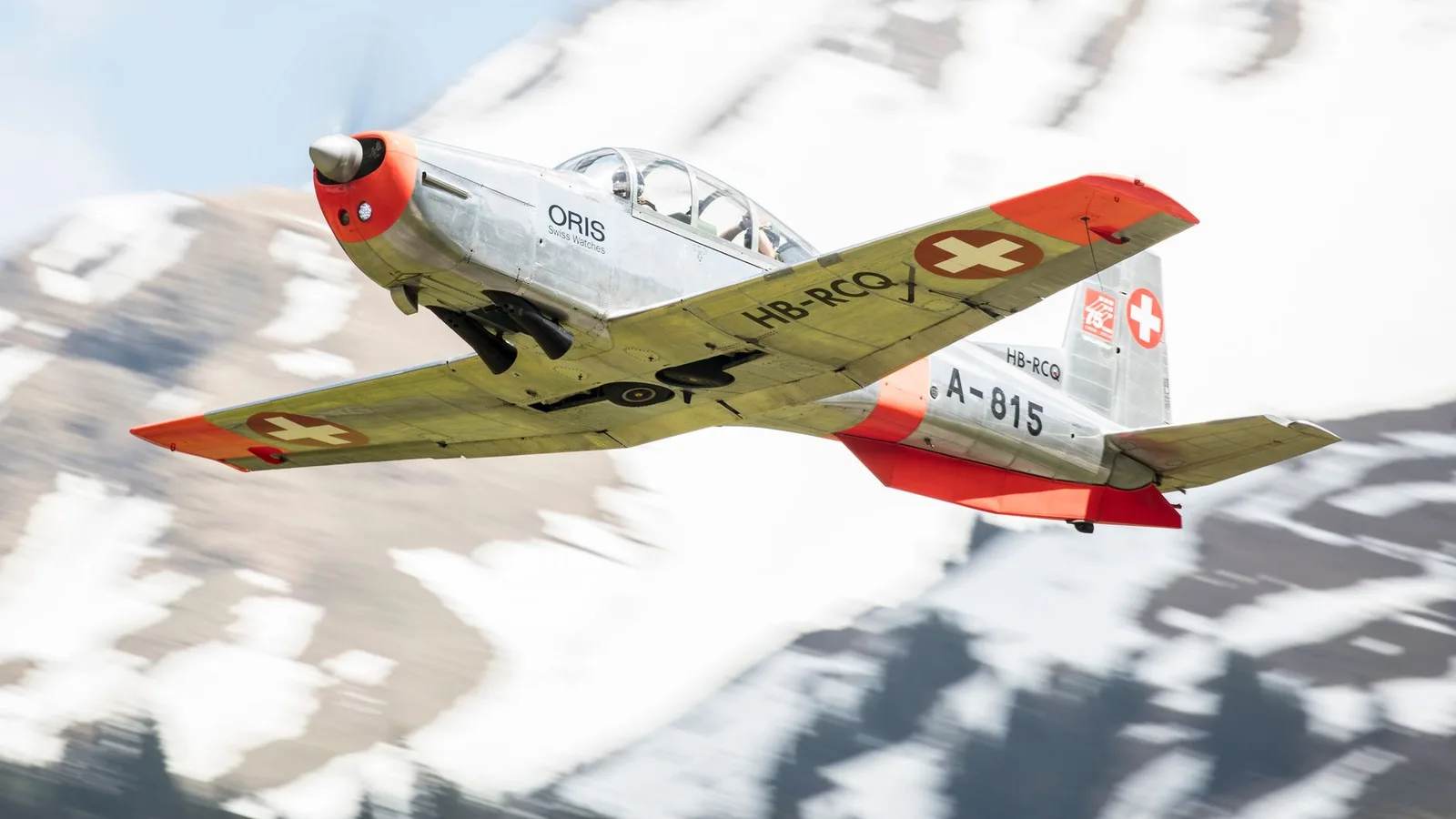
A UK Airport Owner Just Died in a Swiss Alps Plane Crash, and Mountain Flying Keeps Failing the Same Way
Tony Hall, 42, died when his plane crashed near Leukerbad on 15 September, and the crash fits a well-documented mountain-flying pattern.
Breaking Climate & Environment
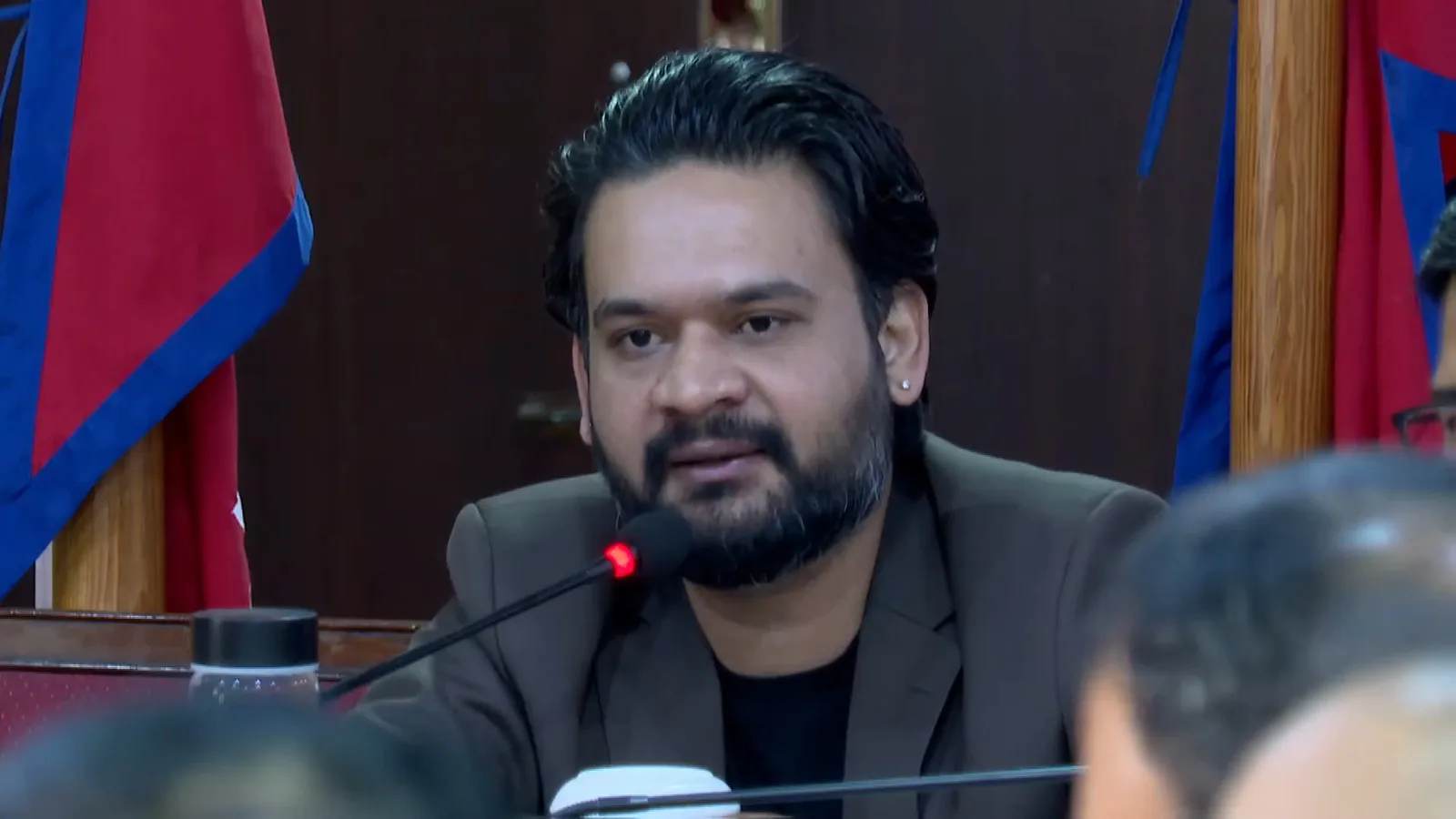
Nepal's Prime Minister Just Told the United Nations the World Owes His Country for a Flood That Killed Over 1,300 People
Balen Shah told the UN General Assembly on 24 September that Nepal needs $4.78 billion to rebuild after a flood that killed over 1,300 people.