
Everest 2026 Rules: Climbers Must First Summit a 7,000m Nepali Peak (New Bill)
Nepal's new Tourism Bill will require every Everest hopeful to prove a 7,000m Nepali summit, work with Nepali guides and carry out 8kg of waste. Here's what's confirmed — and what's still pending.
At a glance
- Published
- TopicPermits & Rules
- Verified againstExplorersWeb
- Treks coveredAma Dablam Base Camp Trek — 10 Days, Mera Peak Climbing — 15 Days, Island Peak Climbing — 14 Days
After the busiest and most crowded spring in its history, Everest is about to get a tougher front door. A new Tourism Bill working its way through Nepal's parliament will, for the first time, require anyone applying for an Everest permit to prove they have already summited a 7,000-metre peak inside Nepal. It is the most significant change to Everest eligibility in years — and it is aimed squarely at the inexperienced climbers blamed for congestion and accidents on the world's highest mountain.
From the trail · Everest


Key facts
- Mandatory proof of a 7,000m+ Nepali peak summit before an Everest permit
- 72 peaks in Nepal qualify under the 7,000m threshold
- Only Nepali guides may lead expeditions; foreign guides barred from leading
- 8kg of solid waste must be carried out per climber
What the rule says
The headline requirement is the 7,000-metre rule. Would-be Everest climbers will need a verified certificate, endorsed by the Department of Tourism, showing they have stood on top of a Nepali peak above 7,000 metres. There are 72 such peaks to choose from — Baruntse, Pumori and Himlung Himal are among the popular training objectives. There is also discussion of allowing the famously technical Ama Dablam (6,812m) to count, given its difficulty, though that is not yet settled.
The bill bundles in several other tightening measures: a medical clearance certificate proving fitness for high altitude, a rule that only Nepali guides may lead expeditions (ending the era of foreign IFMGA guides running the show), and stricter environmental obligations.
| Requirement | Detail |
|---|---|
| Prior experience | Summit of a 7,000m+ Nepali peak |
| Certificate | Verified by the Department of Tourism |
| Medical clearance | Proof of fitness for high altitude |
| Guide rule | Nepali guides only may lead |
| Waste | Carry out 8kg of solid waste |
| Deposit | USD 4,000 non-refundable environment fund |
The context: a record, crowded season
The rule did not appear in a vacuum. The spring 2026 season set an all-time record of 1,008 summits, smashing the previous high of 877 from 2019. Nepal issued 494 individual Everest permits this spring, each costing USD 15,000 after the first fee rise in a decade. With those numbers came the familiar images of queues in the death zone — and renewed pressure on the government to act.
What is confirmed, and what is not
Here is the honest status: the bill has passed Nepal's National Assembly (the upper house), but it is not yet law and was not in force for the 2026 spring season. It is expected to be ratified by the lower house after the March 2026 elections, with a three-month grace period before it takes effect. The direction of travel is clear, but exact dates and the final list of qualifying peaks could still shift.
What this means for you
If Everest is on your horizon, start building a Nepali climbing CV now. A 7,000m peak is the obvious target, but the smart ladder begins lower: a trekking peak such as Island Peak (6,189m) or Mera Peak (6,476m) builds the altitude and glacier skills you will need, and Ama Dablam is the classic next step. We run all three, and we can map a multi-season path toward an Everest-eligible résumé.
For Nepal, the calculation is simple: fewer unprepared climbers means fewer accidents, less congestion and less strain on Sherpa rescue teams — while protecting the expedition business that so many mountain families depend on.
Source: ExplorersWeb; The Kathmandu Post; Travel And Tour World.
Cover photo: User:Ggia via Wikimedia Commons (CC BY-SA 3.0).
Still running this season
Ama Dablam Base Camp Trek — 10 Days is running normally
NMA-certified local guides, transparent pricing, 5,000+ treks since 1998. Message us your dates and we'll sort the permits, lodges and logistics — reply within 24 hours, no obligation.
Popular Nepal treks
All treks →
Related coverage
Industry & Tourism
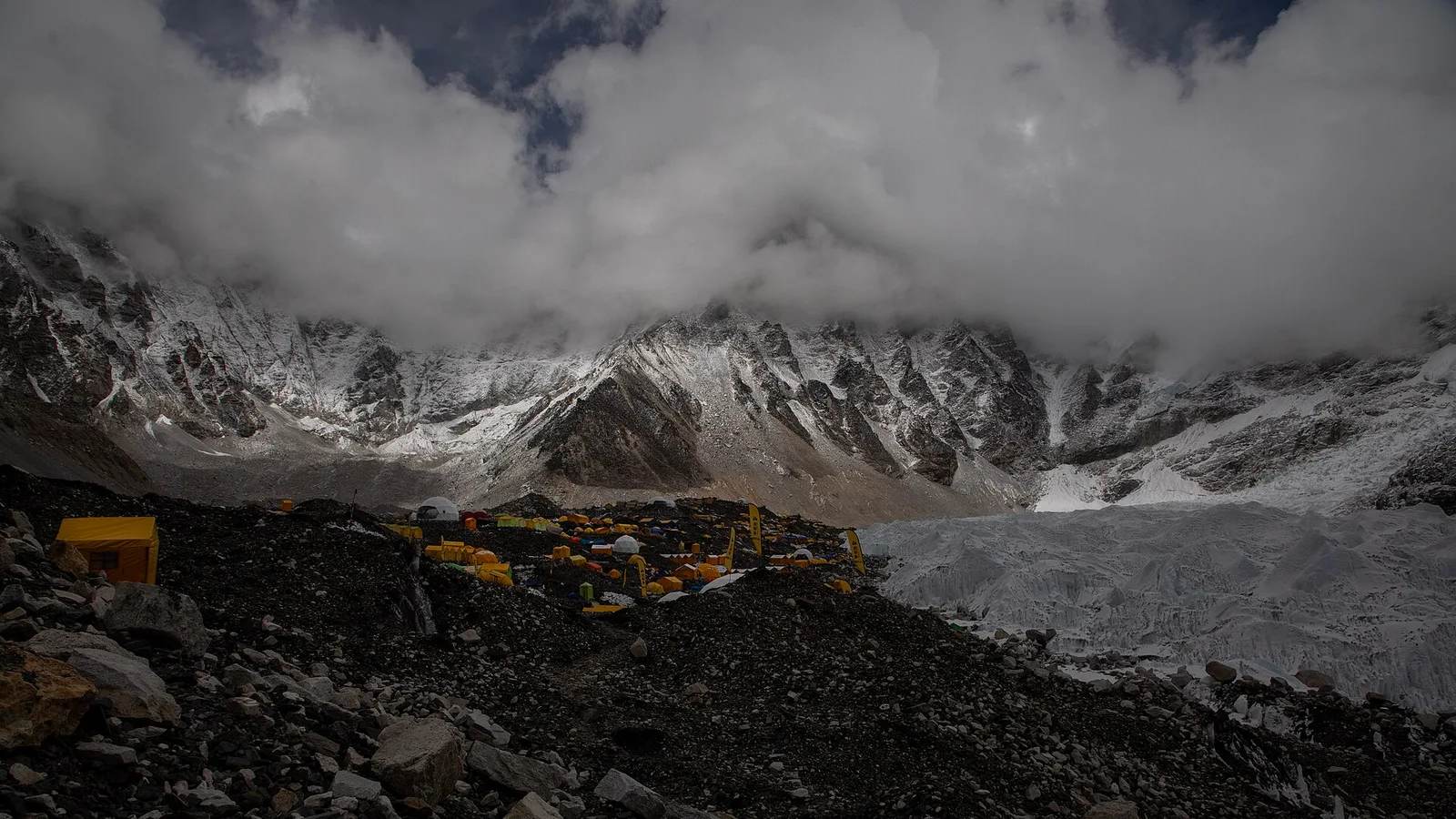
Everest Just Had Its Busiest Climbing Season Ever. Climbers Also Left Behind 90,000 Kilograms of Trash.
A record 701 climbers pushed for the summit this spring, and the mountain's cleanup crews hauled down a record amount of waste right behind them.
Safety & Advisories
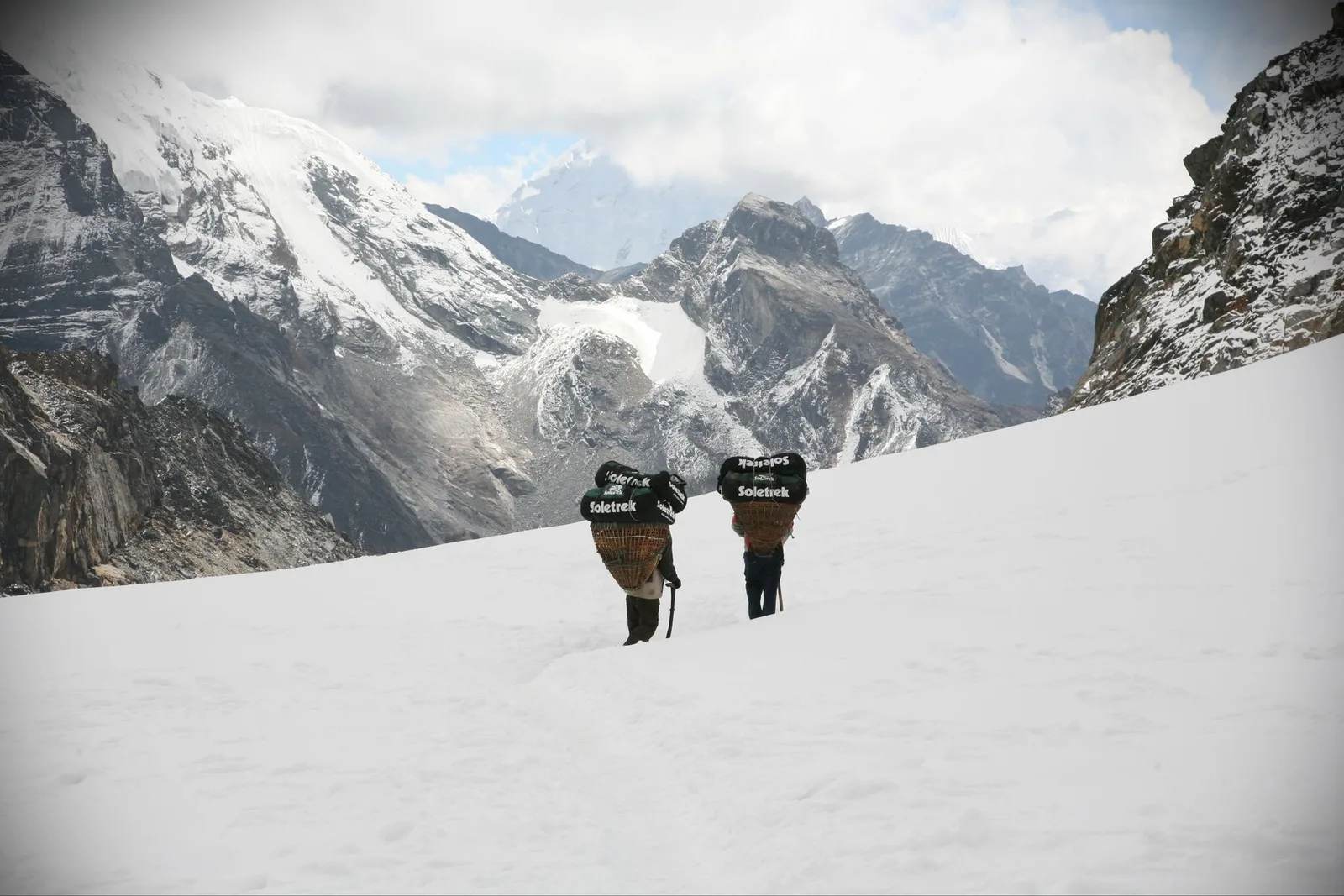
Is the Mera Peak Climb Affected by the 2026 Nepal Floods?
No — Mera Peak is in the Hinku valley of the Everest region and the climb is running normally. The 26 August flood hit Rasuwa in the north. What decides your summit is Lukla flights, acclimatisation, the weather window and your NMA permit — not the flood.
Safety & Advisories
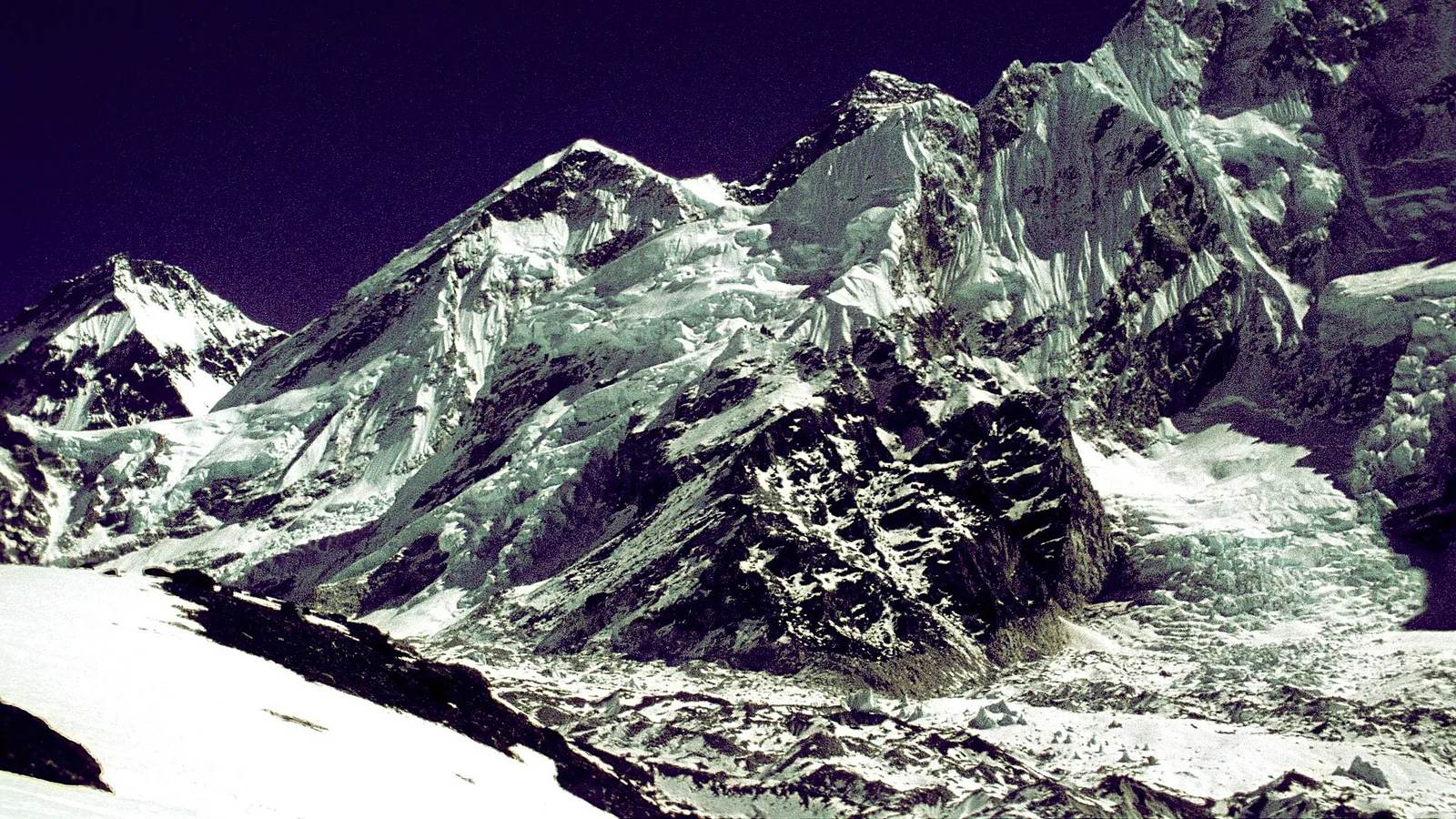
Is the Island Peak Climb Affected by the 2026 Nepal Floods?
No — Island Peak (Imja Tse) is in the Khumbu, Everest region, and the climb is running normally. The 26 August flood hit Rasuwa in the north. What decides your summit is Lukla flights, acclimatisation, the weather window and your NMA permit — not the flood.
Records & People
Everest Records: The Fastest, Oldest, and Most Summits
Mount Everest's verified record book — who has summited most, who was oldest and youngest on top, and the fastest ascent ever timed, with every name, number and year sourced.
Latest from the desk
Gear & Tech
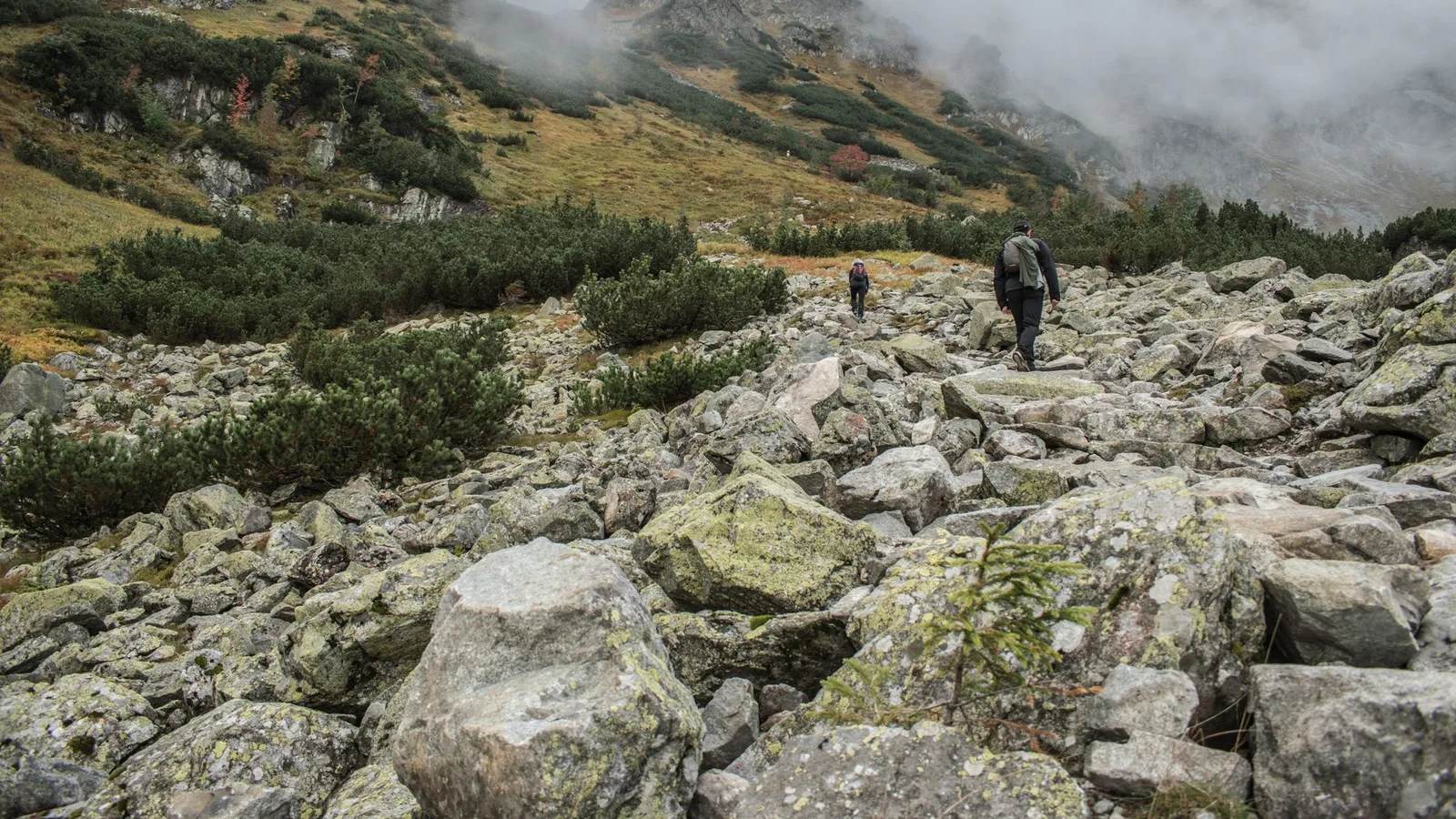
Trail shoes or hiking boots, and what the ankle-support research actually found
Most teahouse trekkers wear more boot than the walk needs, and the ankle-support argument holding that up is thinner than the shops suggest.
Gear & Tech
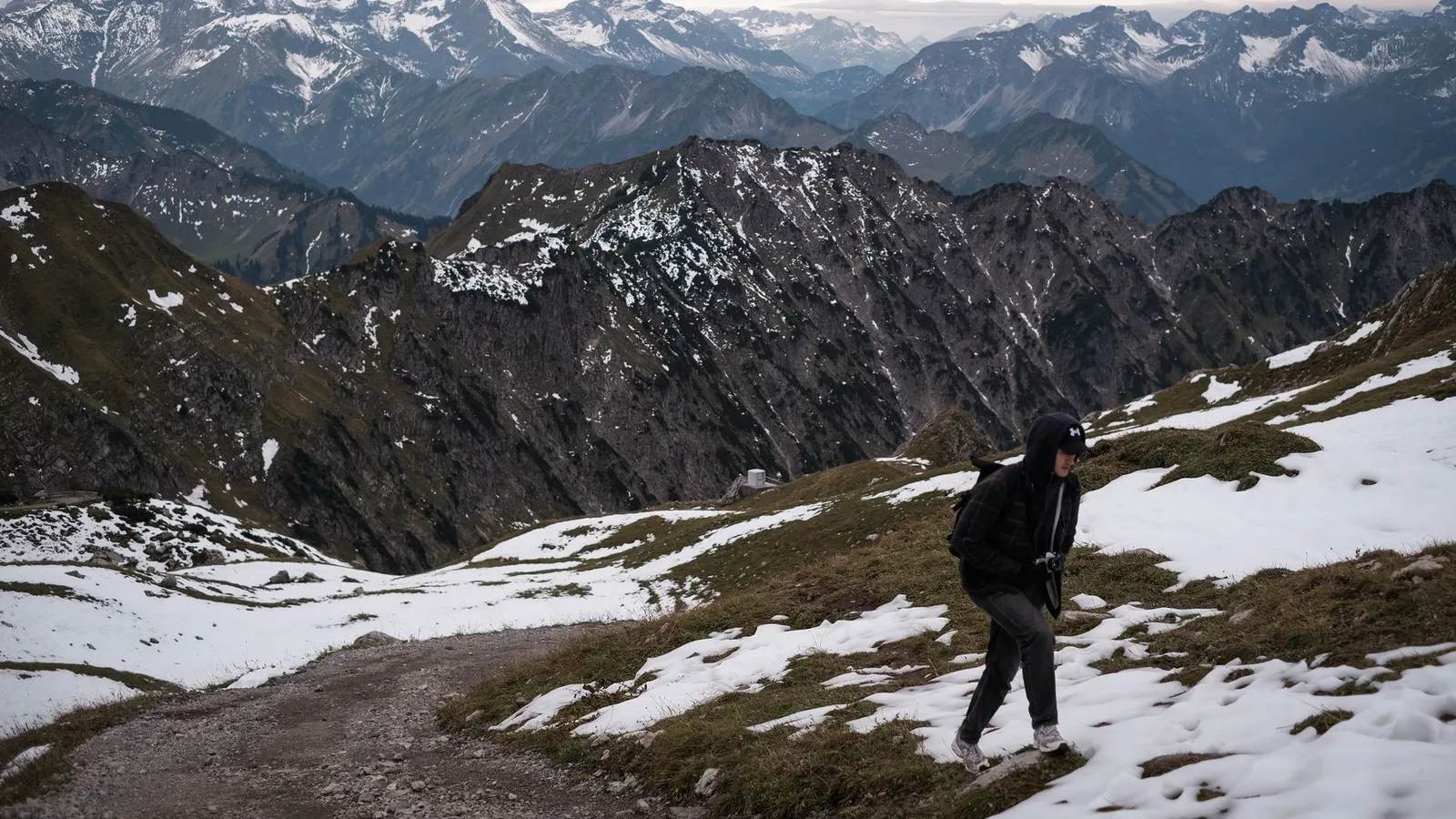
Merino or synthetic base layers, and what a lab found when it measured the smell
Merino wins the week-long wear, synthetic wins the overnight dry, and the lab reason merino stays fresh is not the bacteria story you have been told.
Safety & Advisories
If someone you know is missing in the Nepal flood, you don't have to fly to Kathmandu
Nepal Police have identified 95 of more than 1,200 bodies recovered. Families abroad can be DNA-profiled at home and send the result in. Here is how it works.