
Trekking Nepal With Kids: Which Treks, What Ages, and When to Turn Back (2026 Guide)
The honest age and altitude limits for trekking Nepal as a family, what pediatric and mountain-medicine guidance actually says, and which real routes fit which ages.

At a glance
- Published
- TopicSafety & Advisories
- Verified againstUIAA Medical Commission — Children at Altitude
- Treks coveredNepal Family Trek — 8 Days Kathmandu + Poon Hill, Ghandruk Village Trek — 3 Days, Ghorepani Poon Hill Trek — 4 Days
Most children can start real trekking in Nepal from around age 5, on short, low-altitude routes, and handle genuine multi-day treks comfortably from about 7 to 8. Age is the secondary factor, though. Altitude is what actually sets the limit. Mountain-medicine guidance recommends keeping children under 5 at a sleeping altitude below roughly 2,500 to 3,000m, and avoiding high altitude entirely with infants under 1 year old. Above that threshold, the question stops being about age and becomes about watching for symptoms a young child often cannot describe in words.
Key facts
- The UIAA Medical Commission advises preschool children, under about 5, should not sleep above 3,000 to 4,000m, and ideally stay under 2,500m
- The CDC's 2026 Yellow Book warns infants under 1 year should avoid prolonged high-altitude exposure, due to the risk of subacute infantile mountain sickness
- Children need the same acclimatization time as adults. They do not adjust faster, despite the common assumption
- Young children rarely report altitude symptoms directly; watch for appetite loss, disrupted sleep, irritability rather than waiting for a headache complaint
Family-friendly routes, by age and altitude
| Trek | Days | Max altitude | Good from age | From |
|---|---|---|---|---|
| Ghandruk Village Trek | 3 | 2,012m | 5+ | $255 |
| Dhampus & Australian Camp | 3 | 2,060m | 5+ | $245 |
| Panchase Trek | 4 | 2,500m | 6+ | $420 |
| Ghorepani Poon Hill, 4-day | 4 | 3,210m | 8+ | $295 |
| Kathmandu + Poon Hill family trek | 8 | 3,210m | 7+ | $680 |
| Langtang Valley | 7 | 3,870m | 10+, experienced | $590 |
Why altitude, not distance, sets the real limit
A 5-year-old can usually manage the walking distance of Ghandruk or Dhampus. Short daily stages, gentle grades, village to village on stone steps a child already climbs at home. What a small child's body handles less predictably is thin air. The UIAA Medical Commission, the mountaineering federation's official medical body, recommends preschool children stay below a 3,000 to 4,000m sleeping altitude and ideally under 2,500m, because young children cannot reliably self-report the early symptoms of acute mountain sickness the way an adult can. A child who goes quiet, stops eating, or sleeps badly at altitude should be treated as a possible AMS case, not a tired or fussy one. Descent, not reassurance, is the correct response.
The CDC's Yellow Book, the standard US reference for family travel medicine, is more specific about the youngest children. It advises against prolonged high-altitude exposure for infants under 1 year, citing the risk of subacute infantile mountain sickness, and notes that acetazolamide, the standard AMS-prevention drug, is not approved for children under 12, though some travel-medicine providers prescribe it off-label when a slow enough ascent is not possible. The practical takeaway for parents is the same one guides give adult clients: ascend slowly, build in rest days, and treat any unexplained behaviour change at altitude as reason to stop climbing and reassess, not push on.
What this means for trekkers
Match the trek to your youngest child's age, not your fittest child's enthusiasm. Under 5: stay below 2,500 to 3,000m on routes like Ghandruk or Dhampus. Ages 6 to 9: Panchase or a shorter Poon Hill itinerary, both under 3,300m. Ages 10 and up with some hiking experience: Poon Hill's full route or Langtang Valley are realistic, provided the itinerary already builds in acclimatization days and you are prepared to turn back if a child shows symptoms.
What a good family trek actually looks like
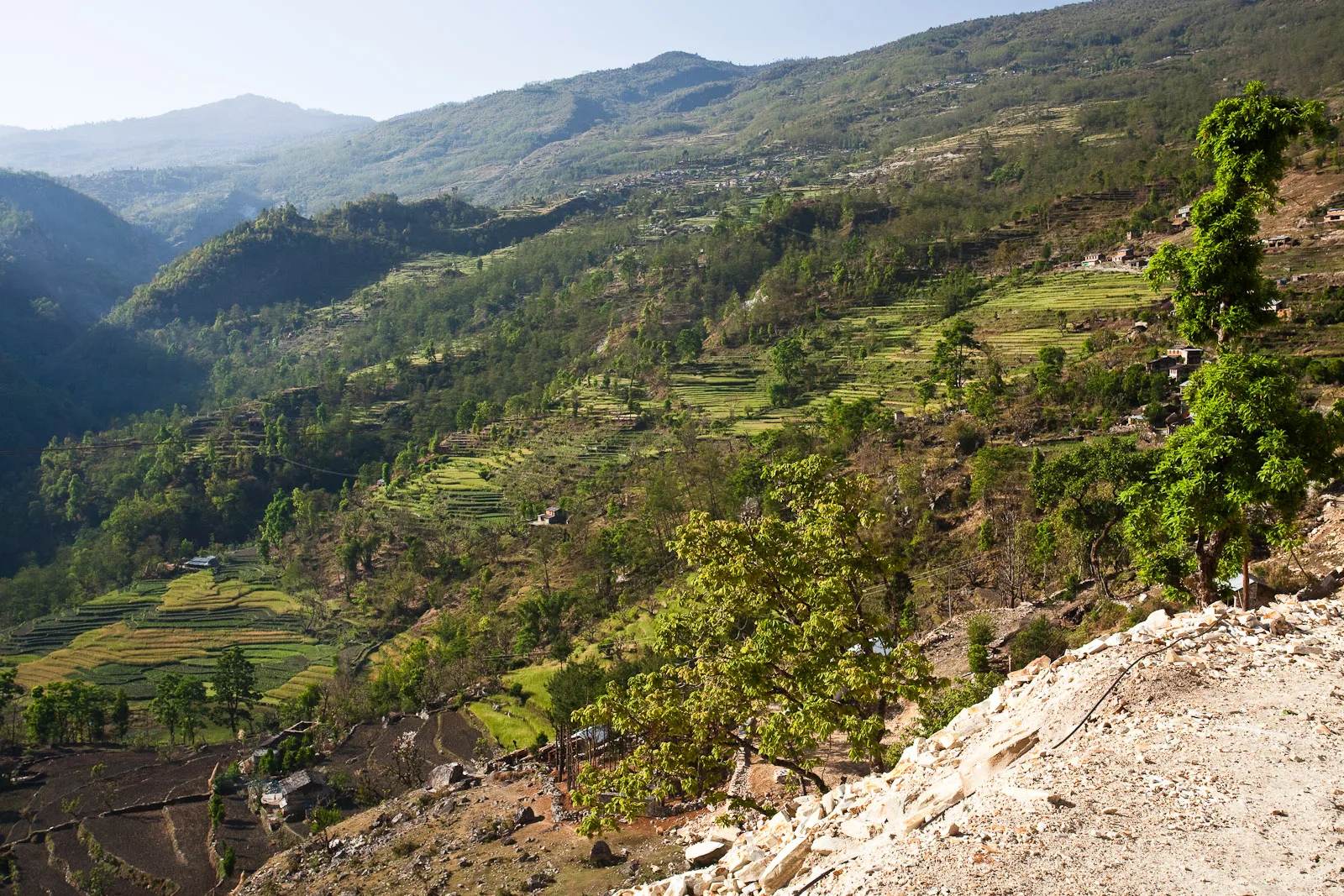
The best family routes share three things: short daily walking hours, three to five rather than six to eight, teahouses every few hours rather than long empty stretches, and a licensed guide experienced with children. Since April 2023, a licensed guide has been mandatory for every foreign trekker in Nepal's national parks and conservation areas regardless of age, which works in families' favour, since an experienced guide will pace the day around your slowest walker and flag altitude symptoms early. Our 8-day Kathmandu plus Poon Hill family trek is built specifically around this pacing, from $680 per person in a group of 7 or more. Our 3-day Ghandruk Village Trek, from $255 per person in a group of 8 or more, is a gentler taster for a first family trip to the hills, well under the under-5 altitude ceiling.
Cover photo: Arjay Neyra via Pexels (Pexels License).
Still running this season
Nepal Family Trek — 8 Days Kathmandu + Poon Hill is running normally
NMA-certified local guides, transparent pricing, 5,000+ treks since 1998. Message us your dates and we'll sort the permits, lodges and logistics — reply within 24 hours, no obligation.
Popular Nepal treks
All treks →
Related coverage
Safety & Advisories
Your Nepal Trekking Guide Just Spent the Week Learning to Keep You Alive Above 4,000m
Days before Nepal's autumn trekking season opens, two of the country's oldest mountain-safety institutions ran back-to-back wilderness first-aid courses for working guides, drilling CPR, patient evacuation and the earliest signs of altitude sickness.
Safety & Advisories
Can a Beginner Do the Everest Base Camp Trek? The Honest Difficulty Answer (2026)
No mountaineering skills required — but altitude, not fitness, is what actually turns beginners back. Here is the real difficulty, by the numbers.
Permits & Rules
Nepal Trekking Costs by Route in 2026: What EBC, Poon Hill and Manaslu Actually Cost
Permits alone run from $38 to over $200 depending which trail you pick — a real, route-by-route budget breakdown, not one average number for the whole country.
Trail & Weather
Which Nepal Trek Should a Beginner Actually Do in 2026? Poon Hill vs Mardi Himal vs Langtang, Compared
If you've never trekked above 3,000 metres before, the honest starting point is Poon Hill or Panchase, not Everest Base Camp — here's the real difference in altitude, days and cost.
Latest from the desk
Gear & Tech
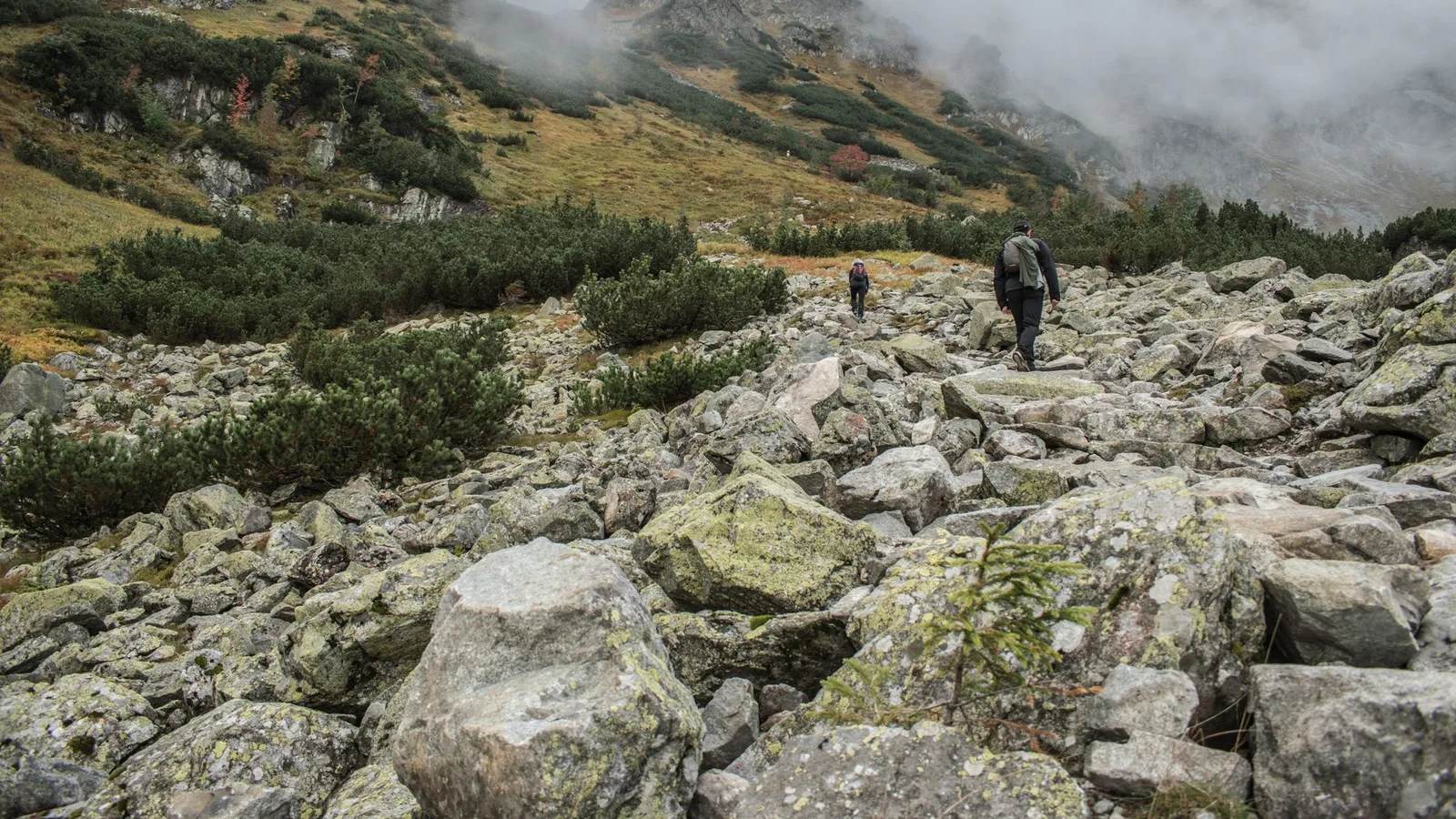
Trail shoes or hiking boots, and what the ankle-support research actually found
Most teahouse trekkers wear more boot than the walk needs, and the ankle-support argument holding that up is thinner than the shops suggest.
Gear & Tech
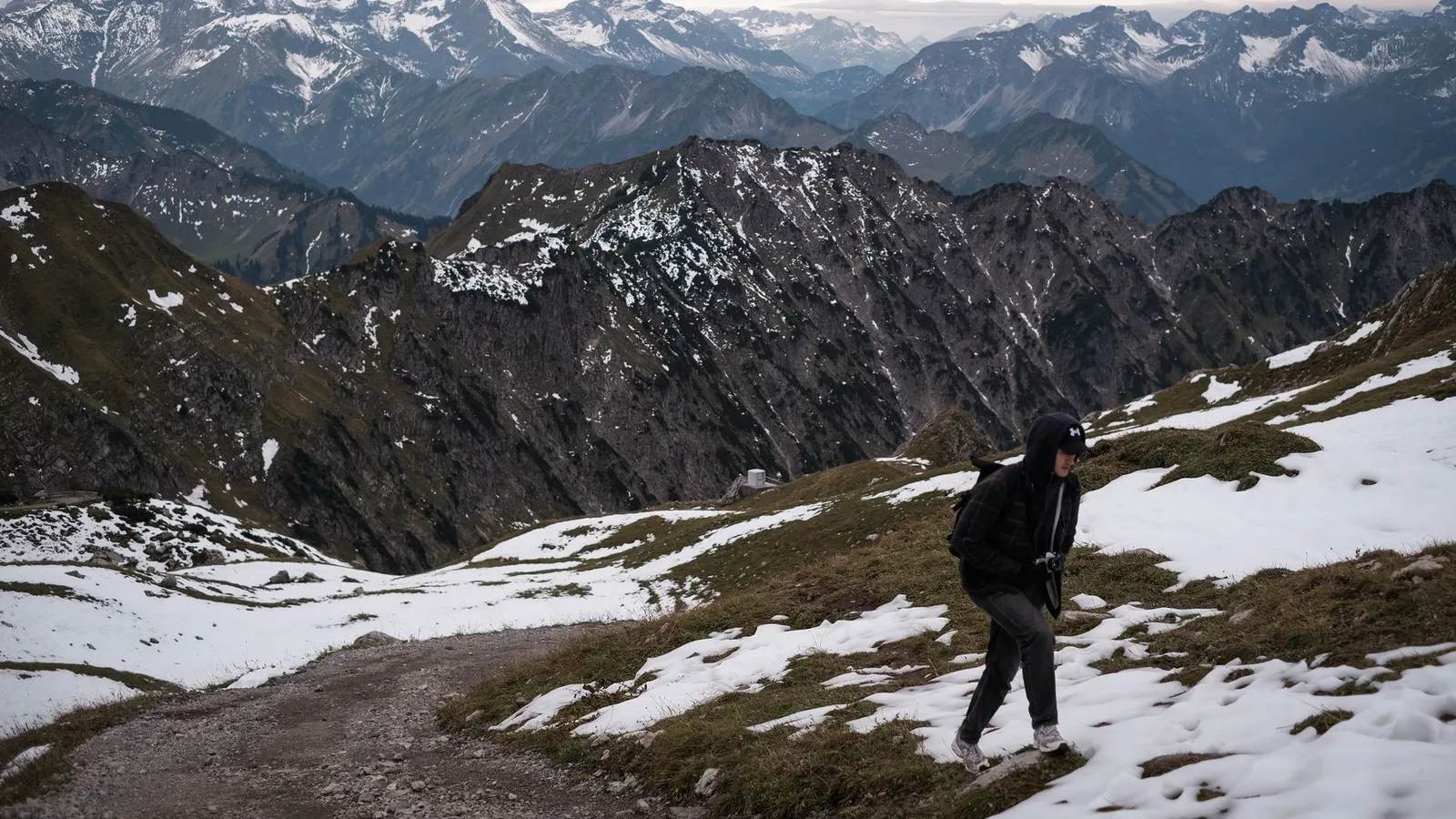
Merino or synthetic base layers, and what a lab found when it measured the smell
Merino wins the week-long wear, synthetic wins the overnight dry, and the lab reason merino stays fresh is not the bacteria story you have been told.
Safety & Advisories
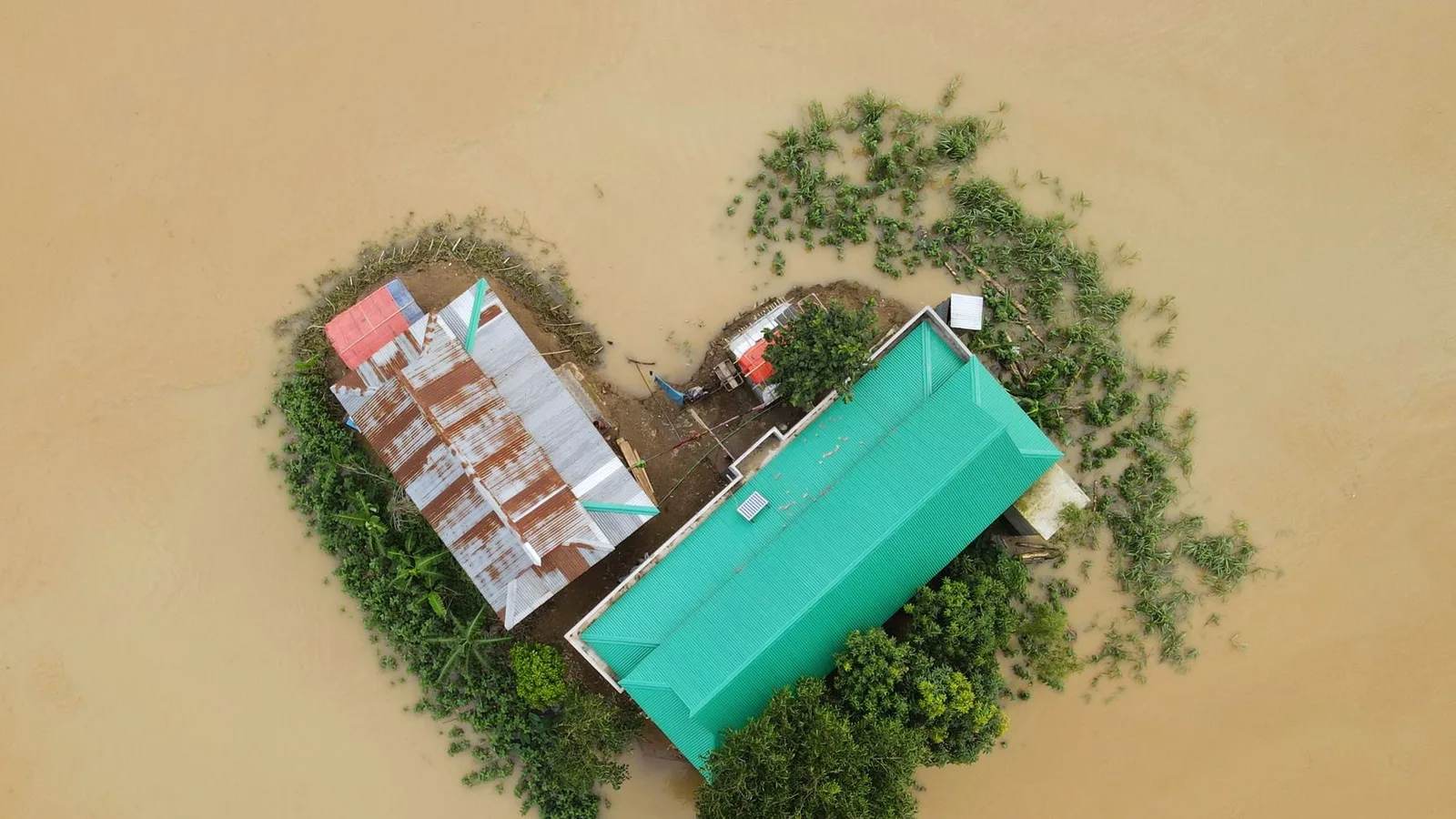
If someone you know is missing in the Nepal flood, you don't have to fly to Kathmandu
Nepal Police have identified 95 of more than 1,200 bodies recovered. Families abroad can be DNA-profiled at home and send the result in. Here is how it works.