
Is the Tilicho Lake Trek Affected by the 2026 Nepal Floods?
No — Tilicho Lake is an Annapurna-region trek in Manang, on the Marsyangdi, well away from the flood-hit Bhote Koshi in Rasuwa, and it is running normally. Here is why the trail is unaffected, plus the one monsoon road caveat.
At a glance
- Published
- TopicSafety & Advisories
- ReportingOriginal, by our guides in Pokhara
📍 Developing story — live updates
The 2026 Nepal floods are a nationwide, still-developing emergency and the figures are rising. For the latest verified death toll, missing and rescued numbers and trek status, follow our continuously updated Nepal Floods 2026: Live Updates.
Last updated: 29 August 2026. I keep this page honest and current. If you have a Tilicho Lake trip booked this autumn, here is the straight answer first, then the detail behind it.
Is the Tilicho Lake trek affected by the 2026 Nepal floods? No — Tilicho is in the Annapurna region on a different river system, and it is running normally. The flash flood of 26 August 2026 came down the Bhote Koshi into Rasuwa district in the north, hitting Timure and Syabrubesi — the Langtang road-head and the Tibet border. Tilicho Lake sits far to the west in Manang district, above the Marsyangdi valley, in a completely separate watershed. The flood did not touch the trail. There is one honest caveat — the monsoon-battered approach road up the Marsyangdi — and I cover it in full below, because it is a normal August nuisance, not flood damage.
Tilicho Lake trek — the honest status
- Affected by the 26 August flood? No. That flood was on the Bhote Koshi in Rasuwa, roughly 150–200 km east. Tilicho is in Manang, in the Marsyangdi/Annapurna system — a different river that never meets the Bhote Koshi in the mountains.
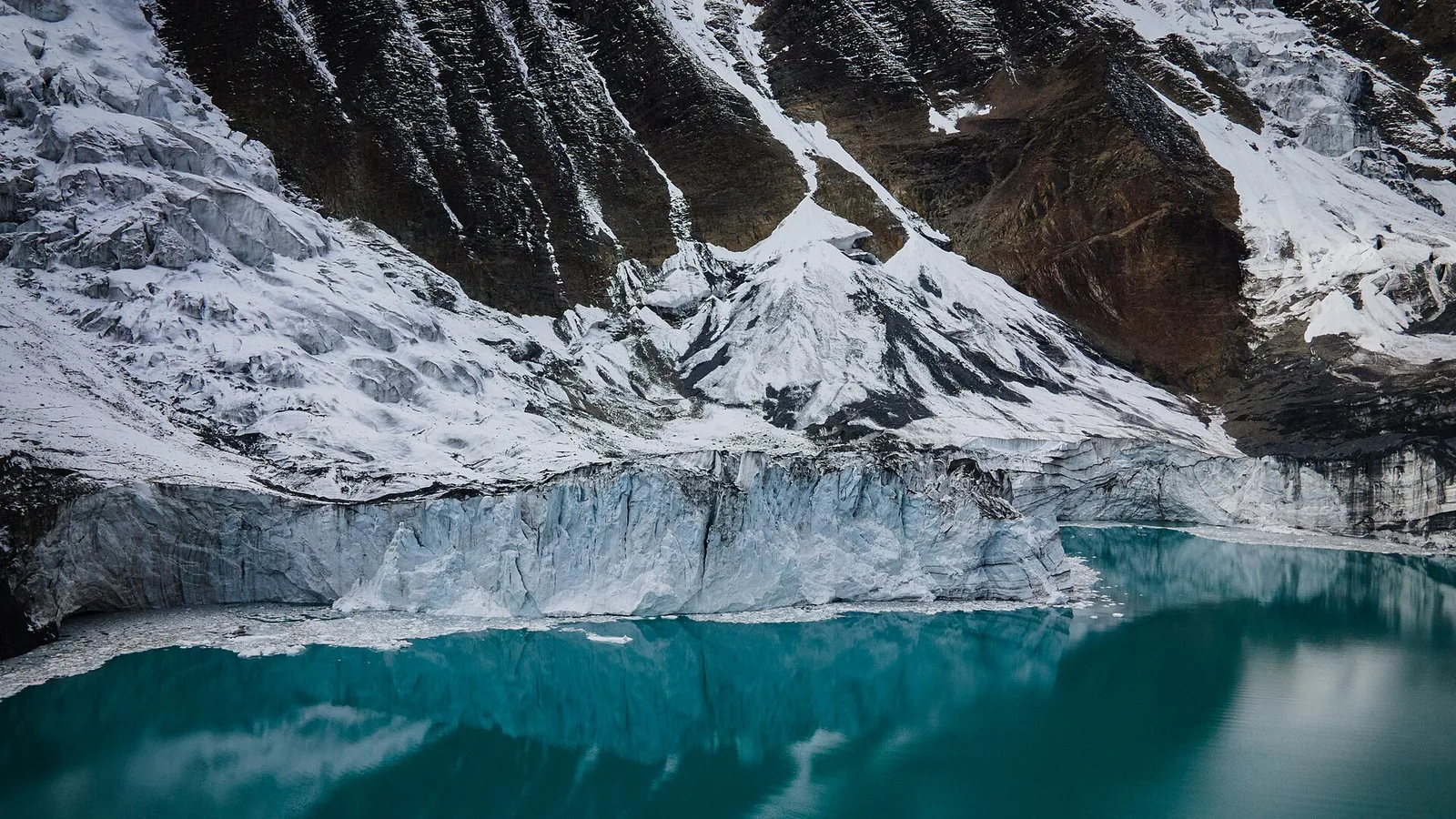
- The high trail is clear. Manang, Khangsar, Tilicho Base Camp and Tilicho Lake (4,919 m) were not in the flood zone. Teahouses are open and running.
- The approach road is the thing to confirm. The drive from Kathmandu to Besisahar and up the Marsyangdi to Chame runs through country where late-monsoon rain routinely triggers landslides. The Besisahar–Chame road was blocked by a landslide in late August 2026 — ordinary monsoon behaviour that clears as autumn arrives, not flood damage.
- One trail hazard is permanent, not new. The scree slope between Khangsar and Tilicho Base Camp — the famous “landslide area” — is loose in any year. We cross it early in the morning when the rock is frozen and stable. This has nothing to do with the 2026 floods.
- Best season is weeks away. The flood hit in late monsoon. Tilicho’s season is October–November, when the rain stops, the road firms up and the lake sits mirror-still under clear skies.
Why Manang and Rasuwa are different worlds
Nepal is not one small place where a single flood touches everything. Its trekking regions are divided by great ranges and drained by separate rivers that stay apart until the plains. The 26 August flood surged down the Bhote Koshi, which flows out of Tibet into Rasuwa and on into the Trishuli, hitting Timure and Syabrubesi hardest according to reporting collated by Wikipedia’s running summary and outlets including CNN. Syabrubesi is where nearly every Langtang trek begins. It is not on the Tilicho route, and no part of the journey to Tilicho passes through Rasuwa.
The Tilicho trek follows the Marsyangdi up through Besisahar, Chame and Manang, then climbs a side valley to Tilicho Base Camp and the lake. The Marsyangdi rises on the south and east of the Annapurna and Manaslu massifs and runs its own course — a different river, a different valley, a different set of villages from the Bhote Koshi. A flood in the north has no physical bearing on the trail to Tilicho; they are days apart on the map and separated by 8,000-metre peaks.
The Tilicho route, stage by stage
The clearest way to see why your trek is fine is to walk it as we actually run it and check each stage against the flood zone.
| Stage / region | Watershed & where it is | Status & what to do |
|---|---|---|
| Kathmandu (arrival, ACAP + TIMS permits, briefing) | Central hub | Normal — permits issued as usual |
| Drive to Besisahar → Chame | Lower Marsyangdi road, Lamjung/Manang | Running, but monsoon landslides possible — confirm the road on the day |
| Chame → Pisang → Manang | Upper Marsyangdi, Manang | Trail open, teahouses running |
| Manang → Khangsar → Tilicho Base Camp | Side valley below Tilicho, Manang | Open — cross the scree section early morning |
| Tilicho Lake (4,919 m) day visit | High glacial basin, Annapurna range | Open; standard high-altitude weather rules apply |
| Return via Jomsom or Thorong La (if on the full circuit) | Kali Gandaki / Mustang | Open — a different valley again, unaffected |
None of the permits — the ACAP entry card and the TIMS card — is issued in or routed through Rasuwa, so the flood has no effect on your paperwork. Tilicho is often bolted onto the Annapurna Circuit as a side trip; if that is your plan, the same conclusion holds, and we track the wider road picture for Annapurna, Manaslu and Langtang in our region-by-region conditions page.
How we run Tilicho safely this autumn
Nothing exotic — the same discipline that makes this trek reliable in a normal year. We watch the Marsyangdi road forecast and, if a landslide closes the Besisahar–Chame section, we wait it out or walk a blocked stretch and pick the jeep up beyond it rather than push a vehicle through mud. We build the acclimatisation days that a 4,919-metre lake demands — Tilicho is high, and rushing it is how people get sick. We cross the loose scree slope to Base Camp in the early cold, when it is at its most stable. And we book a guide who monitors conditions daily and will tell you the truth, including “wait a day” when the weather says so.
A local guide’s take
I plan logistics on these trails for a living, so let me be precise rather than reassuring. The 26 August flood was a Bhote Koshi event in Rasuwa; Tilicho is a Marsyangdi trek in Manang. Two different rivers, two different valleys, high mountains in between. The one real thing to watch for Tilicho is the monsoon-hit approach road up the Marsyangdi, which is blocked by landslides most Augusts and firms up as autumn comes — and the permanent scree slope near Base Camp, which we simply time correctly. Cancelling a Tilicho trip over a flood in another watershed would be the wrong call. Knowing your route, and confirming the road the day you drive, is the right one.
What you can book for autumn
Tilicho departures running normally this October and November
These are the trips we are putting people on right now, priced from the per-person rate a small group pays:
- Tilicho Lake Trek — 11 days · from US$1,090 per person in a group of eight (US$1,450 solo). The direct route to the lake and back.
- Annapurna Circuit with Tilicho Lake — 17 days · from US$1,300 per person in a group of eight (US$1,850 solo). The full circuit over Thorong La with the Tilicho side trip.
Want to check a specific date or the Marsyangdi road status before you commit? Message us on WhatsApp or use the contact form. No pressure — if a date does not look right, I will tell you.
Related reading
- Nepal trekking conditions right now: region-by-region status after the 2026 floods
- Is the Mardi Himal trek affected by the 2026 Nepal floods?
- Is the Ghorepani Poon Hill trek affected by the 2026 Nepal floods?
- Bhote Koshi flash flood, 26 August 2026: what happened in Rasuwa district
- Nepal Floods 2026: live updates, death toll and trek status
Sources: Wikipedia — 2026 Nepal floods; CNN live coverage; Khabarhub — Besisahar–Chame road blocked by landslide. Road-access notes reflect normal late-monsoon conditions on the Marsyangdi approach and should be reconfirmed on the day of travel.
Cover photo: Nirojsedhai via Wikimedia Commons (CC BY-SA 4.0).
Still running this season
Annapurna Base Camp Trek — 5 Days is running normally
NMA-certified local guides, transparent pricing, 5,000+ treks since 1998. Message us your dates and we'll sort the permits, lodges and logistics — reply within 24 hours, no obligation.
Popular Nepal treks
All treks →


Related coverage
Safety & Advisories
Is the Mardi Himal Trek Affected by the 2026 Nepal Floods?
No — Mardi Himal is an Annapurna ridge trek from Pokhara, well away from the flood-hit Bhote Koshi in Rasuwa, and it is running normally. Here is why the ridge and its access are unaffected.
Safety & Advisories
Is the Tsum Valley Trek Affected by the 2026 Nepal Floods?
Short answer: no. Tsum Valley is in the Manaslu region of Gorkha district, on the Budhi Gandaki — a separate valley from the flood-hit Bhote Koshi in Rasuwa. The trail is running normally; the one honest caveat is the monsoon approach road.
Safety & Advisories
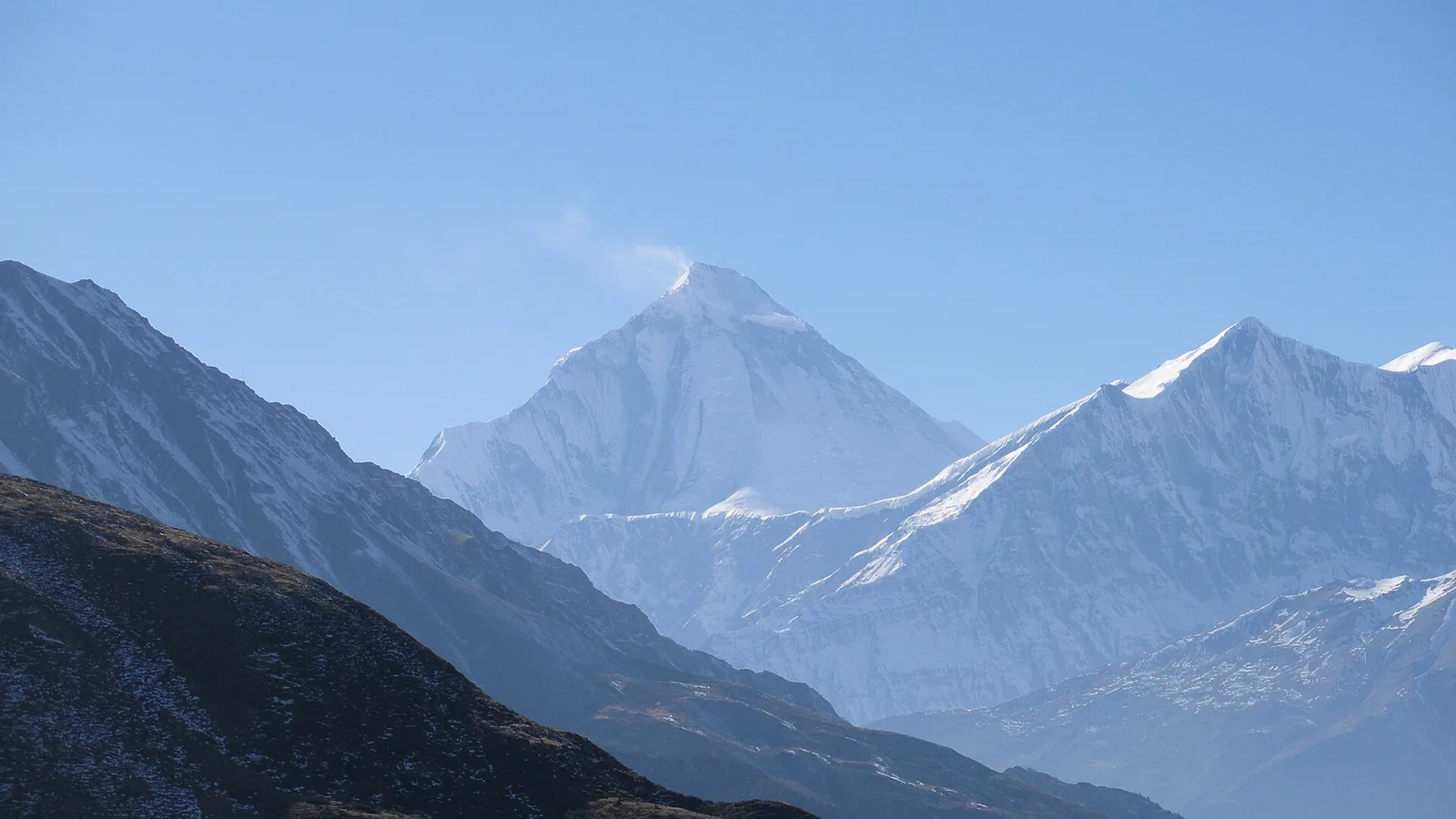
Is the Ghorepani Poon Hill Trek Affected by the 2026 Nepal Floods?
No — Poon Hill is an Annapurna-region trek out of Pokhara, on the far side of Nepal from the Rasuwa flood, and it is running normally. Here is why, plus the one seasonal road note for first-timers.
Safety & Advisories
Is the Khopra Danda Trek Affected by the 2026 Nepal Floods?
Short answer: no. The Khopra Danda (Khopra Ridge) trek sits in the Annapurna region, reached from Pokhara, and is running normally. The 26 August flood hit the Rasuwa / Langtang corridor about 200 km east — a completely different river system.
Latest from the desk
Safety & Advisories
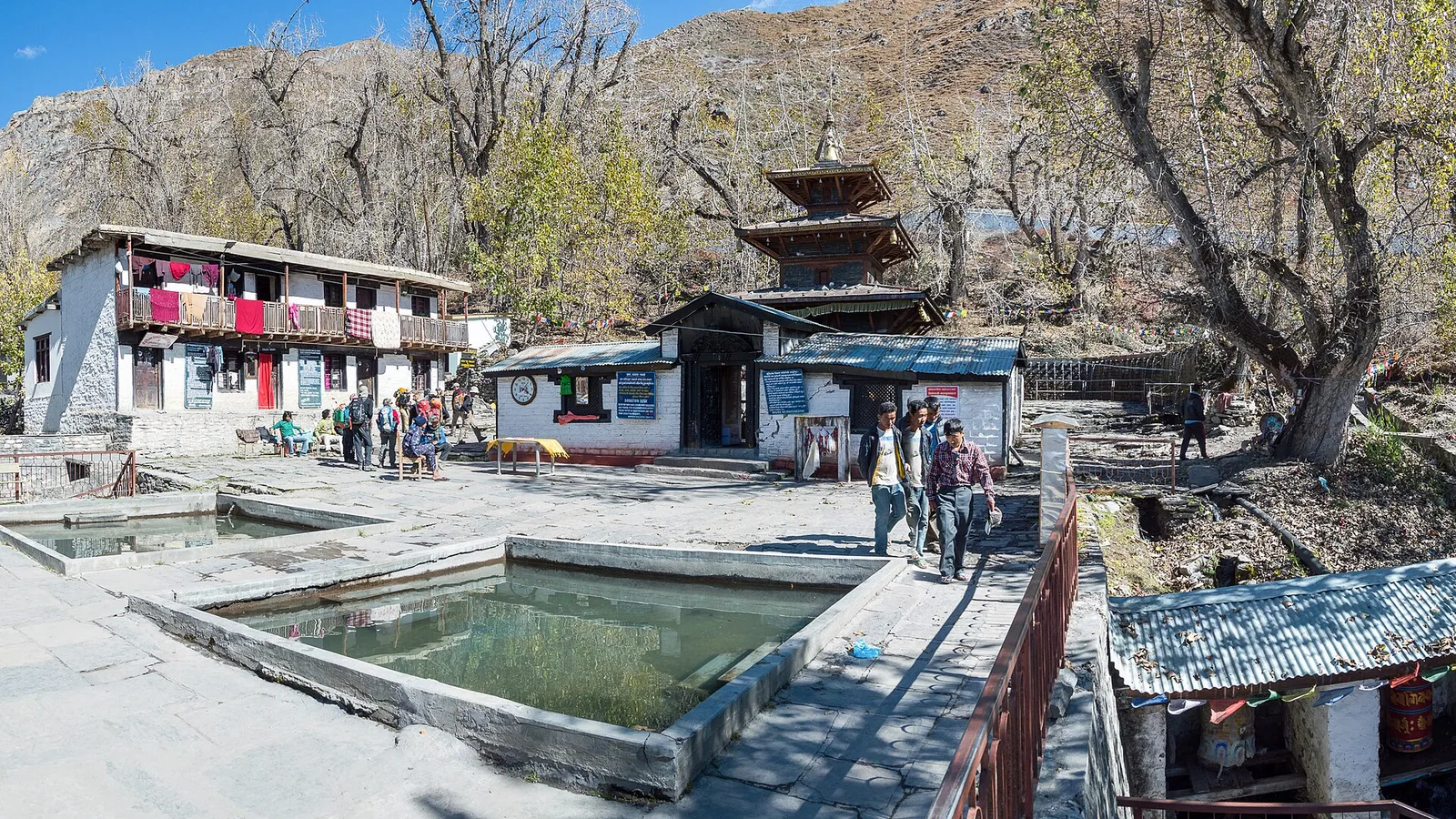
Is the Jomsom–Muktinath Trek Affected by the 2026 Nepal Floods?
No — Jomsom and Muktinath sit in Mustang, in the rain shadow behind the Himalaya and on a different river from the Rasuwa flood. The trek is running normally; the only thing to plan around is flight-or-jeep access.
Records & People
Nepal Runs on Its Own Clock: Why the Country Sits 15 Minutes Off Every Neighbor
Land in Kathmandu and you don't just change time zones — you join one of the only places on Earth with a 45-minute offset, fixed to the exact minute of a Himalayan peak.
Safety & Advisories
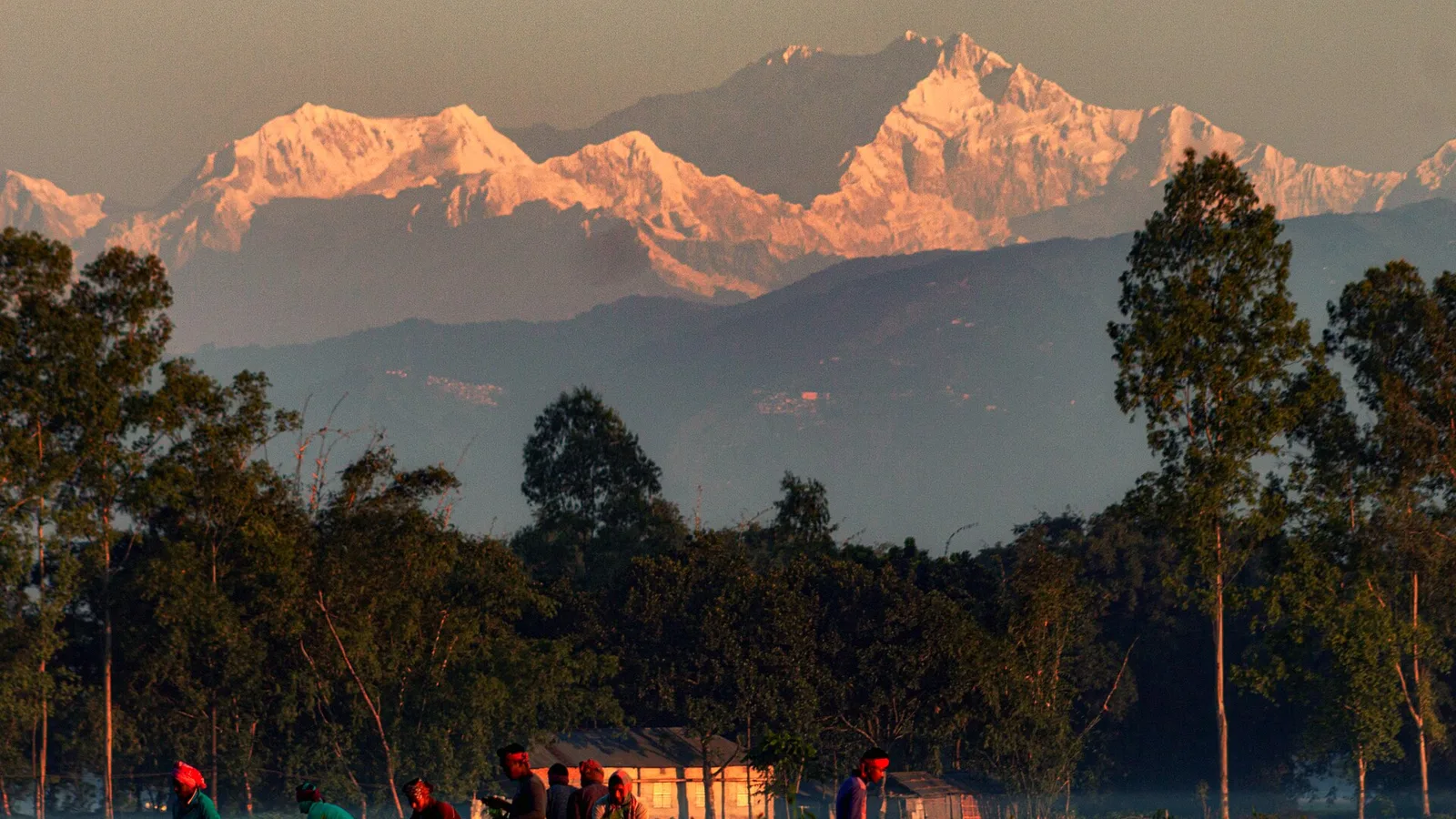
Is the Kanchenjunga Trek Affected by the 2026 Nepal Floods?
Short answer: no. The Kanchenjunga trek is in the far east of Nepal, in Taplejung district, roughly 600 km from the flood-hit Rasuwa corridor. It is a different region on a different river, and it is running normally.