
Can You Get Nepal Trekking Permits Online in 2026? What's Actually Digital — and What Still Isn't
ACAP and MCAP now have an online e-permit portal, TIMS went digital, and every checkpoint scans a QR code — but restricted permits and national-park entries still route through an agency. Here's the honest 2026 map.

At a glance
- Published
- TopicPermits & Rules
- Verified againstNational Trust for Nature Conservation (NTNC)
- Treks coveredManaslu Circuit Trek — 14 Days, Annapurna Base Camp Trek — 9 Days, Annapurna Base Camp Trek — 7 Days
Key facts (2026)
From the trail · Annapurna


- ACAP & MCAP (Annapurna & Manaslu conservation areas) can be applied for online via NTNC's e-permit portal, launched October 2024.
- TIMS is now e-TIMS — a QR-coded digital card — but foreign trekkers must still get it through a registered agency, not a self-serve website.
- Restricted-area permits (Upper Mustang, Manaslu RAP, Nar Phu, Dolpo) are agency-only, issued in Kathmandu — never online for individuals.
- A licensed guide is mandatory for foreigners in national parks, conservation areas and restricted areas.
"Can I just do my Nepal permits online before I fly?" is one of the most common questions in our inbox — and the honest answer in 2026 is: partly. Nepal has genuinely gone digital in the last two years, but the system is a patchwork. Some permits you can pay for from your sofa; others still require a Kathmandu office and a registered agency. Getting this wrong costs a day at the start of your trek. Here is exactly where the line falls.
What you CAN do online
The real breakthrough came in October 2024, when the National Trust for Nature Conservation (NTNC) opened an online e-permit system for the Annapurna Conservation Area Permit (ACAP) and the Manaslu Conservation Area Permit (MCAP). For the two most-trekked conservation areas in Nepal, you can now apply and pay online in advance through NTNC rather than queueing at a counter. Both permits cost NPR 3,000 (about US$23) for foreign nationals.
The Trekkers' Information Management System (TIMS) has also gone digital — the old paper booklet is replaced by a QR-coded e-TIMS card that checkpoints scan, with the data linked to a central portal for real-time trekker tracking. The catch: for foreign trekkers, e-TIMS is still issued through a registered trekking agency at NPR 2,000, not through a public self-service website.
What still needs an office or an agency
| Permit | Fee (foreign) | Online? |
|---|---|---|
| ACAP (Annapurna) | NPR 3,000 | ✔ NTNC e-permit portal |
| MCAP (Manaslu conservation) | NPR 3,000 | ✔ NTNC e-permit portal |
| e-TIMS card | NPR 2,000 | Digital card, but via agency |
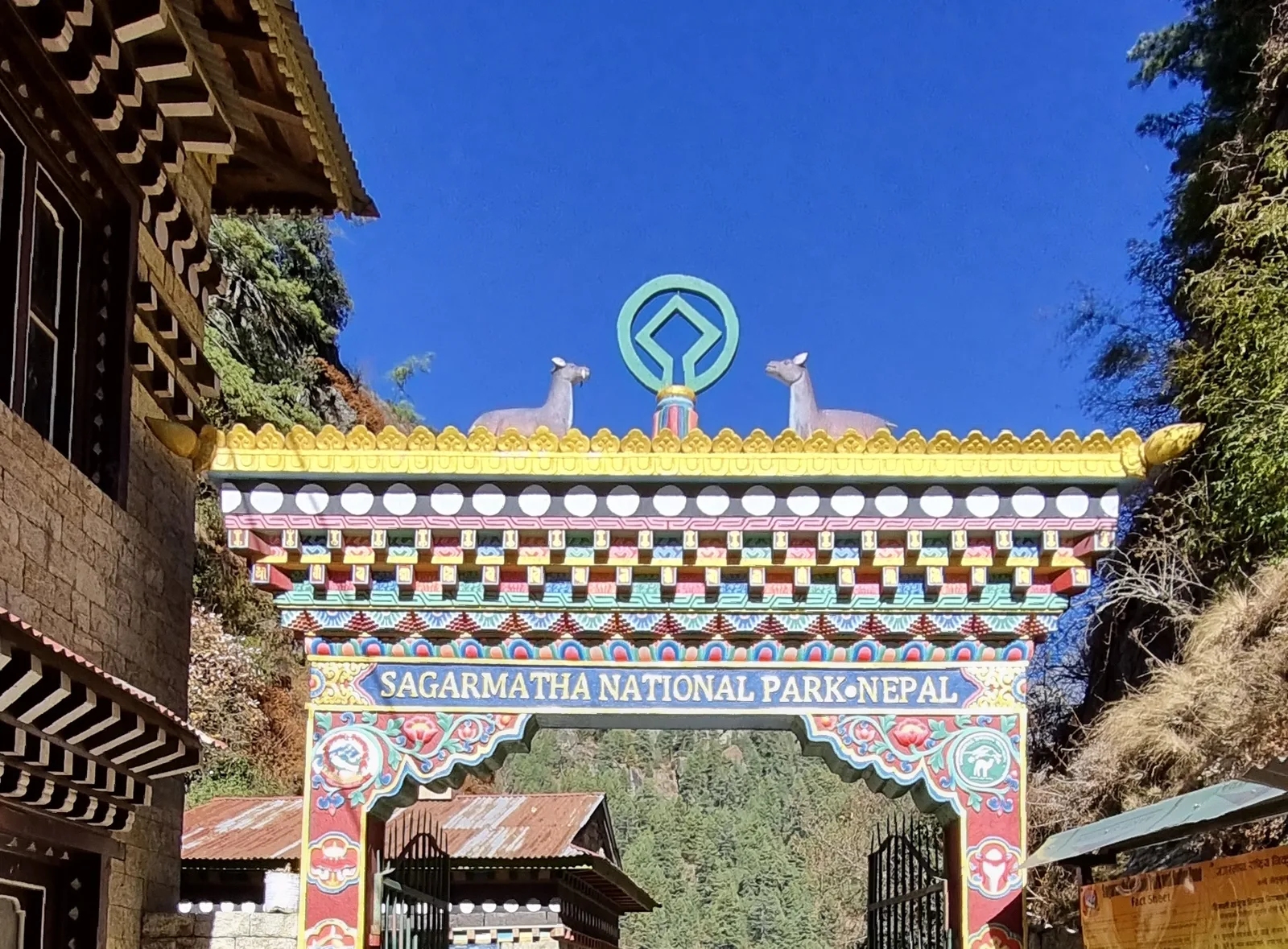
| Sagarmatha NP (Everest) | NPR 3,000 | In person / agency |
| Khumbu Pasang Lhamu (Everest) | NPR 3,000 | Paid on the trail (Lukla) |
| Langtang NP | NPR 3,000 | In person / agency |
| Restricted permits (Mustang, Manaslu RAP, Nar Phu, Dolpo) | US$ varies | ✘ Agency-only, Kathmandu |
Restricted-area permits are the hard limit: by law they are issued only through a registered Nepali trekking agency, in Kathmandu, never to individuals and never online. That is unchanged in 2026 — even after the welcome March 2026 rule that lets solo trekkers apply for a restricted permit (still with a guide). National-park entry permits for Everest and Langtang are also counter-issued, though your agency handles them as a matter of course.
Where the counters are
If you are doing it yourself, the Nepal Tourism Board offices issue TIMS, national-park and conservation permits: Kathmandu at Bhrikutimandap (Sun–Thu 10am–4pm, Fri to 3pm) and Pokhara on Lakeside Road (Sun–Fri 10am–5pm, closed Saturdays). ACAP can also be bought at the Besisahar and Pokhara ACAP counters, or online through NTNC.
One more 2026 change worth knowing: TIMS is no longer actively enforced in the Everest and Annapurna regions, where checkpoints now verify the conservation-area permit only. It is still required — and checked — in Langtang, Manaslu, far-western Nepal and Rara. We unpacked that in our TIMS-card reality check.
What this means for trekkers
What this means for you
If you are trekking Annapurna or Manaslu independently, pre-buying ACAP/MCAP online through NTNC saves you a Pokhara or Kathmandu queue. But if your trek needs TIMS, a national-park permit, or any restricted permit, you still need a registered agency — so the simplest path for most foreigners is to let one operator handle every permit at once. That is exactly what we do: on any Travel Himalaya Nepal trek, all permits and your mandatory licensed guide are arranged before you land.
Bring the essentials whichever route you choose: a passport valid 6+ months, 2–4 passport photos, your trek budget in cash for on-trail fees, and — new since 2026 — proof of travel insurance that covers high-altitude trekking and helicopter evacuation, which is now checked before a TIMS or restricted permit is issued. Compare every fee on our permits hub, or see the full ACAP & TIMS checklist for the Annapurna Base Camp trek.
Sources: National Trust for Nature Conservation (NTNC) e-permit system for ACAP/MCAP (launched Oct 2024); Nepal trekking permit reporting, 2026. Always confirm current portal links and fees with your agency before travel.
Cover photo: NASA via Wikimedia Commons (Public domain).
Planning a trek?
Trek this route with us — Manaslu Circuit Trek — 14 Days
NMA-certified local guides, transparent pricing, 5,000+ treks since 1998. Message us your dates and we'll sort the permits, lodges and logistics — reply within 24 hours, no obligation.


Popular Nepal treks
All treks →


Related coverage
Permits & Rules
Nepal Trekking Permit Fees for Autumn 2026, Verified — What Actually Changed (Almost Nothing)
Amid headlines about Everest's climbing costs rising, we checked the actual trekking permit fees against Nepal's official sources — ACAP, TIMS, Sagarmatha, Manaslu and Langtang are all exactly where they were last year.
Permits & Rules
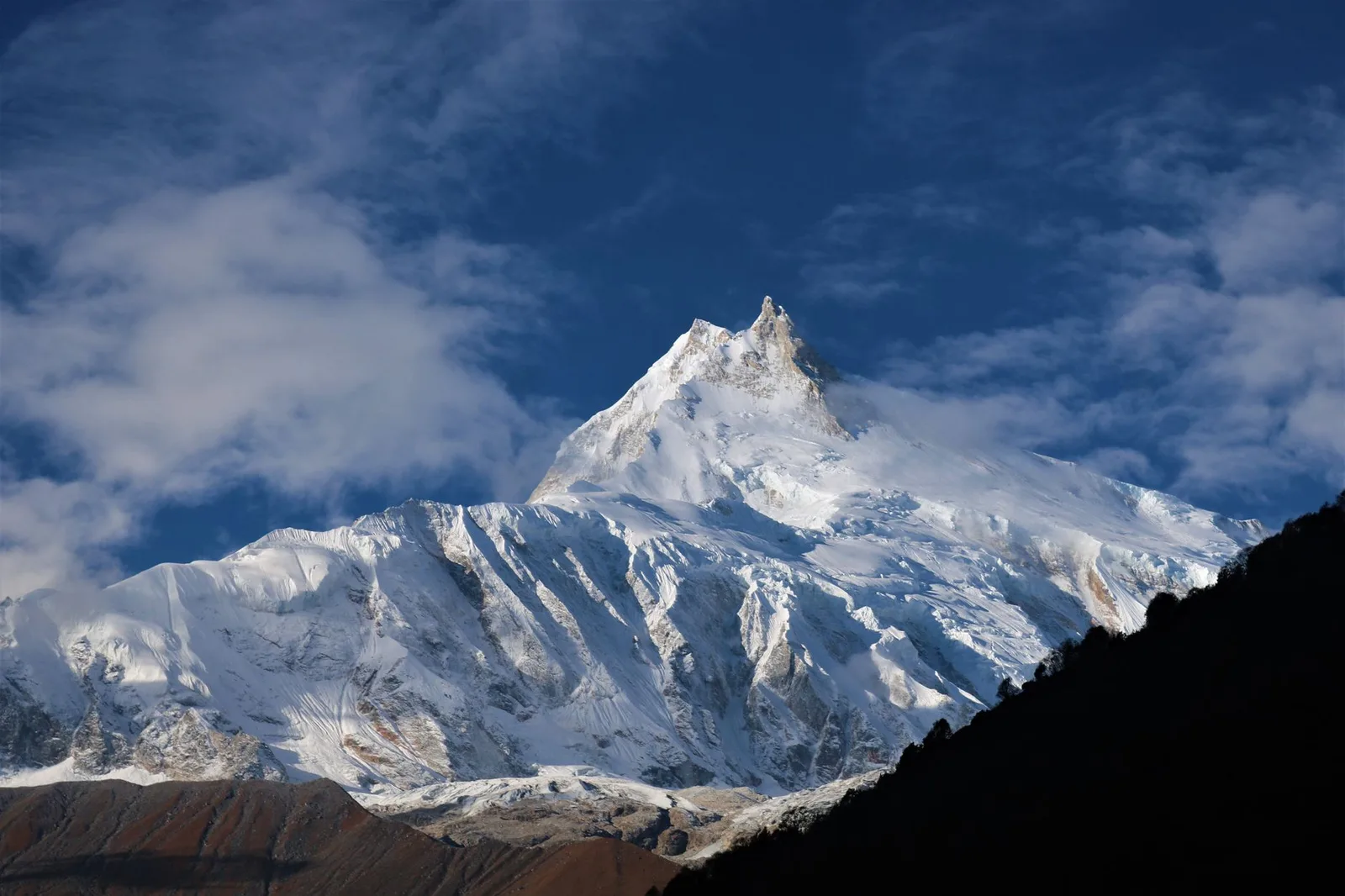
Manaslu Circuit or Everest Base Camp? The Honest 2026 Comparison
Nepal just made its restricted treks easier to book solo, and nowhere benefits more than Manaslu. Here's how the permits, crowds, cost and difficulty actually compare against Everest Base Camp, trek by trek, dollar by dollar.
Permits & Rules
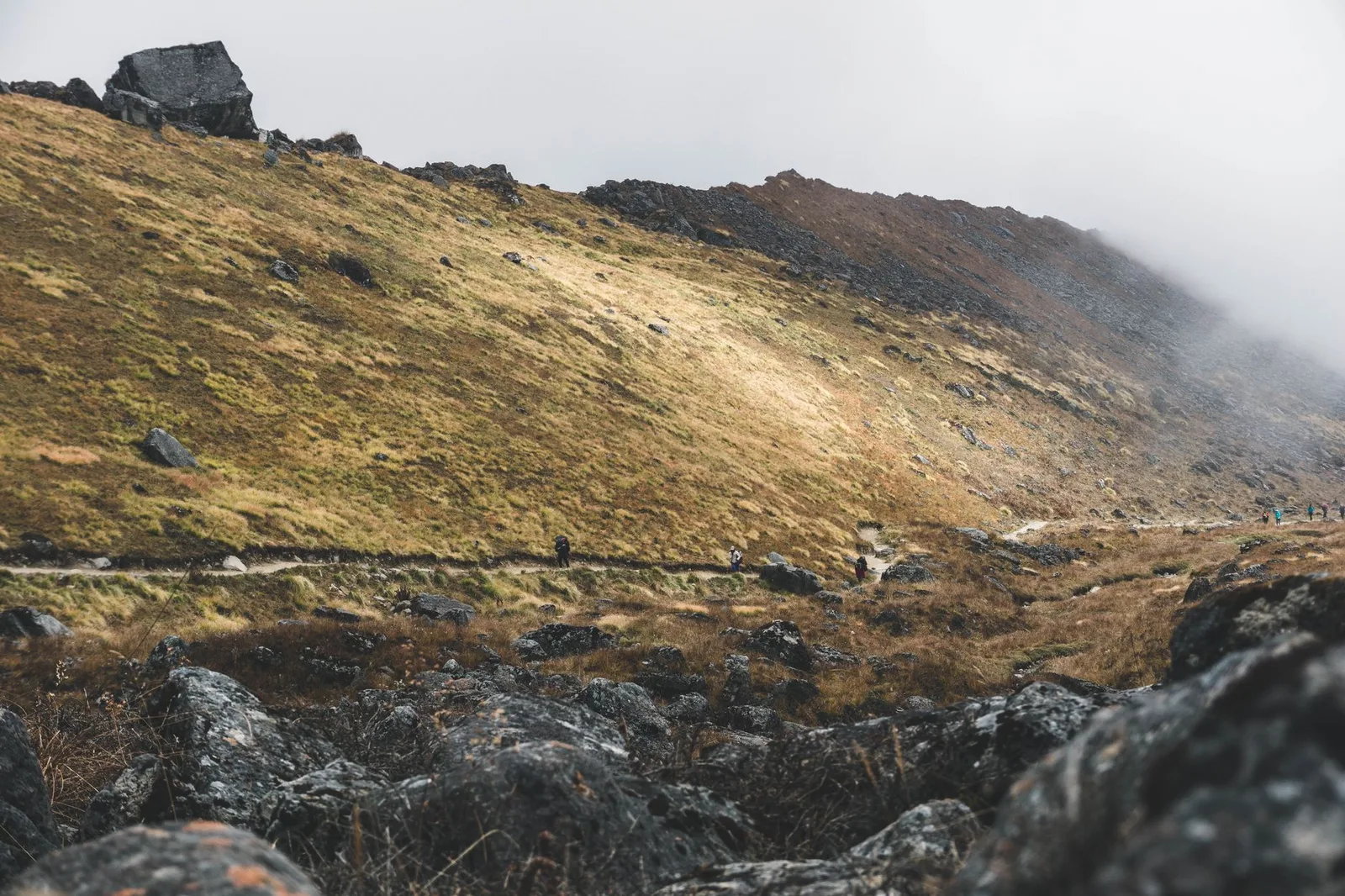
Do You Need a Guide to Trek in Nepal in 2026? What the Rule Actually Says
Since April 2023, foreign trekkers can not legally walk into a Nepali national park or conservation area alone. Here is exactly where that rule applies, what it costs, and where it does not.
Safety & Advisories
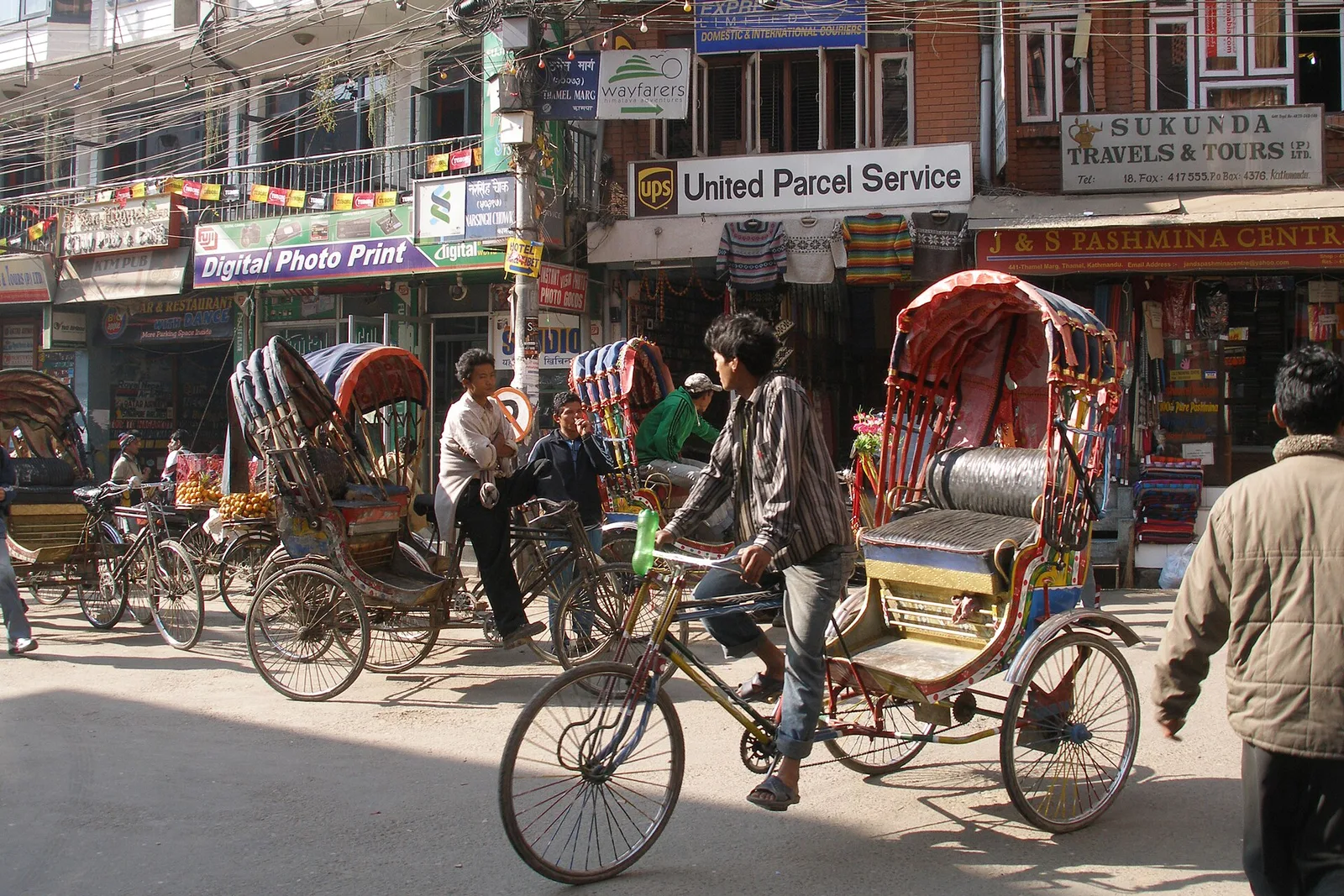
The Most Common Travel Scams in 2026 (and Exactly How to Avoid Them)
Rigged taxi meters, short-changed cash, skimmed ATM cards, fake officials and cloned booking sites — plus the trekking-specific cons in Nepal — and the simple habits that beat every one.
Latest from the desk
World Destinations
Cheapest Countries to Travel in 2026: Real Daily Budgets, Ranked by Region
From $25-a-day Nepal, Vietnam and Bolivia to the cheapest corners of Europe, a fact-checked guide to where your money goes furthest in 2026 — with honest backpacker daily budgets covering bed, food and local transport, flights excluded.

Deals & Routes
Airline Miles and Points for Beginners in 2026: How to Earn, Redeem, and When Cash Back Wins
A plain-English 2026 guide to how frequent-flyer miles and transferable bank points really work — earning, redeeming, the award sweet spots to Kathmandu, and the honest cases where simple cash back beats points.

Gear & Tech
How to Avoid Roaming Charges Abroad in 2026: eSIM, Local SIM, Roaming Passes and Wi-Fi Calling Compared
A practical decision framework for staying connected overseas without the bill shock — carrier roaming passes, local SIMs, eSIMs and Wi-Fi calling, the EU "roam like at home" rules, and what to do in Nepal.