
Nepal vs Bhutan 2026: Two Himalayan Kingdoms, Wildly Different Price Tags
Bhutan charges every visitor US$100 a day before a single hotel night. Nepal charges about US$50 in permits for a whole two-week trek. Here's the honest comparison for Himalaya-bound travellers.

At a glance
- Published
- TopicIndustry & Tourism
- Verified againstBhutan Department of Tourism / Nepal Tourism Board
- Treks coveredEverest Base Camp Trek — 14 Days, Manaslu Circuit Trek — 14 Days, Annapurna Base Camp Trek — 7 Days
Key facts (2026)
From the trail · Everest


Above the Khumbu
- Bhutan charges a Sustainable Development Fee of US$100 per person, per night — separate from your hotel, food, guide and transport.
- Nepal has no daily tourist fee; a full teahouse trek costs about US$45–50 in permits, total.
- On a 10-night trip that is roughly US$1,000 in Bhutan government fees vs ~US$50 in Nepal — before anything else.
- Both now require a licensed guide; both are Buddhist Himalayan cultures with autumn and spring peak seasons.
"Should I trek Nepal or Bhutan?" is a question we get from serious Himalaya travellers every season — usually people who have done their homework and want the real, unromantic numbers. As a Nepali operator I am not neutral, but I will be honest: these are two beautiful, very different countries, and the difference that decides most trips is cost and access philosophy. Here is the 2026 picture, fees confirmed.
The fee that changes everything
Bhutan runs a deliberately high-value, low-volume tourism model. Every international visitor (except Indian, Bangladeshi and Maldivian nationals, who pay INR 1,200/night) pays a Sustainable Development Fee of US$100 per person for every night in the country. That reduced rate is confirmed valid to 31 August 2027. Crucially, the SDF is only the fee — your hotel, meals, guide and transport are all extra on top. Children 6–11 pay half; under-6 are free.
Nepal takes the opposite approach: open access, low fees, high volume. There is no per-day tourist tax. For the classic teahouse treks you pay a one-off permit or two — ACAP (NPR 3,000) plus TIMS (NPR 2,000) for Annapurna, or the two Khumbu permits (~NPR 6,000) for Everest — and that is essentially it. A licensed guide is now mandatory in both countries, but in Nepal that is a modest daily cost, not a barrier.
What a 10-day trip actually costs in government fees
| Item | Bhutan | Nepal |
|---|---|---|
| Daily tourist / sustainability fee | US$100 × 10 = US$1,000 | US$0 |
| Trek permits | included in package | ~US$45–50 total |
| Visa | US$40 | US$50 (30-day) |
| Government fees, 10 days | ~US$1,040 | ~US$100 |
That US$950 gap is per person, and it repeats every day you stay. For a couple on a two-week trip it is the price of the international flights all over again.
Beyond the money: what each does best
Bhutan is genuinely special — pristine, deeply Buddhist, wonderfully uncrowded precisely because the fee limits numbers. Its treks (the Druk Path, the Jomolhari and the epic Snowman) are superb and quiet. But its highest trekking peaks top out lower than Nepal's, and the model is built around curated, guided packages.
Nepal has eight of the world's fourteen 8,000-metre peaks, the deepest network of teahouse trails on earth, and price points from a US$400 Poon Hill trip to a full Everest expedition. You can trek for two weeks on what Bhutan charges in fees for one. For most travellers whose priority is the high Himalaya itself — Everest Base Camp, the Annapurna Sanctuary, the Manaslu Circuit — Nepal delivers more mountain, more choice, and far more trip for the money.
What this means for trekkers
The honest verdict
Choose Bhutan for a short, exclusive, culturally immersive escape where solitude is worth paying for. Choose Nepal when you want the biggest mountains on earth, weeks of world-class trails, and a budget that goes into your trek rather than a nightly fee. Many of our guests do Bhutan once — and come back to Nepal again and again.
If the Himalaya is on your list and value matters, Nepal is the obvious first trip. Start with the two icons — the Everest Base Camp trek or the Annapurna Base Camp trek — and see our permits hub for exactly what the Nepal fees cover. For the wider picture of why arrivals keep breaking records, read our note on Nepal's record 2026 visitor numbers.
Sources: Bhutan Department of Tourism Sustainable Development Fee (US$100/night, reduced rate to 31 Aug 2027), reported 2026; Nepal Tourism Board / NTNC permit fees 2026. Fees confirmed current at publication; always reconfirm before booking.
Cover photo: NASA via Wikimedia Commons (Public domain).
Planning a trek?
Trek this route with us — Everest Base Camp Trek — 14 Days
NMA-certified local guides, transparent pricing, 5,000+ treks since 1998. Message us your dates and we'll sort the permits, lodges and logistics — reply within 24 hours, no obligation.


Popular Nepal treks
All treks →


Related coverage
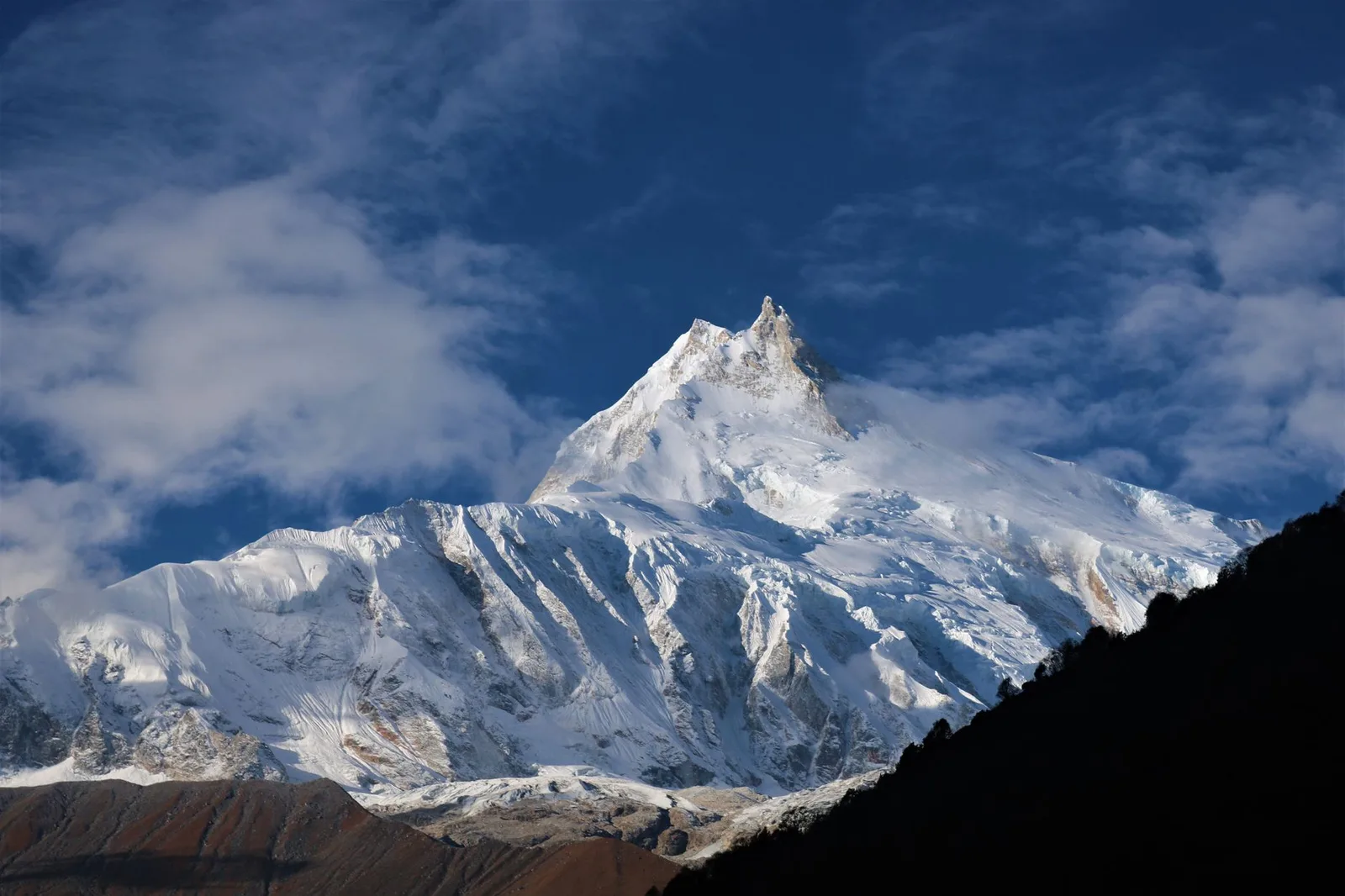
Permits & Rules
Manaslu Circuit or Everest Base Camp? The Honest 2026 Comparison
Nepal just made its restricted treks easier to book solo, and nowhere benefits more than Manaslu. Here's how the permits, crowds, cost and difficulty actually compare against Everest Base Camp, trek by trek, dollar by dollar.

Industry & Tourism
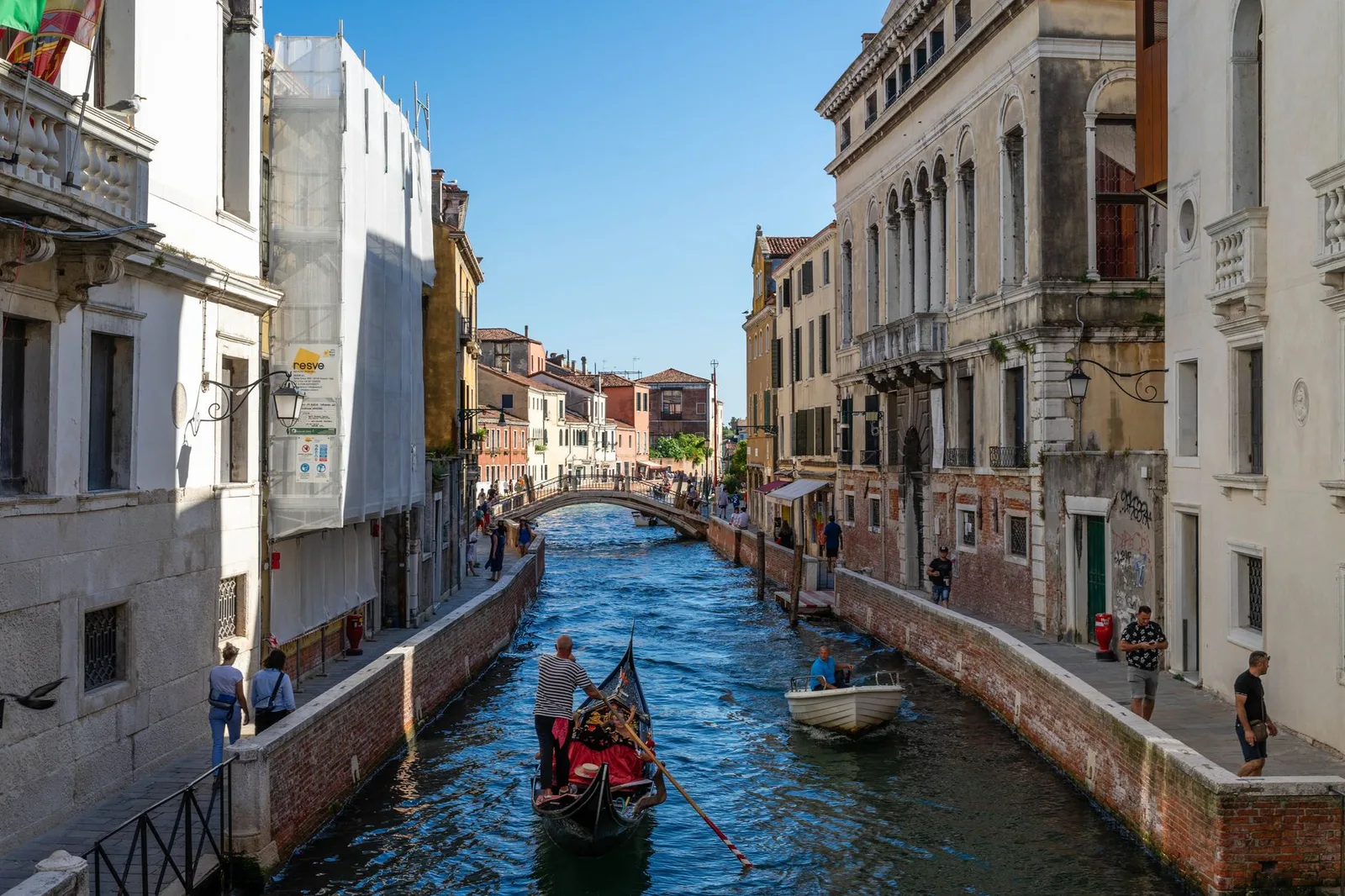
From Venice's €10 Entry Fee to Bali's Levy: Every Tourist Tax You'll Pay in 2026
Access fees, climate levies and departure taxes are spreading fast in 2026. Here is a verified rundown of who charges what — from Venice and Bali to Barcelona, Bhutan, Japan and the UK — and why Nepal does it differently.
World Destinations
Tourist Taxes in 2026: Which Destinations Charge Visitors and How Much to Budget
From Amsterdam's 12.5% hotel tax to Venice's day-tripper access fee, plus Bali, Bhutan and Japan — what the big-name destinations charge visitors in 2026, how it is collected, and how to budget for it (and where Nepal's trekking permits fit).
Flights & Access
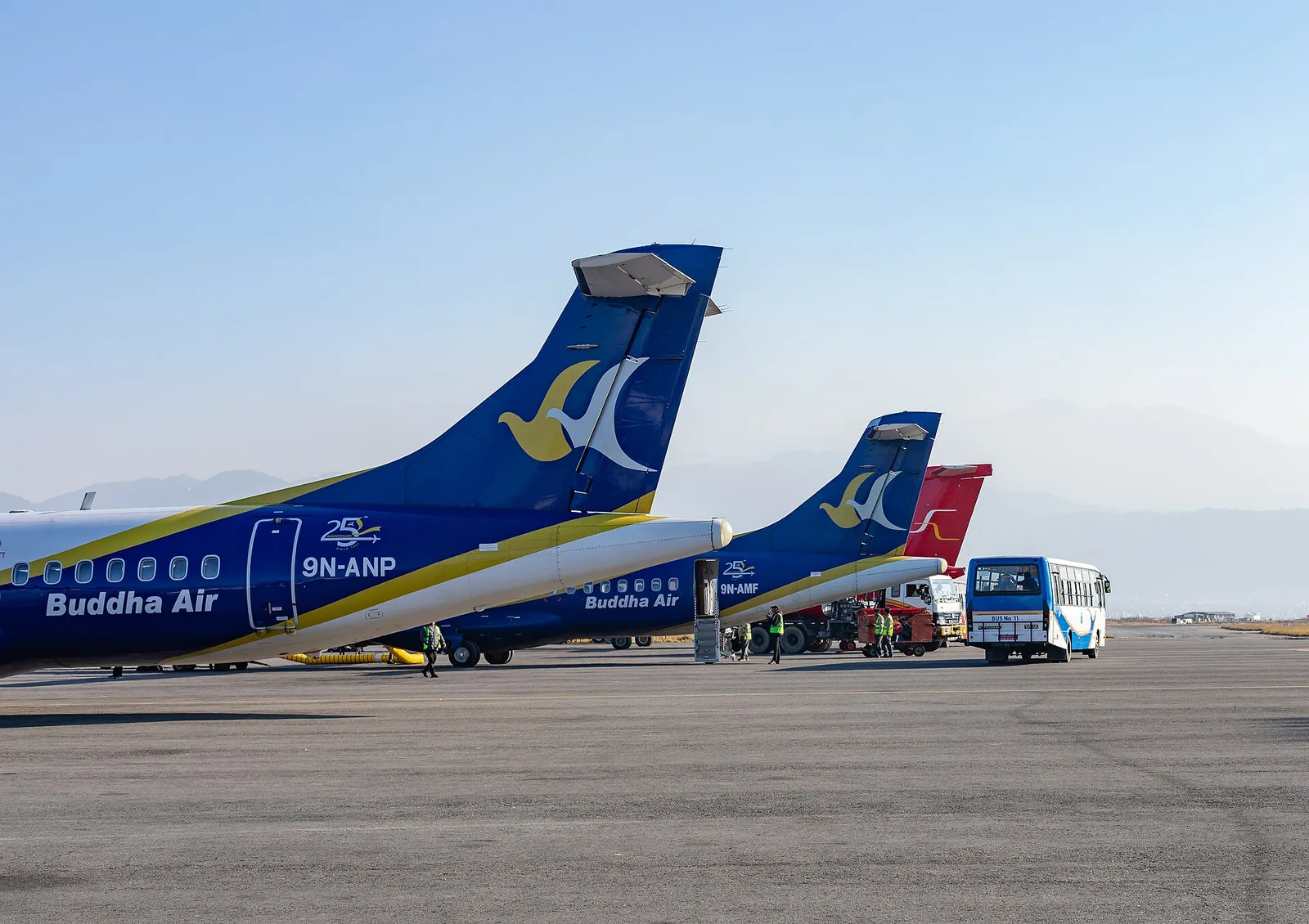
Daily Dubai–Pokhara Flights Land in September: The New 2026 Routes Making Nepal Easier to Reach
flydubai's first daily Dubai–Pokhara service, a new Kathmandu–Shenzhen route and extra Nepal Airlines flights to Tokyo are quietly reshaping how travellers reach the Himalaya in 2026.
Latest from the desk
Visas & Entry
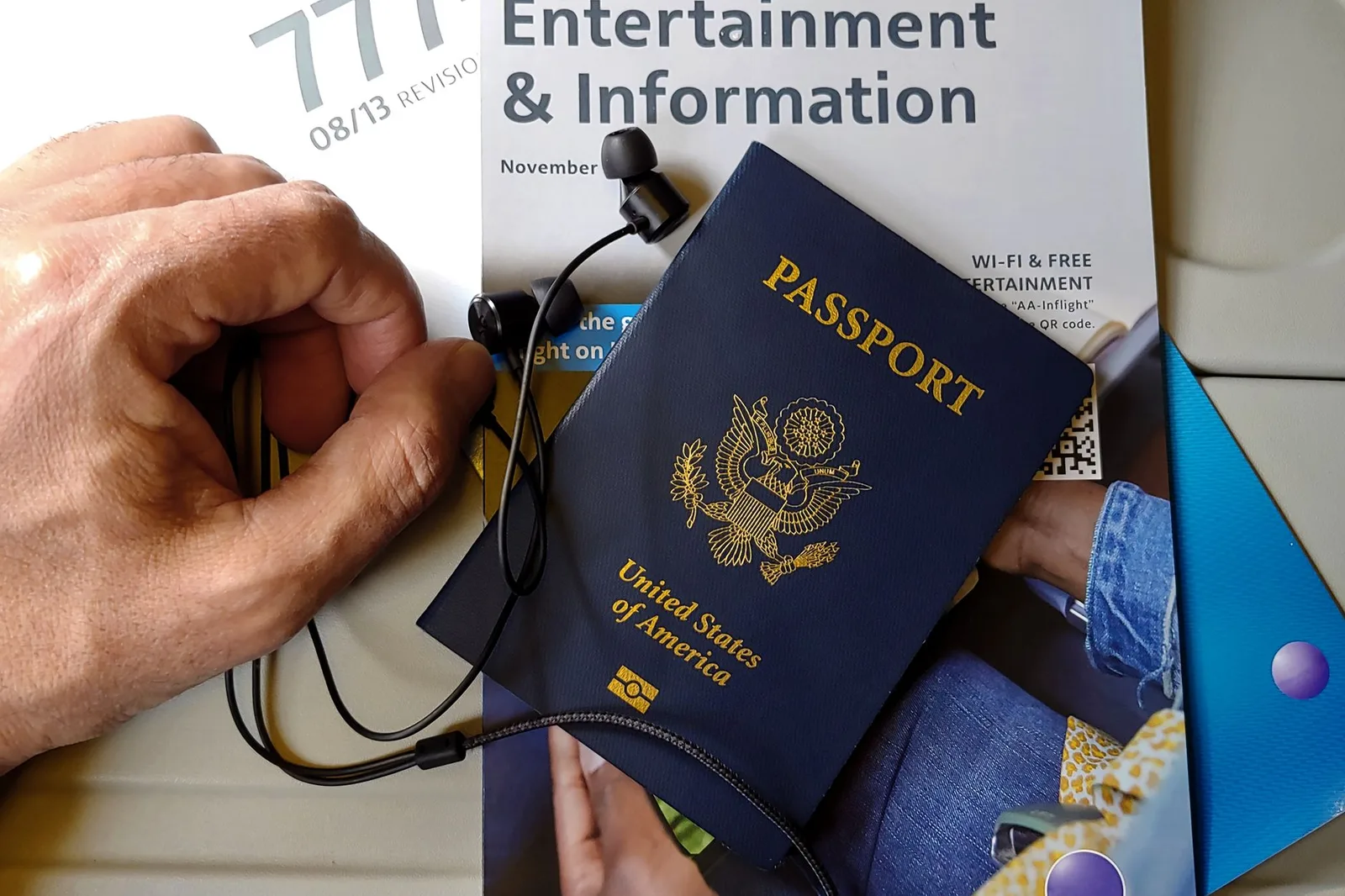
US ESTA in 2026: Who Needs It, the $40 Fee, and How to Apply the Official Way
The Visa Waiver Program travel authorisation explained — who qualifies, the fee that jumped in late 2025, why it is not a visa, and the copycat sites to avoid.
Money & Insurance
Cruise Travel Insurance in 2026: Why Standard Cover Isn't Enough at Sea
A cruise looks like the safest holiday there is, which is exactly why a standard travel policy can leave you exposed. Here's what a cruise add-on covers that ordinary insurance misses — missed departure, cabin confinement, itinerary changes and the expensive at-sea medical evacuation — and what to check before you buy.
World Destinations
The Cheapest Ski Destinations for 2026: Where to Ski for Far Less Than the Alps
The best-value places to ski in 2026 — Bulgaria, Bosnia, Slovakia, Poland, Georgia and Andorra — what makes each one cheap, and the trade-offs in size and snow.