
World's Longest Cable Car Moves Ahead: Nepal Approves the Rs 55 Billion Muktinath Project
The Investment Board has green-lit financing for the 81 km Birethanti–Muktinath cable car and the environmental report is now with the ministry — here is what it changes for trekkers and pilgrims.

At a glance
- Published
- TopicFlights & Access
- Verified againstThe Rising Nepal
- Treks coveredUpper Mustang Trek — 12 Days, Annapurna Circuit Trek — Fly Jomsom 12 Days, Jomsom Muktinath Trek
The Muktinath cable car has been talked about in Mustang teahouses for years, usually with a shrug — big plans, little paper. That changed this summer. On 5 June 2026, the Investment Board Nepal approved the project's investment at its 64th meeting, and the developer has now submitted the Environmental Impact Assessment report to the ministry. On paper, Nepal is now one approval away from starting construction of the longest cable car on earth.
From the trail · Dolpo


A braided glacial river in the high Himalaya
We first covered the project when it was pitched around Indian pilgrim traffic in our earlier Muktinath cable car report. This is the follow-up the search traffic keeps asking us for: what has actually been decided, and what is still pending.
The project at a glance
| Item | Status / figure |
|---|---|
| Route | Seraphant (Birethanti/Nayapul) → Muktinath, Mustang |
| Length | 81.041 km — would be the world's longest |
| Estimated cost | Rs 55 billion (developer proposal Rs 57.64 billion, BOOT model) |
| Developer | Muktinath Darshan Pvt Ltd |
| Infrastructure | 20 stations · 442 towers · 871 gondolas |
| Journey time | About 3 hours 36 minutes |
| Investment approval | ✔ IBN 64th meeting, 5 June 2026 |
| EIA | Submitted to ministry — approval pending |
Under the build-own-operate-transfer model, the private developer finances and runs the line before eventually handing it to the state. The company's own proposal put the bill at Rs 57.64 billion; the widely reported working figure is Rs 55 billion including bank interest. Either number makes this one of the largest private infrastructure bets in Nepal's history.
The environmental question
An 81-kilometre line through the Annapurna region does not go unnoticed. Reporting on the EIA has flagged that the corridor could affect around 229 households and some 24,500 trees, and those numbers will be scrutinised before any approval. Construction can only enter a concrete phase once the EIA clears the ministry — a process that has stalled other Nepali megaprojects before. Nobody should book a gondola seat yet.
What this means for trekkers
What this means for you
Nothing changes on the trail for years — and the classic experiences are unchanged today. The Jomsom–Muktinath trek, the Annapurna Circuit with the Jomsom flight, and Upper Mustang all run exactly as before. If anything, walk or ride the old pilgrim route now, while it is still the only way up.
Longer term, a working cable car would remake access to Mustang: monsoon-proof, flight-proof transport to 3,800 metres, opening Muktinath to pilgrims who could never trek there — the project's stated market is the enormous Indian pilgrimage flow. It would also land in a region whose permit rules just shifted; see our report on the new US$50-per-day Upper Mustang permit. For trekkers, the honest read is mixed: easier logistics and busier shrines, on a trail corridor that has already traded some wilderness for roads over the past decade.
Our take from Pokhara: the mountains move slowly, and so do megaprojects. We will report each real milestone — EIA approval, financial close, first tower — as it happens, not before.
Sources: The Rising Nepal (IBN approval), Khabarhub (EIA submission), Bizness News (cost, specifications). 📷 Cover: @yash.gupta927 via Instagram.
Planning a trek?
Trek this route with us — Upper Mustang Trek — 12 Days
NMA-certified local guides, transparent pricing, 5,000+ treks since 1998. Message us your dates and we'll sort the permits, lodges and logistics — reply within 24 hours, no obligation.


Popular Nepal treks
All treks →


Related coverage

Industry & Tourism
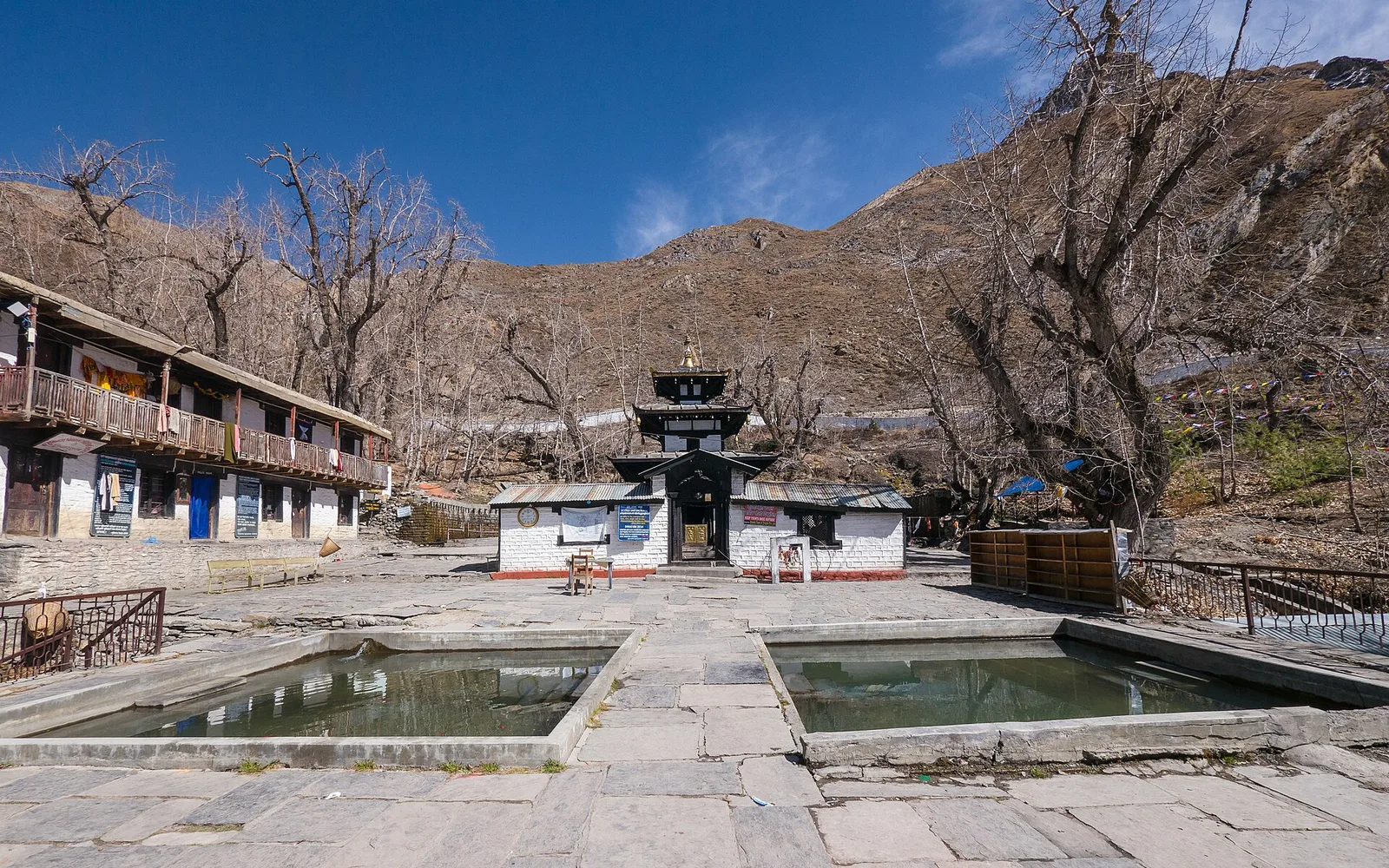
Muktinath Cable Car 2026: Nepal Plans the World's Longest (81 km) — What Pilgrims Get
Nepal has unveiled plans for an 81 km cable car toward the sacred temple of Muktinath — billed as the world's longest. Here's what the 2026 project could mean for the lakhs of Indian pilgrims who make the journey.
Industry & Tourism
The Temple Where Fire Burns on Water: Inside Nepal's Strangest Sacred Site at 12,343 Feet
At Muktinath, a natural-gas flame flickers directly above a cold mountain spring — a geological quirk that Hindus and Buddhists have both worshipped for generations, and that modern trekkers walk right past.

Breaking · Industry & Tourism
The World's Best Luxury Hotel for 2026 Isn't in Paris or Dubai — It's a 29-Room Retreat in Nepal's Mustang Desert
Robb Report's panel of 24 global luxury specialists just ranked Shinta Mani Mustang above properties in Rwanda, Scotland, Japan and Italy — putting a once-forbidden Himalayan valley at the very top of the world's hotel rankings.
Records & People
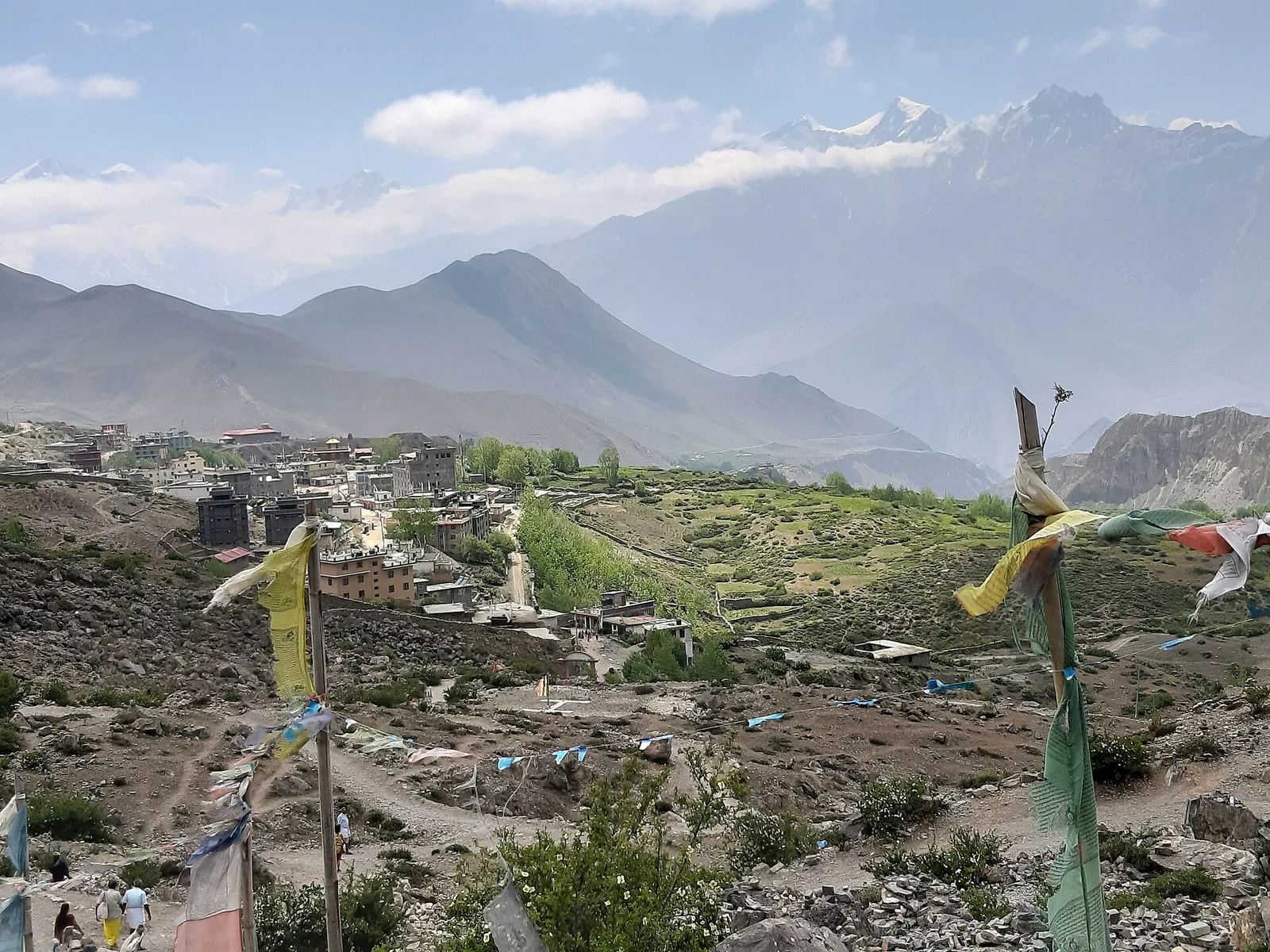
The Temple Where Fire Burns on Water — and Two Religions Call It Holy
At 3,762 metres in Nepal's Mustang district, natural gas burns continuously above a spring inside Jwala Mai temple, part of a shrine both Hindus and Buddhists climb the Himalaya to reach.
Latest from the desk
World Destinations
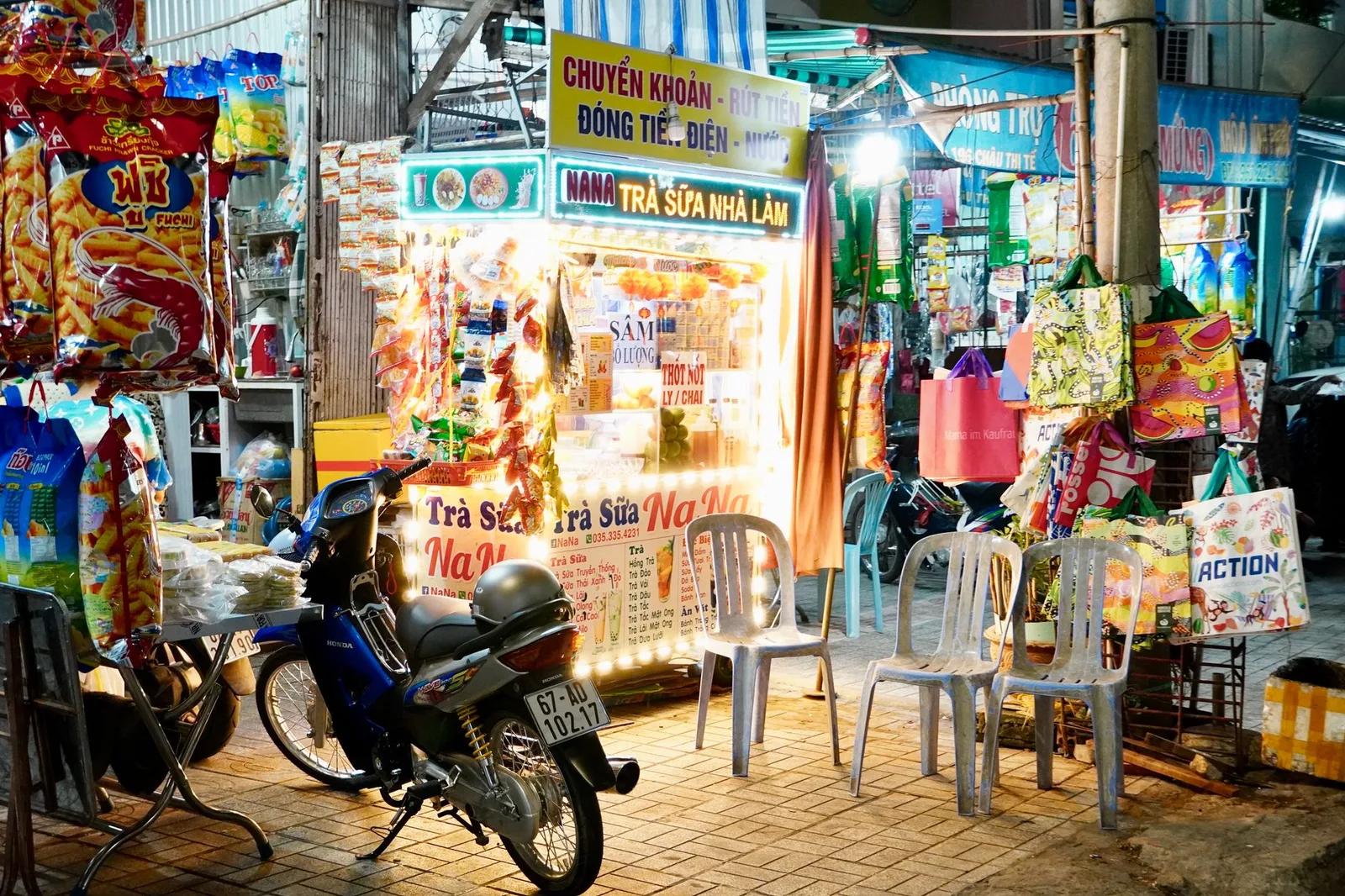
Cheapest Countries to Travel in 2026: Real Daily Budgets, Ranked by Region
From $25-a-day Nepal, Vietnam and Bolivia to the cheapest corners of Europe, a fact-checked guide to where your money goes furthest in 2026 — with honest backpacker daily budgets covering bed, food and local transport, flights excluded.
Deals & Routes
Airline Miles and Points for Beginners in 2026: How to Earn, Redeem, and When Cash Back Wins
A plain-English 2026 guide to how frequent-flyer miles and transferable bank points really work — earning, redeeming, the award sweet spots to Kathmandu, and the honest cases where simple cash back beats points.
Gear & Tech
How to Avoid Roaming Charges Abroad in 2026: eSIM, Local SIM, Roaming Passes and Wi-Fi Calling Compared
A practical decision framework for staying connected overseas without the bill shock — carrier roaming passes, local SIMs, eSIMs and Wi-Fi calling, the EU "roam like at home" rules, and what to do in Nepal.