
Nepal Wildlife in 2026: The Iconic Animals and Where to See Them
From the rhinos and tigers of the Terai to the snow leopards of the high Himalaya, a field guide to Nepal's extraordinary wildlife — and how, and where, to actually see it.
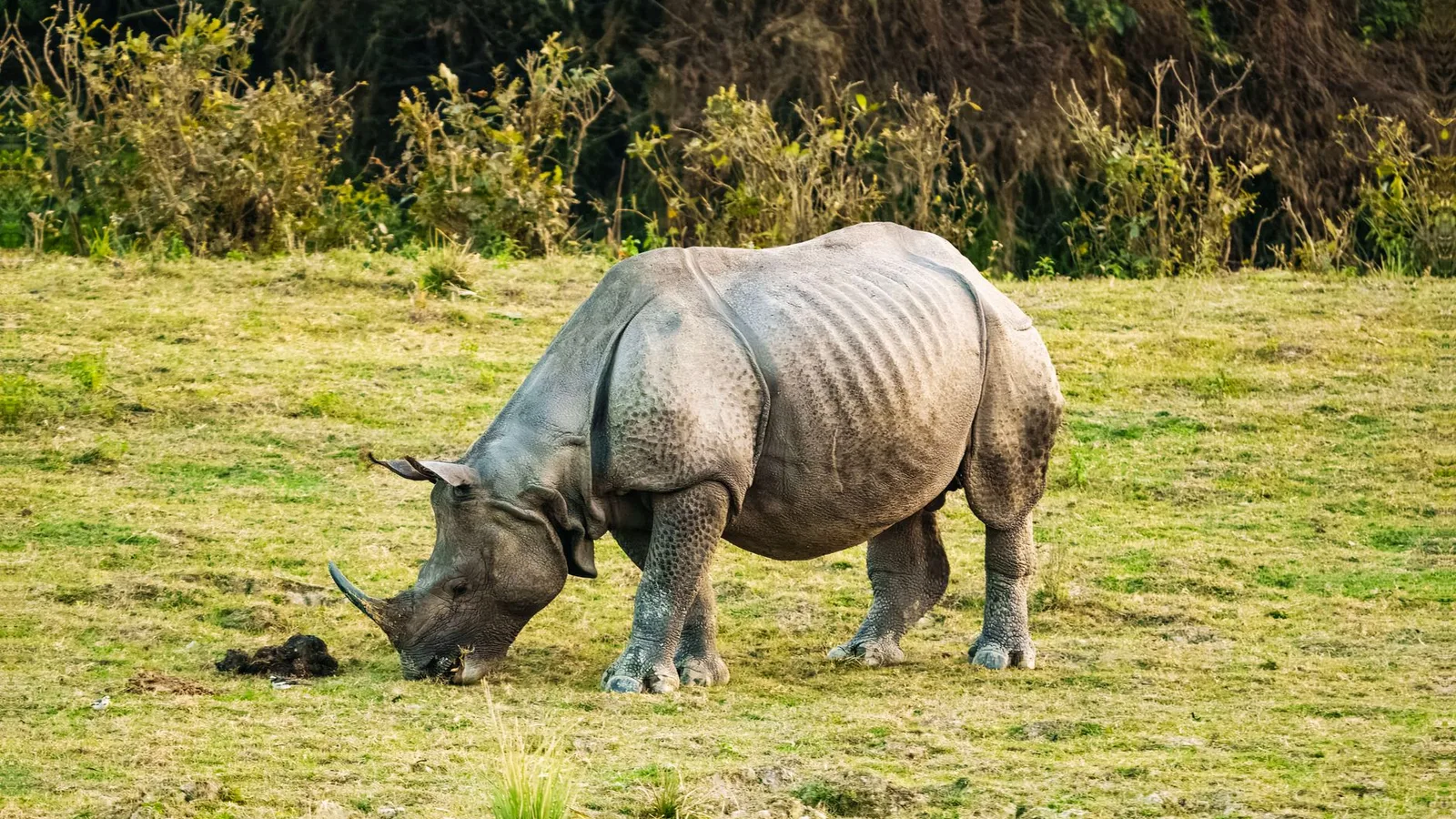
Ask most travellers what Nepal is for, and they will say mountains. They are not wrong — but they are only half right. Squeezed into a country smaller than many single Indian states is one of the most compressed wildlife gradients on Earth: a land that climbs from steamy, tiger-haunted jungle at around 60 metres above sea level to the roof of the world at 8,848 metres, all in the span of about 200 kilometres. Rhinos wallow in the south while snow leopards prowl the north, and everything from wild elephants to red pandas lives in between. This is your map to that wildlife — what lives where, and how to actually see it.
Nepal's biodiversity by zone
- Lowland Terai (~60–300 m) — jungle and grassland: greater one-horned rhino, Bengal tiger, wild elephant, gharial crocodile
- Mid-hills & forests (~1,000–3,000 m) — temperate woodland: red panda, Himalayan black bear, langur and macaque
- High Himalaya (~3,000 m–snowline) — alpine and rock: snow leopard, blue sheep, Himalayan tahr, musk deer
- Countrywide — 208 mammal species, over 900 bird species and roughly 5,000+ plant species recorded
A whole world in one stairway
Nepal covers only about 0.1% of the planet's land area, yet it holds a wildly disproportionate slice of its life. That is a direct product of relief. In the far south lie the flat, alluvial plains of the Terai, an extension of the Gangetic lowlands where sal forest, tall elephant grass and oxbow lakes make some of the best big-game habitat left in Asia. Climb north and the land pleats into the mid-hills, terraced and forested, then rears up into the Great Himalaya. Cross the range and you drop into the arid, Tibetan-flavoured trans-Himalaya of Mustang and Dolpo. Each band has its own climate, its own vegetation and its own animals — which is why a single trip can, in theory, put a rhino and a snow leopard on the same itinerary.
The Terai: Nepal's big-game country
If you have come for charismatic megafauna, you are heading south. The lowland national parks — Chitwan (952 km²) and Bardia (968 km²) chief among them, both UNESCO-listed — protect grassland and riverine forest that support Nepal's rhinos, tigers, wild elephants and mugger and gharial crocodiles. Dawn jeep drives, dugout-canoe floats and guided walks are the way in, always with a licensed naturalist. This is where a Himalayan holiday quietly turns into a safari.
| Animal | Where | How to see it |
|---|---|---|
| One-horned rhino | Chitwan, Bardia, Shuklaphanta (Terai) | Dawn jeep drive or canoe float |
| Bengal tiger | Bardia & Chitwan (Terai) | Patient riverbank waits; Bardia is best |
| Wild elephant | Bardia, Chitwan, eastern Terai | Jeep safari in the dry season |
| Gharial crocodile | Rapti & Narayani rivers | Canoe trip; breeding centre in Chitwan |
| Red panda | Eastern mid-hill forests (2,200–4,000 m) | Guided trek in Ilam / Kanchenjunga area |
| Snow leopard | High Himalaya: Dolpo, Manaslu, Everest | Winter tracking expedition; rare sightings |
| Blue sheep (bharal) | Alpine slopes above 3,000 m | Spotted on high treks; snow-leopard prey |
Meet the species
Each of Nepal's flagship animals has its own story — its own park, its own season, its own reason it nearly disappeared or came roaring back. We have written a full field guide to each; start here and follow the trail.
- The greater one-horned rhino — from about 95 survivors in the 1960s to hundreds in Chitwan today, one of Asia's genuine conservation comebacks.
- The Bengal tiger — why the quiet grasslands of Bardia have become Nepal's premier place to search for a wild tiger.
- The snow leopard — the ghost of the high Himalaya, and where dedicated winter expeditions go to look for it.
- The red panda — Nepal's shy, fire-coloured bamboo specialist of the eastern cloud forests.
- Birdwatching in Nepal — how to work through 900-plus species, from Terai storks to the danphe, the national bird.
More Nepal wildlife stories
- Nepal’s first snow-leopard count — the national survey that put a real number (397) on a ghost.
- From bird hunters to bird guides — how former hunters came to protect over 900 species.
- Nepal’s tiger recovery — from 121 to 355 wild tigers — one of conservation’s rare wins.
- Snow leopards back near Everest — a DNA study found 24 living in Sagarmatha National Park.
- The elephant-safari ruling — what Nepal’s Supreme Court decision means for a Chitwan jungle trip.
A conservation record worth the trip
What makes Nepal special is not only what lives here but what it has managed to keep. The National Parks and Wildlife Conservation Act of 1973 built the framework — Chitwan was gazetted that same year — and today a network of national parks, conservation areas and reserves stretches from the plains to the peaks, with the Annapurna Conservation Area alone covering some 7,629 km². Nepal protects 38 wildlife species by law. Just as important is the model behind the map: buffer-zone and community-forestry programmes plough a share of park revenue back into the villages living alongside the wildlife, so that a living rhino or tiger is worth more to a community than a poached one. It is why rhino numbers have climbed for half a century and why Nepal is now cited internationally for its anti-poaching record, with entire years passing in which not a single rhino was lost.
Above the treeline and in the air
The high country is subtler but no less rich. On any classic trek above 3,000 metres you have a real chance of blue sheep grazing improbable slopes, Himalayan tahr on the cliffs, and lammergeiers and Himalayan griffons riding the thermals overhead. The snow leopard that hunts them stays hidden from all but the most patient winter expeditions — but knowing it is there changes how the mountains feel. And birds are everywhere, all the way up: with over 900 species recorded, Nepal is one of Asia's great birding destinations, from the wetlands of the Terai to the rhododendron forests where the iridescent Himalayan monal flushes from the trail.
How to see Nepal's wildlife responsibly
Let the animal set the terms — if its behaviour changes because of you, you are too close. Choose operators who use licensed naturalist guides and stay on sanctioned jeep, canoe and walking routes rather than going off-track for a photograph. Skip captive-elephant rides in favour of jeep and foot safaris, and never bait or crowd wildlife for a sighting. Your park fees and buffer-zone levies are not a tax — they are the machine that funds the patrols and pays the communities, and they are the single most powerful thing a visitor does for Nepal's animals.
Build the wild into your trip
The mistake is treating wildlife as a bolt-on. Drop south from the Himalaya into the Terai and you are in genuine big-game country: our 3-day Chitwan Jungle Safari puts you within sight of grazing rhinos, wild elephants and gharial at dawn, while the wilder, quieter 4-day Bardia National Park Safari is Nepal's best bet for a wild tiger. For high-altitude wildlife and the eastern forests where red pandas live, a long trek like the Kanchenjunga Base Camp Trek carries you through the full altitude ladder — the same stairway that makes this small country such an outsized home for wild things. Pick a species, follow its guide above, and come see it for yourself.
Cover photo: Kaustav Chetia via Pexels (Pexels License).
来源: Wikipedia (Wildlife of Nepal; Protected areas of Nepal; Indian rhinoceros)
计划徒步?
我们负责许可证、后勤与向导
NMA 认证的本地向导,价格透明,自 1998 年以来 5,000+ 次徒步。告诉我们你的日期,其余的交给我们。


更多「Wildlife & Nature」
Wildlife & Nature
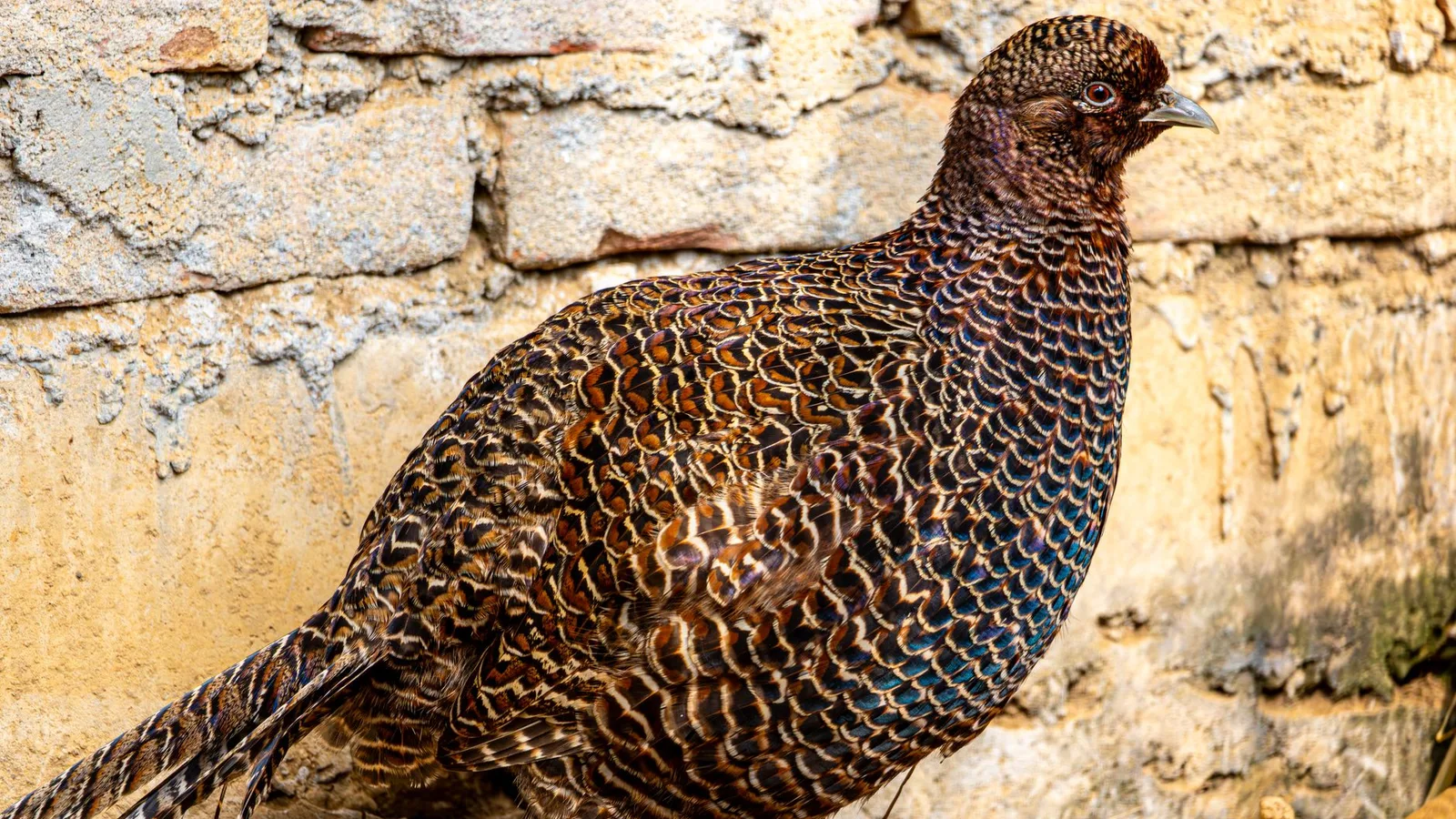
Nepal Has 915 Bird Species — Nearly a Tenth of the World's (2026)
One of Asia's great birding countries hides above and below the treks.
Wildlife & Nature
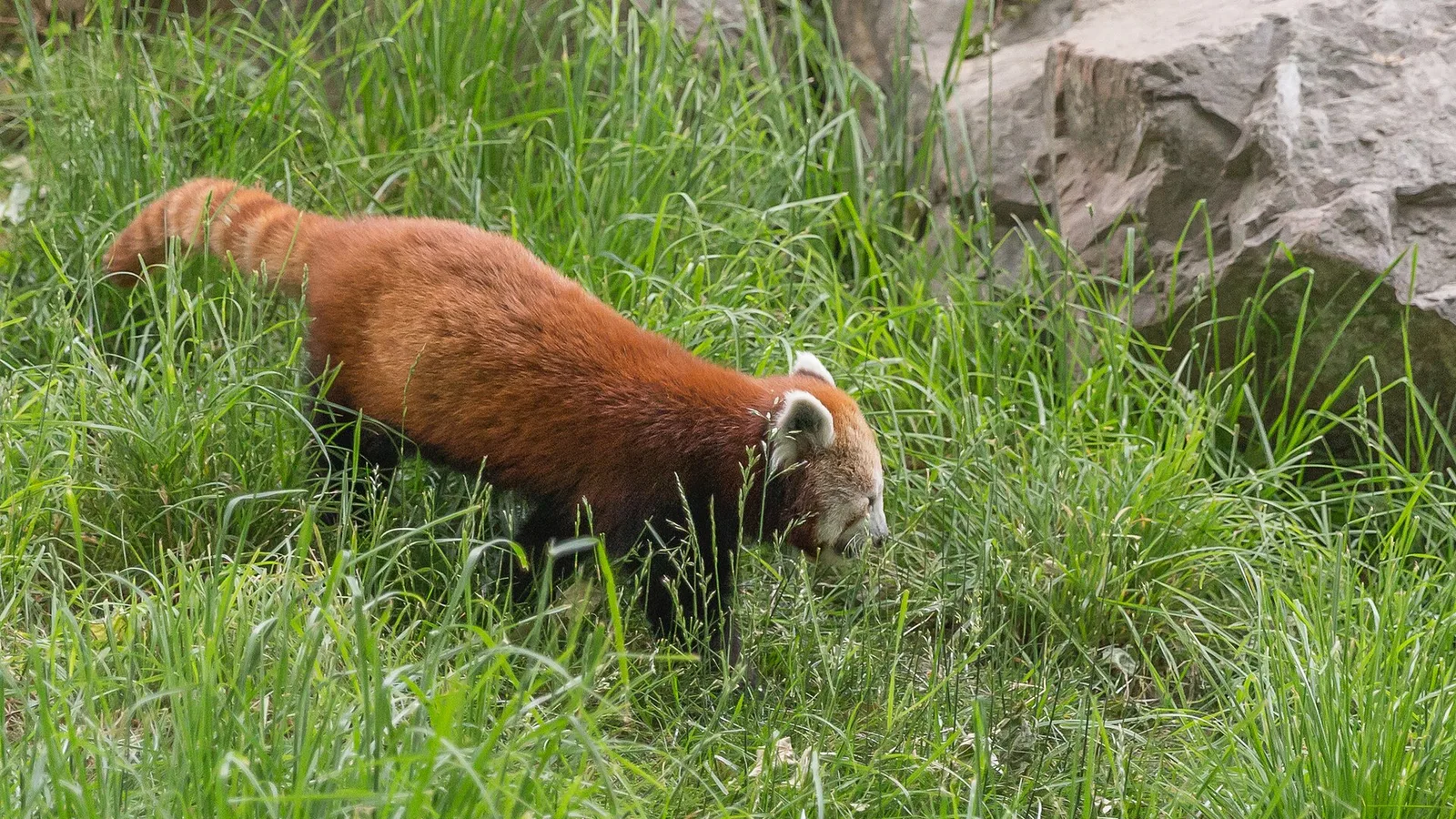
Red Panda: Nepal's Endangered 'Fire Fox' of the Eastern Himalaya (2026)
Fewer than trekkers realise cling on in eastern Nepal's cloud forests — the bamboo-eating fire fox is Endangered, and the fight to save it runs on local forest guardians.
Wildlife & Nature
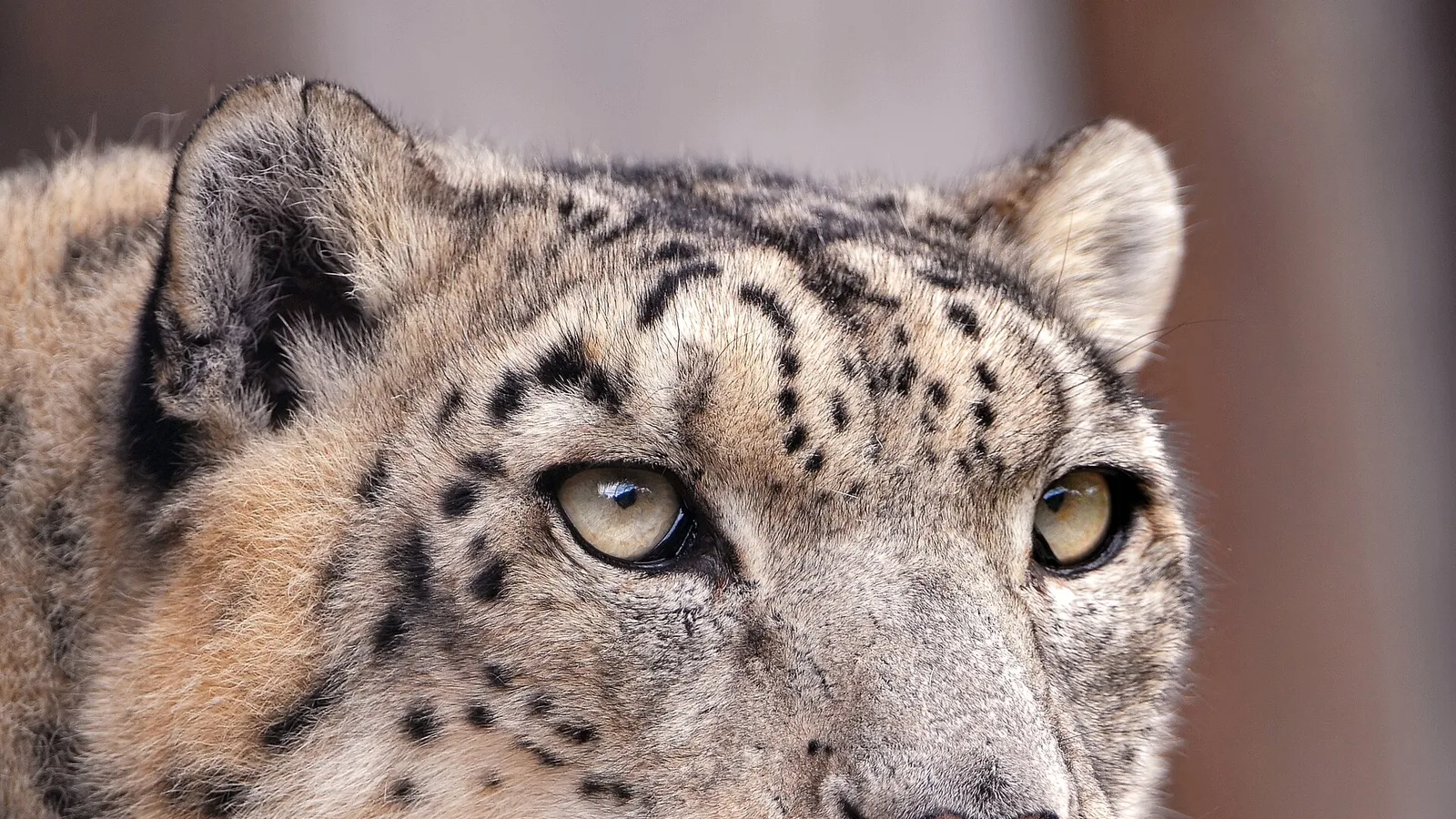
Nepal's Snow Leopard in 2026: Tracking the Himalaya's 'Ghost of the Mountains'
The elusive high-altitude cat haunts Dolpo, Mustang and Manaslu above 3,000m. Here's where it lives, why almost nobody sees one, and how Nepal is counting and protecting it.