
They Used to Hunt Nepal's Birds for Fun. Now They're Saving 900 Species.
Once boys with slingshots outside Chitwan National Park, a generation of Nepali hunters has become the backbone of the country's bird conservation — and its newest bucket-list travel trend.

At a glance
- Published
- TopicWildlife & Nature
- Verified againstMongabay
- Treks coveredBardia National Park Safari — 4 Days, Chitwan Jungle Safari — 3 Days
Shankar Tiwari once hunted birds with a slingshot as a boy outside Chitwan National Park. Today, at 57, he tops Nepal's eBird "species leader" ranking with 516 species logged by sight — more birds than most people will see in an entire lifetime. He didn't get there with a slingshot. He got there because a foreign guest at the hotel where he worked once handed him a pair of binoculars instead, and he never put them down. He went on to found Travel Nepal, an ecotourism outfit that now trains other former hunters as birding guides.
Tiwari's turn from bird-hunter to Nepal's top birder is not a one-off. Across the lowlands and mid-hills fringing Chitwan and Koshi Tappu, a generation of men who once hunted birds for sport or food has become the backbone of the country's grassroots conservation movement — and, increasingly, of its tourism economy. It helps that Nepal is an outlier: a country roughly the size of Illinois that spans everything from 60-metre tropical plains to the 8,849-metre summit of Everest, packing more bird species into that vertical range than almost anywhere on Earth.
Key facts
- Nepal hosts more than 900 recorded bird species.
- 40 species are globally threatened; 172 are nationally threatened.
- The spiny babbler is Nepal's only truly endemic bird, found nowhere else on Earth.
- Birdwatching visitors reported spending roughly NPR 40,000 (about $260) per trip, much of it in rural communities.
The shift is documented in new reporting from Mongabay, based on interviews and a survey of 135 Nepali birdwatchers led by researcher Kamal Raj Gosai and co-author Hem Bahadur Katuwal, an assistant professor at the Xishuangbanna Tropical Botanical Garden. Their study found citizen birdwatchers are quietly filling major gaps in Nepal's official wildlife data — spotting range shifts, new arrivals and local extinctions that government surveys, chronically under-resourced, simply miss.
"Birdwatchers are often the first to notice when something changes," Ishana Thapa, CEO of Bird Conservation Nepal, told Mongabay. In 2024 alone, citizen observers logged three species never before recorded in the country — the white-cheeked starling, Naumann's thrush and the spotted flycatcher — each a small data point helping researchers track how climate change and habitat loss are reshaping migration routes across the Himalaya.
Not every sighting reaches conservationists, though. The same study found only 37% of surveyed birdwatchers shared their records on citizen-science platforms like eBird or with groups such as Bird Conservation Nepal — nearly half kept their sightings entirely private. Researchers say closing that gap could sharpen Nepal's picture of which habitats are quietly emptying out.
That picture is already troubling in places. A 2021–2022 survey of the Bagmati River corridor near Kathmandu recorded just 67 species, down from more than 100 documented historically in the same stretch — a casualty of urban sprawl and river pollution. Duck populations at Koshi Tappu Wildlife Reserve, once one of South Asia's great wetland birding sites, have also fallen sharply, researchers found.
| Period | Species recorded |
|---|---|
| Historical baseline | 100+ |
| 2021–2022 survey | 67 |
What this means for trekkers
What this means for you
You don't need a spotting scope to benefit. Nepal's best birding ground — the sal forests and grasslands of Chitwan and the floodplains of Bardia — sits on trails most visitors only pass through on the way to a jungle safari. A guide who can call out a great hornbill or a Bengal florican from fifty metres, the way Tiwari now does, turns a wildlife drive into something closer to a masterclass. It's also proof the same instinct that once emptied Nepal's forests of birds is now what's keeping them full.
Our Chitwan Jungle Safari and Bardia National Park Safari both run through prime habitat for many of Nepal's 900+ species — ask your guide for a birding-focused itinerary and you'll likely spot more in three days than most checklists log in a season.
Source: Mongabay, "Nepal's birdwatchers help monitor wildlife and promote tourism," July 6, 2026.
Cover photo: Aditya Pal via Wikimedia Commons (CC BY-SA 4.0).
This story is part of Travel Himalaya Nepal’s complete guide to Nepal's wildlife and where to see it.
Still running this season
Bardia National Park Safari — 4 Days is running normally
NMA-certified local guides, transparent pricing, 5,000+ treks since 1998. Message us your dates and we'll sort the permits, lodges and logistics — reply within 24 hours, no obligation.


Popular Nepal treks
All treks →


Related coverage
Wildlife & Nature
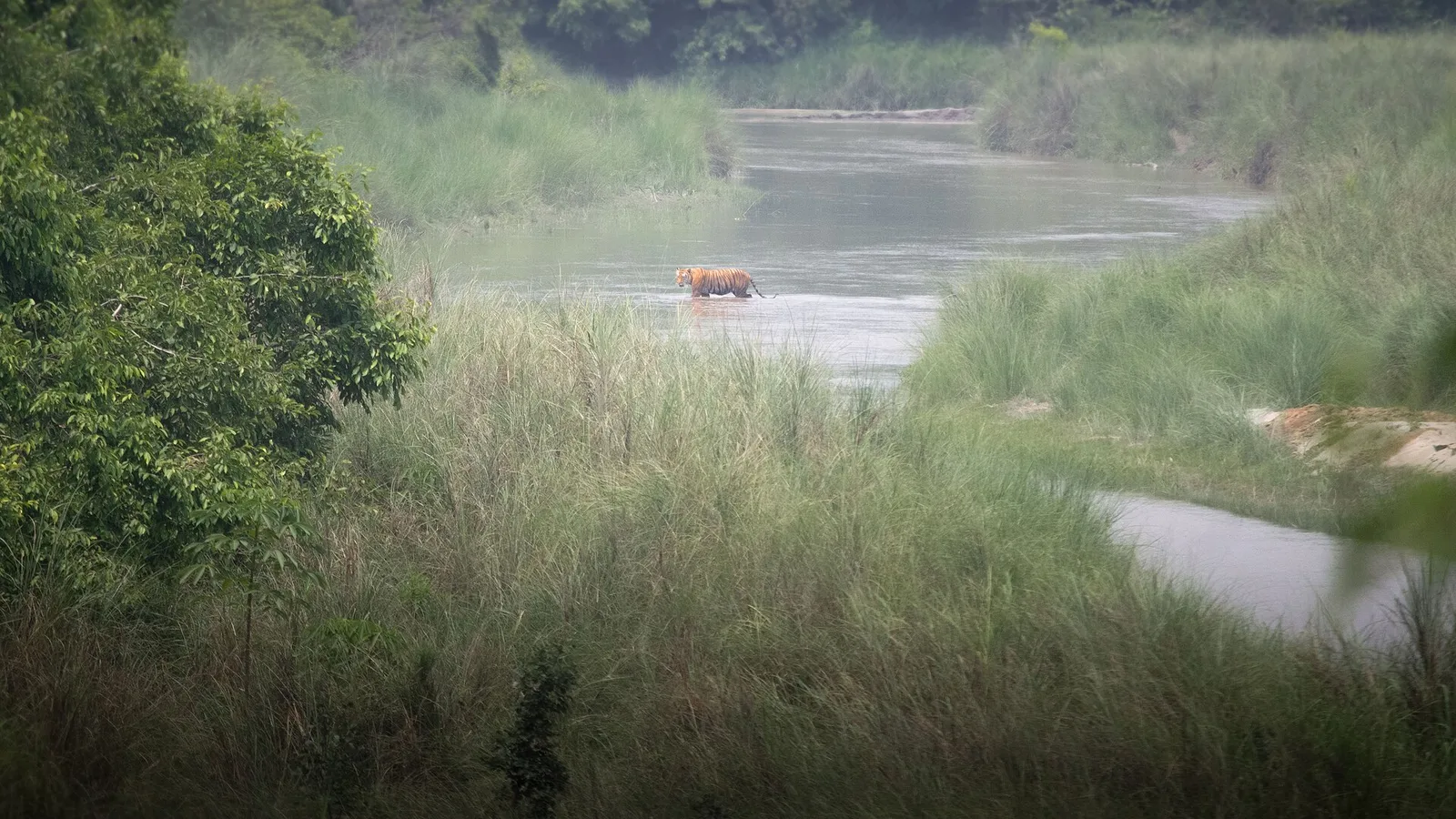
Bardia Is Now Nepal's Best Place to See a Wild Tiger (2026)
Nepal's wild tigers have more than tripled since 2009, and far-western Bardia National Park - wild and little-visited on the Karnali river - is now the country's best place to see one. Here is the honest guide to the comeback and your real sighting odds.
World Destinations
The World’s Best National Parks to Visit in 2026: A Continent-Hopping Bucket List
From Torres del Paine to the Serengeti to Nepal’s own Everest and Chitwan — nine UNESCO-grade parks worth planning a whole trip around, and the season each is best.
Wildlife & Nature
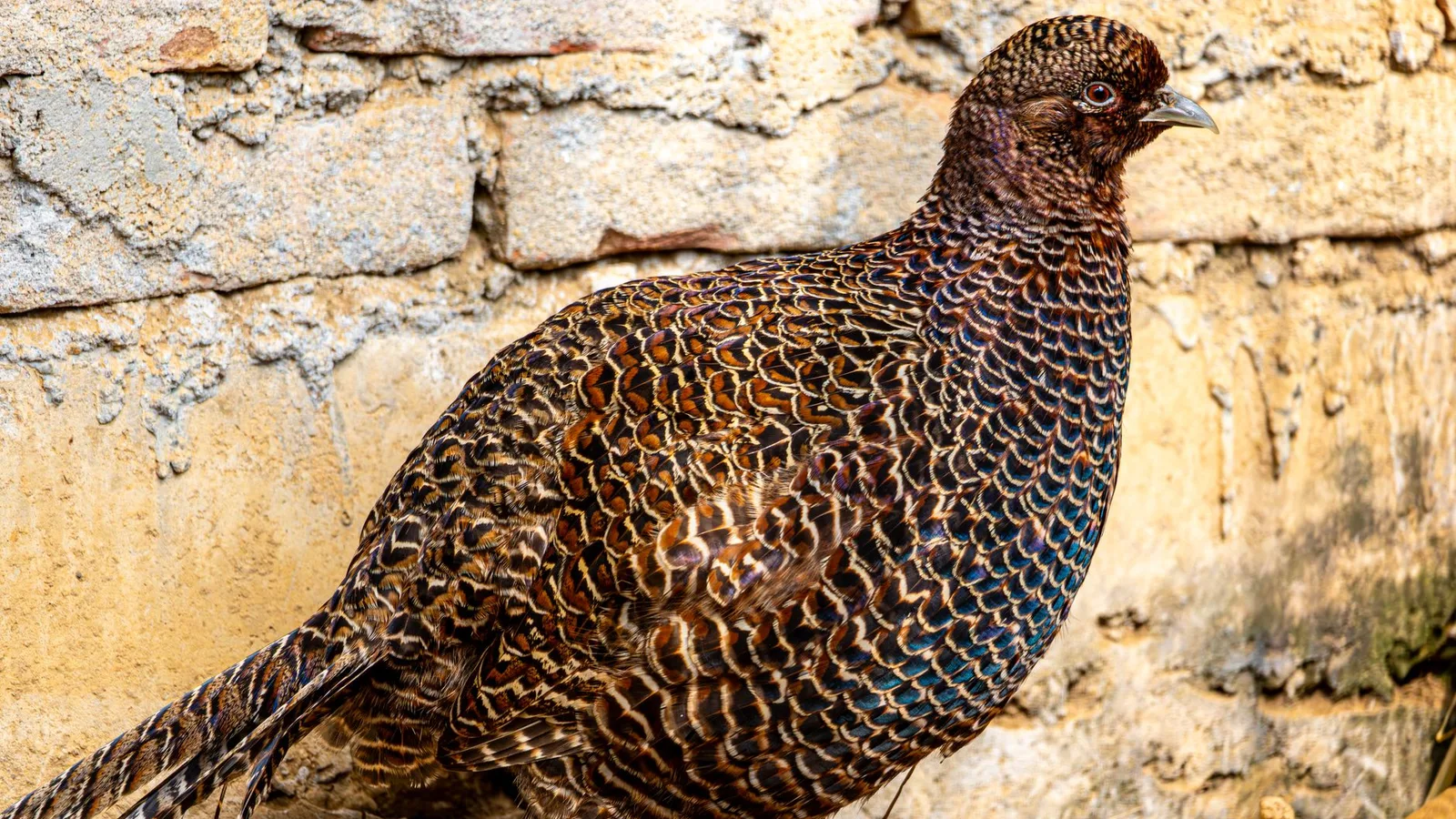
Nepal Has 915 Bird Species — Nearly a Tenth of the World's (2026)
One of Asia's great birding countries hides above and below the treks.
Records & People
Nepal's Rhinos Fell to Under 100 Animals. The Last Count Found 752.
The greater one-horned rhino nearly vanished from Nepal twice in living memory — and the same country then built one of Asia's strictest anti-poaching operations to bring it back.
Latest from the desk

Festivals & Events
Dashain 2027 tika is Saturday 9 October, twelve days earlier than this year
Dashain 2027 runs 30 September to 14 October, tika on Saturday the 9th. Bhai Tika is 31 October. Why the early date matters for an autumn trek.

Records & People
The Yeti Footprint Fooled the World for 70 Years — Then DNA Solved It
A grainy 1951 photograph near Everest launched a global legend, until a 2017 study tested nine 'yeti' samples and found six bears of one kind, three of another, and a dog.

Records & People
The Kathmandu Valley You're Walking Through Used to Be a 200-Metre-Deep Lake
Geologists say the ground beneath Kathmandu's temples and guesthouses sat underwater for the better part of a million years, and the same soft lakebed sediment is a documented reason the city shakes so hard when an earthquake hits.