
How to Travel Europe on a Budget in 2026 (Rail Passes, Cheap Regions & When to Go)
Rail passes, the cheapest regions and the right months to go — a 2026 guide to seeing Europe cheap, with real cost tables.
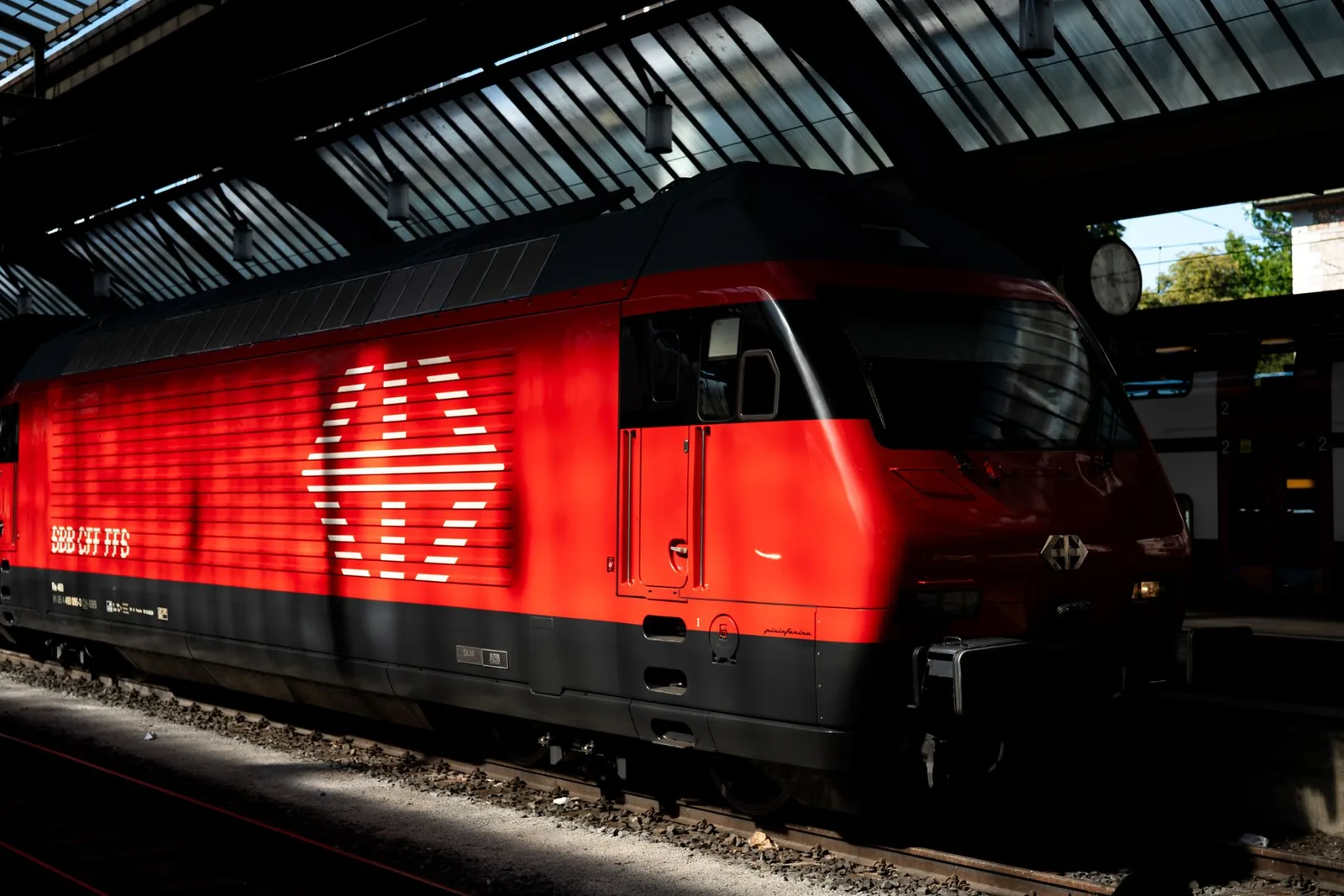
Europe has a reputation for emptying wallets, but that reputation is built almost entirely on a handful of expensive corners — Switzerland, Scandinavia, London, Paris in July. Step sideways into the Balkans, the Baltics or off-season Portugal and the same continent runs a third of the price. Here is how to travel Europe on a budget in 2026: where the cheap regions actually are, whether a rail pass earns its keep, and when to go so you are not paying peak-season prices for grey weather.
Key facts (as of 2026)
- An Interrail/Eurail Global Pass starts at €283 for any 4 travel days in a month (adult, 2nd class).
- The cheapest regions — the Balkans — run a backpacker €35–55 a day before flights.
- Best value windows are the shoulder seasons: mid-April to mid-June and September to October.
- A cheap restaurant meal is ~€10 in Bulgaria versus ~€26 in Switzerland.
Is a rail pass worth it in 2026?
The Interrail pass (for European residents) and the identical Eurail pass (for everyone else) let you ride most of the continent's trains on a fixed number of "travel days." They are brilliant for flexibility and scenic slow travel, but they are not automatically the cheapest way to move. As of 2026 the adult second-class Global Pass prices look like this:
| Pass | Price | Best for |
|---|---|---|
| 4 days within 1 month | €283 | A single region, a few big hops |
| 7 days within 1 month | €381 | The classic 2–3 week trip |
| 10 days within 2 months | €447 | A slow, wide-ranging summer |
| 15 days continuous | €476 | Non-stop, everyday-train travel |
| 1 month continuous | €696 | The full grand-tour marathon |
The honest verdict: a pass wins when you take long, expensive, frequent journeys — think Amsterdam to Berlin to Prague to Vienna, where each leg would cost €40–90 booked separately. It loses when you travel short distances in already-cheap countries, or when you could have booked those same legs weeks ahead as advance tickets. Travellers under 28 and over 60 get discounted youth and senior versions of every pass. Budget rule of thumb: add up the point-to-point fares you would actually take, and only buy the pass if it beats that total plus a premium worth paying for the freedom to change plans.
The cheapest regions — where your money goes furthest
The single biggest lever on a Europe budget is not the rail pass; it is which countries you spend your nights in. Numbeo's 2026 cost-of-living data tells the story bluntly. A cheap restaurant meal averages €10.23 in Bulgaria and €12 in Portugal, against ~€26 (CHF 25) in Switzerland; a local transport ticket is €0.80 in Bulgaria versus CHF 3.50 in Zurich. Here is where to aim — and where to save the splurges for.
| Region / approach | Daily cost | Tip |
|---|---|---|
| Balkans (Bulgaria, Albania, N. Macedonia) | €35–55 | Cheapest food and beds in Europe; long buses beat trains here |
| Portugal (off the Lisbon centre) | €55–80 | Go in spring/autumn; the Algarve doubles in July |
| Baltics (Estonia, Latvia, Lithuania) | €55–80 | Beds are cheap; nights out less so — a Tallinn beer is ~€5 |
| Western Europe (France, Germany, Italy cities) | €90–130 | Where a rail pass earns its keep on the long legs |
| Switzerland & Scandinavia | €130–200+ | Pass through, self-cater, sleep in dorms — day-trip, don't linger |
These ranges assume a dorm bed, self-catering with one cheap meal out, local transport and one paid sight per day — they exclude flights and the rail pass. For inspiration on which cities are worth the nights, our team's rundown of the best places to visit in Europe in 2026 leans deliberately toward the high-value ones.
Budget flights vs. rail
Low-cost carriers can undercut any train on a long hop — a €20 fare from London to Sofia will always beat two days of rail. But the sticker price lies. Add checked bags, seat selection, and a €15 airport-to-city transfer at both ends, and the "€20 flight" is a €70 day that eats your morning. Trains drop you in the centre, run city-to-city, and turn transit time into the trip itself. Our rule: fly the long, awkward jumps (into your first city, across a sea, home at the end) and take the train for everything within a region. It is cheaper, greener, and it is where slow travel actually happens.
When to go — shoulder season is the whole game
Timing is a bigger discount than any coupon. Peak July–August is when flights, beds and crowds all spike together. The shoulder seasons — mid-April to mid-June, and September into October — deliver warm-enough weather, thin crowds and off-peak prices on exactly the same trip. Southern Europe (Portugal, the Balkan coast) stays swimmable well into October; the Baltics and Central Europe are at their prettiest in May and September. Book beds and any advance-fare train tickets 4–8 weeks out for the best rates, and keep the pass for the legs you can't plan.
What this means for your budget
A frugal three-week loop — a cheap flight in, a 7-day rail pass (€381), the Balkans and Central Europe for your nights, travelling in May or September — is a genuinely doable €1,500–2,200 trip all-in. The savings all come from the same three moves: pick cheap regions, time it for shoulder season, and only buy the pass if your real route beats the point-to-point fares.
Once you've done Europe cheap — the Himalaya is the next value-adventure
Here is the thing most budget travellers discover after a summer of European trains: the money goes even further where the mountains are bigger. A guided trek in Nepal — permits, a licensed guide, tea-house beds and most meals included — often costs less per day than a mid-range week in Western Europe, and buys a genuinely bigger adventure. If your legs are already conditioned from long European walking trails (see our guide to the best long-distance treks in Europe for 2026), the Himalaya is the natural step up.
Our best-value starting points are the 5-day Ghorepani Poon Hill trek from US$500 and the 5-day Annapurna Base Camp trek from US$580 — both fully supported, both a fraction of what the same guided week costs in the Alps. When you're ready for the big one, the 14-day Everest Base Camp trek is the classic. Message us and we'll build the trip around your budget.
Sources: rail-pass prices via Seat61 (Interrail/Eurail Global Pass, 2026); cost-of-living figures via Numbeo (2026). Prices are indicative and change with season and availability.
Cover photo: Yender Fonseca via Pexels (Pexels License).
来源: Seat61 & Numbeo
计划徒步?
我们负责许可证、后勤与向导
NMA 认证的本地向导,价格透明,自 1998 年以来 5,000+ 次徒步。告诉我们你的日期,其余的交给我们。


更多「Deals & Routes」
Deals & Routes
How to Fly Business Class for Less in 2026 (Points, Miles, Upgrades & Error Fares)
The legitimate playbook for lie-flat seats at a fraction of the cash fare — transferable points, sweet-spot award redemptions, transfer bonuses, upgrade bids, error fares and positioning flights, as of 2026.
Deals & Routes
How to Get Airport Lounge Access in 2026 (Without Flying Business Class)
Priority Pass, DragonPass, credit-card perks, day passes and walk-in prices — the five real routes into an airport lounge, and which hub lounges are worth it on the way to Nepal.
Deals & Routes
The Cheapest Time to Book International Flights in 2026 (What the Data Actually Says)
The "book on a Tuesday" rule is dead. Two of the biggest airfare datasets agree on when to actually book — and what it means for flights to Kathmandu.