
Breaking · Records & People
Three Climbers Killed on Broad Peak Are Identified — Nirmal Purja Still Missing After Karakoram Avalanche
A Thursday avalanche near Camp 3 on the world's 12th-highest mountain has killed at least three of ten climbers; record-setting Nepali mountaineer Nirmal 'Nimsdai' Purja is among six still unaccounted for as Pakistani rescue teams race the weather.
At a glance
- Published
- TopicRecords & People
- Verified againstAl Jazeera
- Treks coveredAma Dablam Base Camp Trek — 10 Days, Island Peak Climbing — 18 Days, Mera Peak Climbing — 15 Days
A team of ten climbers was hit by an avalanche near Camp 3 on Pakistan's Broad Peak on Thursday, 30 July. By Friday, rescue teams had recovered four bodies and formally identified three of them. Record-setting Nepali mountaineer Nirmal 'Nimsdai' Purja is among the six climbers still unaccounted for.
Key facts
- Avalanche struck near Camp 3, roughly 6,600m, on Broad Peak (8,047m), Pakistan's Karakoram range, around midday on Thursday, 30 July 2026
- 10 climbers from six countries were on the route, including Nepal, Pakistan, China, the United States and Oman
- 4 bodies recovered by ground teams; 3 identified — Pur Bahadur 'Yukta' Gurung (Nepal), Nadhira Al Harthy (Oman) and Mallory Geis (USA)
- 6 climbers remain missing, including Nirmal 'Nimsdai' Purja, as helicopters and drones search a remote debris field
The Alpine Club of Pakistan said it received what its president, Irfan Arshad Khan, called 'deeply concerning reports' of the avalanche shortly after it struck. Poor weather initially grounded helicopters, forcing ground teams to begin the search on foot before air support and drones were mobilised from Skardu. Nepal's Ministry of Foreign Affairs said its embassy was coordinating with Pakistani authorities, including the Alpine Club of Pakistan, to support the search and rescue effort.
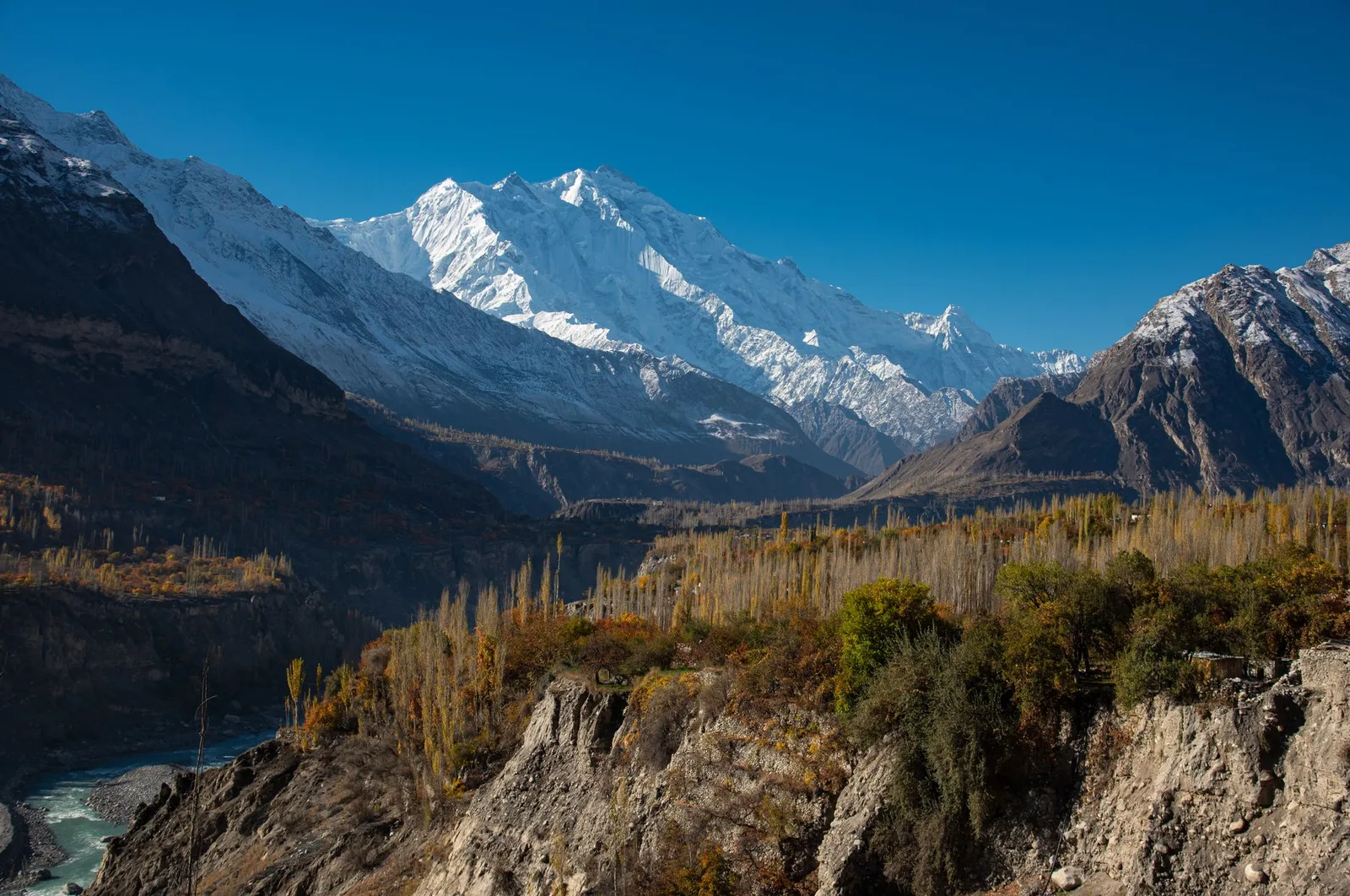
Broad Peak, the world's 12th-highest mountain at 8,047m, sits a short distance from K2 in the Karakoram and was first climbed in 1957 by an Austrian team including Hermann Buhl. It draws a smaller, more specialised field than Everest each summer climbing season — this expedition, according to Kathmandu Post reporting, was organised through the Nepali outfitter Seven Summit Treks, which has been updating affected families as identifications are confirmed.
According to a 31 July press release from the Commissioner of Baltistan, three of the four recovered bodies have now been named: Nepali climbing guide Pur Bahadur 'Yukta' Gurung; Omani mountaineer Nadhira Al Harthy, the first Omani woman and second Omani national to summit Everest; and American climber Mallory Geis. The fourth body has not yet been identified. Separate reporting on satellite-tracking data indicates Purja's device recorded a rapid descent of roughly 800 metres as the avalanche struck, before transmissions stopped — consistent with a climber being swept down the slope, though it confirms nothing about his condition.
A slide hits the team below Camp 3, around 6,600m on Broad Peak's standard route.
The Alpine Club of Pakistan is alerted; bad weather grounds helicopters, so ground teams move in on foot.
Rescuers locate four bodies; three are formally identified by Baltistan's Commissioner.
Six climbers, including Purja, remain unaccounted for as drones scan the debris field.
What This Means for Anyone Watching From Outside Pakistan
Purja became a household name in 2019 after climbing all 14 of the world's 8,000m peaks in six months and six days — a project he began, notably, after a 2012 Everest Base Camp trek turned into an unplanned summit push. His speed record, and the Netflix documentary it inspired, made high-altitude mountaineering feel newly accessible to a global audience. This week's avalanche is a reminder of how different that world still is from guided trekking: Broad Peak has no fixed rescue infrastructure and no permanent weather station, and small teams routinely make life-or-death calls on the mountain using little more than satellite forecasts and their own judgement.
What this means for trekkers
Nepal's own trekking peaks — Island Peak, Mera Peak, the approach to Ama Dablam's base camp — sit inside a very different system: government-mandated guides, established rescue coordination, and routes chosen specifically because their objective avalanche risk is far lower than an unsupported Karakoram 8,000er. If this story has you thinking about the Himalaya, that regulated, guided middle ground is where almost every first-time high-altitude climber should start. See our earlier report on how the search began, and our full range of guided treks and peak climbs in Nepal for the safer route up.
We will update this article as the search on Broad Peak continues and as further identifications are confirmed.
Source: Al Jazeera
Cover photo: Wasif Mehmood via Pexels (Pexels License).
Planning a trek?
Trek this route with us — Ama Dablam Base Camp Trek — 10 Days
NMA-certified local guides, transparent pricing, 5,000+ treks since 1998. Message us your dates and we'll sort the permits, lodges and logistics — reply within 24 hours, no obligation.


Popular Nepal treks
All treks →


Related coverage
Records & People
He Climbed 14 of the World's Highest Peaks in 189 Days. A Mountain He'd Summited Before Just Killed Nirmal Purja
The Nepali-British soldier turned mountaineer shattered a record nobody thought was humanly possible, then died in an avalanche on Pakistan's Broad Peak alongside nine fellow climbers from five countries.
Breaking · Records & People
Nine Months Buried in the Snow: Nepal Just Recovered Five Climbers Lost on a Peak Almost No Trekker Has Heard Of
Rescuers located the bodies of three foreign climbers and two Nepali nationals on August 8, 2026 — nine months after an avalanche buried Yalung Ri's base camp on the closed Tibet border.
Records & People
The First Omani Woman to Summit Everest Died Chasing All 14 of the World's Highest Peaks
Nadhira Al Harthy failed her first mountain in 2015, then reached Everest's summit four years later. On July 30, 2026, an avalanche below Camp III on Pakistan's Broad Peak ended her climb toward the 8,000-metre club.
Records & People
Nepal Just Proposed Renaming Annapurna. Here's Why — and Why It Isn't That Simple
Weeks after Nirmal 'Nimsdai' Purja died on Broad Peak, his home municipality wants to rename the world's deadliest 8,000m peak in his honour — a plan that still needs Kathmandu's sign-off and a French family's blessing.
Latest from the desk

Safety & Advisories
India Sends Around 50 Tonnes of Aid to Nepal as Modi Offers Condolences After the 2026 Floods
India is rushing tonnes of relief and rescue support to flood-hit Nepal, as Prime Minister Narendra Modi conveyed condolences to his Nepali counterpart and pledged India's full solidarity.

Money & Insurance
Does Your Credit Card Include Travel Insurance in 2026? What It Covers — and the Costly Gap
Many premium and travel cards bundle some cover — but it's usually secondary, conditional and capped, and it almost never pays for the emergency medical bill or evacuation that actually bankrupts travellers.

Safety & Advisories
Everyone Is Pledging Millions to Nepal. Here Is Where You Can Actually Send Money
The UN released $2m, the US pledged $500,000, India sent 50 tonnes. None of that helps if you are one person with a card. The official fund, the two alternatives worth trusting, and the scam window that is open right now.