
How to Choose a Trekking Company in Nepal in 2026: The Real Vetting Checklist
After a $19.7 million fake-rescue fraud case rattled Nepal's trekking industry, here is exactly how to verify a licensed, honest operator before you hand over a deposit.
At a glance
- Published
- TopicSafety & Advisories
- Verified againstOCCRP
- Treks coveredAnnapurna Base Camp Trek — 9 Days, Everest Base Camp Trek — 14 Days
The fastest way to check whether a Nepal trekking company is legitimate takes five minutes: ask for their Trekking Agencies' Association of Nepal (TAAN) membership number and Department of Tourism trekking licence, then verify both yourself before you pay a deposit. Skip that step and you are trusting a stranger with your safety, your money and, as a March 2026 court case showed, sometimes your health.
Key facts
- 2,316 agencies are currently listed in TAAN's official members directory (August 2026)
- 32 people were charged in Kathmandu District Court in March 2026 over an alleged $19.69 million fake-rescue insurance fraud
- Since 2026, every major trekking route requires a licensed guide booked through a registered agency — the old solo Green TIMS card no longer exists
- A trekking policy must explicitly cover helicopter evacuation to at least $100,000 and your route's maximum altitude
The case that changed how trekkers should shop
In March 2026, Nepal's Kathmandu District Court charged 32 people — trekking agency owners, helicopter operators and hospital staff among them — with running an organised fraud ring that allegedly billed international insurers at least $19.69 million for evacuations that were never medically necessary. Investigators, reporting through the Organized Crime and Corruption Reporting Project, allege guides deliberately made clients ill, in some cases by secretly adding baking soda to food to mimic altitude sickness or food poisoning, then pushed them toward a helicopter instead of a walk-down. Nine of the accused had appeared in court by the time charges were filed; 23 remained at large.
| Company | Alleged fraudulent claims |
|---|---|
| Mountain Rescue Service P. Ltd. | $10.3M |
| Nepal Charter Service P. Ltd. | $8.2M |
| Everest Experience and Assistance P. Ltd. | $1.1M |
None of this means helicopter rescue itself is unsafe, or that most Nepali operators are dishonest — the overwhelming majority of the 2,316 agencies in TAAN's directory run honest trips every season, and legitimate rescue genuinely saves lives in the Khumbu and Annapurna every year. What it means is that the paperwork you might once have skipped — licence numbers, insurer names, itemised quotes — is now the single best predictor of whether the company on the other end of your WhatsApp chat is one of them.
Five checks that actually work
- Verify the licence, don't just ask for it. Every legitimate agency holds a Department of Tourism trekking agency licence and, usually, a TAAN membership number. Look the agency up directly in TAAN's members directory rather than trusting a number pasted into an email — several companies in the March case operated as registered, licensed businesses for years.
- Get an itemised quote, not a headline price. A standard 12–14 day guided Everest Base Camp package with permits, lodging, a licensed guide and porter typically runs around $1,200–$2,500 per person in 2026. A quote dramatically below that either cuts a corner you won't see until you're on the trail, or pads its margin somewhere you can't audit — commission-driven upsells, including unnecessary evacuations, are exactly how the March case generated its profit.
- Read the insurance clause yourself. Confirm your own policy explicitly names 'helicopter evacuation' and covers your trek's maximum altitude to at least $100,000, and ask your operator in writing whether evacuation calls are ever made without your consent. Our own Nepal trekking insurance guide covers exactly what to check before you buy.
- Ask who employs your guide. A reputable agency employs its guides directly and can name yours before departure, rather than arranging a day-labour pickup in Thamel the night before. Ask for your guide's name and licence number in advance and verify it.
- Check the contract for a walk-down clause. Reputable operators will always offer to descend on foot for mild symptoms before proposing a helicopter. If a company's default answer to any discomfort is 'let's fly you out', treat that as a red flag, not a service.
What this means for trekkers
The 2026 mandatory-guide rule means you can no longer trek solo on Nepal's major routes, so the operator you choose is no longer a preference — it is your only line of defence on the mountain. Spend the five minutes verifying it before you spend the deposit.
This checklist matters most if you're booking directly with a Nepal-based agency by WhatsApp or email; if you're booking through an international reseller, ask them to hand over the same underlying operator's licence and TAAN numbers before you pay anything. Once you've verified an agency, the itinerary matters almost as much as the paperwork: routes that build in rest days for acclimatisation, like a full 14-day Everest Base Camp trek or a 9-day Annapurna Base Camp itinerary, cost more than a rushed version for a reason — and a company willing to explain that trade-off honestly is usually the same one that will tell you the truth if something goes wrong at 4,500 metres.
Source: OCCRP
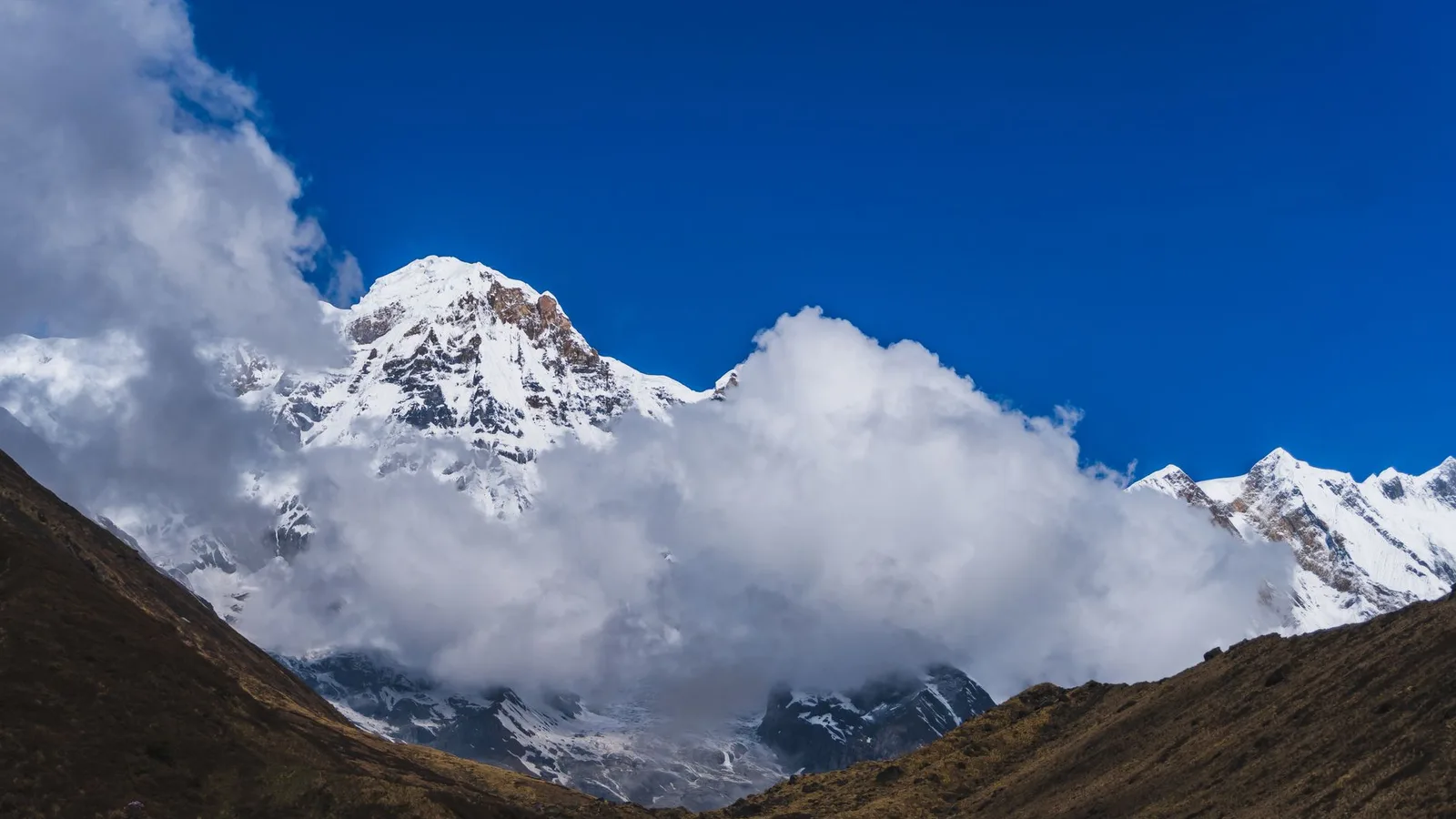
Cover photo: Abdul Kayum via Pexels (Pexels License).
Planning a trek?
Trek this route with us — Everest Base Camp Trek — 14 Days
NMA-certified local guides, transparent pricing, 5,000+ treks since 1998. Message us your dates and we'll sort the permits, lodges and logistics — reply within 24 hours, no obligation.


Popular Nepal treks
All treks →


Related coverage
Safety & Advisories
How Do You Actually Choose a Trekking Company in Nepal? The License, Insurance and Red-Flag Checklist for 2026
Nepal's rules on guides and insurance have tightened three times since 2023 — here is exactly what a licensed, safe operator can prove, and what a $19.6 million fraud scandal shows happens when nobody checks.
Safety & Advisories
How to Choose a Safe Trekking Company in Nepal (2026): The Questions That Actually Predict a Fast Rescue
It's not price or star ratings that decide whether a bad day on the trail ends safely — it's whether your operator's rescue paperwork is already filed before you leave Kathmandu.
Safety & Advisories
Solo Female Trekker in Nepal? Here's How to Vet a Guide and Choose a Trek in 2026
Nepal has required every foreign trekker to hire a licensed guide since April 2023, which changes the real question for solo women from should I go alone to how do I pick the right guide and route. Here is the honest checklist.
Safety & Advisories
Is Trekking in Nepal Safe in 2026? What the Real Death and Rescue Data Say
Altitude sickness, not crime, is what kills trekkers in Nepal — a fresh ACAP toll and a Kathmandu safety panel show exactly where, and how to avoid becoming a statistic.
Latest from the desk

Safety & Advisories
Travel Advisories Explained (2026): How to Read Government Warnings — and Why They Can Void Your Insurance
The US, UK, Australia and Canada each rate country risk differently. Here is what every advisory level actually means, how regional warnings work, and the fine print that can void your travel insurance.
Records & People
Disney Just Confirmed It's Fixing Its Broken Yeti — Here's the Real 300-Year-Old Relic That Started the Legend
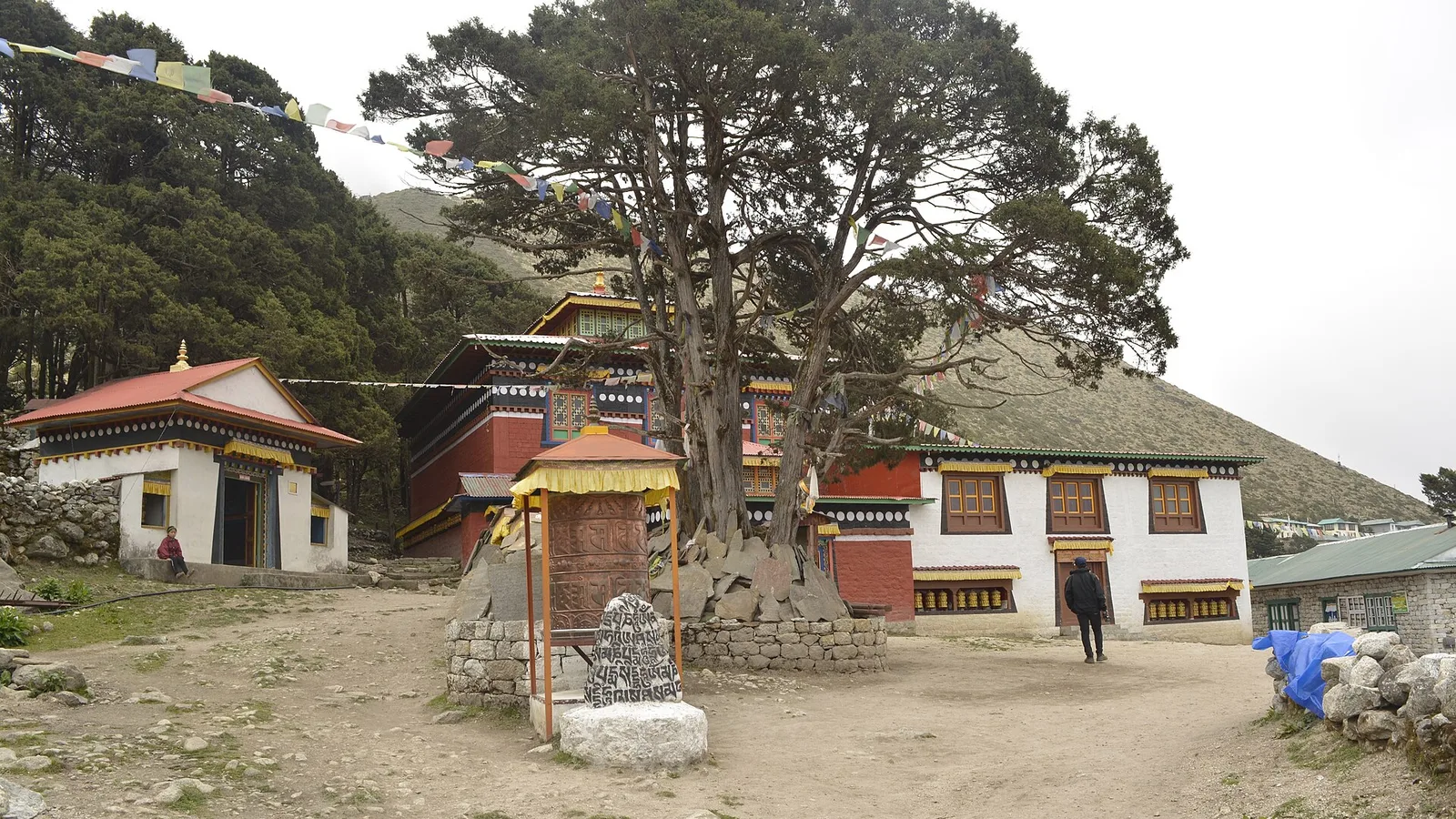
The animatronic Yeti at Disney World has run stuck in place since 2006. The Sherpa monastery guarding the scalp said to have inspired it has kept its own mystery going a lot longer.
Industry & Tourism
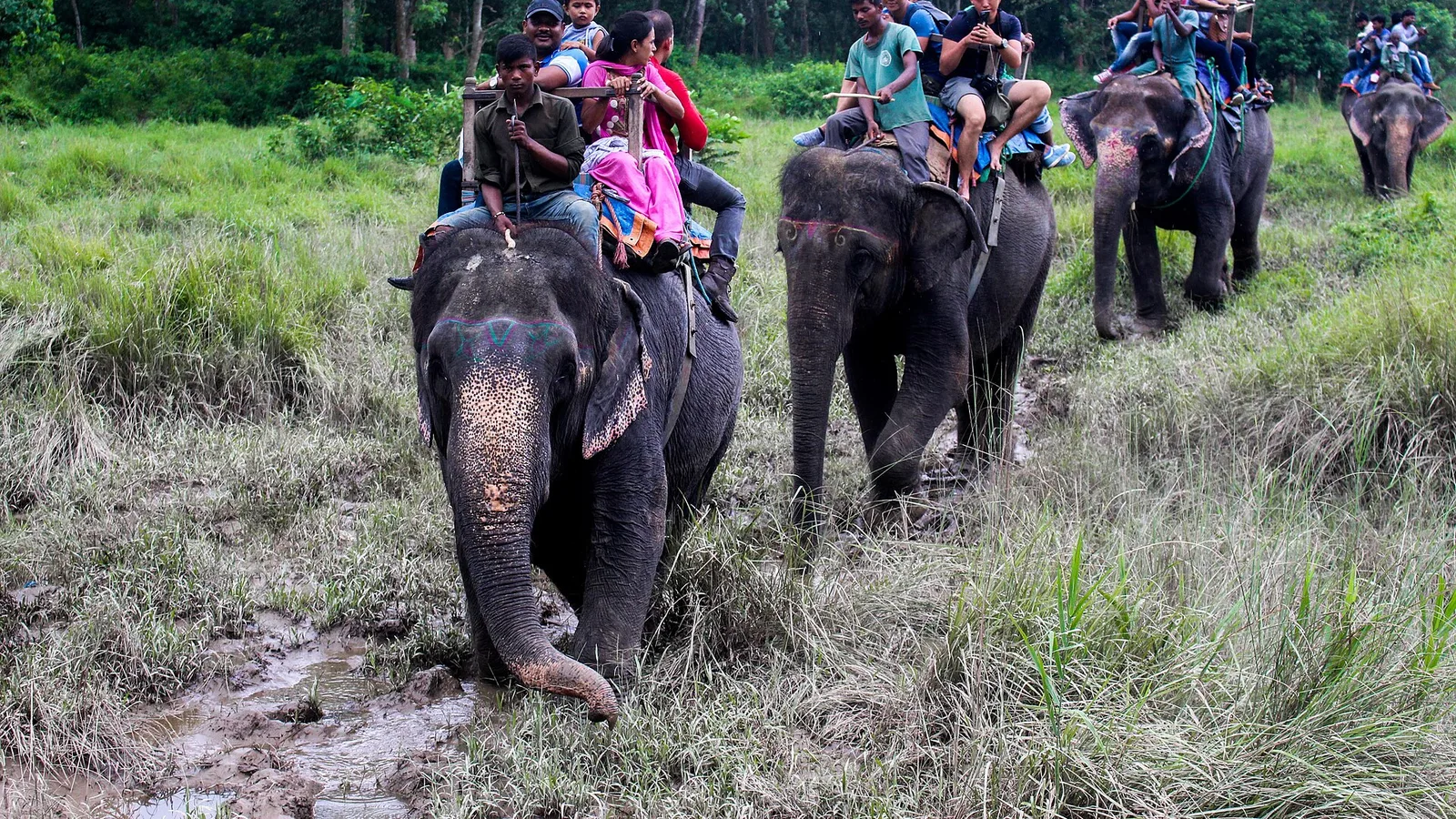
Nepal's Supreme Court Just Ruled on Elephant Safaris in Chitwan — What It Means for Your Jungle Trip
A 62-point court order is pushing Nepal's most famous jungle safari away from riding elephants. Here's what's actually changing in Sauraha, and what your options are now.