
Is the Ganesh Himal / Ruby Valley Trek Affected by the 2026 Nepal Floods?
Partly — and this is the honest exception. The trail itself was not flooded, but its Syabrubesi gateway and the Kathmandu–Syabrubesi road were hit by the 26 August flood. Assess access before you go — or take an open alternative.
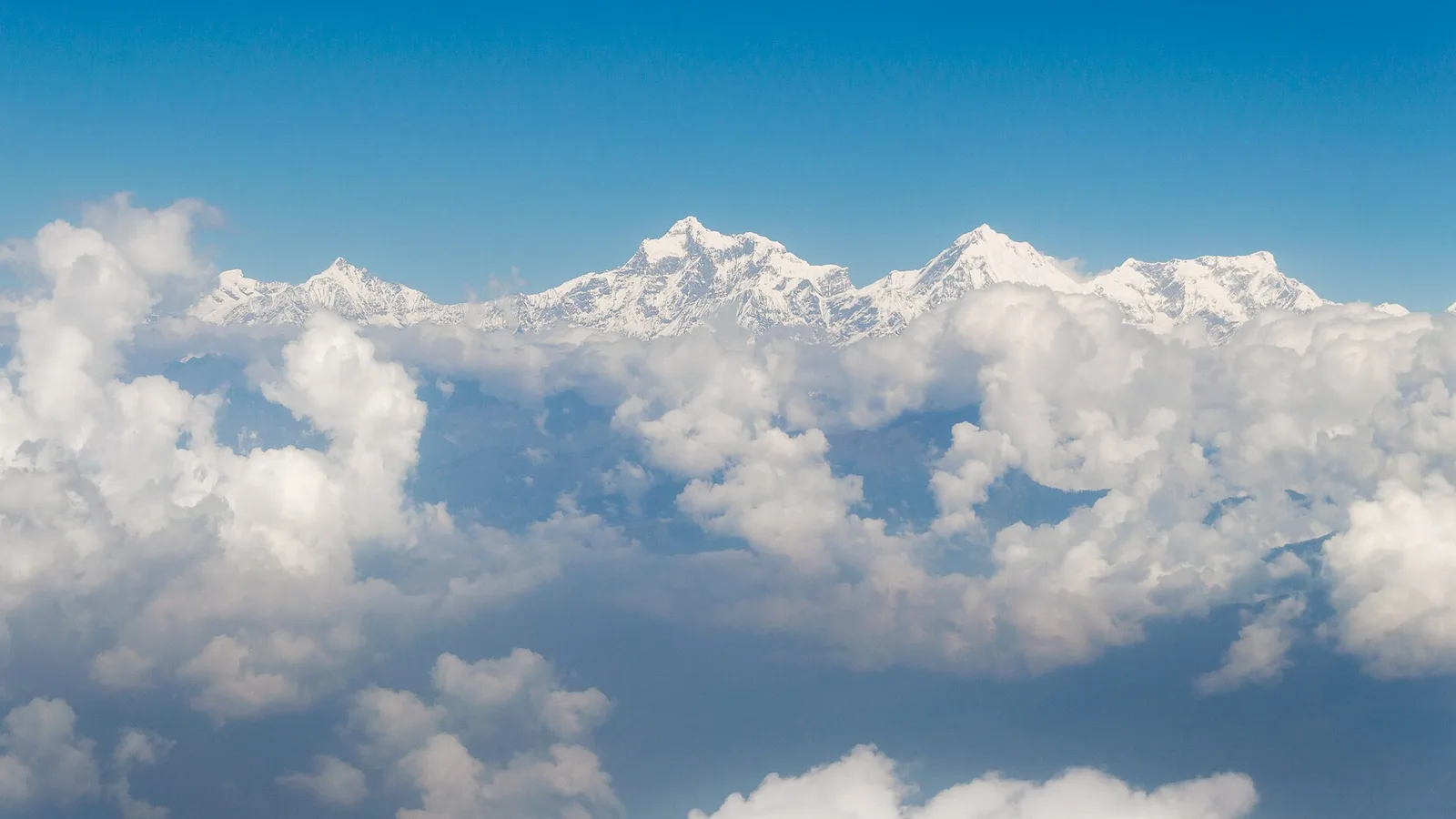
At a glance
- Published
- TopicSafety & Advisories
- ReportingOriginal, by our guides in Pokhara
- Treks coveredRuby Valley Trek — 7 Days, Ruby Valley Trek — 8 Days
📍 Developing story — live updates
The 2026 Nepal floods are a nationwide, still-developing emergency and the figures are rising. For the latest verified death toll, missing and rescued numbers and trek status, follow our continuously updated Nepal Floods 2026: Live Updates.
Last updated: 29 August 2026. This is the one flood-status piece I have to write differently from the others. I plan logistics on these trails for a living, and I am not going to tell you it is business as usual when it is not.
Is the Ganesh Himal / Ruby Valley trek affected by the 2026 Nepal floods? Partly — yes, and this is the honest exception. The mountains and the high villages of the trek were not hit. But the trek's most common gateway is Syabrubesi, and Syabrubesi sits in Rasuwa district on the Bhote Koshi — the exact town and river the 26 August 2026 flash flood tore through. The Kathmandu–Syabrubesi road (the Pasang Lhamu Highway) was damaged by that flood and the landslides around it. The trek's other access, from Dhading Besi in the south, runs through Dhading district, which was on flood alert in the same event. So: the trail itself is intact, but getting to it is genuinely disrupted right now. If you are set on autumn dates, read this before you commit — and I will point you to an equal trek that is fully open.
Ganesh Himal / Ruby Valley — the honest status
- Affected by the 26 August flood? Partly — through access, not the trail. The flood was on the Bhote Koshi in Rasuwa. The Ruby Valley trekking route sits west of there, between the Ganesh Himal massif and the Dhading–Gorkha hills, and was not itself flooded.
- The Syabrubesi gateway is compromised. Many Ruby Valley itineraries start or finish at Syabrubesi via the Kathmandu–Syabrubesi road. That town was hit and that road was damaged by the flood and associated landslides. Do not assume the Syabrubesi approach is usable right now.
- The Dhading Besi side is the resilient route — but confirm it. The trek can be walked from Dhading Besi / Sertung in the south, away from the Bhote Koshi. Dhading district still recorded flood losses in the lower river flats, and monsoon landslides are common on that hill road, so the road-head must be confirmed on the day, not assumed.
- Best season is October–November. The flood hit in late monsoon. Ruby Valley is a spring-and-autumn trek; by the time the season proper opens, we will have a much clearer read on which approach is running.
- My advice today: assess before you go, or switch. If your dates are flexible, wait for the road picture to settle and go via Dhading Besi. If they are fixed, take an equally beautiful trek that is fully open right now — options below.
Why this trek is the exception, not the rule
Most of Nepal's treks are in different watersheds from the flood and are completely unaffected — that is the honest answer for Everest, Annapurna, Manaslu and most of the rest. Ruby Valley is the awkward case because of where you enter and leave it, not where you walk.
The 26 August flood surged down the Bhote Koshi from Tibet into Rasuwa and on into the Trishuli, hitting Timure and Syabrubesi hardest and sweeping away long sections of the Betrawati–Rasuwagadhi road and dozens of bridges, according to reporting collated by Wikipedia's running summary and outlets including CNN. Syabrubesi is the road-head for Langtang — and it is also, for many operators, the start or finish point of the Ruby Valley / Ganesh Himal loop, which links Syabrubesi over the Pangsang / Singla passes down to Somdang, Tipling, Sertung and out to Dhading Besi.
The high part of that loop — the Ganesh Himal Base Camp side, the ridge villages, the passes — was not in the flood. But if your itinerary depends on driving up the Kathmandu–Syabrubesi road to begin, that road took real damage, and I will not pretend a bus can simply roll up it as before. The southern approach through Dhading Besi avoids the Bhote Koshi entirely, which is why it is the route we would use now — but Dhading was itself under flood alert in this event, and its hill roads slide in the monsoon like every other, so it is a “confirm the road-head on the day” situation, not a guarantee.
I would rather lose the booking than put you on a compromised road for the sake of saying yes. That is the whole point of asking a local before you travel.
The Ruby Valley loop, access checked
Here is the trek broken into what the flood actually touched — the access, not the walking.
| Stage / region | Watershed & where it is | Status & what to do |
|---|---|---|
| Kathmandu (permits, briefing) | Central hub | Normal — permits issued as usual |
| Approach via Syabrubesi (Kathmandu–Syabrubesi road) | Bhote Koshi, Rasuwa — the flood zone | Disrupted — road damaged by the 26 Aug flood; do not assume it is usable, confirm before booking this side |
| Approach via Dhading Besi / Sertung (southern road) | Lower Dhading hills, off the Bhote Koshi | Preferred route now, but Dhading was flood-alerted & hill roads slide — confirm the road-head on the day |
| Somdang → Tipling → Chalish (ridge villages) | Ganesh Himal foothills, Dhading/Gorkha border | Trail not flooded; teahouses limited — go with a guide who has checked ahead |
| Pangsang / Singla passes & Ganesh Himal Base Camp side | High Ganesh Himal, west of Rasuwa | Not in the flood zone; standard high-trail weather rules apply |
| Exit to Dhading Besi & drive to Kathmandu | Lower Dhading | Confirm road on the day — monsoon landslides possible |
The permits — this is a restricted, teahouse-scarce area needing a guide and proper paperwork — are arranged in Kathmandu and are not the problem. The problem is a single, honest one: the roads in and out. For the wider picture of which regions are open, our region-by-region status page is kept current.
What I would actually do
If your dates are flexible and Ruby Valley is the dream, wait a few weeks. As the monsoon ends and the autumn season opens, the southern Dhading Besi approach should clear and we will have a reliable read on it. We would run the loop from that side, skip Syabrubesi entirely while its road is being rebuilt, and go with a guide who has walked ahead to check that the ridge teahouses are open.
If your dates are fixed and you want to trek this autumn without the uncertainty, take a trek in a fully-open region. The nearest match in feel — remote, cultural, big mountains — is the Manaslu Circuit in Gorkha, on the Budhi Gandaki, which is running normally (here is why). If you want something completely clear of the whole affected zone, the Annapurna region in the west is open and reliable. Both give you the wild, high Nepal that draws people to Ruby Valley, without the road question mark.
A local guide's take
Let me be precise rather than reassuring, because Ruby Valley is the one where reassurance would be dishonest. The trail and its high villages were not flooded — but its main gateway, Syabrubesi, was, and the road to it is damaged. The southern Dhading Besi approach is the way we would run it now, and even that needs the road-head confirmed on the day. So my answer is not “you're fine” and it is not “cancel Nepal” — it is “assess before you go, and if you can't wait, take Manaslu or Annapurna, which are open.” Message us and tell me your dates; I will tell you honestly whether Ruby Valley is on for them or whether you are better served elsewhere.
What you can book for autumn
Ruby Valley when access clears — and open alternatives right now
If you want Ruby Valley, we run it from the Dhading Besi side and confirm the road-head before you fly — talk to us first:
- Ruby Valley Trek — 8 days · from US$660 per person in a group of eight (US$900 solo). We will only confirm dates once the southern approach is verified.
- Ruby Valley Trek — 7 days · from US$600 per person (US$820 solo). Same route, one day shorter.
Prefer a fully-open trek for fixed autumn dates? Two I would put you on today:
- Annapurna Base Camp Trek — 6 days · from US$505 per person (US$695 solo). Far west of the flood zone, running normally.
- Manaslu Circuit — the closest match in feel to Ruby Valley, on a separate river in Gorkha and unaffected.
Tell me your dates and I will give you the straight answer on Ruby Valley — message us on WhatsApp or use the contact form.
Related reading
- Nepal trekking conditions right now: region-by-region status after the 2026 floods
- Bhote Koshi flash flood, 26 August 2026: what happened in Rasuwa district
- Nepal Floods 2026: live updates, death toll and trek status
Sources: Wikipedia — 2026 Nepal floods; CNN live coverage. Access status reflects flood and late-monsoon road damage to the Kathmandu–Syabrubesi corridor and must be reconfirmed with the operator before travel.
Cover photo: Solundir via Wikimedia Commons (CC BY-SA 3.0).
Still running this season
Ruby Valley Trek — 7 Days is running normally
NMA-certified local guides, transparent pricing, 5,000+ treks since 1998. Message us your dates and we'll sort the permits, lodges and logistics — reply within 24 hours, no obligation.


Popular Nepal treks
All treks →


Related coverage
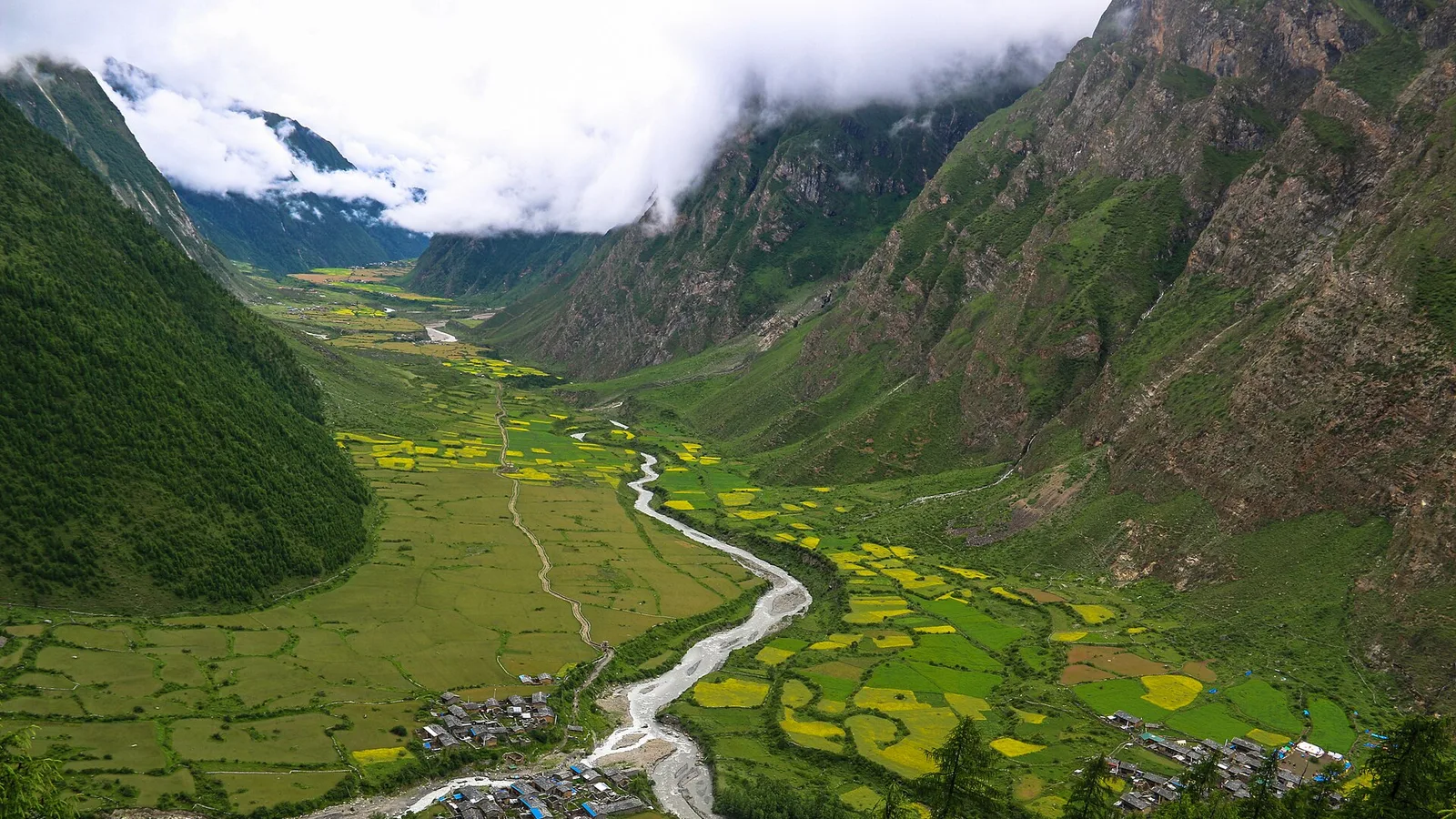
Safety & Advisories
Is the Tsum Valley Trek Affected by the 2026 Nepal Floods?
Short answer: no. Tsum Valley is in the Manaslu region of Gorkha district, on the Budhi Gandaki — a separate valley from the flood-hit Bhote Koshi in Rasuwa. The trail is running normally; the one honest caveat is the monsoon approach road.
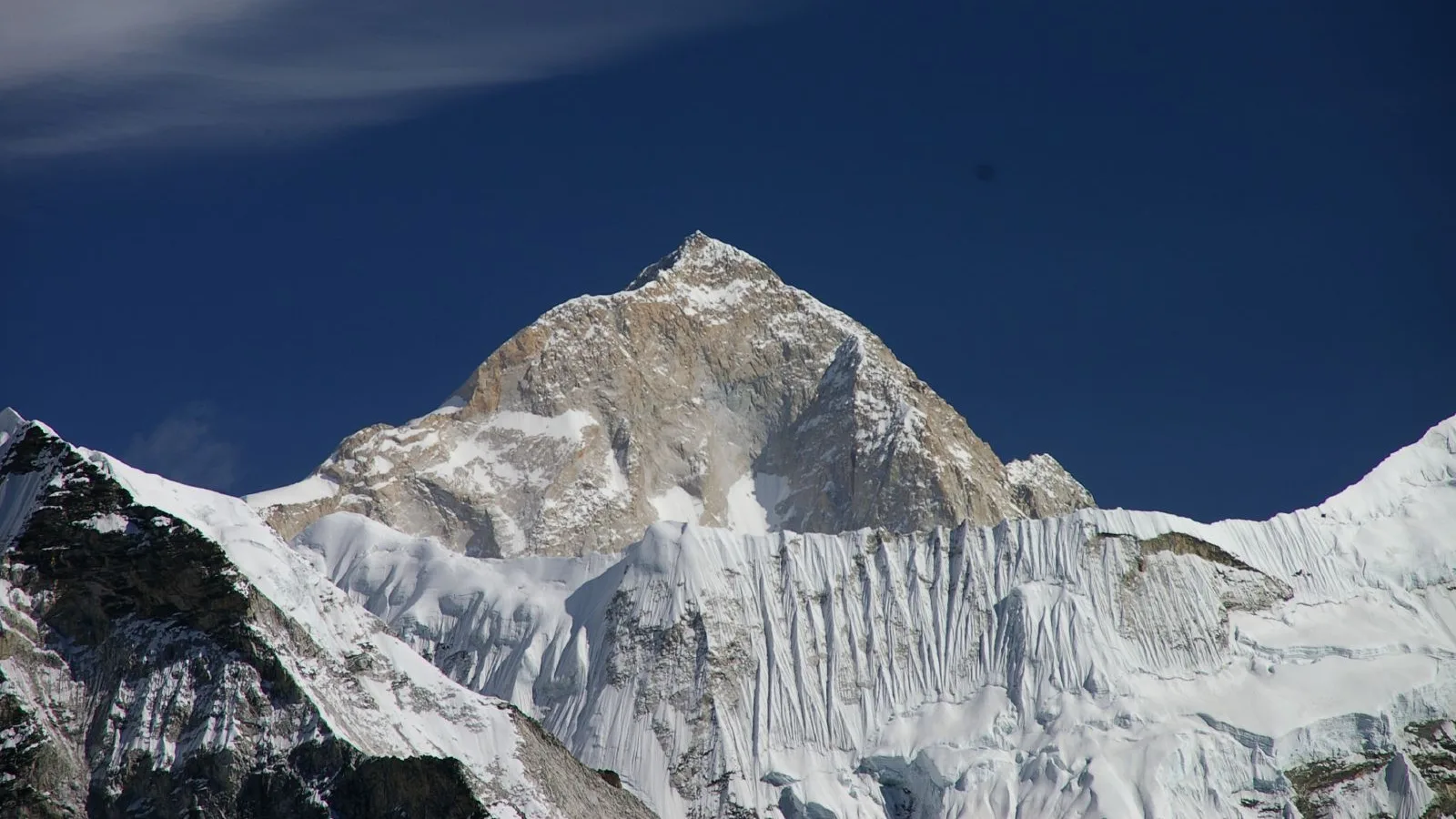
Safety & Advisories
Is the Makalu Base Camp Trek Affected by the 2026 Nepal Floods?
No — Makalu is in the far east of Nepal, running normally. The 26 August flood hit Rasuwa in the north, ~250–300 km away. Here is why the Tumlingtar flight and the Barun-valley trail are unaffected.
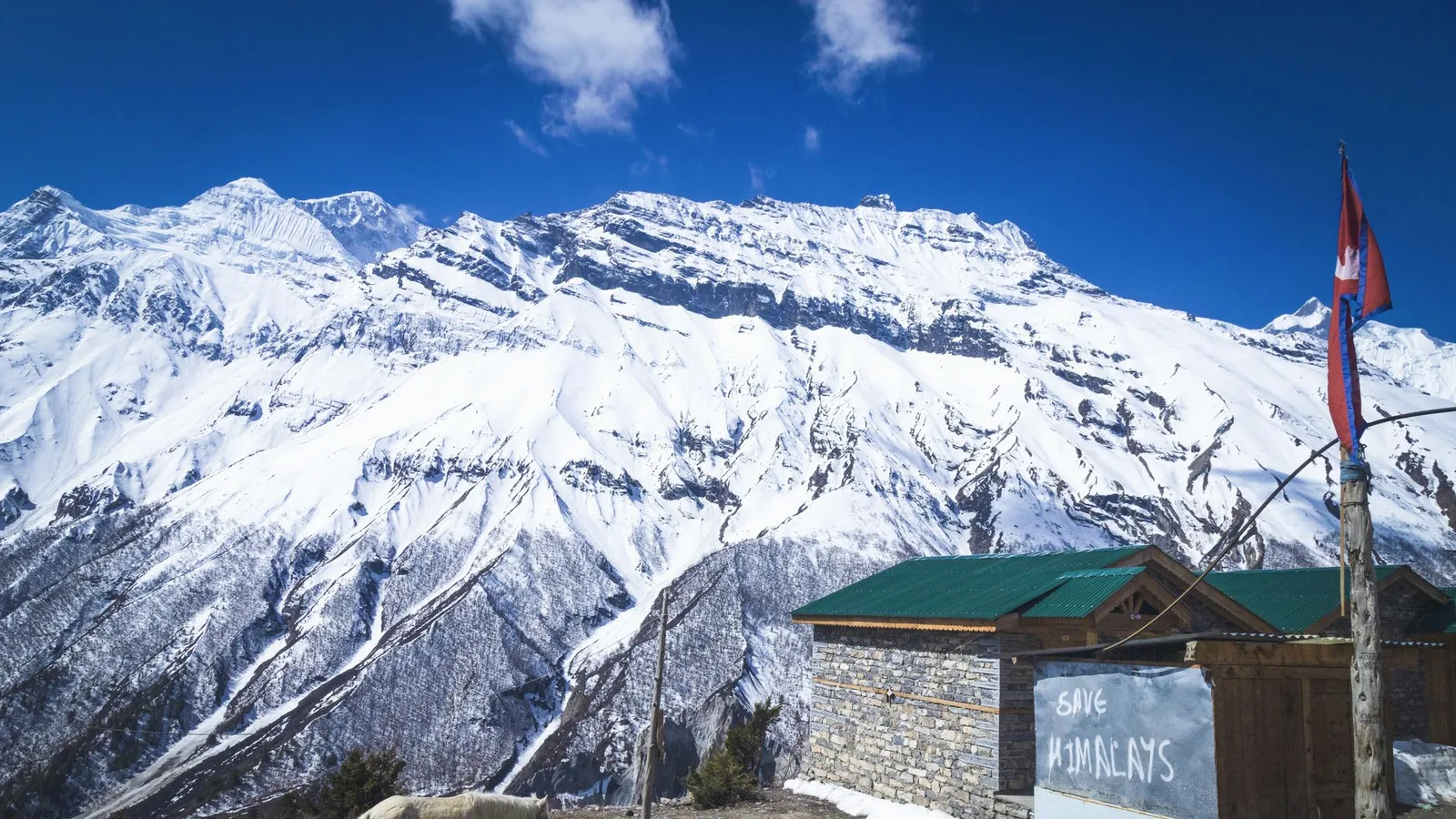
Safety & Advisories
Is the Nar Phu Valley Trek Affected by the 2026 Nepal Floods?
No — Nar Phu is a restricted Annapurna-region valley in Manang, on the Marsyangdi, far from the flood-hit Bhote Koshi in Rasuwa, and it is running normally. Here is why the trail is unaffected, plus the one monsoon road caveat.
Safety & Advisories
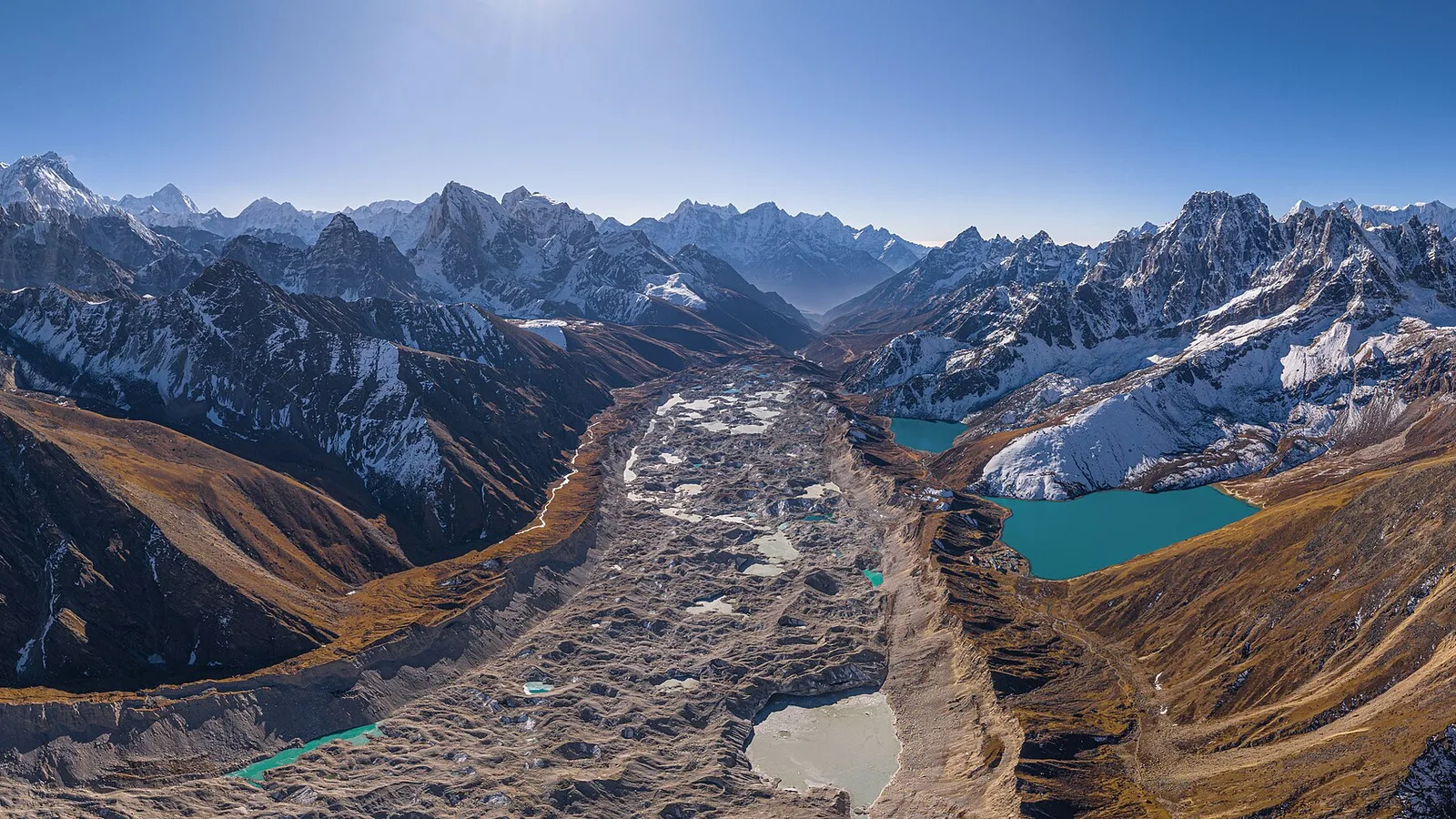
Is the Gokyo Lakes Trek Affected by the 2026 Nepal Floods?
No — the Gokyo valley in the Everest region is running normally. The 26 August flood hit Rasuwa in the north, not the Khumbu. Here is why Lukla flights and the Gokyo Lakes trail are unaffected.
Latest from the desk
Safety & Advisories
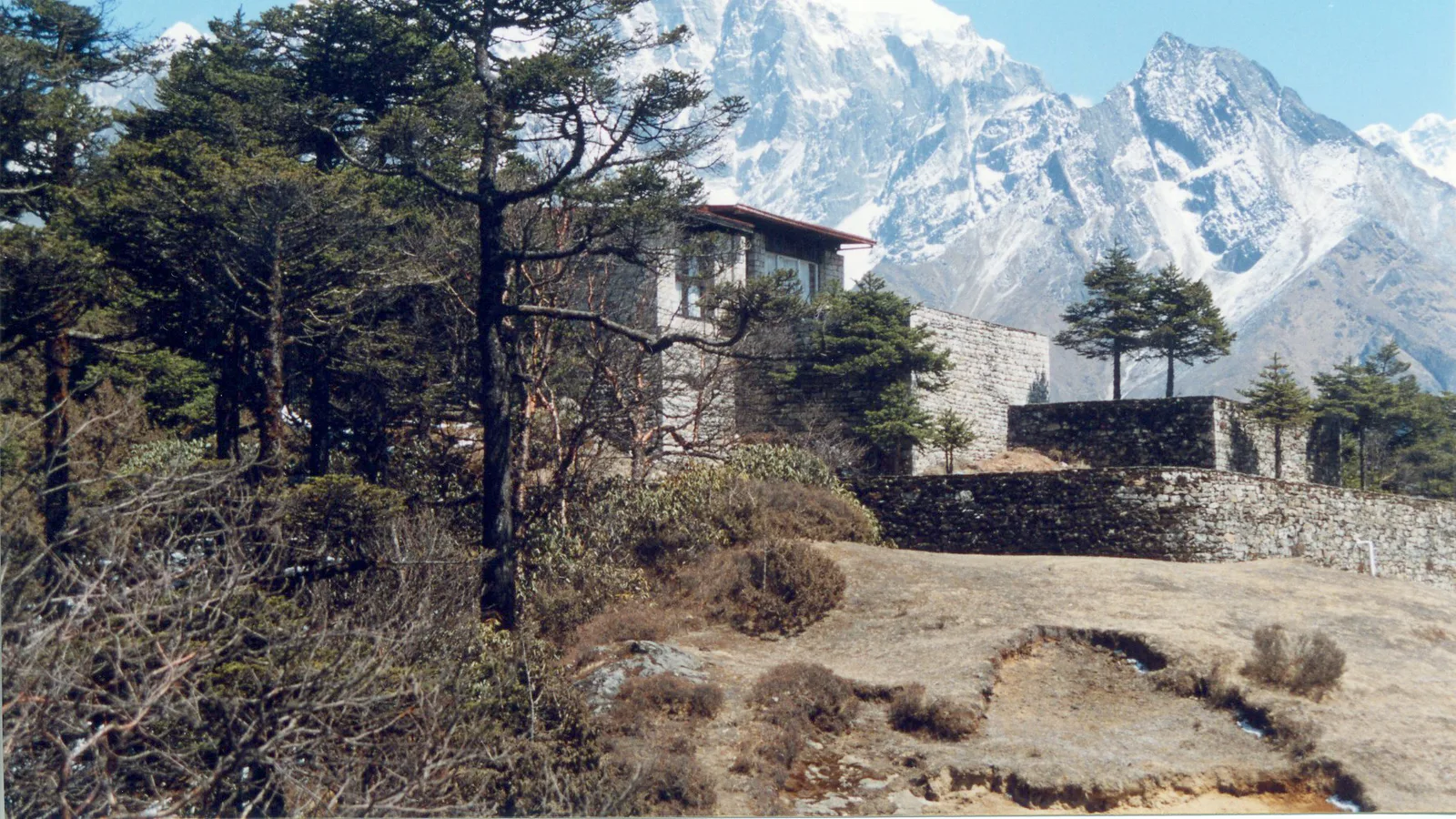
Is the Everest Panorama View Trek Affected by the 2026 Nepal Floods?
No — the Everest View (Panorama) trek in the Khumbu is running normally. The 26 August flood hit Rasuwa in the north, not the Everest region. Here is why Lukla flights and the Namche–Tengboche trail are unaffected.
Safety & Advisories
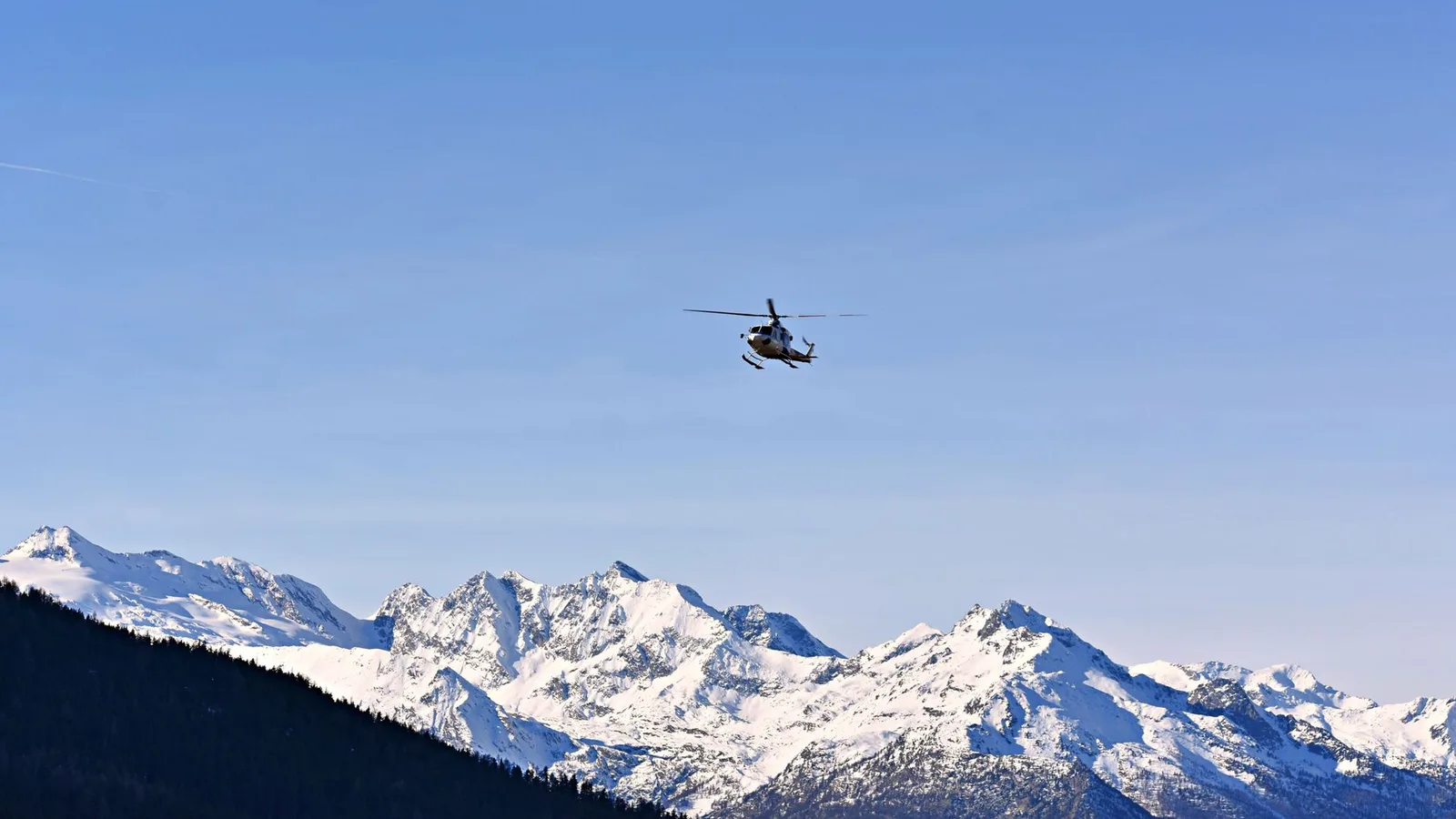
Is the Everest Base Camp Helicopter Tour Affected by the 2026 Nepal Floods?
No — the Everest helicopter tour flies from Kathmandu into the Khumbu in the east and touches no mountain road, so the Rasuwa flood does not affect it. The only real variable, as always, is the weather.
Safety & Advisories
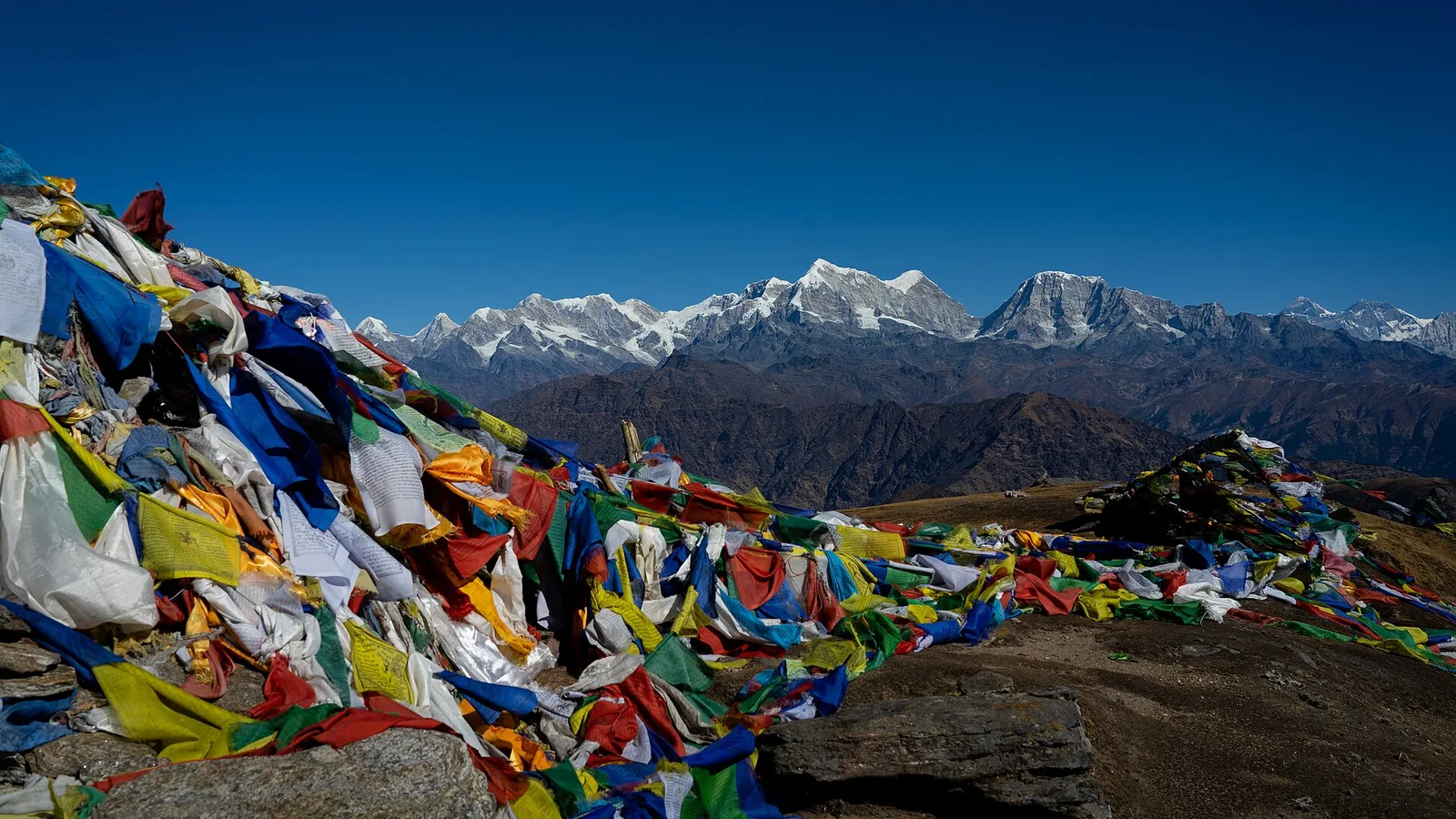
Is the Pikey Peak Trek Affected by the 2026 Nepal Floods?
No — Pikey Peak is a road-access ridge trek in lower Solukhumbu, in the east, on a different river system from the flood-hit Bhote Koshi in Rasuwa. Here is why it is running normally — and the one road detail to confirm.