
Which Nepal trails close in the monsoon rains, and how to trek them safely
The monsoon rewrites Nepal’s trail map daily, mostly through its roads. Where the risk is highest, where it is not, and the calls that keep you safe.
At a glance
- Published · updated
- TopicSafety & Advisories
- Verified againstDepartment of Hydrology and Meteorology
- Treks coveredAnnapurna Circuit Trek with Tilicho Lake — 17 Days, Annapurna Circuit Trek — Fly Jomsom 12 Days
Why the roads close before the trails
Key facts
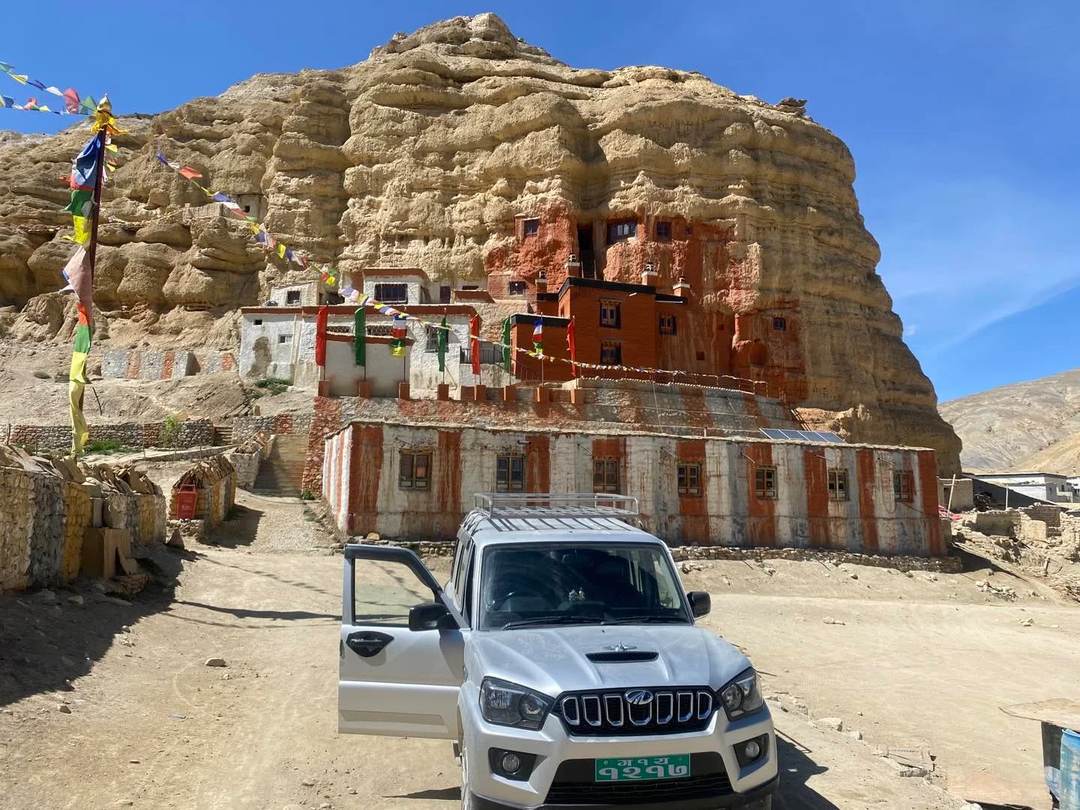
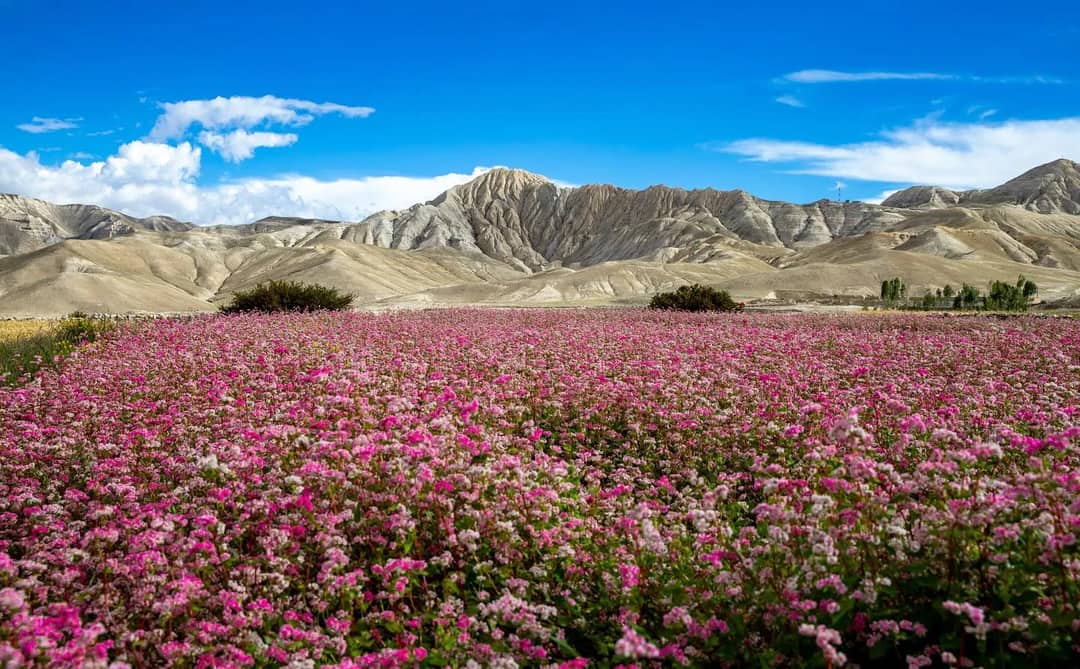
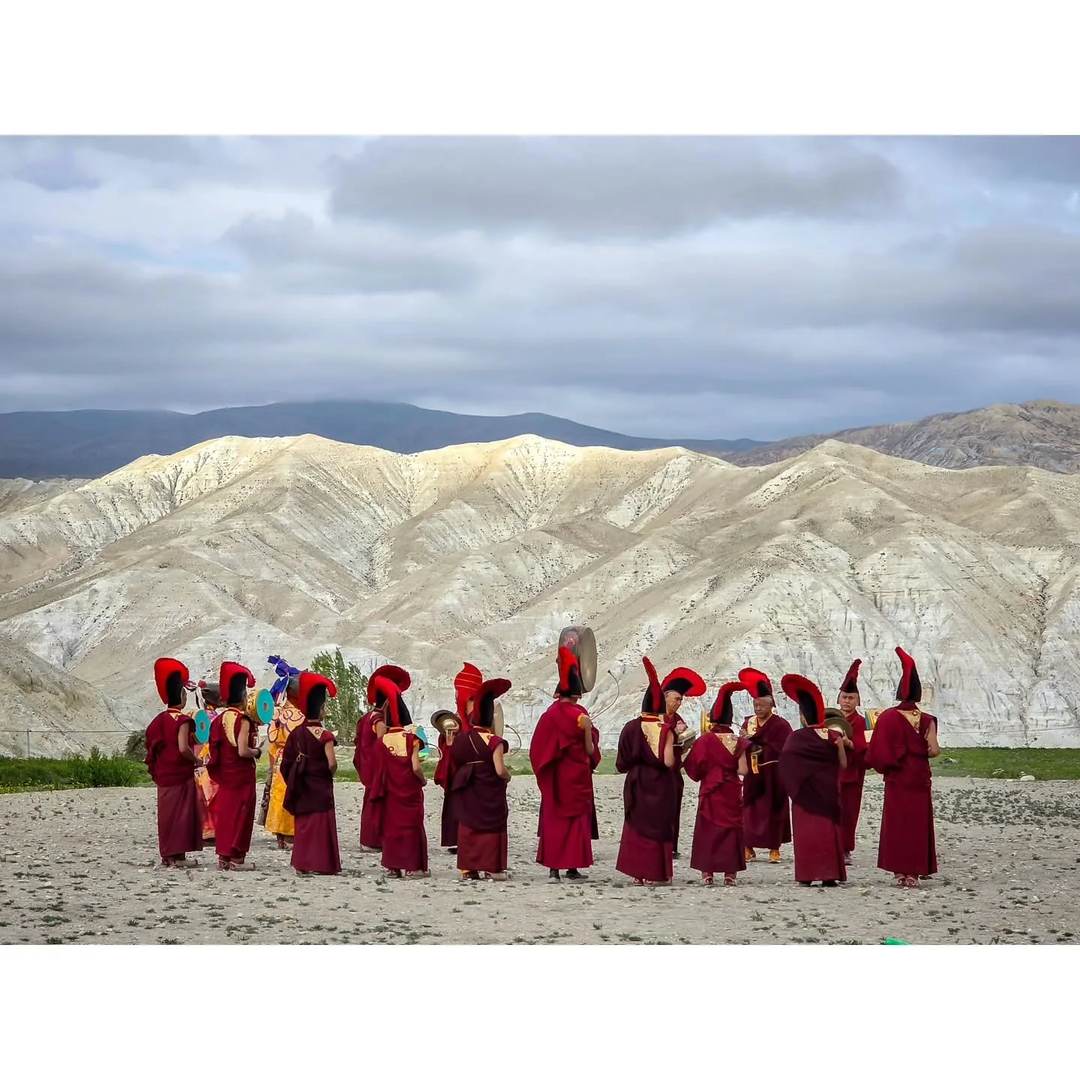
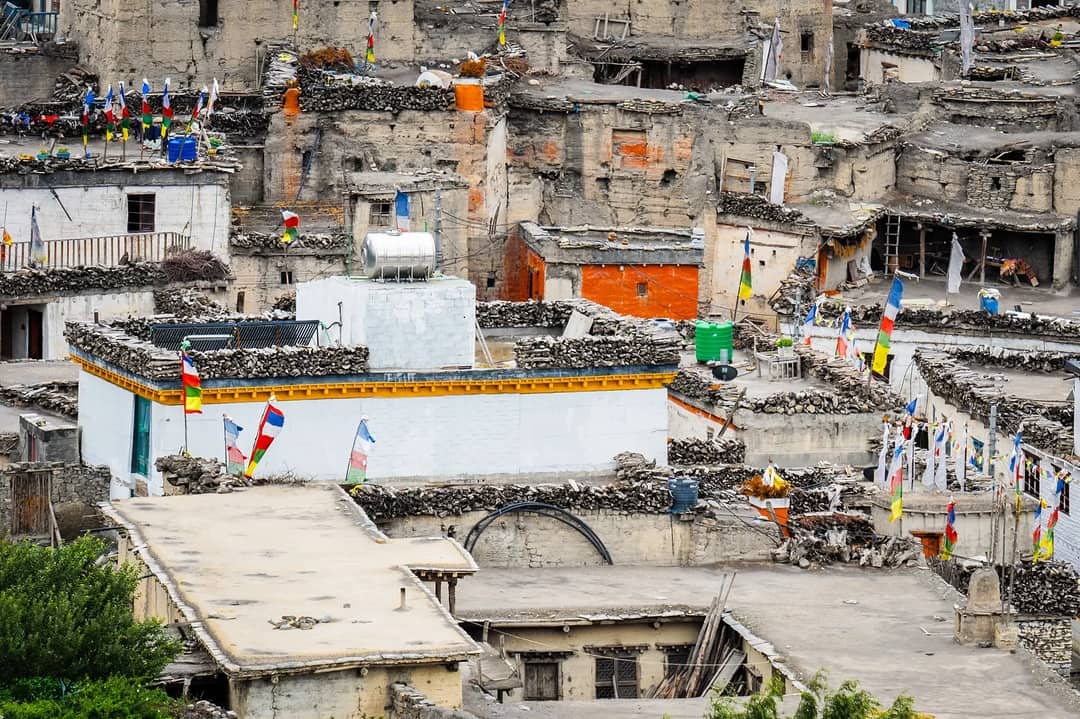
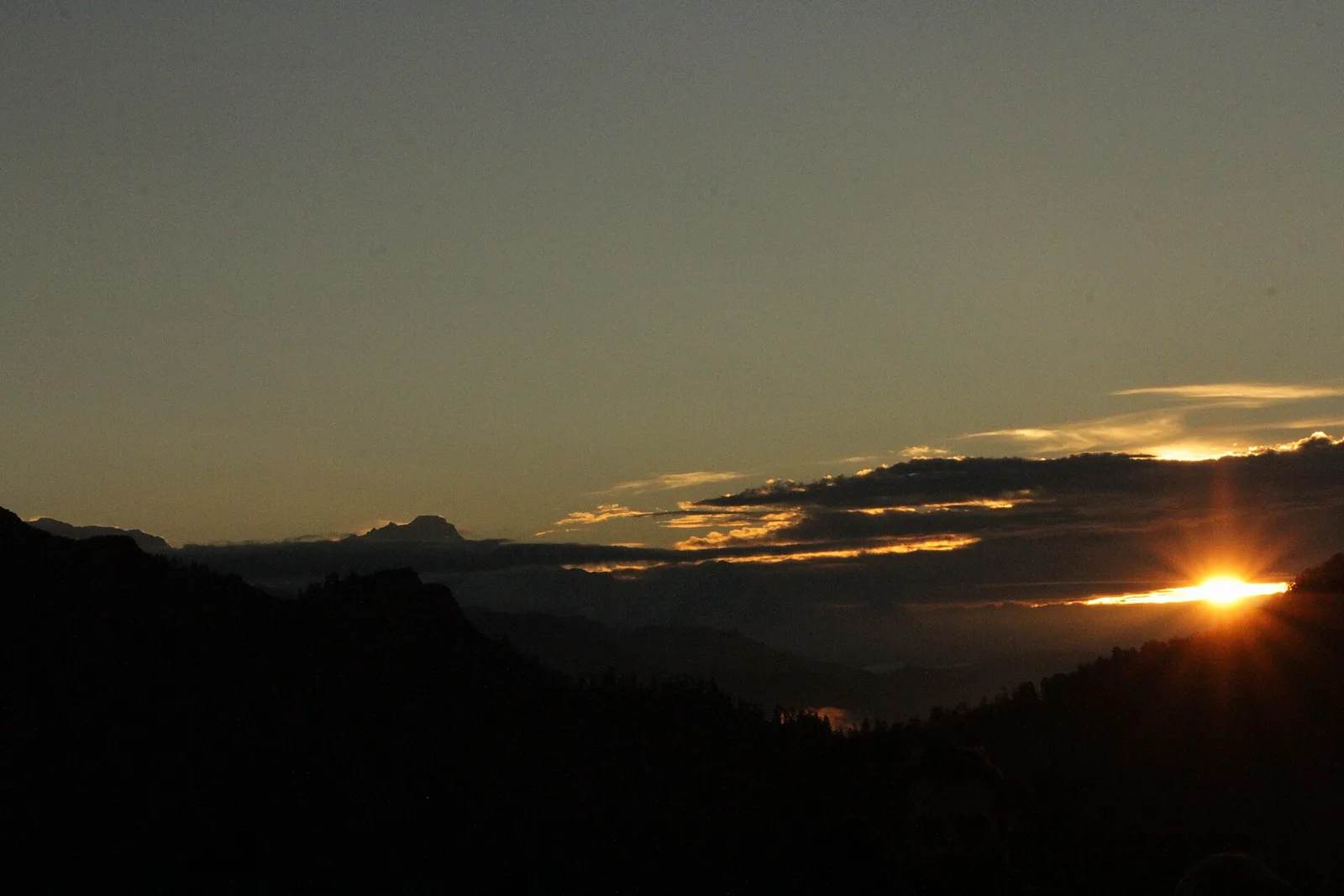
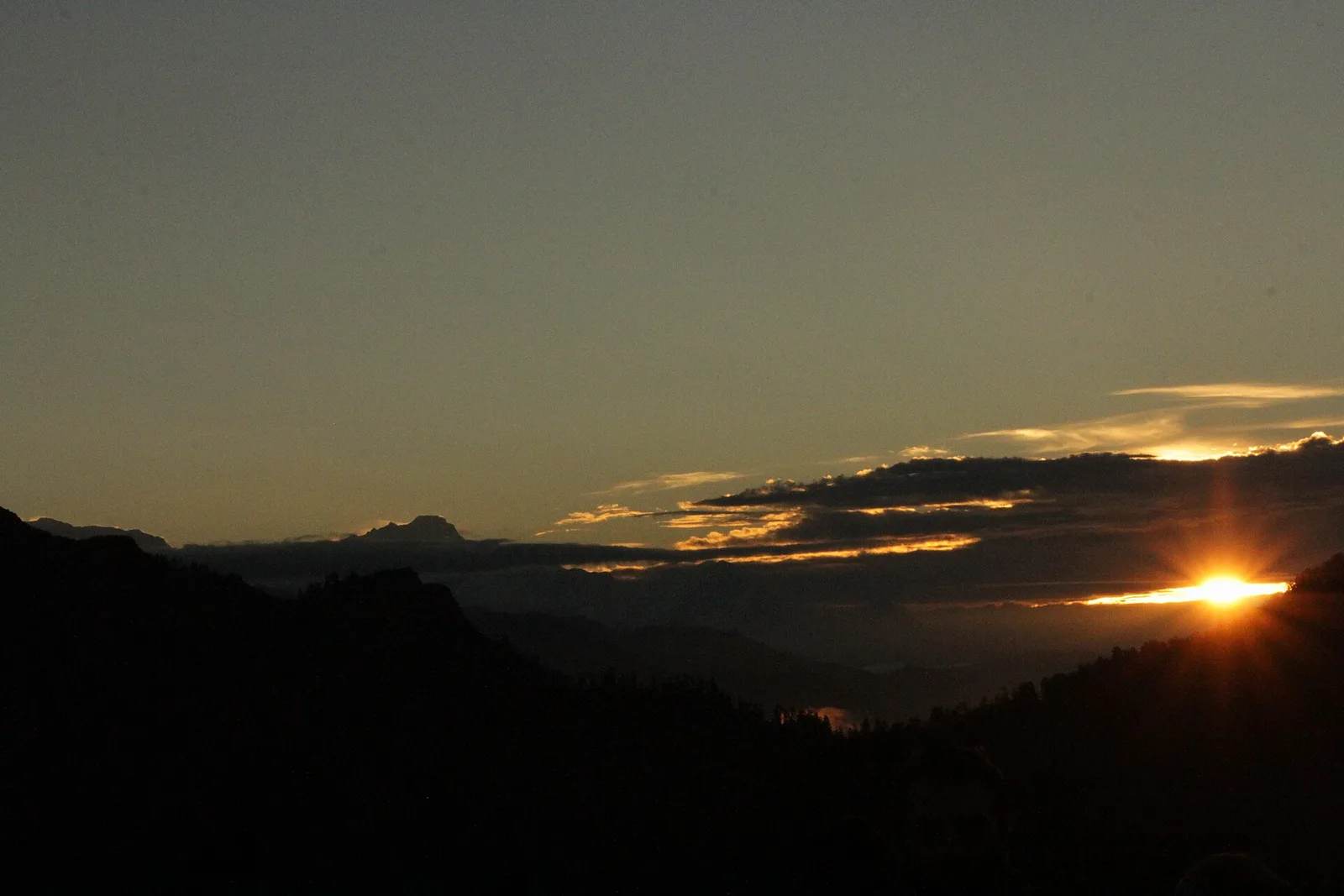
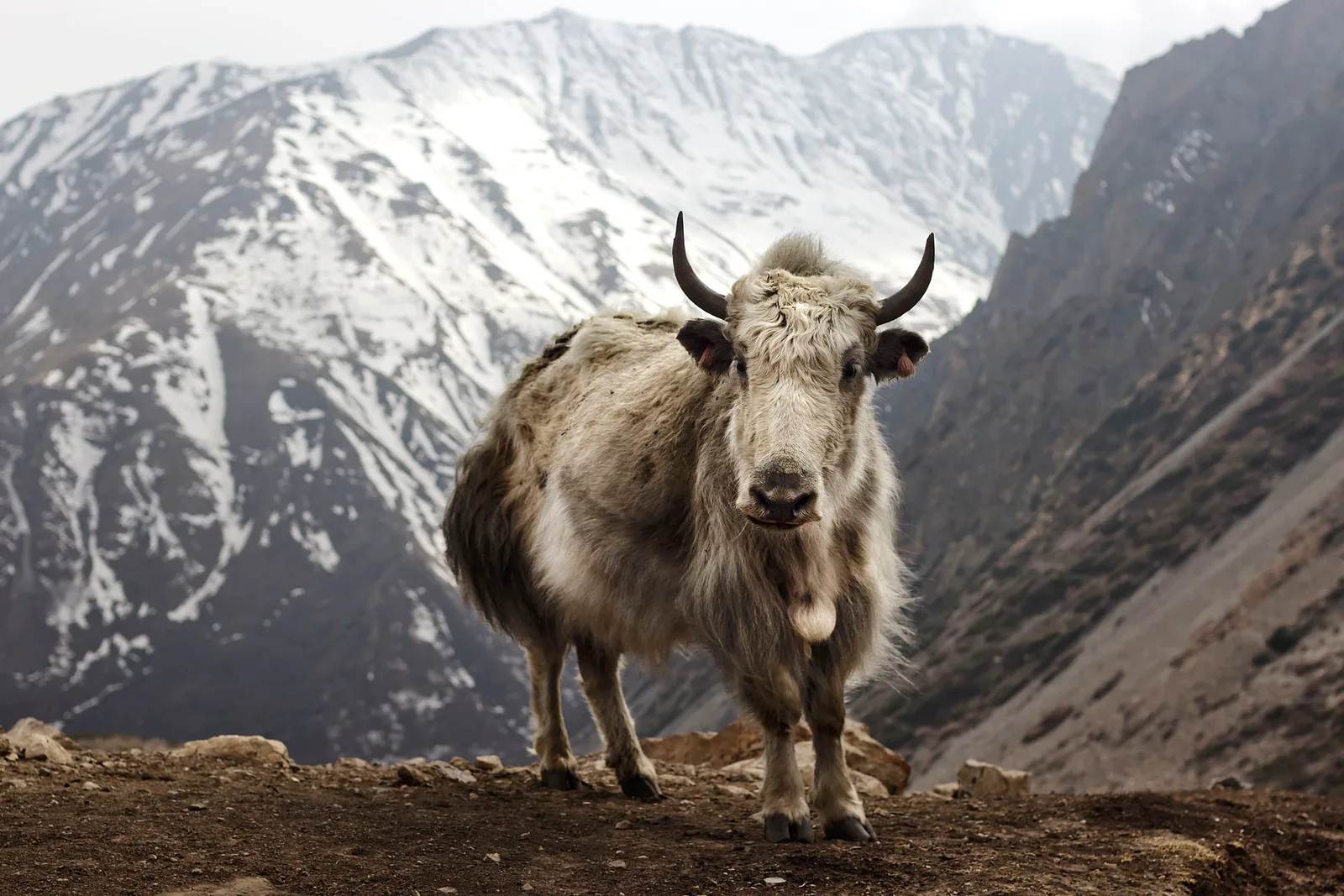
From the trail · Mustang
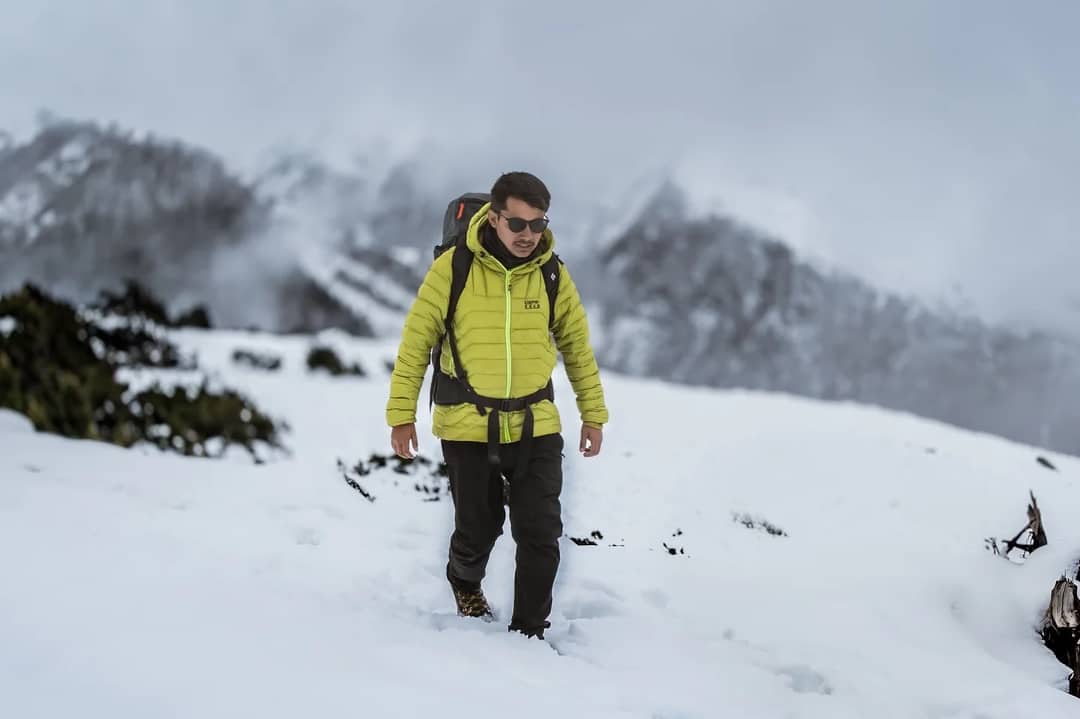
- The monsoon brings the great majority of Nepal's annual rain between mid-June and mid-September, with July and August the wettest.
- Landslides and flash floods — not altitude — are the main objective hazard of monsoon trekking.
- The first thing the rain closes is usually the road to the trailhead, not the trail itself.
- North of the main Himalaya, the rain-shadow regions stay dry and walkable all summer.
People tend to imagine monsoon danger as something that happens high on the mountain. In our experience it is the opposite. The rains rarely trouble you above the tree line, but they can wash out the road that gets you to the trail, turn a forest path into a mudslide overnight, and swell a stream you crossed dry in the morning into something you cannot cross by afternoon. Here is an honest map of where the risk sits in 2026 — and where it does not.
Where the rain bites hardest
The access roads are the weak link. The drives to Syabrubesi and Dhunche for Langtang, Besisahar for the Annapurna Circuit and Manaslu, and Beni for lower Mustang all run along river gorges that shed rock and mud in heavy rain, and a single slide can close them for hours or days. The lower, forested sections of trail are slippery and leech-ridden, and small slips are common. River and stream crossings are the other classic trap, rising fast and dangerously after a night of rain.
This season has been a textbook case of the roads going first. On 30 August the Trishuli washed out the Prithvi Highway at Krishnabhir in Dhading, the main road from Kathmandu to Pokhara, and it took 18 days and a new 270-metre track above the collapse before two-way traffic resumed on 17 September. The road to the Manaslu trailhead lost the Malekhu bridge, so the trekking association now routes vehicles via Galchhi, Dhading Besi and Arughat instead. On the Manaslu Circuit itself, a side-stream flood near Namrung on 6 September took two bridges, and the route reopened five days later. The trail was shut for five days; the roads, for weeks. The monsoon’s normal end date is 2 October, so it is not over yet; our conditions page has this week’s picture.
Where it is safe to walk
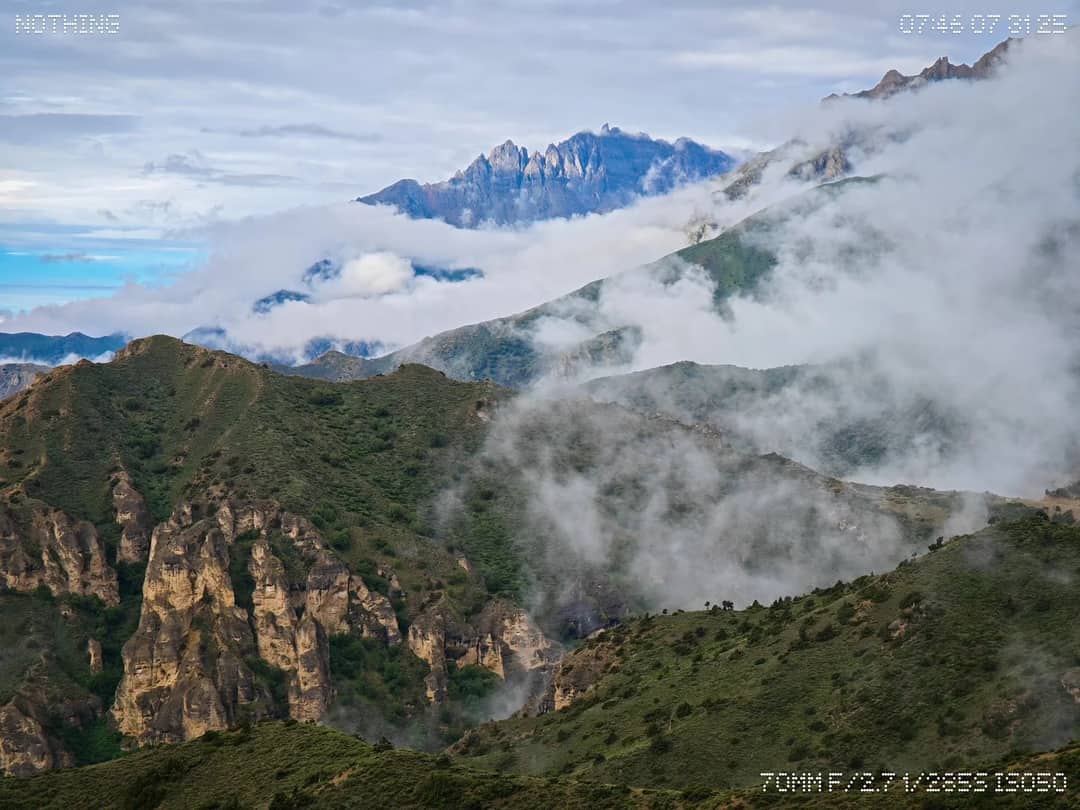
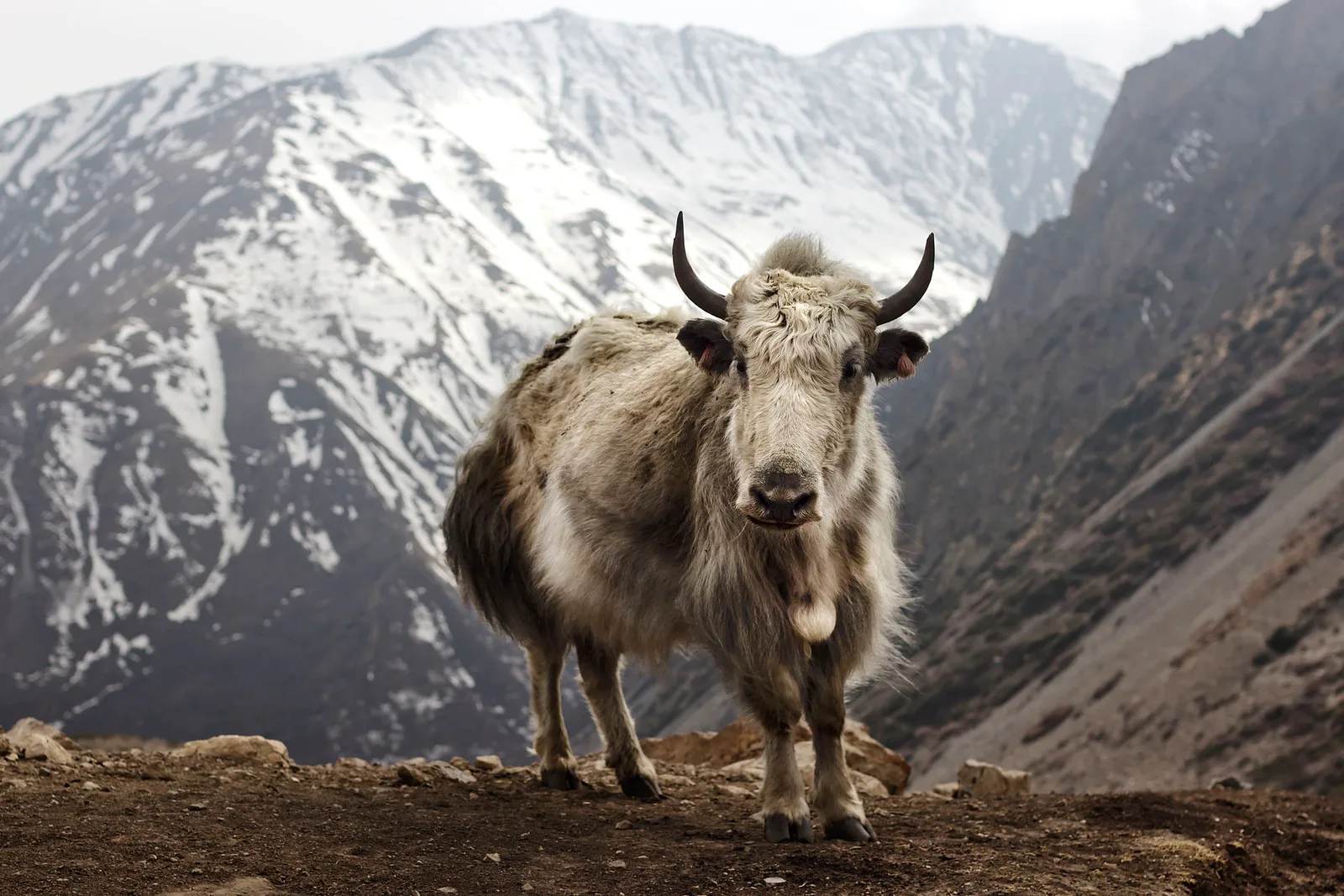
North of the high peaks, the Himalaya wrings the rain out of the clouds and the land beyond stays dry. Upper Mustang, Dolpo, Nar-Phu and the upper Manang valley lie in this rain shadow. They see only a fraction of the rain that falls on the rest of the country and trek beautifully right through July and August — which is exactly why they are our standard recommendation for a summer trip.
| Region | Monsoon risk | Verdict |
|---|---|---|
| Upper Mustang / Dolpo | Low (rain shadow) | Go |
| Nar-Phu / upper Manang | Low to moderate | Good with a guide |
| Annapurna Circuit (lower) | Moderate to high | Road slides likely |
| Langtang / Manaslu | High | Access roads risky |
| Everest (Khumbu) | High | Flights and cloud |
What this means for trekkers
The decisions that keep you safe
Monsoon trekking is a game of information, not bravado. Trail conditions change overnight, so a guide's local network — lodge owners, jeep drivers, the checkpoint up ahead — is your real safety system. Keep the itinerary flexible, build in buffer days, never camp on a valley floor or cross a flooded stream in heavy rain, and choose a rain-shadow route if you are walking in July or August. Done that way, monsoon Nepal is green, quiet and entirely doable.
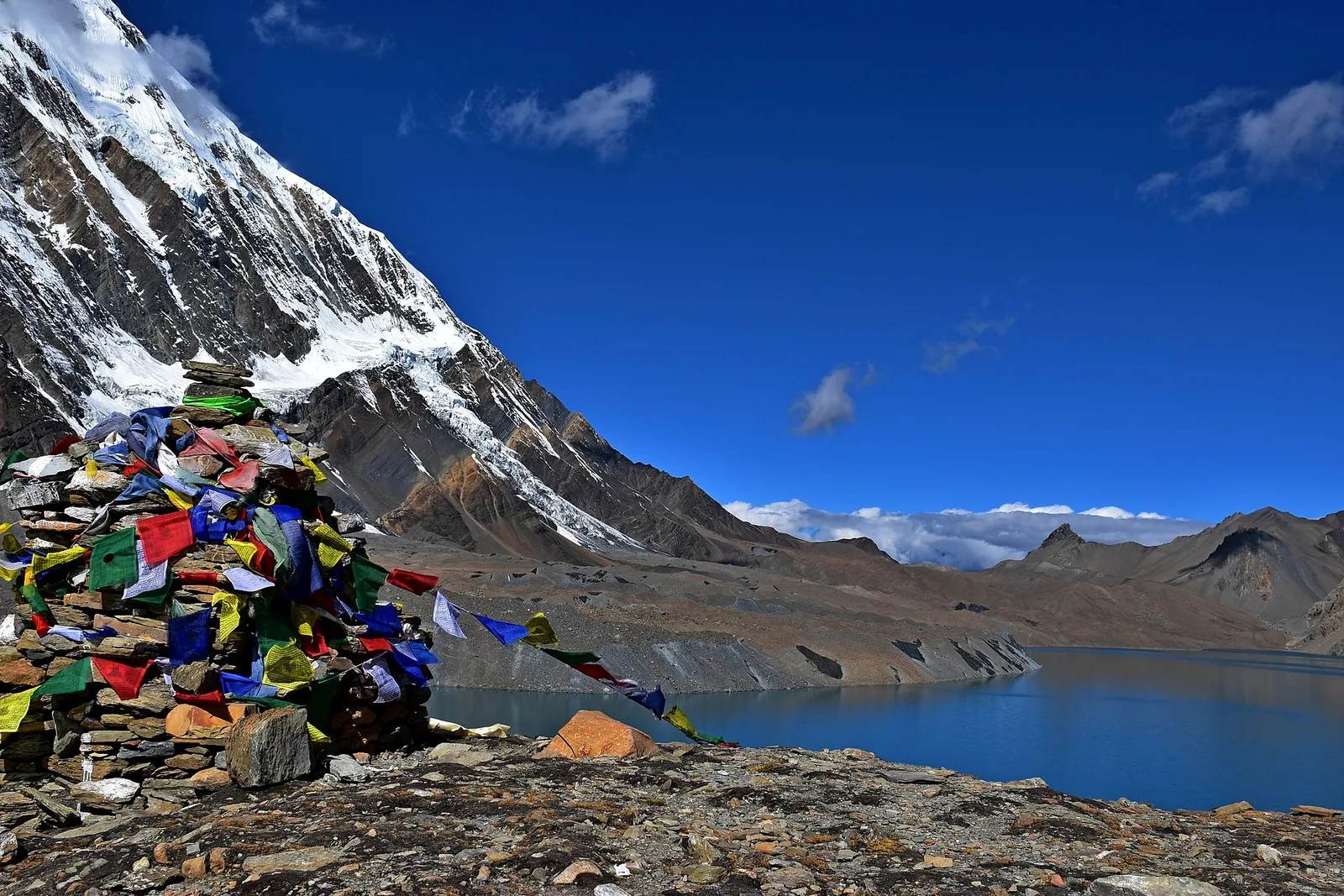
Want the summer mountains without the mud? The rain-shadow north is the answer — see our Annapurna Circuit with Tilicho Lake or the fly-out Jomsom option, both of which reach into the drier high country. Check timing on our permits page and talk to us about the safest route for your dates.
Source: Department of Hydrology and Meteorology (monsoon norms); operator trail reports, June 2026.
Not sure which trails are safe right now?
Some routes close in the rains while the rain-shadow ones stay open. Send us your dates and we’ll give you an honest read on what’s safe to walk and what to postpone.
Still running this season
Annapurna Circuit Trek with Tilicho Lake — 17 Days is running normally
NMA-certified local guides, transparent pricing, 5,000+ treks since 1998. Message us your dates and we'll sort the permits, lodges and logistics — reply within 24 hours, no obligation.
Popular Nepal treks
All treks →
Related coverage
Safety & Advisories
Is the Annapurna Circuit Trek Affected by the 2026 Nepal Floods?
Short answer: the Circuit trail itself was not hit — it runs the Marsyangdi and Kali Gandaki on the far western side of the country, a different river system from the Rasuwa flood. The one real catch is the drive in: confirm the Prithvi Highway to Besisahar, or fly to Pokhara.
Safety & Advisories
Is the Tilicho Lake Trek Affected by the 2026 Nepal Floods?
No — Tilicho Lake is an Annapurna-region trek in Manang, on the Marsyangdi, well away from the flood-hit Bhote Koshi in Rasuwa, and it is running normally. Here is why the trail is unaffected, plus the one monsoon road caveat.
Safety & Advisories
Is the Helambu Trek Affected by the 2026 Nepal Floods?
Mostly no, but this one needs a real check. The Helambu trails were not hit by the Rasuwa flood, but Helambu sits on the edge of the disruption zone on a monsoon-fragile access road. Reconfirm road access before you commit — and right now the no-doubt choice is Poon Hill or Annapurna.
Safety & Advisories
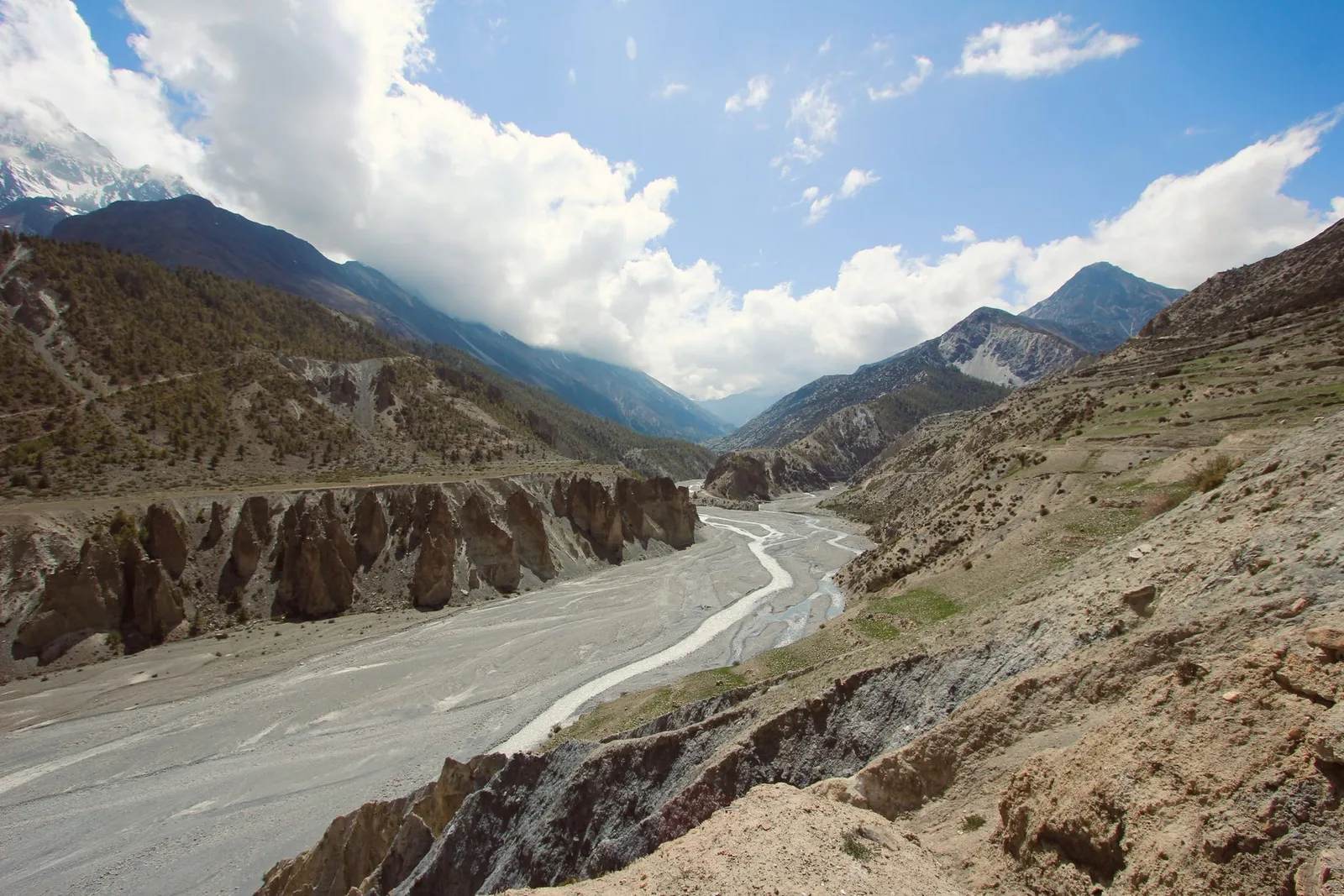
Is the Nar Phu Valley Trek Affected by the 2026 Nepal Floods?
No — Nar Phu is a restricted Annapurna-region valley in Manang, on the Marsyangdi, far from the flood-hit Bhote Koshi in Rasuwa, and it is running normally. Here is why the trail is unaffected, plus the one monsoon road caveat.
Latest from the desk

Flights & Access
Do the clocks still go back this year after the House voted to end it
Yes. The bill passed the House 308 to 117 but not the Senate. US clocks go back on 1 November, a week after Europe, and that week catches travellers out.
World Destinations
How many Americans actually visit Iceland, and why this year looks strange
661,929 Americans visited Iceland in 2025, nearly three in ten visitors. This year is flat overall, hiding swings of more than 20% from month to month.

World Destinations
Canadians are coming back to the US, but nowhere near the way they used to
Return trips from the US rose 8.8% in August, a fifth straight monthly rise. Car trips are still 27.4% below August 2024.